On This Day: The Enigma of Kaspar Hauser (26th May 1828)
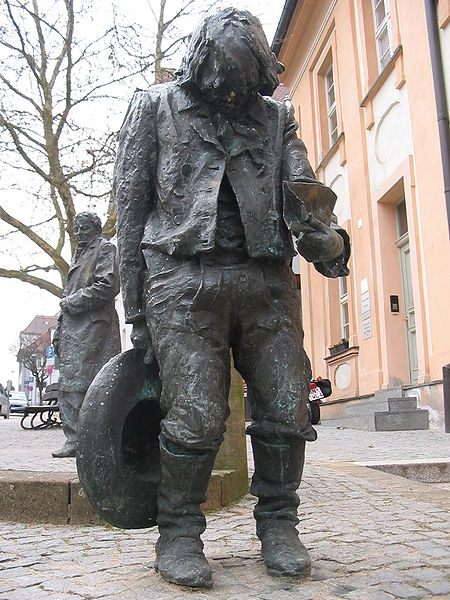
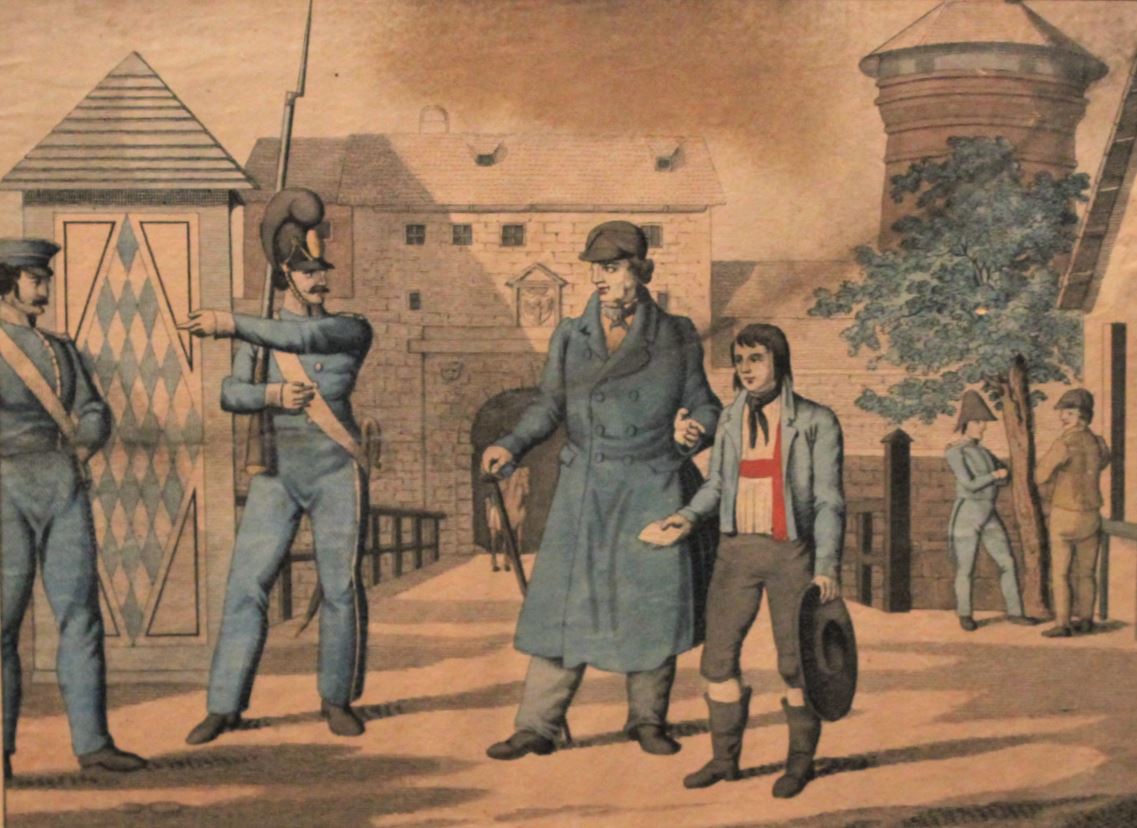
On 26th May 1828, a bewildered and seemingly disoriented teenage boy appeared in the streets of Nuremberg, Germany. Clutching a letter addressed to the local cavalry captain and barely able to speak or walk properly, this boy introduced himself as Kaspar Hauser. What followed became one of Europe’s most enduring and mysterious tales, laced with whispers of imprisonment, political conspiracy, and intrigue.
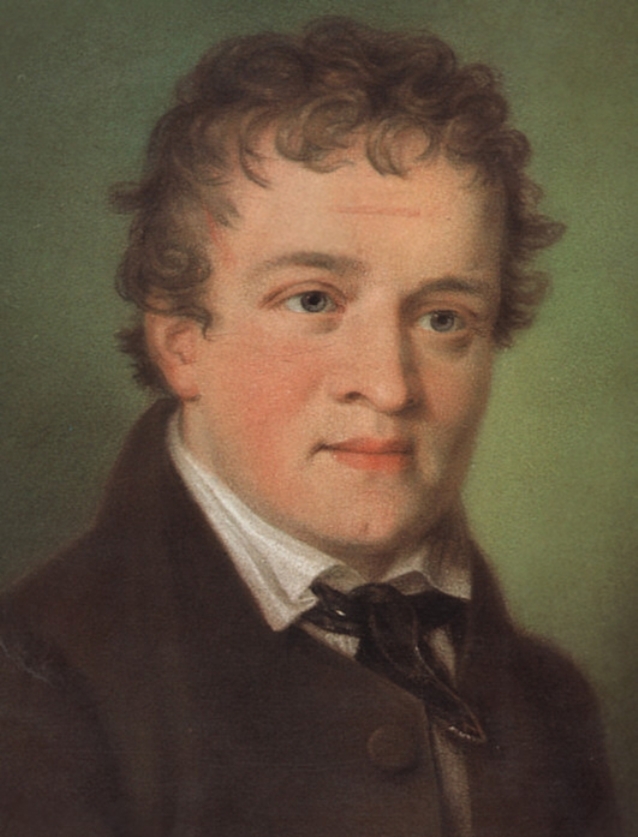
Hauser carried two cryptic letters. One, supposedly from his caretaker, claimed the boy had been kept in complete isolation his whole life and wished to become a cavalryman, like his deceased father. The second letter, allegedly from his mother, stated his name and birthdate: 30 April 1812. Later analysis revealed both letters were written by the same hand, likely Hauser's own, suggesting the beginnings of what would become a tale rife with contradiction and speculation.
Kaspar claimed he had spent his entire life confined in a dark, silent cell. He said he was fed bread and water, his hair and nails trimmed during drugged sleep, and taught only how to write his name and repeat a few phrases. Despite his claims, he was found to be physically healthy and showed signs of basic education, including some reading ability and knowledge of money. This raised suspicions about the veracity of his story.
Speculation quickly spread that Kaspar was of noble birth—possibly a prince of the House of Baden—secreted away to alter the line of succession. Born around the same time as the hereditary prince of Baden, who allegedly died in infancy under suspicious circumstances, Hauser was theorized to be the real prince, hidden away as part of a dynastic conspiracy. This theory implicated high-ranking members of the Baden court and ignited debates across Europe. In contrast, others believed he was an impostor seeking fame and sympathy.
Over the following years, Hauser’s story grew stranger. He suffered a series of mysterious injuries, including a forehead wound and a superficial gunshot to the head, both under suspicious circumstances. Critics accused him of self-infliction to gain attention or avoid reprimand. His caretakers, initially sympathetic, began to describe him as vain, manipulative, and dishonest.
Hauser died in 1833 from a stab wound he claimed was inflicted by a stranger in a park. He said the assailant handed him a violet purse, which contained a note in mirror writing hinting at the attacker's identity. Investigators found inconsistencies in his account, and handwriting analysis matched the note to Hauser. Forensic experts suggested the wound was likely self-inflicted, perhaps meant to garner sympathy but accidentally fatal.
Despite his tragic end, fascination with Hauser persisted. A tombstone in Ansbach marks his grave with the Latin inscription: "Here lies Kaspar Hauser, riddle of his time. His birth was unknown, his death mysterious. 1833."
Scientific studies have since dispelled the royal theory. A 1996 DNA analysis and a more definitive 2024 study confirmed that Hauser's mitochondrial DNA did not match the lineage of the House of Baden. Furthermore, a 2023 examination of Hauser’s physical condition revealed he had received a cowpox vaccination in childhood, which would not have been possible had he lived in complete isolation.
Modern psychological evaluations have characterized Hauser as a pathological swindler with traits of both hysteria and paranoid personality disorder. Psychiatrist Karl Leonhard stated in 1970 that Hauser's tale was so implausible it should never have been believed.
Nevertheless, the story of Kaspar Hauser remains one of history's most haunting enigmas. Whether a lost prince, a cunning imposter, or a troubled youth caught in his own web of lies, Hauser captured the imagination of a continent grappling with the boundaries between truth and illusion. The story is one that dwells in the liminal space between reality and myth. It is one that endures not because it echoes our deepest uncertainties about identity, trust, and the nature of the human condition.

Host, author and producer
Hi I’m Michelle.
Teacher, podcaster, history and paranormal enthusiast and woman who wears many hats and spins many plates including dog whisperer- as you will often find Archie my dog- joining me during podcast recordings where he promptly falls asleep clearly not as enthusiastic about the subject as I am. It does mean his dulcet snoring can often be heard gently in the background- his contribution as occasional co- host needs a little work.
I live in Oxford in the United Kingdom and I love travelling and exploring historical sites throughout the UK for its history and haunted activity. One of the best gifts I ever received was English Heritage vouchers to use to explore various different historical sites. I had the best summer that year. (For friends and family possibly reading this please note that hint for future gift ideas!)
I started this podcast as an adventure through some of my passions. It has been immensely exciting getting to know lots of other people around the world who have these same common interests. I’ve been humbled by the encouragement and support from strangers and people who have become new friends! I truly could not do this without you.
This isn’t something I have done before and I’m learning everything as I go along - from equipment, to editing, to even creating this website. I’m loving it though- it’s a lot of work - but worth every second. Thank you for being patient as I learn and improve along the way. I have big dreams of where to take this podcast and community I hope we build here. If you wish to support that dream and this c…Read More
Sale!