Groceryshop 2026 Takeaways | Live
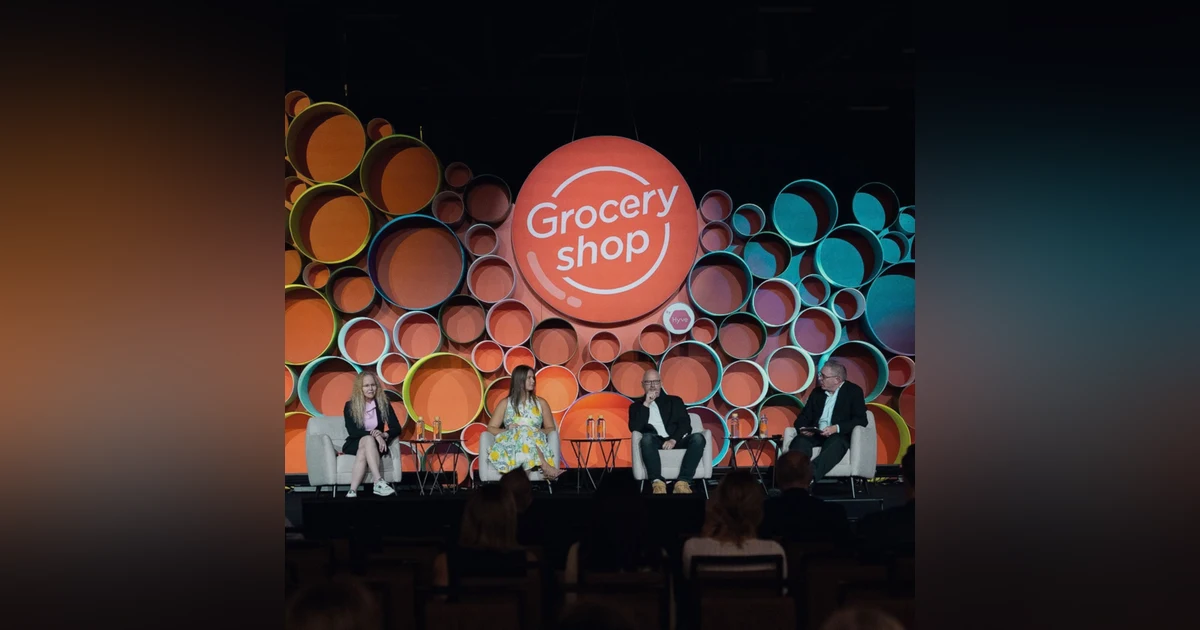

What a few days at Groceryshop 2026. If you weren’t in Las Vegas for the show, this conversation is about as close as you can get to catching up on what mattered.
Recorded live on stage at Groceryshop 2026, Ben Miller, host of GrocerTalk, brings together Chris Walton, President and CEO of Omni Talk Retail, Deborah Weinswig, Founder and CEO of Coresight Research, and Kelly Lindenau, Content Director at Groceryshop, to break down what actually stood out from a week packed with big ideas, big announcements and a whole lot of talk about the future of grocery.
The conversation gets into the questions retailers are wrestling with right now. Where is agentic commerce really going? Is disintermediation becoming the bigger threat? What happens when the LLM starts to become the store? And with shoppers demanding less friction, faster decisions and better value, what does that mean for pricing, private label, marketplaces and the physical store?
Chris, Deborah, Kelly and Ben also trade their favorite AI use cases, stats, quotes and technology takeaways from the show, including why the most important technology on display may not have been the flashiest. They debate what retailers should actually be paying attention to, what might be overhyped, and what could have a real impact on the way people shop.
In this episode:
• Why agentic commerce is still a big question mark for grocery
• The growing threat of disintermediation and what retailers can do about it
• What it means if the LLM becomes the store
• Why “speed of shopping” may matter just as much as speed of delivery
• How marketplaces are changing where and how consumers shop
• Why pricing transparency could change the competitive landscape
• The growing power of private label and retailer-owned brands
• What supermarkets need to do to give shoppers a reason to come back
• The most interesting practical AI use cases from Groceryshop 2026
• The technology, stats and quotes that actually stuck with the panel
• What the group thinks retailers should be watching as we head toward 2027
🎧 Subscribe to Omni Talk for more conversations with the leaders shaping grocery and retail.
All right.
Speaker AGood afternoon, everybody.
Speaker ASo a very warm welcome to Grocery shop Key Takeaways 2020 6.
Speaker AI am Ben Miller.
Speaker AI'm the host of the new weekly Grocery Talk podcast from the Omnitalk Podcast network.
Speaker AAnd I'm going to be guiding you through this session.
Speaker AI'm going to be steering the conversation with my wonderful co panelists.
Speaker AFirstly, for everybody in the room, congratulations.
Speaker AWell done.
Speaker AYou've made it to the very last last session of the show.
Speaker AThank you for being here with us.
Speaker AWe really appreciate it.
Speaker AWe are also recording this session.
Speaker AIt's going to go out as a podcast episode on the Omnitalk Network and on Grossertalk.
Speaker ASo welcome to everybody who is listening in.
Speaker ARight.
Speaker AFirstly, I'd like to introduce you to my wonderful panelists who are going to unpick with me the good, the bad, and the hopefully not too ugly of the show.
Speaker AFirst up on the end is Deborah Vineswig.
Speaker ADeborah is founder and CEO of retail and technology insight company Coresight Research.
Speaker AWelcome, Deborah.
Speaker AIn the middle we have Kelly.
Speaker AKelly Linderdao, who is content director at Grocery Shop.
Speaker AYes, Kelly is a linchpin in the team that's brought all the onstage content for you to the show this week.
Speaker ASo welcome, Kelly.
Speaker AAnd last, but by no means least, next to me is Chris Walton, president and CEO of Omnitalk Retail, the media network for retailers run by retailers.
Speaker AWelcome, Chris.
Speaker BThank you.
Speaker AOkay, so here is how this session is going to work.
Speaker AWhat I've done is I've picked eight topics that link to eight questions that I want to understand that I've been trying to find answers to about the show.
Speaker ASo I want to know what my illustrious panel has learned and taken away for each one.
Speaker ABut I absolutely recognize that this is content session number 50 of the week.
Speaker AAfter 30 plus hours of content, we're hopefully going to keep you entertained.
Speaker AWe're going to go fast paced, we're going to get through and we are going to get straight to the point.
Speaker AAnd if my esteemed colleagues don't, I'm going to try and keep them in check.
Speaker ASo if that's all right for everybody, let's get going.
Speaker AOur first question is on a gentic grocery, and my question is very simple.
Speaker ADid we get a clearer picture of where the agentic end game might be for grocery?
Speaker ASo go on, Chris, you're next to me.
Speaker ASo I'm going to throw this one first.
Speaker AI'm going to throw this one to you first.
Speaker CAll right.
Speaker CI'll flatly say no.
Speaker AOkay.
Speaker CI think we have no clear Picture of where the agentic future is headed, Ben.
Speaker CThat's what I'd say.
Speaker CAnd I think it's funny.
Speaker CYou and I were talking backstage before we came on.
Speaker CI think it was this panel two years ago where we asked the question, is AI overhyped or underhyped?
Speaker CAnd the general consensus was that it was overhyped at the time.
Speaker CYeah.
Speaker CAnd now we've got CEOs, like the Instacart CEO, which you moderated your interview with him on the first day of the show, saying, like, agentic AI is going to be so impactful that it's going to change the grocery industry more than any other vertical in retail.
Speaker CSo we've gone pretty far in two years.
Speaker AYep, yep.
Speaker CAnd I think to say that anyone has the vision to where it's going next would actually be deluding themselves to some degree.
Speaker CAnd so for me, I was thinking, okay, so what would I.
Speaker CHow would I look at that question?
Speaker CAnd we had a great interview with Mark Williamson, who's the AVP of retail media at Costco, and he had the best way to look at it.
Speaker CI'm going to paraphrase what he said, so I'm not going to quote him directly, but he basically summed it up where he said, people will shop the way they want and it isn't Costco's job.
Speaker CThat's because he was talking about Costco or any retailer's job to talk them out of using agents.
Speaker COur job is to plug in so our items and value show up how our customers want it.
Speaker CAnd I think that's right.
Speaker CAnd I think the other thing it tells me is that answer is going to be different by retailer, by brand as well.
Speaker AInteresting, interesting lots there.
Speaker AKelly, I want to say, what do you think?
Speaker DYeah, I'm gonna back Chris up here.
Speaker DI think we're very much still in the early stages.
Speaker DI do think we do have a fair.
Speaker DLike there are some things that are established, like agentic shopping assistants.
Speaker DThey're not going anywhere.
Speaker DThey're here.
Speaker DBut I do think now there's so much potential in how each brand and how each retailer really makes it their own and finds their own unique features.
Speaker DYou know, you have like Magalu in Brazil, they have Lou, who is their virtual influencer, who they turned into an AI powered salesperson on WhatsApp.
Speaker DAnd then on the other hand, you have schnucks who built their own assistant shopping assistant in store.
Speaker DAnd that focuses on everything a customer can ask, no matter how small, even if it's just like, hey, what Time does my store open?
Speaker DSo I think you have two extremes.
Speaker DI think you're really going to start seeing people now that we have kind of the foot under us a little bit, really start working to personalize it.
Speaker AAnd make it that own Interesting.
Speaker ADeborah, at the end, are you agreeing or are you going to be the contrarian view that says, absolutely, Ben, I'm going to tell you exactly where this is all headed.
Speaker BBen.
Speaker BBen knows me way too well.
Speaker BI'm going to take the other side.
Speaker BSo I think that we heard from a very large CPG and supply chain a 75% increase in the last 90 days of agentic commerce.
Speaker BWe heard from Instacart how people are using it for meal planning, for recipes.
Speaker BAnd we're starting to see this idea around this kind of customer journey.
Speaker BNow, the customer doesn't necessarily know what's behind it, but this idea that they're not having to work as hard, they're able to find a meal for, let's say, for $40, they're able to do a much better job of budgeting their grocery spend each week and they're able to shop multiple retailers and brands and they're also able to find, if they have food allergies, any other sensitivity for their family in a much easier way.
Speaker BAnd so I think that the customer is going to be leading us on this journey, as is the sales associate, because they're going to be able to serve the customer so much better.
Speaker BSo if you think about shareholder value creation driven by the customer and the employee, I think we are much farther along on this path than many would have expected once again, 90 days ago.
Speaker BAnd I think what we're going to see over the holiday season is going to surprise all of us.
Speaker AInteresting.
Speaker AOkay.
Speaker AI'm going to give you what I think is probably my word of the show and my word of the show is disintermediation, because I think that that is the threat and that's the concept that's going to drive how agenti is going to deliver.
Speaker AClose to that, probably.
Speaker AMuse was maybe my number two word of the show.
Speaker AAnd it's the same thing.
Speaker AThe whole idea of Muse is that it's an agent that actually does more for you.
Speaker AAnd I think we're moving into a world where people are trying to work out how, as an individual retailer, do I avoid the risk of this intermediation if the third party agents do more for us?
Speaker ASo we've been involved in lots of conversations where the retailers have been talking about making sure they are building agent E commerce capabilities on their own and operated assets.
Speaker ASo it might not be the end game, but I think that's the one that retailers should be planning for at the moment.
Speaker AAnd just as an example of that, I was really taken by what Jeremy Gosch said in his keynote this morning.
Speaker AHe was talking about how to.
Speaker AWe were talking about the need for speed.
Speaker AAnd if I'm going to be truly honest, I asked the question because I expected it to be about speed of delivery.
Speaker AThat's what I was thinking.
Speaker AYeah, I was.
Speaker ASpeed of delivery.
Speaker AWhat he talked about was speed of shopping.
Speaker AAnd he said at the Moment it takes 44.0min to shop their website.
Speaker AThey're currently reskinning the website.
Speaker AThey're going to, well, not reskin it, redesigning it from scratch.
Speaker AGoing to be launching really soon.
Speaker AAnd their ambition is that they can make it shoppable in five minutes.
Speaker AAnd it's agentic.
Speaker AThat's going to underpin the ability to do that.
Speaker ASo if that's the thinking that's happening in grocers across the country, I think disintermediation and avoiding the risk of it is the next big thing.
Speaker AGo on.
Speaker AI'm seeing nods and shakes.
Speaker AAnybody agree or disagree?
Speaker BI mean, I think the disintermediation point, which I hadn't heard much before.
Speaker BGrocery shop.
Speaker BI agree with you wholeheartedly.
Speaker BThat was kind of.
Speaker BIf it wasn't said in each conversation, it was kind of in the air around each conversation.
Speaker BAnd so I think the word for the.
Speaker BWell, it's more than one word, so two words.
Speaker BWe'll say phrase.
Speaker BBut operating system, that I heard more and more.
Speaker BSo how can the retailers themselves build an operating system that others can plug into?
Speaker BAnd how can they communicate that throughout their kind of vendor network?
Speaker BAnd so I agree with you, Ben.
Speaker BI think we are starting to hear that.
Speaker BAnd muse, I mean, the minute you brought muse.
Speaker BRight.
Speaker BLike, it just opened up a whole new conversation.
Speaker AYep.
Speaker BAnd so, I mean, you were at the dinner we hosted last night.
Speaker BSo someone said something that I've only said in my head and I was shocked to hear someone say it out loud.
Speaker BAnd I think it's still kind of like shaking me to the core.
Speaker BBut the idea that the LLM becomes the store is truly something that I have worried about.
Speaker BAnd it's like shaken me almost to my core.
Speaker BBecause if you start to think about true disintermediation, that's it.
Speaker AYeah, I think that.
Speaker AAnd therefore driving the creation within your own ecosystem.
Speaker AOkay.
Speaker AWe talked a lot about AI.
Speaker AI think this has been the show me the money show.
Speaker AAnd by that I mean, what is the best AI use case that you've heard this week?
Speaker AKelly, I'm going to throw to you first on this one.
Speaker DOkay, awesome.
Speaker DAnd I'm going to steal from Chris's session for my example because I'm going to call out Myron Frazier of Sam's Club with his Members Mark program.
Speaker DSo it allows the Sam's Club members, it brings them into their product development so they can test their private label products and give their feedback in real time.
Speaker DAnd then the AI element comes into that because it keeps track of their preferences, keeps track of, you know, what they liked, what they didn't like.
Speaker DSo now Sam's Club is going to start using that to predict future purchases and better understand their behaviors and just identify maybe white spaces where a product might kind of be lacking.
Speaker DSo I think that's cool that you're using direct customer feedback from your loyal customers you already have and just innovating from there while also benefiting yourself and also benefiting your customers because they're getting a more tailored journey.
Speaker AYeah, that was really neat new news that came out from Myron that was interesting.
Speaker AChris, what about yourself?
Speaker ABest AI use case.
Speaker COh, man.
Speaker CWell, you know, Ben, you know me well, so I'm a sucker for anything that helps the store associates, having been a store manager and district manager for Target back in the day.
Speaker CMine is actually kind of funny, though.
Speaker CIt's kind of a twist on that.
Speaker CIt helps the store's associates, but I would actually couch it as dummy AI.
Speaker COkay, yeah, dummy AI.
Speaker CWell, it comes from, you know, it's something I heard in your interview that you did for Omnitalk a couple days ago, which was you were interviewing Sherd Hollerman, who's the man in charge of product and AI at Albert Hein, which, for those that maybe aren't familiar, Albert Hein is a big Dutch grocer.
Speaker CAnd he told this cool story about how he thinks about deploying AI in the organization.
Speaker AHe was cooperating.
Speaker CSo they've got 80,000 employees.
Speaker COne of them happens to be his daughter.
Speaker CAnd his daughter's working in the store.
Speaker CAnd he told this story about how his daughter all the time gets asked these questions from different people that are shopping and she always has to go to the bakery to get the answer because she doesn't know that know the answer that they want from her.
Speaker CAnd so he heard this and he's like, okay, we gotta fix that.
Speaker CAnd so what he did was really brilliant.
Speaker CHe went into the store and he created like a faux interface for the sales associates to use, thinking it was AI.
Speaker CAnd then he stashed people in the back of the store, answering the questions in live time so they didn't know the difference.
Speaker CThey didn't know it wasn't AI.
Speaker CAnd so the reason he did that though, which is really brilliant, is because, and it was really great.
Speaker CHe's like, I'm never going to lead with technology for my solution.
Speaker CI want to understand the problem so then I can design the best potential AI system to solve that.
Speaker CSo he got a sense of what questions were being asked, what data was going to be required to help this the store associates the most.
Speaker CAnd so I thought that was a really interesting like flip for how we typically see technology implementations going into stores.
Speaker AReally?
Speaker AYeah.
Speaker AGreat start.
Speaker ADeborah, what's the best AI actual genuine implementation use case you've heard this week?
Speaker BI think we heard it from the stage with Instacart CEO where customers using their AI assistant saw a 50% larger basket.
Speaker BAnd I, you know, talking to folks, this idea around kind of having almost meals that you can buy, right?
Speaker BLike you're doing tacos at night because how often do you forget something and you're not knocking on the neighbor's door anymore.
Speaker BBut you may be using a, you know, any one of a number of e commerce sites and kind of quick commerce.
Speaker BBut this idea that you can have an assistant to help you kind of remember everything that you need, but also make suggestions whether it's price or, or product in real time that are personalized to you.
Speaker BAnd I think this other word, Ben, that we heard a lot more than I expected.
Speaker BAnd it's not just kind of theoretical at this point was around personalization.
Speaker BSo if you think about it, right, someone mentioned Sam's Club, Costco, BJ's, right, where to go in the door, you have everything tied to your loyalty card, club card.
Speaker BThis idea that you can get kind of real time personalized, basically decisions made for you while you're in the store and you can go from 40 minutes down to 5.
Speaker BThis idea around how commerce is going to change and how I think we'll see greater kind of like utils of happiness because you're getting more of what you want at the price you can afford.
Speaker BI think we're seeing that journey and you know, we're at the beginning of the path but you know, it's, it's started and I think a lot of that intelligence happened here at grocery shop.
Speaker AGreat.
Speaker AI've got an example hopefully some of you in the audience might have seen Jim Johannes session from Fruitist.
Speaker ASuper interesting.
Speaker ASo Fruitist, the premium blueberry brand.
Speaker ASo I was very ignorant.
Speaker AI think it's probably because I'm British, don't know much about blueberries.
Speaker ABut Jim told me how they, under his leadership of the technology function, have recreated the entire flows of their organization and everything starts with the forecast.
Speaker ASo we said the whole organization is start with the forecast and the forecast is built out of AI, but this is super advanced.
Speaker ASo let me give you two examples.
Speaker AOne, they are using satellite imagery to scan the entire country of Peru, which is where the majority of their premium brewberries are grown, to understand how the crops are developing, when they're going to hit what the market supply and demand is going to be, and then they can time their route to market and their flow together.
Speaker ASo really macro.
Speaker AAnd that's possible through a load of computer vision and a load of AI at a micro level.
Speaker AThey're then flying drones with cameras with computer vision and they're assessing their crops on 25,000 hectare farms to individual berry level to know exactly the right time to pick it, to get it.
Speaker ABecause for them it's all about the consistency of the product.
Speaker AAnd the better consistency of the product, the better customer experience.
Speaker AAnd particularly with more and more fruit and more and more produce going through E Com, you've got that risk of will the picker get me a good thing?
Speaker AYou want that consistent experience and that's what their brand is all about.
Speaker AI loved it.
Speaker AI was completely taken by that.
Speaker CGood thing it wasn't strawberries.
Speaker AYes.
Speaker AYeah, that would be a lot harder.
Speaker AA lot harder.
Speaker AOkay, how soon is now?
Speaker AI mentioned it once, I'm gonna get there again.
Speaker AWhat did we learn about shoppers seemingly insatiable need for speed and how the industry is evolving to reflect that.
Speaker ADeborah, you kick us off on this one.
Speaker BThank you for letting me take the lead.
Speaker BSo as many of you know, one of my favorite topics is live streaming and we are starting to see that in grocery.
Speaker BSo why is that important?
Speaker BBecause you can get real time, the need for speed feedback before you make a purchase.
Speaker BYou can also understand more.
Speaker BYou can start to really get to know even like the grower of your product.
Speaker BSo whether it's oranges or bananas, and going back to the bananas comment, right, this idea around, some people like to buy green bananas, some people like them yellow, some people like them yellow with brown spots.
Speaker BAnd so the ability to get exactly what you need in real time and to also be able to get the information that you need, right?
Speaker BWhether it's ingredients, whether it's how to prepare it, this opportunity to drive customers in kind of in screen experience, a live kind of back and forth.
Speaker BAnd in some cases you have an audience who can also jump in, like, oh, I tried this recipe or I tried that.
Speaker BAnd so the customer then feels like not only have they been satisfied by this could be direct to brand or retailer or platform, but you also bring in the audience.
Speaker BYou can order it and it can be at your home, quick commerce, 10 minutes.
Speaker BBut this idea around speed of decision and speed of receipt, I think it's both.
Speaker BAnd I think the customer is looking to take down decision fatigue.
Speaker BBecause when I go into a grocery store, and I do love mustard, but when there are on average about 89 SKUs, it is very difficult to make those decisions.
Speaker BAnd I'm often looking at taste profile and price.
Speaker BBut I think if you can utilize live streaming from that.
Speaker BAnd we're still at a very early place in the US at about 4% of E commerce sales.
Speaker BBut my prediction is we'll see significant growth in the fourth quarter and on into 2027.
Speaker BA lot of it based on AI technology that once again, we heard about at the show.
Speaker AChris, are you thinking need for speed as in delivery or decision making or both?
Speaker CI think everything.
Speaker AOkay.
Speaker CI think everything.
Speaker CYeah.
Speaker CAnd I do want to say that I had the bingo card of Deborah talking about live streaming on this channel.
Speaker CSo.
Speaker ASo yeah, you get the prize.
Speaker CYeah.
Speaker CRight.
Speaker CYou knew it was gonna happen at some point.
Speaker CThat's great.
Speaker CNo, I think it's everything, you know, and the frame, the frame I'd use is Instacart.
Speaker CInstacart had a great frame for that.
Speaker CYou know, they said, like they said, they said people are so consumed with the stress of like trying to figure out what the heck to plan for dinner every night, you know, and that's because people are time starved.
Speaker CAnd the other point I'd make that kind of plays into the speed thing too is people are also budget constrained.
Speaker CAnd so when you put those two things together, like you're busy, you're budget constrained, you just gotta make decisions really quickly.
Speaker CYou don't have a lot of time because you gotta probably go out and make some money too.
Speaker AYeah.
Speaker CAnd so that's what AI is so great about.
Speaker CBecause AI takes the cognitive load off of us in a lot of ways and frees us up and enables us to be fake faster in everything we're doing.
Speaker CThere could be a lot of downside to that too.
Speaker CBut that's ultimately what's happening here and that's the impact I see on the industry.
Speaker AYou see, I was thinking about marketplaces delivery in a slightly different way.
Speaker COkay.
Speaker AI think one of the things that I've noticed this show, just last week we had DoorDash with Uber Eats with Costco.
Speaker AThis week Instacart with GoPuff, Airbnb, which I think is super cool, what they're doing there.
Speaker AAnd then Dollar General on Wednesday, we are going to see more and more retailers on marketplaces and more and more multiple marketplaces per retailer.
Speaker AWhat do I think is the implication of that?
Speaker AI think firstly, there's a retailer perspective, there's some negotiations, but what there really is is for the shopper, you've got the opportunity to choose, which is going to drive competition, which is going to drive innovation.
Speaker ASo I think the customer experience of using these platforms is going to be better.
Speaker AThat's my hunch where that's going to go.
Speaker BI have to jump in because what was so interesting at CES this year is the amount of specialty retailers talking about selling on DoorDash and also Instacart and how that was their fastest growing channel.
Speaker BAnd one that talked about a bingo card.
Speaker BRight.
Speaker BThey hadn't even expected it.
Speaker BAnd so we're talking about going far beyond grocery into other areas.
Speaker BAnd if you start to think about prescription drugs, otc, hba.
Speaker BBut Ben, I couldn't agree with you more.
Speaker BI think that the opportunity that kind of avails and as you're starting to see some of these shifts in some of these marketplaces and these platforms, it's fascinating.
Speaker AGo on.
Speaker AWe're almost out of time, but Chris.
Speaker AGo, go, go.
Speaker AYou're itching.
Speaker CThat's why I come back to your disintermediation comment too.
Speaker CBecause if that's happening, then there's a ton of disintermediation that happens.
Speaker CParticularly because as AI starts to stand up on these sites, it makes those marketplaces incredibly powerful.
Speaker CAnd so there is going to be this push and pull tension between the grocers and the marketplaces to decide where do they put their products, who are they going to sell through, and then also who decides to white label their services just for delivery instead.
Speaker CAnd so that's an interesting question that I think we're still waiting to see how it plays out.
Speaker AOkay, so I'm following up.
Speaker AI'm going to move this on because.
Speaker BWe're going to be out of time.
Speaker BI'm trying to get it in the.
Speaker ANext Part we're going to be out of time.
Speaker CYeah.
Speaker AThe next question I'm going to go to is Supermarket Sweep, which is a 90s TV reference for any Brits in the audience.
Speaker AOkay.
Speaker AAcross the US Supermarket format stores have been losing share.
Speaker AOkay.
Speaker ASo what have we heard this week about how they can respond?
Speaker ADeborah, do you want to kick us off?
Speaker BYes, because Chris just set me up perfect.
Speaker CYeah.
Speaker BSo I love your point about kind of the grocer brand.
Speaker BSo if you start to think about what's going to matter, it is private label.
Speaker BAnd I think that that is what I mean.
Speaker BYou think about some of the retailers and some of your favorite products.
Speaker BRight.
Speaker BI think, you know, Kroger and Target, just where I am geographically come to mind.
Speaker BAnd so as they focus and they lean more into their private label as their brand, and you can only get it at Kroger, at Target, or any one of a number of retailers.
Speaker BThose are just the two that, like I said, I buy the most often because of geography.
Speaker BAnd then I goes back to Chris's point.
Speaker BAs you start to think about these platforms.
Speaker BRight.
Speaker BPulling the private label out of the traditional retail format and being able to buy it in other dimensions, I think is going to be critical.
Speaker BAnd when you think about the margins on that as well.
Speaker BAnd so what we're seeing from a CPG perspective and private label is that they are partnering in unique ways, whether it's from a manufacturing perspective, ingredients perspective, or or even kind of some of this exclusive product perspective.
Speaker BAnd so I think that going back to what drives people into more traditional boxes ends up being exclusive product and private label.
Speaker BAnd I think that we are in a very interesting place once again driven by agentic commerce and how people are thinking about LLMs, which eventually ends up being also good for the physical store.
Speaker AWe're bringing so many trends together.
Speaker AKelly, I want to bring you in here at this point.
Speaker AWhat have you heard about options for supermarkets?
Speaker DYeah.
Speaker DSo what I'm going to say is going to sound initially counterproductive to the question.
Speaker DI do think that websites and apps need the same attention as stores, and that will ultimately drive people back into the store.
Speaker DBecause if you think about it, you know, the most frequent touch point consumers have with your brand or your company is on your website or on your app.
Speaker DThat's where they go all the time.
Speaker DThat's where the most foot traffic is.
Speaker DRight.
Speaker DSo you need a really solid digital storefront.
Speaker DAnd if you could really capitalize on that, you could then tailor promotions or, you know, anything to get your Loyal consumers are always on your website or on your app in your store.
Speaker DSo I think if you could put a little more in your website and then really optimize your website to push in store, I think that's, you could kind of start bringing it back.
Speaker AInteresting, interesting.
Speaker AChris, what have you heard on this one?
Speaker CYeah, I mean, I think, I think the interesting question to me is more like who's going to take the share in the physical retail world?
Speaker AOkay.
Speaker CAnd so that's where to Deborah's point, I would actually, I think I'd take it up.
Speaker CI agree with her on private label, but I take it up a level too.
Speaker CAnd I think the next 10 years are going to be defined by pricing in the market particularly.
Speaker CSo that's, you know, that's why you're going to private label, because there's a better value there.
Speaker CBut the price transparency across the industry is going to be at a level we've never seen before.
Speaker CSo you take your point about marketplaces.
Speaker CIf we're on all these marketplaces or we're interacting with LLMs and we can simply say who has the best price for this basket of items that I want to buy, that's an unparalleled position of power that we're in as consumption.
Speaker CAnd so that is something that we're going to have to really think about.
Speaker CAnd so the most interesting announcement that I heard at this show was Instacart aligning with Dollar General and 20,000 of their stores which are.
Speaker CAnd Instacart is pricing them to the store level.
Speaker CPricing, there's no add up markup.
Speaker CDollar General's already been taking share, Costco's been taking share, Sam's Club's taking share.
Speaker CThat's the world we're living in.
Speaker CSo retailers are going to have to start investing in price to make sure that they know how they want to price themselves.
Speaker CBut the biggest thing is too is loyalty.
Speaker CThey've got to get their loyalty programs dialed in.
Speaker AYeah.
Speaker AAnd this was the exact premise of the question that I wanted to put my interview with Jeremy Goscher Hyvee around, because Hy Vee is one of the few supermarket chains in the US taking share at the moment and taking share from some of the organizations the you've just met, which really books a trend.
Speaker ASo the question is kind of how.
Speaker AWe had a really good conversation.
Speaker AWe talked about value.
Speaker AHe talked about 15,000 prices that they make sure they are cheapest in the market for.
Speaker ABut I think the thing that really engaged me was when he talked about moving back from their standalone value format.
Speaker ASo he created something called Dollar Fresh Market.
Speaker AReally, that was an opportunity to try and compete directly with Aldi, almost my words, not his.
Speaker ATo be the Aldi in the market.
Speaker ABefore Aldi got into the market, what they found is that was not the right strategy.
Speaker AActually, what works for them is to be the best Hy vee they can be.
Speaker ASo they're moving out, they're reformatting those stores, and they're turning back into Hy Vee.
Speaker AAnd I think there is, you know, there are a number of retailers in this market who are using multiple banners and losing that ability to have a sense of identity.
Speaker AAnd I think that to drive the identity, to drive the storytelling and to drive the private label, I think be the best single thing you can be.
Speaker ASo I took that away from the Hy Vee conversation.
Speaker AAll right, tech talks.
Speaker AHave you discovered a piece of or a bit of technology this week that has excited you?
Speaker ADeborah, I'm going to ask you first, you have the privilege of running the pitch competition each year at Grocery Store Shop.
Speaker ASo who won Startup Pitch in one minute and did they excite you?
Speaker BSo there were two winners, and both were solving a problem that we haven't really heard a lot of companies solving for before.
Speaker BSo I would almost use it as a jumping off point for new technology.
Speaker BSo one was Shelf Life, which tries right now they're only dealing with center of store, but expired products.
Speaker BAnd how do you get ahead of it?
Speaker BSo whether it's marking it down or, you know, kind of going back to the vendor, but, you know, trying to basically get it to the customer, partnering with companies like Good to Go.
Speaker BSo that was one.
Speaker BAnd I thought I've always.
Speaker BWe've, of course, I've focused a lot on the kind of significant opportunity that 38% of all food grown ends up in landfill.
Speaker BAnd so, right.
Speaker BIf you could even bring that down to half, you could feed everybody.
Speaker BSo I thought what she was doing was really interesting.
Speaker BAnd then on Perfect Store Group, this was actually so the whole idea around kind of like how some of these products get discovered and who's selling to whom, and especially for some of the smaller products and commissions they may have to pay, etcetera, and really creating kind of this salesforce ultimately to help your products get into the hands of those who want to buy it.
Speaker BI mean, really, to your point earlier, I thought which was really interesting is how do you kind of like create this transparency around price, promotion and also product availability?
Speaker BAnd so neither of those have really kind of been discussed in the level of detail or with the approach.
Speaker BSo I think they were both really interesting.
Speaker BThey're probably both really early, but I think it goes back to they are a jumping off point for technology to be built on top of.
Speaker AGood.
Speaker AKelly, what's excited you tech wise this week?
Speaker DYeah, so I'm also going to talk about startup pitch.
Speaker DOne of the contestants was Blue Collar Robotics and they helped to show Streamline in store order, online order fulfillment in stores.
Speaker DSo they have robots that focus on the center store.
Speaker DSo the stuff that's not so precious, where it's like a box of cereal or oatmeal to pick, and then it leaves the picking of fresh meat or produce in the hands of actual associates who could figure out like, oh, hey, this is a really ripe apple.
Speaker DLet's give it to the associate.
Speaker DNot a robot that might just kind of grab the rotten one that might be on its way out.
Speaker DSo I think that's cool that the robots and people are going to work together to optimize and fulfill those orders.
Speaker AChris, I'm slightly concerned about asking you this.
Speaker AFrom some of the changes you've made, has anything excited you this week?
Speaker AWow.
Speaker CNo.
Speaker AFrom a tech perspective?
Speaker COh, no, not really.
Speaker CI mean, I think that's good though.
Speaker COkay, well, I think, you know, right or wrong there, I've said that I had a lot of people on when I was walking the floor tell me this too.
Speaker CLike, there hasn't been one whiz bang tech, you know, there was no right or wrong, no, no robot dog or dancing robot, you know, that everyone's talking about and videos are being shot of it or whatever.
Speaker CAnd I think that's good because where we are as an industry is trying to find the practical applications of how to deal with all of this.
Speaker CAnd so the one that I would call out was Ajo Delez.
Speaker CThey've got their Edge Agentic Media Planner, which basically they're using agentic AI to help plan their media buys.
Speaker CAnd they're doing it to the point where they can trust it.
Speaker CAnd so that's just one application.
Speaker CAnd I think those are the types of applications we're going to hear more and more about.
Speaker CBut they're not sexy.
Speaker CThey don't necessarily get you out of bed in the morning at a conference, especially in Vegas.
Speaker CBut like, you know, that was what I took away from it.
Speaker AYeah.
Speaker AAnd I think we had Arthur Sylvester, who runs digital and media at Danone, come by the stand and he summed it up really nice.
Speaker AHe said this year is just not about the shiny thing.
Speaker AIt's about it's about the consolidation and making it happen.
Speaker AAnd I think that's absolutely right.
Speaker AOkay, we've got 10 minutes left, so we're going to do two more and we're going to do quite rapid fire.
Speaker AOK, so the first one is stat of the show.
Speaker AChris, I'm going to throw to you on this.
Speaker AWhat's your favorite stat of the show?
Speaker CStat of the show.
Speaker CThat one for me was right in the beginning.
Speaker CIt was from your interview with Chris Rogers.
Speaker CHe said that the grocers on the Instacart platform that use same as in store pricing grow 10 percentage points faster.
Speaker CAnd that's interesting to me because of what I was saying before, because pricing is going to be just so much more important because one, we've got the macroeconomic pressures, which we always talk about.
Speaker CBut then the second piece is, like I said before, the pricing transparency is just going to be so much more readily available to all of us to make better decisions to save ourselves money.
Speaker CAnd so the implications of that to me are, you know, you've got to figure that out.
Speaker CAnd so when I look at the grocery industry, if you're still playing a high low game in that landscape five to 10 years out, you're probably in the crosshairs of not liking where you're sitting right now.
Speaker CAt least I'm not.
Speaker AYeah, I think that's very fair.
Speaker AKelly.
Speaker DYeah, so mine is from McKinsey's 2026 State of Grocery, and it's that 85% of consumers say private label quality matches or even beats out of national brands.
Speaker DSo I just think that's so important because it shows that private label is now on equal footing with these national brands.
Speaker DAnd now that it's kind of, you know, shed the stereotype that might be lesser quality or lesser product, it's no, we are actually hitting with the big national brand.
Speaker DSo I think that just opens up so much potential for retailers to almost turn their stores into their own brand where their private label products are now actually bringing people in and building loyalty that way.
Speaker DSo I think there's going to be a lot of exciting things happening in.
Speaker APrivate label now that it's 85%.
Speaker AOkay, that's big.
Speaker AThat's big.
Speaker ADeborah Stat of the show.
Speaker BSo I've always been very focused on on shelf availability because you, I mean, and these days if you're picking from the store, if it's not on the shelf, nobody can buy it.
Speaker BAnd so we heard for those using whether it's computer vision or autonomous robots like Simbi, a 35% increase in on shelf availability and a 10% increase in sales per store.
Speaker BAnd so this idea that this technology can not only help you, your kind of online shoppers, but in store shoppers and the cost with which it's kind of, you know, come down to it is truly transformational and.
Speaker BRight.
Speaker BI think what we were told is that basically like the return is like four to six months now, which I think in, you know, let's call it a few years ago it was probably three to five years.
Speaker BSo the cost of compute is coming down so much.
Speaker BThe cost of technology and the ways to use it and the ways to integrate it so seamlessly with the customers that I think is critical.
Speaker BBut it goes back to it needs to be on the shelf for anyone to buy it.
Speaker AOkay, brilliant.
Speaker AI'm going to hit you with two.
Speaker AI know, rapid fire so I get more time.
Speaker AOne of them is cheating actually because it was the stat that I created.
Speaker ASo this is the first time we were going to discuss it at the show.
Speaker AI was actually doing some work for something on Monday and I looked at what the year on year gas price increase on average gasoline in the US is.
Speaker ASo this is from the AAA on Monday, the year on year increase was 41% of pump prices.
Speaker ASo when we talk about the affordability challenge, that really puts it into stark concept for me.
Speaker AThe second was a quote from Brian Monaghan.
Speaker ASo Brian is SVP of retail media at the Albertsons Media Collective.
Speaker AHe shared that 8% of Albertson trips come from somebody having forgotten an ingredient for something they're trying to cook.
Speaker AAnd in many ways, like that's probably not a big surprise.
Speaker AMy kind of aha moment for that is when you link that to agentic commerce.
Speaker AIf the whole idea of Regentic is he starts to know who you are, can predict things, replant and take care of basket composition for you, the likelihood of forgetting things goes down and, and therefore all these incremental trips could potentially drop.
Speaker AI'm making three steps ahead there, but I thought that was really interesting.
Speaker AAll right, go on.
Speaker AQuote of the show.
Speaker AChris, I'm going to throw to you first on this one.
Speaker COh man.
Speaker COkay.
Speaker CQuote of the show.
Speaker CWell, for me, so I'm also a merchant by trade, spent a lot of time in merchandising in my career.
Speaker CSo I got the chance to interview Myron Fraser, who's the chief merchant at Sam's Club and it was really cool, like getting to talk to him.
Speaker CBecause we talked about how he, he spent time in the historical archives of Walmart and he discovered like this 40 year old document that someone at Sam's, I don't remember the guy's name at Sam's Club, it wasn't Sam Walton, but it was somebody that helped founding shape Sam's Club.
Speaker CAnd he had 10 points of what makes a good Sam's Club item.
Speaker CAnd one of those points was that the item sells itself and that that's a key ingredient to being successful.
Speaker CAnd that's something as a merchant that I've thought about but I've never actually articulated it.
Speaker CYou know that it's not about the packaging, it's not about the sexy design, it's like it's about do you know what the item is and can people get it and understand it and do they want to take it home just by looking at it.
Speaker CSo I thought that was, that was just a really cool thing that he shared with me that I'd never thought about.
Speaker AI really like, I also really like Myron's summary of their merchandising strategy as distinctive products at disruptive prices.
Speaker AIf you can take a whole approach to merchandising and just distill it down to five words and everybody understand what that means and it to be uniquely yours, I thought that was really clever.
Speaker AAnd I mean some people that'll be really familiar phrase to others might be hearing it for the first time at the show.
Speaker AAnd I'll add that a lot.
Speaker AKelly, give me a quote.
Speaker DSo mine is from Stuart Samuel at IGD and he said we really need to rethink what innovation is and it has to start with the consumer.
Speaker DAnd I think, you know, just across the show and even in this topic we all talk about tech, retail, media, AI, personalization data.
Speaker DAnd I think a lot of times when there's so much like new products coming and all this innovation, you could get caught up in the shiny new object syndrome.
Speaker DI think before you could even think about onboarding those, you have to take a step back and say what are my customer problems, how could I solve them and what technology is going to help me get there?
Speaker AAmen.
Speaker ADeborah, quote to the show the shopper.
Speaker BIs not asking for AI, they're asking for less.
Speaker BWork was done a closed door session and I think it goes back to right we're, you know, kind of every third word is AI.
Speaker BBut when we think about the customer and we think about the employee, once again, what ultimately drives shareholder value, it's not this focus, it's I think eliminating decision fatigue and also helping people make more of the right decisions.
Speaker BAnd so whether it's how you kind of do those documentations, right, from an AI perspective, et cetera.
Speaker BSo it's much easier in store to make those decisions.
Speaker BBut ultimately the customer just wants to be able to, I mean, really to what Kelly said.
Speaker BBut you want to find more of what you love and to find it easier.
Speaker BAnd so I think that's the direction we're heading.
Speaker AI'm going to wrap with a quote of the show.
Speaker AFor me, I'm not going to tell you who it's from because he was given off stage.
Speaker AIt's from a retailer and they'd been to see the Doordash keynote and they said, I'm worried.
Speaker AI'm worried their thinking isn't right about their agent.
Speaker ALike, okay, why?
Speaker ALet's work it through.
Speaker AI said, well, they called it Ask Doordash.
Speaker AOkay, what's the problem?
Speaker AHe said, if you're still thinking that agents is something you have to ask, you're still thinking about a search engine.
Speaker AAnd that's the old fashioned word.
Speaker AHe said, within their retailer, they are working on their agents to be proactive and to take action.
Speaker AAnd I think that was a bit of a check.
Speaker AIf you're still thinking about AI as something that you need to ask and interact with as a search engine rather than as something you expect to start doing things for you, then that boat's already sailed.
Speaker AAnd I thought that was really interesting.
Speaker AOn that note, that was silent.
Speaker AOkay, great.
Speaker AIn which case, all I'm going to say is the shop, shop talk.
Speaker AShop talk will be back, but so will grocery shop.
Speaker AI'm gonna get the brand right slightly earlier next year, September 13th to the 15th, back here in Las Vegas.
Speaker AThank you everybody for joining us again this year.
Speaker AThank you for staying to the end.
Speaker ATravel safely, take care and we'll see you again soon.
Speaker AThank you very much.