Meditations, mediations, and Meditations?
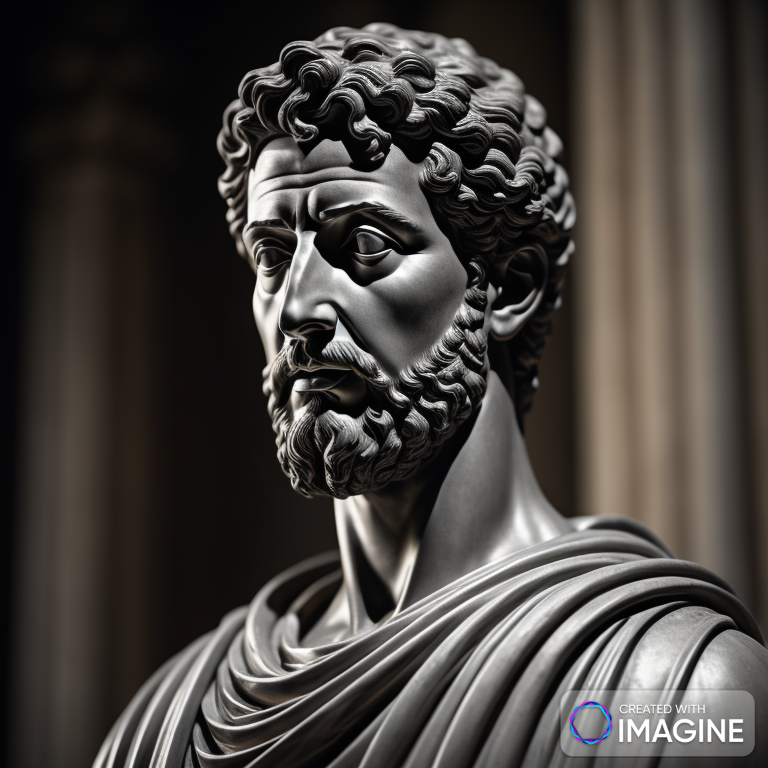
Why Are There So Many Interpretations of Meditations?
Ah, Meditations by Marcus Aurelius—often referred to as the greatest “accidental self-help book” of all time. Written as the Roman emperor’s private journal, it was never intended for public consumption. Yet here we are, centuries later, with everyone from philosophy professors to lifestyle influencers and your cousin who “got really into Stoicism during the pandemic” offering their two cents on what Marcus really meant.
So why are there so many interpretations? Here are some of my opinions on that.
1. Marcus Didn’t Write It for You (Or Anyone Else)
First off, let’s remember: Marcus didn’t sit down to write Meditations thinking, “This will be an New York Times bestseller.” He was jotting down reminders for himself—pep talks, really—while dealing with plagues, invasions, and, well, the general dumpster fire that was the Roman Empire. These musings, which is what the were, were deeply personal, not polished pearls of wisdom.
Because it’s so raw and unstructured, Meditations is open to interpretation. One person might see stoic resignation; another might see pragmatic resilience. Marcus left us the philosophical equivalent of a blank canvas—and humans, being humans, can’t resist painting on it.
2. Translation Woes: Is It Logos or “Divine Fire”?
The original Meditations was written in Greek, actually, Koine Greek not Latin. It was a dialect that was widely used during the Hellenistic period and throughout the Roman Empire. This form of Greek is often described as being educated Hellenistic Greek. This means every modern reader is relying on a translator’s interpretation. Is logos “universal reason,” “divine order,” or just Marcus being existential about how life is chaos but we’re supposed to pretend it’s not?
Each translator leaves their own mark, consciously or not. Some focus on keeping the language lofty and philosophical; others try to make Marcus sound like he’s dropping wisdom at a TED Talk. It’s no wonder readers end up debating whether he was a Zen master or just a really stressed-out guy coping the best he could.
3. Projection: The Mirror of Marcus
Here’s the big thing: We all read Meditations with our own baggage in tow. The overworked CEO sees a guide to managing stress. The minimalist sees a call to abandon materialism. The fitness influencer quotes it on Instagram alongside a photo of themselves doing yoga on a beach (#mindfulness).
Marcus becomes a reflection of whatever you’re looking for. Want a stoic role model? He’s your guy. Want validation for skipping brunch because you needed “alone time to realign your soul”? Marcus approves. It’s like those horoscopes that always seem to apply—except with more dead emperors.
4. Philosophy Meets Pop Culture
Lastly, let’s not ignore that Meditations has been co-opted by pop culture. Authors, business gurus, and even NFL coaches cite it as their secret weapon. The result? People approach the text with wildly different expectations. Is it a spiritual guide? A tactical playbook? Or just a good excuse to buy another leather-bound notebook?
The beauty of Meditations is that it’s ambiguous enough to be everything to everyone. Marcus wrote it for himself, but in doing so, he gave us a timeless Rorschach test of wisdom. It’s as if he’s saying, “Take what you need, leave the rest, and stop overthinking it—I’m just trying to get through the day like everyone else.”

Your Body Remembers What Your Mind Tries to Forget