Honey in Skincare: Ancient Secret Meets Modern Science






Discover why honey is revolutionizing skincare routines everywhere. In this skincare education episode, esthetician Trina Renea and cosmetic chemist Rebecca Gadberry team up with beekeeper Holly Moore and Valley Hive co-founder Keith Roberts to break down the science behind this ancient ingredient. Learn about honey's antimicrobial, antifungal, and antioxidant properties—and why different honey types deliver different skin benefits. Whether you're an esthetician seeking ingredient deep dive knowledge, searching for acne treatment solutions, or curious about natural skincare ingredients, this episode delivers actionable skincare advice backed by research. We explore medical-grade honey, ethical sourcing, royal jelly benefits, bee venom research, and propolis. Plus, discover practical applications for anti-aging skincare and healthy skin habits. Listen in for expert dermatology insights and professional tips that transform how you think about this humble ingredient. Your skin will thank you.
Have a question? Send us an email at info@faciallyconscious.com
LinkTree: https://linktr.ee/faciallyconscious
LIKE, FOLLOW & REVIEW US ON INSTAGRAM, & WHERE YOU LISTEN TO PODCASTS!
Visit our website faciallyconscious.com
Join our new Patreon and Substack for more content from Facially Conscious
Follow Our Hosts On Instagram
Trina Renea - Medically-trained master esthetician and celebrities’ secret weapon @trinareneaskincare and trinarenea.com, Substack
Julie Falls- Our educated consumer is here to represent you! @juliefdotcom
Dr. Vicki Rapaport -Board Certified dermatologist with practices in Beverly Hills and Culver City @rapaportdermatology and https://www.rapdermbh.com/
Rebecca Gadberry - Our resident skincare scientist and regulatory and marketing expert. @rgadberry_skincareingredients
[Intro] Hey, everyone. Welcome to Facially Conscious. I'm Trina Renea, a medically trained master esthetician here in Los Angeles, and I'm sitting with my rock star co-host, Rebecca Gadberry, our resident skincare scientist and regulatory and marketing expert.
We are here to help you navigate the sometimes confusing and competitive world of skincare. Our mission is to provide you with insider knowledge on everything from product ingredients to medical procedures, lasers, fillers, and ever-changing trends. With our expert interviews with chemists, doctors, laser reps, and estheticians, you'll be equipped to make informative decisions before investing in potentially expensive treatments. It's the Wild West out there, so let's make it easier for you, one episode at a time.
Are you ready to discover the latest and greatest skin care secrets? Tune in and let us be your go-to girls for all things facially conscious. Let's dive in.
01:18 Trina Renea: Hello, hello, hello. Good afternoon, everyone. How are you today, Rebecca?
01:22 Rebecca Gadberry: I am so excited about this segment. I can’t believe that we have one of the big experts in honey and beekeeping on with us today. I'm not going to introduce them, though. I'm going to let Holly Moore introduce him because she is a beekeeper. I don't know if everybody remembers Holly from an earlier segment that we did about, what was it?
01:48 Trina Renea: Pregnancy skin care. Pregnancy and skin care and that was a really good episode, so you guys should listen. I'm Trina. I am your esthetician. And Rebecca here is our cosmetic chemistry expert. We have two guests with us today.
Honey, I'm just going to say, I’ve been hearing a lot about honey lately. It's very popular. It's very popular right now.
02:18 Rebecca Gadberry: It is.
02:18 Trina Renea: I know a few friends who are making honey. I don't even know the terms of, they're beekeepers. Was that right?
02:25 Rebecca Gadberry: We're going to learn that today.
02:28 Trina Renea: Yeah. So we're going to learn about honey today. It's really interesting in skincare right now as well. There's some new things coming out and that's why we're talking about it.
02:37 Rebecca Gadberry: Yes. And I want to say, from a product development standpoint, I'm getting a lot of requests for honey skin care, body care and hair care. So it's like blowing up. Everybody, I think, is really sensitive to what's going on with the bee population. I think they want to support it. And we're going to find out today if using more honey is a way to support the population or not.
Holly is also one of my co-teachers over at our UCLA Cosmetic Science Program. She's also called The Ingredientist. And you can find her at theingredientist.com if you're interested.
03:17 Trina Renea: And she's on our website as well.
03:19 Rebecca Gadberry: Yes, she's on our website, and the gentleman she's about to introduce will also be on our website. You can find him as well if you're interested in becoming a beekeeper.
So, Holly, I would love to welcome you to Facially Conscious. And if you could introduce our guest, I think you know him better than either Trina or I, because you happen to be a beekeeper, which was one of the wildest, funnest things I ever learned about you.
03:53 Holly Moore: Actually, Rebecca, that's the only reason I maintain it, is just to make myself more interesting to you.
04:02 Rebecca Gadberry: You're interesting in so many ways, too.
04:05 Holly Moore: No, I think it was the tagline I keep about 60,000 female engineers in my back garden that got you.
No, so I have always been fascinated by bees. I grew up in the English countryside. It was fairly remote. My parents taught me very on the difference between a honey bee and a wasp. And I'm not talking about a white Anglo-Saxon protestant but actual wasps. But either way, how necessary these creatures are for our ecosystem, for our supply chain, for our food, just pollinators in general.
So, naturally, this has grown into a special interest as an adult. Like all things in life, a.k.a. Rebecca, I sought you out as my mentor in skincare and product development, and so naturally, I also needed one from beekeeping.
I’ve been a beekeeper for about five years. In fact, we renovated our entire garden, which just used to be a cliff or hill, as Keith can attest to. He has kind of a funny story about that. And, yes, we built this garden basically for the bees around the bees. That's been the journey ever since.
So I sought out Keith and pretty much consistently tracked you down, I think, Keith, via phone call to try to get you to come out and do what we call a hive inspection with me, and essentially give my husband and I some mentoring around beekeeping. That's how we met.
And in that journey, I've learned about the Los Angeles County Beekeepers Association. We’ll drop all of this information in the podcast, but a really vital part of beekeeper education and a fantastic community.
I also have taken Keith’s class. I was also thrilled to see that he was on Jimmy Kimmel pretty recently.
06:23 Rebecca Gadberry: I saw that. It was… yeah.
06:27 Holly Moore: With that, it's my pleasure to introduce Keith Roberts.
06:32 Trina Renea: Hi, Keith.
06:33 Rebecca Gadberry: Hi, Keith.
06:34 Keith Roberts: Hey there. It's an honor to be here. Thank you so much. Thank you.
06:38 Holly Moore: I'm sure there is additional experience, incredible… what was it? Sorry? Accreditation. Is that the correct term?
07:04 Rebecca Gadberry: Accreditation.
07:05 Holly Moore: Accreditation. Keith is the co-founder and co-owner of The Valley Hive, where he is also the head beekeeper and educator. And does some incredible workshops throughout the year with various themes. So if you’re interested to learn in a hands-on way about beekeeping and honey, everything through hive structure, bee biology, or bee math as well, as you would call it, through to how to extract, bottle, and label honey. So really, really incredible stuff.
But on that note, Keith…
07:50 Keith Roberts: Thank you so much. It's an honor to be here. I'm very, like I said, it's very flattering. Beekeeping is a love and a passion. My accreditation is basically the ability to make every mistake in the world and just being able to adapt from that.
That's why, incidentally, we try to belong to these associations. You mentioned the Los Angeles County Beekeepers Association. We've been around since 1873.
08:26 Rebecca Gadberry: Whoa, really?
08:28 Keith Roberts: Yeah, it goes back a long time. By many accounts, we inspired John Muir to form the Sierra Club.
08:35 Rebecca Gadberry: Whoa. I didn’t know that.
08:37 Keith Roberts: That's how far back we go. And because when you're a beekeeper and you have a beekeeping problem, you're not calling your college roommate. You need to get a hold of another beekeeper, another person who actually chooses, on purpose, with no threat of duress, to deliberately work with a stinging insect.
With that in mind, I’ve been keeping bees since 2007. Started my little company in 2009. Found a business partner named Danny Finkelstein, and that's when we opened up The Valley Hive. We've been around since 2014 here as the Valley Hive.
We've celebrated 10 years last year. This year will be 11 years. And we're commercial beekeepers in our own right, but our true passion is advocacy. We really want people to understand how important bees are. We need people to know that they're in trouble and beekeepers need help.
The bees are responsible for some amazing things, not the least of which is, of course, pollination. They're responsible for 30% of everything that we eat. But of course, a little tiny thing known as, oh, what's it called? Oh, yeah, honey. This honey is believed by many to be the world's first sweetener. And by many accounts, it may have also led to the world's first alcoholic drink.
10:08 Rebecca Gadberry: Oh, I love honey mead. That was the first thing I ever drank when I was able to drink legally. I used to drive up to Solvang in Central California and buy honey mead with my cousins.
10:22 Trina Renea: What is honey mead?
10:25 Rebecca Gadberry: Honey mead is so delicious. I know this is a skin care podcast, but honey mead, you want to say a little bit about what honey mead is?
10:36 Keith Roberts: Basically, mead is made with honey, water, and yeast, and then you just wait. That's how you can get mead. And what's really cool about mead is that there's hundreds of different styles and variety. You can spice it. You can do special types of brews to where you can make them in six weeks so they're almost like beer. You can make them sometimes sit for like two years and up that alcohol up past 18%. You can do a lot of really amazing things with mead. Very dynamic.
And it looks like the Chinese invented it just a little bit before the Vikings did. It could be really good stuff. I'm really proud that one of my protégés is really into it. We're hoping that we can feature some of her mead at our campus here at The Valley Hive sometime.
11:29 Rebecca Gadberry: Where is The Valley Hive located?
11:31 Keith Roberts: We're over here in Chatsworth. Chatsworth, which is a suburb of Los Angeles, California. We're going to be in a northwest corner of the San Fernando Valley. And we're right on State Highway 27 Topanga Canyon Boulevard.
11:45 Rebecca Gadberry: And we're going to post all of this in the blog entry on our website, faciallyconscious.com. So if you’re interested in contacting Keith, he's right there for you.
Holly, I know you want to say something.
12:01 Holly Moore: I didn’t want to speak early, but can I just say that the Valley Hive it's a whole day trip in itself. It's this magical world that you suddenly turn into. It's not just the Valley Hive as in the shop and the classes, and then there's the beehives at the back of the property, but it's also what us Brits would call a garden center, which isn't just like a plant nursery where you're kind of in and out and it's very transactional. You can wander around the property.
And there's also this really cute café in an airstream where you can go get your coffee and your tea. So it's a whole experience. You go and you, you know, obviously, we were taking classes, but then I quickly went for a latte and then wander around looking at all the plants. And they have all these plants dedicated specifically benefiting the health of pollinators.
And then you can go in The Valley Hive shop. Keith, you have a live hive, right, behind the glass plate on the wall?
13:08 Rebecca Gadberry: Oh, fun.
13:10 Holly Moore: So it's so cool.
13:12 Trina Renea: Like, could I take my 14-year-old daughter and learn about bees in a day? Is there like a tour or classes or something?
13:22 Keith Roberts: Well, we're open every day except Wednesday, and you can take your daughter in. We have an observation hive you can show her and our staff will explain what the bees are doing and what the bees are storing, and this is where the queen is laying. Maybe if you’re lucky, you’ll even get to see the queen. You can taste honey and then you can go for a walk around the nursery.
And just to have a disclaimer here, Holly Moore has not been paid or given any type of compensation to talk about The Valley Hive.
13:50 Rebecca Gadberry: And neither have we. We don't…
13:51 Trina Renea: No. This is not a commercial.
13:53 Rebecca Gadberry: Any subject that we get paid for. Everything is completely because we're interested and we think our listeners would be interested as well. But we're so excited about what you're doing, Keith. We really want to support you. I think that's why we've taken so much time with this.
But to move on, there's a lot of new research about honey and cosmetics. Do you have any idea what's causing all of this new information to come?
14:23 Keith Roberts: So old is new, new is old. There are a lot of things that I think we are rediscovering. Not to go too much into a side tangent but it was the funniest thing when we were opening up the shop. We have, for example, the Latino culture that comes in, and they know what to do with honey. Everybody knows a beekeeper, their uncle, their grandmother, somebody always. They know bees, and yet Americans are like, “Oh, this honey is so good. What do I do with it?” And so we're kind of rediscovering this.
One of the oldest recipes ever discovered, it was a prescription. It was a medicine and it was made in India. One of the ingredients featured honey. Honey as a medicine goes back to antiquity. As a matter of fact, there's a lot of evidence to suggest that, besides it being sweet, one of the first applications was as a medicine. Throughout history it was used, everything from wound care to problems with digestive issues.
Then we moved more into, especially the west moved more into the pharmaceuticals, lab-grade stuff. The thing is is that all chemistry derives from a natural base, right? Aspirin, it comes from the bark of a tree. Honey is just naturally antimicrobial, antifungal, and it has a peculiar set of properties, including having some hydrogen peroxide and oxalic acid in its makeup that make it really inhospitable for a lot of germs and a lot of bad things.
So, now, we have the tools to study this honey and be able to tease out why this type of honey is good for this application and that type of honey is better for this type of application, and being able to use spectrometers and other types of lab equipment to hone in on some of these compounds is advancing the science.
And leading the way is Professor Ozturk from the University of Texas, Ferhat Ozturk. And, Ferhat, if I'm mispronouncing your name, I am so sorry, sir. But I've seen his presentations and he has been so passionate. He led the way into putting through a lot of Texas honey, a lot of Texas wildflower and buckwheat samples and comparing it to manuka. He just did the same thing with California honey, so I can’t wait to hear about that study that he should be publishing any moment.
17:48 Rebecca Gadberry: That’s exciting. We’ll definitely bring that to the fore for our listeners and readers when it comes out.
Now, you're talking about comparing manuka honey, which I think comes from New Zealand originally, and Texas honey, which is the buckwheat honey. I'm under the impression that the darker the honey, the more chemistry that's beneficial. And these are two very dark honeys. Is that correct? And how do they differ?
18:22 Keith Roberts: Yeah. The darker the honey, the more you have some of the flavonoids and phenolic acids at a higher concentration than lighter honey.
18:36 Rebecca Gadberry: And more antioxidants and they also can be antimicrobial or antifungal or anti-mold. That really applies to what you're saying here.
18:50 Keith Roberts: Yes, that is exactly right. And depending on its antimicrobial activity, which they can test by basically taking a drop of honey and putting it onto this slide of bacteria or viruses, and then they measure basically the repulsion zone, like the area around that drop where there isn’t any microbial activity. Then they can assign it a grade. So they're comparing.
So manuka honey has been used as a medical base honey for years now, because it has been known to have a lot of these characteristics. And what University of Texas has discovered is that, in fact, there is a lot of honey, including the buckwheat honey in the U.S., that has the same type of compounds to make it medicinal as manuka.
19:54 Rebecca Gadberry: I've also used it for acne clients as well, or brands that are working with acne-prone skin because it helps to, shall I say, purify the pore. We put it in astringents, we put it in masks, we've put it in leave-on serums over the years, and it really does help to manage breakouts.
20:19 Keith Roberts: Yes. As a matter of fact, Dr. Ozturk, one of the students actually received a honey treatment. And after six to seven weeks of this honey treatment, it did clear up her acne. It was one of the things that they showed at the conference.
20:36 Rebecca Gadberry: Interesting. Trina?
20:38 Trina Renea: Were they putting it directly on the acne?
20:42 Keith Roberts: I believe that the honey was dissolved a little bit in some water to basically make a fine paste and then it goes over the face. Then it's allowed to dry and then wash off. I think the whole purpose, just as you were saying, it basically kills the bacteria and you go see…
21:06 Rebecca Gadberry: But without killing the good bacteria.
21:09 Keith Roberts: That's correct.
21:10 Rebecca Gadberry: It doesn't disturb the other microflora that we want to help control what's overgrowing with the acne, so it can be very beneficial.
I remember back in the 1970s when I was studying to be an esthetician, and Keith, I don't know if you've heard, but I'm the 13th licensed esthetician in California. I go way back in all of this.
21:34 Keith Roberts: Wow.
21:35 Rebecca Gadberry: And I had to hire an esthetician to train me to pass the state boards. She was licensed in France originally. One of the things that she taught me that I have done for myself and for other people over the years, including my son who had very bad acne, is something called the honey tap.
You take honey, in this case it would be manuka or buckwheat, you put it on pure strength, and then you take your fingers and you tap all over your skin. It acts as an exfoliant to pull off the dead cells as well as to neutralize the microflora on the skin. It really works nicely.
Also, honey has a lot of hydrators in there too because of the sweeteners, if you will, the sugars that are in there which are very hydrating to the skin. So the skin gets to plump up with hydration and you also help to clear it. It's a really interesting little home treatment.
22:36 Trina Renea: It has been in my life with my daughter since she was little because we don't want to give her medicine. So we would always, when she'd have a sore throat or started to get a cold, we would make her take a spoon of manuka honey and then we put it in warm water and stirred it, and that would be instead of tea. It's been in our life.
But we do the Manuka Honey from New Zealand 50 plus. I don't know what that means, but this is what I've been fed as a mom.
23:05 Rebecca Gadberry: ____ 50 plus.
23:07 Trina Renea: I don't know.
23:08 Keith Roberts: I actually don't know. It could be just the…
23:14 Trina Renea: Oh, wait, Holly knows. Holly knows.
23:17 Holly Moore: It's MGO. It's the way that you measure the methylglyoxal, I think it's called. Methylglyoxal, which essentially measures the non-peroxide activity of it. I guess it's a way of measuring kind of the on a scale of purity, beneficial…
(24:24) The MGO factor that is used to regulate the, sort of, on a scale of how strong or beneficial the manuka honey is. It's called the methylglyoxal scale, or MGO. So when you say 50-plus, I think that’s what it's referring to.
But I also know about manuka honey, and this could be a whole thing, but I was fascinated to learn this from Keith, or have him confirm it, that there's this huge debate around between New Zealanders versus Australians as to whether or not manuka originated from New Zealand or it originated from Australia. It's a whole inner world debate.
Maybe we shouldn't get into it, but I thought that that was quite interesting. That's how coveted this honey is as far as how incredible it is and what it can do for your whole body.
25:34 Trina Renea: It's also very expensive in the United States.
25:37 Holly Moore: Incredibly expensive, and rightly so, which is actually one of the things that I think would be incredibly just amazing, I mean, mind blown to learn from Keith.
Keith, could you take us through a little bit of the basic statistics around honey as far as how much honey one bee produces in its lifetime, how far it flies, what even the hive structure looks like a little bit? Because I don't think that people realize how incredibly unique honey bees are, how cool they are, and that I know, again I'm going to say it, but truly the best engineers in the world. They're scientists in themselves.
26:27 Keith Roberts: Yeah, they are. They stole my heart years ago when I went to the LA county fair and I saw them in an observation hive. I fell head over heels in love with them and watching them alone. I got into beekeeping not even liking honey, because the only honey I had was the basic clover honey, which is a little like making a judgment about beer when the only thing you've had is a Coors Light. It really doesn't do beer any justice at all.
And yeah, bees in and of themselves are absolutely extraordinary. As a species, we have been fascinated by them for thousands of years. We've always kind of known that they had this monarchy going. And of course, because all societies had to have a king, and even the bees have a king, it wasn't until around the Victorian era when somebody pulled their head out of their ass and was like, “Oh, wait a minute. Actually, it's a queen.” How about that?
27:33 Rebecca Gadberry: Of course she is.
27:34 Keith Roberts: Of course she is.
27:36 Holly Moore: Of course she is.
27:38 Keith Roberts: As a matter of fact, I think that was Queen Victoria's beekeeper was the one that actually made that distinction.
27:47 Rebecca Gadberry: There's actually a movie about him and her that came out about 15 years ago. It was really interesting. I don't remember the name, but funny you should bring that up.
27:57 Keith Roberts: Right. So bees are one of the world's most researched animals and yet we are still learning so much more. A single bee will only live about four to six weeks and so mom has to lay up to 2,000 eggs a day in the spring to get that colony to be 30,000, 40,000, 60,000 strong. Once they're at full strength, they're able to put away some 40 pounds of honey in a single week during the nectar flow.
And to understand just how incredible that is, well, that's a single bee will only produce about a 12th teaspoon of honey in her entire life. It takes about two million flowers and bees flying around 50,000 miles to make a single pound of honey. That's some of the logistics surrounding this nectar of the gods. So it literally is liquid gold.
It is a concentration primarily of fructose and glucose, and then you're around maybe 17% to 20% water content. And then we have some maltose, some trisaccharides, a little bit of sucrose, and then about half percent of minerals, vitamins, and enzymes. And we have phenolic acids and antioxidants and all those wonderful things that can be innate to honey.
And depending on a variety of different factors, such as the geographic origin, the climate, the soil, the season, the plants, all of these things can wildly affect honey. In fact, it's one of the things some of my clients do such a good job cataloging their honey year over year that, when they all line it up and after 10 years, you can see wide varieties of honey that’s even pulled during the same month. During a drought, well, this honey that was pulled in April is actually a little bit darker than last year.
30:22 Rebecca Gadberry: That’s the chemistry variation, right?
30:25 Keith Roberts: Yeah, and concentration as well. Some plants get to be dominant because the conditions were great. So example, here in Los Angeles, if that funny thing comes out of the sky, what's it called? Rain. That, if that happens…
30:40 Rebecca Gadberry: Yeah, we don't get it very often around here.
30:42 Keith Roberts: No. If that occurs and we get about 16 inches of rain, then a particular plant called black sage which produces some of the most magical light-tasting honey. It is like the champagne of honey. But it is water white. It is clear. And you contrast that with buckwheat, which is dark as night, or avocado honey, which is deep brown, or orange honey, which is like this amber. They all taste wildly different. And wildflower honey in and of itself, the wildflower honey that Holly's hive is producing is going to taste different than our wildflower honey here in Chatsworth.
31:27 Rebecca Gadberry: That's because, I'm going to stop for just a second to explain to our listeners, and some of you have already heard us talk about this in the past. But if you're new to Facially Conscious, I just want to bring up that everything in the world is a chemical, except for light and electricity. It is the variation of chemicals in our environment, in the foods that we eat, in the coffee that we drink, even, that causes the variety of the materials that we're using. The different types of coffee have different types of chemistry and different levels of concentrations. The same is true for honey.
So what Keith is saying here is that if you have a very light honey like that black sage, which sounds amazing, Keith, I want some of that, you're going to have a different chemistry than the buckwheat honey would, and they're going to do different things. They're going to taste different. They'll probably smell different. Orange honey has probably more of your citrusy flowers, your what's called neroli, or some people pronounce neroli, which are your orange flowers, and they're going to have a different chemistry than buckwheat flowers. This is all going to interact with your body in different ways.
So when Keith is talking about these variations, we think of it as honey, but it's not really honey. Each bit of honey is wildly different chemistry-wise than others’ honey, and we can use them for different things. For instance, black thyme honey, Keith, black thyme has a particular type of antimicrobial in it that can work on wounds as well as the blemishes that we were talking about, the breakouts with acne. It's going to be stronger in certain things than that clover honey, and I do swear on our podcast what I would call weak-ass honey would be. I say that in our class as well. It's a term I use. But the weak-ass honey is not going to have the same effects and it's going to taste differently.
So when you're out there experimenting with honey, if you decide to do so, understand that different colors, different scents of honey, different thicknesses of honey are different chemistries. They all have different effects.
So, Keith, I'm going to turn this back over to you now that I've given a little bit of a deep down.
34:00 Trina Renea: Holly, you look like you had something to say.
34:02 Holly Moore: Oh, yeah. I was just going to say, I'm loving hearing what everyone has to say. I feel like I'm back in school again, which is my favorite place to be. I don't want to interrupt anybody, but at the same time, I'm like, ooh.
Keith, one of my favorite things that you talked about was, encapsulating everything Rebecca just said, that there are certain plants that you shouldn't put near your beehive.
34:32 Rebecca Gadberry: Right.
34:35 Holly Moore: Because they can have, I think was it the rhododendron plant, Keith, that has hallucinogenic properties?
34:44 Keith Roberts: Yes.
34:44 Holly Moore: Not that that's a recommendation to anybody, but just to demonstrate nature's duality, right? That nature is just, as the most brilliant chemist on, well, she is the earth, can equally heal you as she can poison you.
35:06 Keith Roberts: Well, yeah, and that's something that we got to talk about a lot in our classes because a lot of people throw around the term “organic”, and I have to remind my students that, what is organic? Arsenic is organic. It doesn't necessarily mean that it's healthy for you.
But you would have to plant a lot of that rhododendron to be to be toxic. And as far as I know, I have to admit that my specialization is here in southern California. I think back east, there are a few plants. For example, the buckeyes in Ohio, I think that nectar can be toxic to bees at times.
So, we have oleander next to one of my yards in Simi Valley, but it doesn’t do the bees any harm because it's not nearly at a concentration to really hurt them. Incidentally, I don't like to see them work them. I think that they would probably only work oleander if they were desperate.
But anyway, honey is amazing. It's taken for granted and, unfortunately, there's a lot of fraud. It is one of the world's most fraudulent foods.
36:21 Rebecca Gadberry: Really?
36:22 Trina Renea: What does that mean?
36:26 Keith Roberts: It means that it's adulterated. It means that it may not necessarily be honey. It may be some concoction of rice syrup. And if it's imported, there's a chance that it came here from China, because they got in so much trouble sending bad honey to us that we don't allow their honey. But they get around it by sending it to other countries where it gets repackaged and then it lands on our doorstep.
36:51 Rebecca Gadberry: This isn’t honey that's been adulterated by the bees. This is honey that's been adulterated by the people putting it in the jar.
36:58 Keith Roberts: That is correct.
36:58 Rebecca Gadberry: Okay, got it.
37:00 Keith Roberts: And I understand, I think it was back in 2019 that I think 200,000 pounds of manuka honey was sold, but yet only 150,000 pounds were actually produced. So it is a problem. That's one of the reasons why Professor Ozturk’s work in trying to tease out these same properties on American soil for buckwheat and other stuff, for how much money that people spend on manuka honey. I won't tell anybody that I'm suddenly wealthy, but there will be signs. When you come to the Valley Hive and there suddenly is this water-strewn oasis and I'm selling my buckwheat at $400 for an ounce, there will be signs.
37:58 Holly Moore: There will be signs. I actually have a question, Keith, and it pertains to honey when it's used on a mass scale and certainly around adulteration. Because I’ve been in CMs, what we call contract manufacturers, where, you know, skin care, our products come together and sort of looking at what we call raw materials, which is also known as the ingredients. I've seen buckets of honey and have gone and looked on the side and, often, it will say, “comprised of honey originating from these sources”, and it will list off multiple countries.
I'm curious to know what your thoughts on that would be. Certainly from a traceability standpoint for a product developer like myself, or like Rebecca, that's kind of a nightmare if one of your values is ethical honey or sustainably harvest honey. Whatever that means, right? The brand, the skincare brand if they're using or claiming that, they need to define those terms.
I just threw a lot at you but it's kind of multi-layered question of what do you think about “multi-sourced honey”? We’ll call it that in quotation marks.
39:36 Keith Roberts: Okay.
39:38 Holly Moore: Yeah. And then how we would find ethical.
39:41 Keith Roberts: Okay. So let's really simplify this. And you touched on it when you said when you saw the side of the bucket and you see all these different countries. What you have there is a blend. You have a blend. The problem is that some of those blends are probably real honey. And then other countries are probably providing stuff that may not be so real.
So let me simplify it. If you want sustainability, if you want ethical honey, then buy American. That's it. Very simple. Buy from an American source. And guess what? It will be more expensive. It will be real because there's very high standards in America when it comes to honey. And packers here that sell honey, they need to be able to back up that it is 100%.
And if you want to get raw honey, that it is raw honey. And if it turns out that it isn't, there is serious consequences for that beekeeper from that packer. There's no such consequences, there is nothing, nobody, no agency that is policing the honey that's showing up on American shores. There just isn't.
41:01 Rebecca Gadberry: Is there for the honey that's made in America?
41:05 Keith Roberts: Okay. Let me make an exception. So manuka honey from New Zealand also is extremely strict. I'll even go so far as to say that it seems like Brazil is pretty legit. But I want American beekeepers to be supported as much as possible. And not manuka honey. Manuka honey is obviously very expensive. But when honey shows up with customs that put it cheaper than water, that’s just not far to an American beekeeper. We can't compete with that.
41:42 Trina Renea: I also have a question.
41:44 Rebecca Gadberry: Hold on just a second, Tree. How can you tell if the honey that's in your skincare products is American?
41:52 Keith Roberts: Well, you can't because I don't know if a skincare product, when it lists the ingredients, I don't think there's any legislation that says they have to list where that honey came from.
42:04 Rebecca Gadberry: Okay. So they'd have to contact the brand probably online to ask, I would think.
42:10 Keith Roberts: Yes.
42:12 Holly Moore: And I think that's where understanding your supply chain as a brand is extremely important, and understanding as far back as you possibly can, especially when this is an animal origin ingredient, understanding where exactly it is that it comes from.
And then to that end, I know that I get questions all the time, okay, is this product vegan, or is this…
42:46 Rebecca Gadberry: Cruelty free?
42:47 Holly Moore: Cruelty free. And my response, well, first of all, if I'm in charge of mapping that supply chain, then I have to know from that company how are they harvesting their honey, what type of bees. Obviously, it can get technical very quickly, right?
But I am curious, Keith, if you have parameters, or maybe even just like the top five or something like that, of how you would define ethically harvested honey?
43:21 Keith Roberts: Again, if it's from an American beekeeper, I know the American standard. And let me just be completely blunt. There's not a single beekeeper in the country that has ever made a single dollar on a sick, weak, poorly-treated hive. Having a productive colony and mistreating it are oxymorons. They're antithetical to each other.
So the only way that bees produce a surplus of honey, which by its very definition, the super, we call that box of honey that we pull off a hive a super. It's short for superfluous honey, the bees are not going to use. The only way that they produce this superfluous honey is if the conditions are so good, they're getting so much food that they don’t know where to put it. They got to put it into all these additional boxes. And their parasite count is low and they are happy, healthy bees.
44:25 Rebecca Gadberry: Happy bees.
44:26 Keith Roberts: Yeah. Sick, sad bees don’t make honey.
44:29 Holly Moore: Produce, in fact. We all want to do our best work. That’s for sure.
44:33 Keith Roberts: Right.
44:36 Rebecca Gadberry: So let's cut over to Trina because she has a question.
44:40 Trina Renea: Oh, it was so long ago, but it was about that bucket of honey that you looked at in the lab that said it was from all these different countries. I'm just wondering who is the person who provided that bucket of honey and where they got all the honey from the different countries to dump in there, like a dump bucket, and why they would put all those names on the side? Like, what is the point of that anyway?
45:03 Rebecca Gadberry: I can answer that. As a supplier, we buy from— as a manufacturer, my family has a contract manufacturing company, and we buy from suppliers of different raw materials. We will buy honey. A lot of times you buy from the cheapest source. And that cheapest source could be from a supplier that is buying from a lot of different farms, if you will. What are they called, apiaries?
45:34 Keith Roberts: Yes, yes. Apiaries. You would basically have, a packer would have beekeepers or sources where they're getting this honey from and then they can make a blend based on their major clients and what they want.
45:57 Rebecca Gadberry: And then they have to, if they're sourcing it from a variety of places, the regulations for bringing it into this country, for importing it means that you have to cite where it comes from. That's why it's listed on the label. They have to be able to trace, the government has to be able to trace back to sources if there's ever a problem with that area. That's why they're on there.
Now, you can go to a manufacturer that buys the cheapest source or you could go to a manufacturer, I'm going to put in a plug for us, like us, who buys the best quality that we can and will not buy from another source if it's cheaper because we have promised our brand, our client, that we will make the best that we possibly can for them. So they will always have that quality and that level.
That means that the price will be adjusted occasionally as well. And this is one reason why certain products are more expensive than other products that are sold at a more cheap level. For instance, you buy something from Walmart, you may not be going with this type of sourcing that I'm talking about.
Actually, Walmart is a really bad example because Walmart actually insists that their manufacturers use the same ingredients from the same suppliers, unless they have been cleared by Walmart and the manufacturer. So that is a poor example, but I'm talking about very cheap products. I think you can go there, for our listeners.
47:39 Holly Moore: I wanted to ask, because when we're talking about happy, healthy hives and the surplus of honey that they produce, which is where we extract honey from, I think a lot of people when they're concerned about, well, what does ethical beekeeping mean? I think that they're concerned that we're extracting more honey than we should. Like, we're taking honey or food sources away from the bees and that the colony somehow won't survive that. That's been, roughly, the questions that I've gotten around what does ethical beekeeping even mean.
But I think, Keith, it could be really fascinating, because people see a honey hive, they see boxes. And they just think, “Well, that's cool. There's bees in there.” No clue what's going on. But honey comes out, right?
And I know that there's all sorts of, there's different types of hives, and we don't have to necessarily get into that. But I do think it would be really fascinating for the listeners to understand what is the general structure of the hive as far as, totally my favorite part, the female-to-male ratio. And then, obviously, we've learned about the one queen bee. But I think that's just so fascinating.
47:39 Keith Roberts: Yeah. Generally, what we have here, the men don't do much. The men, they don't cook, they don't clean, they don't get nectar, they don't even have stingers. Their only job is to mate with virgin queens in the field. And if they don't get to die in orgasmic bliss, they try the next day. And if they're still around in October, they get their wings chewed off and kicked out the hive because their sisters don't want to take care of their sorry ass during the wintertime. So it is a female-led democracy.
And the type of hive that is the most common is the one invented by Lorenzo Langstroth in 1851. It's called a Langstroth hive. This hive is used around the world. His best friend Charles Dadant, or Dadant, depending on how you want to pronounce his name, spread that design to Europe. And that design is going to feature, typically, two brood boxes.
So when you're looking at these hives, you're driving on the five freeway if you happen to be in California during the almond season, you look on the side of the road, you see hundreds, if not thousands of these stacked boxes. Those first two boxes are generally going to be the honey for the hive. Everything above that second box is going to be the surplus honey that we can take as something that we harvest and extract.
So the way to think about ethical beekeeping is, if you imagine those old-timey, old-school skep hives made of straw, you can go ahead and type that into your Google machine, a skep hive, S-K-E-P. You were to harvest that honey, and you have this very finite amount of volume inside of that structure, that is indeed unethical beekeeping because they don't have the ability to really put much of a surplus.
But with the Langstroth hive, what you're doing is that you're adding boxes as the hive population grows. So you basically have this infinite amount of volume that you can add on to that hive as the bees need it. Unlike a natural situation where bees would be inside of a cavity of a tree and there's only so much material they can put in that cavity, in a Langstroth hive, we can keep adding boxes. Because, like many of us, the bees are hoarders. If you give them the space and they have the environment which is conducive for them to bring in more food than they need, they don’t have an off switch. They don’t go, “Oh, well, I guess we filled up our space. I guess we'll stop collecting.”
52:06 Trina Renea: Go on vacation?
52:08 Keith Roberts: No, it doesn't work like that. So if you give them more volume, they'll gladly fill that up. That's why the idea that we beekeepers steal the hives’ honey is patently ridiculous, because we need to encourage the bees to make more money, I mean, make more honey than they need. Because, otherwise, we're spending money feeding them to keep them alive. That's a really stupid business strategy.
Let's take this honey, and we're going to take so much that now we have to spend thousands of dollars of labor and material to keep the bees alive during the wintertime because we took too much. That's a stupid business strategy. That doesn't work.
And so beekeepers in America are going to take the amount of honey that the bees are not going to use to get through their wintertime.
53:07 Rebecca Gadberry: It sounds like if you don't harvest the honey, then it's either going to go to waste or it will offset the hive in some way.
53:18 Keith Roberts: Well, what can end up happening is that the bees are going to contract their population, constrict their population beginning in October. So instead of having like 20 frames of bees, they're going to go down to maybe five frames of bees. And if you have all that excess honey up top, they're not going to be able to thermoregulate effectively. So it's not very efficient. It's too much space. It's like, would you rather stay warm in a closet or would you rather stay warm in a stadium if it was cold? You would want to be in a closet to stay warm and to be more efficient in your thermal regulation.
That's why there's a time where the boxes come on the hive as the hives are expanding, and then there's a time when the honey is coming off of the hive.
54:12 Rebecca Gadberry: Well, this is all really fascinating, but I think I really want to know, now that we've talked about why honey is valuable and how it's ethical and sustainable and all of that, I really want to get into what it's going to do for the skin, either using it full strength or using it in products. I know that there is a difference between different types of honeys. Do they have different effects on the skin?
54:43 Keith Roberts: Yes, they do. There is some honey that is, like I said, really good for, let's say, acne, and then there's other…
54:54 Rebecca Gadberry: That’s the manuka and the buckwheat and that type of thing, right?
54:58 Keith Roberts: But there's some other honeys as well. There's some 84 different honeys that have been analyzed for their antimicrobial properties around the world. They can have different properties that allow them to be good for acne or diabetic lesions or bedsores. There's tons of examples that Professor Ozturk has talked about where honey has been used to treat a sword wound from a 40-year-old male. There was a three-year-old male infant that was scalded and was treated with a L-Mesitran ointment, which is honey based. And then there is a female with neuropathic ulcer that she suffered on her foot. It was medical grade SLF honey that was used for that.
So, depending on the nature of the wound, it's good to match the right honey with the right application.
56:15 Holly Moore: I think one of the fascinating things, and Keith, remind me again of the doctor's name, the researcher from UT, from the University of Texas.
56:27 Keith Roberts: Yes, Ferhat Ozturk.
56:29 Holly Moore: Dr. Ozturk.
56:30 Rebecca Gadberry: Could you spell that?
56:32 Keith Roberts: Yes, it's F-E-R-H-A-T and his last name is O-Z-T-U-R-K.
56:38 Rebecca Gadberry: Got it. We’ll put that in the notes, or in the blog.
56:43 Holly Moore: When you presented this information in one of your classes that I took, what was interesting to me, and I went away and went to my trustee Google and then straight to the FDA because I was just curious to know where this term “medical grade” landed. And what's interesting about this landscape for us working in the cosmetic industry, is that there's this fine line, there's this line between what’s regulated as a drug, what’s regulated as what we call an OTC, meaning over-the-counter.
57:27 Rebecca Gadberry: That you get without a prescription.
57:29 Holly Moore: Correct. Yeah, without a prescription. And then what's regulated as a cosmetic. And depending on what you're claiming the product does can sort of place it in these different categories. And there's a lot more to it than just that, obviously, which Rebecca can 100% get into.
But it is interesting because what— I'm so sorry. I'm just going to refer to him as “the good doctor”. What the good doctor is trying to do is sort of standardize honey as far as its benefits for the skin. I think he's really trying to push for regulated terminology around what constitutes as medical grade honey in the United States. That’s my takeaway.
58:21 Keith Roberts: Yeah. There is already some standardization to be medical grade honey. That honey needs to have the following criteria. It has to be organic and free of contaminants. It has to be gamma-sterilized to eliminate harmful microorganisms. It has to be safe for clinical implementation. It follows production and storage standards as well as legal and safety regulations. It complies with physiochemical criteria or its effective use in would care. So, just like you were saying, it has to prove to work. And it must possess proven biological activity.
So it's not just, oh, well, yeah, this is some homeopathic, untested stuff. No. To be a medical grade honey, this is the criteria that it must meet in order to have the type of labeling that says it does X, and this is what it has to go through.
59:28 Holly Moore: That's fascinating. So good to know. And there's so much, I mean, I feel like honey is such an iceberg, isn't it? The same goes for so many ingredients. When you see it listed in a label on your skincare products, it's not just honey. There's so much that goes into qualifying why it even shows up in a product, which is what we're learning about.
59:56 Trina Renea: Is there anything that brands and consumers should look for when evaluating honey or bee-based ingredients in cosmetics?
60:06 Keith Roberts: I think if you look at the label, it should have some type of information as to its certification. You've got the FDA, and I think the European one is CE. Holly, help me out.
60:26 Rebecca Gadberry: Exactly. That won't be on the ingredient list. It will just say honey or honey as…
60:32 Trina Renea: Oh, really?
60:33 Rebecca Gadberry: Yeah.
60:34 Trina Renea: So there's nothing that you can look for as a brand or a consumer to know if the honey is good or not.
60:42 Rebecca Gadberry: You'd have to contact them.
60:43 Keith Roberts: Okay. So are we talking specifically just about like going to the store and buying honey? Are we talking about medical, like a honey that is marketed as medical grade?
60:59 Trina Renea: No, I think I mean more in cosmetic products for your skin.
61:03 Keith Roberts: I see.
61:04 Holly Moore: I think, well, Keith, to your point, depending on what a brand chooses to share about where their honey is sourced, you can look for certain certifications which, in the US, it sounds like there's a couple of them. I'm actually not as well versed on this as perhaps I should. And then also in the European Union as well.
But as far as what, how it would show up on a cosmetic label, it really just says “honey”. I've also seen “honey extract”. Rebecca, have you seen that as well?
61:41 Rebecca Gadberry: Yes, I've used honey extract. I don't know off the top of my head because I used it years ago. I don't know what the difference is between honey and honey extract. Do you, Keith?
61:55 Keith Roberts: I would not use honey extract, I don't think. But that is actually just my opinion. I don't know. Honey is very controversial in the United States because we can't even agree. The only thing we beekeepers agree on is that honey should come from a hive, period, and nothing should be added to it, unless that's stated.
But for example, well, should there be pollen in the honey? Some people say, “Yes, my honey is raw. It's not filtered, so there will be pollen in the honey.” But somebody else can say, “Well, no, I have grocers that want a very clear honey so we filter it. It's still honey.” Well, I guess it is, isn't it? So it can be very challenging to get everybody on the same page.
But when it comes to American beekeepers, we are all in agreement that all honey should come 100% from a hive and not have any other material added to it.
62:56 Holly Moore: Not be diluted, yeah. It looks like honey extract in the cosmetic world is basically a dilution of honey with either like a glycerin or a solvent like a glycol. But that would be really specific to topical application because the benefits could be very different when ingested, right? Which in this case, Keith, then I would 100% side with you that it should be.
63:30 Rebecca Gadberry: I don't mean to interrupt because we're kind of running out of time here, but do either of you know anything about royal jelly? Because it's being used now for its epigenetic effects on the skin. In other words, working with the way that the genes are expressed that are influenced by our environment.
I've used it in a couple of products. They've worked very well. But I didn't know if you had any chemistry information about it or what it is.
64:07 Keith Roberts: Royal jelly is a secretion that the nurse bees are able to generate using their hypopharyngeal glands. It is rich in protein, hormones, fatty acids, and, yes, it has been used cosmetically forever. I know that Guerlain has a product called Abielle Royale, and it has royal jelly. It is notoriously great for cosmetic purposes.
64:34 Rebecca Gadberry: And It helps to, from what I understand, it's only produced for the queen that's what's called royal jelly. And it helps to turn a regular bee into the queen bee by causing different genes to be expressed.
64:55 Keith Roberts: Yes. All bees get about three days’ worth, but if they're making a queen, then that larva is fed exclusively royal jelly.
65:04 Rebecca Gadberry: Got it. I know that, for centuries, royal jelly has been used by people who have been around bees for their skin. They also take it internally. It's supposed to be very good for your health as well, isn't it?
65:21 Keith Roberts: That's what they say. I just know that it tastes nasty as hell, so I stay away from it.
65:27 Holly Moore: It tastes nasty as hell. Well, actually I can’t, but Keith, to me, it smells amazing, royal jelly. It's like caramel, I can’t even put my finger on it. I just know the smell of royal jelly, which is not very often because I don't like touching this all. Sometimes the necessary parts of beekeeping which involved extracting a queen cell, but it smells, to me, amazing. Or at least my queens have been.
66:07 Keith Roberts: It's just your queens. No, I was kidding. It does smell good. It does.
66:14 Holly Moore: It really does. Actually, Rebecca, that's such a great question because I think also that's where when you see royal jelly on the label, that is also another opportunity to ask, okay, well, how is that being extracted? Just because that's really a rare or vital part of rearing queens and the hive ecosystem.
66:47 Rebecca Gadberry: And that could damage the hive then, right? Could that damage the hive?
66:52 Keith Roberts: Again, you're putting a hive into a queenless situation, and it's temporary. So they make a bunch of virgin queen cells. Then that's what you would extract that royal jelly from. And then you would reunite that comb with the hive and then you're fine, then you can do it again.
So it doesn't necessarily hurt the hive because, like I said, you can make these temporarily queenless situations by putting eggs and larva into, that they don't have a queen, but they have plenty of nurse bees into a different hive. And they'll go about making a new queen. And then after you harvest, you can then reunite everybody back the same family.
67:42 Rebecca Gadberry: Also, I just want to bring up one more thing before we end. There was a news report a few weeks ago about a particular chemical in bee venom when you get stung, that is killing breast cancer cells within an hour of exposure. Now, this is in a petri dish. It's not in the human body yet.
But I remember reading when I was a child about, and this was in England, a lot of my family is from England, that people would go out when they weren't feeling well or when they thought they had cancer or something. I don't remember what. And they would, on purpose, get stung by a bunch of bees. It kind of is leading us down that path to, well, bee venom does have a beneficial effect.
And I noticed last week, I was in preparation for the podcast, I was looking at the ingredient sources for the cosmetic suppliers. And there is actually a new ingredient that is being introduced to cosmetics, I think it's next year, with this bee venom chemical in it.
And I don't know what it's for or why it's doing anything, but I thought I'd just bring that up, because we get more from bees than honey. We get more from bees without killing them. We get the pollen, we get the royal jelly, and now we're looking at the venom. I think it's just fascinating. They won’t have to, by the way, kill the bee. I know the bee dies when it stings. They won’t have to get the venom from being stung. They'll be able to mimic it chemically or molecularly so it will have the same effect and it will have the same chemical structure because it's a bunch of peptides. So it'll be able to benefit the skin and perhaps also help with cancer.
69:45 Keith Roberts: Yes. So we're really excited about that research. As you said, they've just been doing it in the lab, and so they need to do more work. But apitherapy, as it's called, using bee venom, goes back a long time as well. It's making a resurgence. We have people who swear, those particularly who are suffering from rheumatoid arthritis.
70:06 Rebecca Gadberry: That was it. That was what they were using it for. Yes.
70:09 Keith Roberts: Yeah. So there's a lot of peer-reviewed research, but big disclosure here, folks. Make sure you do this under the auspices of a doctor. This is very important, because if it's not done correctly, you can develop a sensitization to bee venom. You do not want to go into anaphylaxis alone at home without being around a doctor.
But yeah, cosmetically, you got honey, you've got some bee venom that I'm really curious about. I don't know much about that. But bees wax is used as a emollient and thickener and it stabilizes the formulations.
You got the propolis, which is what they use to waterproof their home. It's a type of resin that they collect from certain plants and trees.
71:05 Rebecca Gadberry: That's high in B vitamins, isn't it?
71:09 Keith Roberts Yeah. It has a lot of different compounds from it. Of course, Russians have been using it as a cure-all for centuries. They distill it in, what else, vodka. And they use it for just about everything.
So we have balms and creams and tonics you could use for your voice, for your throat for sore throats and stuff. And it's used in a lot of cosmetics as well.
71:33 Trina Renea: The propolis.
71:34 Keith Roberts: Yes.
71:37 Holly Moore: I use propolis when I have a sore throat, or even after we teach, Rebecca. My voice is cracking. It's a funny story but, again, not one that I, in any shape or form recommend doing. But a few years, I realized this podcast is all audio and it's not visual, but I'll joke and say like, “Yeah, and after this I'm 65 and you'd never know.” Because I thought, when I was doing beekeeping, as you do, I lowered my veil too quickly, which is sort of this hood that you have around your head that keeps the bees away from your face and your hair.
This particular hive was, it was at a certain time of the year when the hive gets very spicy. They have the most honey and they need to protect it. I lowered my veil too soon and there was one bee, she was coming over to check me out. She got stuck in my hair right around my temple. She freaked out and she stung me.
She died, because that's what happens when honey bees sting you, which is very different from a wasp. People get wasps and honey bees mixed up. They are not the same. A honey bee will not sting you unless she feels threatened or she's confused.
So she stung me on my temple. The venom got circulated around my face very, very effectively. Venom is signaling peptides, combined with your lymphatic system, right? Needless to say, like Quasimodo, real quick my whole side of my face was just swollen like an orangutan. This was right before I had to go to CosmoProf.
73:38 Rebecca Gadberry: Which is a big tradeshow.
73:40 Holly Moore: Tradeshow and convention. I managed to get it down with ice. And I had a friend who’s well trained in Gua Sha, which is a particular massage that’s performed, and luckily managed to get the inflammation down. I got to say, my skin looked really nice afterwards.
74:04 Keith Roberts: I was going to say you just got free Botox. I don't know why you’re complaining.
74:07 Holly Moore: Yeah, definitely. “Nature’s Botox.”
74:10 Rebecca Gadberry: Free Botox.
74:12 Holly Moore: Joking. No, not at all.
74:13 Rebecca Gadberry: Bee-tox. It's bee-tox.
74:16 Keith Roberts: Yeah, bee-tox.
74:16 Holly Moore: I was going to say at the beginning of the podcast, there's probably going to be so many, bada-boom, bee puns that we can make in this. But we didn't. We steered clear of them.
But, yeah, that was my fun stung-in-the-face story, never to repeat again. I do not recommend it whatsoever.
74:16 Rebecca Gadberry: Well, this has been really enjoyable. I don't know about you, Trina, but I have learned so much.
74:44 Trina Renea: I know. I love it. Now, I want to become a beekeeper and go to this class.
74:48 Rebecca Gadberry: You have room at your place, don’t you?
74:51 Trina Renea: What?
74:51 Rebecca Gadberry: You have room at your place to do bees.
74:54 Trina Renea: I don't know. I don't know anything about it.
74:58 Holly Moore: That is why you need to go to The Valley Hive. I am not being paid, as Keith was saying.
75:06 Trina Renea: I mean, I live in the city.
75:09 Rebecca Gadberry: Trina and Holly, you live within three miles of each other.
75:14 Trina Renea: Oh, okay. I'm excited.
75:16 Rebecca Gadberry: So you should go over and see Holly's hives.
75:19 Holly Moore: Come see me.
75:19 Trina Renea: I love honey.
75:20 Holly Moore: On the hill, which Keith told me a funny story about his mentor who told him to never put a hive on a hill because of how heavy the supers are. And Keith lifted up my super for me a few weeks ago and I couldn't— it was about, what? Keith? Like 60 pounds? I couldn't hold it.
75:41 Keith Roberts: Yeah.
75:43 Rebecca Gadberry: Supers are the areas where the superficial or the super, the unused, unneeded honey is.
75:50 Holly Moore: Yeah, where you actually harvest the honey. The honey is so heavy. It's so heavy.
75:57 Rebecca Gadberry: It's very dense, so I would imagine it would be heavy.
76:01 Holly Moore: Yeah, it's incredible what these bees can do. And then you just think about all of the benefits that it has for you. So definitely, anytime you see someone that has a sticker on their laptop or something that just says “Save the Bees”, just say, “Yes, thank you.” This whole podcast is education around these incredible little creatures. It's so vital.
76:28 Trina Renea: How can people save the bees?
76:31 Holly Moore: Yeah, go take a class at The Valley Hive with Keith.
76:35 Rebecca Gadberry: We're listened to all over the world. As a matter of fact, we're one of the top beauty podcasts in New Zealand.
76:41 Holly Moore: Really?
76:41 Keith Roberts: Oh, very cool. All right. Awesome. So basically, if you want to save the bees, then save the people taking care of them. Check out the Honey Bee Health Coalition. Check out Project Apis M., a wonderful nonprofit that's donating millions of dollars into research. Support the USDA bee labs that are, unfortunately, being shut down because of the budget cuts.
But even in New Zealand, if you are hearing the sound of my voice, go hug a beekeeper. Go find him or her. They're dealing…
77:17 Rebecca Gadberry: Don't hug the bees. Hug the beekeepers.
77:19 Keith Roberts: Yeah. Do not do that. Do not try to…
77:23 Holly Moore: You'll end up like me if you do that.
77:25 Keith Roberts: Right. But beekeepers need your help. They do. And by extension, so example, here in California, we have AB-1040, I believe, that is on governor Newsom's desk.
77:44 Rebecca Gadberry: Oh, that's an assembly bill, AB?
77:47 Keith Roberts: Yes. That is going to get grant money and research and outreach to beekeepers that need it. So helping the people who take care of the bees, that is what we need to do.
And forage, plant. If you are blessed to have a yard, plant native plants. Lawns are food deserts. Lawns may look good, but they're just a food desert for bugs. So plant the milkweeds and the salvias and the buckwheats and the rosemarys, and all the things. And, heck, probably plant a lot of stuff that is great to make your own cosmetics as well as being good for the bees and native pollinators.
78:36 Rebecca Gadberry: Again, do you have a website, Keith, that perhaps people can go to to find out what plants?
78:44 Holly Moore: I believe he filled out our guest form. So if you go to faciallyconscious.com under Guests, and you go to Keith Roberts, all his information is under there, including his website and ways to connect to him.
79:00 Rebecca Gadberry: Can they look up the plants that will support bees on your website?
79:05 Keith Roberts: I need to create that site, but you can also, honestly, just go to a local nursery. Go to your local nursery. Over here, Topanga Nursery, if you happen to be in Chatsworth, stop by. The people here are amazing.
But wherever you are, go to a nursery and say, “I want to help pollinators.” Go, and they'll help you out.
79:29 Holly Moore: One thing that I actually think is incredibly easy to do, anyone anywhere, really, but especially in hotter climates, like in southern California, leave water bowls. Leave water bowls or like a have a water source around for bees. Even just a bowl with a bunch of rocks in it for them to land on.
79:55 Rebecca Gadberry: So they don't drown when they go to drink.
79:56 Holly Moore: So they don't drown, yeah. Exactly. They're just really simple, easy ways. In our garden we've got like a little pool of water, a fountain, and we actually bought these, they're incredible. They're called water hyacinths. It's so cool. They're little like it's almost seaweed-like, these little popcorn green bulbs. And the bees love them.
If you go to The Valley Hive, they have them all over the nursery. It's so cool. The bees land on them and just drink out of these little pockets. It's perfect.
So put out some water with some rocks in it, or just something that the bees can land on. You can even get these sort of cell pads as well. You can buy them off of, it rhymes with Shlamazon.
80:48 Rebecca Gadberry: We can say Amazon, darling. We can say it.
80:51 Holly Moore: Well, yes, Amazon. And just stick that and they land and drink from it. It's really incredible. And that's a great way to help the bees, especially in southern California.
81:02 Rebecca Gadberry: Well, I see a bumper sticker and a t-shirt and a cap that say “Support your Local Bees.”
81:07 Holly Moore: 100 percent.
81:10 Rebecca Gadberry: Absolutely. Trina, anything else you want to bring up?
81:14 Trina Renea: Nope, I think we covered everything.
81:17 Rebecca Gadberry: This is awesome.
81:17 Trina Renea: It's very good.
81:19 Trina Renea: Thank you.
81:29 Rebecca Gadberry: This has been Incredible. And for everybody at home who's listening, know that we're going to go into this not only to recap on the blog what we talked about, but we're also going to add a few other things that you didn't hear us talk about, especially about which different types of honey affect or do different things for the skin. Because that's what a lot of people tune in for, but I think that this has been a fascinating conversation.
I look forward, Keith, if you get any new information that you think our listeners would be interested in, we'd love to talk to you again and just stay in touch with you.
82:02 Keith Roberts: Oh, please do. Please do reach out to me as well and I will gladly come on anytime you want me to talk about these girls that we love so much.
82:11 Rebecca Gadberry: Thank you so much.
82:11 Trina Renea: Thank you.
82:12 Rebecca Gadberry: Holly, thank you so much for being a part of the Facially Conscious team again. We really appreciate you taking part.
82:21 Holly Moore: My pleasure. I'm happy to sit here and funnel amazing experts to you anytime.
82:28 Trina Renea: Let's do it. We have a whole new year to schedule.
82:35 Rebecca Gadberry: Yes, we're going to do some exciting things in 2026 that we've been planning on, so let's definitely talk more. Okay?
82:44 Holly Moore: Brilliant. Thank you, guys. This is incredible. I'm so happy to be able to talk about a special interest and how it intersects with cosmetics.
82:54 Rebecca Gadberry: Yes, we got all the buzz.
82:57 Holly Moore: Oh, she did it.
82:58 Trina Renea: She did it.
82:59 Holly Moore: I knew you’d do one joke.
83:01 Rebecca Gadberry: I couldn't help it.
[Outro] Get ready to stay in the know with Facially Conscious, the ultimate guide to navigating the overwhelming world of information. We are your trusted co-hosts bringing you the latest and greatest on all things Facially Conscious.
Have a burning question or idea you want to share? Don't hesitate to email us at info@faciallyconscious.com. We'd love to hear from you.
And if you're itching to share your own experience with our audience, contact us, and we just may feature you on an upcoming episode.
Stay tuned for even more insights and inspiration on our website, faciallyconscious.com, where you can catch up on blog posts and past guest interviews.

Founder + Product Developer
With a background in public health, Holly has worked behind the scenes of iconic independent beauty brands over the last twelve years. As a freelance product developer, researcher, and brand strategy consultant, Holly works with value-aligned brands on sustainability, ingredient and formulation design, and technical marketing. She translates the science across the value chain to ensure authenticity and integrity.
Holly is a member of the Society of Cosmetic Chemists and a member of THE BOARD, a vetted community of fractional consultants and experts. She is Vice Chair on the board of the Foundation for Living Beauty, a non-profit that focuses on empowering women going through the experience of cancer. Holly is also a teaching assistant for the UCLA Extension Cosmetic Sciences program.
Co Owner
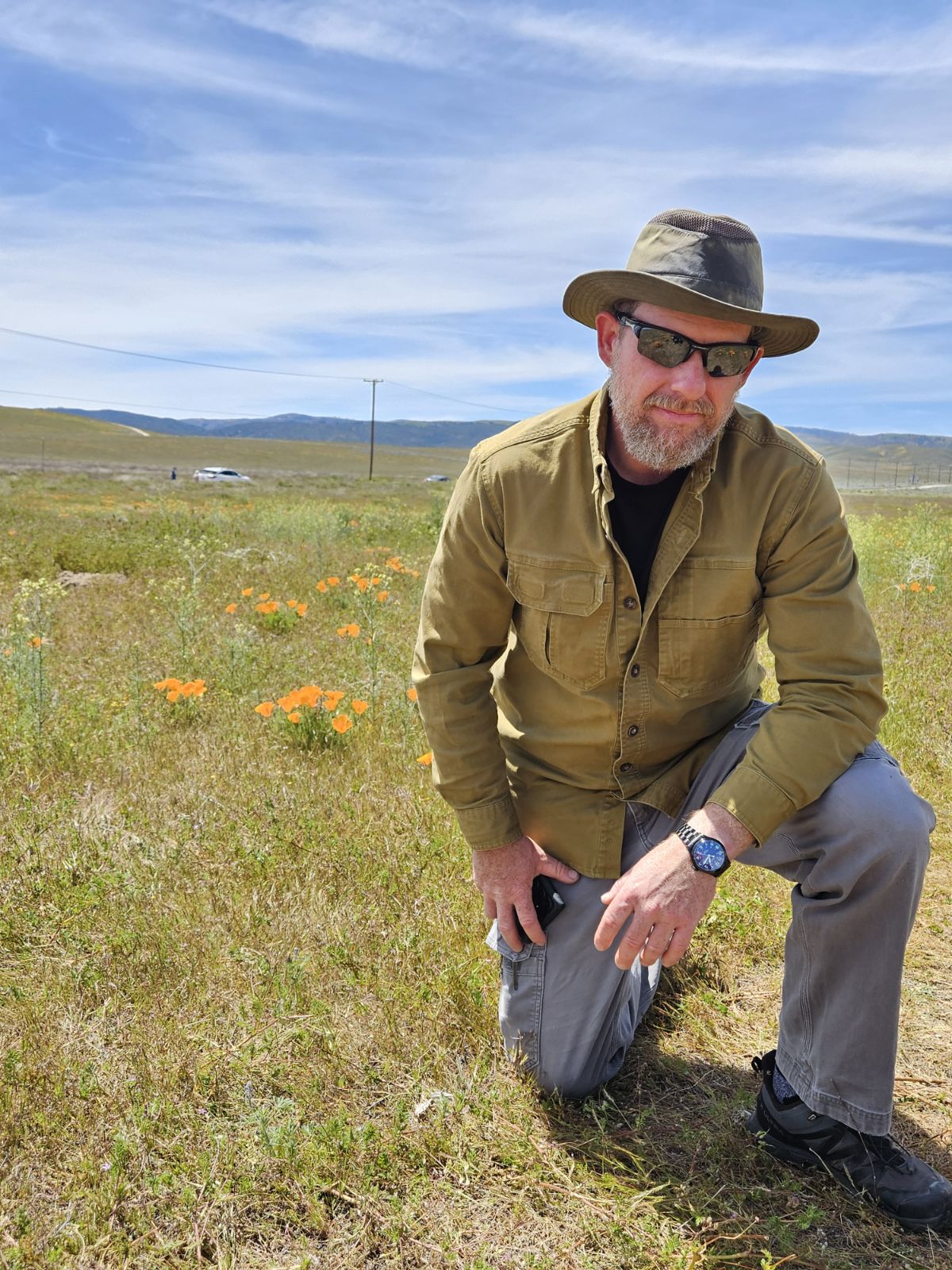
Keith Roberts first realized his fascination for bees during a trip to the L.A. County Fair. He was struck by the large observation bee hive set up by the Los Angeles County Beekeepers Association (LACBA) and spent most of his day at the booth asking questions and gathering information about honeybees. He continued his education from there through reading every beekeeping book he could find and engaging in a powerful mentorship with Walt McBride who taught him much of what he knows about bees. Keith became an adept beekeeper as well as the Vice President and subsequently the President of LACBA. Keith is still active in the club and shares his knowledge and experience whenever he can, including teaching beekeeping 101 classes on a monthly basis. In 2014, Keith partnered with Danny Finkelstein to realize his ultimate dream of creating a hub for the beekeeping community in the San Fernando Valley. This hub is known today as The Valley Hive.
He is now the president of Share The Buzz, a 501c3 that facilitates beekeeping for veterans and first responders suffering from PTSD.



