Episodes
Love 2.0: Reimagining Our Relationships
No one will deny that marriage is hard. In fact, there’s evidence it’s getting even harder. This week on the show, we revisit a favorite episode about the history of marriage and how it has evolved over time. We talk with his...
Love 2.0: How to Fix Your Marriage, Part 2
When things go wrong in our relationships, we often try to change the way our partners behave. But usually, trying to fix a person only makes things worse. Last week, we talked to psychologist James Cordova about why this ten...
Love 2.0: How to Fix Your Marriage, Part 1
Many love stories end when the characters are still in the heady, euphoric early stages of a relationship. But what comes after that intoxicating first phase of love is over? Today, we kick off a new series on the challenges ...
Passion vs. Paycheck
The idea of being driven by a calling goes back centuries. It was the language used to describe religious people who were called to the priesthood. Today, millions of people in secular professions yearn to be similarly galvan...
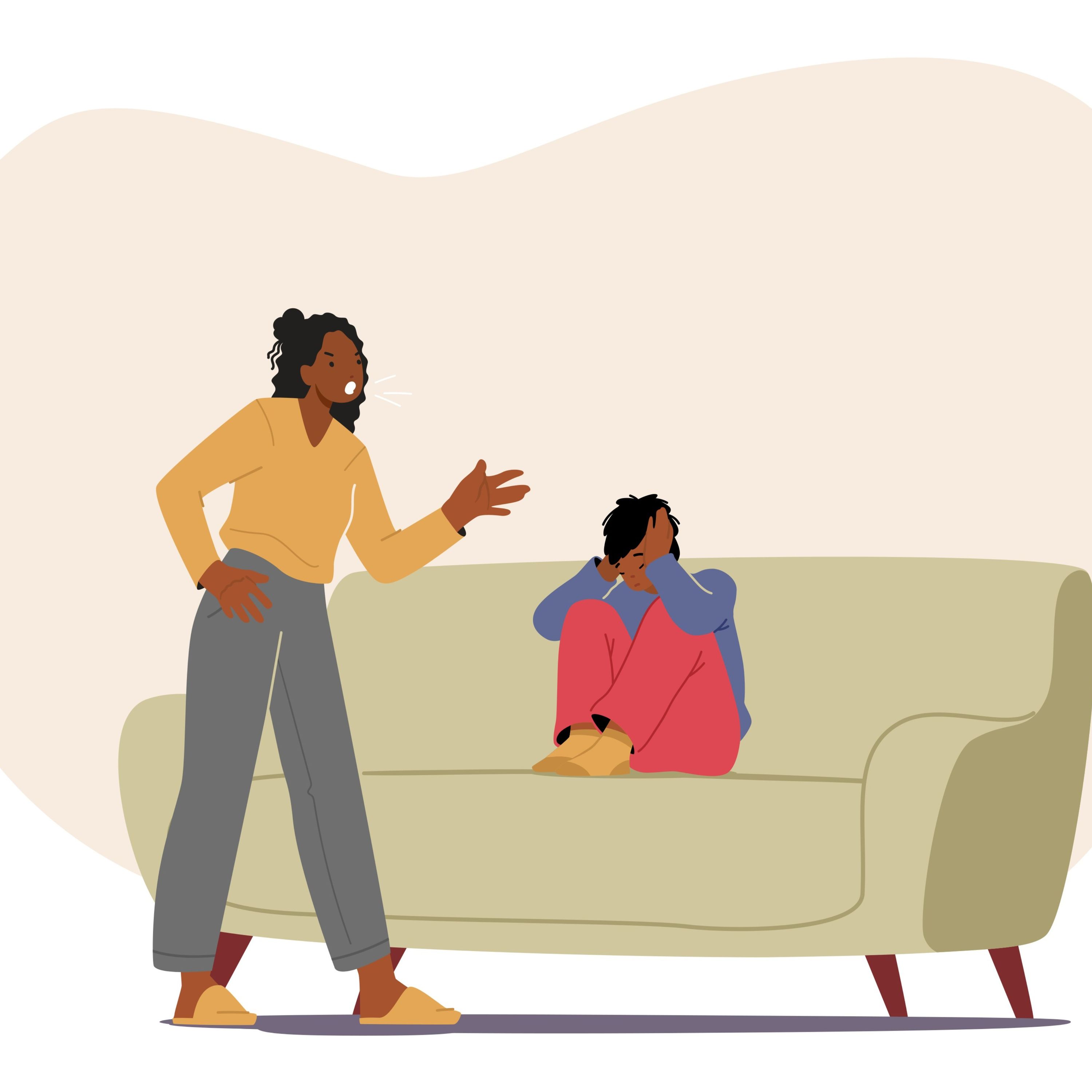
It's Not My Fault!
It's not easy for most of us to receive negative feedback. Even when the person delivering that feedback is constructive and reasonable, we often feel the urge to defend ourselves. This week, we look at the psychology of defe...
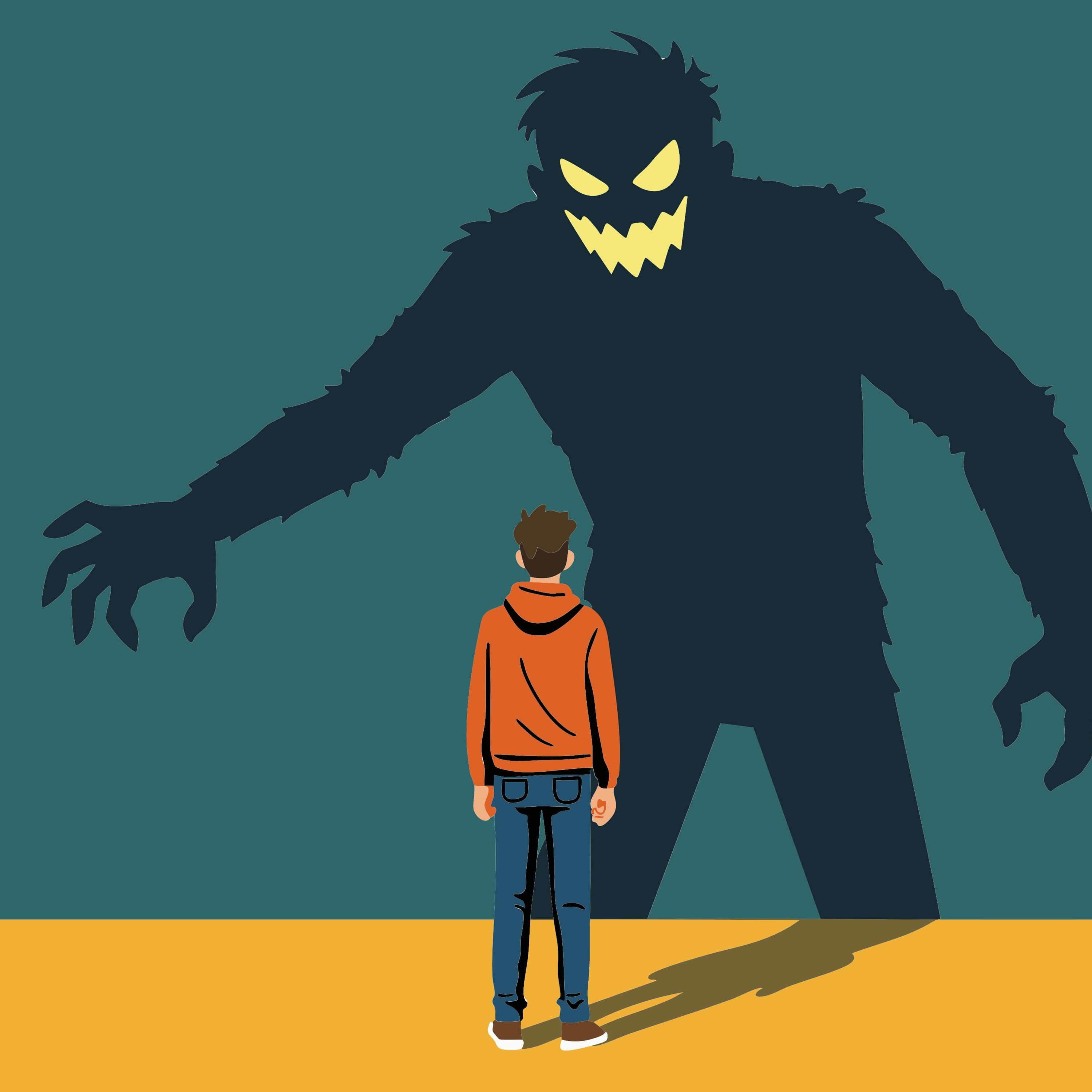
Winning the Battle Against Yourself
Many of us have been raised to believe that if we want to get something done, we just need to set our minds to it. Where there's a will, there's a way, right? Yet somehow we end up polishing off that pint of ice cream in the ...
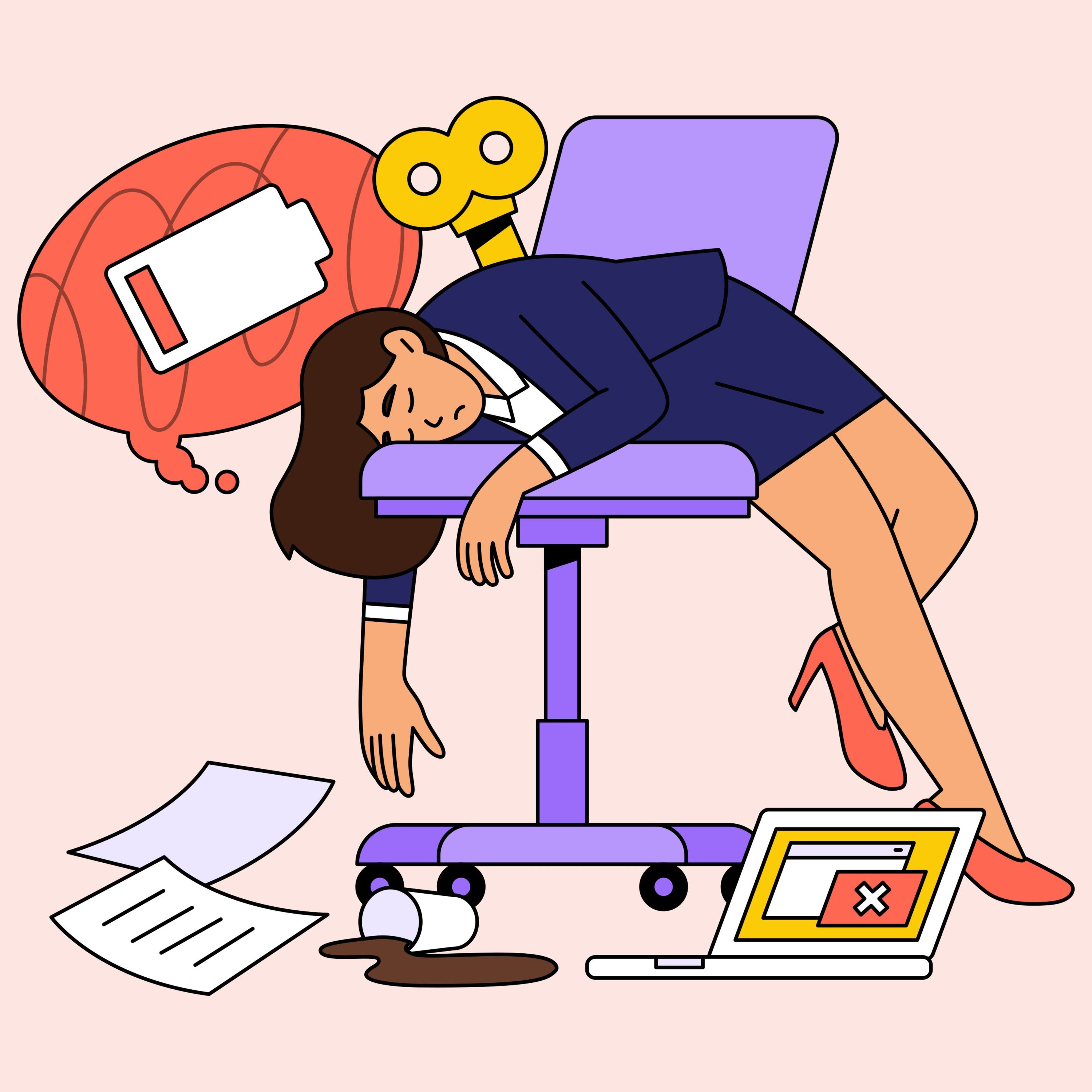
Escaping Perfectionism
Perfectionism is everyone’s favorite flaw. It’s easy to assume that our push to be perfect is what leads to academic, athletic, and professional success. But how do we distinguish between high standards and unrealistic expect...
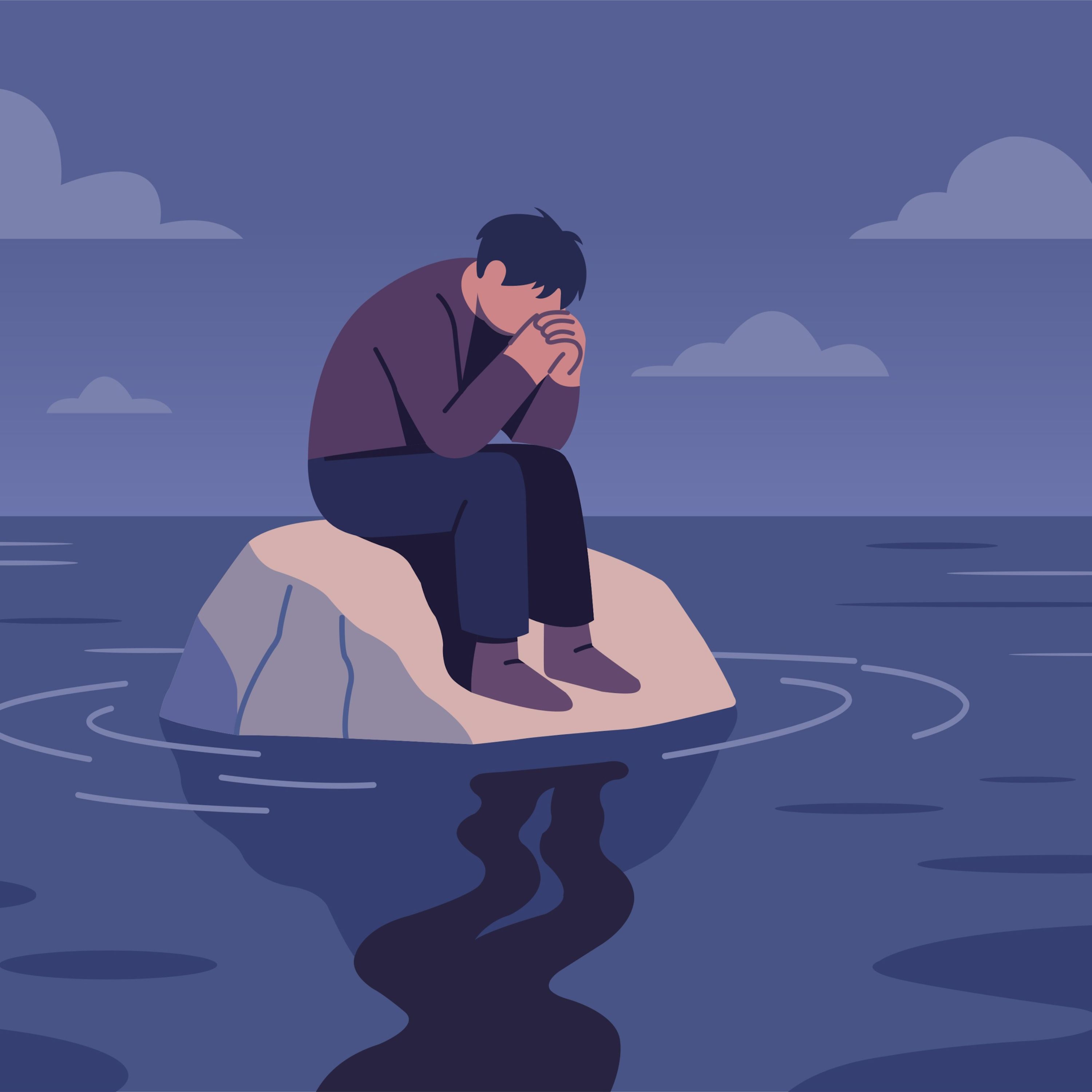
The Trauma Script
When tragedy strikes, it’s natural to be devastated. But psychologist George Bonanno finds that many of us recover from life’s blows more quickly than we might expect. This week, we talk with Bonanno about his research and wh...
How Our Brains Learn
Have you ever fallen asleep in school or during a work meeting? Maybe you felt your eyes glaze over as your boss or a teacher droned on and on about a topic that had no relevance to you. What's missing from these classrooms a...
The Best Years of Your Life
Aging isn’t just a biological process. Our outlooks and emotions also change as we age, often in ways that boost our well-being. This week, we revisit a favorite conversation with psychologist Laura Carstensen , who helps us ...

Radical Kindness
Why do some people risk their own lives to help another person, or give away their fortunes for the benefit of strangers? This week, we talk with psychologist and neuroscientist Abigail Marsh , who studies the science of altr...
You 2.0: Change Your Story, Change Your Life
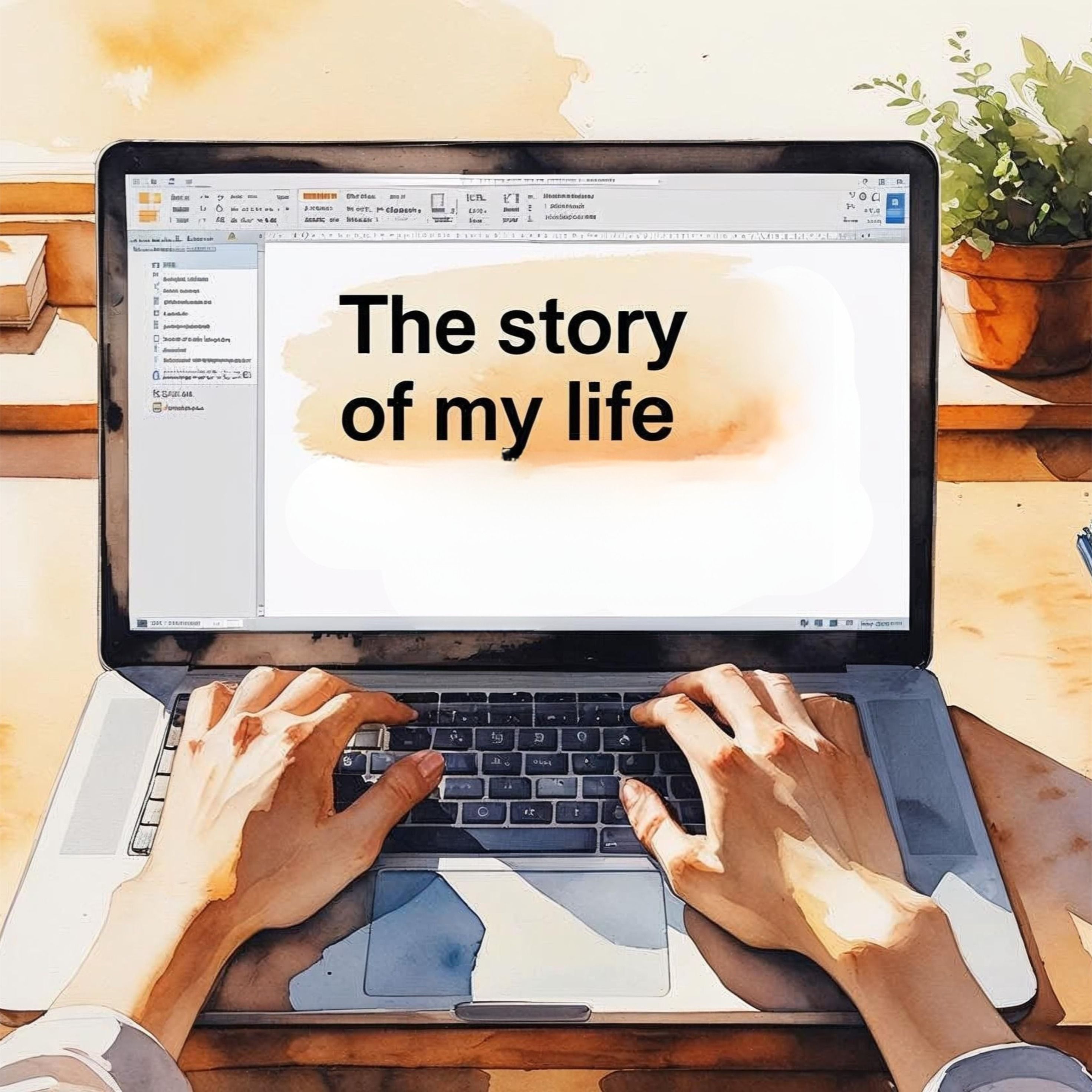
We all tell stories about ourselves, often without realizing we’re doing so. How we frame those stories can profoundly shape our lives. In our latest You 2.0 episode, we bring you a favorite conversation with psychologist Jon...
You 2.0: The Wisdom of Stoicism
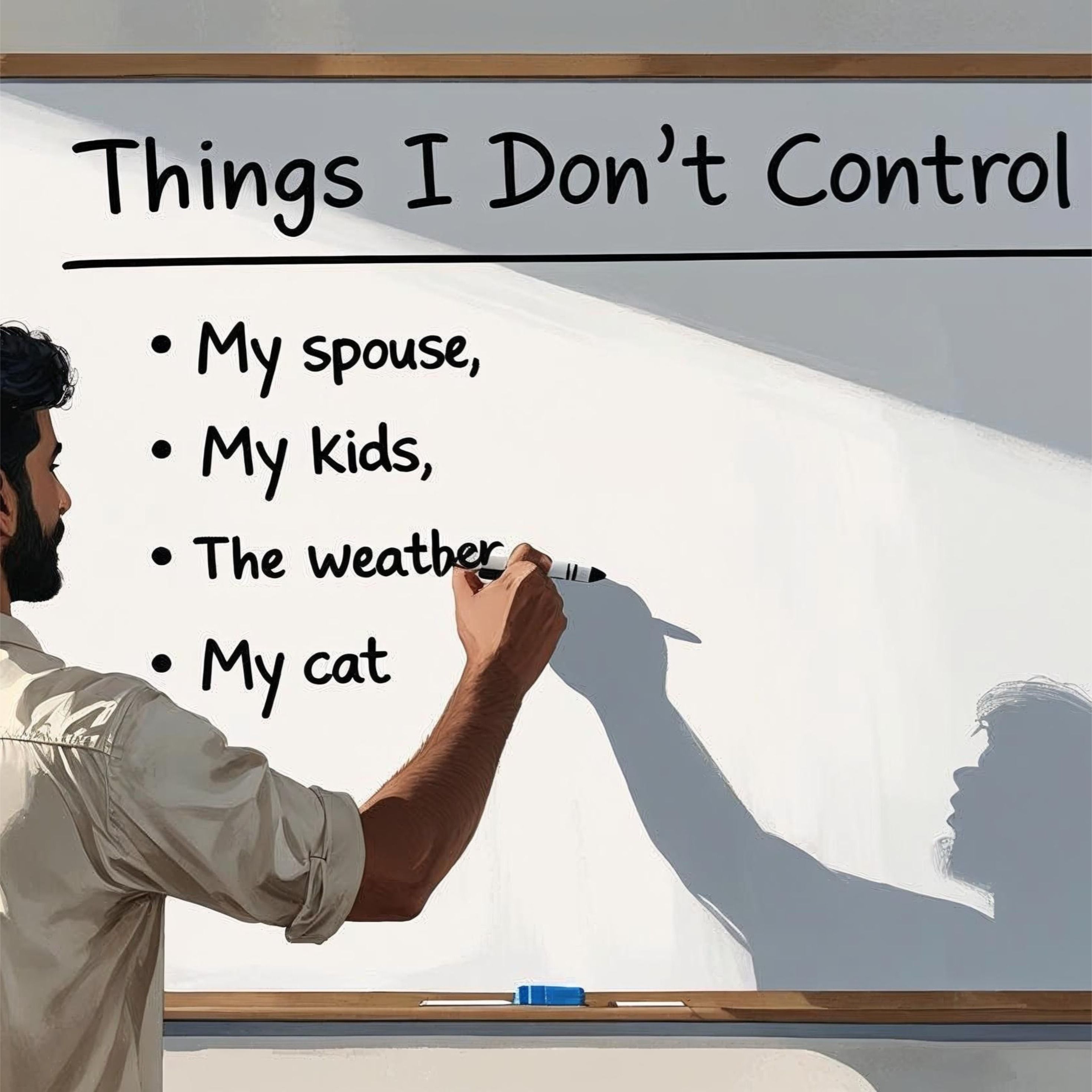
What does it mean to be stoic? Many of us assume it means you have a stiff upper lip, or that you suppress your emotions. That's what Massimo Pigliucci thought — until he started to peruse a book called Meditations . It was w...

You 2.0: The Path to Contentment + Your Questions Answered on Convers…
Many of us believe that hard work and persistence are the key to achieving our goals. But is that true when it comes to the pursuit of happiness? This week, we revisit a conversation with psychologist Iris Mauss , who explain...

You 2.0: The Passion Pill
You’ve probably heard the saying, “Do what you love, and you’ll never work a day in your life.” The idea is that pursuing your passion will feel invigorating — almost magical. But passions can easily wane over time. This week...

You 2.0: What Is Your Life For?
What should you do with your life? There's no one-size-fits-all answer to that question. But there are scientifically-tested methods that can help you to feel more in harmony with yourself and the world. This week, and in a c...

Win Hearts, Then Minds + Your Questions Answered on Identity and "Cov…
There’s a saying that’s attributed to the Dalai Lama: in the practice of tolerance, one’s enemy is the best teacher. It’s a nice idea. But when people don’t share our values, it’s hard for us to tolerate theirs. This week, we...

Doing it the Hard Way
Learning to play a musical instrument is hard. So is trying to run a marathon, writing a term paper, and caring for a sick child. These things involve frustration, pain, and disappointment — yet we do them anyway. This week, ...

Ouch! That Feels Great
We generally think of pain as something to be avoided. But psychologist Paul Bloom says that as much as we're wired to avoid suffering, we also seek it out. This week, we begin a two-part mini series about the curious pleasur...

The Price of Revenge
Revenge often feels sweet, but what price do we pay for seeking it out? Researcher James Kimmel, Jr. proposes a radical theory: our desire for vengeance operates like an addiction in the brain. This week, how “revenge addicti...

Do I Know You? (A Hidden Brain-Revisionist History special on facial …
Have you ever encountered someone who clearly knows you, but you have no idea who they are? This week, we feature a classic Hidden Brain episode about people on opposite ends of the facial recognition spectrum. Then, in the s...

How Much Do We Really Know?
You probably know someone who thinks they know more about something than they really do. But you could never be described that way . . . could you? This week, cognitive scientist Phil Fernbach explains the "illusion of knowle...

Forget About It!
Forgetting something — whether it's a colleague's name or where we put our keys — can be deeply frustrating. This week, psychologist Ciara Greene helps us explore the science of forgetting. We look at why our minds hold on to...

How to Harness Your Feelings
Do you feel like you control your emotions, or do your emotions control you? What scientists call "emotion regulation" turns out to be one of the most important life skills we can possess. It's essential in dealing with setbacks, in balancing risks and rewards, and in maintaining successful relatio…