Episodes

Nov. 16, 2026
Just Watch Me!
When someone doubts our abilities, it can shake our confidence and make us question ourselves. But sometimes, being underestimated can motivate us to work harder and accomplish things others thought were impossible. Organizational scientist Samir Nurmohamed studies what he calls the "underdog effect." He explains why criticism and rejection can sometimes become powerful sources of motivation, and how we can harness this effect in our own lives. Then, on Your Questions Answered, social scientist ...
Nov. 9, 2026
Dropping the Mask
Have you ever downplayed some aspect of your identity? Maybe you don’t hide it, but you don’t bring it up with certain people, either. It turns out that these subtle disguises can have powerful effects on how we view ourselves. This week, we bring you a favorite conversation with legal scholar Kenji Yoshino. He introduces us to the concept of "covering," and talks about what happens when we soften or edit our true selves. Then, we revisit our "Your Questions Answered" segment in which Kenji answ...
Nov. 2, 2026
How Love Really Works
Most of us have ideas about what we’re looking for in a romantic partner. But psychologist Paul Eastwick says these preferences are surprisingly poor guides for finding love. He explains why attraction is so difficult to predict, and what the research suggests is the best way to meet someone with whom you'll connect. Then, in a new installment of “Your Questions Answered,” psychologist Ed Lemay responds to your questions about how we project our own thoughts and feelings onto other people, and h...
Oct. 26, 2026
The Story of Stories
Why is my friend late? How does nuclear fission work? What can I do to help my baby sleep through the night? We all feel the need to understand why certain things happen. Some researchers think the drive to explain the world is a basic human impulse, similar to thirst or hunger. This week on Hidden Brain, psychologist Tania Lombrozo discusses how explanations can lead to discovery, delight, and disaster. Then, Jonathan Rottenberg answers your questions about rethinking depression on Your Questio...
Oct. 19, 2026
Do You Have Trouble Sleeping?
Millions of us move through our days without getting enough sleep. We know that sleep deprivation can affect our physical health and our mood. But sleep researcher Chris Barnes says a chronic lack of good sleep can also affect how we make decisions and even what we value. He joins us to explore the forces that keep us from getting the rest we need, and offers practical strategies for getting better sleep. Later, psychologist Rachel Zoffness returns to answer your questions about the experience o...
Oct. 12, 2026
Why Am I Unhappy?
We often imagine that feelings of unhappiness come from outside us — in our circumstances or the difficult people in our lives. But what if the forces that erode our happiness come from within? Psychologist George Loewenstein joins us to explore why our minds nudge us toward the negative, even when we want to feel positive. He also offers ways to better understand these forces and lessen their power over us. And on Your Questions Answered, psychologist Alison Ledgerwood returns to respond to you...
Oct. 5, 2026
When Bad Things Happen to Good People
When historian Kate Bowler was diagnosed with Stage IV cancer, she became fascinated by the ways people try to impose order on events they can't control. She joins us to explore what it means to live fully when life offers no satisfying explanation for the tragedies we may face. Then, in the latest installment of "Your Questions Answered," psychologist Lisa Miller returns to answer listener questions about the relationship between science and spirituality. In our companion conversation for subs...
Sept. 28, 2026
How to Make a Difference: Part 2
Think about the last time you had a discouraging thought. Maybe you told yourself, "This won't work. I'm not cut out for this." Did you take that thought as fact? Last week, we talked with psychologist Martin Seligman about why some people come to believe that their actions don’t matter. In the second part of our conversation, he explains how we can strengthen our sense of agency, learn to see new possibilities, and build confidence in our ability to shape what happens next. Anyone who has stru...
Sept. 21, 2026
How to Make a Difference: Part 1
Why do some people act on the possibilities before them, while others come to believe that nothing they do will make a difference? Psychologist Martin Seligman describes his groundbreaking research on learned helplessness, and explains how the stories we tell ourselves about setbacks can shape what we do next. We also explore how optimism can help us rediscover our ability to change things for the better. If you have a question or comment about the science of optimism and pessimism that you'd b...
Sept. 14, 2026
Why Conversations Go Wrong
Do you ever struggle to communicate with your mom? Or feel like you and your spouse sometimes speak different languages? This week, we revisit a favorite conversation with linguist Deborah Tannen. She shows how our conversational styles can cause unintended conflicts, and what we can do to communicate more effectively with the people in our lives. Then, in an all-new installment of "Your Questions Answered," Emma Levine responds to your questions and stories about the psychology of lying. What ...
Sept. 7, 2026
Blowing Up Your Life
Have you ever had a flash of insight that hit you when you least expected it? How did it change your life? Psychologist Anthony Klotz studies the "jolts" that shake us out of our routines, and how these moments can help us make more intentional decisions about the people we want to become. Then, psychologist Ap Dijksterhuis returns to the show to answer your questions about a very specific kind of jolt: creative breakthroughs. What are the signs that it might be time to leave your job? In a bon...
Aug. 31, 2026
The Things We Don't Say
From childhood, we're taught that honesty is the best policy. Yet in everyday life, we hedge, soften our words, and leave things unsaid. This week, we talk with psychologist Steven Pinker about why indirect speech is such a fundamental part of human relationships. How long can you stay focused on a task before your attention is drawn elsewhere? In our latest YouTube video, we explore what the science says about our shrinking attention spans, and how you can begin to reclaim your focus. Hosted ...
Aug. 24, 2026
What Art Does For Your Brain
Think about the last time a piece of music stopped you in your tracks, or a novel kept you up late at night. Why do these experiences feel so powerful? Psychobiologist Daisy Fancourt says engagement with the arts can help to regulate our emotions, build resilience, and support long-term well-being. She joins us to talk about this research, and to share practical ways to bring more creativity into our everyday lives. Once you've listened to this episode, be sure to check out our companion conver...
Aug. 17, 2026
How to Be A Better Partner
When we look at the people we love, how clearly do we really see them? This week, we talk with psychologist Edward LeMay about how our fears, desires, and insecurities can shape our perceptions of our partners — sometimes creating the very reality we expect. He explains how we can learn to see our partners in ways that create greater trust and connection. Then, Sonja Lyubomirsky answers your questions about the gap between being loved and feeling loved, in our latest installment of "Your Questio...
Aug. 10, 2026
How Feelings Make Us Smarter
Some people are remarkably good at reading the emotional temperature of a situation. They can pick up on what others are feeling, manage their own emotions, and respond skillfully. What's their secret? This week, we explore the science of emotional intelligence with psychologist Peter Salovey. Emotional intelligence is one of the most popular ideas in psychology. It's also a term that's widely misused and misunderstood. We explore these misconceptions in a bonus conversation with Peter Salovey ...
Aug. 3, 2026
Making the Most of Your Mistakes
When you're learning, or trying new things, you're going to make mistakes. The trick is to try to fail in a way that gives you useful information. This week, we revisit a favorite conversation with researcher Amy Edmondson. She explains the difference between constructive failures and those we should try to avoid. Then, John Dinsmore answers listener questions about the psychology of debt, in our latest installment of Your Questions Answered. Ever wondered how your parents' and grandparents' at...
July 27, 2026
You Are Not Ordinary
Stories about unlikely heroes have captivated people for thousands of years. This week, social scientist Ben Rogers explores why the "hero's journey" resonates so deeply, and how the stories we tell about our own lives can shape our sense of purpose. He explains why seeing ourselves as the protagonists of our own stories may help us face challenges with greater confidence. Then, on Your Questions Answered, psychologist Jay Van Bavel returns to respond to listeners' comments and questions about g...
July 20, 2026
How to Combat Pain
Pain feels like a simple message from the body. If your elbow hurts, there must be something wrong with your elbow. If your back is painfully stiff, you need some work done on your back. But psychologist Rachel Zoffness says our minds play a much larger role in our experience of pain than many of us realize. This week, we look at what's really happening when we experience pain, and how a better understanding of this process can open up new possibilities for treatment and healing. In our compani...
July 13, 2026
Changing Our Mental Maps
As we move through the world, it's easy to imagine we're processing everything that happens around us and then deciding how to respond. But psychologist and neuroscientist Norman Farb says our brains actually navigate the world by coming up with mental maps. These maps act like an autopilot system, allowing us to navigate our lives more efficiently. But sometimes, they can lead us astray, leaving us stuck on a path of negativity and unhappiness. This week, in a favorite episode from 2024, we tal...
July 6, 2026
Waking Up Your Spiritual Brain: Part 2
Last week, we talked with psychologist Lisa Miller about the science of spirituality. Today, we explore what those ideas can look like in everyday life. Miller explains why moments of connection, spiritual practices, and even periods of suffering can sometimes open the door to deeper meaning and growth. And on Your Questions Answered, behavioral scientist Dave Evans returns to respond to your comments on designing a meaningful life. Hidden Brain is now on YouTube! Be sure to subscribe so you do...
June 29, 2026
Waking Up Your Spiritual Brain: Part 1
Food, safety, and strong relationships are essential to our survival. Psychologist Lisa Miller says our brains also crave something else: transcendence. She suggests that spirituality is a universal human capacity, and that feeling connected to something larger than ourselves may be essential to a fulfilling life. If you enjoy listening to Hidden Brain, we think you'll enjoy watching it, too! Check out our new YouTube channel, and be sure to subscribe so you don't miss any of our videos. Episod...
June 22, 2026
Stepping Out of the Shadows
Why does one bad experience have the power to overshadow an otherwise good day? Psychologist Alison Ledgerwood explores the negativity bias, the deeply human tendency to hold on to what went wrong and overlook what went right. She explains why our minds are drawn to losses and threats, and what it takes to rebalance our attention. Then, on Your Questions Answered, psychologist David Pizarro returns to respond to your comments about the surprising role of disgust in shaping our lives. In our com...
June 15, 2026
A Secret Source of Connection
We all have moments in our lives when we see someone who could use a helping hand. It could be a friend who recently went through a breakup, or an older person trying to load groceries into their car. We tell ourselves we should help, but then something stops us. This week, psychologist Amit Kumar helps us understand what keeps us from taking a moment to be kind, and how to overcome these barriers to create stronger, happier connections. Then, on Your Questions Answered, psychologist Gordon Flet...
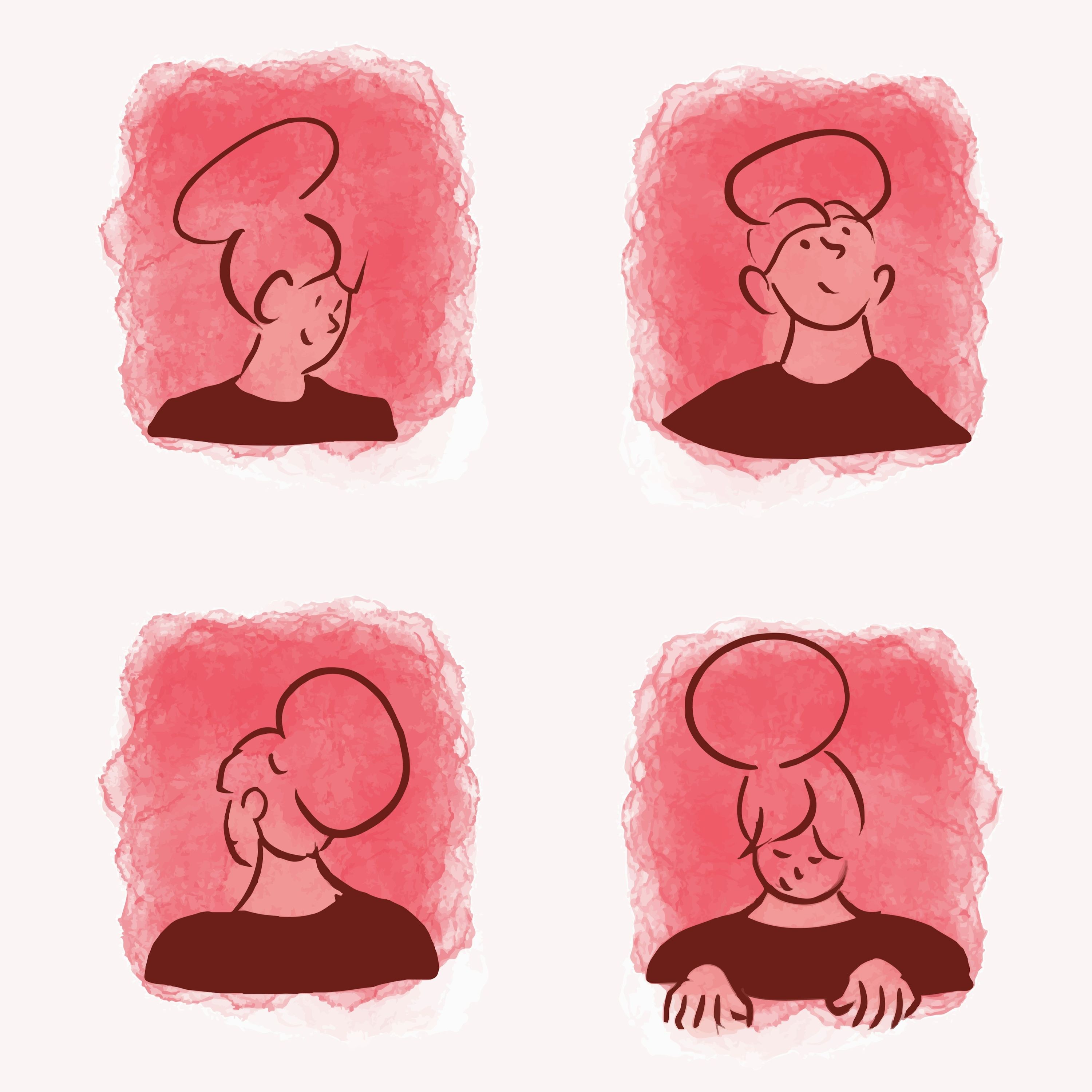
June 8, 2026
Who Are You, Really?
You’re not the same person with your friends as you are with your co-workers or your kids. So...who are you, really? This week, political scientist Eric Oliver explores why we often feel divided within ourselves, and how we can learn to live more peacefully with those contradictions. Then, psychologist Scott Barry Kaufman answers your questions on the science of intelligence. Should you worry about your memory? For many of us, forgetting a name or losing your keys feels like a small failure. Bu...