The Art of the Hook: Crafting Titles That Demand Attention
The Art of the Hook: Crafting Titles That Demand Attention
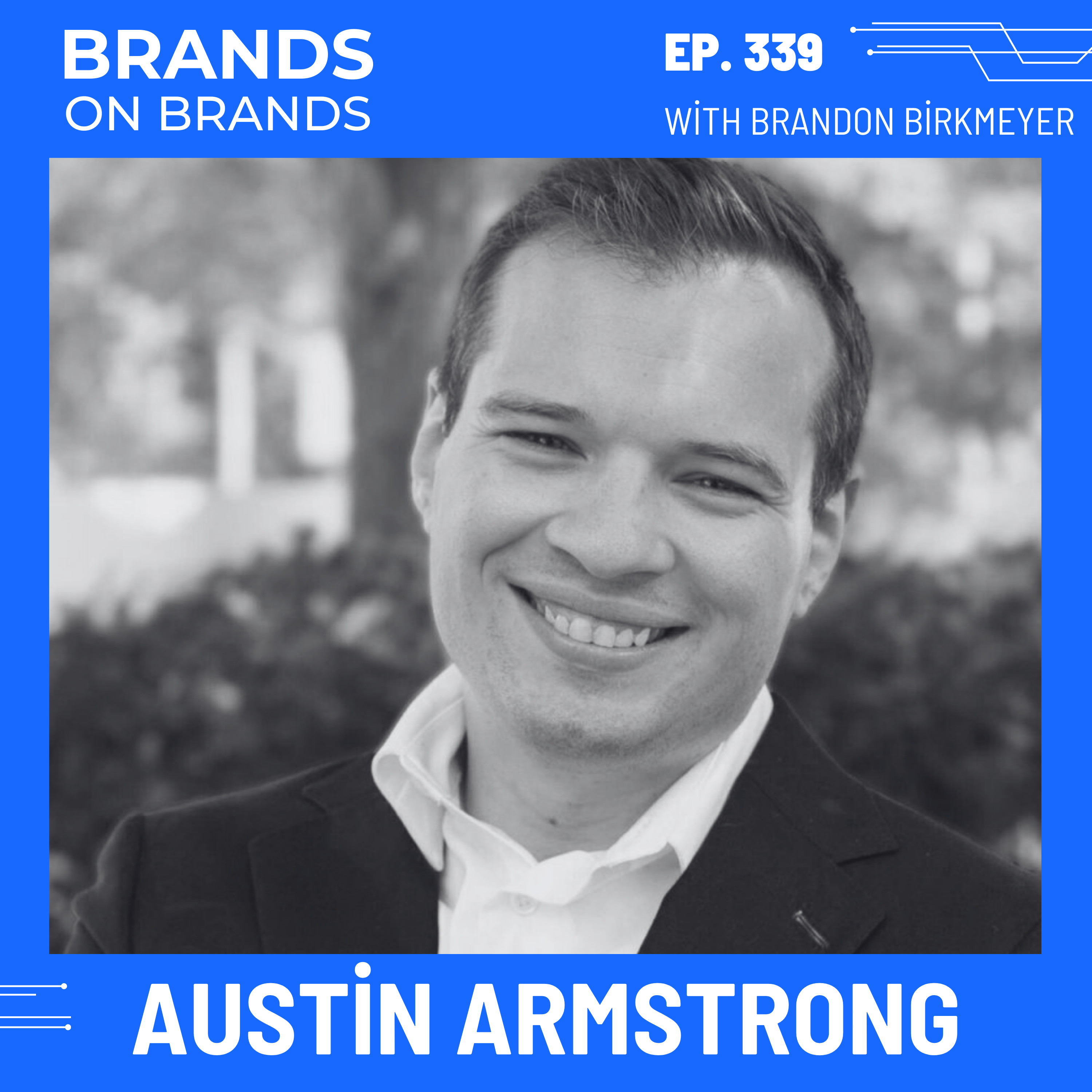
Welcome back to the blog, fellow content creators and curious minds! In our latest podcast episode, "Unlocking Virality: The Secrets to Going Viral with Austin Armstrong | Ep. 339", we delved deep into the fascinating world of creating content that not only gets seen but gets remembered and shared. A huge part of that conversation, and something that truly resonated with me, was the power of the title. It’s the first handshake, the initial invitation, the tiny gatekeeper that determines whether someone clicks through or scrolls past. In this blog post, we're going to unpack the psychological strategies Austin Armstrong shared for crafting titles that don't just attract attention, but actively demand it. We'll explore why your title is your most crucial first impression and how to make your content utterly irresistible from the very first word.
The Psychology Behind Attention-Grabbing Titles
Let's face it, in today's hyper-saturated digital landscape, attention is the most valuable currency. We're bombarded with an endless stream of information, and our brains have developed sophisticated filtering mechanisms to cope. Your title is the key that unlocks that filter, the siren song that pulls a potential viewer or reader in. But what makes a title so effective? It’s not just about being clever; it’s about tapping into fundamental human psychology.
One of the core principles is the concept of the "curiosity gap." Humans are naturally curious. We are driven to seek out new information and resolve uncertainty. A good title creates a gap between what the audience knows and what they *want* to know. It hints at something interesting, something valuable, something surprising, without giving it all away. This inherent desire to fill that gap is a powerful motivator for engagement.
Another key psychological driver is the desire for benefit or value. People are inherently selfish, not in a negative way, but in that they are primarily focused on what's in it for them. A title that clearly communicates a benefit – whether it's solving a problem, learning a new skill, achieving a goal, or even just being entertained – will resonate much more strongly. Think about the difference between "A Talk About Social Media" and "Unlock the Secrets to Viral Growth: 5 Strategies That Will Skyrocket Your Engagement." The second title immediately tells you what you'll gain from consuming the content.
Emotional resonance is also crucial. Titles that evoke strong emotions – excitement, intrigue, surprise, even a touch of fear or urgency – are more likely to stick. We are emotional creatures, and our decisions are often driven by how something makes us feel. A title that taps into a specific emotion can create an immediate connection, making the content feel more relevant and compelling.
Furthermore, titles that promise exclusivity or a unique perspective can be incredibly effective. If you can position your content as offering insights that aren't readily available elsewhere, or a perspective that challenges the status quo, you're creating a sense of special access that people will be eager to explore.
Austin Armstrong's Secrets to Crafting Intriguing Titles
During our conversation, Austin Armstrong shared some incredibly practical and insightful strategies for crafting titles that genuinely hook an audience. He emphasized that it’s not about random guessing, but about a strategic approach rooted in understanding what makes people click.
One of Austin's core tenets is the importance of being **specific yet suggestive**. A title that is too vague will be ignored. However, one that gives away every single detail can kill curiosity. The sweet spot lies in providing enough information to pique interest but leaving enough unanswered to compel further exploration. Think about what the absolute *most interesting* aspect of your content is, and how you can hint at it without fully revealing it.
Austin also highlighted the power of using **strong, evocative language**. Words matter. Instead of "How to Make Money," consider "Explosive Income Streams" or "The Million-Dollar Blueprint." Using power words that carry emotional weight and promise significant results can dramatically increase a title's effectiveness. He stressed that you want words that create a visceral reaction, words that make someone stop and think, "Wow, I need to know more about that."
Another key takeaway from Austin was the concept of **leveraging pain points and desires**. What are your audience's biggest struggles? What are their deepest aspirations? A title that directly addresses these can be incredibly powerful. For example, if your audience is struggling with social media engagement, a title like "Tired of Crickets? Your Guide to Social Media Engagement That Actually Works" speaks directly to their pain. Conversely, a title like "Achieve Your Dream Body in 30 Days" speaks to a common desire.
Austin also touched upon the idea of **creating a sense of urgency or scarcity**. While this needs to be used ethically, hinting that an opportunity is time-sensitive or that the information is limited can encourage immediate action. This is about tapping into the fear of missing out (FOMO), a powerful motivator in human behavior.
Finally, he emphasized **testing and iteration**. What works for one audience or platform might not work for another. Austin advocates for experimenting with different title variations, tracking their performance, and refining your approach based on the data. This continuous improvement cycle is essential for long-term success.
The 'Ethical Clickbait' Concept: Curiosity Without Deception
The term "clickbait" often carries negative connotations, conjuring images of misleading headlines designed solely to generate clicks without delivering on their promise. However, Austin Armstrong, and many other successful creators, advocate for a concept that could be termed "ethical clickbait." This is about using the principles of curiosity and intrigue to attract an audience, but doing so with integrity and a commitment to delivering value.
The key distinction lies in the promise versus the delivery. Ethical clickbait promises intrigue and a compelling reason to click, and then it delivers on that promise by providing valuable, engaging content. Deceptive clickbait promises something it cannot deliver, leading to frustration and a loss of trust. As Austin explained, the goal isn't to trick people into clicking, but to genuinely entice them with the promise of something worthwhile.
How do we achieve this? It comes down to honest representation. Your title should accurately reflect the essence of your content, even if it does so in an exciting and enticing way. If your article is about the benefits of drinking water, a title like "The Shocking Truth About Your Hydration Levels" might be considered ethical clickbait if the article then delves into surprising and impactful information about the often-overlooked benefits of water. However, a title like "You Won't Believe What Happens When You Drink Water (Mind-Blowing!)" might veer into deceptive territory if the content is simply a standard explanation of hydration.
Transparency is vital. If your content has a unique angle or a surprising conclusion, your title can hint at that. The "curiosity gap" we discussed earlier is the engine of ethical clickbait. It creates a desire to know more, but the content itself provides the satisfying answer. This builds trust and encourages repeat engagement, as your audience learns that your titles are reliable indicators of valuable content.
Ultimately, ethical clickbait is about mastering the art of persuasion through curiosity. It’s about understanding what makes people tick and using that knowledge to invite them into your world, with the genuine intention of enriching their understanding or experience. It's a fine line, but one that, when walked correctly, can be incredibly effective in building an engaged audience.
Beyond the Click: How Titles Set Expectations (and Deliver)
The impact of your title extends far beyond the initial click. It plays a crucial role in setting expectations for the content that follows. If your title promises groundbreaking insights, but the content is rudimentary, your audience will feel disappointed, and you risk damaging your credibility.
A well-crafted title acts as a contract between you and your audience. It's a subtle agreement about what they can expect to gain from investing their time in your content. When this contract is honored, it fosters trust and loyalty. Conversely, when it's broken, it leads to frustration, negative reviews, and a decline in engagement.
Consider the tone and language used in your title. If your title is highly technical and academic, your audience will expect a deep dive into the subject matter. If it's lighthearted and humorous, they'll anticipate entertainment. Mismatched expectations are a primary cause of user dissatisfaction. This is why aligning your title with the actual content is paramount.
During our podcast episode, Austin Armstrong emphasized that virality isn't just about getting initial attention; it's about keeping people engaged and encouraging them to share. This retention and sharing are directly influenced by whether the content lives up to the promise of the title. A title that accurately sets expectations ensures that the audience is receptive to the information you're providing and is more likely to find it valuable enough to recommend to others.
Therefore, when crafting your titles, ask yourself: What will someone feel or learn after consuming this content? Does my title accurately represent that outcome? If the answer is yes, you're not just getting a click; you're laying the foundation for a positive and lasting impression.
Practical Tips for Writing Headlines That Demand Attention
Now that we've explored the psychology and strategy behind effective titles, let's get down to practical, actionable tips that you can implement immediately. These are techniques inspired by Austin Armstrong's insights and the broader principles of content marketing.
- Use Numbers and Lists: Humans are drawn to quantifiable information. Titles like "7 Ways to Boost Your Productivity" or "The Top 5 Mistakes New Entrepreneurs Make" promise clear takeaways and are easy to digest.
- Ask Intriguing Questions: Posing a question that your audience wants answered is a powerful hook. "Are You Making These Common SEO Errors?" or "What If You Could Double Your Sales Overnight?" are examples of questions that demand exploration.
- Incorporate Power Words: As mentioned earlier, strong verbs and evocative adjectives can significantly enhance a title's impact. Think words like "secret," "ultimate," "proven," "essential," "shocking," "unleash," "transform," "master."
- Highlight Benefits and Solutions: Clearly state what the reader or viewer will gain. Instead of "A Guide to Social Media Marketing," try "Master Social Media Marketing: Your Step-by-Step Guide to Explosive Growth."
- Create Urgency or Scarcity (Ethically): Phrases like "Limited Time Offer," "Don't Miss Out," or "Only a Few Spots Left" can motivate action, but ensure they are genuine.
- Use Intriguing Adjectives: Words like "hidden," "surprising," "unexpected," "unusual," or "controversial" can spark curiosity.
- Target Specific Audiences: If your content is for a niche group, mention them directly. "Attention Small Business Owners: This Strategy Will Revolutionize Your Marketing."
- Promise a Transformation: Titles that suggest a significant positive change can be highly effective. "Go from Beginner to Expert in Just 30 Days."
- Keep it Concise (but informative): While you need to be informative, overly long titles can be cumbersome. Aim for clarity and impact within a reasonable length, especially for platforms with character limits.
- A/B Test Your Headlines: If possible, test different title variations to see which performs best with your target audience. This data-driven approach is invaluable.
- Analyze Your Competitors: See what titles are working well for others in your niche. This isn't about copying, but about understanding trends and identifying opportunities.
- Embrace the "How-To": The classic "How-To" format remains incredibly popular because it directly addresses a need for instruction and guidance.
Remember, the goal is to be both truthful and tantalizing. You want to accurately represent your content while making it impossible for your ideal audience to ignore.
The Role of Broad Content and Hooks in Virality
In our podcast discussion, Austin Armstrong touched upon the concept of "broad content" and how it intertwines with effective hooks to achieve virality. Broad content is essentially content that has a wide appeal. It's not so niche that only a select few will understand or care about it, but it's also not so generic that it lacks substance.
The "hook" is the element within this broad content that grabs attention immediately. It's the compelling opening, the surprising statement, the relatable problem, or the intriguing question that makes someone want to learn more. Think of your content as a fishing net. The broad content is the net itself, designed to catch a wide range of fish. The hook is the bait on the line, enticing specific fish to get caught.
For content to go viral, it often needs to tap into universal human experiences, emotions, or aspirations. This is where the "broad" aspect comes in. For example, topics like love, success, failure, humor, or overcoming challenges are broadly relatable. However, within these broad themes, you need a specific, attention-grabbing hook to make your content stand out.
Austin highlighted that a strong title is the *first* hook. It's the initial lure that draws people in. But the hook needs to continue throughout the content. If the title promises something amazing, but the content quickly becomes boring or irrelevant, the audience will disengage. Therefore, the title and the content must work in tandem. The title creates anticipation, and the content must fulfill that anticipation with engaging and valuable material.
When you combine a compelling, curiosity-driven title with content that is broadly appealing and continues to deliver on its promises, you create a powerful recipe for shareability and virality. People are more likely to share content that they found genuinely interesting, valuable, or emotionally resonant, especially if it started with a title that immediately captured their imagination.
Conclusion: Making Your Content Irresistible from Word One
As we’ve explored in this post, the title of your content is far more than just a label. It’s your first impression, your most powerful marketing tool, and the gateway to engagement. In our recent podcast episode, "Unlocking Virality: The Secrets to Going Viral with Austin Armstrong | Ep. 339", Austin Armstrong shared invaluable insights into the psychology and strategies behind crafting titles that don't just attract attention, but demand it. By understanding the principles of curiosity, benefit, emotion, and ethical persuasion, you can begin to engineer titles that make your content utterly irresistible from the very first word.
Remember to leverage numbers, ask intriguing questions, employ power words, highlight benefits, and most importantly, always deliver on the promise your title makes. The art of the hook is a continuous journey of learning, testing, and refining, but the rewards – increased engagement, greater reach, and a more connected audience – are immeasurable. So, go forth, experiment, and craft titles that make your audience lean in, eager to discover what you have to share!