Episodes
Jan. 21, 2026
Engaging Politics as a Catholic – Dr. Jan Bentz
Dr. Jan Bentz explores what it means to engage politics as a Catholic, calling believers to critical thinking rooted in truth, a both‑and logic that resists polarization, and a discerning love of nation that remains ordered to the common good and eternal beatitude.
Guest: Dr. Jan Bentz
Jan. 20, 2026
Understanding Anscombe’s Absolutism – Prof. Marshall Bierson
Prof. Marshall Bierson unpacks Elizabeth Anscombe’s moral absolutism, arguing that questions like “Why is it worse to kill one innocent person than to let five die?” rest on a grammatical confusion that obscures the absolute wrongness of intentionally killing the innocent.
Guest: Prof. Marshall Bierson
Jan. 19, 2026
Icons and Idols: An Augustinian Reflection on Race, Racism, and Antiracism – Prof. Kevin Kambo
Prof. Kevin Kambo reflects on race, racism, and antiracism through Augustine, showing how modern racial categories operate as idolatrous myths born of the lust to dominate and calling listeners to see others instead as icons of God rather than instruments of civic or ideological projects.
Guest: Prof. Kevin Kambo
Jan. 16, 2026
Augustine and Aquinas Against Skepticism – Prof. Chad Pecknold
Prof. Chad Pecknold explains how Augustine and Aquinas argue against skepticism, defending metaphysical realism and the mind’s capacity to know truth as essential for genuine morality and for leading people to Christ, who is Truth itself.
Guest: Prof. Chad Pecknold

Jan. 15, 2026
The Issue of Free Will: Are We the Authors of Our Actions? – Prof. Steven Jensen
Prof. Steven Jensen explores the issue of free will and moral responsibility, arguing that we are genuine authors of our actions only if our choices are self-determined and not merely the inevitable result of heredity, environment, or internal states shaped by outside forces.
Guest: Prof. Steven Jensen
Jan. 14, 2026
Rewiring the Brain – Dr. William Hurlbut
Dr. William Hurlbut examines how natural neuroplasticity, education, lifestyle, and new neurotechnologies are “rewiring the brain,” highlighting both their therapeutic promise and their dangers in an age of addictive digital culture, standardized schooling, and powerful biotechnological interventions.
Guest: Dr. William Hurlbut
Jan. 13, 2026
If ChatGPT Exists, Why Study? – Fr. Chris Gault, O.P.
Fr. Chris Gault explores whether AI like ChatGPT should change how or why we study, showing that while machines can accelerate information processing, only human study forms our minds, virtues, and relationship to truth in a way that leads to real fulfillment.
Guest: Fr. Chris Gault, O.P.
Jan. 12, 2026
Can a Machine Understand?: ChatGPT, Knowledge, and the Nature of Understanding – Prof. Tomás Bogardus
Prof. Tomás Bogardus asks whether a machine can truly understand by unpacking how large language models like ChatGPT function and arguing that genuine knowledge requires rational insight and responsibility to truth that go beyond statistical text prediction.
Guest: Prof. Tomás Bogardus
Jan. 9, 2026
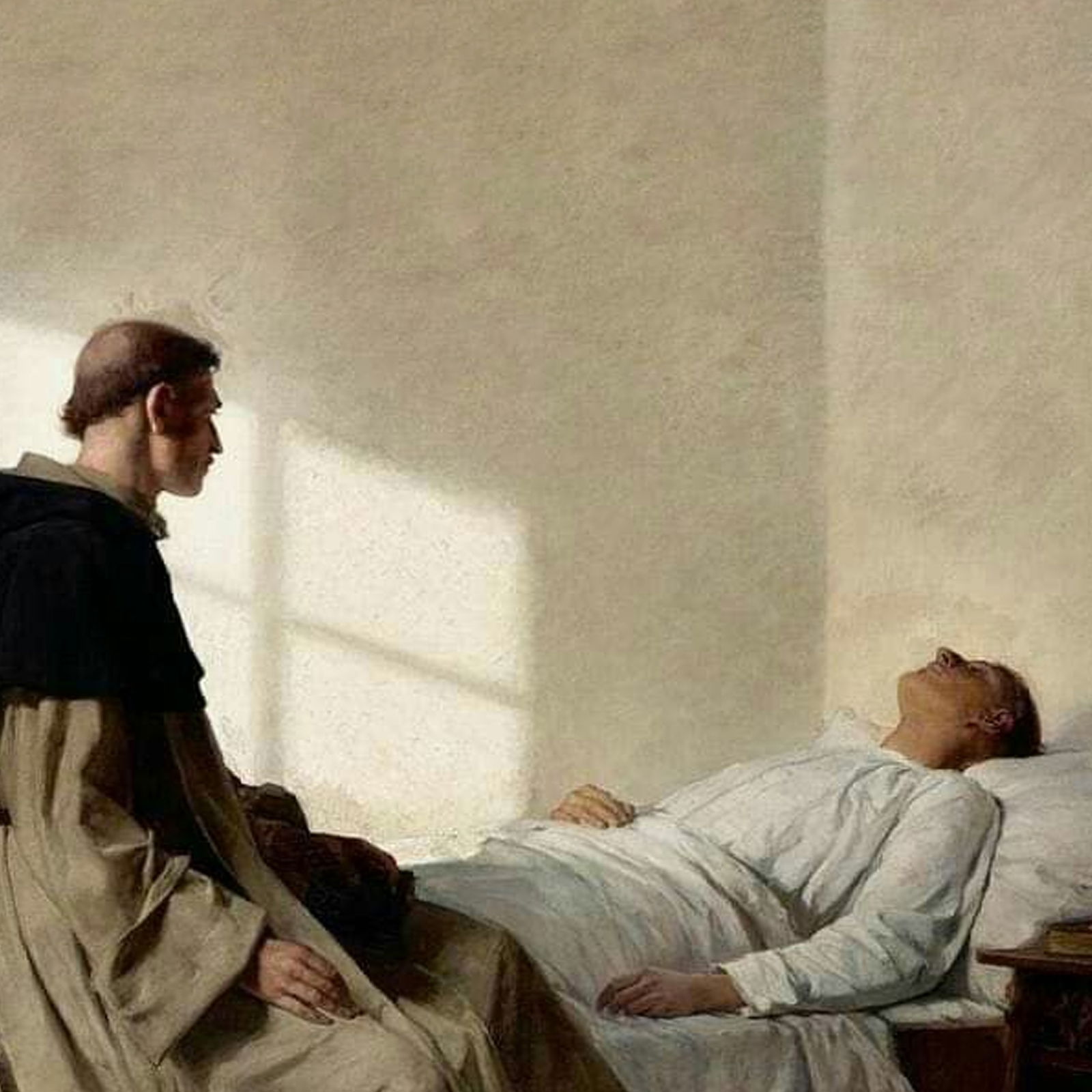
Does God Care About Suffering? – Dr. Christopher Mooney
Dr. Christopher Mooney asks "whether God really cares about our suffering" and uses biblical narratives, the significance of Christ’s tears, and philosophical responses to death in order to answer in the affirmative, ultimately showing that God can form a greater good from evil without making the evil into something good.
Guests: Prof. Christopher Mooney , moo
Jan. 8, 2026
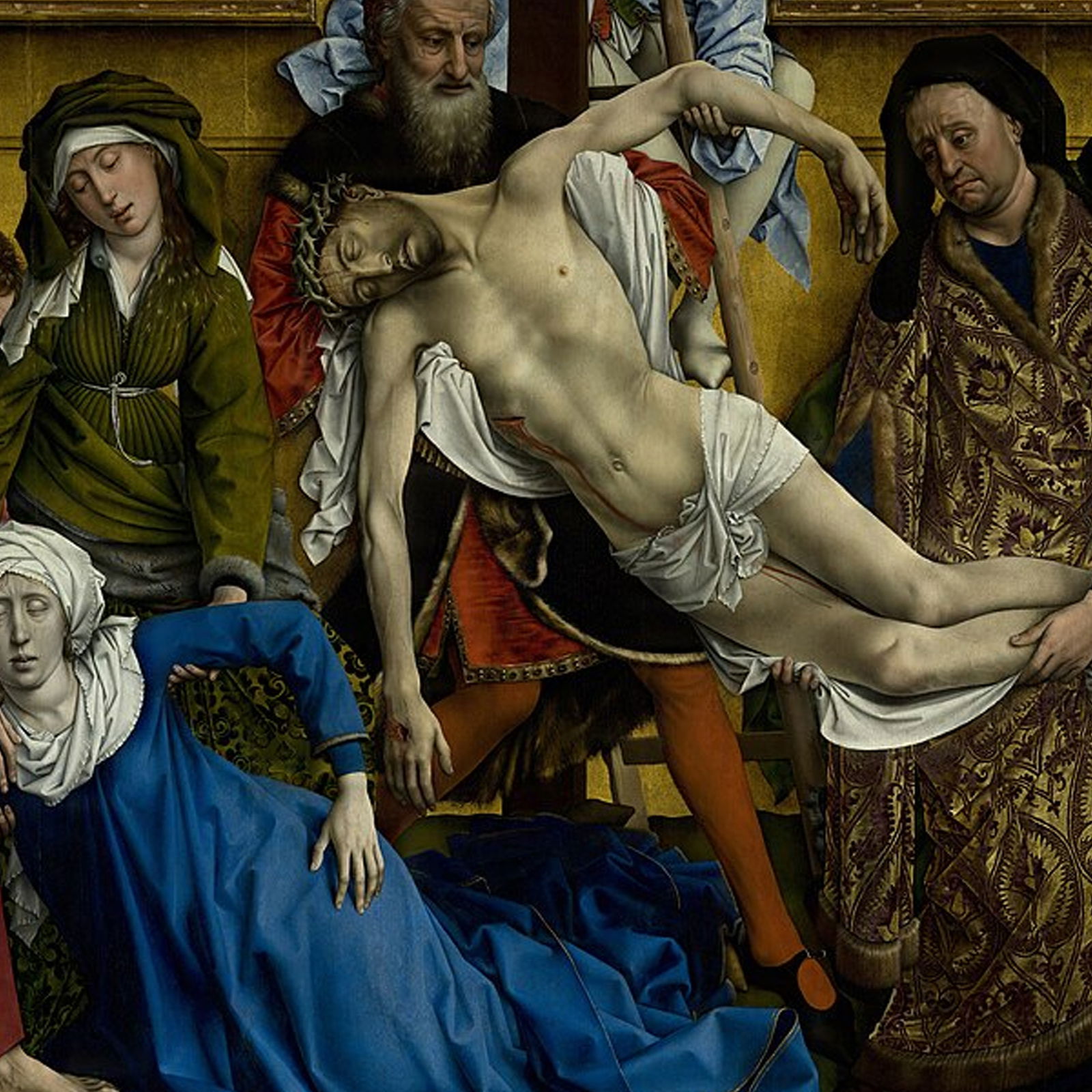
Is Suffering Good? – Sr. Elinor Gardner, O.P.
Sr. Elinor Gardner asks whether suffering can be called “good” by engaging Stoic thinkers like Seneca, modern echoes in Nietzsche, and biblical wisdom to show how God can use painful trials to heal and deepen the soul without glorifying evil itself.
Guest: Sr. Elinor Gardner, O.P.
Jan. 7, 2026
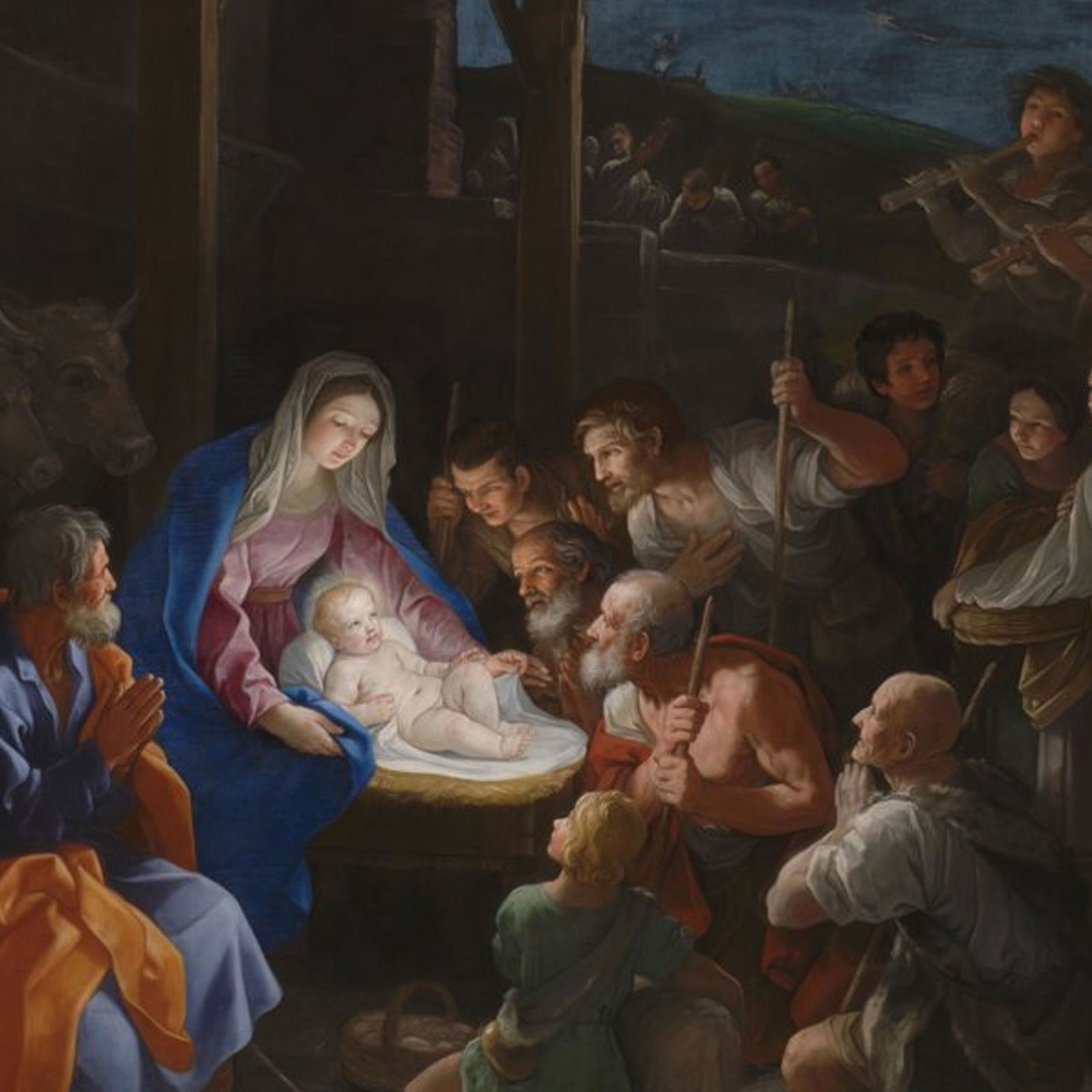
The God of Love and the Reality of Evil and Suffering – Prof. Chris Baglow
Prof. Chris Baglow explores how the God of love can allow evil and suffering by showing that a world created for freedom and love—not as a deterministic machine—necessarily entails the risk of physical and moral evils, yet opens a deeper path of redemptive goodness.
Guest: Prof. Christopher Baglow
Jan. 6, 2026
Christ Fully Reveals Man to Himself: What Christ's Humanity Says about What It Means to Be Human – Prof. Paul Gondreau
Prof. Paul Gondreau explores how Christ’s concrete, fully human life uniquely “fully reveals man to himself,” showing that every human person and all of history are teleologically ordered to him as the final Adam and measure of authentic humanity.
Guest: Prof. Paul Gondreau
Jan. 5, 2026
Creation as Relation: An Existential Consideration – Dr. Robert McNamara
Dr. Robert McNamara explores how creation is not a distant event but our very act of existing here and now, so that each person’s being is itself a continuous relation of absolute dependence on God that can be freely understood, accepted, and joyfully affirmed.
Guest: Dr. Robert McNamara
Jan. 1, 2026
Do We Make Morality, or Discover It? An Examination of the Basis of Natural Law – Dr. Erik Dempsey
Dr. Erik Dempsey explores whether we make morality or discover it by unpacking Aquinas’s three natural inclinations and arguing that they ground objective, inescapable moral obligations rather than mere social conventions.
Guest: Dr. Erik Dempsey