Episodes
Aug. 11, 2026
Action, Thought, and Decision-Making - Dr. Joshua Hochschild
Dr. Joshua Hochschild asks how action, thought, and decision-making fit together, and he shows that prudent choice is the uniquely human act that unites intellect, desire, and moral formation under the guidance of the gifts of the Holy Spirit. This lecture was given on June 25th, 2026, at Dominican House of Studies. For more information on upcoming events, visit us at thomisticinstitute.org/upcoming-events About the Speaker: Joshua Hochschild is Professor of Philosophy at Mount St. Mary’s Un...
Aug. 10, 2026
The Work of Our Redemption Is Accomplished: Thomas Aquinas and the Sacrifice of the Mass - Fr. Innocent Smith, O.P.
This lecture was given on March 6th, 2026, at University of California, Berkeley. For more information on upcoming events, visit us at thomisticinstitute.org/upcoming-events About the Speaker: Innocent Smith, O.P., is Assistant Professor of Theology at the University of Notre Dame. After undergraduate studies in music and philosophy at Notre Dame, he entered the Order of Preachers in 2008 and was ordained priest in 2015. Fr. Innocent served in parish ministry for several years before completi...
Aug. 7, 2026
How Can I be a Holy Scientist? - Dr. Karin Öberg & Dr. Paul LaPenna
Dr. Karin Öberg and Dr. Paul LaPenna take up a deceptively simple question—how can a scientist be holy?—and show how the pursuit of truth in creation can become a path to humility, charity, and wonder before God. This lecture was given on June 27th, 2026, at Dominican House of Studies. For more information on upcoming events, visit us at thomisticinstitute.org/upcoming-events About the Speaker: Professor Öberg obtained her B.Sc. in Chemistry from Caltech and her Ph.D. in Astronomy from the U...
Aug. 6, 2026
How Did Study Sanctify St. Thomas Aquinas? / How Does Study Sanctify Me? - Fr. Thomas Aquinas Pickett, O.P. & Sr. Anna Wray, O.P.
Fr. Thomas Aquinas Pickett and Sr. Anna Wray ask the question "How did study sanctify St. Thomas Aquinas?" St. Thomas serves as an exemplar of how study becomes holy when it is ordered by charity, tempered by right desire, and lived as a way of being with God. This lecture was given on June 27th, 2026, at Dominican House of Studies. For more information on upcoming events, visit us at thomisticinstitute.org/upcoming-events About the Speaker: Fr Thomas Aquinas Pickett is a son of Ellensburg, ...
Aug. 5, 2026
God from God: Understanding the Trinity - Prof. Bruce Marshall
This lecture was given on April 23rd, 2026, at University of Louisiana at Lafayette. For more information on upcoming events, visit us at thomisticinstitute.org/upcoming-events About the Speaker: Bruce D. Marshall is Lehman Professor of Christian Doctrine at Southern Methodist University, and in 2023 he held the Aquinas Chair in the Thomistic Institute at the Angelicum in Rome. He is the author of Trinity and Truth and Christology in Conflict, and at present he is completing a book entitled T...
Aug. 4, 2026
Why be Philosophical? - Prof. Marshall Bierson
Prof. Marshall Bierson asks what it really means to be philosophical, and he takes listeners through the subtle ways our love of truth gets derailed—by winning, by approval, by self-justification, and even by mistaking the feeling of insight for insight itself. This lecture was given on June 27th, 2026, at Dominican House of Studies. For more information on upcoming events, visit us at thomisticinstitute.org/upcoming-events About the Speaker: Marshall Bierson is an assistant professor of phi...
Aug. 3, 2026
Why be Theological? - Prof. Joshua Benson
Prof. Joshua Benson asks why we should be theological, and he answers with a vivid case for studying the faith: to think more deeply, speak more clearly to others, and let theology shape both mind and life. This lecture was given on June 27th, 2026, at Dominican House of Studies. For more information on upcoming events, visit us at thomisticinstitute.org/upcoming-events About the Speaker: Joshua Benson specializes in Medieval Theology. He has taught at The Catholic University of America sinc...
July 30, 2026
The Summa Illuminated: A Guide to St. Thomas Aquinas’s Masterpiece - Fr. Cajetan Cuddy, O.P.
Fr. Cajetan Cuddy shows why Aquinas’s Summa Theologiae still matters today, presenting it as a clear, enduring roadmap for understanding Catholic truth, teaching beginners, and thinking more carefully about God, the world, and the human person. This lecture was given on April 13th, 2026, at Dominican House of Studies. Apply for the Thomistic Institute Study Abroad program by August 1, 2026. To learn more, visit https://thomisticinstitute.org/study-abroad. About the Speaker: Fr. Cajetan Cuddy...

July 29, 2026
The AI Apocalypse Already Happened (And What You Can Do About It) - Mahon McCann
Mahon McCann argues that the real AI apocalypse already happened when social media and platform algorithms took over human judgment, reshaping what we see, think, and do through an attention economy that quietly downgrades our humanity. This lecture was given on April 11th, 2026, at University of Maynooth. Apply for the Thomistic Institute Study Abroad program by August 1, 2026. To learn more, visit https://thomisticinstitute.org/study-abroad. About the Speaker: Mahon McCann is an Irish phil...
July 28, 2026
Artificial Intelligence: A Theological Investigation - Fr. Ezra Sullivan, O.P.
Fr. Ezra Sullivan examines artificial intelligence through a theological lens, showing why AI may imitate personhood and judgment, but cannot replace the human capacity for truth, freedom, and communion with God. This lecture was given on April 11th, 2026, at University of Maynooth. Apply for the Thomistic Institute Study Abroad program by August 1, 2026. To learn more, visit https://thomisticinstitute.org/study-abroad. About the Speaker: Fr. Ezra Sullivan, is a Dominican friar of the Provin...
July 27, 2026
I Computer, Therefore I Am: The Distinctively Human in the Age of AI - Dr. Robert McNamara
Dr. Robert McNamara examines what remains distinctively human in the age of AI, arguing that while artificial intelligence can process and predict with remarkable speed, it cannot replace human understanding, freedom, or wisdom. This lecture was given on April 11th, 2026, at University of Maynooth. Apply for the Thomistic Institute Study Abroad program by August 1, 2026. To learn more, visit https://thomisticinstitute.org/study-abroad. About the Speaker: Dr. Robert McNamara is lecturer in ph...
July 24, 2026
The Efficient Cause of Evangelization: The Spirit Empowering the Blessed Virgin's Word - Fr. Andrew Hofer, O.P.
Fr. Andrew Hofer, O.P. argues that the Holy Spirit is the real power behind evangelization, showing how Mary, the apostles, and every Christian become instruments of God’s mission through grace, witness, and prayer. This lecture was given on December 13th, 2026, at Dominican House of Studies. Apply for the Thomistic Institute Study Abroad program by August 1, 2026. To learn more, visit https://thomisticinstitute.org/study-abroad. About the Speaker: Fr. Andrew Hofer, O.P., (Ph.D. Notre Dame) ...
July 23, 2026
The Formal Cause of Evangelization: The Grace of the Blessed Virgin's Word - Fr. Irenaeus Dunlevy, O.P.
Fr. Irenaeus Dunlevy shows how evangelization works by grace from the inside out, arguing that its deepest “form” is the contemplative, witness-filled communication of Christ that moves others to faith. This lecture was given on December 13th, 2025, at Dominican House of Studies. Apply for the Thomistic Institute Study Abroad program by August 1, 2026. To learn more, visit https://thomisticinstitute.org/study-abroad. About the Speaker: Fr. Irenaeus Dunlevy, OP is a Coordinator for Campus Out...
July 22, 2026
Does Nature Make Laws? An Introduction to the Natural Law Tradition - Prof. Paige Hochschild
Prof. Paige Hochschild introduces natural law by exploring what nature is, how we know it, and why the classical tradition treats the world as an intelligible order to which human beings are truly fitted. This lecture was given on April 6th, 2026, at University of California, San Diego. Apply for the Thomistic Institute Study Abroad program by August 1, 2026. To learn more, visit https://thomisticinstitute.org/study-abroad. About the Speaker: Dr. Paige Hochschild is a professor of historical...
July 21, 2026
Why Stories Matter for Transmitting the Faith – Prof. Michael Dauphinais
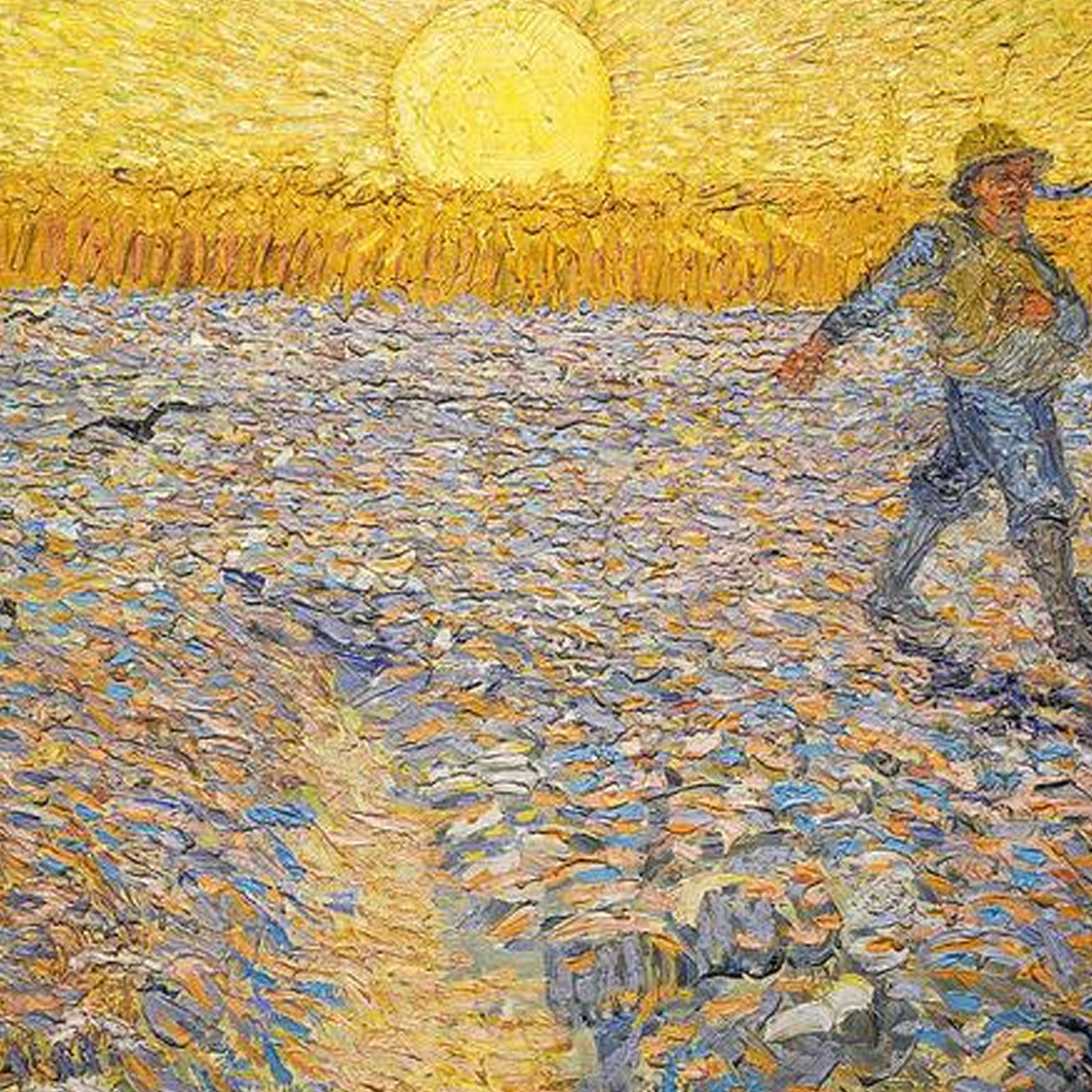
Prof. Michael Dauphinais argues that stories are not just useful for faith—they are how human beings understand reality, and the Christian story of creation, redemption, and resurrection is the true narrative that reorders the imagination. This lecture was given on March 27th, 2026, at Florida State University. Apply for the Thomistic Institute Study Abroad program by August 1, 2026. To learn more, visit https://thomisticinstitute.org/study-abroad. About the Speaker: Michael A. Dauphinais, P...

July 20, 2026
The Mystery of Love - Prof. Maria Fedoryka
Prof. Maria Fedoryka explains love as more than a feeling, showing how it begins with recognizing another person’s goodness, leads to self-gift and communion, and ultimately reveals why love is the source of meaning in human life. This lecture was given on March 16th, 2026, at University of Georgia. Apply for the Thomistic Institute Study Abroad program by August 1, 2026. To learn more, visit https://thomisticinstitute.org/study-abroad. About the Speaker: Dr. Maria Fedoryka is associate prof...
July 17, 2026
Why Forgive: Accepting the Good News of Forgiving Others - Fr. Andrew Hofer, O.P.
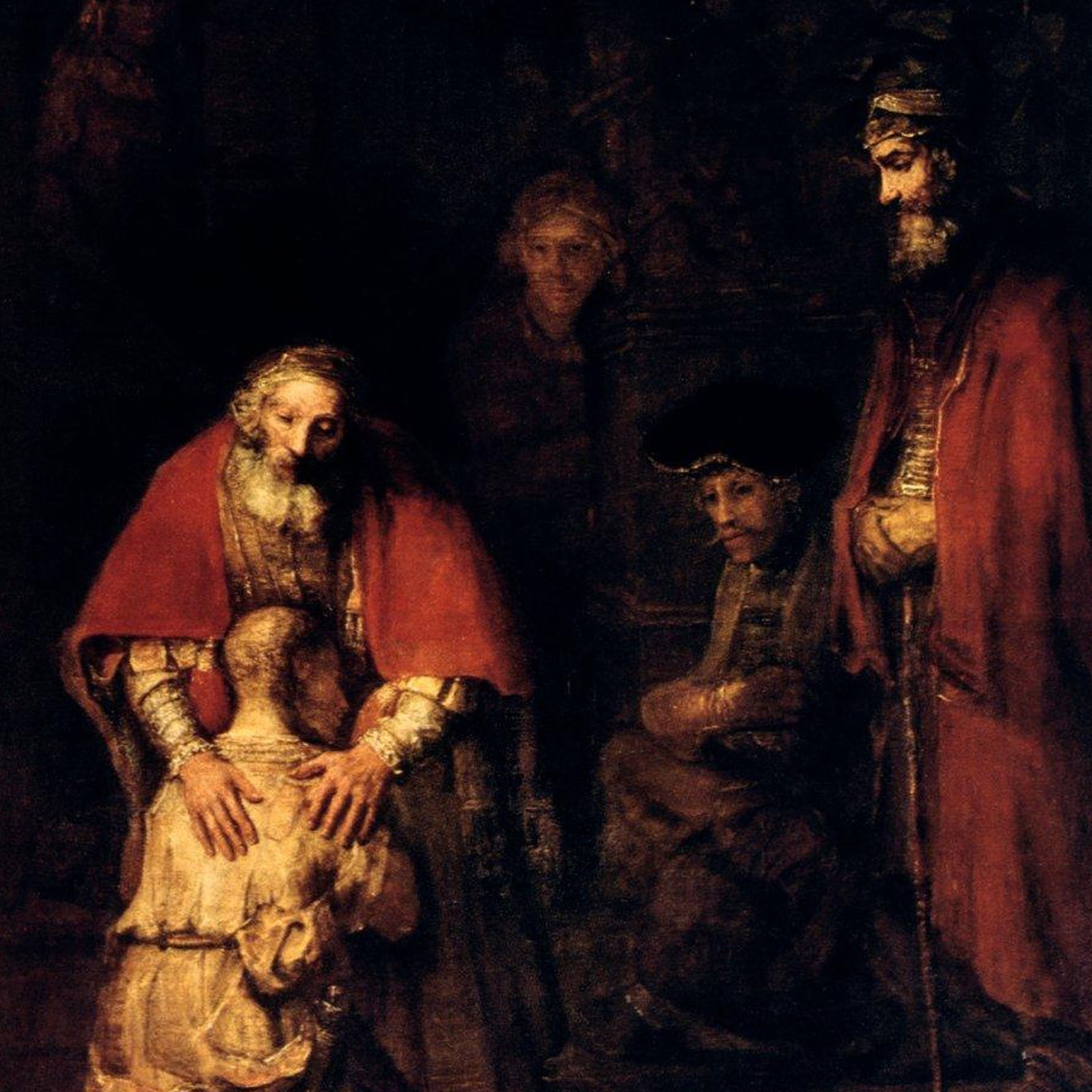
Fr. Andrew Hofer explains why Christian forgiveness is not the same as excusing harm, and shows how forgiving others is a deliberate act of mercy that frees us, heals our hearts, and reflects God’s own forgiveness. This lecture was given on March 7th, 2026, at University of Pittsburgh. Apply for the Thomistic Institute Study Abroad program by August 1, 2026. To learn more, visit https://thomisticinstitute.org/study-abroad. About the Speaker: Fr. Andrew Hofer, O.P., (Ph.D. Notre Dame) is prof...
July 16, 2026
St. John Henry Newman and the Failure of the University - Prof. Lewis Ayres
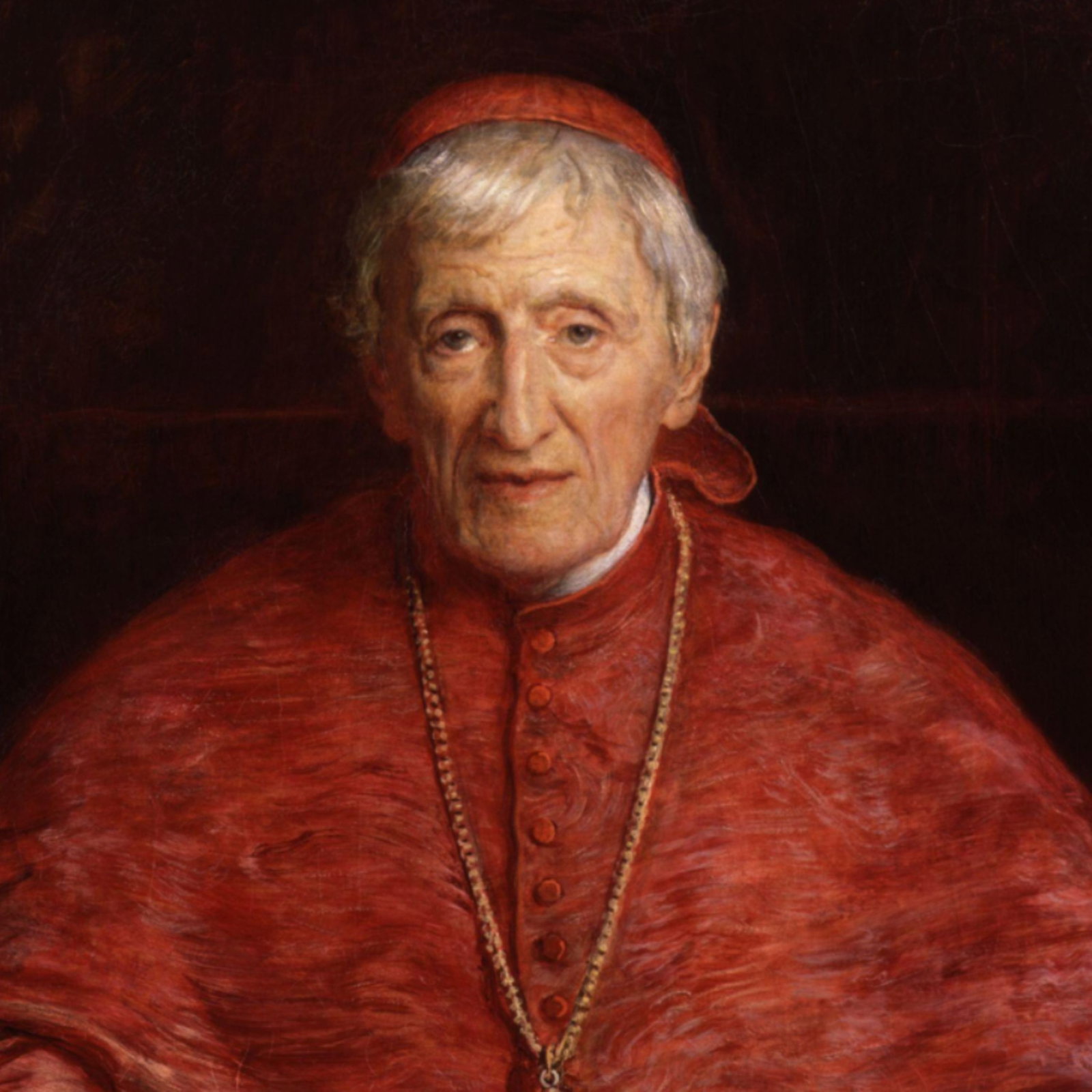
Prof. Lewis Ayres examines St. John Henry Newman’s critique of the university and argues that higher education often succeeds at training skills while failing to form the Christian imagination toward truth, wisdom, and God. This lecture was given on April 13th, 2026, at University of Aberdeen. Apply for the Thomistic Institute Study Abroad program by August 1, 2026. To learn more, visit https://thomisticinstitute.org/study-abroad. About the Speaker: Lewis was born in the UK, and studied Clas...
July 15, 2026
Why Is There Evil In The World? - Prof. Ross McCullough
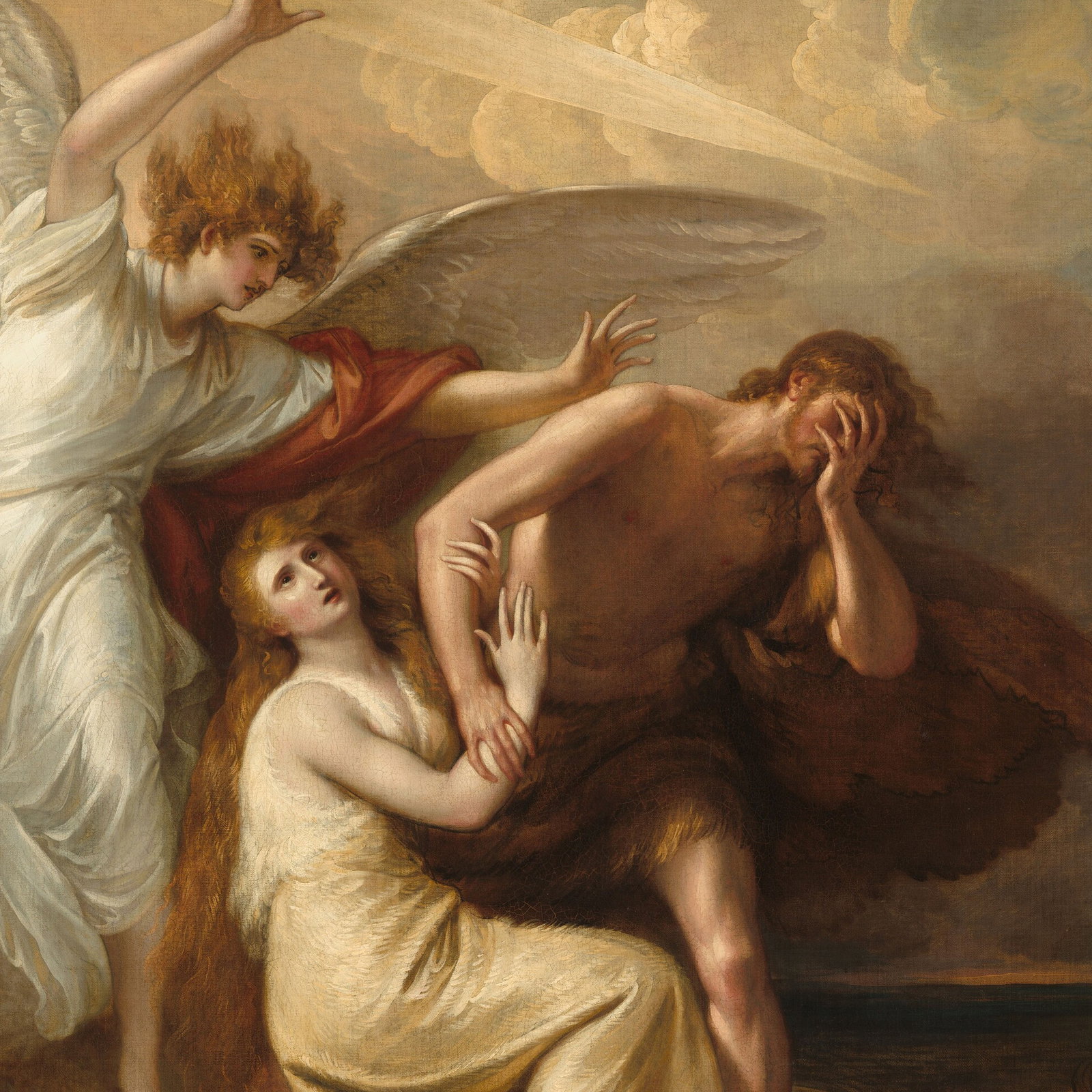
Prof. Ross McCullough explores why evil and suffering exist, surveys the main Christian answers—especially free will and greater goods—and shows how suffering can be united to Christ rather than treated as meaningless. This lecture was given on November 17th, 2025, at University of Oregon. Apply for the Thomistic Institute Study Abroad program by August 1, 2026. To learn more, visit https://thomisticinstitute.org/study-abroad. About the Speaker: Ross McCullough is an assistant professor of t...
July 14, 2026
Deo Gratias: A Theology of Gratitude - Fr. Andrew Hofer, O.P.
Fr. Andrew Hofer explains gratitude as a theological virtue rooted in God’s gifts, showing how thanksgiving begins in the heart, becomes visible in words and worship, and ultimately orders us toward God. This lecture was given on November 11th, 2025, at University of Colorado Boulder. Apply for the Thomistic Institute Study Abroad program by August 1, 2026. To learn more, visit https://thomisticinstitute.org/study-abroad. About the Speaker: Fr. Andrew Hofer, O.P., (Ph.D. Notre Dame) is profe...
July 13, 2026
To What End? Reclaiming Meaning with Saint Thomas Aquinas - Fr. Irenaeus Dunlevy, O.P.
Fr. Irenaeus Dunlevy uses Aquinas to argue that the search for meaning is really the search for an ultimate end, and that human happiness is found not in success, pleasure, or status, but in God. This lecture was given on November 4th, 2025, at University of California, San Diego. To make a gift this June, visit https://truth.thomisticinstitute.org/pod. About the Speaker: Fr. Irenaeus Dunlevy, OP is a Coordinator for Campus Outreach at the Thomistic Institute in Washington, DC. He has served...
July 10, 2026
Why Get Married: The Catholic View of the Meaning and Purpose of Marriage - Prof. Paul Gondreau
This lecture was given on October 23rd, 2025, at Indiana University.To make a gift this June, visit https://truth.thomisticinstitute.org/pod.About the Speaker:Paul Gondreau is professor of theology at Providence College, where he has taught for 28 ...
July 9, 2026
What do you seek? Study and the Moral Life in St Thomas Aquinas - Fr. Thomas Aquinas Pickett
Fr. Thomas Pickett explores what Aquinas means by study and argues that study is not just academic work but a morally formative pursuit that shapes charity, virtue, and the Christian path to happiness. This lecture was given on August 29th, 2025, at University of California Berkeley. To make a gift this June, visit https://truth.thomisticinstitute.org/pod. About the Speaker: Fr Thomas Aquinas Pickett is a son of Ellensburg, Washington and a member of the Western Dominican Province. Apart fro...
July 8, 2026
Love the Sinner, Hate the Sin: Aquinas on the Limits of Charity - Prof. Michael Krom
Prof. Michael Krom presents Aquinas’s account of charity and asks what it really means to love the sinner without affirming the sin, showing how true Christian love can require both mercy and moral clarity. This lecture was given on August 18th, 2025, at Universidad Panamericana. To make a gift this June, visit https://truth.thomisticinstitute.org/pod. About the Speaker: Michael Krom started reading Aquinas’s Summa Theologiae shortly after his conversion at the end of college. Upon learning ...