Society & Culture Episodes
Dec. 29, 2025
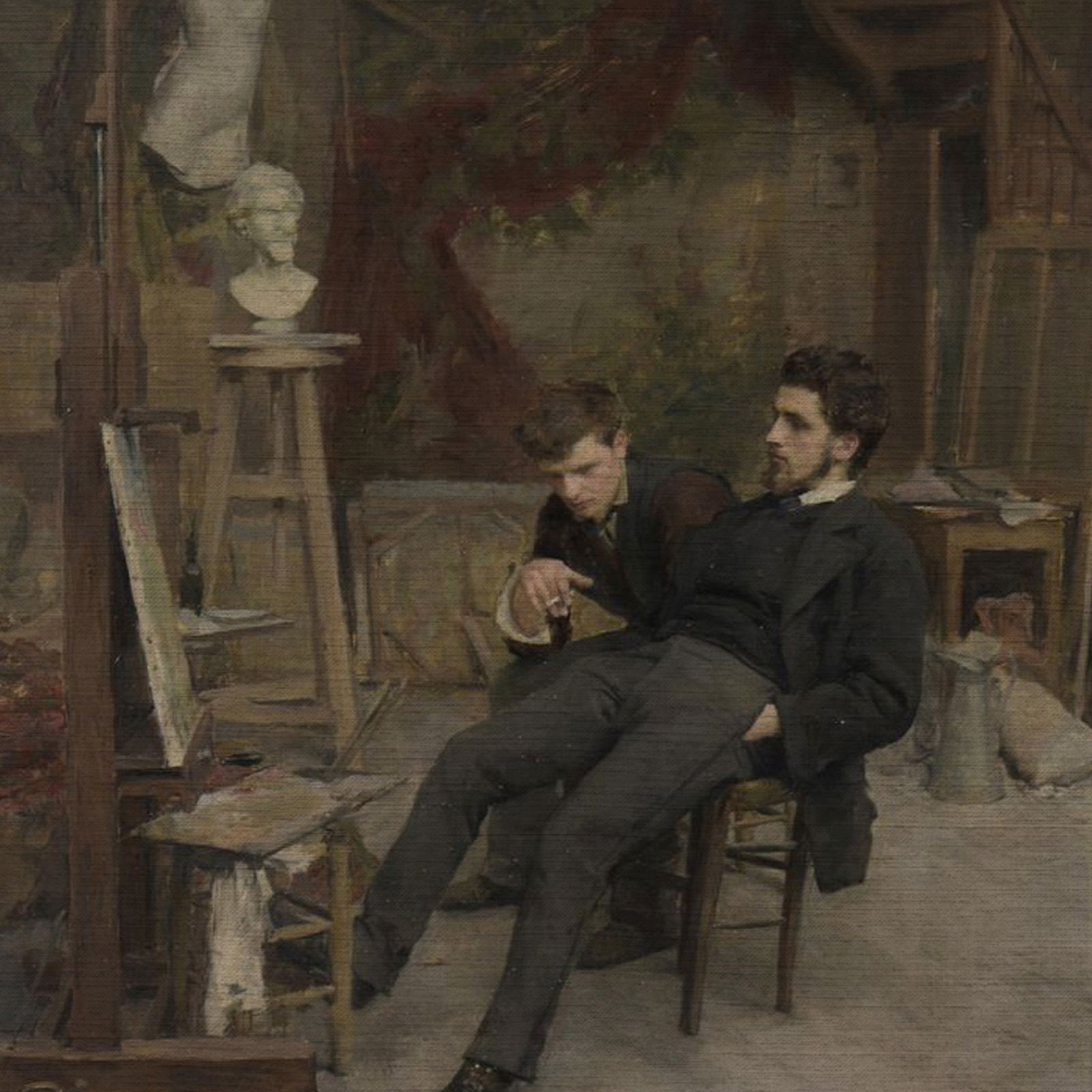
Friendship and the Digital Age: A Thomistic Reflection on Human Connection – Prof. Joshua Hochschild
Prof. Joshua Hochschild argues that digital culture reshapes friendship and attention through Curiositas and acedia, offering a path of renewal by cultivating virtue, mindful leisure, and rooted communal belonging.
Guest: Prof. Joshua Hochschild
Dec. 23, 2025
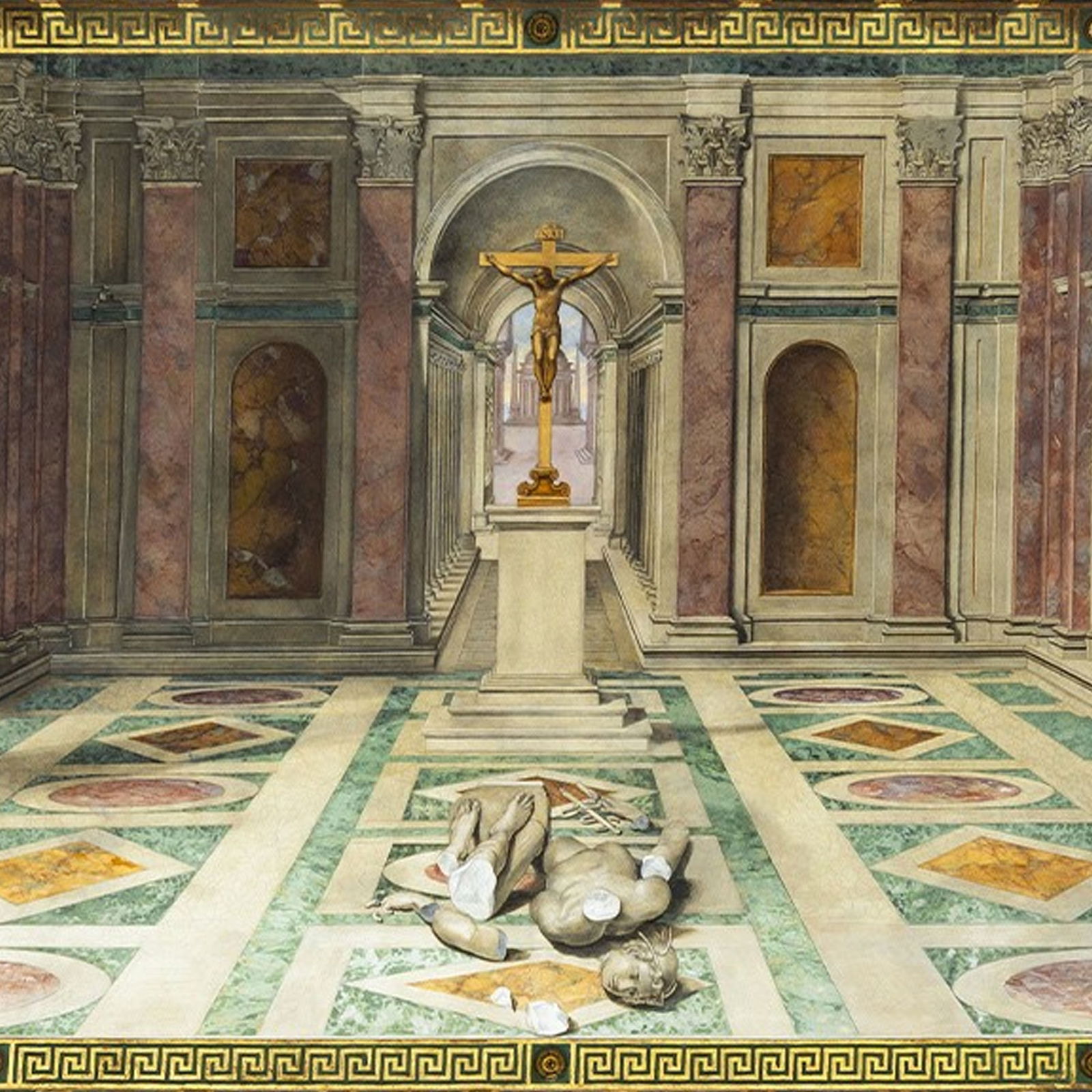
What Difference Did Christianity Make? Why the Ancient Greeks, Romans, and Irish Converted – Fr. Terence Crotty, O.P.
Fr. Terence Crotty argues that Christianity spread so rapidly because it uniquely answered the human search for truth and happiness while transforming social life through charity, dignity for slaves and women, and a compelling vision of a good and loving God that pagan religion and philosophy could not provide.
Guest: Fr. Terence Crotty, O.P.
Dec. 3, 2025
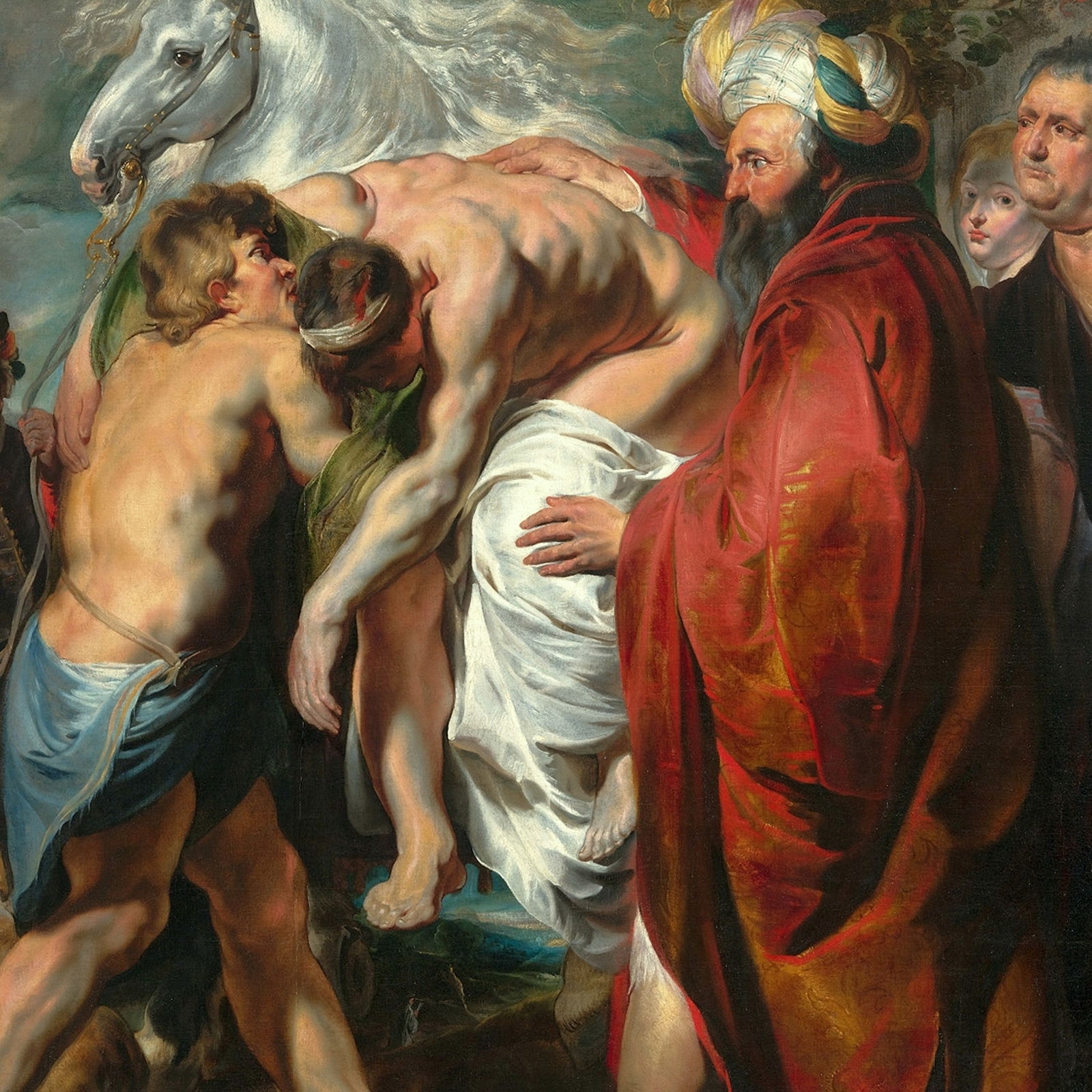
Virtue and the Meaningful Life – Dr. David McPherson
Dr. David McPherson argues that human beings are “meaning-seeking animals” and that an adequate neo-Aristotelian ethics must see the virtues as constitutive of a meaningful life ordered to strong goods such as the noble, the sacred, and love of God and neighbor.
Guest: Dr. David McPherson
Dec. 2, 2025
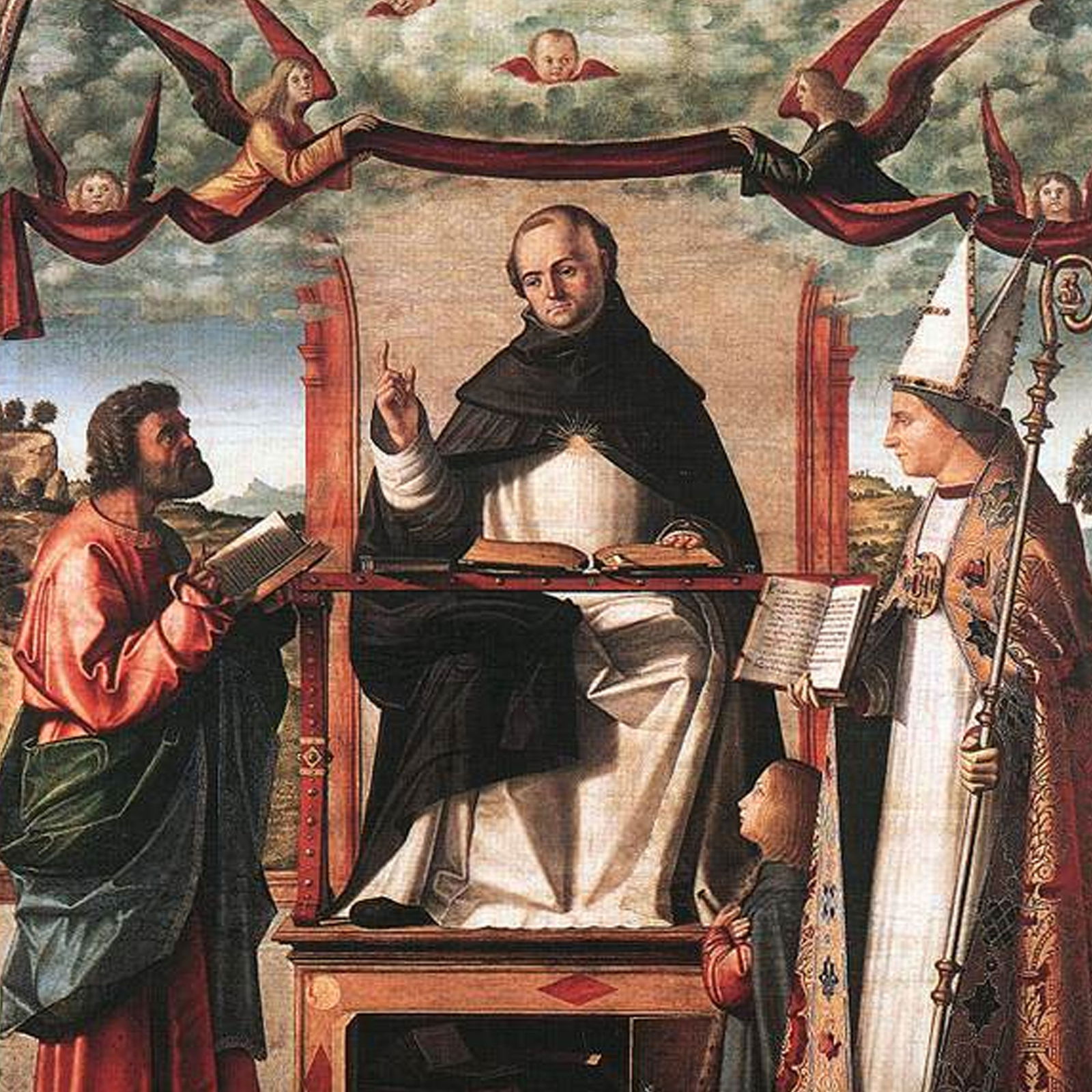
St. Thomas Aquinas: His Life, Wisdom, and Relevance Today – Fr. Irenaeus Dunlevy, O.P.
Fr. Irenaeus Dunlevy presents Aquinas as a medieval theologian whose love of Scripture, clear metaphysics of happiness, integrated view of body and soul, and profound Eucharistic devotion offer urgently needed guidance for Christians facing modern confusion about truth, identity, and God.
Guest: Fr. Irenaeus Dunlevy, O.P.
Nov. 19, 2025
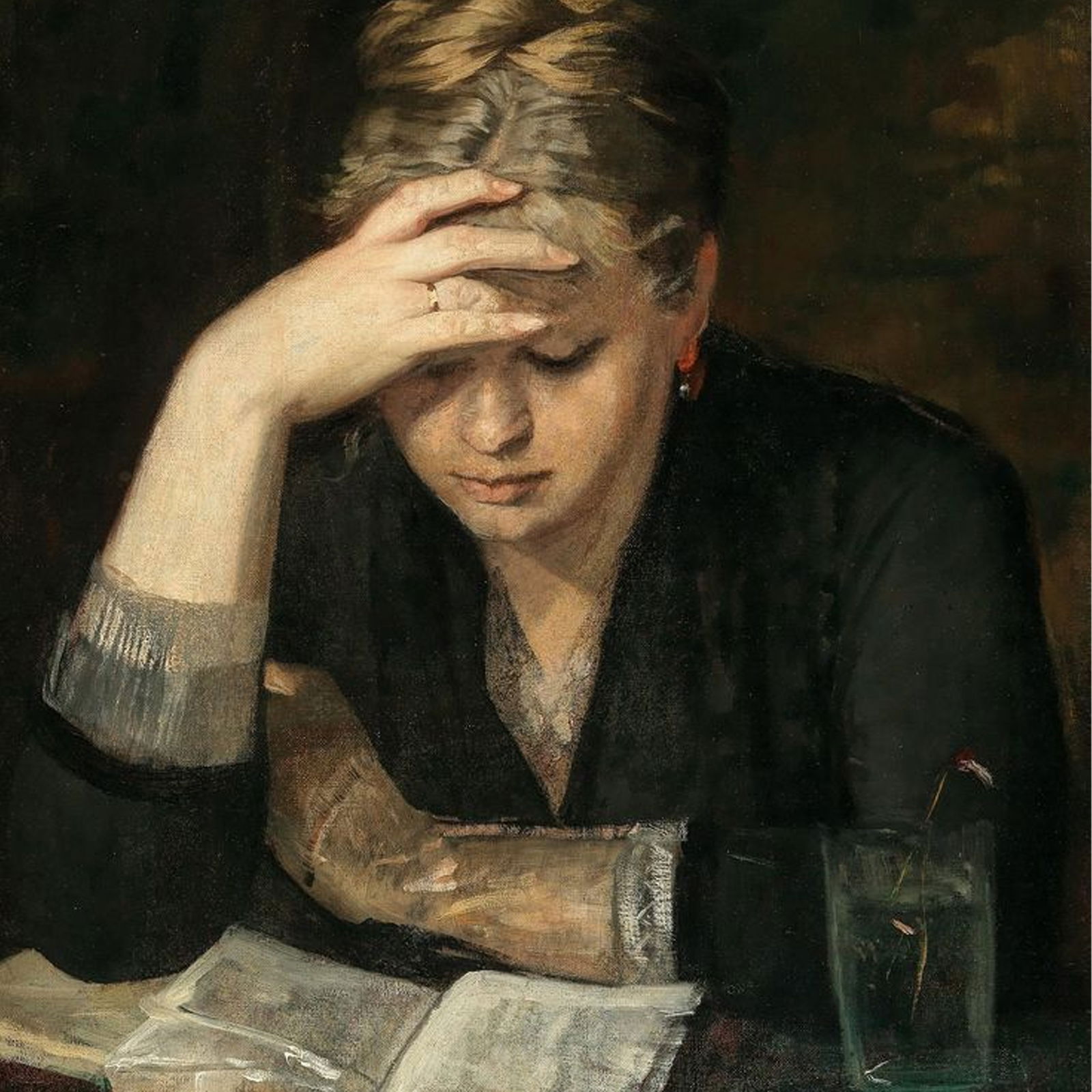
A Feeble Plant in the Breeze: Personal and Social Forms of Acedia – Prof. Carl Vennerstrom
Prof. Carl Vennerstrom explores personal and social forms of acedia, tracing its origins from ancient monasticism to contemporary life and illuminating how distraction, restlessness, and identity crisis threaten fulfillment and virtue in the digital age.
Guest: Prof. Carl Vennerstrom
Nov. 17, 2025
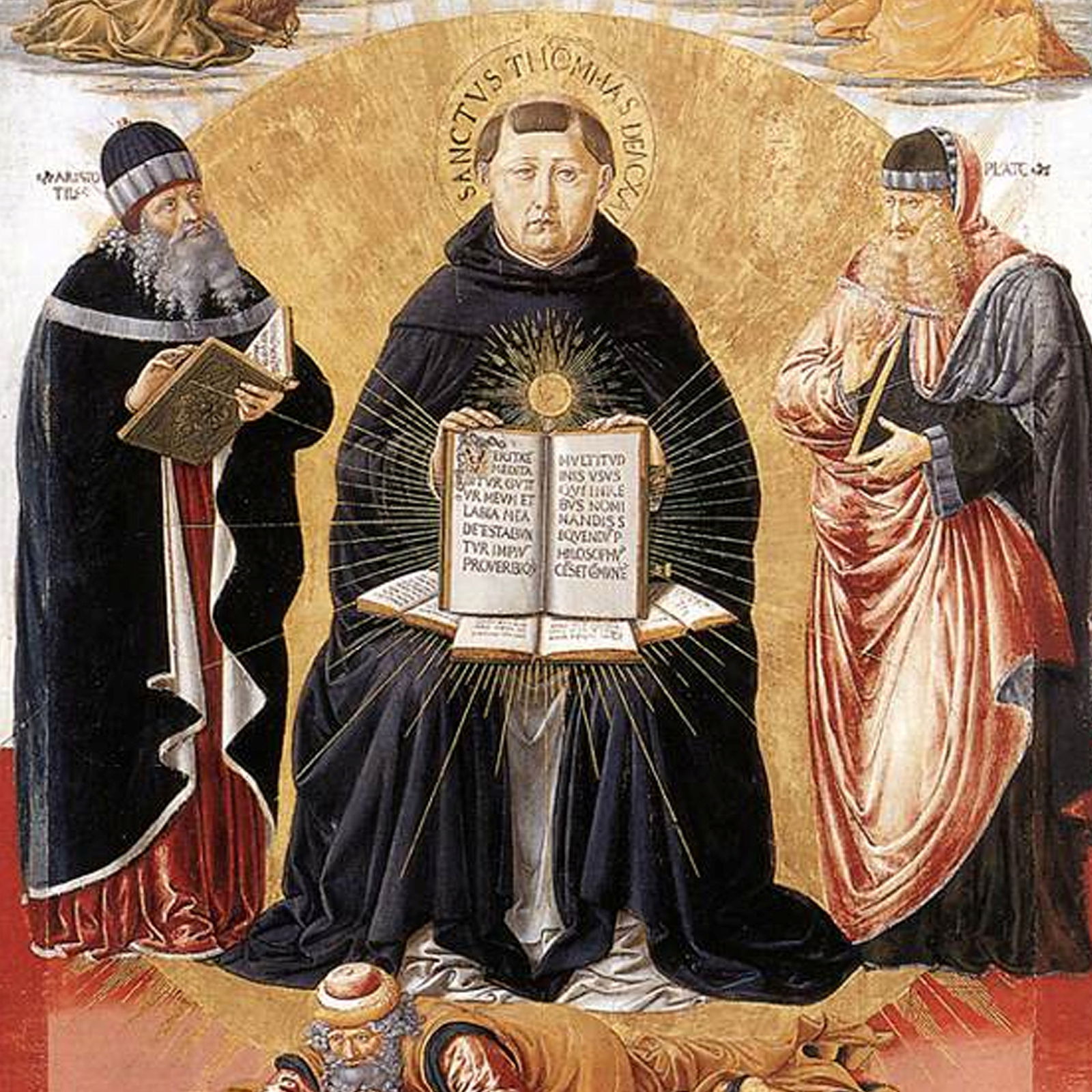
Aquinas and Newman on the Pursuit of Wisdom and Happiness – Prof. Jennifer Frey
Prof. Jennifer Frey’s lecture compares Aquinas and Newman on the pursuit of wisdom and happiness, showing how a true liberal education cultivates philosophical habits and interior freedom by uniting the quest for knowledge, meaning, and the common good.
Guest: Prof. Jennifer Frey
Nov. 14, 2025
Minimum Wage vs. Just Wage: A Thomistic Clarification of Catholic Social Teaching – Dr. Michael Krom
Dr. Michael Krom uses Catholic social teaching and Thomistic ethics to explain the difference between minimum wage and just wage, emphasizing that justice, moral duty, and human need—not just legal or economic policy—should guide compensation for workers.
Guest: Prof. Michael Krom
Nov. 12, 2025
George Lemaitre: The Catholic Priest Who Proposed the Big Bang Theory – Prof. Jonathan Lunine
Prof. Jonathan Lunine tells the story of Georges Lemaître—the Catholic priest and physicist who proposed the Big Bang theory—showing how his pioneering science, deep faith, and personal humility revolutionized modern cosmology and bridged the perceived gap between religion and science.
Guest: Prof. Jonathan Lunine
Nov. 7, 2025
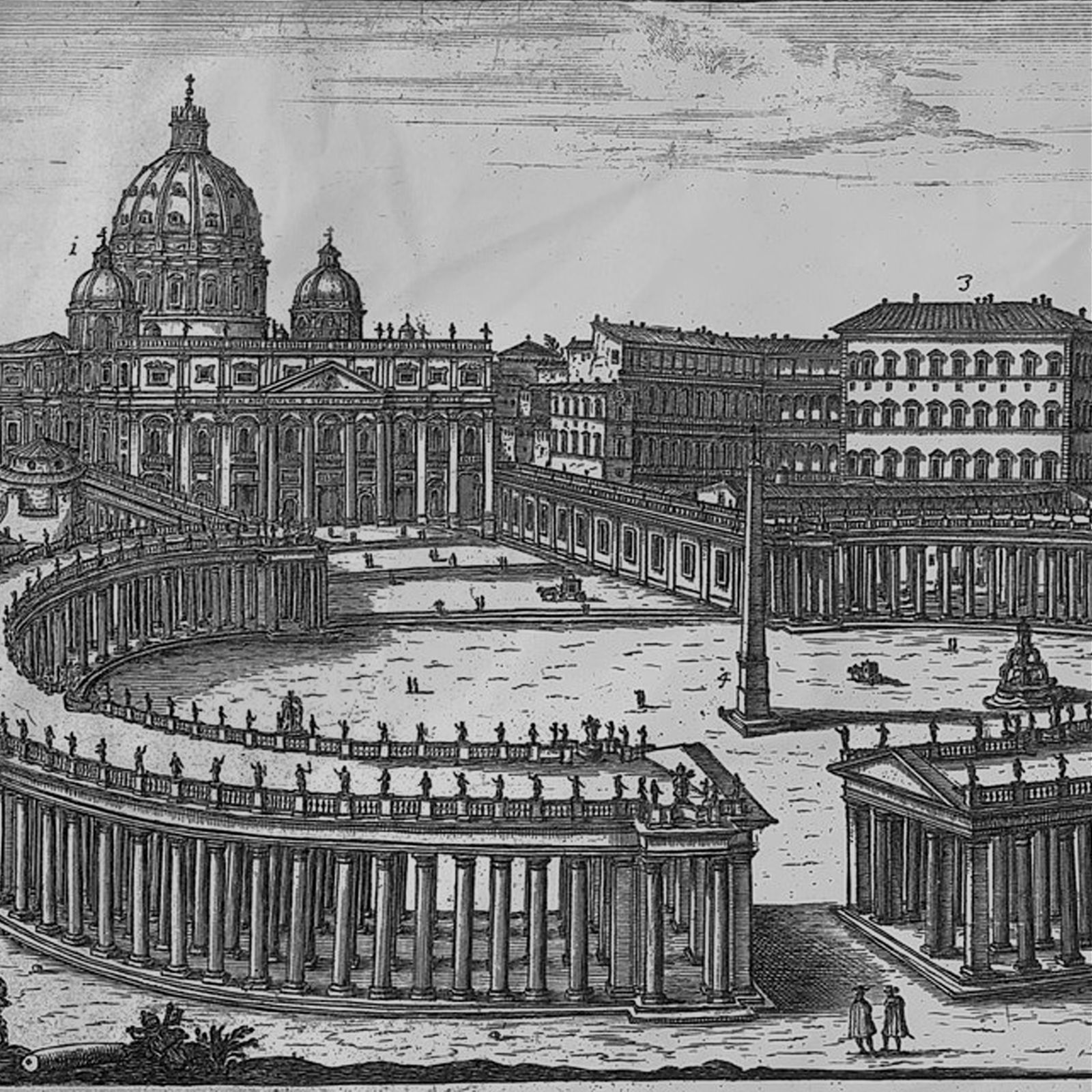
Astrology: Why Did Medieval Philosophers Study It? – Fr. Ambrose Little, O.P.
Fr. Ambrose Little explains why medieval philosophers studied astrology as part of natural science, showing how its connection to astronomy, cosmology, and causal mechanisms shaped intellectual inquiry, yet warns that modern astrology lacks scientific legitimacy and poses spiritual risks.
Guest: Fr. Ambrose Little, O.P.
Oct. 24, 2025
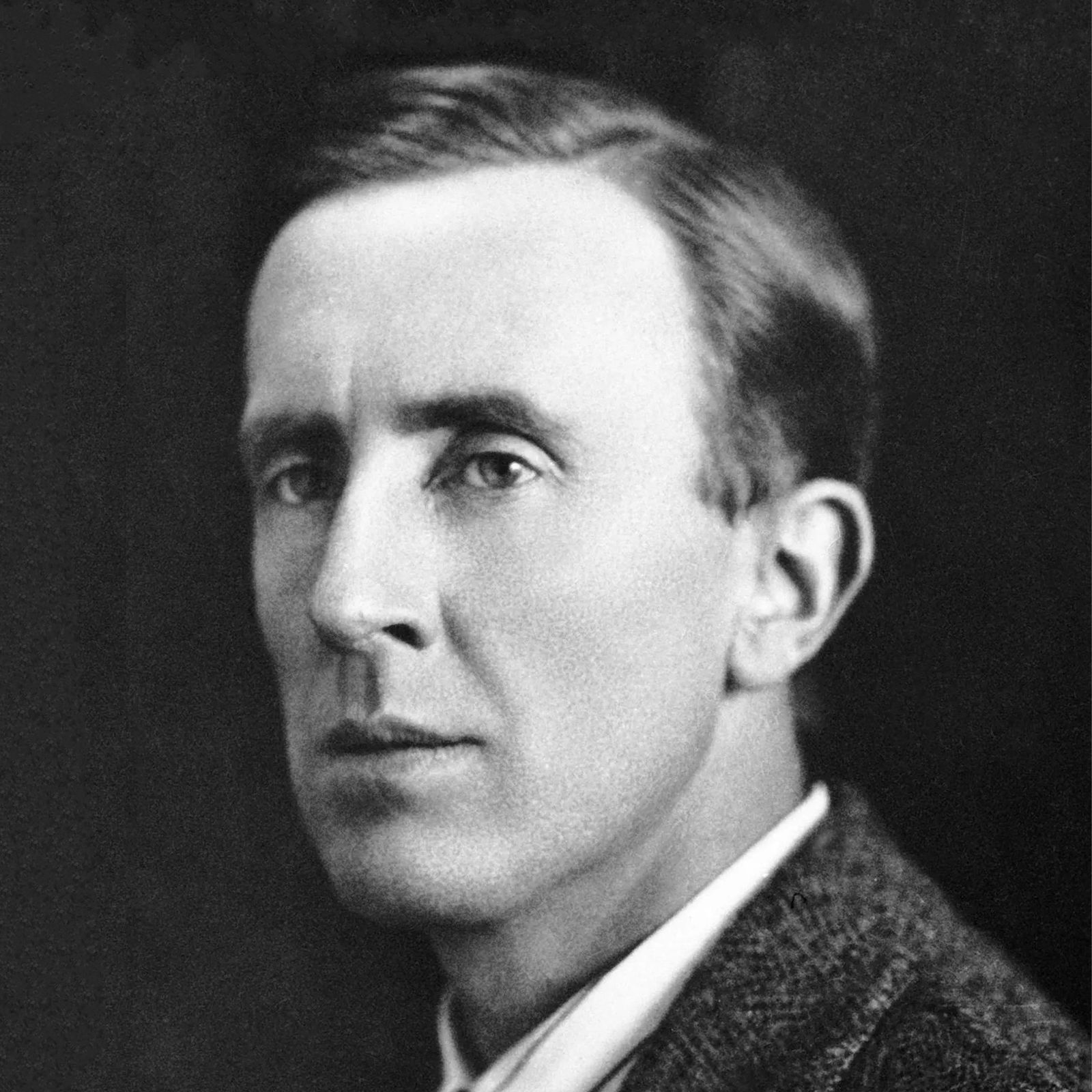
Catholic Culture with Tolkien – Prof. Patrick Callahan
Prof. Patrick Callahan explores the living tradition of Catholic culture, using Tolkien’s life and imagination to demonstrate how the Mass, community, and cultivation of virtue form a unified Christian identity resilient amidst modern challenges.
Guest: Prof. Patrick Callahan
Oct. 23, 2025
Flannery O'Connor and the Perils of Governing By Tenderness – Dr. Jerome Foss
Dr. Jerome Foss uses Flannery O’Connor’s stories to warn against the pitfalls of governing by abstract tenderness, advocating for a vision rooted in faith, realism, and the transformative power of suffering.
Guest: Dr. Jerome Foss
Oct. 22, 2025
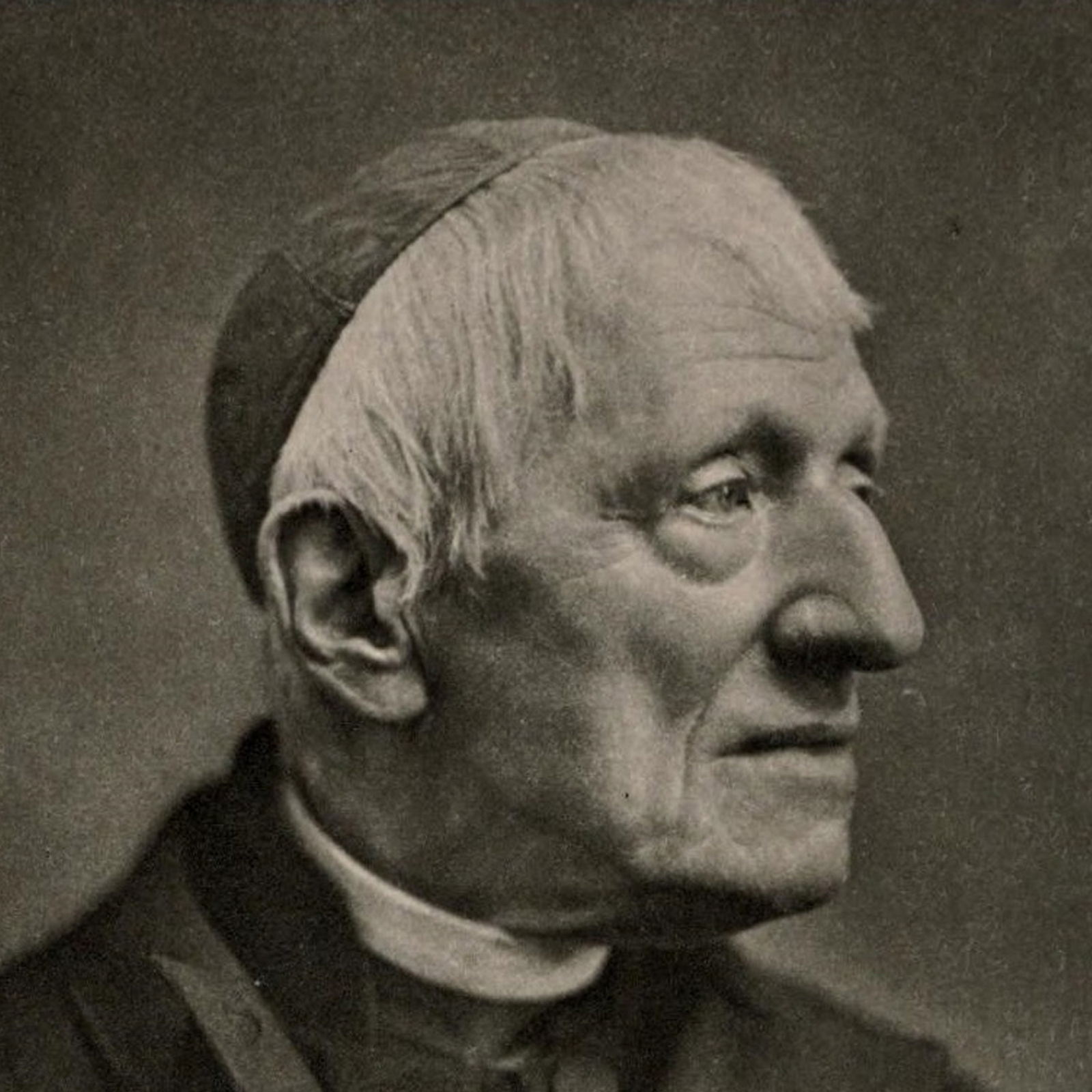
Newman and Tolkien: The Humility of (Hi)story – Prof. Giuseppe Pezzini
Prof. Giuseppe Pezzini explores the biographical and spiritual connections between Newman and Tolkien, revealing how their shared organic vision of historical development and renewal challenges modern tensions between nostalgia, progress, and Christian identity.
Guest: Prof. Giuseppe Pezzini
Oct. 21, 2025
Psalms, Hymns, and Spiritual Canticles: Gregorian Chant and the Joy of the Gospel – Fr. Innocent Smith, O.P.
Fr. Innocent Smith’s lecture illuminates how Gregorian Chant, rooted in Psalms, hymns, and spiritual canticles, enriches Catholic liturgy by shaping Christian spirituality and expressing the deep joy of the Gospel through sung prayer.
Guest: Fr. Innocent Smith, O.P.
Oct. 20, 2025
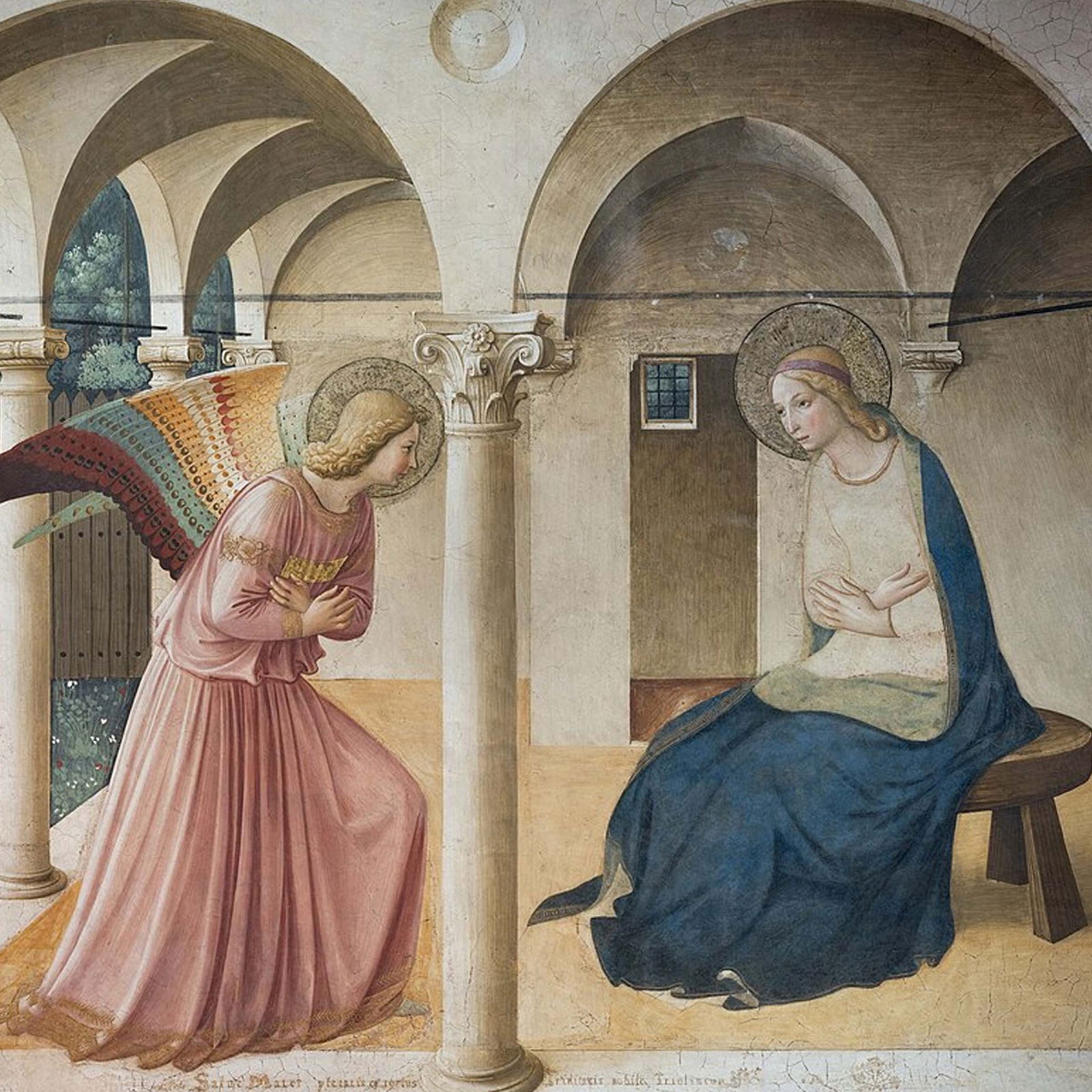
The Incarnation and the Machine: The Visions of Fra Angelico and Le Corbusier – Fr. Irenaeus Dunlevy O.P.
Fr. Irenaeus Dunlevy's lecture contrasts the incarnational vision of Fra Angelico with Le Corbusier’s machine aesthetic, revealing how Christian art and architecture communicate spiritual beauty, theological wisdom, and the presence of Christ through the transformation of physical space.
Guest: Fr. Irenaeus Dunlevy, O.P.
Sept. 18, 2025
Dating Like Mr. Darcy I Dr. John Paul Heil
Dr. John-Paul Heil investigates how virtuous courtship, compassionate secrecy, and sexual difference—as presented in Jane Austen’s novels—are essential for discerning authentic love and practicing self-giving in Catholic romance. This lecture was given on April 22nd, 2025, at United States Naval Academy. For more information on upcoming events, visit us at thomisticinstitute.org/upcoming-events. About the Speakers: John-Paul Heil is a Core Fellow in history, philosophy, C...
Guest: Dr. John Paul Heil
Sept. 8, 2025
Predictive AI, Manipulation, and Human Freedom According to Aquinas I Fr. Anselm Ramelow, O.P.
Fr. Anselm Ramelow explores the tension between predictive artificial intelligence and human freedom, drawing on St. Thomas Aquinas to argue that while AI and social systems can influence and predict behavior to a certain degree, genuine free will and moral responsibility remain grounded in rational deliberation and virtue.
Guest: Fr. Anselm Ramelow, O.P.
Sept. 5, 2025
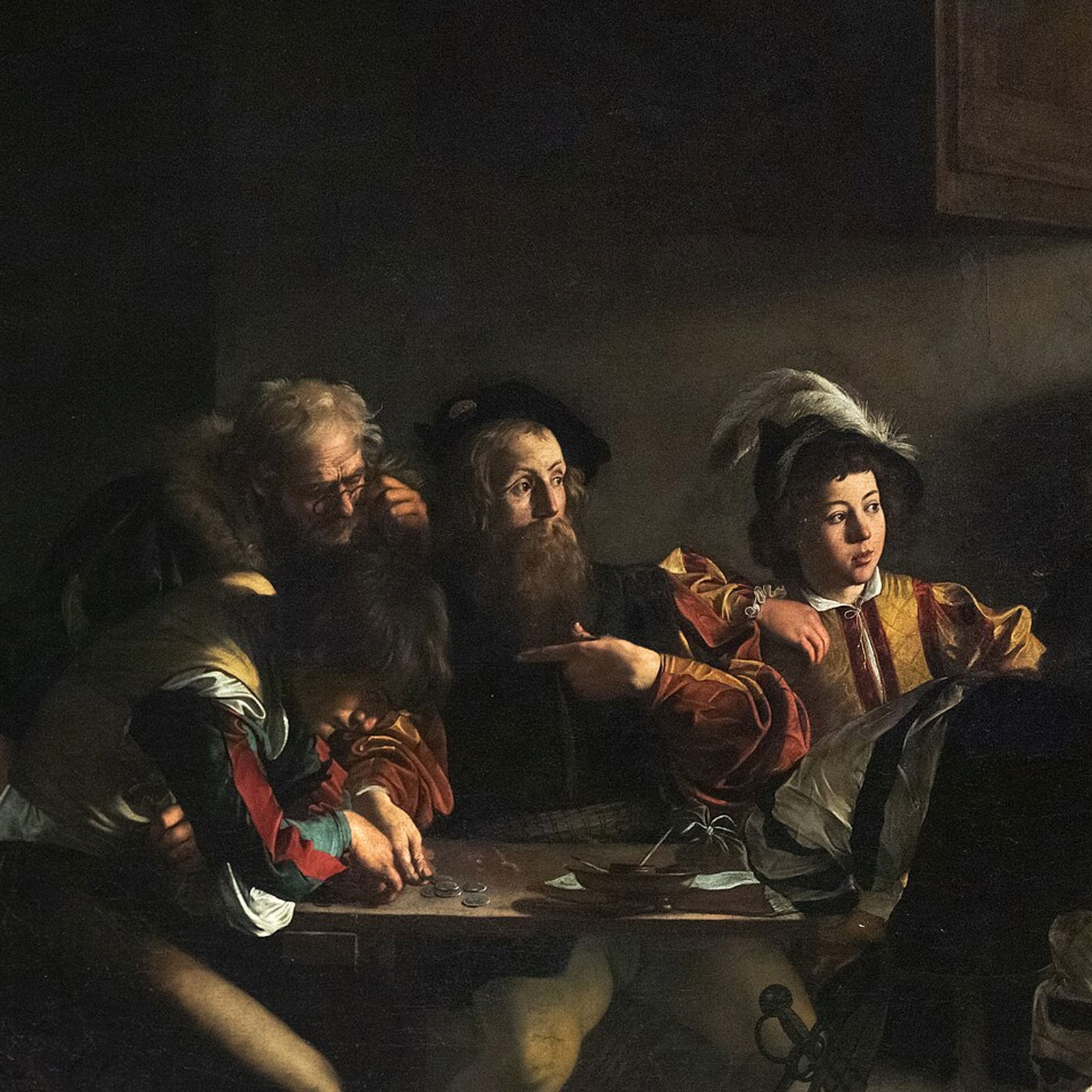
AI and Interpersonal Relationships I Prof. Jordan Wales
Prof. Jordan Wales explores the ethical and spiritual implications of interpersonal relationships with artificial intelligence, emphasizing the dangers of mistaking AI’s simulated personhood for authentic human connection.
Guest: Prof. Jordan Wales
Aug. 25, 2025
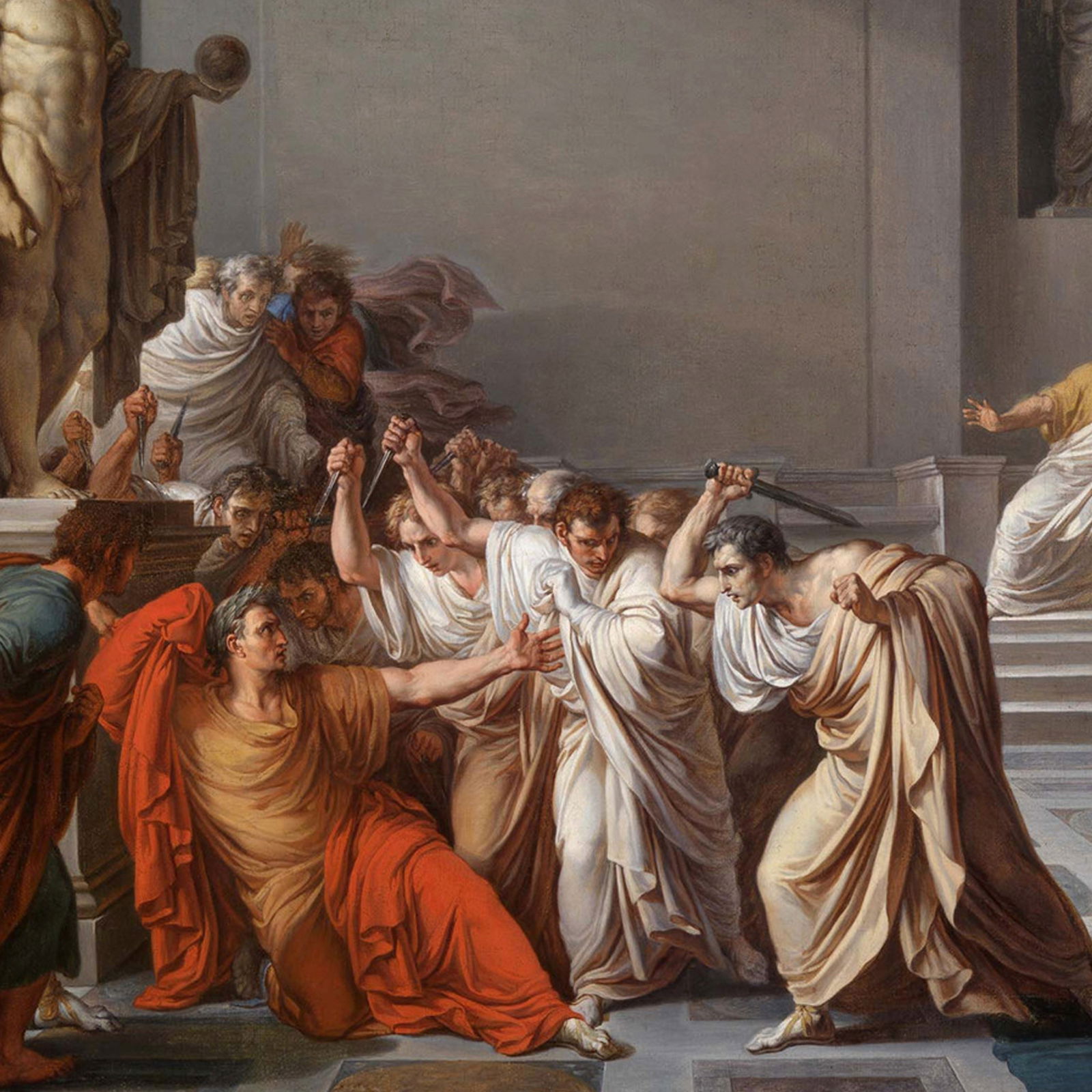
Render Unto Caesar: Aquinas On the Relationship Between Religion and Politics I Prof. Michael Krom
Prof. Michael Krom explores Thomas Aquinas’s view on the relationship between religion and politics, discussing the distinction between obligations to political authority and to God, as reflected in the biblical command to "render unto Caesar what is Caesar's and unto God what is God's."
Guest: Prof. Michael Krom
Aug. 22, 2025
Anna Karenina and the Project of Literature I Sr. Jane Dominic Laurel, O.P.
Sr. Jane Dominic Laurel explores the project of literature from the classical to the modern era, highlighting how stories like Anna Karenina shape the moral imagination through themes of virtue, marriage, culture, and the perennial question of what it means to be human.
Aug. 21, 2025
Getting to Know Tolkien and Lewis and Why It's Worth Your Time I Prof. Lee Oser
Prof. Lee Oser explores the intertwined lives, faith journeys, and literary legacies of J.R.R. Tolkien, C.S. Lewis, and the Inklings, highlighting their countercultural Christian imagination against modernist trends.
Guest: Prof. Lee Oser
Aug. 19, 2025
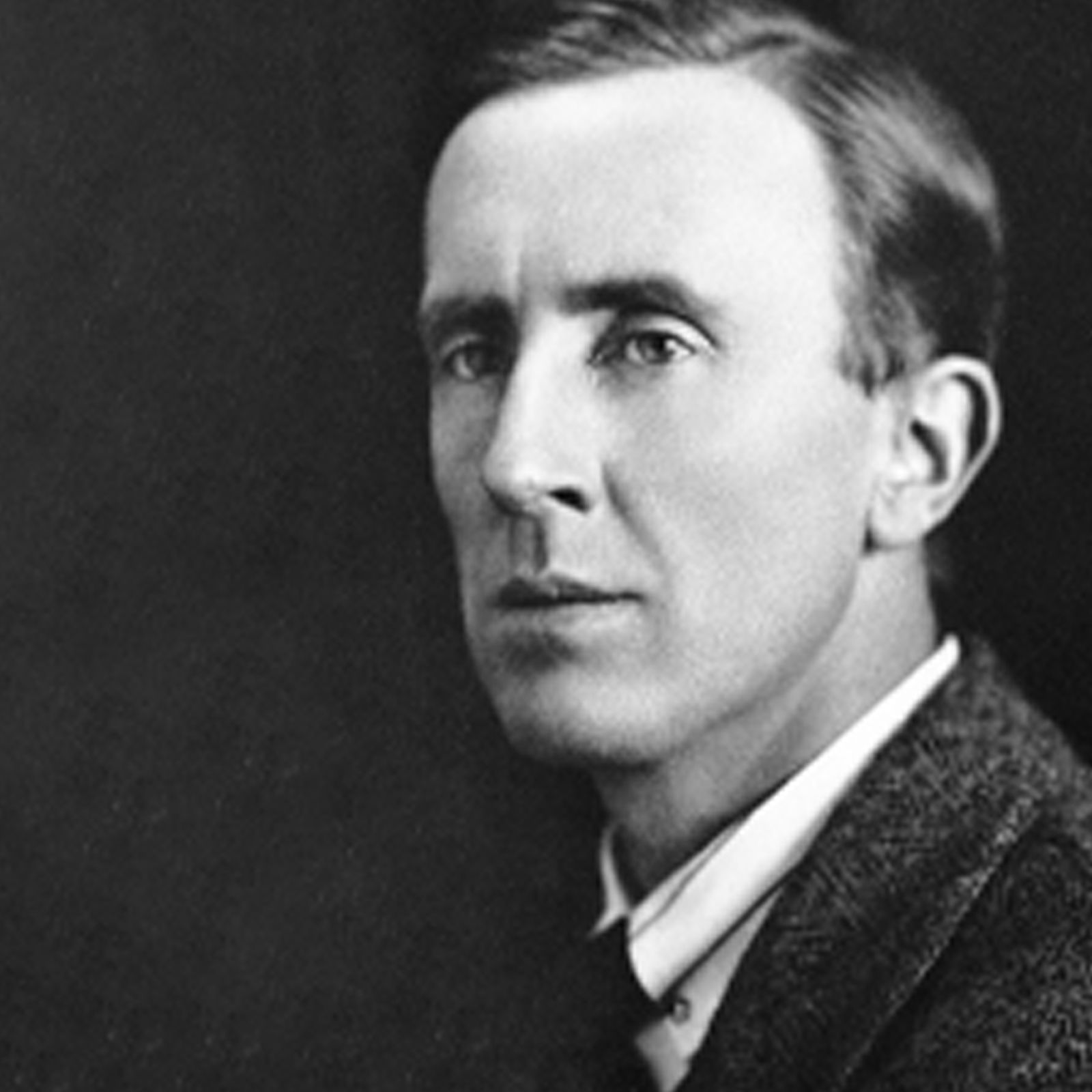
J.R.R. Tolkien's Detached Aesthetics I Dr. Rebekah Lamb
Dr. Rebekah Lamb explores J.R.R. Tolkien’s “detached aesthetics,” revealing how his Christian understanding of spiritual detachment shapes his writing, especially in "The Lord of the Rings," as a means of cultivating hope, wonder, and a rightly ordered love for the world.
Guest: Dr. Rebekah Lamb
Aug. 18, 2025
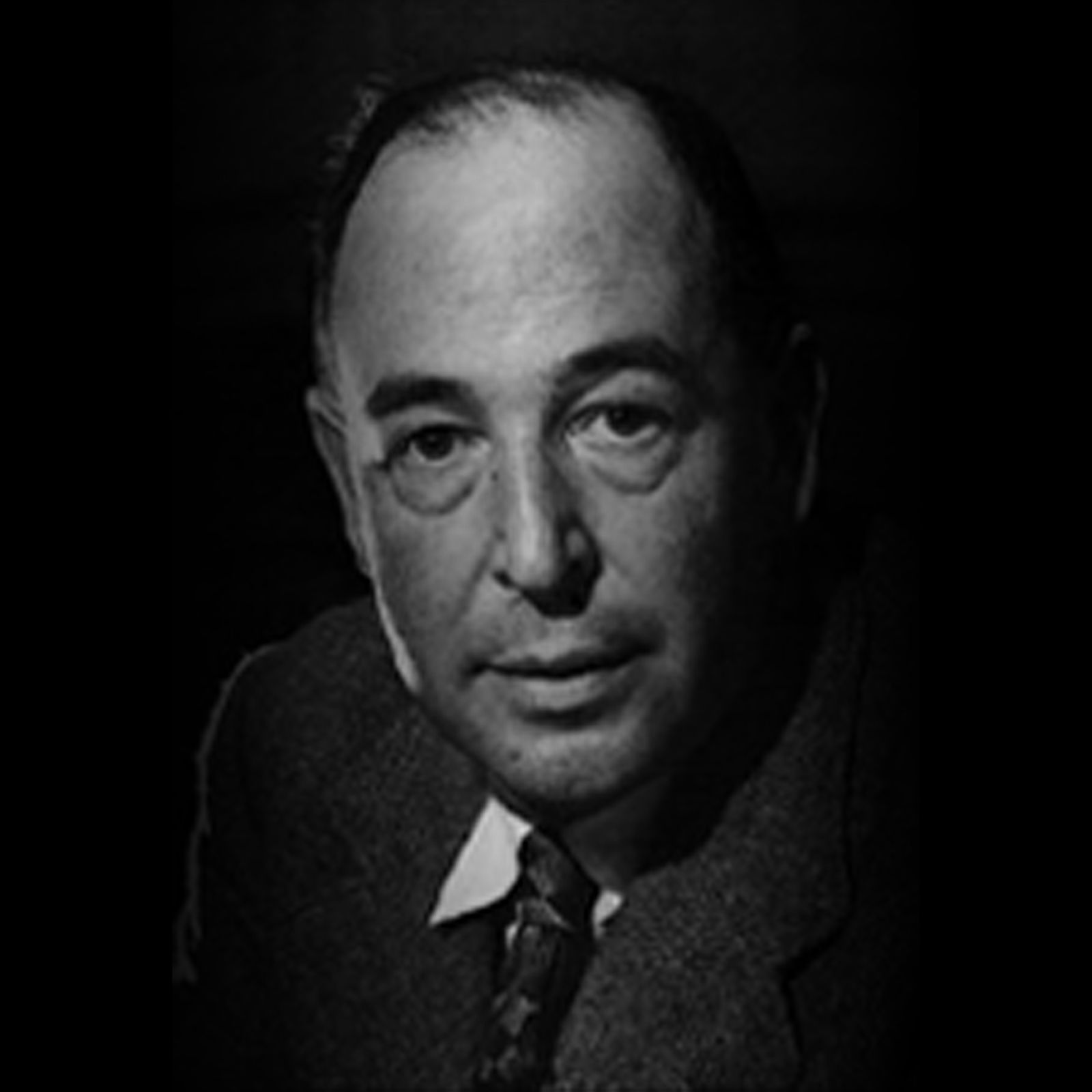
C.S. Lewis on the Ethics of Technology I Prof. Thomas Ward
Prof. Thomas Ward explores C. S. Lewis’s "The Abolition of Man", analyzing how technology’s conquest of nature risks diminishing humanity unless anchored by objective moral values.
Guest: Prof. Thomas Ward
Aug. 12, 2025
Brothers Karamazov: Manicheanism, Christian Existentialism and other Paradoxes I Prof. Thomas Pfau
Prof. Thomas Pfau offers an in-depth theological and philosophical analysis of Dostoevsky’s The Brothers Karamazov, focusing on Ivan and Alyosha’s contrasting worldviews, the “Rebellion” and “Grand Inquisitor” chapters, and the novel’s profound exploration of freedom, suffering, and divine love.
Guest: Prof. Thomas Pfau
Aug. 4, 2025
What Makes Laws Just? An Introduction to the Natural Law Tradition I Fr. Dominic Legge, O.P.
Fr. Dominic Legge delves into the philosophical and moral considerations that determine whether laws are truly just, highlighting the ongoing relevance of these questions in contemporary society.
Guest: Fr. Dominic Legge, O.P.