
Episodes

221
April 16, 2020
The Distance of the Moon by Italo Calvino | The African Library Project
Another special quarantine edition! In this action-packed episode, Jacke talks to Robyn Speed and Tatiana Santos of the African Library Project (africanlibraryproject.org), an organization that has helped create or improve more than three thousand libraries in Africa. He then turns to the great Italo Calvino and his short story masterpiece, "The Distance of the Moon" (1965), which melds together a stunning vision of the cosmos with a poignant and highly original love story. Help support the s...

220
April 13, 2020
A Lost Spring (with Professor Mitchell Nathanson)
Professor Mitchell Nathanson, author of Jim Bouton: The Life of a Baseball Original, joins Jacke for a discussion of athletes, heroes, and A.E. Housman. Why do we celebrate athletes? How do we view them when their athleticism fades? And what does it all mean? We'll look at the problems of male vulnerability, the groundbreaking work Ball Four by Jim Bouton, and the criticism of that book, most notably by esteemed sportswriter Roger Kahn. Close your eyes and imagine a world where the grass is gree...
219
April 9, 2020
After Rain by William Trevor
William Trevor was born in Ireland in 1928. When he was 26, he moved to England, where for the next 62 years he quietly became one of the most celebrated writers in the English-speaking world. In today's History of Literature episode, Jacke takes a look at one of his greatest short stories, "After Rain." Help support the show at patreon.com/literature or historyofliterature.com/shop. (We appreciate it!) Find out more at historyofliterature.com, jackewilson.com, or by following Jacke and Mike ...

217
April 2, 2020
Extra by Yiyun Li
Yiyun Li (1972- ) was born in Beijing, China, the daughter of a teacher and a nuclear physicist. She dreamed of studying in America, hoping to escape an oppressive political regime and an unhappy family life. But when she arrived at the University of Iowa at the age of 23, a math prodigy and burgeoning immunologist, she found herself drawn to literature, a shift that led her to drop her career as a scientist in favor of writing fiction, where she soon established herself as one of the premier wr...

216
March 30, 2020
The Trials of Phillis Wheatley
In 1773, Phillis Wheatley became the first person of African descent to publish a book of poems in the English language. It was yet another milestone in Wheatley's extraordinary life, which began with a childhood in Africa, a passage on a slave ship, twelve years in Boston living as a slave, and then her unprecedented education and emergence as a poet. She was lauded by Voltaire and Gibbon and Ben Franklin; she exchanged admiring letters with George Washington; and she exposed some of Thomas Jef...

215
March 26, 2020
Kate Chopin
From within the quarantine, Jacke travels to 1893 and the Louisiana bayou, where he finds Kate Chopin, pioneering feminist and author of the classic novel The Awakening, writing her short story "Desiree's Baby," in which a woman in love struggles against the racial prejudice of the antebellum South. Help support the show at patreon.com/literature or historyofliterature.com/shop. (We appreciate it!) Find out more at historyofliterature.com, jackewilson.com, or by following Jacke and Mike on Tw...

214
March 23, 2020
Kipling, Kingsley, and Conan Doyle - When Writers Go to War (with Sarah LeFanu)
In early 1900, the paths of three British writers - Rudyard Kipling, Mary Kingsley, and Arthur Conan Doyle - crossed in South Africa, during what has become known as Britain's last imperial war. In this episode, Sarah LeFanu, author of the new book Something of Themselves: Kipling, Kingsley, Conan Doyle and the Anglo-Boer War, joins Jacke to talk about the experiences of these three writers. What did they expect? What did they find? And how did the experience change them as writers and people? ...

213
March 21, 2020
Special Quarantine Edition - Gusev by Anton Chekhov
More bonus content! For those of you living in isolation (and those of you who aren't), Jacke explores the depths of the human condition - as well as its ultimate beauty - with the help of Anton Chekhov (1860-1904) and his short story masterpiece, "Gusev." Help support the show at patreon.com/literature or historyofliterature.com/shop. (We appreciate it!) Find out more at historyofliterature.com, jackewilson.com, or by following Jacke and Mike on Twitter at @thejackewilson and @literatureSC. ...

212
March 16, 2020
Special Quarantine Edition - Pale Horse, Pale Rider by Katherine Anne Porter
As the world deals with a pandemic, we turn to one of America's greatest (and least appreciated) writers, Katherine Anne Porter, and her masterpiece, Pale Horse, Pale Rider, a short novel that tells the story of Miranda, a newspaper woman who falls ill during the 1918 flu pandemic (also known as the "Spanish flu"), and the love of her life, Adam, a soldier who is headed off to the Great War. Help support the show at patreon.com/literature or historyofliterature.com/shop. (We appreciate it!) F...

211
March 9, 2020
Edith Wharton
“There are only three or four American novelists who can be thought of as 'major',” said Gore Vidal. “And Edith Wharton is one.” In this episode, Jacke and Mike take a look at the life and works of Edith Wharton (1862-1937), author of The Age of Innocence and The House of Mirth, with a special deep dive into her short story "Roman Fever." Help support the show at patreon.com/literature or historyofliterature.com/shop. (We appreciate it!) Find out more at historyofliterature.com, jackewilson.c...

210
March 2, 2020
More John Keats
John Keats (1795-1821) was born in humble circumstances, the son of a man who took care of horses at a London inn, and he died in near obscurity. We know him today as onen of a handful of the greatest poets who ever lived. Part Two of our look at John Keats discusses his impact on Jorge Luis Borges; his poems On First Reading Chapman's Homer; his passion for Shakespeare (including his invention of the concept of Negative Capability). Along the way we look at Shelley and Byron and their attitu...
209
Feb. 24, 2020
Conflict Literature (with Matt Gallagher)
Matt Gallagher is an American writer who served in the Iraq War as a U.S. Army captain. He first became known for his blog, which was shut down by the military, and his subsequent war memoir Kaboom: Embracing the Suck in a Savage Little War. Since then he’s received an MFA from Columbia University and published several books of fiction and essays, proving himself to be a thoughtful contributor to a subspecies of literature known as conflict literature. Chimamanda Ngozi Adichie is a Nigerian w...
208
Feb. 17, 2020
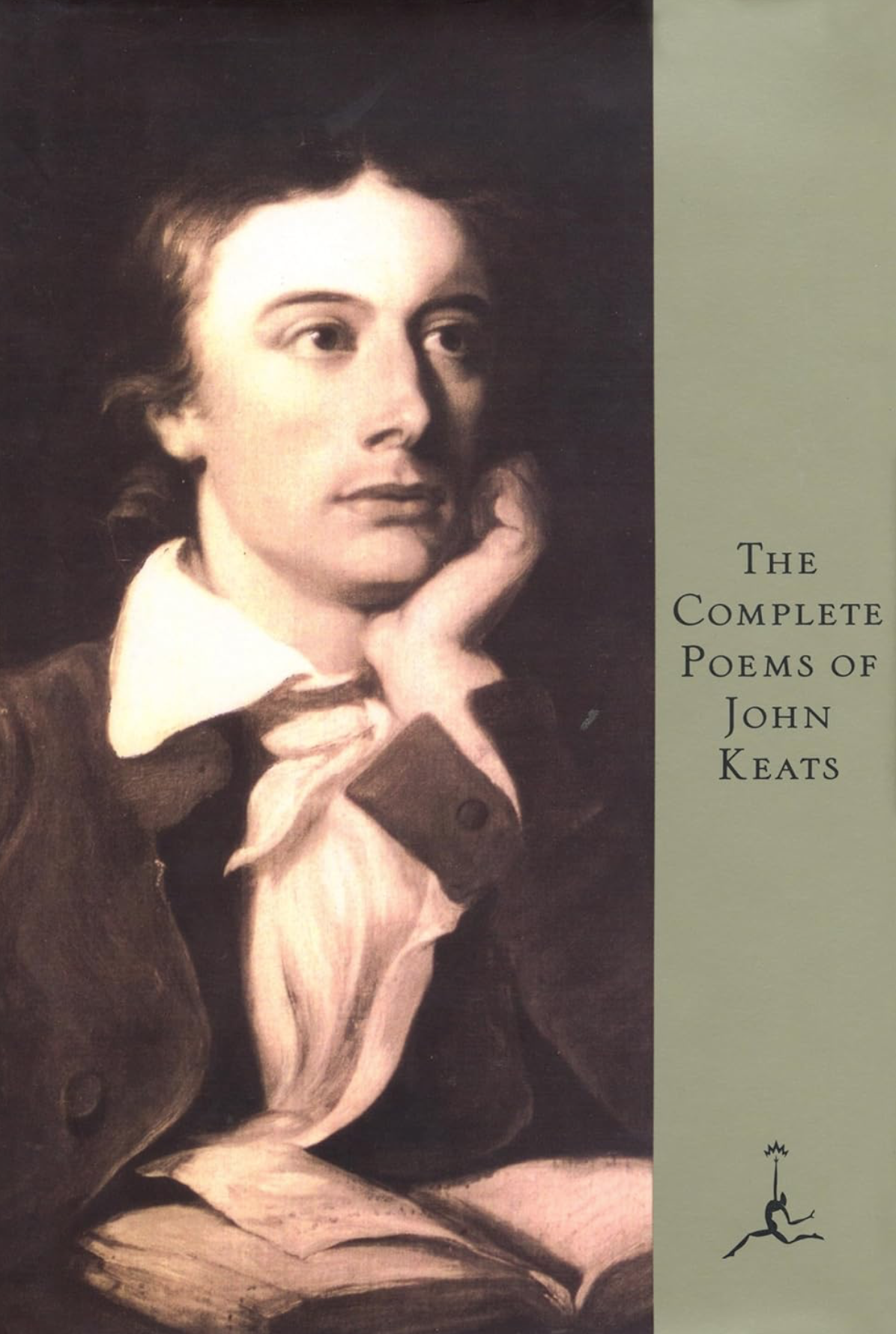
John Keats
"Keats is with Shakespeare," wrote Matthew Arnold, and few would disagree. His life was short, but his poetry is deep and his legacy long enduring. Who was this man? How did he overcome his lowly origins and become one of the brightest stars in the poetic firmament? In this episode we take our first look at John Keats (1795-1821), including a deep analysis of his famous poem, "Ode on a Grecian Urn." Help support the show at patreon.com/literature or historyofliterature.com/shop. (We appreciat...
207
Feb. 10, 2020
Agatha Christie (with Gillian Gill)
Agatha Christie is one of the most successful writers of all time - it's often said that sales of Christie's books are surpassed only by Shakespeare and the Bible. But who was Agatha Christie? What was she like before she became famous? And what exactly happened during those infamous two weeks, when she disappeared from view - perhaps suffering from amnesia, perhaps to spite her husband and his young lover, or perhaps even to frame him for the murder of his wife. In this episode of The History o...
206
Feb. 3, 2020
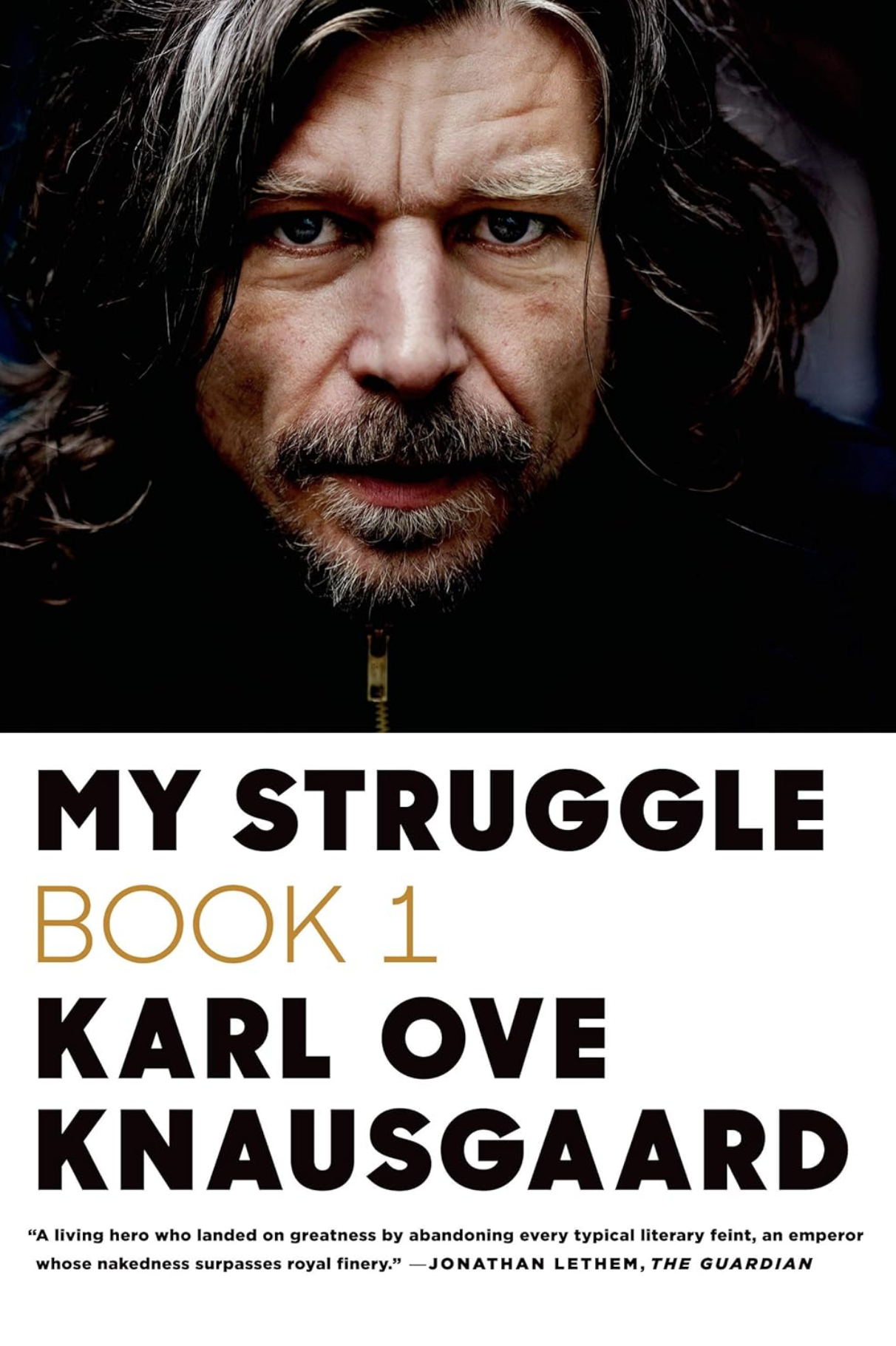
Karl Ove Knausgaard
Since the publication of the first volume of his massive novel Mein Kampf (or My Struggle) in 2009, Karl Ove Knausgaard (1968- ) has become a household name in his native Norway - and a loved and hated literary figure around the world. Thanks to that six-volume book, plus another four-volume work titled after the four seasons, Knausgaard has drawn comparisons ranging from Marcel Proust to a blogger on steroids. For some, he is the avatar of a new kind of writing, or a new kind of novel, a pionee...
205
Jan. 27, 2020
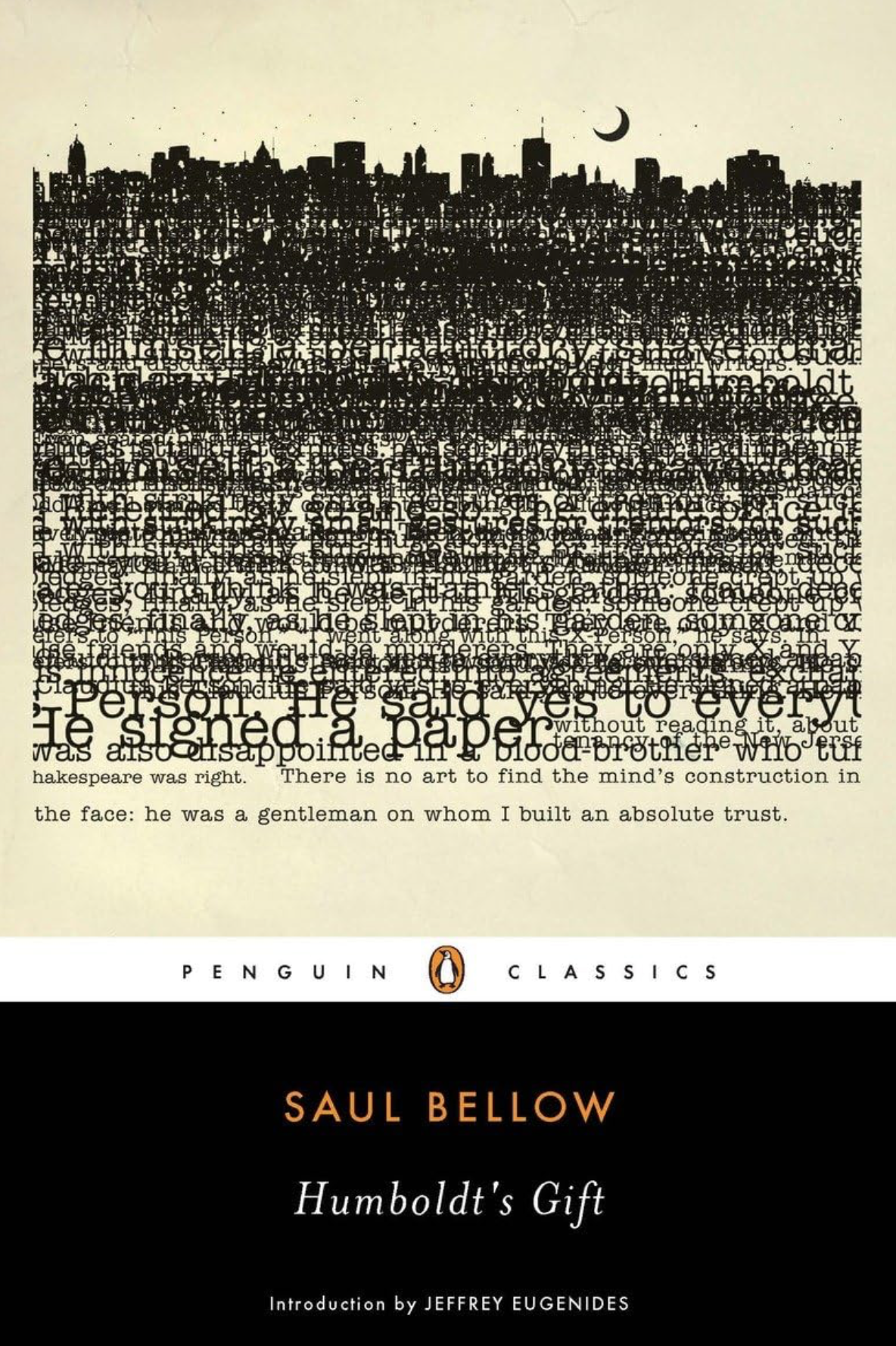
Saul Bellow
Saul Bellow (1915-2005) was born in Quebec, immigrated to Chicago, and became one of the greatest of the great American novelists. In 1976 he won the Nobel Prize for writing that displayed "the mixture of rich picaresque novel and subtle analysis of our culture, of entertaining adventure, drastic and tragic episodes in quick succession interspersed with philosophic conversation, all developed by a commentator with a witty tongue and penetrating insight into the outer and inner complications that...
204
Jan. 20, 2020
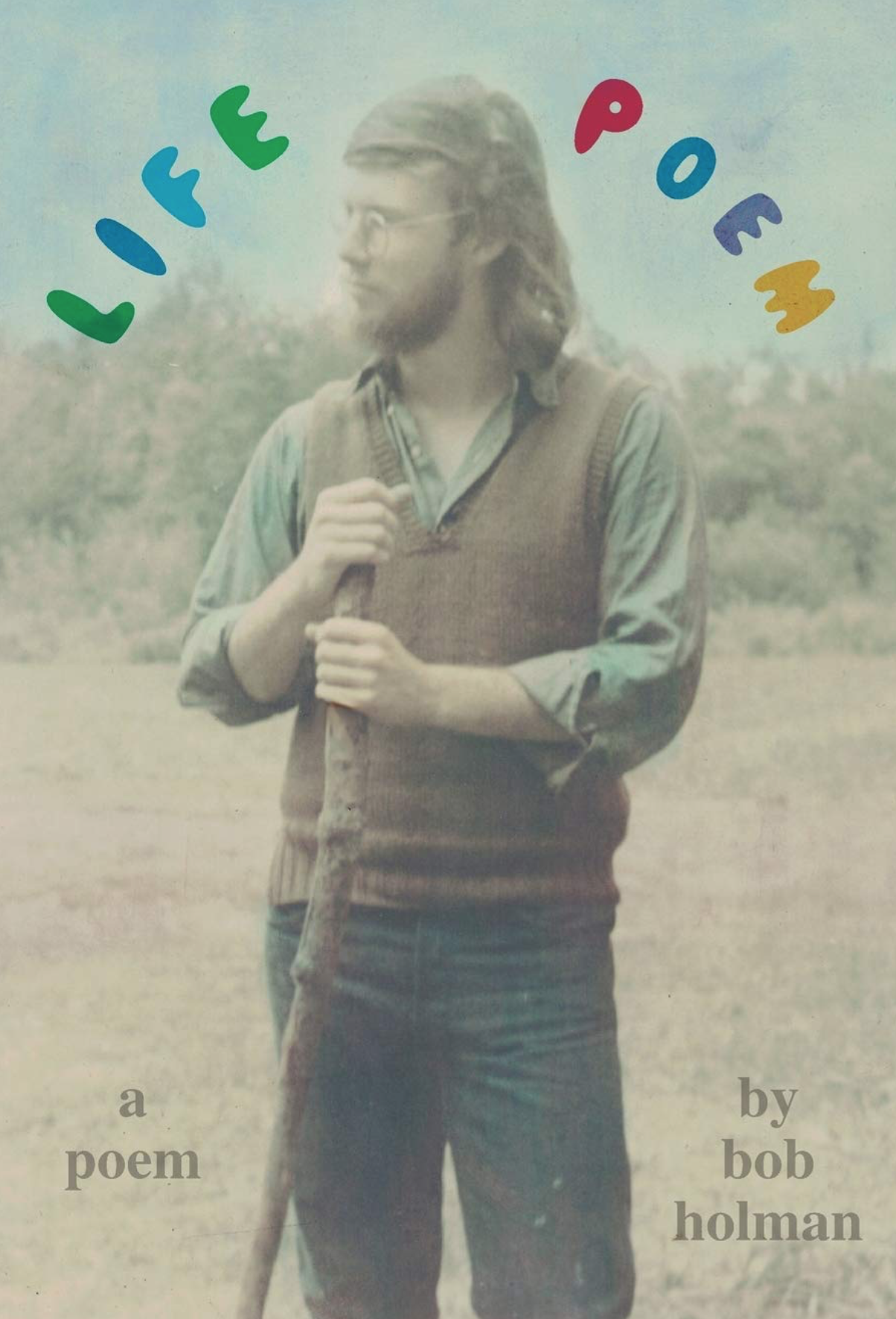
Living Poetry (with Bob Holman)
Fellow poet Naomi Shihab Nye says that Bob Holman's "life gusto and poetry voice keep the world turning." In this episode of The History of Literature, we tap into that voice, as Bob Holman joins us for a rollicking conversation about the poetic life he's led, from his birth in a small town in Kentucky to his decades living in New York City, where - in the words of Henry Louis Gates Jr. - he's "done more to bring poetry to cafes and bars than anyone since Ferlinghetti." Holman's latest works (Li...
203
Jan. 13, 2020
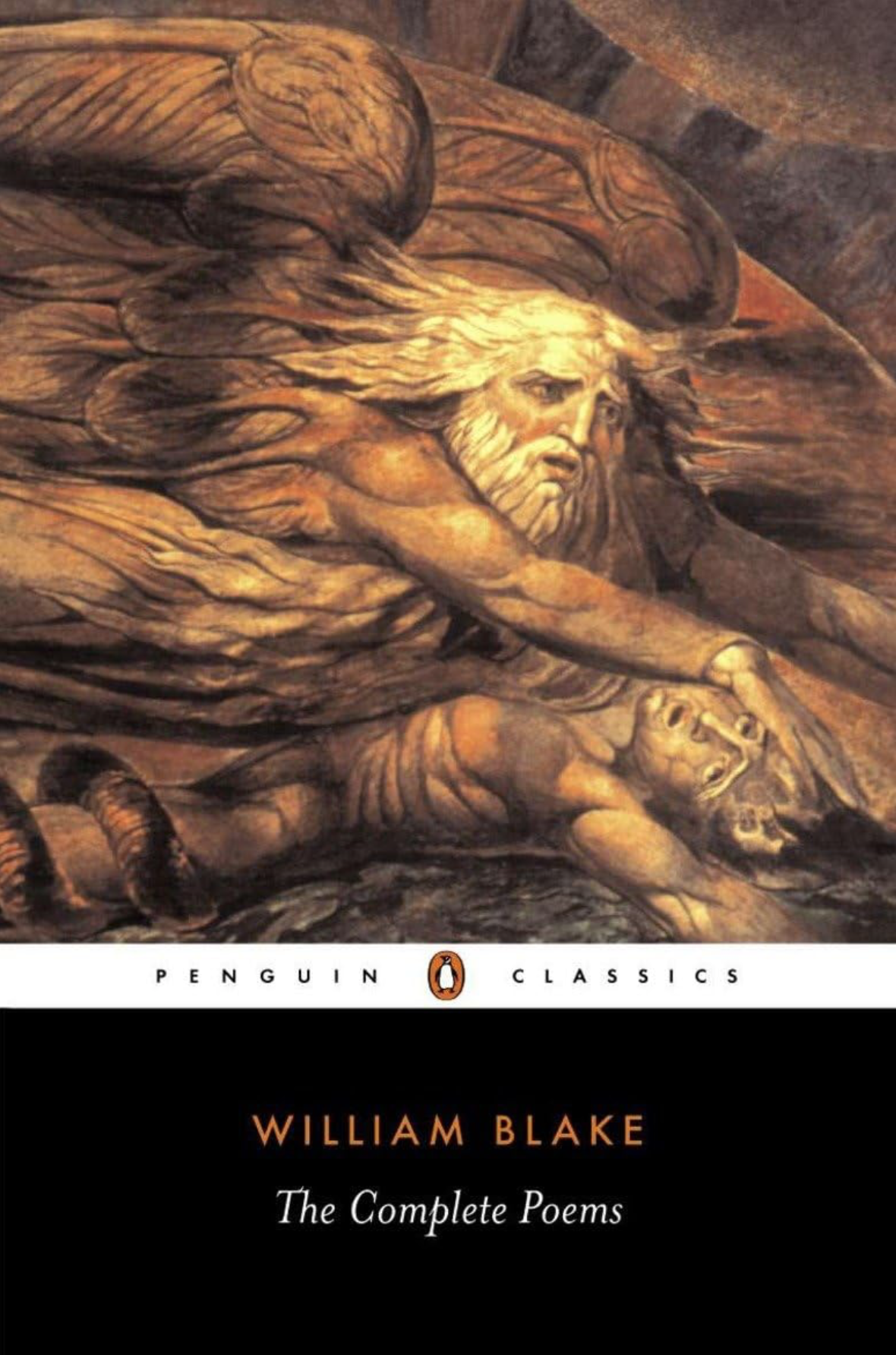
William Blake
Jacke takes a look at the astonishing life and works of William Blake (1757-1827), a poet, painter, engraver, illustrator, visionary, and one of the key figures of the Romantic Period. How did the boy who saw God's head in a window at age four become the man who wrote the most anthologized poem in English ("The Tyger") AND perhaps the most brilliant and innovative visual artist that England has ever produced? We discuss all that and more! NOTE: Due to a host error, Blake's birth at one point ...
202
Jan. 6, 2020
Chekhov
Jacke welcomes in the new year by taking a deep dive into the melancholy (and beautiful) short story "Gooseberries" (1898), by the Russian genius Anton Chekhov. Help support the show at patreon.com/literature or historyofliterature.com/shop. (We appreciate it!) Find out more at historyofliterature.com, jackewilson.com, or by following Jacke and Mike on Twitter at @thejackewilson and @literatureSC. Or send an email to jackewilsonauthor@gmail.com. *** This show is a part of the Podglom...
201
Dec. 26, 2019
Virginia Woolf (with Gillian Gill)
Through novels like To the Lighthouse and Mrs Dalloway, and essays such as "A Room of One's Own," Virginia Woolf (1882-1941) has inspired generations of followers, particularly young women. But who were the women who inspired Virginia Woolf? In this episode, Jacke talks to author Gillian Gill, whose works include biographies of Mary Baker Eddy, Florence Nightingale, and Agatha Christie, about her new book, Virginia Woolf and the Women Who Shaped Her World. Help support the show at patreon.com...
200
Dec. 16, 2019
The Magic Mountain
In this special 200th episode of the History of Literature, Jacke and Mike discuss one of Mike's all-time favorite novels, Thomas Mann's The Magic Mountain. What does Mann do well? What makes this novel so great? And what do the experiences of Hans Castorp teach us about straddling the line between reality and the life of the mind? Help support the show at patreon.com/literature or historyofliterature.com/shop. (We appreciate it!) Find out more at historyofliterature.com, jackewilson.com, or ...
199
Dec. 9, 2019
Jonathan Swift
Jonathan Swift (1667-1745) was a man who loved ciphers and a cipher of a man, an Anglo-Irishman who claimed not to like Ireland but became one of its greatest champions. He was viewed as an oddity even by the friends who knew him well and admired him most. And yet, in spite of his obscure origins and curious personal hangups, he became famous for works like Gulliver's Travels, A Tale of a Tub, and A Modest Proposal, in which his clear and incisive prose skewered institutions, authority figures, ...
198
Dec. 2, 2019
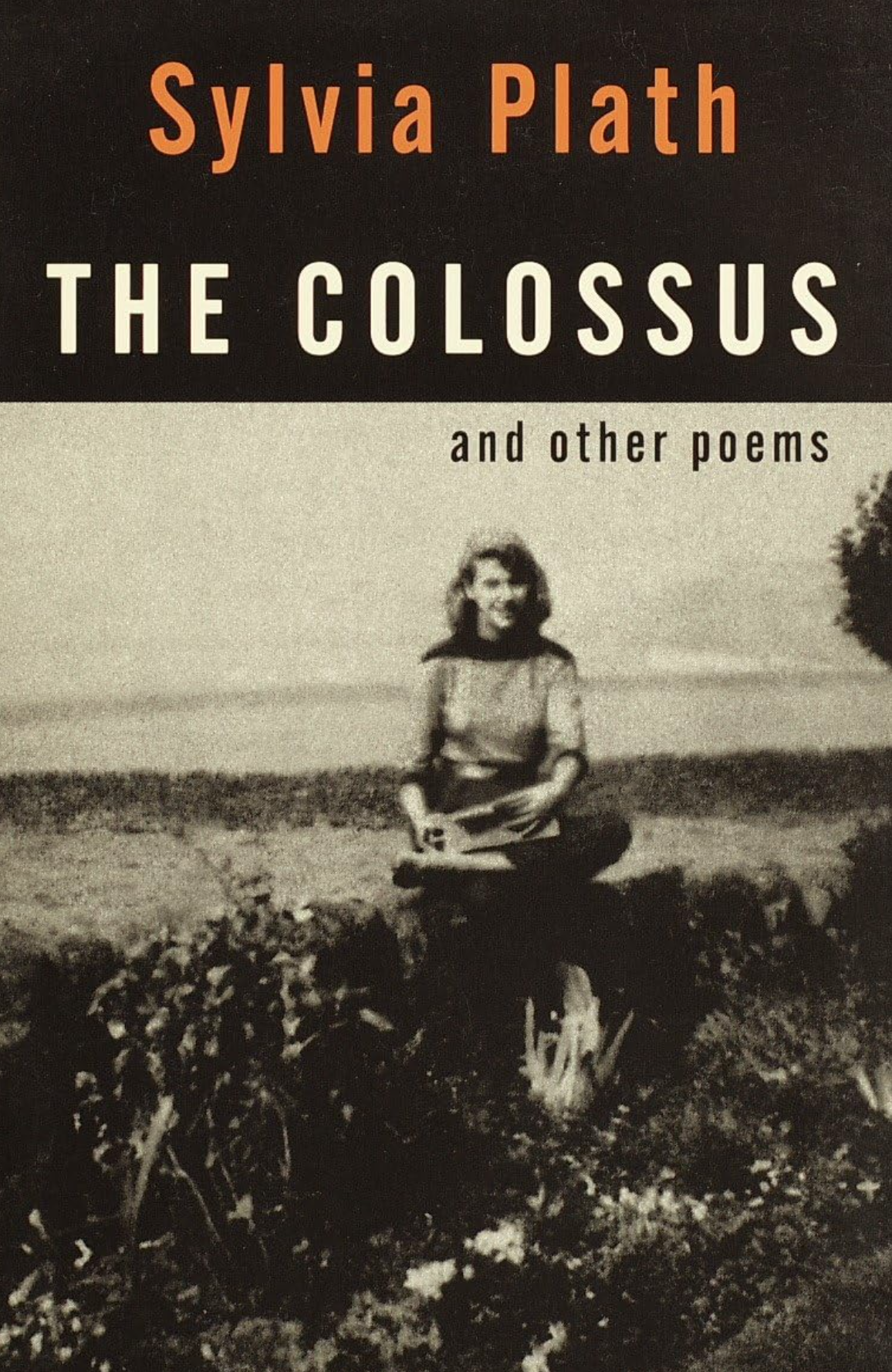
Sylvia Plath
Sylvia Plath (1932-1963) was born in Boston in 1932, the daughter of a German-born professor, Otto Plath, and his student, Aurelia Schober. After her father died in 1940, Plath's family moved to Wellesley, Massachusetts, where her mother taught secretarial studies at Boston University and Plath embarked on a path that she would follow the rest of her life: she was a gifted student, she wrote poetry and stories, she won awards and prizes and scholarships - and she began to suffer from the severe ...
197
Nov. 26, 2019
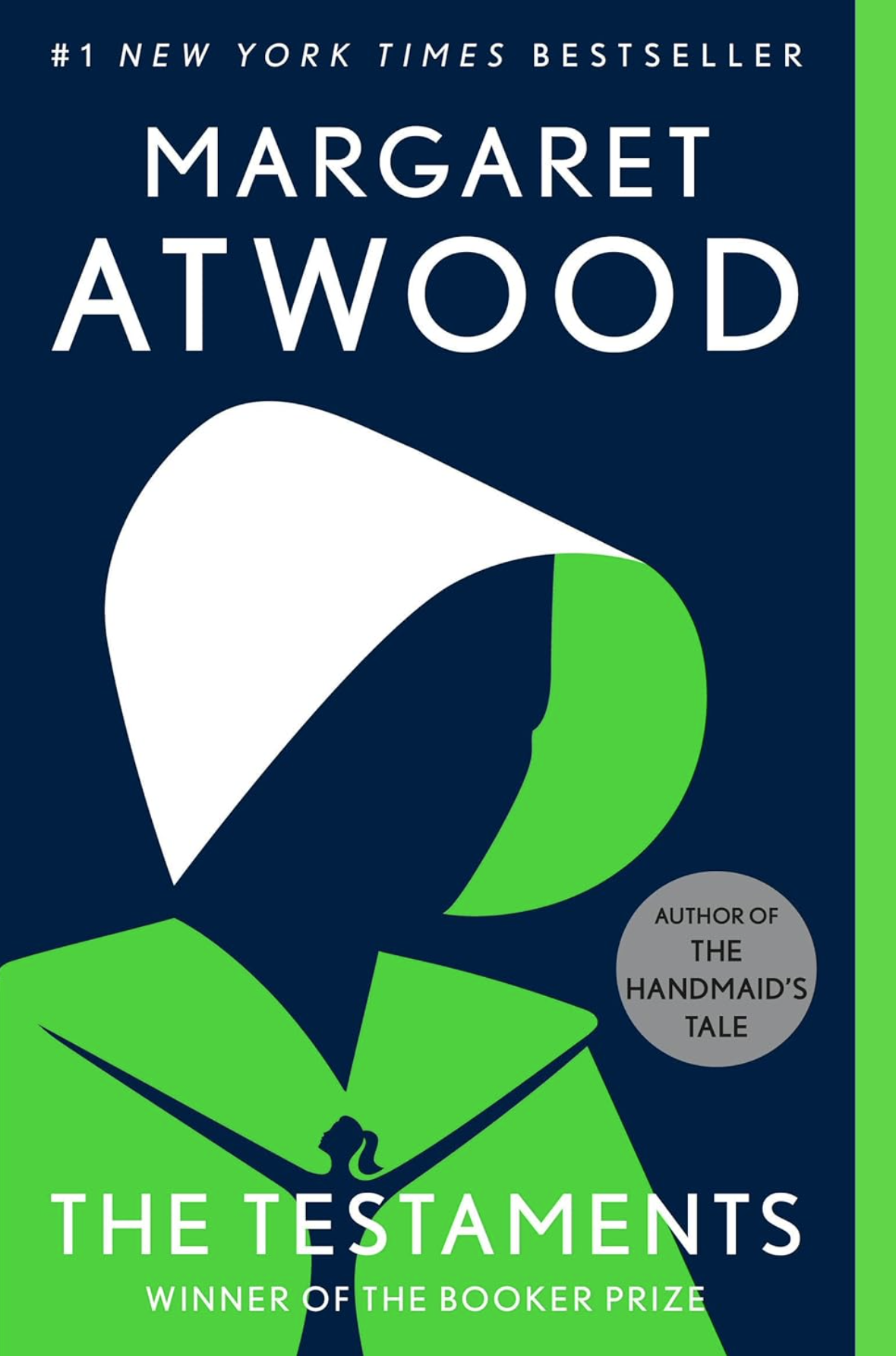
Margaret Atwood
A week ago, Margaret Atwood (b. 1939) turned 80. A month ago, she was awarded the Booker Prize for her eighteenth novel, The Testaments. But how did the little girl who grew up in the forests of Canada turn into one of the most successful and celebrated authors of her day? And what do we make of someone whose fierce independence is matched only by her commitment to defying all stereotypes and categorizations? In this episode, Jacke takes a look at the life and career of the incredible Margaret A...