The Hidden Operating System Behind Every High-Performing Recruiting Firm with Kelsey Boyd
Welcome back to The Elite Recruiter Podcast! In this episode, host Benjamin Mena sits down with Kelsey Boyd to dive into the hidden “operating systems” that power high-performing recruiting firms. Kelsey Boyd, whose career journey took her from orchestrating playground games to leading digital and operational transformation at a major staffing agency, shares her first-hand experience of turning organizational chaos into clarity and growth.
Together, they unpack what it takes to break through the plateaus that so many recruiting leaders face, the importance of embracing turbulence during times of change, and what practical frameworks—like EOS (Entrepreneurial Operating System)—can do for solo recruiters all the way up to firms with dozens of employees. Along the way, you’ll hear how Kelsey Boyd navigated her own pivot from marketing into operational leadership, why consistency and curiosity are the keys to recruiter success, and how you can identify (or become!) the “integrator” your organization desperately needs.
Whether you’re a solo recruiter caught in the daily grind or a staffing agency owner ready for your next phase of growth, this episode is packed with actionable insights on clearing the chaos, building lasting systems, and making your vision a reality. Plug in for a behind-the-scenes look at the kind of transformation that unlocks not only more placements—but a thriving, resilient business.


Is your recruiting desk—or your entire firm—running on chaos instead of systems? You’re not alone. Most recruiters feel the turbulence daily… but the top-performing firms operate differently. They run on an Operating System that eliminates chaos, drives consistent billings, and creates scalable growth.
In this episode, Ben sits down with Kelsey Boyd, a transformational operator who helped overhaul a multi-brand recruiting organization—rebuilding systems, rewriting processes, revamping tech, and implementing EOS to create genuine business momentum. This conversation is a masterclass in turning recruiting chaos into predictable success.
🚀 Sponsorship: Atlas – AI-first ATS & CRM
Atlas combines your ATS and CRM in one AI-powered platform. It automates tagging and admin, syncs resumes and emails, and uses AI to create polished profiles and reports—so you can focus on relationships, not data entry. Centralized outreach, reporting, and analytics keep you fast and efficient.
Try it free or book a demo → https://recruitwithatlas.com
Kelsey shares insider lessons from leading rebrands, digital transformations, and full operational restructures inside recruiting and staffing companies. Whether you’re a solo recruiter, a growing agency, or a leader scaling toward multi-million-dollar years, you’ll learn exactly how high-performing firms create clarity, consistency, and accountability. No fluff—just real frameworks you can apply today.
You’ll walk away knowing:
• How to identify the bottlenecks killing your productivity
• The exact scorecard metrics top recruiters use to grow revenue
• Why EOS and operating systems work so well in recruiting
• How to create predictability in a business defined by unpredictability
• How to fix the “right people, wrong seat” problem that silently stalls firms
• And—most importantly—how to get out of the chaos and scale with confidence
If you want to grow your desk, double your billings, or build a real recruiting business—not just a job—this is the episode you’ve been waiting for.
Listen now and learn the operating system behind every high-performing recruiting firm. Then hit Subscribe, leave us a review, and connect with Ben and Kelsey using the links below.
Key Takeaways
- Chaos isn’t a strategy—systems create scalable revenue
- Scorecards and KPIs reveal what’s actually working (and what’s not)
- EOS frameworks give recruiters structure, accountability, and clarity
- The right people in the right seats change everything
- Expect turbulence: every business transformation gets messy before it gets better
🎯 2026 Sales and BD Recruiter Summit:
https://bd-sales-recruiter-2026.heysummit.com/
🚀 Sponsorship: Atlas – AI-first ATS & CRM
Atlas combines your ATS and CRM in one AI-powered platform. It automates tagging and admin, syncs resumes and emails, and uses AI to create polished profiles and reports—so you can focus on relationships, not data entry. Centralized outreach, reporting, and analytics keep you fast and efficient.
Try it free or book a demo → https://recruitwithatlas.com
Join the Elite Recruiter Community
Get access to ALL Summit Replays, live roundtables, our Billers’ Club, and a split space to partner on roles. Collaboration accelerates your career.
Membership is just $49/month and you can cancel any time.
Join today: https://elite-recruiters.circle.so/checkout/elite-recruiter-community
Free Tools for Recruiters
PeopleGPT: https://juicebox.ai/?via=b6912d
Talin AI: https://app.talin.ai/signup?via=recruiter
Pin: https://www.pin.com/
Signup for future emails: https://eliterecruiterpodcast.beehiiv.com/subscribe
YouTube: https://youtu.be/JB81D81E8cI
Follow Kelsey Boyd on LinkedIn: https://www.linkedin.com/in/kelsey-boyd-day1/
Host: Benjamin Mena — Select Source Solutions
Website: http://www.selectsourcesolutions.com/
LinkedIn: https://www.linkedin.com/in/benjaminmena/
Instagram: https://www.instagram.com/benlmena/
Benjamin Mena [00:00:00]: Are you still trying to grow your recruiting desk or business on your own? Join the Elite Recruiter Community and connect with recruiters who know your challenges. Members get unlimited access to replays from the AI Recruiting Summit, Finish the year strong and all our past events plus biweekly roundtables where we dive into sourcing business development and mindset. You'll also tap into our Billers Club for accountability and a split space to partner on roles. Join the number one growth environment for recruiters. For just $49 per month, you'll be part of a tight knit group that pushes you to grow and you can cancel anytime. Visit the link in the show notes and click Join now to get started and start mastering your craft today. Coming up on this episode of the Elite Recruiter Podcast. Kelsey Boyd [00:00:40]: Love that you started with chaos because I am someone who for some reason I've always thrived in chaos and like you have to endure some bumpy times to be able to get to the right level of growth. And what I've learned because I've experienced that is if you can talk about it, embrace people for hey, heads up. It's the pilot here. We're gonna have some rough moments on this flight, but don't worry, we're gonna get through it. It's gonna be smooth and we're gonna get to the other side. Benjamin Mena [00:01:13]: Welcome to the Elite Recruiter Podcast with your host Benjamin Mena, where we focus on what it takes to win in the recruiting game. Sales, marketing, mindset, money, leadership and placements. Admin is a massive waste of time. That's why there's Atlas. The AI first recruitment platform built for modern agencies doesn't only track resumes and calls, it remembers everything. Every email, every interview, every conversation. Instantly searchable, always available. And now it's entering a whole new era. Benjamin Mena [00:01:48]: With Atlas 2.0, you can ask anything and it delivers. With MagicSearch, you speak and it listens. It finds the right candidates using real conversation, not simply looking for keywords. Atlas 2.0 also makes business development easier than ever with opportunities you can track, manage and grow client relationships. Powered by generative AI and built right into your workflow. Need insights? Custom dashboards give you total visibility over your pipeline. And that's not theory. Atlas customers have reported up to 41% EBITDA growth and an 85% increase in monthly billings after adopting the platform. Benjamin Mena [00:02:20]: No admin, no silos, no lost info. Nothing but faster shortlists, better hires, and more time to focus on what actually drives revenue. Atlas is your personal AI partner for Modern Recruiting. Don't miss the future of recruitment. Get started with Atlas today and unlock your exclusive listener offer@reruitwithatlas.com I'm excited about this episode of the Elite Recruiter podcast because here's the thing, recruiting and staffing is so freaking chaotic. And you got to understand. Actually, you know, let me just take a step back. You hear about these people that have these systems in place, these high performers, these companies that are growing and scaling. Benjamin Mena [00:02:53]: They talk about systems, they talk about operations, they talk about things. And you're just like many times you're looking around like, all I see is chaos. We're dealing with people, we're not dealing with widgets. What we sell has a mind of its own. It's one of the few businesses that has a two way sale where we're selling both on both sides. So how do you control the chaos? And that's why I am super excited about this guest. And then this is part three of the operational series that we've been putting in. So here to wrap it up, Kelsey, excited to have you. Kelsey Boyd [00:03:25]: Thanks for having me, Ben. So excited to be here. Benjamin Mena [00:03:28]: So, real quick, before we do a deep dive in on how I could turn my chaotic world into less chaos. Quick 30 second self introduction. Kelsey Boyd [00:03:37]: Sure thing. I love that you started with chaos because I am someone who for some reason I've always thrived in chaos. And thinking back a little bit about kind of me and my upbringing, I was the kid on the playground who was orchestrating the play dates and the games and helping people sort out their differences. And as I worked into the world of recruiting or fell into it, I realized that this orchestrating kind of people and resources was a through line for me. And chaos is not something that is uncommon in the world of business and definitely not in staffing and recruiting. So I really leaned on that strength of mine to orchestrate and integrate business problems. And in order to help organizations scale. I'm really excited to chat more and talk through how I've got to this place that I'm in now with the practice that I lead at day one. Benjamin Mena [00:04:30]: Okay, so I'm also excited about this, and this is going to sound strange is sometimes you're sitting in this recruiting chair in this world recruiting and you're like the only options I have are sales recruiting and having my own firm, which is doing both. But now, like, there's the joys of this podcast. You can see like all these different career paths. No matter who you are. I gotta ask you, how the hell did you end up in this land of misfit toys. Kelsey Boyd [00:04:57]: Yes. I love that so many of your guests, I've heard have had similar kind of I stumbled into it type of journeys and mine is definitely not dissimilar. Out of college I had a business degree and I had a bit of marketing experience. So naturally I was applying to jobs. And. And this was in a day where the recruitment firms, you would go to the office and do your first interview with a recruiter on site, like resume in hand. So I knew nothing about the world of recruiting and staffing. I applied to a role and this agency was hiring for their client for marketing. Kelsey Boyd [00:05:32]: So I went into the office and I'm thinking, I don't know how this works. I don't know if they're going to charge me a placement fee. I don't know how the service works and who they are versus the hiring client. I was completely unknown to the industry in the space, but nonetheless I went in and I had an interview with a recruiter. Her name is Beth. Shout out to Beth if you remember me. I still remember you, but Beth did a great first interview, asked about what I was interested in and what I had done in past roles and then she said she had to go chat with her manager. So off Beth went. Kelsey Boyd [00:06:07]: She came back after a few minutes and said, we actually are curious if you would interview with us. We're hiring for a marketing role as well and we think you'd be a great fit instead of that client role that we were going to put you forward for. So I thought sure, why not? And kind of long of the short, I ended up falling into the whole staffing recruiting space through that first placement as a marketing manager in a recruitment. Benjamin Mena [00:06:32]: Firm straight out of college. You ended up as a marketing manager at a recruiting firm. I. That's awesome. Kelsey Boyd [00:06:37]: I wasn't totally green to marketing. I had taken on quite a number of roles, like whether it was or a contractor placement. I had a business degree, I'd done kind of schooling and marketing. But I had applied those skills in a variety of roles while I was going through college. So I'd taken on like an internship doing a brand launch for a. Actually it was a concrete industrial company that was launching a new product. I did their website. It's super exciting. Kelsey Boyd [00:07:04]: You name it. Like I built that brand and launched it. Then I worked as a marketing and events coordinator in the financial services sector. So I did have career experience in marketing and I didn't have any industry experience in staffing. But surely those kind of skills I had demonstrated in the interview Translated to make me kind of a relevant and competitive applicant for their internal role, which is awesome. Benjamin Mena [00:07:28]: That's phenomenal. Okay, so you walked in this recruiting world your first month. Just seeing this, I feel like this is me thinking out loud, concrete. Everything's a little more structured. How was that intro to recruiting? Kelsey Boyd [00:07:41]: The first, I would say 30 days, but even beyond that, like 30 to 90 days, I really had to learn the business model and learn the service and I had the fortune of living through that candidate experience and understanding what that applicant journey was like. But I had to learn how the business model worked. So how do they solicit new recs from clients? What are the systems that they use? What exactly are we marketing? And this was long before digital marketing. This is at the precipice of that time when marketing was more like brochures, collateral, mail out campaigns. We were doing all of those things and we were marketing talent. That was the main focus, of course, was to get the candidates that they had interviewed and were on deck to be placed with clients. And so I can go into more detail if you want, on the types of campaigns we are running. But I think what's relevant in terms of the marketing role and how I took the first 30 days was really to learn not just what the business model was about, but what were the unique differentiators of this firm. Kelsey Boyd [00:08:47]: What could they do, unlike their competitors or a step above the competitors that would take them to the next level. So that was where I started, was really sponging, learning, asking all the questions so that I could actually build a marketing stack and campaigns to support the firm. Benjamin Mena [00:09:05]: I love that because so many times I've seen like people marketing jump in, hey, this is what I learned here. And you're like, you went in. I just want to learn everything, how it works, to figure out how this machine operates. Kelsey Boyd [00:09:16]: Prior to marketing roles, I also worked in the film industry and I wasn't the talent in front of the camera. I was actually behind the scenes doing assistant directing work and screen script supervising work. And really that behind the scenes lens on operations or on a performance to make it run smoothly. Benjamin Mena [00:09:34]: And before we jump back into the recruiting, I have to ask a question about this film thing. What did you learn from the film world that you took into the recruiting? Kelsey Boyd [00:09:42]: Oh, I love that question. Two things. One thing I learned that I didn't want to stay in the film industry because it's feast and famine. So it's either really good and you're working long hours or you're kind of short on Work and looking for your next project. The other thing that I learned and actually follows me to this day, when I was a script supervisor, they are the people that would look between takes to see detail. So was my hair tucked behind my right ear in this take when we're filming again, if now my hair is here that they've stitched it together, it's the coffee cup in the same hand. Is the set all going to be continuous between takes. That eye for detail and comparison is something that to this day is part of me and how I review whether it's a piece of marketing material or a deliverable for a client. Kelsey Boyd [00:10:36]: I have a very high attention to detail and I credit my days in film with that skill. Benjamin Mena [00:10:42]: I think that's a super like, it's one of those things that you just pick up that you take the rest of your on your career. Kelsey Boyd [00:10:48]: Unfortunately, I can't watch a movie without following and seeing if I can find flaws. But no, it's a fun life skill and something that has served me in unusual ways as I built my career. Benjamin Mena [00:11:00]: Okay, jumping back over to the recruiting, like, I know you mentioned this offline, but they gave you permission to rewrite the entire script, the entire book? Kelsey Boyd [00:11:10]: Yeah, yeah. Starting with marketing in terms of rewriting the brand. Benjamin Mena [00:11:13]: I mean marketing first and then we'll walk into like operational and transformation. Kelsey Boyd [00:11:18]: Sure thing. So maybe bringing it back to my first 30 to 90 days when I was asking all those questions and really trying to understand what their unique differentiators are. I would say I was a little bit underwhelmed with how they marketed themselves. They talked about placing good people with good companies and I went, there just wasn't enough zest there. There wasn't enough what's unique. And even the language that they chose to explain the core process just was a bit mundane. So I was making all of these observations and also looking at the realities of the budget that I had to execute on these marketing plans. And the organization was founded by two amazing entrepreneurs who every time they had a new idea or a new service launch, they would actually launch a new brand to go to market with that service. Kelsey Boyd [00:12:11]: So that was very innovative of them. But when I looked at from a marketing lens how I could do all of these brands justice, it just wasn't realistic to do a great job in a digital era of marketing and creating brand awareness when there's 32 different offerings. So that was the context that I walked into and I took my observations and I, with my kind of new ish role in the organization Went to the executive team and said, we have a business challenge here that we need to solve. There's no way that we can go to market and build strong brand and pipeline with this one budget. And with that, the solution I brought was let's do a rebrand, let's consolidate and take all of these brands that stand alone in the market and quite frankly, we're competing for eyes against each other and do a rebrand. And I was very fortunate that the founder and then the president were supportive of my energy and idea to make this happen. And they said, create the plan, show us how you're going to do it and let's go. And so that was the beginning of the. Kelsey Boyd [00:13:25]: My first large transformation was orchestrating the rebrand of this 32 year old firm to be more modern, consolidated and take the brand awareness into the future with one strong brand to stand by it. Benjamin Mena [00:13:44]: Did you see any pushback with some of these like siloed brands as they came under this bigger transformation? Kelsey Boyd [00:13:52]: There was pushback, but I think I was very intentional or cautious. You're working with a founder or founding teams. Each brand is like birthing a child, right? It's like a baby. And so thinking about how to carry the legacy of each of those brands and the differentiators or the success stories and have it all be under this one new umbrella, that one's a really careful, measured task that we had to click on. So I was intentional about that. And when we did the rebrand, it was fortunate that we landed on a brand name that kind of tipped our hat to the legacy name of the firm. So that helped us keep those roots and tell the story back to the founding organization and the name and the various brands that came along with that firm. Benjamin Mena [00:14:44]: And you did this. And then because you did this, they are like, hey, you're doing great. Can you do more for us? Kelsey Boyd [00:14:50]: Yeah, that's always the way it happens, right? When someone does a good job, usually you get the next thing you know. What the rebrand entailed was not just the marketing, like imagery, company name, look and feel. It bled into, okay, now we need to do our website. And if we're doing our website, we probably should get our job board integrated. And if we're going to do an email campaign, we probably should automate our CRM. So you can see how over time the scope of this project was so much more than just the brand. And what that led into was me really being a champion and a change agent for the organization to actually overhaul their entire front office. Tech Stack from a CRM perspective to ATS perspective, I mean we over the next three, four years post rebrand, completely overhauled the organization on the infrastructure side. Kelsey Boyd [00:15:44]: And then eventually the actual operating model. Benjamin Mena [00:15:48]: And the focus for those listening is going to be like, we're going to be talking about the operational model. But I want to dig into this journey a little bit of you going from the marketing manager to the VP of digital transformation. Because like that just talks about a different career field that is possibly there. If somebody wants to take it. If somebody's thinking about wanting to get out of this recruiting chair and go into finding a way to make the company better, make the organization better, what kind of things could they be asking to do to try to start opening these doors? Kelsey Boyd [00:16:18]: Love that question. Thinking about my career journey there, none of the roles that I took on outside of the marketing role initially, they didn't exist in the organization before I carved out or created the role for myself. And I think that would be part of how to answer your question is find out where there's a business need and figure out how to solve it and pitch it. Because if you can deliver value, if you can demonstrate that there is a need for a new role or for a unique problem to solve that no one else in the organization is grabbing onto as an owner, that was really how I was able to climb so quickly in my career and create these new roles that the organization didn't have. I also have to mention that there were amazing mentors within the organization and people that kind of pulled a chair up to tables that I wasn't ready to sit at yet. But they saw potential and they created that opportunity. So I wouldn't say it's just about what I did in creating those roles, but also finding the people that are going to take you under their wing and expose you to new challenges that you potentially aren't ready to tackle yet, but will create opportunity for you in spades. Benjamin Mena [00:17:31]: I love that. And I think that's one of the things like a lot of senior leaders sometimes forget about is we get so focused on the day to day operations, we get so focused on the mission that hey, you know, maybe if somebody isn't ready yet, but you see the potential, find a way to, to create an opportunity for them. Kelsey Boyd [00:17:49]: Absolutely. Benjamin Mena [00:17:51]: Okay, so how'd you go from now like digital transformation to operational transformation? Kelsey Boyd [00:18:00]: Along my journey at this firm, I ended up working really closely with the president. He was a visionary, someone that had all the big bold ideas. He could see the future kind of thing. Right. And knew where the industry was going. And him and I had a really great working dynamic. We were like Ying and Yang. And I later learned through the operating models, we're going to talk about this dynamic of visionary and integrator. Kelsey Boyd [00:18:29]: And that concept comes from the same authors and creators of the entrepreneurial operating system eos. And when him and I were working on the business, and not just the transformation, but how do we actually achieve these big growth goals that we have, we recognized that we needed to have frameworks to create structure and establish rhythms for the business so that everyone could have the same language, the same tools. We knew how to run a meeting in the same way or look at our KPI scorecards. And the book called Traction was introduced to us. And at that point we decided that we were going to self implement. So as the integrator working with the visionary, we decided that now is the time. In addition to the digital transformation, we really had to ground ourselves in these frameworks and tools so that the entire organization could be a part of our journey and that we could lean on these tools to actually get from our current state to our desired state. Benjamin Mena [00:19:33]: I hear a lot of companies, like, when they look at the EOS model, they self transition. Right? Like you were the one that took this hat as the integrator, what advice would you give yourself now that you know everything? To somebody that's just, hey, I just read the book Traction or our team just read Traction together. Let's do this. Yeah, come on, let's do this. Kelsey Boyd [00:19:52]: Yes. Benjamin Mena [00:19:53]: Yeah, now you have to implement. What advice would you give you back then? Kelsey Boyd [00:19:57]: It's not an overnight implementation. So yes, you can read the book or you can listen to the book quickly. It does take some time for an organization to actually gel and marinade in the ideas that EOS brings. So thinking back, yes, I was definitely like, this is great, let's implement it all. And we did. But I think that there needs to be cook time for an organization to, yes, establish your vision, get your VTO all ready to go, and then introduce these different tools. But the longer you let it marinate and consistently apply in your business, the better it gets. So you do need to give it time to reap the full rewards and also for everyone in the team to understand how it works. Kelsey Boyd [00:20:44]: We actually implemented it in kind of layers or phases. So first with the executive team, then the management team, and then we introduced it to the broader organization and they do a great job through their different books of having relevant content available for the various types of, of stakeholders in an org. But I would recommend to, yes, give it time and to think of it as a phased approach within the organization so that you can make sure that everyone is on board as you look to leverage it moving forward. Benjamin Mena [00:21:15]: And for listeners, I don't want to jump too far ahead and into the different parts of the operating system, which we're going to do that and we're going to talk about soon. I want to focus a little bit on her story of the implementation. So how long did it take to get things going and how long did it take to start going in stride? Kelsey Boyd [00:21:33]: Yeah, great question. I think to get it going, we started with a smaller group. So the visionary and myself, we worked on defining kind of the 5 year and 10 year goals. Then from a values perspective, which core values is one of those pieces of the vto? We looked at who within the organization at various or in various roles were exceptional, not just performers, but like culture creators, and what were the values that they actually brought to the table. And so we use that to help refine and select our values. I would say the VTO piece we started with first and that probably took between, I want to say, two to four months to put a first draft together, but then again to sit with it iterate, make sure it felt right, make sure those values actually reflected not just current team, but the aspirations for the business and to do all of the legwork in terms of the financials and the targets to figure out if this is our 10 year goal, how do we reverse engineer and make sure that the business is able to support that? So that first piece I would say was four months at the outset, from the first time we sat down and talked about vision to when we had it locked in and ready to communicate to the entire organization. Benjamin Mena [00:22:52]: So, and then back to you a little bit like you started off as the marketing manager, then started doing digital transformation, then you started doing business transformation. Did this business transformation just really hit your stride? Kelsey Boyd [00:23:05]: Yes, I would say even in the marketing role, starting that rebrand it like was a project management challenge and it was a transformation in itself. That's always been kind of part of my wiring was that project management orchestration piece of what I found was hitting my stride. And relating back to eos was recognizing or identifying the role that I played as the integrator. And that was key in terms of my career because my ability to work with visionaries, whether it was that president or some of the clients I work with today, being able to be their sounding board and being the yin yang to figuring out how to grow a business or solve these real challenges that I would say was the catalyst for my career because once I understood the role that an integrator plays to support a visionary and achieve business goals, that was my unlock for, okay, what strengths can I bring in my career to organizations? And how can I take this from just technology transformation to more business operations as a whole to bring the entire organization forward? Benjamin Mena [00:24:14]: So like, you, you start doing this and you're like, this is exciting. Kelsey Boyd [00:24:18]: Yes. Yeah, absolutely. There is a book, it's called Rocket Fuel. You haven't read it and you're thinking, might be an integrator or maybe you're a visionary. Highly recommend reading that book because that was the, this is cool and this is me, and this is the counterpart that I'm working with. And it gave us such great tools to better understand ourselves and how to work with each other. And that made the work even more exciting because it was like we knew our respective strengths and together the parts are greater than the sum of the parts are greater. Benjamin Mena [00:24:49]: So you're doing this transformation. You're self implementing like eos or these operation models across the entire recruiting company. When did you decide to like, hey, I'm going to go jump out of my own and this is what I'm going to make a career out of. Kelsey Boyd [00:25:02]: So I was at the firm for over a decade. I ran all those projects and probably in around year six or seven, there were some conversations about potentially one day taking on leadership of the firm and potentially buying into the firm. So owning the staffing firm. And it was an amazing opportunity. And as I said, the people that I worked with, I admire to this day. But when you're thinking about buying a business, like, you ask yourselves some big introspective questions. And one of those questions was, what kind of business do I really want to own and run? And as much as I loved the work that I had done there in the staffing and recruiting world, I didn't see myself as an operator of a staffing firm. I loved the overhaul. Kelsey Boyd [00:25:50]: So if you think of it like renovating a house, I wanted the fixer upper that I could knock down the walls and make better or improve. So I was given the choice. Do you want to have oops, that's already been renovated and you can live in as is, or do I want to go and renovate some more? And that was really the spark for me to decide to enter the world of entrepreneurship and to start my own consulting practice so I could do more of this business. Renovation work with Other firms. Benjamin Mena [00:26:21]: This idea that you just put in my head of like fixer upper houses, of like fixer upper businesses. And I'm just like, wait, how many of us recruiting companies are just fixer uppers? How do we make our recruiting companies like this big beautiful house that we see on hgtv? Kelsey Boyd [00:26:36]: That's right. Yes. Yeah. And everyone knows what happens when you, like, knock the wall down. There's always surprises. But what's on the other side is this amazing transformation that everyone gets so excited by and re motivated by and just fuels the next phase of growth. Benjamin Mena [00:26:52]: All right, so we're going to talk about these surprises in a bit. Let's take a step back. Kelsey Boyd [00:26:57]: Sure. Benjamin Mena [00:26:58]: Operating models and operating systems. Like we've highlighted this, we've talked about. What the hell is it now? Kelsey Boyd [00:27:04]: Yeah, good question and fair question. EOS is one of many different operating systems. I think you've had some other speakers on your podcast where you've explored eos, but there are others. Some might be familiar with scaling up or okrs or the lean startup. There are a lot of different operating models or structures that organizations can use to create clarity and to enable their organization to have tools at their fingertips to figure out what's working and what's not in their business and make their vision a reality. I am a firm believer that EOS is such a great tool for especially the SMB kind of stage or phase company. It is very process or process, depending on if you're Canadian or American. It's process driven. Kelsey Boyd [00:27:57]: And with that the tools are very accessible. There's great tools on how to run an effective meeting, what your scorecard should include. So how do you know from a numbers perspective what's working and what's not? There's also great people tools to assess and analyze your team, or they use the concept of or the right people in the right seats on the bus. And there's tools that they're giving that you can quite easily put into practice in your business. So all that being said, what the hell is an operating system? It's really a framework that you can use to create structure and cadence in your business so that you can make improvements over time. Benjamin Mena [00:28:39]: And I know you've probably listened to the previous conversations about EOs and you just mentioned a bunch of other operating models. Does all operating models work within staffing and recruiting or is it like only a select few? Kelsey Boyd [00:28:53]: I think that there's probably quite a lot of flexibility in these models. I always encourage firms to take what works for them and apply it to their Business. So some clients, maybe their team is red scaling up and that really resonates with them and they think that the people, strategy, execution and cash model is going to work for their firm. Firm, great use scaling up. Other firms maybe have read and resonate with traction and they really love the level 10 meetings, but they don't really like the concept of the vto. Okay, fine, don't use the vto. Create a one page strategic plan instead. The concepts I think are similar. Kelsey Boyd [00:29:34]: The tools are slightly called something different across each of these operating models. But I think that having a model to run your staffing and recruiting firm is going to help clear the chaos that we started the top of the call with and create kind of order and like that drumbeat of running the business effectively. Benjamin Mena [00:29:54]: Okay, and now let's walk through this. So when does a firm hit the point where they're like, hey, I need to actually start looking at a model? Kelsey Boyd [00:30:02]: Good question. Some firms are quite small. I work with firms that are five people and growing and they recognize that they want to implement EOS because they need that guiding vision to create their plan and then work the plan from other firms maybe are at 30 to 50 employees and they've hit this kind of growth plateau where they can't meet their numbers or they're not outperforming their prior years and they need to do something different. So in that case, EOS could be a great way to get that magnifying glass on the business and pinpoint what's working and what's not to unlock that next phase of growth. Benjamin Mena [00:30:43]: So we've made the decision. I've called you up, hey, we need help. Let's talk about systems. Let's talk about the implementation. What does the implementation process actually look like? And let's start working through what happens to my company, what happens to my people, what happens to the team. And like what you mentioned earlier, if we knock down some walls, what are some of these surprises? Kelsey Boyd [00:31:03]: Yeah, lots of questions in there. So I'll try and tackle it one by one. In terms of where to start start, I always encourage, usually it's the founding team or the executive team to get really clear on your vision. When you have a clear vision to start, what's your big goal? Typically that's five or 10 years out. When that is clear first, then you're able to create the structure or the scaffolding around that to be able to scale and get there. But I would recommend that VTO or your one page strategic plan plan your bhag, whatever you want to call it. Defining that first is such a key point because it will anchor your decisions throughout the business and allow you to create the supporting scorecards or issue solving or meeting structure to be able to get there. Benjamin Mena [00:31:54]: So the vision is the first part. How often have you sat down with companies and there is no real vision? Kelsey Boyd [00:32:02]: Most of the time there's a vision and they don't have it documented or you meet and there's three different versions of the vision from different leaders in the organization. So I would say it's unusual that we'll meet with a team or a founder and they don't have a vision. Usually it's in there, but perhaps they haven't distilled it or got it on paper so that it can be shared and known throughout the organization. Benjamin Mena [00:32:32]: Is this one of the most important parts or do you think every part of the process is as equally important? Kelsey Boyd [00:32:38]: Yeah, I would say I think of this as the foundation. You can't skip this step without it having a detrimental impact to the others. But I wouldn't want to discredit and say you can just do your vision and you're good. No, that's the starting point. You need to actually leverage the other tools to get to the vision. And that's where phase two. I think about that phase in terms of cadence and kind of hygiene or habits in the organization. And those pieces include your scorecard. Kelsey Boyd [00:33:09]: So that's when it comes to the numbers. What are your key KPIs, the leading indicators that if you do this activity time and time again, you know that you're going to convert and see success. So in the staffing space, that could be your submissions to clients. If you're in the sales side, it could be that you've sent out a proposal or terms. Those are the activities that are in your control, that if you hit your numbers, you're going to see results. So that scorecard piece, establishing the KPIs and then actually meeting on it regularly and looking in the mirror to say, how did we do if we thought we had to get five submissions out per day per recruiter, and we're at two, we have a problem. And so actually holding yourselves accountable and looking at the scorecard through that lens, I love just traffic kind of coding system of red, yellow and green. How are you scoring? That can really help anchor conversations in an organization back to what's not working or where are there constraints that need to be addressed in order to see your scorecard? Green. Benjamin Mena [00:34:15]: The Recruiter Sales and Business Development Summit is coming Back it is kicking off January 26, 2026. It is going to be the best, biggest, most focused conference for recruiters to help them grow with business development and sales. Remember, with all the summits, the live sessions are free. If you want to go for the replays, you got two options. You can go VIP on the summit platform, or you can join the community and have access to all the summits. But this is a summit that you do not want to miss. If you want 2026 to be the absolute best year possible, be there, be ready to learn and be ready to crush it. I'll see you there. Benjamin Mena [00:34:52]: From what you've seen in like this recruiting world, what other KPIs do you see as important on scorecards for us? Kelsey Boyd [00:35:00]: So world of recruiting, we've temp and perm. We'll go through those two different models. When it comes to the contractor or temporary kind of placement side, new starts and finishes, those are key starts are in your control finishes, not always in your control. You would like to of course have extensions. So that would be another one that you could be looking at. How many extensions can you get on your placements? On the perm side looking at placements and what's the retention rate? So an activity would not just be the start, but what are the outreach steps that you're doing, let's say 30 days in to do a QC and make sure that the client and the candidate are mutually still happy with the arrangement. That would be another in your control action that a recruiter could take on to ensure that their retention rates are going to stay high. Benjamin Mena [00:35:53]: One of the things that you also mentioned earlier about the getting your process is right seats on the right bus. Like in our world, many times it's salespeople, recruiters or recruiters that do everything. 360 or maybe a few operational people. It almost feels like you read some, you sitting there listening to Traction or some of the other books and like these big organizational things that have all these different parts. Like how do you start looking at the right seats of the right bus in a recruiting firm? Kelsey Boyd [00:36:20]: Yeah, great question. One of the pieces or tools that Traction provides on the people component is called get it, want it capacity to do it. So those are three questions that no matter what the role is, you can ask does the person get it? Is it clicking in terms of why we're here, what we're trying to do, do they want it? Is there a drive like intrinsically for them to make placements if they're in a recruitment seat or Driven to close a deal if they're on the sales side. And then capacity is with respect to their capacity in terms of time, but also their experience and their skill. So you can train and build capacity or solve for that. But the want it. That's really hard to help someone with if they don't want it and get it. Also something you can train, help them to understand overall kind of operating model and what the point of a successful full life cycle would look like. Kelsey Boyd [00:37:17]: But those would be three aspects to look at on the people front. The other piece that I would recommend organizations look at would be values alignment. And we talk about this with clients, right. All the time. When you're placing the candidate in an environment, what are the values of the organization? Is there alignment there? But even internally with a staffing firm, right. When you've got clear on your vision, mission and values, you're also able to use that same filter for your internal team. Are they aligned with the values and are they going to show up just on the bus with that alignment to take the bus in the right direction? Benjamin Mena [00:37:54]: If somebody's not on the bus to go in the right direction, I'm just in my head, I'm like, all right, cool. Like, maybe we just need to get rid of them. Say get goodbye. Can you turn somebody around Totally. Kelsey Boyd [00:38:07]: There's also the concept of right person, wrong seat. So that can often take trial and error, right? It could be that someone would be great, let's say in a operations role, or maybe they would crush it at payroll or they would be great in marketing. But they're not a strong recruiter or not a strong salesperson. That was me. I was on the right bus. I knew that I would not be successful in the seat of a recruiter or salesperson. But there are many seats that are on a bus and you really need to look at as an organization within all the roles that are required, do you have the right people in the right seats? And I always encourage clients and people that are exploring careers to move laterally in a firm as well, because that can help give you that experience. Sitting in a different seat where maybe you're going to click and all of a sudden you get it wanted and have the capacity to do it again because you're in a role that lights you up. Benjamin Mena [00:39:06]: Now when it comes to now that we've got this implementation engine running, like, how do you stay on track? Because it's one of those things, like we've all gone to a sales conference, we feel good in the meetings. Like we've had the tough talks, but then like you get back to the minutiae every day doing what you're supposed to be doing. How do you still stay on track to keep the transformation moving? Kelsey Boyd [00:39:30]: Great question. I think the role of the integrator is crucial in that piece because the integrator's role is really to help an organization stay on track and execute. And you're right, it can become mundane or your quarterly planning maybe gets deprioritized because you've got an urgent fire. But it's so critical that cyclical rhythm stays in place so that you have your weekly meetings, ideally same day, same time, so everyone knows what to expect. You then have your quarterly reviews as well. During your quarterly planning, that's when you can create your goals for the coming quarter. They call them rocks in Eos, but really what a rock is a 90 day goal or project that you need to act on within the quarter. So that quarterly cadence is critical. Kelsey Boyd [00:40:22]: And then when we look at annual, this is the opportunity for the typically leadership team to take a step back and refine the BTO. Are we actually on track with that 10 year vision? Do we need to tweak anything? Are our values still in alignment? And that annual cadence allows the refinement of the VTO to make sure that you're still pointing in the desired direction. Benjamin Mena [00:40:45]: So we've gone through all this. What happens on the other end with a company like, are we talking like growth? Are we talking about scaling? Are we talking about profitability? Doing change is painful, especially organizational change. People are just like, wait, I don't want to change. It works right now. So what does the vision of implementing all this actually look like on the other side? Kelsey Boyd [00:41:03]: I think that it creates more objectivity in evaluating business performance. So I'm not going to say it's a magic wand and just implementing eos, you're going to become more profitable, more scalable, more successful? No, you have to actually implement it and then use those tools to assess how is the business performing and then to act when there are gaps or when there are curveballs thrown your way. I wouldn't say that organizations can implement and then see all of those benefits without going through kind of the at times effortful, painful, realistic realities of navigating trying times in business. But I strongly believe that the frameworks do give a better toolkit for organizations to all have the same kind of vernacular jargon. Like when you work with an organization and in your first days as an employee, they tell you, hey, we're run on EOs. Read this book. This is why we call it a level 10 meeting. This is what a segue is. Kelsey Boyd [00:42:15]: Here's the scorecard. Like you're really fast tracking an employee's understanding of how the business runs effectively. And I think that is perhaps an under recognized positive impact of selecting an operating system and implementing it is to have the entire employee base really understand like how things operate around here. Benjamin Mena [00:42:40]: So it's almost like everybody's like starting to head the same direction. Kelsey Boyd [00:42:44]: Yes, it's direction setting. It's also language. Right. What do you call things? What is this meeting? What's the point of this meeting? And I think that helps, the jargon helps to fast track or accelerate people's orientation to being successful in a firm. Benjamin Mena [00:43:01]: In this massive change, which change is painful. Like what kind of surprises do a lot of these companies get surprised with while making these changes? Or what's a crazy out of the box surprise that you've seen? Kelsey Boyd [00:43:14]: Oh, you're putting me on the spot here. Crazy out of the box surprise. Benjamin Mena [00:43:18]: I just knocked down a wall changing my company and I'm like, oh crap, didn't realize there was a bunch of pipes there. That's good. Kelsey Boyd [00:43:26]: I think that there's oftentimes a lack of integrated thinking in businesses that change or these knock down a wall processes will expose. So it could be that. And I'm trying to think back to an actual example so I can recall it for you. But when we did some of this overhaul with this staffing firm, they had some redundancies within their time systems. So what we found when we knocked down the wall for timekeeping and payroll was we were actually doing like triple entry. The workers were entering time, the clients were entering the same time, we were entering the time again and the payroll system. So there's actually, I guess that was a positive surprise of oh shit. We didn't know we were doing this three times over and using so much manpower to get this high volume, repeated process done each week. Kelsey Boyd [00:44:20]: Once we had knocked down the walls systematically and looked at what was happening by who, we actually uncovered a good news surprise where we could make things much more efficient. We could improve things candidate and client experience and implement a tool that would streamline that very inefficient kind of old way of working. That's maybe a positive like silver lining surprise. There are always not as fun surprises, but on the spot. I can't think of any that were very upsetting. Like mold would be in your house renovation. Benjamin Mena [00:44:54]: Oh, I didn't even think about mold. I'D cry. Kelsey Boyd [00:44:57]: Yes, no one wants mold. Benjamin Mena [00:44:58]: Yeah, like where do companies screw up an implementation. Kelsey Boyd [00:45:04]: In this is more I'm going to answer as a general question because there's implementation of operating systems or implementation of like technology and change. Which approach are you? Benjamin Mena [00:45:15]: Because we're focusing on the operational. Like I'm sure I've seen ATS screw ups. I've seen all sorts of stuff that not buy in things blowing up. Let's focus on the operational. Maybe we could save that for another podcast. Kelsey Boyd [00:45:27]: Okay, sure. Absolutely. So where do you screw up on the EOS front? I think that not making it an organization wide adopted framework, I think that is an area that can cause organizations not to see the full reward of the framework being implemented. There's so much to gain no matter what a role is in the organization. A concept of the Level 10 meeting, we can just stick with that as a starting point. You can and I recommend do have level 10 meetings throughout every kind of layer or department in your organization. Level 10 meetings with a team of recruiters. Highly impactful. Kelsey Boyd [00:46:12]: Level 10 meetings with the management team or with the executive team. Also impactful. And I think that the way the framework is established allows for kind of escalation, cascading up of issues across these different departmental meetings or cascading kind of decisions that are made or organizational issues that the executive team is talking through. Using those level 10 meetings within the different groups really helps to cascade and communicate organizational priorities challenges in a way that keeps everyone informed and running in the right direction. I think that it would be amiss ultimately to just implement eos with your management team and not share with the broader org. Hey, this is what we're doing. This is our vto, this is our mission, this is what we're all working towards. There's great benefit to having everyone being rallied around the same direction. Benjamin Mena [00:47:07]: Do you see the implementation different between PERM and staffing? Kelsey Boyd [00:47:12]: I don't think so. As part of the implementation. On the process side is what is your core process or your proven process? Obviously it's a little bit different for what is the perm process or lifecycle look like versus contract or temporary. But the concept transcends that like what are you ultimately doing in the business? You are placing individuals in roles with clients and there doesn't need to be overthinking of that concept. I think it applies similarly no matter what services you're offering your clients. Clients. Benjamin Mena [00:47:44]: We're sitting there talking about these big firms like 5 people, 30 people, 100 people. What can the solo recruiter or the two person team take from all these frameworks and actually implement a change of their desk. Kelsey Boyd [00:48:02]: I think that it's such a lightweight kind of framework, it can be applied as a solopreneur. In fact, when I started my business, you bet that I was looking at, okay, how does the VTO actually help me articulate my vision? Because it creates. As someone who's an integrator at heart, having a VTO had me think like the visionary and actually cast out, okay, what do I want this business to look like? What does success look like for day one in five, 10 years? So I think that really applies. And the other tools are equally as powerful. Having a scorecard as a solopreneur, as a recruiter, that's on your own. How do you know you're being successful? You can't just focus in one area when you're doing it all you could have your submission number is all green, but guess what? Like you don't have any closes or your AR or your collections is in the red. Like, you need to have that full framework in place even if you are working as a solopreneur, because it helps create the objectivity and the accountability that you need to know that your company is being successful. Benjamin Mena [00:49:10]: Before we jump over to the quickfire questions, I know we've bounced around a lot, but what questions should I be asking you about operating systems and implementation that I just, I've missed? Kelsey Boyd [00:49:25]: One of the key pieces, I think is who owns it once you implement it? Who in the business is going to steward and champion the frameworks? There needs to be an owner within the organization that will be the one bringing everyone back, holding everyone's feet to the fire, and leveraging the tools and frameworks as they were designed. I think that really helps to ensure that firms don't get a shiny penny. And this year we did an eos and next year we're doing scaling up and next year we're going to try something different. That would be dizzying. I think having one person be that champion and be the individual that keeps us coming back in this cadence and habit really helps to get the return on the time it takes to implement. Benjamin Mena [00:50:15]: And now if you're a visionary, how do you go find this implementer, this person, whether on your team or off your team, like, especially on your team, like, you're looking at your organization, like, who wants to be the implementer? Kelsey Boyd [00:50:27]: Yeah, yeah, great question. So one thing I often find can get confused is the implementer is not necessarily always the same person as your Integrator. Similar kind of name, but different roles. I happened to do both when I was in the role. I was both implementing it and then I ran it as the integrator. But an organization may or may not have someone that can implement. They also may or may not have someone formally in that integrator role. And I think that there's different resource availabilities for whether you look internally at finding someone that can implement and be your integrator or be an integrator or there's also external support. Kelsey Boyd [00:51:11]: Some people choose to work with a third party implementer or a fractional integrator. There's different approaches to it. One of the great tools that actually EOS provides free on their website is called the Crystallizer assessment. And it is an assessment that individuals can take and it scores your visionary and your integrator on a spectrum that allows individuals to just. I think there's 50 questions or so on a quiz and you're able to see naturally how do you tick? Are you more of an integrator? Are you more of a visionary? So that's a great free resource that's available. If people have individuals in the organization that you think may be the integrator that you need, they could also self assess on that tool to get some feedback as to whether or not they might be the person you're looking for. Benjamin Mena [00:52:01]: Sending out an email to the team, everybody, you guys are taking this test and we're going to see where everybody's at. Kelsey Boyd [00:52:07]: Exactly. Benjamin Mena [00:52:08]: So real quick, just to make it easy, can people reach out to you to find that tool? Kelsey Boyd [00:52:13]: Absolutely. Yeah. Happy to provide that tool. We've got some other resources on our end as well that we can provide about operating systems in general, but more than happy to talk about EOS or any operating systems that people have interest in. Benjamin Mena [00:52:28]: All right, so jumping over to the quick fire questions and they don't need to be quick answers. Okay. Kelsey Boyd [00:52:32]: Okay. Benjamin Mena [00:52:33]: What advice would you give to a brand new recruiter that sees that the transformation that you've made, sees the fact that you've been on the back end of all these organizations, You've seen what makes them tick, you've seen what makes them win, you've seen what makes them fail. What advice would you give to the recruiter? Hey, how to be successful in this world with everything that there's kind of. Kelsey Boyd [00:52:52]: Two thoughts when it comes to new recruiters. And I want to give a caveat that I've never been a recruiter firsthand. So take my advice with a grain of salt. But some of the success that I've had in industry, I think what I've seen in successful recruiters, they're people that are all about consistency and follow through and not chasing kind of shiny objects or new tools and trying different things each and every day without delivering consistently on your proven process. So that would be part of my advice to recruiters is it's about consistency and follow through. The other thing I think I was able to do in my early days of my career was ask questions out of a place of curiosity. Want to learn and you want to grow and that helps you in your career. I think in the world of recruiting especially, the more curious you are to learn about your candidate or applicant's interests or your clients needs, the greater your ability will be to bridge the gap and make those strong placements. Benjamin Mena [00:53:59]: And the reason why I want to ask you, I know that you haven't sat in the recruiting chair, but I also know that you've seen a heck of a lot of scorecards. Kelsey Boyd [00:54:07]: Yes. Benjamin Mena [00:54:07]: And you've seen a lot of like. Kelsey Boyd [00:54:10]: It'S all about activity. And that's why I say consistency, like doing the right activity, hitting those numbers. It pays off. Like some of the recruiters that are the most exceptional recruiters that I have worked with in my years in the industry are the ones that no matter what they're making sure they're hitting their submission numbers like they are not missing a QC call. And when they deliver on that consistently, the mid to long term gains are far and above those that let's say they may or they may not depending on the week. Like consistency is so powerful in this business when you're able to do the right activities time and time again. Benjamin Mena [00:54:51]: Has there been a book that I'm guessing I know what the book's name is, but has there been a book that's had a huge impact on your career? Kelsey Boyd [00:54:58]: Yeah, totally. I think I gave it away. All you did. Benjamin Mena [00:55:02]: I'm like, should I still ask it? You already said it, but let's go ask it. It already came out of my mouth. Kelsey Boyd [00:55:06]: Rocket Fuel for sure was for me the powerful book that made me learn about myself and what it means to work with visionaries. Highly recommend if you are a visionary or an integrator or you're just curious to learn about the leadership dynamics for growing a firm that is a great reach. That was the game changer for me. Benjamin Mena [00:55:28]: Favorite tech tool. Kelsey Boyd [00:55:31]: I'm going to go low tech on this one because those that know me know that I live in Google sheets or Excel Like, I will do whatever, whether it's financial analysis or a really critical business decision. I've got a spreadsheet open and I'm weighing my options. And I feel like that tool, even though it's not sexy, it's not necessarily AI powered, though you can stack on top of your sheet so much more now, today, than you could years ago. I think that tool, for someone that likes structure, order, and to help with decision making, is so powerful both for qualitative and quantitative analysis. Benjamin Mena [00:56:15]: What is one of the biggest challenges that you've had to personally walk through in this career journey of transformations? Kelsey Boyd [00:56:21]: The personal challenge for me definitely was having that kind of weighing of options, of did I want to become an owner and run a staffing firm or start my own firm? I had built such strong relationships at the firm I worked for and the people that were amazing, and we lived through the renovation together. And personally, the challenge was really sitting with myself and thinking of what did I want in my life, in my career, what do I want to apply my skill set to? And I would say challenge an opportunity or two sides to the same coin. And so for me, taking the time and really thinking through that decision, it was a challenging time in my life. But it led to this world of opportunity in launching my own practice and being where I am today, doing the type of work that I love. Benjamin Mena [00:57:15]: With everything that you've been implementing and how you've been structuring and working with these staffing companies and working with this transformation into getting out of the chaos, finding ways towards profitability, making sure the team has the right people on the right seats, like, dealing with change, which is, excuse my language, fucking hard with everything that you know. Now, if you can go back and have a cup of coffee with yourself and you're early in this digital, this implementation integrator journey, what advice would you tell yourself? Kelsey Boyd [00:57:46]: Something I learned, and I actually do now, is expect turbulence. And I use the analogy of turbulence because everyone, most people have fallen on a plane and you know that feeling of the bumps and the stomach drops and the white knuckling. What I didn't think I knew then, that I know well now, is that when you're going through change, there's going to be turbulence. Like, you have to endure some bumpy times to be able to get to the right level of growth. And what I've learned, because I've experienced that, is if you can talk about it, embrace people for, hey, heads up, it's the pilot here. We're going to have some rough moments on this flight. But don't worry, we're going to get through it. It's going to be smooth, and we're going to get to the other side. Kelsey Boyd [00:58:34]: That really helps, I think, to calm and to set expectations. That helps firms to navigate the journey, bumps and all. And I would tell myself that when I was starting to run that rebrand, that, hey, it's not all going to be rainbows and roses. We're going to have a lot of turbulence here. And the more that you can do to expand, expect that, and to help regulate the nervous system throughout, the better off you'll be. Benjamin Mena [00:59:00]: So you've worked with a lot of staffing firms. You've had conversations with a lot of staffing firms. You've seen the back ends, you've seen the front ends, You've seen the challenges, You've seen, like, the struggles. You've seen probably the nights where the firm owners just like, probably crying because shit's not working. You probably get asked a lot of questions, how do I do this? How do I implement this? What does change look like? How do I make it through the change? How do I fire people? All these questions that you get and all these things that you've seen, Is there a question that you normally don't get that you're just like, I wish you would ask this question and what. Kelsey Boyd [00:59:33]: Would be that answer as a founder or as a executive at a firm? So what's the question they're not asking? Benjamin Mena [00:59:41]: What's the question they're not asking? Kelsey Boyd [00:59:43]: I think that they're not asking sometimes the hard truths of what's not working right now. What could I do differently that could have an unlock on the business. They often know what's in their face of what's not working, and they're asking questions on how to solve that. But I think taking a step back and holistically thinking about what's not working in the way that we are operating or the way that the business is being led, those are vulnerable questions for people to ask. What am I not doing? Well, I think that the more people can lean in to that vulnerability and discomfort and kind of that like, full frontal, hey, like good, bad and ugly. What's not working here really helps people to have the unlocks that their business needs so they can see through real transformation and get from their ways of operating and their ways of being to. To something that's sometimes unrecognizable. Right. Kelsey Boyd [01:00:47]: Years in the future. Benjamin Mena [01:00:49]: Is there any other questions that I should have asked you, but I didn't Ask you when it comes to Eos or the other operating systems. I just want to make sure that like we're covering because we've covered a lot. Kelsey Boyd [01:00:58]: We covered so much. Ben, I have nothing left for you. I don't think. I think we covered everything on Eos. There's a whole bunch more content that I'm happy to share, but I think we've done the basics on this conversation. Benjamin Mena [01:01:12]: I got two more questions for you. First of all, if somebody wants to follow you, how do they go about doing that? Kelsey Boyd [01:01:18]: Awesome. Happy to connect on LinkedIn. I am there, Kelsey Boyd. You can find me. We also of course, through our website, Day One Co you can find us there or follow us on LinkedIn. That's the main means that we have to reach out to people and would love to connect with some of you having heard many of the speakers on your podcast. Ben, the people in the community that you've created are like performers and game changers. So I am very happy to be here and I would love to connect with others in the space. Benjamin Mena [01:01:49]: And is there anything else that you want to share with the listeners before I let you go? Kelsey Boyd [01:01:53]: No. Thank you so much. Appreciate your time. Benjamin Mena [01:01:56]: This is awesome. Thank you so much for spending time with me because, like, we are just in such a chaotic industry and it's one of those things like, how do you control the chaos and how do you figure out how to grow your company? How do you find a way to break through this plateau that you've been sitting at for five years now? Maybe it's time to make a change. Maybe it's time to implement something. Maybe it's time to go through something that you've never gone through before. So, Kelsey, I just want to say thank you for coming on, laying out like the challenges that we have, how to actually make the change, where to find help for making the change, and what it looks like on the other side, where the dreams are possible. So for the recruiters out there, rest of the year, hammer down, Crush it. Make Q4 the best quarter you've ever had. Because you know why? Q1 of 2026 will be the best Q1 that you've ever had. Benjamin Mena [01:02:47]: So thank you guys and see you guys next time. Kelsey Boyd [01:02:49]: Thank you. Benjamin Mena [01:02:50]: Admin is a massive waste of time. That's why there's Atlas. The AI first recruitment platform built for modern agencies. Doesn't only track resumes and calls. It remembers everything. Every email, every interview, every conversation, instantly searchable, always available. And now it's entering a whole new era. With Atlas 2.0 you can ask anything and it delivers. Benjamin Mena [01:03:10]: With MagicSearch, you speak and it listens. It finds the right candidates using real conversations, not simply looking for keywords. Atlas 2.0 also makes business development easier than ever with opportunities you can track, manage and grow client relationships powered by generative AI and and built right into your workflow need insights. Custom dashboards give you total visibility over your pipeline, and that's not theory. Atlas customers have reported up to 41% EBITDA growth and an 85% increase in monthly billings after adopting the platform. No admin, no silos, no lost info. Nothing but faster shortlists, better hires and more time to focus on what actually drives revenue. Atlas is your personal AI partner for modern recruiting. Benjamin Mena [01:03:49]: Don't miss the future of recruitment. Get started with Atlas today and unlock your exclusive Listener offer@reruitwithatlas.com thanks for listening to this episode of the Elite Recruiter Podcast with Benjamin Mena. If you enjoyed, hit, subscribe and leave a rating.
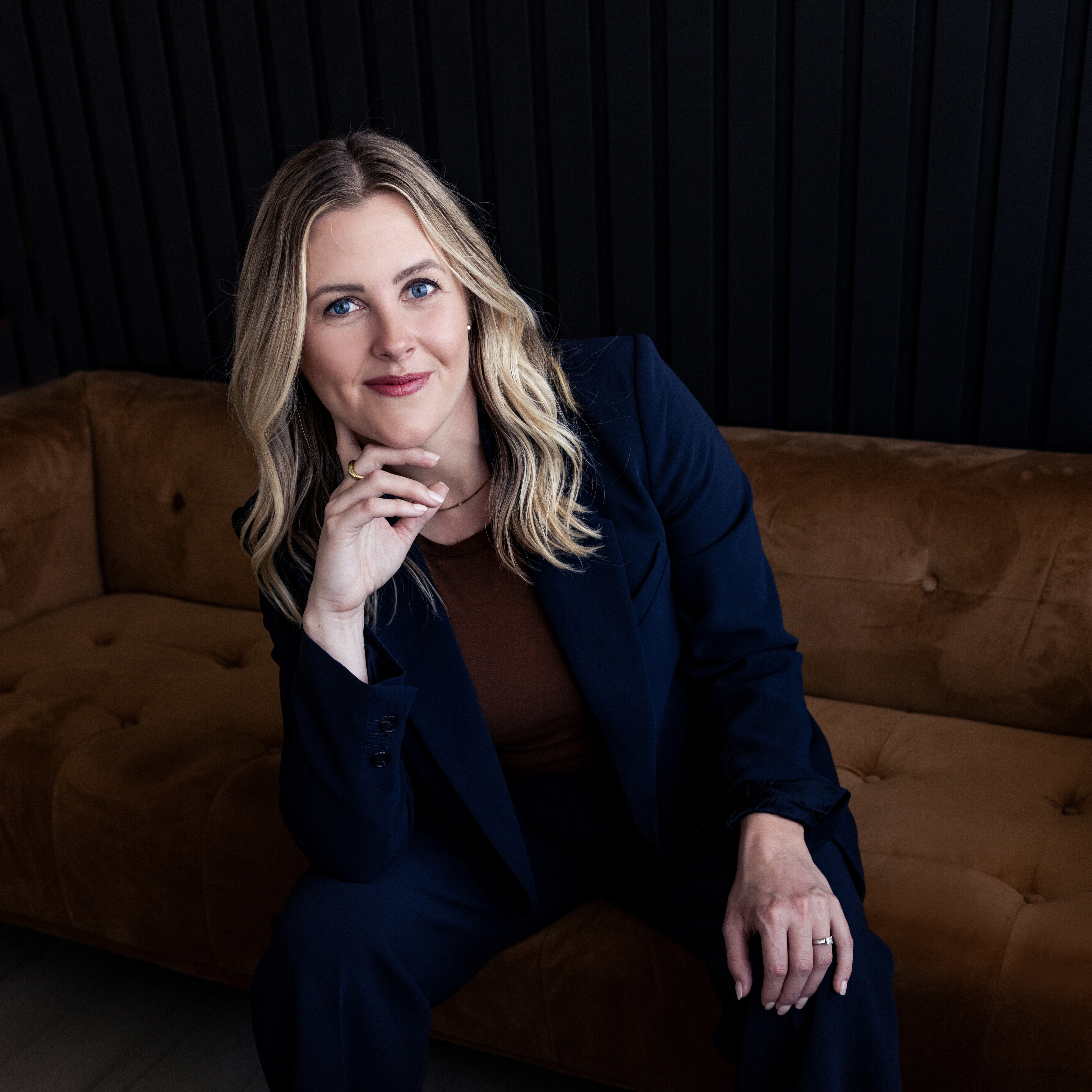
Founder & CEO
Kelsey Boyd began her career in the staffing industry and has since held leadership roles in marketing, technology, and operations, overseeing dozens of organizational transformations and large-scale client projects. Along the way, she discovered a simple truth: the unglamorous, behind-the-scenes infrastructure that keeps firms running smoothly is the real driver of profitability at scale.
She has led organizations through initiatives ranging from rebrands and CRM modernization to ATS selection and implementation. She has executed full middle- and back-office overhauls and guided complex transitions into and out of the EOR/AOR space—always with the goal of preparing firms for profitability and operational excellence at scale.
A passionate advocate for operating systems such as Traction’s EOS, Kelsey believes that vision without structure quickly devolves into chaos—and that the true trifecta of winning organizations is aligning people, process, and technology.
Today, as founder of Day1, a strategy, operations, and project management consultancy, she partners with staffing firms and growing organizations to turn “one day” ambitions into measurable realities by building the systems, processes, and accountability required for sustainable growth.