The Pro Athlete Mindset That Creates World-Class Recruiters
Get ready for another game-changing episode of The Elite Recruiter Podcast! This time, Benjamin Mena sits down with Jared Watts, a former MLS pro athlete who seamlessly transitioned his competitive mindset from the soccer field to the recruiting world—and absolutely crushed it. In this episode, you'll discover how Jared Watts leveraged the relentless discipline, data-driven focus, and high-performance mentality of a pro athlete to become a world-class recruiter and founder of Next Place Search Group.
Benjamin Mena and Jared Watts break down everything from negotiating your own contracts (and your value!), to building trust, mastering KPIs, and forging lasting client relationships. You’ll hear how Jared Watts measures and tracks every detail in his business, what visualization really means for top performers, and how the work ethic that drives elite athletes is the secret sauce for unstoppable success in recruiting. Plus, you'll get real, actionable advice on networking, learning from setbacks, and setting yourself up for your own “rookie of the year” trajectory.
Perfect for anyone curious about what happens when you bring an athlete’s mindset to the world of recruiting, this episode is packed with insights, motivation, and practical strategies to help you elevate your game—on and off the field. Don't miss it!


The Pro Athlete Mindset That Creates World-Class Recruiters
What happens when a former professional athlete brings elite discipline, visualization, and competitive fire into recruiting? You get a recruiter who treats the desk like a sport—and builds a fast-growing search firm in record time.
In this episode of The Elite Recruiter Podcast, former pro athlete Jared Watts, founder of Next Play Search Group, reveals how the athlete DNA that took him from youth national teams to the professional level translates directly into high-performance recruiting. From reviewing “game tape,” embracing pressure, and tracking everything like a scoreboard to building trust with PE/VC firms, Jared breaks down the exact mindset and systems behind his rapid rise.
He shares how he structured an in-house role to mimic agency upside, launched his firm intentionally, and built a relationship engine where candidates often become future clients. If you’re looking to grow your desk, strengthen your business development, or operate with more precision and confidence, this conversation will push you to level up.
If you want to:
• Stop guessing and start tracking the right KPIs
• Build a repeatable client engine
• Improve your negotiation and influence skills
• Create a personal operating system that compounds
• Develop the self-belief and discipline of a pro athlete…
This episode will change how you work.
Key Takeaways
• Elite recruiters track like athletes. Jared reverse-engineers every goal using metrics, patterns, and daily habits.
• Relationships scale revenue. Giving without expectation—introductions, notes, referrals—creates a pipeline of repeat PE/VC clients.
• Visualization drives performance. Confidence comes from preparation and treating every conversation like a high-stakes moment.
• Do things that don’t scale. Personal touchpoints create leverage automation can’t match.
• Protect your time. BD, candidates, and high-value conversations come first—everything else waits.
Listen, subscribe, share, and connect with us!
SPONSORS & LINKS
🎯 2026 Sales and BD Recruiter Summit:
https://bd-sales-recruiter-2026.heysummit.com/
🚀 Atlas – AI-first ATS & CRM
Automates admin, syncs resumes/emails, and uses AI to build polished profiles and reports.
Try it free or book a demo → https://recruitwithatlas.com
🌐 Recruiters Websites (10% off for listeners)
High-performance websites built for recruiting agencies.
Mention Elite Recruiter Podcast for 10% off → https://recruiterswebsites.com/
💼 Join the Elite Recruiter Community — Only $49/month
Access ALL Summit Replays, live roundtables, Billers’ Club, and our split space.
Join → https://elite-recruiters.circle.so/checkout/elite-recruiter-community
🧠 Free Trials:
PeopleGPT → https://juicebox.ai/?via=b6912d
Talin AI → https://app.talin.ai/signup?via=recruiter
Pin → https://www.pin.com/
📬 Newsletter Signup:
https://eliterecruiterpodcast.beehiiv.com/subscribe
▶️ YouTube Episode:
🔗 Connect with Jared Watts: https://www.linkedin.com/in/jared-watts-1799339b/
👤 With Host Benjamin Mena (Select Source Solutions):
http://www.selectsourcesolutions.com/
LinkedIn: https://www.linkedin.com/in/benjaminmena/
Instagram: https://www.instagram.com/benlmena/
Benjamin Mena [00:00:00]:
Running a recruiting firm is enough work. You shouldn't need five vendors to manage your online presence. With recruiters, websites, you get it all in one place. Websites, SEO, paid ads, automation, and ongoing strategy, all built specifically for recruiters. We understand your industry, your clients and your challenges. Simplify your marketing and strengthen your results. Mention Elite Recruiter and get 10% off any new service at recruiterswebsites.com coming up on this episode of the Elite Recruiter Podcast.
Jared Watts [00:00:28]:
In order to visualize being successful, I think the first thing is, like, you can't put anybody on a pedestal. And that might sound like, disrespectful, but to me, like, titles, resumes, that doesn't win. Like, it's the execution that matters. So you've got to respect people, but you kind of never let yourself feel smaller. Like with that first gig, right? They were like, hey, if you bill 120,000 in your first 12 months, like, you're doing pretty well. And me being naive and just maybe incredibly competitive, I'm like, okay, what? I'm going to double that. Like, that's going to be my goal, which was really cool. I ended up doing in the first, like seven months, 200,000.
Jared Watts [00:01:00]:
And then I think the first 12 months it was like 400,000. So I just was like, I'm going to find a way to win and find a way to be really good at it. Welcome to the Elite Recruiter Podcast with your host, Benjamin Mena, where we focus on what it takes to win in the recruiting game. We cover it all from sales, marketing, mindset, money, leadership and placements.
Benjamin Mena [00:01:27]:
Admin is a massive waste of time. That's why there's Atlas. The AI. First recruitment platform built for modern agencies. Doesn't only track resumes and calls. It remembers everything. Every email, every interview, every conversation. Instantly searchable, always available.
Benjamin Mena [00:01:42]:
And now it's entering a whole new era. With Atlas 2.0, you can ask anything and it delivers. With MagicSearch, you speak and it listens. It finds the right candidates using real conversations, not simply looking for keywords. Atlas 2.0 also makes business development easier than ever. With opportunities you can track, manage and grow client relationships. Powered by generative AI and built right into your workflow need insights. Custom dashboards give you total visibility over your pipeline.
Benjamin Mena [00:02:07]:
And that's not theory. Atlas customers have reported up to 41% EBITDA growth and an 85% increase in monthly billings after adopting the platform. No admin, no silos, no lost info, nothing but faster shortlists, better hires, and more time to Focus on what actually drives revenue. Atlas is your personal AI partner for modern recruiting. Don't miss the future of recruitment. Get started with Atlas today and unlock your exclusive listener offer at recruit with atlas.com. i am excited about this episode of the Elite Recruiter podcast because this is a person that I've actually wanted to interview for well over a year. I am finally getting a chance to do this and here's the thing.
Benjamin Mena [00:02:43]:
I absolutely love people that have done well in one area and then found a way to transition that into recruiting. And this is a professional athlete that just like crushed it on the field. And then there's a lot of times where people just try stumble in the transition. But he found a way to take the work ethic of an athlete, the work ethic of excellence, and take it into a recruiting world and it just absolutely crushes. So we're going to break down what he did on the field. We're going to break down what he's doing in the recruiting field and where he's going to go. So, Jared, welcome to the podcast, man.
Jared Watts [00:03:19]:
What an intro. Ben, thank you for having me. Really excited to be here. I've been a longtime fan from my end and learned a ton from your content and your podcast. So excited to be on, man.
Benjamin Mena [00:03:29]:
I've like, I've been a fan of yours. I'm sitting there watching your LinkedIn post and I'm like, how did he structure that? Like, what did he do? Like, oh, he just closed like this much. I'm like, all right, let's get back to work, man. Let's go. Recruiting.
Jared Watts [00:03:41]:
There we go.
Benjamin Mena [00:03:43]:
All right, so real quick, 30 second introduction, niche, your company, everything. Real quick.
Jared Watts [00:03:49]:
Perfect. Yeah. So I'm the founder of Next Place Search Group and I say founder and it's just me, only me, me, myself. And I, I had an unconventional path, I would say, into recruiting. But at Next Place Search Group, we specialize in recruiting for private equity and venture capital backed software companies. The recruiting story, it kind of starts from my soccer playing days. So I'll talk a little bit about the journey and path to how I got here. I got into recruiting actually because of my days playing professional soccer in mls.
Jared Watts [00:04:20]:
So I would say the moment or where the seed was planted was I had the opportunity to negotiate my second contract in MLS myself without an agent. It was a really amazing experience. I got to kind of go into this deep, like performance data management side to kind of make my case. So I got to look at my draft class. I was a second round pick, number 33 overall. It's actually why I picked my soccer jersey as professional number 33. As a reminder every day that, hey, these teams passed on you like, you're the 33rd pick. That's motivation to continue to kind of prove yourself day in and day out.
Jared Watts [00:04:56]:
So a little tidbit there on the soccer jersey, but no, it was really cool. So I got to kind of compare myself to who were the players that were still in the league from my draft class. How many minutes did each of us play? Like, especially those picked ahead of me. And then I got to break down even more of like, okay, well, what about my starts, my appearances, team results when I played? And then how could I match that publicly? Because every single year, salary data is released by mls, so you can go back and see what every player makes every year. So that kind of gave me some leverage to come in and say, hey, here's a fair number, what I believed I was worth. And yeah, it was just a really interesting experience there.
Benjamin Mena [00:05:30]:
Let me take a step back. Okay, so you were, like, drafted into Major League soccer, correct?
Jared Watts [00:05:37]:
A second round draft pick, number 33 overall. But it's an interesting story. It's not like you just walk in, you're drafted, and you have a contract from day one. I went in and literally started from the bottom. I walked into preseason that first day. I wasn't even allowed in the locker room with the guys who had contracts. I was in a separate locker room. Like, I had to prove myself.
Jared Watts [00:05:54]:
I had to earn a contract, you know, from day one.
Benjamin Mena [00:05:57]:
This isn't like a signing over a contract. You're good to go. You're part of the team. You made it. It's like it was just an opportunity and then you had to go earn it again.
Jared Watts [00:06:04]:
Yeah, at that level, I mean, in MLS, if you're not really like a top probably 10 draft pick that have, like, guaranteed contracts, it's just structured a little bit differently now. That was, you know, over a decade ago. So it's changed a little bit as new collective bargaining agreements have evolved. But, yeah, at the time, I mean, I walked in, I didn't have a contract. I had to prove myself. So it was interesting. But again, I continued to have to kind of shake that stigma of being a lower draft pick my entire time in mls.
Benjamin Mena [00:06:31]:
Okay, so, like, in today's world, I can hop on perplexity and be like, hey, how many hours did Jared play? What was his scoring data? What was this? Like, I have all these tools to get this stuff now. Like, how the hell a Decade ago, did you pull, like, massive amounts of data to go, like, hey, compare yourself against everybody else?
Jared Watts [00:06:47]:
I mean, you know your draft class, right? You go back and you look and you can see appearances. What guys were still in the league, like, who are making the team, who are actually playing minutes played like, results. When those guys were playing, it was kind of a fun project and something to kind of keep me busy and motivated to be like, hey, I belong. Like, I've played and kind of fast forward in 2016, like, I was part of anchoring a defense that was one of the best in MLS history. Like, we were a game away from MLS Cup. We were probably the best team in the entire league that year. We were close to winning the Supporter Shield, which is the hardest trophy to win. You know, I was starting center back and Tim Howard was behind me as my goalie, so it was really cool.
Benjamin Mena [00:07:27]:
So how many hours did that take you to pull that data together? I'm just like. Because it's one of those things, like, I've been around athletes. Like, I never got to the pro level. I was just at the college level. And, you know, half the athletes are like, oh, yeah, just show up, do their thing. And then you got this small subset that analyze everything.
Jared Watts [00:07:44]:
Yeah. I was in an environment early on from my soccer days of like, you know, this was coming through the ranks of playing on youth national teams. So every single day, every training, every game, every practice, like, was always being evaluated. And I like that because it made you stay at a high level. Your standard had to be at a high level. You continue to make it because the moment you thought you made it, somebody's going to pass you. And so that mindset, you know, is just kind of. It's evolved with me as I played through youth national team.
Jared Watts [00:08:15]:
I mean, my jersey behind me in my office here is with the U17 World cup that I was able to play in, and not only play in it, but I got to captain it. Like, that was one of the most rewarding moments of my soccer career. I got to represent the United States. And, you know, that was going back. I went off to school as a high school sophomore, spent two and a half years in what they called the residency program. So, you know, top 40 kids in the United States are invited down. You train, you go to school. I mean, it's really a professional environment from that early age.
Jared Watts [00:08:43]:
And then every single semester, like, you have to get invited back. So it was a constant. Every semester, like, I had to make sure I was coming back, playing on the Team like making an impact and you know, There were probably 10 to 15 guys that were core that we made it throughout the two and a half years. And ultimately the goal is to play in a U17 World cup, which I was able to do. But again, from an early age it was like, hey, your performance is being evaluated. You have to perform, be at a high level every single day or you know there's a chance you won't make it.
Benjamin Mena [00:09:11]:
We're going to go back to soccer in a second, so. Yeah, but I got a question. Like, you've been like around tracking in, been around having to like requalify as a young kid. Like how has that impacted your recruiting?
Jared Watts [00:09:24]:
No, it's a good question. I think for me, as I made the transition into recruiting, it was kind of like a step back of, you know, one thing I think I did really well is like earning the trust of the veterans in a locker room. And now on the recruiting side, like my first gig, it was a, it was at Parker and Lynch under the Adeco Group, like a really large staffing firm. I took the same mentality as a locker room. First one in, first one out, right. I remember getting in the office some days the lights weren't even on. Like I wanted to go and be beside the best recruiters, see what they were doing well, learn from them, be a student of the game. And you know, that transitioned over early on in my recruiting career, like with that first gig, right.
Jared Watts [00:10:02]:
They were like, hey, if you bill 120,000 in your first 12 months, like you're doing pretty well. And me being naive and just maybe incredibly competitive, I'm like, okay, what? I'm going to double that. Like that's going to be my goal, which was really cool. I ended up doing in the first like seven months, 200,000. And then I think the first 12 months it was like 400,000. So I just was like, I'm going to find a way to win and find a way to be really good at it. And you know, it's transitioned into going from a larger firm into a boutique firm, going in house at a software company and building out, you know, a high growth software company and hiring over 100 people and then now into starting my own firm. It's kind of translate the athlete in you.
Jared Watts [00:10:39]:
The athlete DNA never really goes away. But you've got to look at what are you measuring? Everything for me at least has to be kind of tied back to a number and you know, that's how I look at it. Kind of in the day to day.
Benjamin Mena [00:10:49]:
Now in recruiting and we'll ask what you're measuring later. I want to go back to the soccer story.
Jared Watts [00:10:55]:
Yeah.
Benjamin Mena [00:10:55]:
Okay. So you're now playing Major League Soccer. You've negotiated your own contract. Did anybody else negotiate their own contract then?
Jared Watts [00:11:03]:
Not many. No, not many. It was an interesting kind of exercise, right, because you see how the team values you, you know, and then the GM told me that the next day after we came to an agree and he's like, okay, cool, I'm going to start looking for your replacement tomorrow. I'm like, okay, I'm not going to let that happen. Right. It's just a constant mindset that like, I appreciated and I always liked. Again, I dedicated so much to soccer and soccer gave me so much in my life, whether it was like a free education in college or playing on youth national teams, being able to become a professional. But I always knew there was going to be something for me after the game.
Jared Watts [00:11:35]:
But five years in the MLS was awesome. I mean, I was on the field with guys who like Steven Gerard, his last professional soccer game ever, we beat him in the playoffs. Galaxy versus the Colorado Rapids, which was really cool. I mean, Andrea Pirlo, Jogba, like Ibrahimovic, like these world renowned stars that were in the mls, like I was playing against them. I was the center back marking the forward. And it was just like a, a really cool, surreal moment. But that, you know, having that kind of undoubted, like almost foolish self belief, like that's carried over into recruiting as well and not being afraid of like adversity and just kind of going after and betting on yourself and try and find ways to like, that's kind of a mentality that's just baked into me.
Benjamin Mena [00:12:15]:
We'll talk about how you got into recruiting in a minute. But like, what happened to the soccer story? Like, why did it end?
Jared Watts [00:12:21]:
Yeah, you know, it's funny because when it's like I was 10 years old and I saw my first MLS game, I told my dad, I was like, hey, I want to play in MLS one day. So I had like this very narrow vision of I'm going to find a way to get to the MLS and play in the mls. It wasn't that I wanted to go overseas, it wasn't. I wanted to play in Europe, I wanted to play in the mls, in soccer in America at the highest level. And I worked and sacrificed a lot to get to that. You know, now five years, playing over 100 games, like had a good career. I was a very good role Player, like I knew my role, you know, and unfortunately injuries are part of it. Coaching changes, new ownership, like, things happen, right? Like I was traded, I had a contract not renewed.
Jared Watts [00:12:55]:
But the last two years playing in mls, I had, you know, two season ending surgeries. And that's just part of it, right? And then I got to a point my contract was up. Like my last year in Houston, I only played in like eight or nine games. I think I couldn't get healthy, couldn't get a good run of games. And they're like, hey, come into preseason. Other teams wanted me to come into preseason, but at that point I was like, you know, hey, I played a hundred games, like, either sign me, let's do this or not. You know, I didn't think I wanted to really like chase it in the lower divisions. You know, no disrespect to guys that do that, but for me it was always like, hey, I'm going to give it all I got for this, you know, run here.
Jared Watts [00:13:28]:
And then I knew I wanted to do something, I was going to be successful, whatever that was going to be next. And you know, it kind of helped the transition going into recruiting because it wasn't that difficult of a, a transition for me, to be honest.
Benjamin Mena [00:13:41]:
I just want to ask something. I've seen this happen with a lot of athletes and it sounded like you were already looking at the next thing, but I've seen a lot of athletes that have an identity issue where everything that they've built up and they've had as part of their identity and they've just walked away from 15 years of that being who they are. Did you have to struggle with that at all or were you just looking forward to the next thing and the next goals?
Jared Watts [00:14:07]:
I wouldn't say it was easy, but I didn't struggle with it, if that makes sense. Like when I was playing in Colorado, I got professional sports opens up a lot of doors. I mean, I got connected with a software company out there, a founder, and he just let me come in and like shadow what he did on a day to day basis. Now they were under 20 million in ARR at the time, but like he went on and eventually sold that. But I got a little bit of a sneak peek into hey, software world and what are different areas of the business and how do they grow, how do they monetize, like what challenges do they see? And that was like a really interesting, you know, perspective that I would go do in the afternoons, a couple days a week and just to stay busy because like, as an athlete.
Benjamin Mena [00:14:47]:
While you were a soccer player, you, you were sitting there doing like, yeah.
Jared Watts [00:14:50]:
But, but more of like a, you know, hey, we're like, I'll tell you a quick, just kind of what a day to day looks like for an MLS player at least. Like I would wake up, I would go into the facility probably around 7:38am, get treatment, get a workout in, like prepare for training. So training on the field was typically between like 9 to 1039 to 11. You come back in, you get treatment, you do extra work. Like you hit the gym, there's lunch there, maybe you're watching film after lunch. And then you're typically out of the facility probably by like 2 or 3 in the afternoon. And so that gives you some time of. I wasn't just going to go home and play video games.
Jared Watts [00:15:26]:
Like I thought I knew a lot of guys did. Like, for me it was like, how can I continue to learn? How can I set myself up for what's next? And sometimes that's like taboo in the locker room. It's like, no, you have to be 100% committed. I'm committed because I was. But I also wanted to continue to like stay busy, think about what was next for me. So I never really struggled. I mean the identity, leaving soccer, it was, it was something I did, but it wasn't really like who I was. So I was always kind of thinking, okay, what's going to be next for me?
Benjamin Mena [00:15:53]:
Okay. And then how'd you go from this awesome world of soccer to the land of misfit toys? Recruiting?
Jared Watts [00:15:59]:
Yeah.
Benjamin Mena [00:16:00]:
How did that work out?
Jared Watts [00:16:01]:
I wanted to carry kind of the same discipline, the work ethic, the student of the game kind of mentality into this new chapter. And an old teammate, actually a goalie in Colorado, one of his high school teammates was at this big firm that I mentioned, Parker and Lynch, under the adeco. I think they're now like lhh. But I was fortunate enough to get connected with him. When he's a great manager and he was awesome, he gave me a chance. His name's David Jolly. So shout out David. Appreciate you.
Jared Watts [00:16:27]:
And really that set the foundation for me, like learning the business, building confidence, proving that I could translate like those lessons from sports and to executive search and just going after it and trying to win at that. It was a fun start. I mean I spent two and a half years there, like kind of cut my teeth, cold calling, just like learning the tricks of the trade, seeing what good looked like, seeing what bad looked like, and just kind of building and Creating my own from that. So again it was, I had to come in, I had to like lead every KPI metric because I was new and I wanted to learn. So that meant like first one in, last one out. I didn't have kids at the time, so my life was maybe a little bit different. I mean that's 15 hours on the phone every week. It's, you know, meeting people in person, going out and meeting clients.
Jared Watts [00:17:10]:
Just like learning what good looked like and what bad looked like. And you know, I learned by just doing. And I wasn't afraid to look dumb or to start over. I just went for it with like a tenacity and competitiveness that I think helped me set up, you know, myself for success. I knew pretty early on like I wanted to go out and start my own firm. Probably six months after starting and recruiting, I kind of knew.
Benjamin Mena [00:17:29]:
Okay, I want to take a step back. You just said that you led every KPI in the office.
Jared Watts [00:17:34]:
Yep.
Benjamin Mena [00:17:35]:
Did you know that you were going to have that success because you led the KPIs or is it just like this is the athlete mentality, like I am on the field to go work?
Jared Watts [00:17:44]:
Yeah, I, I knew I was going to be successful. I kind of visualized this success. Which might sound crazy, but same in soccer. Like you've got to visualize yourself making a play or being successful or having this, you know, self belief and the things that you can control. Right. Like you can't control a soccer coach being fired. Well, you can to some extent. You can get good performances and win.
Jared Watts [00:18:07]:
But again, sometimes management comes in. Team sells. Like a new GM comes in, they want their own coach. Maybe you're not in the plans for the next coach, but you can control what you could control. And that's training well, it's learning. It's again same that translates into recruiting. Like you control talking to people and making cold calls and getting your metrics up that, I mean, that's important. It's like a scoreboard.
Jared Watts [00:18:31]:
I viewed it as a scoreboard and I wanted to be at the top of the scoreboard. And that was not just in the Charlotte, Adecco, Parker and Lynch office. That was nationwide across. Like I wanted to be at the top. I wanted to be rookie of the year. Like I wanted to be the best. I didn't know any other way, I guess.
Benjamin Mena [00:18:45]:
So you had this like rocket ship takeoff because of the work ethic that you had. You just, you played this like you were playing soccer. Why did you end up rolling out of that position? Like it sounded like, you were on a great trajectory.
Jared Watts [00:18:56]:
Yeah, it was just a, it was a big firm. Six months in, I got hooked up through just a cold call. Actually, I remember this. It's a company in Charlotte called Passport. They had just raised a Series E, I think it was like 60 million at the time in 20. 19. 19. I remember just like being in their office, they had a panoramic view of the city, like sitting down, having a beer with the cfo, hiring some folks on their team and just thinking like, this is really cool.
Jared Watts [00:19:21]:
Like, these are the type of people I want to work with, smart folks that are like in and trying to build software to just make an impact and like venture back. You know, I got to know some of the, some of the different investment groups that they were part of and I knew then, like, okay, I want to focus on that. So my only goal from then on was to how can I fast track this? To be able to work with those type of companies and those type of private equity and venture capital firms. And then that's when I left after two and a half years to join a smaller boutique firm where I got to work directly with the CEO. He wanted to build out an exact search arm of his practice, you know, and. And he only worked with venture capital firms. And yeah, I got to do that then. It's just kind of evolved from there.
Jared Watts [00:20:02]:
But really the focus was like, okay, my end goal is to start my own firm and do my own thing and how can I accelerate this learning curve to be able to do that?
Benjamin Mena [00:20:09]:
Okay, so you went to another firm, did a lot of learning and then you went in house for a bit.
Jared Watts [00:20:13]:
I did, yeah. So I joined this other boutique firm, which was interesting. And again, this like quick win mentality I had. I think this is probably still the record there. But in nine days, I placed an executive from starting at that company. It was a company called Circular Health. I placed Steve, the director of product management there. In nine days, I wanted to set the record, like, that was the fastest placement ever.
Jared Watts [00:20:33]:
I wanted to show that, like, hey, I belonged. I can do this. And yeah, so that was cool. I ended up placing probably another 20, 25 execs in that 15 months and build over a million forum and was a good run there and appreciated my time and. And then, yeah, actually the next evolution in going in house was interesting. And I never thought like, look, I'm an agency recruiter at heart. If you had told me, like, you're going to go in house, I would have been like, no, you're crazy. Like, no disrespect to in house, you know, recruiters and talent acquisition, like, they're great.
Jared Watts [00:21:01]:
But it was interesting. I got to see kind of the other side of the fence. But it was actually because I was trying to get this company as a client. They happened to be in Wilmington, North Carolina. And so I got to know the leadership team, the CEO. I knew JMI Equity was getting involved at the time and again was trying to get them as a client. But the CEO kind of flipped the script and was like, hey, would you consider coming in house? Like, I need to build out my executive team. We need to hire, you know, 100 plus people.
Jared Watts [00:21:24]:
We need to build the engineering. Or, like, you could do this, you could own this. You could see what this side of the fence looks like. And he knew I wanted to go out and start my own firm. He was supportive. He's like, when the time is right, I will support you to do that. Hey, fast forward two and a half years I was at that company. We tripled ARR.
Jared Watts [00:21:39]:
We doubled headcount. Like, I owned everything. We didn't use any external firms. And then I kept getting tapped on the shoulder by jmi, which I appreciated the investment group with. They're like, hey, we need help with our other, you know, portfolio companies on exact searches. Can you help me if you have the capacity? And so I appreciate that. It kind of gave me the confidence. I'm like, hey, I can do this.
Jared Watts [00:21:58]:
Like, let's do it. I'm ready to go.
Benjamin Mena [00:22:01]:
Oh, pause, pause. I got to stop here. So, like, you went in house, you worked the in house, almost like you were working at an agency. And because you were doing so good, was it a VC or PE firm?
Jared Watts [00:22:12]:
Private equity growth equity firm.
Benjamin Mena [00:22:13]:
Okay, so, like, PEs are hard to crack. Like, you got to, like, be able to, like, work some miracles, kiss some babies, bring in the pope for a client meeting to be able to, like, become in. So they started tapping you to help with their portfolio companies because you were doing so well at that company.
Jared Watts [00:22:32]:
Correct, correct. So I built that executive leadership team out and they were like, hey, this is a new investment for us. We need to bring in a CFO or a VP of Customer Experience or, you know, a VP of hr. Can you help? They knew my background was in executive search and, you know, I got to know all the operating advisors really well as we were recruiting out at Vanica, at the software company I was in house at and just kind of spiraled from there in terms of relationships that opened up and helping other Companies. And I mean, yeah, it was a recipe for success because, you know, we set up and look, I set up as an agency recruiter internally, how I was being paid. I was paid a base salary, but then also I was paid commission on every single placement I made in house. And we tiered it by the level of role because I never wanted that to go away. So we got creative.
Jared Watts [00:23:18]:
We kind of made it work on both sides. And then, you know, from the JMI front, I gave them a heavily discounted fee for placing the executive. They JMI paid Vanica. Vanica kept 5%. They gave me 95% of the fee. And JMI got a great executive at probably, you know, a 60%, you know, okay. Savings from a different firm.
Benjamin Mena [00:23:39]:
I got to dig into this just a little more just because, like. Okay, so this internal program, this commission structure, did you design it and bring it to the table? Yeah.
Jared Watts [00:23:46]:
Yep, I did.
Benjamin Mena [00:23:48]:
And to make it okay that you were, like, placing people at other companies, you gave your company part of the commission, correct?
Jared Watts [00:23:55]:
I did.
Benjamin Mena [00:23:55]:
Was that part of their idea, too?
Jared Watts [00:23:57]:
Yes. It was the same investment, right? It was the same investment group. They invest in a bunch of different software companies, and it helped cover some of, like, the hr. And, you know, let's say it was a. If I remember, it was like a $30,000 fee for per exec that they would pay Vanica, and then Vanica kept 5%, and then I got paid the rest just for those executive searches.
Benjamin Mena [00:24:17]:
Did you have it as just a flat fee with them?
Jared Watts [00:24:19]:
I did, Yep. Correct.
Benjamin Mena [00:24:21]:
Okay. And they were just like, this is awesome.
Jared Watts [00:24:23]:
Yeah. I mean, it's that. Right. Or they could go out to a bigger firm and, you know, it's a $75,000 fee, and they can get the same, if not better service. For me, who knows jmi, who knew the companies knew kind of how they operated. And it was just a different perspective out into the market. And again, it was a win. Win.
Jared Watts [00:24:40]:
Now, looking back, like, I didn't charge them enough, but it was a good place to continue to show my value and, like, I was good at what I was doing.
Benjamin Mena [00:24:47]:
This is the relationship building, right? That's what it was.
Jared Watts [00:24:49]:
Exactly. Exactly. That's. That's exactly what it was. But, no, it was fun. And it still gave me kind of that, like, the agency side of me never left. I got to continue to learn about new companies. But going in house was a great experience.
Jared Watts [00:25:01]:
Like, I'm not saying it wasn't. It was. It was fun. It was just different. And I got the kind of the internal view of what it's like to build a high growth software company. It was a fantastic. And there's a fantastic CEO there. Like that company is going to be successful.
Jared Watts [00:25:14]:
And we had a great relationship. We, we ended on great terms and I'm still helping them time to time when they need it. So again, it's all good on that front.
Benjamin Mena [00:25:21]:
When did you hit the point where it was just like, okay, now I'm ready to go out of my own, I'm ready to make this jump.
Jared Watts [00:25:28]:
Yeah, well, it's interesting because I believe in life, like there's not a perfect time for anything, if that makes sense. So I kind of started setting the motion for launching my own firm while I was still in house. And the relationship with the growth equity firm and placing other executives at portfolio companies, that was great. But then also I had a former client who introduced me to two partners at a North Carolina law firm that they wanted to scale statewide like they wanted to grow. And he told them, hey, this is the best recruiter I've ever worked with for software companies. You should just talk to him. Even if it's just like, hey, how should I approach this? What should I do? Like, what should my idea be out to go to market, talk to him. So I was up front and I told him, like, guys, I don't have any experience recruiting partners at law firms.
Jared Watts [00:26:17]:
I don't know anything. But if we want to get creative, we want to try to see if this will work on both sides. Like, maybe I can help you out. Like, let's try to figure out a way to do this. So I jumped in and spent a little over a year still. I was in house recruiting full time for my company, helping some of the portfolio companies, and now helping this law firm scale their firm across North Carolina. I was successful and I was able to help double their firm. I learned a ton about law firms.
Jared Watts [00:26:44]:
ChatGPT cold calling, you know, partners, like just, it was something that was new and I was able to build that on the side and it was multiple six figures just from the, the law firm itself and scaling that out. So it was a great situation. They added some awesome kind of rainmakers and it was a, it was a fun learning experience.
Benjamin Mena [00:27:01]:
So you're saying that you are literally working 24 hours a day to set yourself up for the dream of going on your own?
Jared Watts [00:27:08]:
Correct. Everything I was doing was geared towards getting ready to go out on my own.
Benjamin Mena [00:27:13]:
So when you went on your own, you weren't walking out with like, hey, I got five bucks in my bank account.
Jared Watts [00:27:19]:
No, it wasn't. Part of that is because life stage I'm at. But again, you've got to step off the ledge and jump eventually. Like for me, I had a newborn at home, a three year old, one income household. My wife's a licensed architect. She's way smarter than me, but she chose and wants to stay home with our sons until they start school. And so that responsibility is on me and it's what really drives me to perform every single day. So.
Jared Watts [00:27:41]:
But yeah, I wasn't going out with like no money in the, in the bank. Like I had already set up a business account. That money was sitting there like I was ready to go and kind of full force jumped in.
Benjamin Mena [00:27:51]:
Okay, the recruiter sales and business development summit is coming back. It is kicking off January 26, 2026. It is going to be the best, biggest, most focused conference for recruiters to help them grow with business development and sales. Remember, with all the summits, the live sessions are free. If you want to go for the replays, you got two options. You can go VIP on the summit.
Jared Watts [00:28:14]:
Platform or you can join the community.
Benjamin Mena [00:28:16]:
Community, have access to all the summits. But this is a summit that you do not want to miss. If you want 2026 to be the absolute best year possible, be there, be ready to learn and be ready to crush it. I'll see you there. How did that conversation go with the CEO? Like, hey, it's now time.
Jared Watts [00:28:32]:
It was great. That's exactly what I said. He was super supportive. He's like, I appreciate what you've done for us. Like, let's find a way to continue to work together. And we have. So it's, it's been great. Also the growth equity firm, like I reached out just to say, hey, thank you.
Jared Watts [00:28:48]:
Appreciate you guys. I've had great relationship with folks and I continue to work within that same portfolio. And you know, I just tried to do it the right way. Like this world is small, especially in recruiting, but also for private equity and venture backed software companies. Everybody kind of knows one another. So if you burn a bridge or you do something that's sketchy and not kind of right, it gets around. So I never wanted to do that. I always wanted to make sure, you know, I did everything the right way and I was able to do that.
Benjamin Mena [00:29:13]:
All right, let's, let's talk about this launch. Let's talk about going all in. What did, what did your first month look like?
Jared Watts [00:29:18]:
First month? That was August of 2024. First month I was completely officially on my own. I walked out Vanica. I helped them with a senior mobile engineer. So I had, I think it was like a 20. I gave them a good hometown discount. It was like a 20k fee. I just signed my first executive search for a flat fee of 75k.
Jared Watts [00:29:41]:
So pretty quick, I had like, in the hopper about a close to 100k of, like, potential, you know, rolls that if I closed quickly. There we go. That could be a good start. Not to mention, you know, the money that was sitting in the bank when I had already started with the attorneys and the other thing. So I got lucky and had, you know, some roles pretty quickly, pretty quickly right away and just kind of continue to snowball, you know, from there.
Benjamin Mena [00:30:03]:
I know one of the things you mentioned early on is, like, you track everything like you track like you're playing on the field. Before we get into, like the athletic mindset of recruiting, like, for you, what were the things that you were tracking that has set you up for success with your own firm?
Jared Watts [00:30:19]:
I don't know if I was tracking as much at that point. At launch, for me, it was just about, okay, how can I get some quick wins and quick placements? But now, like, looking back and reflecting, there's some really key, critical things that I track that I think are really important. And we can get into that now, we can get into that later. But it's tough. Like, at first you're just, hey, I'm completely on my own now. I want to show that I can get a placement, get another placement. But it wasn't. I had kind of already visualized, like, I'm going to be successful, I'm going to do it.
Jared Watts [00:30:51]:
I'd kind of done it to some extent as I was still in house, but now it's on my own. And, you know, I was able to. To quickly do that and just. I had a lot more volume of conversations at first just to, hey, this is what I'm doing, if you're interested, reconnecting with old folks and, you know, that I've worked with in the past or placed and, you know, you're in this long enough, your reputation, people are willing to make introductions. And, you know, I was lucky to have a lot of people that I've worked with in place that were kind enough to do that. You know, I was lucky kind of from the start.
Benjamin Mena [00:31:22]:
And I know that you had an incredible first year up to you, and if you want to share it, but one of the things that I've loved about watching you and Listening to you on some other podcasts is like, you're like, a true student of the game. Like, the recruiting game. Like, yeah, for those listening, what does a student look like in. In our world?
Jared Watts [00:31:42]:
Yeah, that's a great question. A couple things I'll share on that I identify and look at, like, really talented recruiters and folks that have been successful and try to just see how they've done it. Like, I mean, they're on your podcast all the time and being able to take in that content, whether it's, you know, Mike Williams, what he's building in Charlotte in the manufacturing space, or Brandon Glick, who's another guy who's similar mentality. Like, he played football at Princeton. He and his dad built an incredible firm. Like, he was skipping class closing candidates when he was like, 18. I kind of look at him as a mentor. Like, I'm actually having coffee with him this weekend.
Jared Watts [00:32:17]:
I want to see what, like, really good people are doing and how they've done it and how they've figured it out. But it is. It's about being a student in the game. And a couple of things, you know, I think recruiters think about, like, how can you practice recruiting? Okay, maybe it's just making more calls, but I think it comes down to a few things that are important to me that similar in the sports world, you've got to review your game tape and you've got to track patterns. And then the other thing I think that has helped me is you've got to study really good negotiators, because recruiting, all it is is negotiation all the time, nonstop. So I think Chris Boss, you know, everybody knows him, right? The, you know, the FBI negotiator and never split the difference and how he mirror and labeling and conversations. And just to me, he's like, it's brilliant. So simple.
Jared Watts [00:32:59]:
But the things that I've tried to emulate is great. And then reviewing game tape, like, I watch tape all the time of my games and how I performed. And it's hard at first because it may be a little cringey or like, God, why'd I do that? Or why'd I miss that player? You know, but it helps so much. Like, you can listen to your own calls. You can see how your tone or the pace or how much you talk versus what you listen. Like, where you lose it. There's things you can look at and track. And so for me, it's reviewing that and then patterns, right? I keep a little document.
Jared Watts [00:33:27]:
It's why candidates said no or why offers Fell. And then over time you can spot patterns. Whether it was like, oh, misaligned on comp or like the timeline drug out or it was a bad kickoff. There's things you can track to be able to try to fix those issues quicker. And so if you can identify patterns, to me, like that's part of being a student of the game and, and practicing in recruiting.
Benjamin Mena [00:33:49]:
This is one of those things, like you hear about it like practice, be a student practice, but you know it for sports. Like it's easy to go out, hey, I'm gonna go do a five mile run or I'm gonna go do some like mile repeats something of the nature. But it's so few people are like, how do I do that here in the recruiting chair?
Jared Watts [00:34:07]:
Yeah. And I think at times like you feel at such high stakes when you have clients, you can almost flip this and try to practice when the stakes are a little bit lower. And what I mean by that is like, what can you give to a client, to a candidate without expecting anything in return? Right. I've got a couple examples that literally just happened to me like in the last two weeks. So there's a company that they just raised from a growth equity firm. They are a little bit smaller than what I typically work with, but I connected with the CEO. They were talking about this head of customer experience that would lead their post sales team and implementation onboarding support of the actual software to customers. And they decided to not work with me.
Jared Watts [00:34:50]:
They actually decided to go with a contingency firm. So a firm that like, hey, if they are successful in the search, then we'll pay them. And look, it was great. Like I understood where they were at and where they wanted and why they wanted to kind of go that route. And I had met a really good candidate because I had a different search on the same day that that other search closed. And I said, hey, this can is really good. They're in your market. Like they've seen the scale and growth you want to have in this role.
Jared Watts [00:35:16]:
I sent them a note. I'm like, hey, you guys should meet this candidate. They're awesome. I just met them and don't have anything for them right now. I just closed a different role. You know, fast forward, they're in the process potentially going to get an offer here. And you know, I wouldn't, I wouldn't get anything for that fee. But you know what they did say? They said, dave, it's very kind of you.
Jared Watts [00:35:33]:
Like, we're going to definitely keep you in mind and come back to you when we have other executive roles on our team. Another example is there's a chief people officer I was connected with. I knew someone within their industry, actually had a direct competitor who was starting to look in the market. I had some market, you know, intel of what was going on. That competitor, this person's background, I shot it over to her. I had a relationship with her and know her and have worked with her in the past and just said, hey, this person's on the market. Like, if you guys are curious, you should reach out. You should have a conversation with them, you know, And a week later, she gets back to me.
Jared Watts [00:36:05]:
You know, she's like, hey, great, thanks. We'll reach out. A week later, she gets back to me, and, you know, I was retained for another VP search on their team, and that one just closed. And, you know, again, it was, I'm gonna give without expecting anything in return, but if you do it enough and you're in this long enough, things are gonna come back to you. So that's kind of how I view it. To me, that's what relationships mean. It's not about the most important things about relationship, because we throw this word out a lot in the industry. And I think it's two things.
Jared Watts [00:36:32]:
It's about selection, like, how are you gonna show up yourself in the relationship? And then also, who are you selecting to actually have the relationship with? I think it was. Maybe it was a recent podcast. I can't remember who was on with you, but they were like, hey, don't prospect with folks that are making less than you. And I never thought about that. Or I never, like, it's so interesting to me. I'm like, boom, light bulb, of course. And then, so things like that that you can pick up and just what can you give without, you know, expecting anything in return?
Benjamin Mena [00:37:01]:
And just for the listeners, because I see this in, like, the recruiting Facebook groups, like, hey, I sent a candidate over. I'm trying to get a fee and this and that. Or even though I didn't have agreement, I could be all this. You just said that you're, like, sharing somebody that's on the market for the relationship, and it's turned into business because of doing that.
Jared Watts [00:37:18]:
Exactly. Yep. That is a great way. Not all the time. Right. And not immediately, but it does come back and it will turn into business. I have it set into my calendar every week to try to make 10 introductions, whether it's candidate to candidate, you know, client to client, whether it's like, another example. I've got candidates that hey, maybe nothing for them right now, but they're really good candidates.
Jared Watts [00:37:40]:
And I will introduce them to different private equity or venture firms, you know, depending on kind of where their background is, the industry, what vertical SaaS they've been a part of, and just like broker introductions and relationships and conversations there.
Benjamin Mena [00:37:52]:
I love that. That's awesome.
Jared Watts [00:37:53]:
Yeah.
Benjamin Mena [00:37:53]:
So you said that you have that in your calendar. What else do you have in your calendar? Like that. It's like reminders. Okay, I need to do this too.
Jared Watts [00:37:59]:
It's fun. And I think I got this from Brandon Glick. It is to update when I call, like a free agency Google. It's a sheet that I have of, like, my best top quality, placeable candidates that are awesome and that I need to track, even if I don't have anything for them now, to stay in constant contact with them. So that's every single week I touch base. And I think right now I don't have it in front of me, but, you know, it's probably close to 80, 85 people and just all across different verticals, all across different sizes of software companies on the exec side, because the beauty about executive search is that every candidate can eventually turn into a potential client. And that's how I look at it. So it's to constantly follow up, and it's a little bit manual, but again, something I think about and something I kind of live by is, you know, do things that don't scale.
Jared Watts [00:38:43]:
And that seems counterintuitive, but it's to simplify, especially the way that I'm. And the. The kind of the stage that I'm at. Like, that's how I think about things. And maybe it takes a little bit more work. But again, I think Brent says it is like, look at your average fee, and if your average fee is higher, you can do less volume. And so it's a balance of volume and fee. And again, those are all come back to things that I track today that I think are really important.
Benjamin Mena [00:39:10]:
And there's something else that you've mentioned a few times is visualization. Can you talk about that?
Jared Watts [00:39:16]:
Yeah. It's a couple of things I would say in order to visualize being successful. I think the first thing is, like, you can't put anybody on a pedestal. And that might sound like, disrespectful, but to me, like, titles, resumes, that doesn't win. Like, it's the execution that matters. So you've got to respect people, but you kind of never let yourself feel smaller. And if you can do that and you can visualize, like, hey, Mr. CEO of a $50 million software company, like, let's just talk like, you're an equal, I'm an equal.
Jared Watts [00:39:47]:
We're human. That's key. And I think when you commit to playing kind of at that level, you realize something that you can either produce, like, really excellent outcomes for them, or you're going to avoid criticism. I don't think there's, like, an area to do both. So, like, it's just a high standard that you chase. More people are going to judge you. That's fine. I think Brandon, again, not to reference another podcast host, but he's like, hey, half the people you talk to probably aren't going to want to do business with you.
Jared Watts [00:40:13]:
And that's okay. Just be you and you'll be all right. And again, it comes back, the real competition is in other people. Because I have connected with what you would quote. Competitive, you know, competition. Firms that are similar in what they're billing, but we trade ideas. And, like, I've told them my pricing is that stupid, maybe, but it's like, hey, we're bouncing ideas off one another. There's, you know, room for all recruiters to be successful if you are dedicated enough.
Jared Watts [00:40:36]:
And that's how I kind of view it.
Benjamin Mena [00:40:38]:
It's the abundance mindset versus scarcity mindset. It's hundreds of billions of dollars industry. There's enough money for all of us.
Jared Watts [00:40:46]:
Yeah, I agree.
Benjamin Mena [00:40:47]:
There's enough money that we could take it from the big firms. Come on.
Jared Watts [00:40:50]:
Come on. Exactly, exactly. So it's great. It's funny to be, like, noticed. And I've had firms that have reached out and, like, hey, like, would you ever come and lead this side of our firm? And I've had two software companies this year that I've placed executives at try to bring me in house. And so to me, that's like, a testament of the work that you've done. And it's good to kind of be noticed in that sense.
Benjamin Mena [00:41:10]:
So being an athlete, I know we had this conversation, like, offline, but you, like, focus on. Maybe I should ask this. What does your day look like? But I know we talked about you talking about focusing on your goals every single day. Can you maybe weave that into what your day looks like, too?
Jared Watts [00:41:25]:
Yeah, I think it just comes back to me, is like, if I don't track something to a number, sometimes it gets kind of slipped through the cracks. So I kind of live and die by my calendar. I mean, and also having two young kids, I mean, you kind of Know this, like, you have to be disciplined in the way, whether it's you're waking up, how you're getting to the gym, like, what are you doing throughout your day, especially being solo, like, nobody's going to come save me. Nobody cares. Like, if I don't do it, it's not going to impact anybody else except me. And so for me, I'm like maniacal in the way that I, I track, track everything. So I think of, hey, you know, a couple things that I highlighted that I've tracked is like, what's my, you know, average fee? What is my average revenue that I've brought in per month? And I'm tracking both of those since I've started. I actually built this Excel sheet or table that I think is great and I'll share it with the community that, you know, I joined.
Jared Watts [00:42:17]:
And congrats that you obviously launched and it's awesome so far and I'll, I'll share it, but it's cool. You can see like, okay, what's your annual fee goal? And then you can put in like your average fee placement and then what's your close rate? And then that shares how many placements are required and then how many searches you need based on your close rate and then what's your pipeline that need. So like, hey, if you want to bill a million and you have like an, I'm just looking at mine, a 90% close rate, then I need to have, you know, whatever 1.7, 1.8 in my total pipeline. And then, you know, how many searches is that per month? And so you can just kind of track all these things and that's a visual that I look at and then a couple that I think are interesting that I don't hear a lot of people tracking client repeat business. This kind of sounds simple, but all but one client so far since I've launched have been repeat customers. So that's huge, I think placement to referral ratio. So, like, how many referrals am I getting in my generating per placement? So that's on the candidate side I look at and the client side, you know, because for me, if like you're having success as a client, there's ways that you can get introductions to others and peers and like, so I track that and that shows, like, am I building trust deep enough, you know, for people to open their network? So that's something that I look at. And then the other I'd say is time to first response from an outreach, like, I have lockso and that'll track you know, open rate, response rates and.
Jared Watts [00:43:40]:
But I like to take it further. Like, how quickly can I turn that cold outreach into a two way conversation? So speed at which I can get a client or candidate on the phone and tracking that tells me, like, is my messaging resonating? How interested are they? So that helps me and how I track that as well.
Benjamin Mena [00:43:57]:
And I got another question. This is another pregame question. You have a sign above your head.
Jared Watts [00:44:03]:
I do. I stole it from Brent. It says if you don't kill it today, your kids won't eat.
Benjamin Mena [00:44:08]:
And every day you walk into your office, you feel that.
Jared Watts [00:44:11]:
Every day? Yeah, every day. And on the side of my desk here, I've got one of those like, you know, virtual picture frames where just pictures are constantly cycling through. And like, it's my family, it's my wife, it's my boys and it's my kids. Like, and, you know, just, it's simple but it comes back to that. Like, that's why I'm doing it. And so, yeah, it's powerful. But I look at it every single day and it's a reminder, like the thing that I love about recruiting. And just like professional sports, your direct, how much effort and your direct, you know, will to want to win can be measured.
Jared Watts [00:44:45]:
And it's the impact of like what you're going to make monetarily, the relationships, the impact on other people. Like, you can control that effort to, you know, a pretty high degree. And that's why I love that. And the upside is huge and the downside is huge. But that's just how I operate. And that's the DNA, which I will always. And that's why I'm a lifer for this industry and where not many people, I guess, can say that.
Benjamin Mena [00:45:08]:
What else are we missing in this recruiter athletic DNA that we need to talk about before jumping to the next part?
Jared Watts [00:45:15]:
Yeah, it's again, I'm biased because I think athletes can honestly make the best recruiters. Because when I think about recruiting, I see it as like an athletic pursuit. It's the same mentality, right? It's adversity, pressure, deals fall apart, candidates back out, you know, but athletes are built for that. Like, pressure doesn't crush us. Like, I'm used to it. Like I've been traded, I've been cut. Like it sharpens us, it's goal setting, it's the work ethic. Because in sports, right, you're always working back from the scoreboard.
Jared Watts [00:45:45]:
That's how you're measured. Is the success of, hey, what are the results. And again, just like in recruiting, it's grit. It's the ability to visualize having a great conversation with a potential client or a candidate. And it's this. I say it often, but it's like a delusional amount of self belief. And I have that and that. Call me naive and, you know, if the odds aren't in your favor, like, I'm an opportunistic person as well.
Jared Watts [00:46:08]:
Like, I want to see the good and I have like a positive belief in things. But as an athlete, like, that's just. You've got to have that. Like, you've got to have this short term memory, right? Like you hear about these shooters shoot, right? And you've got to be able to do that. You've got to move on to the next. If you can do that in recruiting, like, you're going to be ahead of 60% of the people probably in the industry.
Benjamin Mena [00:46:28]:
And one last thing before we jump over to the quick fire questions. I hear you handwrite cards. Does that set you apart?
Jared Watts [00:46:36]:
I think so. It's kind of old school. It's funny, my mom told me growing up, like, practice your social skills. Like, she constantly just hammered that into my head. So, yeah, I actually got a new client from handwriting a card and just saying, hey, this is what I. This is what I do. Like, I've been following your private equity firm. You know, there was a connection.
Jared Watts [00:46:55]:
I can't remember if it was like a school. There was some unique connection I had with the person. So, yeah, send them a handwritten card and got a meeting with them and it landed. So I also sent a handwritten card to Craig Picken, who, you know, is yet to get back to me, but he's a legendary recruiter here in Wilmington, North Carolina. I'm not even the best recruiter in my small town of Wilmington, but I think it works. I do.
Benjamin Mena [00:47:18]:
If Craig, if you're listening to this, I'm sending a message to all three of you guys because I actually just interviewed him yesterday because of you. Hey, man. He didn't want to talk numbers, but yeah, that was a fun conversation too. Like, I've, like, this has been an awesome week because of both of you guys in like two days.
Jared Watts [00:47:33]:
No, it's great.
Benjamin Mena [00:47:35]:
Anyways, we're gonna jump over the quick fire questions and like, I know you've been like, on multiple podcasts. You're out there sharing. By the way, thank you for joining the community and popping in there, sharing too. But, like, with all the sharing, I know that there's newer recruiters that have seen your stuff and kind of seen what you've done. If a new recruiter hit you up and just like, hey, brand new to the industry, I walk out of, like, you know, college athletics kind of into this career world not knowing what I want to do. But I found recruiting. What advice would you give to me to be successful in the space?
Jared Watts [00:48:04]:
Yeah, I think you've got to cut your teeth. Like, you've got to take action and learn by doing. That's just kind of how you have to start. You've got to be a rookie. You've got to be okay with not being the best. And it's hard as athletes because we're wired like, we're the best of the best. Like, I played in the MLS. Probably less than 1% of people in the United States will ever play in mls.
Jared Watts [00:48:24]:
And so I think you've got to just cut your teeth and learn and understand, like, what is a recruiter's true value. And that's not pulling names or profiles off of LinkedIn. It's driving a process to get a signed offer, like, simple as that. And so the best recruiters, for me, at least in what I've done, I try to sprint to a no, get to the no as quick as possible on either side, and that's going to save you time and, you know, protect your time because time is the most valuable thing. As a recruiter, do you have a.
Benjamin Mena [00:48:52]:
Favorite book that's had a huge impact on your career?
Jared Watts [00:48:54]:
Extreme Ownership. That's one. Hard things about Hard Things. Like, that's another. Yeah, I would say extreme ownership for me is up there. And then you've got. Never split the difference. Like Chris Boss, you've got, you know, the classic there.
Jared Watts [00:49:08]:
But yeah, I'd say those kind of stick out.
Benjamin Mena [00:49:10]:
I was going to ask you what your favorite tech tool is, but I'd love to hear your entire tech stack.
Jared Watts [00:49:15]:
Yeah, absolutely. So, you know, I've got LinkedIn Sales Navigator. I don't even have LinkedIn Recruiter. I've got SalesQL for like, data, email, contact info, Loxo Metaview, and then smart Lead. And so I've been able to, like, I built a custom, you know, GPT. It helps give me like a numerical output of what the fit is for the role based on like, job description, interview notes, intake call notes, and feedback from interviews that have already, like, taken place. So I've built that. That's been super helpful.
Jared Watts [00:49:45]:
And then metaview for me is like, really key. And, you know, I've been able to create a template that helps cut, you know, candidate presentation and to clients and that's been super helpful. But that's kind of the main stack today.
Benjamin Mena [00:49:56]:
Have you seen Metavi's new sourcing tool?
Jared Watts [00:49:58]:
I've seen it pop up yet. I haven't really played around in it yet, but excited. I know it's going to be class. I mean, I know they just announced a new. I think they raised. I don't remember how much, but yeah, it's. It's great. It's a great tool.
Benjamin Mena [00:50:10]:
What is one of the biggest challenges that you've had to work through?
Jared Watts [00:50:14]:
Being hyper focused and doing things that are going to produce revenue and saying no to like every single conversation, every kind of pick your brain. That's hard to do because I don't like to like not brush people off, but say no. And I try to again, be protective of my time, but it's like saying no to the things that aren't necessarily driving revenue and being completely focused in doing that.
Benjamin Mena [00:50:40]:
Like, how do you analyze. I mean, this is for the recruiters out there because one of the things that you see a lot of recruiters like, you know, like, I'm here to help, you're here. Like the networking or the giving time. How do you figure out what might be worth it versus what could be pulling away from where you need to be going?
Jared Watts [00:50:56]:
I'd say I'm still figuring that out, to be honest. But you know, it's not a perfect science. But I do think like, you've got to give with no expectation in return, but you also have to give in a way that could ultimately impact revenue down the line. And now look, now in all conversations, do I have like, are they going to drive revenue? Like, no, There might be some folks I connect with or just kind of give or refer them over to a firm or just like try to help and make a connection that doesn't time suck. But just being able to be like very protective of my calendar.
Benjamin Mena [00:51:26]:
So you just hit your first year mark just recently, right?
Jared Watts [00:51:30]:
Yeah, correct. August was, you know, technically 12 months out on my own.
Benjamin Mena [00:51:34]:
If you could go back in time and sit down with yourself in that first month, what would you tell yourself?
Jared Watts [00:51:38]:
That is a great question. I would tell myself to not bank on potential new clients closing because you feel like you had a really good initial meeting, even if it's through like a referral or introduction. I mean, you hear this a lot, but continue to always bd don't ever stop with the business development. And that's a challenge I have because I now cap myself. I will not take on more than five searches is tough. It's a stretch because I do everything and I'm retained and like I have to perform at a high level for these clients. I probably should only be doing four searches at a time, you know. But you gotta make sure that like right now I'm heavy on the roles and what does my BD look like? I have to have that baked into my calendar or it can get away from yourself.
Jared Watts [00:52:24]:
So always continue to do the business development and that's kind of an easy thing, I'd say. But then also it's just like sharing your journey and being able to share whether it's LinkedIn of utilizing, you know, what your social is and what's your story. Because people want to work with you because of your story and help educate, let them be personable, like show success. Like those things are I think key and important.
Benjamin Mena [00:52:46]:
So you Also, your LinkedIn stuff is like probably some of the best out there when it comes to recruiting. Like where did you learn the structure of how to actually post LinkedIn that does something.
Jared Watts [00:52:58]:
Yeah, no, I appreciate it because that's honestly, social isn't something I've ever like set out to be good at. It's still a little bit out of my comfort zone. But really my approach I think comes down to just being real. I tie things back to my sports days, which I think is unique and I think gives me a different perspective of a lot of recruiters don't have both the highs, the adversity, but that all shapes how I see the business. But I'm also like, I'm a high performing recruiter. I'm not afraid to say that. Like I want to show what I've done and what I've improved. But I know I still have a long way to go.
Jared Watts [00:53:27]:
So to me it's just about like being real and sharing like what you're experiencing and educating because you want to educate your market on, hey, what are you seeing in the, what are you seeing in the software world? Private equity, right. They're holding on to investments longer right now. How does that impact executives? So there's all these things that you can share to give you an insight and to be looked at as an expert. And then, you know, also I just kind of like to look at myself, at old pictures of me playing soccer and long hair and you know, reminisce on those days. I think I'm the only recruiter in the world to ever have scored A professional soccer goal on Tim Howard. I'll take that to the bank. But the problem is Tim was on my team and it was an own goal, so that's not good. You don't want to score on goals, but that's my claim to fame.
Benjamin Mena [00:54:13]:
I think. I think I quit soccer after scoring my own goal.
Jared Watts [00:54:18]:
Hey, it happens. It happens.
Benjamin Mena [00:54:20]:
My coach was like, hey, you know, there's this thing called running. You should probably go look at doing that.
Jared Watts [00:54:25]:
Hey, you can, you can run for days. I could only run if I was chasing a ball.
Benjamin Mena [00:54:28]:
My high school soccer coach was like, you should try cross country. You suck at soccer.
Jared Watts [00:54:34]:
Oh, that's great. That's great.
Benjamin Mena [00:54:37]:
That's what took me to college. Thank God.
Jared Watts [00:54:38]:
There you go. Yep.
Benjamin Mena [00:54:40]:
Anyways, so you've been on multiple podcasts. I've watched you, like, in the community. I've watched you on LinkedIn. You probably get asked a lot of questions based on, like, your success, the things that you've done, how driven you are, like, like, how much are you willing to share? And like, I'm sure you get questions like, hey, what's the BD strategy? What's this email? How are you doing this? Like, what are you actually putting on that, that handwritten card to get a brand new private equity company with all these questions that you get, do you wish somebody would just ask you something? Is this question. They're like, man, I wish they would just freaking ask this, but they never do. If so, what is that?
Jared Watts [00:55:12]:
Yeah, it's interesting, right? So I think if someone would ask me one of the really important questions that they should be thinking about, I think is do you genuinely enjoy spending time with and learning from the people that you're going to be working with or placing in those roles? So like, in other words, are these the kind of people that you want to talk to day in and day out and learn from? And I think, you know, again, it comes down to recruiting is more just about them filling the roles. It's about how are you understanding the people deeply? Because no disrespect, but like engineers and engineering leadership and how they think about the business is going to be very different from like, go to market executives. So do I want to place a lot of like, technical. No, I don't. They're great and they're very critical for the business, but I prefer kind of the other side of the fence. So it's like, do you enjoy spending time with the people that you're going to be placing and also, like, you're going to Be working with from the client side. Seems like a simple question, but you don't really think about it. Right.
Benjamin Mena [00:56:08]:
That actually just made me think of like a Facebook group post that someone popped in today anonymously, just like, hey, I kind of hate the niche I'm in.
Jared Watts [00:56:16]:
Yeah.
Benjamin Mena [00:56:17]:
And I just like, you and Rich Rosen are just like, find a niche that you enjoy.
Jared Watts [00:56:23]:
Yeah. Yeah. When I was recruiting attorneys on the side and partners, I quickly learned I'm like, yeah, this end for me, I'm never going to be a lifelong recruiter recruiting on attorneys for firms, but it was great. I learned a ton and made great revenue and it was a good experience. It was a win, win. But that wasn't me for the long term.
Benjamin Mena [00:56:41]:
Well, anyways, this has been an awesome episode that I've been looking forward to. You were actually on my wish list for a while. And then I think, like, I had two people hit me up, like, interview Jared. I'm like, I know, guys, come on, just give me a break.
Jared Watts [00:56:54]:
That's great. I appreciate, appreciate the kind words and I mean, likewise. You do a ton for this community and I love listening to all the podcasts and I was a religious listener and again, learned so much from the guests that you have on. So I don't know if I'm worthy enough to be on the podcast, but it's been awesome. I've been to. Looking forward forward to it as well.
Benjamin Mena [00:57:11]:
There are two. Two last questions before I let you go.
Jared Watts [00:57:14]:
Okay.
Benjamin Mena [00:57:15]:
If somebody wants to follow you, how do they go about doing that?
Jared Watts [00:57:19]:
Yeah, I'd say easiest is LinkedIn. So just, you know, follow next, play search group next without the E, N X T play search group or just personal profile. Let's connect follow. That's probably kind of the. The socials that I focus on. I am off of all other social media. So no Instagram or Facebook or any other social media. Just LinkedIn.
Benjamin Mena [00:57:42]:
Super smart. And before I let you go, is there anything else that you want to share with the listeners?
Jared Watts [00:57:45]:
I think what I would share is the most important thing I would share is do not wait for the right time. No one's going to come save you. Don't have a victim mentality and just believe in yourself and have conversations. Try to provide value and things will work out. And if not, find another way. Figure it out.
Benjamin Mena [00:58:04]:
Love that, Jared. I think that, like, I have nothing to say after that. Like, I'm excited to literally, like after this interview to go hit the phones and start recruiting. So anyways, guys, awesome episode. Can't wait to see you guys for the next one. And remember what you guys do right now to wrap up the end of the year is going to be the foundation of your 2026. So guess what? Whenever this goes live in Q4, go all in, be the athlete, learn the game and play at a high level. So Jared, thank you so much.
Jared Watts [00:58:36]:
Thank you.
Benjamin Mena [00:58:37]:
Running a recruiting firm is enough work. You shouldn't need five vendors to manage your online presence. With recruiters, websites, you get it all in one place. Websites, SEO, paid ads, automation and ongoing strategy. All built specifically for recruiters. We understand your industry, your clients and your challenges. Simplify your marketing and strengthen your results. Mention Elite Recruiter and get 10% off any new service at recruiterswebsites.com Admin is a massive waste of time.
Benjamin Mena [00:59:05]:
That's why there's Atlas. The AI first recruitment platform built for modern agencies. Doesn't only track resumes and calls. It remembers everything. Every email, every interview, every conversation. Instantly searchable, always available. And now it's entering a whole new era. With Atlas 2.0, you can ask anything and it delivers.
Benjamin Mena [00:59:22]:
With MagicSearch, you speak and it listens. It finds the right candidates using real conversations, not simply looking for keywords. Atlas 2.0 also makes business development easier than ever. With opportunities, you can track, manage and grow client relationships. Powered by generative AI and built right into your workflow need insights. Custom dashboards give you total visibility over your pipeline. And that's not theory. Atlas customers have reported up to 41% EBITDA growth and an 85% increase in monthly billings after adopting the platform.
Benjamin Mena [00:59:51]:
No admin, no silos, no lost info. Nothing but faster shortlists, better hires, and more time to focus on what actually drives revenue. Atlas is your personal AI partner for modern recruiting. Don't miss the future of recruitment. Get started with Atlas today and unlock your exclusive Listener offer@reruitwithatlas.com thanks for listening.
Jared Watts [01:00:09]:
To this episode of the Elite Recruiter Podcast with Benjamin Mena. If you enjoyed, hit, subscribe and leave a rating.
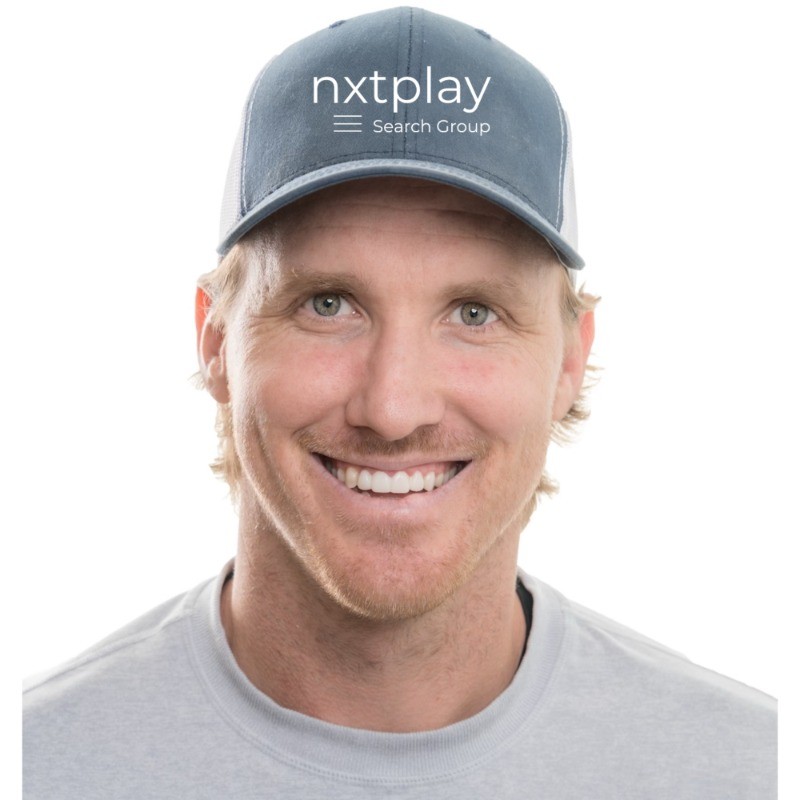
Founder / Principal Recruiter
Founder and Principal Recruiter @ nxtplay Search Group. I have an extensive background in building successful teams across multiple Venture Capital and Private Equity portfolios.
With comprehensive experience placing top talent at high-growth software companies, I have a strong track record of partnering with Founders and CEOs to execute critical leadership searches. Partnered with SaaS companies backed by JMI Equity, Radian Capital, Frontier Growth, Sequoia Capital, General Catalyst, Bessemer Ventures, Drive Capital, Accel Partners, Greylock Partners, and other great funds.
At nxtplay Search Group, we execute searches for PE and VC backed SaaS companies below $50M in ARR. We partner with companies that want to headhunt the best talent. Our recruiting philosophy is "People First, Performance Always." We have a playbook for success and track record of dominating our searches:
Recent clients include: Greenlight Guru, TimelyCare, Vantaca, DHW, Visiting Media, ServiceTrade, HM, and others.
- $10M+ closed in negotiated salary
- 200+ placements executed
- 92% first offer to close ratio (38.5 days completion average)
Before moving into executive search, I spent five years playing professional soccer in Major League Soccer (MLS) for the Colorado Rapids and the Houston Dynamo. I was the 33rd overall pick in the 2014 MLS SuperDraft and won the 2018 Lamar Hunt U.S. Open Cup. I earned my degree from Wake Forest University and completed my MBA while finishing my soccer career.