How an Industry Insider Built a Recruiting Agency From Scratch (No Fancy Tools)
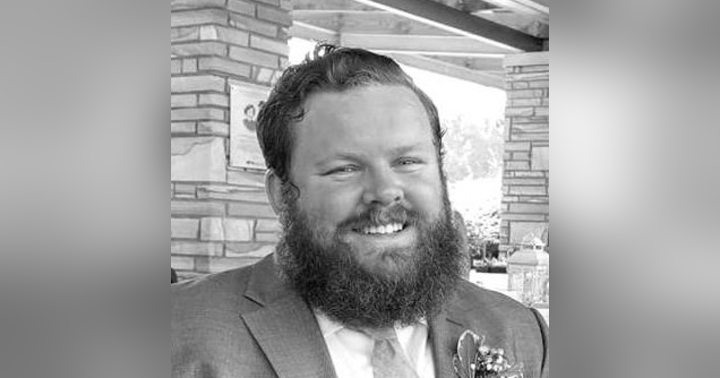
Welcome to this episode of The Elite Recruiter Podcast, where host Benjamin Mena sits down with industry insider Chance Wood—a seasoned agricultural professional turned successful recruiting agency founder. Chance shares his journey from running grain elevators and trading commodities to stumbling into the recruiting world and ultimately building his own agency, One Degree Agriculture, all without fancy tech tools or shortcuts.
In this inspiring conversation, you'll hear how Chance Wood leveraged his deep industry expertise and network to quickly thrive as a recruiter—securing a retainer in just 18 days on his very first job and saving his company over $1.5 million when he moved into an internal TA role. More importantly, he offers powerful insight for industry professionals considering a leap into recruiting: it's not about complex systems, but relentlessly focusing on relationships, picking up the phone, and letting your reputation work for you.
Whether you're in recruitment, business development, or simply seeking encouragement to take your own big leap, this episode is packed with lessons on maximizing your network, dealing with doubt, building a business with family in mind, and the value of old-school hustle in a tech-driven world. Tune in for the full journey, practical advice, and a reminder that believing in yourself—and maintaining a human touch—can be the best tools for success.


How an Industry Insider Built a Recruiting Agency From Scratch (No Fancy Tools)
Episode Hook
He wasn’t a lifelong recruiter.
He didn’t have a tech stack, automation, or AI hacks.
Yet he built a profitable recruiting agency anyway — by doing what most recruiters avoid.
🏆 Elite Recruiter Awards – Voting is Open
Recognize the recruiters and leaders making a real impact.
Vote now → https://benjaminmena.typeform.com/to/tK5kwRMe
🚀 Atlas – AI-first ATS & CRM
Automates admin, syncs resumes and emails, and uses AI to build polished candidate profiles and reports — so recruiters can focus on revenue.
👉 https://recruitwithatlas.com/
Why This Episode Matters
Most recruiters think they need better tools, better scripts, or better tech to win.
This episode proves that belief is holding you back.
If you’ve ever wondered whether your industry background, relationships, and phone skills are enough to build a real recruiting business — this conversation will change how you see your potential.
What You’ll Learn
In this episode, you’ll learn:
- The exact mindset shift that allowed an industry professional to outperform career recruiters
- Why old-school phone calls still beat automation for business development
- How to use NPCs (Named Potential Candidates) to win clients before roles ever open
- The hidden mistake new agency owners make when trying to scale too fast
- How saving $1.5M in agency fees made him dangerous as a founder
- Why recruiters fail when leaving industry — and how to avoid it
- How to build a niche so strong clients trust you before the first call
About the Guest
Chance Wood is the founder of One Degree Agriculture, a recruiting firm built entirely on industry expertise, relationships, and execution. After transitioning from agency recruiting to in-house TA — where he saved his company over $1.5M — Chance launched his own firm and quickly surpassed six figures without relying on “fancy tools.”
Extended Value Tease
Imagine building a recruiting business where clients trust you because you’ve lived their world.
Where business development feels natural instead of forced.
Where your background becomes your unfair advantage.
This episode is a blueprint for recruiters who want freedom, simplicity, and leverage — without chasing every new tool or trend.
Listen Now
If you want to grow your desk or agency using relationships, clarity, and execution — hit play.
This is one of those episodes that changes how you approach recruiting.
Timestamp Highlights
- 00:01 – Why industry professionals underestimate their recruiting power
- 05:30 – What a “grain elevator” is and why lived experience matters
- 09:45 – The recruiter experience that shaped his philosophy
- 12:20 – Landing revenue in 18 days as a brand-new recruiter
- 19:30 – Why going in-house made him a better founder
- 22:00 – Saving $1.5M by running TA like an agency
- 27:00 – The moment he knew it was time to go solo
- 29:45 – What he did in his first week as a founder
- 34:00 – Why NPCs beat job orders for BD
- 36:30 – His exact “one-two punch” outreach approach
- 40:00 – Why AI won’t save weak business development
- 44:00 – The biggest scaling mistake he made
- 49:00 – Advice for industry professionals considering recruiting
- 52:00 – The family conversation every founder must get right
Summit + Community
🎯 2026 Sales & BD Recruiter Summit
https://bd-sales-recruiter-2026.heysummit.com/
💼 Elite Recruiter Community
All summits, replays, Billers Club + split opportunities
https://elite-recruiters.circle.so/checkout/elite-recruiter-community
Tools & Links
🔹 Pin → https://www.pin.com/
🔹 Email List → https://eliterecruiterpodcast.beehiiv.com/subscribe
▶️ YouTube:
👤 Chance Wood → https://www.linkedin.com/in/chancetywood/
🌐 Benjamin Mena → http://www.selectsourcesolutions.com/
🔗 LinkedIn → https://www.linkedin.com/in/benjaminmena/
Benjamin Mena [00:00:00]:
Are you still trying to grow your recruiting desk or business on your own? Join the Elite Recruiter community and connect with recruiters who know your challenges. Members get unlimited access to replays from the AI Recruiting Summit. Finish the year strong and all our past events plus biweekly roundtables where we dive into sourcing business development and mindset. You'll also tap into our Billers Club for accountability and a split space to partner on roles. Join the number one growth environment for recruiters. For just $49 per month, you'll be part of a tight knit group that pushes you to grow and you can cancel anytime. Visit the link in the show notes and click Join now to get started and start mastering your craft today. Coming up on this episode of the Elite Recruiter Podcast, you went from an agency recruiter to a TA recruiter and you helped the company save a million and a half dollars.
Chance Wood [00:00:45]:
Yes. Million and a half. Yep. That every like every single role was being brought in by an agency, money was just being set on fire.
Benjamin Mena [00:00:55]:
Your success sounds like it's pretty simple.
Chance Wood [00:00:59]:
Yeah.
Benjamin Mena [00:01:00]:
Am I, am I hearing that right?
Chance Wood [00:01:01]:
It is. It's old school. It's pick up the phone and call people. Welcome to the Elite Recruiter Podcast with your host Benjamin Mena, where we focus on what it takes to win in the recruiting game. We cover it all from sales, marketing, mindset, money, leadership and placements.
Benjamin Mena [00:01:23]:
Admin is a massive waste of time. That's why there's Atlas. The AI first recruitment platform built for modern agencies. Doesn't only track resumes and calls. It remembers everything. Every email, every interview, every conversation. Instantly searchable, always available. And now it's entering a whole new era.
Benjamin Mena [00:01:40]:
With Atlas 2.0, you can ask anything and it delivers with magic search. You speak and it listens. It finds the right candidates using real conversations, not simply looking for keywords. Atlas 2.0 also makes business development easier than ever. With opportunities you can track, manage and grow client relationships. Powered by generative AI and built right into your workflow. Need insights. Custom dashboards give you total visibility over your pipeline.
Benjamin Mena [00:02:04]:
And that's not theory. Atlas customers have reported up to 41% EBITDA growth and an 85% increase in monthly billings after adopting the platform. No admin, no silos, no lost info, nothing but faster shortlists, better hires and more time to focus on what actually drives revenue. Atlas is your personal AI partner for modern recruiting. Don't miss the future of recruitment. Get started with Atlas today and unlock your exclusive listener offer at recruit with atlas.com when you're sitting there cold call, you're calling what might be a candidate or a client. You ever get that them saying like, they don't like recruiters, why don't they like recruiters? For many people out there, they've never had a good experience with a recruiter. And here's the crazy thing, I'm excited about this episode because for one, this right here, this guy did not like recruiters because he never had a good experience with one.
Benjamin Mena [00:02:49]:
But here's why I'm most excited about this episode. There are so many industry professionals that they don't know it, but they can become amazing recruiters. They already have the network, they already have the industry knowledge. They understand the niche, they understand the pain points because they were the ones dealing with the pain. So often I know I get messages, I get friends that get messages like, hey, can I make the transition into being a recruiter? Is it possible? Well, this episode right here is to bring belief because it absolutely is possible. And that's why I'm so excited to have Chance boarded with me. Chance, welcome to the podcast.
Chance Wood [00:03:25]:
Thank you, Benjamin. I'm glad to be here. Can't believe I'm here. I've been a huge fan for a long time and I don't know why you want to talk with me, but here we are. I'm pumped.
Benjamin Mena [00:03:36]:
Well, we got a chance to talk offline and I'm excited to bring a story of the industry professional and how they can make those changes where they become the recruiter and then start their own agency. So real quick, quick 30 second self introduction before we do this deep dive in.
Chance Wood [00:03:53]:
Sure, yeah. Thank you. So I'm, I'm an aggie, right. I've spent my entire career in agriculture. I got my degree in ag economics and business from University of Tennessee and throughout my career running grain elevators and getting my Series 3 license and being a futures broker and trading grain all over the plains. I don't know. We made it home. And through another series of ag tech ventures, I ended up wanting to go out on my own and start my business.
Chance Wood [00:04:20]:
And here we are today.
Benjamin Mena [00:04:22]:
Oh, that's awesome. And so your entire business is focused on agriculture?
Chance Wood [00:04:26]:
Yes, that's it. One degree agriculture. I named it because you're no more than 1 degree separation from anybody in the ag space. It's a very small niche and through my career I've spent my entire time in in the space and it just made sense to come back out on my own after doing some in house recruiting working for a different agency. Previously yeah. It was time. And here we are.
Benjamin Mena [00:04:47]:
All right, so let's take a few steps back. Let's, you know, we'll get into how you started your own firm and all this stuff. But, like, real quick, like, how did you start weaving your way into this wonderful world? Recruiting. Like, you weren't like many of us that started, like, fresh out of college. Hey, here's a. Here's a phone book. Here's some resumes. Go make some calls.
Chance Wood [00:05:05]:
No, no, I, I. Coming out of school, I knew I wanted to be a grain merchandiser. So I loved my macroeconomics classes. And I. I love how grain flows and. And why the price changes and how everything in the world literally affects the day to day of grain. And I did that, right? I did that. I started out in a training program.
Chance Wood [00:05:25]:
I ran a grain elevator. I traded grain all over the country. But my wife actually was getting her PhD at the University of Kansas. We had moved all over after leaving Tennessee. And while she was getting her PhD in Lawrence, Kansas, one of the best centers for grand merchandising, grand trading, is Kansas City. So I had a lot of opportunity to make some great connections, to build my network, to build my skillset over time. But my wife also, being from East Tennessee, we wanted to get back home. And as soon as she finished her PhD, she found a job back home in middle Tennessee.
Chance Wood [00:06:00]:
And I came back. This was pre Covid, so especially in the ag industry, nobody was working remote. Nobody was allowing even the thought of remote work back then. So there was actually someone that I had spoke with months prior, and he said, man, have you ever thought about recruiting? And I said, no, I haven't. And because in middle Tennessee, no one needs a grain merchandiser, right? It's all beef cattle and tobacco, right? So my skill set that I had established over these past few years, and I couldn't use it, so I got into recruiting and helped a local boutique firm kind of start an ag branch of the business.
Benjamin Mena [00:06:38]:
Okay, I gotta take a few steps back. What the hell is a grain elevator?
Chance Wood [00:06:42]:
A grain elevator. So grain elevator, it's a place. It's not a. It's not a silo. You see, everyone call them silos, right? Silos are. Are for silage. A grain elevator. It could be steel bins, it could be concrete.
Chance Wood [00:06:54]:
That's where the trucks pull up from a farmer, you know, off the farm, and they're dumping the raw commodity. And then the grain is being elevated to the top of the elevator and put into specific bins. So that is how grain Is stored. That is how grain is moved. And they're all over the country.
Benjamin Mena [00:07:12]:
Okay, so this is what you went to school for. Like, this is your dream job. You actually went to school and landed in the actual business jaw that you wanted to like. I got my degree in economics. I came out of school, and they're like. I was like, hey, can I become an economist? And they're like, you don't have any gray hair. You don't qualify.
Chance Wood [00:07:29]:
Yeah, yeah, yeah.
Benjamin Mena [00:07:31]:
Okay. And then you went and started selling grain. Like, talk about that real quick.
Chance Wood [00:07:36]:
That's right. Yeah. So I'll take it a step back even further here, Benjamin. What I love about where I'm at today is that I've had the full perspective of our industry, right? So I can recruit operations guys, because I ran a grain elevator. I was there shoveling grain and fixing bearings on all of these pulley systems and actually in the weeds of how the grain is actually handled. But then knowing that was my first job, right? But I wanted to be the merchandiser, so I took a course on basis trading and learned the ins and outs of that and became that merchandiser and had the opportunity to trade and also see the country and up into Canada, too, as time went along. So, yeah, it really was a dream come true. And you get to have that progression.
Chance Wood [00:08:24]:
You get to see how the entire industry flows. I mean, I've done all of these jobs that I'm recruiting for and for the leaders that are leading these people. So I've had bad leaders. I've had bad recruiters. I know what a good leader looks like. I know what a good recruiter looks like.
Benjamin Mena [00:08:43]:
All right, you like. I know you told me offline, you're like, yeah, like, I've never dealt with a good recruiter. Right. Like how, like, you got your first recruiting job. Like, how did that shape your thoughts going into your first agency?
Chance Wood [00:08:56]:
Yeah. Oh, man. Really? Like, the most glaring thing I remember it was I worked with a recruiter one time, and I told him what I was looking for. Hey, I want to be a merchandiser. Here's where I want to be. My wife is getting doctorate, so I had a discussion with him. I sent him a resume, right. Didn't hear back from the guy at all.
Chance Wood [00:09:15]:
And so again, I'm continuing to push, continuing to go. I get a job with the schooler company in Kansas City. So major grain player, right? Really the best job that I could have possibly gotten during that season of life. And I'm there for a year, right? And I get a call from this recruiter who didn't help me, who didn't guide me, who didn't give me feedback on my resume. And he's like, chance, he said, he said, this is, this is crazy. He said, we submitted you to the schooler company when you and I were talking. Never told me, we never had that discussion. And he, he got all over me for not giving him that opportunity to go get the placement.
Chance Wood [00:09:53]:
I'm like, dude, we never talked. And you know, he had this mindset that hey, he was just going to go and collect all these resumes and throw a bunch of crap against the wall to see what sticks. And that was what I carried into my first discussion, right? And even to this day, like one of the promises that, that I make all of my. I will never submit you somewhere without talking through with you first because your name, especially our executive, our professional level candidates, your name is everything, right? And you have to take a concerted approach to the recruitment. And man, I had spoke with multiple recruiters, even internal ones in the ag industry and I think a lot of what I brought into my early career and what I carry today is just trying to do the opposite of what I had seen from all these other folks.
Benjamin Mena [00:10:42]:
And doing the opposite, is that helping you completely stand out?
Chance Wood [00:10:46]:
It is, it really is. Yeah. Well, and it's a mix of the actual hands on experience that we have in these roles. My business partner, Joe, he comes from the industry as well. He's a grain guy, He's a, he's an ag tech guy. He's done everything that I have done and done it better. Probably Joe's the man. But you know, I think that's what really sets us apart is just the fact that we care about people and we're trying to actually build relationships with people, but at the same time we know what they're looking for.
Chance Wood [00:11:16]:
I can tell by speaking with a merchandiser, hey, yeah, you've got a good skill set, but you're not going to fit in at this company. You're going to fit in over here because of the culture of this business, because of the background that you have. It's not a one size fits all across the board. A grain merchandiser is not a grain merchandiser in the industry. Every single company, every region, every elevator has its own unique aspects of it. So taking the time to get to know the business, but man, it's all about the people, right? One degree separation. You have to get to know the people and if you take that time, you're going to succeed.
Benjamin Mena [00:11:50]:
And I love that you had that mindset. So let's talk about this. Your first recruiting job, it was at an agency, right?
Chance Wood [00:11:57]:
It was, yeah.
Benjamin Mena [00:11:59]:
Was it like a360 full desk or was it a180?
Chance Wood [00:12:03]:
It was full desk, man. You know, I had my nice little couple hundred dollar a week stipend and go out and make it happen. Just kick you off the diving board.
Benjamin Mena [00:12:12]:
How was that first few months for you? Walking into a completely different world.
Chance Wood [00:12:16]:
Yeah, I had a retainer in 18 days, Benjamin.
Benjamin Mena [00:12:20]:
Wait, what?
Chance Wood [00:12:21]:
Yeah, I had a retainer 19 days. I set the record for the company on the fastest revenue inbound. Right. And I did. I'll never. I mean, obviously you never forget your first clothes. Right? And no, I remember it, man. I was pushing and I was grinding.
Chance Wood [00:12:37]:
And I think the majority of the business that we've built here on one degree side has been through relationships. Right. There's been quite a few years between my first day as a recruiter and one today. And even when I started one degree. But yeah, it was grinding, man, and taking it very seriously.
Benjamin Mena [00:12:53]:
Okay, so you literally made a placement or picked up a contract in 18 days in your first recruiting job, which is just insane because it took me months and months. And just on the recruiter side, I didn't even have to go in the business. Like, the first year in recruiting is always the hardest. How was that for you?
Chance Wood [00:13:12]:
It went really well. Honestly. I was only in my first agency gig for nine months before I got pulled away by one of my clients. I had billed a couple hundred thousand dollars in my first nine months. And my biggest client at the time was like, chance, just come on, let's go.
Benjamin Mena [00:13:30]:
Okay.
Chance Wood [00:13:31]:
And it was. It was. Yeah.
Benjamin Mena [00:13:32]:
Okay, I want to take a pause before we jump into you working for your client. So here's the thing that a lot of, like, industry professionals I think don't think about it looks like something that you did. Where did most of your business come.
Chance Wood [00:13:43]:
From early on or now?
Benjamin Mena [00:13:45]:
Early on. Early on, not right now.
Chance Wood [00:13:47]:
Early on it was picking up the phone and calling people and npcing anytime that I'm doing biz dev, even today. But this is what I learned. This is what I was taught. You NPC your way to success, right? You find good people, you get to know them, and then you try and find value for companies with that individual. That's how I built it and that is how I started. Right. I had connections. I didn't have them at the level that I had whenever I started one degree.
Chance Wood [00:14:16]:
It was mostly young Guys, right, who were working in elevators and just starting out in the grain space, who didn't have any sane stuff. So I had to grind it out. But I had that experience, I had that understanding of the industry, and I just called people and related to that.
Benjamin Mena [00:14:32]:
For somebody that's an industry professional, listening to this, that is new to the recruiting chair or thinking about jumping in the recruiting chair that first year of time for you, what do you think is the best piece of advice that you would give somebody in that industry space?
Chance Wood [00:14:46]:
Yeah, do not take your foot off the gas in that first year, man. Just call. Call everybody that you can pick up the phone. Don't be afraid to send text messages to follow up with people that you know in the industry that you've got relationships with. But, man, stay on the phone, talk to people, get a feel for what's happening in the industry. I know so many secrets, Benjamin. I know so much about what's happening on the back end, but it's because I've earned that trust, right, over time. But I've earned it because I've taken the time to talk with people and get to know them.
Chance Wood [00:15:23]:
And even if I don't talk with people, when you don't need something from them.
Benjamin Mena [00:15:27]:
And so now your best client called you up and I was like, hey, Chance.
Chance Wood [00:15:32]:
Yeah.
Benjamin Mena [00:15:32]:
Why don't you come. Come over to our side? How was that?
Chance Wood [00:15:36]:
Yep, it was perfect timing is what it was, because it was time. We were looking to have a baby and being in a small agency with, like I said, a couple hundred bucks a week in a stipend that I had to pay back with really bad insurance and no other benefits, man, I was making. I mean, I was making good money, right? But stability was. Was really important in that season of life, for sure. So it was a pretty, pretty easy decision to make, having good base. And I mean, the upside, it wasn't as much, obviously, as working in the recruiting space. And I'm glad I did because that got us through Covid. That got us through, you know, our first baby girl, and it was.
Chance Wood [00:16:15]:
It was a really good decision to make.
Benjamin Mena [00:16:17]:
And why did you end up weaving that TA role?
Chance Wood [00:16:23]:
So, all right, so when I joined that company, which I don't even have it on my LinkedIn anymore, so I can kind of tell you what happened. So when I joined, the company had a valuation of a billion and a half dollars, right? I mean, this was an ag tech unicorn. This was a behemoth. This was going to change everything. And I joined really on the transportation Side, Right. They have a lot of great ideas about tying a grain marketplace and a transportation marketplace essentially and creating a lot of efficiency in the grain industry. Long story short, after about four years, the company just was on a downward spiral and they've gone from billions of dollars to tens of millions of dollars in valuation. So I kind of saw the writing on the wall and made the decision to leave because it just, it wasn't, wasn't going to be something that was going to be around for a long time.
Benjamin Mena [00:17:19]:
I am always curious like when it comes to that, like you see the writing of the wall, but like a lot of times people are like in this so comfortable spot that they're like, hey, I'm just going to ride this out. Even though we've lost 90% of our valuation, they'll be fine, right?
Chance Wood [00:17:34]:
Yeah, yeah, no, I'm not, I don't know. I'm not for riding things out either, Benjamin. I don't know. I've always been entrepreneurial and it's really hard for me to sit still and just be content. Right. I want the next thing, I want to climb, I want to do better, I want to try something new. And I don't know, I knew from the beginning from, from when I joined the agency, right? Hey, this is like the best gig in the entire world. Owning your own agency, having that flexibility and that freedom and knowing that, hey, I just, I gotta stick this out in one of these days.
Chance Wood [00:18:10]:
I had it in the back of my mind the whole time, one of these days, man, I'm gonna freaking do it. And yeah, it just, it wasn't time yet. Even after leaving that job.
Benjamin Mena [00:18:20]:
I gotta ask you, like, you're not even from the recruiting agency. You fell into the recruiting agency a little later on in your career, stumbled.
Chance Wood [00:18:26]:
Like tripped, like face planted into it.
Benjamin Mena [00:18:29]:
Yeah, you face planted into the recruiting agency. How long in a recruiting chair do you feel like this little idea, like I can do this myself. When did that idea start?
Chance Wood [00:18:41]:
Okay, I knew I wanted to do it myself while I was in the first agency. It was probably, probably about a year and a half into working the in house role that I was like, man, I'm working with some agencies, right? These guys have it made. Like these guys are who I, I want to be. And they weren't very good, right, the ones that we had. But I was again, I was like, man, I could do this better, I could freaking do this. And look how much money these guys are making. You know, I, I, I saved the company over a million and a Half dollars. In my first two years, taking over the internal TA because I ran our internal TA like an agency because I had recruiters and we were actively sourcing.
Chance Wood [00:19:23]:
We were doing the things that you do in an agency setting. We saved a million and a half bucks.
Benjamin Mena [00:19:28]:
Wait, you. Okay, you saved, you went from an agency recruiter to a TA recruiter and you helped the company save a million and a half dollars?
Chance Wood [00:19:36]:
Yes. Million and a half. Yep. That every, like every single role was being brought in by an agency. Money was just being set on fire, Benjamin.
Benjamin Mena [00:19:49]:
I think that's one of the things, and this is for my TA friends. I don't think a lot of the people in the TA seat are like ever that good on selling the value that they have brought to the table. A million dollars is a heck of a lot of money. And that's like I hear my TA fans talk about a lot. I'm like, no, no, no. Like that, that needs to be on a freaking headline, guys. That's money from us. But that needs to be a headline to sell yourself for other opportunities anyways.
Chance Wood [00:20:13]:
It is. And again, in a big company you have to be able to speak for yourself. You have to promote yourself. That's exactly what I did. I laid it out here when I was seeking a promotion and I said, hey, look at all this money that I say, look at all of these different business units that I have taken over since I've been here. I went from running transport to managing the entire international TA on the non tech positions. Right? We had a tech side and we had a commercial side. I did everything on the commercial side, me and my team.
Chance Wood [00:20:45]:
But yeah, you've got to track those metrics. You have to show, especially in an internal position, how much value you're bringing. Because you are, if you're doing a good job, you are bringing a ton of value. Look at your submittal to close ratio. Like I did that internally and that's something that I look at today, right? That's the most important thing. Get that number as low as possible. How much time are you saving? And put a number on it.
Benjamin Mena [00:21:08]:
Were you the only TA person actually tracking all your metrics?
Chance Wood [00:21:16]:
No, no, I had a counterpart on the, the tech side who was doing the same thing. Right. We were kind of leading it together. But she had come in probably year and a half. Two years after I had started. Our guy who was running the tech side, he left and went to a different company. But now it was, hey, these are the metrics we need to be tracking to show our Leadership, how much money we're saving, how much time we're saving, and what value our TA team is actually bringing, while also leveraging that data to say, okay, well, here's another tool that we need, right? And here's how this tool is going to actually benefit us in the long run. The more information you have, the better story you can tell for you and as a leader for your team to show the value, you're going to get more.
Chance Wood [00:22:02]:
You're going to get more respect, but you're going to get more support from leadership. And I think, unfortunately, a lot of leadership. And. And I've seen it firsthand, right? We all have. And our client companies, there's oftentimes, I'm not saying all the time, there's oftentimes not a lot of respect between leadership and the talent acquisition team. Right? So the better that relationship can be, the stronger that can be. You're going to do that with data. And it needs to come from the bottom up.
Chance Wood [00:22:29]:
It doesn't need to come from the top down. Because if you're asked for metrics from the leadership, from the executive team, that's not the actual things really that I found that matter. Here's what matters. Here's how I know I'm bringing value to the organization, how my team's bringing value. You have to promote yourself. No one else is going to do it for you.
Benjamin Mena [00:22:48]:
That is awesome. I love that. Okay, we got to jump into you launching your own company. When did that launch finally happen? Like, what was the decision process? There is like, hey, now is the time I'm going to go jump off a cliff and build the plane on the way down.
Chance Wood [00:23:04]:
Yep. It came because the other company I ran TA for, I loved our group, loved my boss, loved everything about it, really. But, man, I again, I just saw, I saw the writing on the wall. I saw that, hey, there's a takeover coming or we're getting bought out by another company and things stopped. Things really slowed down on the tech side. The things that we were hearing from our customer. I ran our team that took care of our biggest customers. So it wasn't tn, right.
Chance Wood [00:23:35]:
It was just more of a customer management role. But the things we were telling our team, hey, here's some changes that need to be made. Here's some issues with the product. Here's what our clients are telling us. Nothing was happening. And then we get wind that there's this merger, and then we get wind and I'm like, man, I'm not doing this anymore. I'm fed up with the ag tech space. And I'm not saying the ag tech is bad, I'm just saying like I just really needed to step back from it because it had been six years at this point and just slamming my head against the wall every single day.
Chance Wood [00:24:08]:
I said, you know what, I think it's time. I think it's time. And luckily for me, my business partner now at One Degree Joe was working at this previous company and I was having discussions with him. And you know, I've had One degree agriculture in my head for years, right? Like back when I was, I was doing internals, like this is what the company is going to be named because you see it everywhere. And I'll never forget we were in Kansas City at a hotel lounge, right, Just at the end of the night after some business meetings and I'm sitting here talking, right? 1 degree agriculture. Dude, we know everyone. If we don't, we are one degree away from someone who does know this individual, right? Especially in the grain space which is where we've been. And I kid you not, like, there's someone up at the bar and I'm wearing, you know, I wear Tennessee stuff every single day.
Chance Wood [00:24:59]:
University Tennessee. And he comes over and talks to me. So long story short, he was actually like high school buddies with one of the, one of my mentors, like one of my life mentors back home in middle Tennessee. And I just turn around to Joe and I'm like, one degree of separation, right? And it's just, it's crazy. It's so true. It is the smallest industry with the tightest neck group of individuals. But man, if you're in, you're in. And if you're not, you're not, right? And it was perfect timing and I said, man, we just gotta, just gotta make it happen.
Chance Wood [00:25:34]:
And I quit. The day before the merger went through, I put in my notice and I said, guys, I'll, I'll help ride this out. I'll help ride this transition through. I'm not signing any documents for this new company. I'm leaving this company and whatever you need. And I did stay on another two weeks just to help with the transition. But during that time and I had, I had the business LLC document, everything was set up about a month before my last day. And then the very next day, I didn't take a day off.
Chance Wood [00:26:03]:
I started, I had this hat, this hat that I'm wearing right now, I had it made and I was ready to go, man. One Degree started day one and we took off running from there.
Benjamin Mena [00:26:12]:
The Recruiter, sales and business development summit is coming back. It is kicking off January 26, 2020 26. It is going to be the best, biggest, most focused conference for recruiters to help them grow with business development and sales. Remember, with all the summits, the live sessions are free. If you want to go for the replays, you got two options. You can go VIP on the summit platform or you can join the community, have access to all the summits. But this is a summit that you do not want to miss. If you want 2026 to be the absolute best year possible, be there, be ready to learn.
Benjamin Mena [00:26:45]:
Learn and be ready to crush it. I'll see you there. So I know we spoke offline before the start, how important family is to you. Yeah, and we talked about this in the pre game too. And like you're. And this is another conversation for industry professionals. Crazy idea. You're gonna go start your own company.
Benjamin Mena [00:27:06]:
What was the conversation at the house like?
Chance Wood [00:27:09]:
Yeah, there was a, there was a lot of belief. I mean my wife, we. I feel like we grew up together, right? She was 19, I was 20 years old. She'd seen me at my very, very, very worst early on and she saw who she created because this is not me without her. And I don't know it throughout my career. And it was seven days a week in the elevator, especially during harvest time, you know what I mean? Even non harvest time, it was attached to a flower mill. So that's a seven day a week, 24 hour operation. And I had to be there.
Chance Wood [00:27:41]:
And I hated every second of it, right. Working that much. But I knew that it was going to get me to the next spot and then my next role, trading grain. My first year of marriage, I did not have a single Friday night with my wife, my brand new wife. Not a single Friday night did we get together. Because back then especially I called it flip phones and fax machines because that is exactly what I was dealing with. Sending these dispatches to these trucks, man, it was. I literally was faxing in 2015, these dispatches, right? No text message.
Chance Wood [00:28:11]:
It was unbelievable. And then we move on to my next role and I get my Series 3 license, right? And I work for a wonderful company, but I traveled to 27 different states, right? I was gone all the time. I did all of that. And then I worked so much through these ag tech companies and the belief was that, you know what, I really think that I can do this. But we have our baby girl. We've got a brand new baby. And what matters more than anything to me is being there for them and making that promise that, hey, I'm not going to be going to all these conventions and doing these things and globetrotting. I'm going to hunker down and I'm going to bust my butt and I'm going to make things happen for us and I'm going to be home and I'm not going to miss a thing.
Chance Wood [00:28:57]:
And everything I do, Benjamin, it's geared towards, is this the best thing for my family? Am I going to be able to make this work? And I keep that in mind every day.
Benjamin Mena [00:29:09]:
All right, so 1 degree agriculture. The hat was made your first day. What did you actually do work wise, that moved your business forward? That first week in business, I called.
Chance Wood [00:29:23]:
Not everyone I knew, but almost everyone I knew, right? And I said, hey, here is my business. I'm officially kickstarting it today. I just wanted to call and let you know that if you know of anything, if you know of anyone, I'm here and I can do it and I can crank this out. Naturally. I started with some of the folks that I had worked with previously in the previous agency role, but saying, hey, I see you moved up, I see you moved on. Let me know if you need any help with your team. But it was just getting the word out there for the first few months. It was just building that rapport, right? And it was September.
Chance Wood [00:29:59]:
So again, everyone, everyone thinks. And I had the perception that, you know, okay, well, October, November, December, that's the slow season, right? Nothing happens. Well, nothing happens if you don't make anything happen. You just gotta keep pushing, you know? And I had a squirrel fund set aside. I knew the mortgage was covered, the light bill is going to be paid, we were going to be fine. But I hunkered down and just called everyone that I could and got the name out there and started focusing on marketing and building a presence online. And I don't know, those first few months were critical. Not nothing, not a whole lot moved.
Chance Wood [00:30:35]:
I got a retainer. It wasn't 18 days, but I did get a retainer pretty quickly in those first two months. But now it really took off. It took probably about five months for the wheels really to get in motion.
Benjamin Mena [00:30:48]:
In that first five months, as the wheels were getting in motion, did you have any doubts that you had to push through?
Chance Wood [00:30:54]:
Yeah, I mean, there were doubts, right. But I just didn't listen to them. Right. It was, hey, okay, this isn't working. My measuring stick is chance in 2018, getting a retainer in 18 days, right? And cranking stuff out. It didn't happen that way because, again, I'm also building a business at the same time. I'm not just wearing a business development hat. Right.
Chance Wood [00:31:16]:
I'm wearing a business owner and business development and marketing and finance, and every single hat in the world. Right. So the doubts were there, and I think it was just, hey, is this. Am I going to have the success that I need? Am I going to have to take a lowdown on the house? Whatever it is? It was never an option for me to quit. It was never an idea in my mind that I was going to quit. It was, how am I going to make this happen?
Benjamin Mena [00:31:42]:
You just said that if you had to, you would have taken a loan out on the house to make this happen.
Chance Wood [00:31:46]:
Yeah, I would have.
Benjamin Mena [00:31:49]:
Goes into the question, like, what was your first year? What did you think your goal was, and what did the reality of the first year actually look like at the.
Chance Wood [00:31:58]:
End of the year? I set two separate goals. Right. I set goals through the end of the year year. Right. But I had a first fiscal year goal. Joe and I did. And our first fiscal year goal was January 1st. We said by this time, at the end of the year, we wouldn't have done $500,000.
Chance Wood [00:32:15]:
Right. And if we haven't done X by May, we're going to take a giant step back and we're going to say, okay, is this something that we really can move forward with? Because by that point, we would have been coming up on a year. Our first goal was 500,000 bucks. We beat that. We beat that pretty substantially at the end of our first fiscal year. Again, there were a lot of lessons in that first year. Right. There's a lot of things that I would have done differently, but it was never in my mind an option to quit because I've proven to myself that I could do it.
Chance Wood [00:32:47]:
And I knew that we had the relationships, so you just got to keep going.
Benjamin Mena [00:32:52]:
Okay, so the first, like, few months, you just called everybody that you've known previously, which is something. This is one of the reasons why I brought you on the podcast was, as an industry professional, call everybody that you know. You have a network, tap into it. Once you've kind of tapped into your network and at least hey told everybody, hey, guys, I started a company. I'm here to help, or if you know anything, let me know. What did the work look like that got you past your goal after that? What did you actually do to crush through your goal like you did?
Chance Wood [00:33:20]:
Yeah. So the beauty of it is Again, like I said earlier, my, my philosophy with business development is using NPCs, right? Again, it's a, it's a small industry. It really is. There's, there's not a lot of major players. There's not a lot of companies that have the pockets to pay some of the, the salaries that we're looking at. So I was hyper focused, especially on the executive side, working with these folks and finding really good talent that we could put in front of these companies. And again, when you think about NPCs, and this is what I've told everyone that I talked to about it, it's not even that you're expecting this person to be placed, right? That's great if they are. What you're doing is showing your clients that, hey, I understand what you need.
Chance Wood [00:34:07]:
This is relatable. Here is how I'm going to showcase them for you. Here's what a submittal looks like. I'm not just blasting resumes. Here's what it's like to work with me and I'm going to vet everyone and they're going to be served up to you on a silver platter and you're going to like them or you're not, and that's fine. But using NPCs to show them an inside look into your business and what they can expect into the future has proven the best way to build business.
Benjamin Mena [00:34:35]:
How do you market mpc? Is it like with the email? Is it over the phone? Like, is it a combination?
Chance Wood [00:34:40]:
Yeah, it's a combination. My favorite approach, and I think Joe even does it differently. It also depends on whether or not we have an internal connection. We can get a referral and an introduction. Right. But my favorite thing to do is have my email queued up with my confidential submittal. Right? No pii. Everything's redacted.
Chance Wood [00:34:59]:
Have it ready to go in an email typed up and it's just sitting there. And I pick up the phone and I call the hiring manager and if they answer, hi, so and so. This is chance at 1 degree agriculture. Quick, I just sent you a submittal for someone for this open role that you have wanted to see. If you had a few minutes to talk through that, I think that would be a great fit for your company because of xyz. Boom. Just talk slow, talk low. Right? Don't talk too much.
Chance Wood [00:35:27]:
That's what John Wayne says. But it works, right? And build rapport with people. But that's my plan. It's kind of a one, two punch. Have it queued up, have it ready to go. Boom. I just sent it to you. I've got you on the phone.
Chance Wood [00:35:38]:
Let's just take a look at it.
Benjamin Mena [00:35:40]:
So we live in this world of like all these AI tools, like being pumped at us non stop. Your success sounds like it's pretty simple. Yeah. Am I, am I that right?
Chance Wood [00:35:53]:
It is. It's old school. It's pick up the phone and call people. Agriculture is a relationship business. It is a relationship driven business. And you know, I don't believe that you're going to get that through a LinkedIn message. You're not going to get that through an, especially through an email. I have a hard time even with people who are trying to sell to me in my business.
Chance Wood [00:36:15]:
And, you know, I've got a kind of a bad taste in my mouth about clay boards and things because it's so canned and it's so easy to spot, man. The way that I can differentiate myself is to just pick up the phone and call people, right. And be a real actual human being. Not someone who's just blasting a bunch of crap out there. But again, not to crap all over AI stuff. Like, I just attended the summit. I've got juice box. Like, there's a lot of really awesome things out there that can save time.
Chance Wood [00:36:43]:
But relying on AI to do your biz dev, to do your actual sourcing, to put together these messages, man, it's been a couple months and I see right through it. That's not a long term plan. A long term plan is a relationship.
Benjamin Mena [00:37:01]:
It really is. And that's the reason why I wanted to go deeper on that is just because it's so easy to look at this tool and clay. Like, I love clay. Clay is absolutely amazing. It takes a lot of work, but it's also one of those things. Like I know when I'm on a clay table.
Chance Wood [00:37:15]:
Yeah.
Benjamin Mena [00:37:15]:
I'm like, okay, cool.
Chance Wood [00:37:17]:
I do too. Yeah. Yeah. There's no humanity in it. Yeah, there's words, there's relevance, but it doesn't have the humanity. And I'm sure someone's using it the right way, but I've only seen it used the wrong way. And I can't get past it. And I can't get past the time commitment to go out and learn it for something that probably isn't going to benefit me in the long run.
Benjamin Mena [00:37:38]:
Let me, let me ask you a question. You know, you said probably about five, six minutes ago that you had a lot of learning lessons your first year. What were one of the biggest learning lessons that first year that you had to like overcome.
Chance Wood [00:37:52]:
I think there's two really, but they both roll up just under growth. Right. It's growth in the business, so which verticals we're going to attack, but it's also growth in personnel. Right. And I'll talk about my biggest failure in the first year and that is I had three full time employees, none of whom are with us today. That was a complete failure on my part. And again, I haven't hired anyone since because I don't know exactly what I did wrong. I've always known that, hey, I'm a really good employee when I was working for another company and I want to give someone else the opportunity that I always wished someone would have given me.
Chance Wood [00:38:32]:
And that's autonomy and that's freedom and that's the ability to go out and make things happen and not really have to ask permission for whatever reason. It didn't work out. There just wasn't a lot that was being done that's on me, right, as the leader. But on the opposite side of that, I think part of it came from us trying to get too big. Okay, we've got one degree agriculture. Yeah, we know grain, we've got grain down, right? But what about agronomy? Look at all this opportunity over here. What about, you know, animal nutrition? There's a whole bunch of opportunity over here. And instead of trying to be everything to everybody, what I've learned is, man, yeah, my niche is agriculture, but my niche niche is grain.
Chance Wood [00:39:16]:
And I want to be the grain guy. And Joe and I, we absolutely can be. And that's what we talk about all the time is hyper focusing, not focusing on an industry, not not focusing on a full segment. Like find a vertical within that industry and attack it and be known as the guys, the gals who are the ones who are like the primo agency for whatever business that is. And since doing that, I mean, that's been helpful, right? Just from a headache perspective, just from a time perspective, the time that we have is focused on building what we know and what we love, frankly. Right. Which is the grain industry.
Benjamin Mena [00:39:56]:
Because you're an industry professional and now you're going deep in this. How are you market mapping this entire industry? Are you using programs, Outlook, your head, your cell phone?
Chance Wood [00:40:07]:
No. I mean, we've had it mapped. We've had it mapped for years, right? I mean, we know the major players and frankly, the thing that we really need to focus on is consolidation. Right. We're not getting bigger, we're not getting more companies. Like we know the Players. But if you look at like what's happening in the cooperative space, the agricultural cooperatives, they're consolidating, they're merging all over the place. There's a lot of the bigger companies, they're dropping full business units.
Chance Wood [00:40:36]:
Right. So what we need to stay on top of is, hey, what's happening in industry wide, right? Where are we going to be losing opportunity on the grain side, but where are we going to be gaining opportunity with everything that's happening? So again, like we know the players, we know the space, right? There's thousands of elevators across the United States, but there's not a ton of companies out here. And everything that we need to know is readily available. Because you know, the grain industry, everyone has to have a grain elevator license, right? Okay, well we can go and we can look at these government websites, a lot of the extension. So every county has an extension agent and they have extension websites that help the farmers in that region understand what their marketing opportunities are for their grain that they're growing. So a lot of this is done for us by the government too. But yeah, we haven't sat down and done a market map. We just kind of know because we've been around.
Benjamin Mena [00:41:36]:
Okay, well, so you guys absolutely destroyed your first year. You guys had an amazing second year. How has been building a business also with wanting to be there to fully support your family too.
Chance Wood [00:41:52]:
Yeah. Has been a dream come true for me, Benjamin. Everything that I have wanted, I've made it happen. I'm a T ball coach for my daughter. I went to gymnastics practice last night for both of our girls and I'm home for supper every night and I don't know, like is all about my family and making that time. And I work from home, right? Like I'm in the office. My commute is about 20ft and before I work from home, I've never lived closer than 45 minutes from work like anywhere because I'm not living in the city and all the work was in the city. So, man, you get so much of your life back and it's up to you what you do with that.
Chance Wood [00:42:35]:
Well, yeah, it's all about finding that time and building the relationship with my family. And until, I don't know, until the girls leave home, I've got a three and a five year old, so that's a long time from now. I want to be here. I don't wanna miss a thing.
Benjamin Mena [00:42:49]:
Love that we've, we've covered a lot. Especially you being industry professional. You start creating your business with your Partner Joe and launching the business. Before we jump over to the quick fire questions, is there anything else that you wanna go deeper on?
Chance Wood [00:43:03]:
No, no, nothing deeper.
Benjamin Mena [00:43:05]:
Cool.
Chance Wood [00:43:05]:
I think we covered it. Yeah.
Benjamin Mena [00:43:07]:
And they don't need to be quick answers. So I've seen you in some, like, recruiting roundtables and I know you told me in the pre game, like, you really don't talk to other recruiters out there that much. But just think about this. Everything that you know as an industry professional, you know, you fell into an agency face first, went internal, your guys are crushing it with your own company. If somebody came to you, they're industry professional, and asked you for one piece of advice, like, hey, if I decide to actually do this recruiting thing that you are now living the dream with, you've absolutely changed your life. What would be that one piece of advice that you would give me?
Chance Wood [00:43:45]:
Yeah. That piece of advice would be to take it so seriously that you can't fail. Right. To do so much volume that you can't fail. And the way that you do that is don't have a TV on, don't have any distractions, really. Sit down and focus, Benjamin. I get more done in a half a week's work than I ever did sitting in an office with other people because I take it seriously and because I don't have those distractions. Really create that environment for yourself that you can go out and succeed and it's up to you.
Chance Wood [00:44:21]:
You're in complete control and there's no excuse for it. If you're not making the calls you know you need to make if you're not doing the things that you know you need to do.
Benjamin Mena [00:44:29]:
Love that. And I don't laugh at this. Like, I think that also probably does a good job answering the next question. I was going to give you about the experienced professional looking at jumping out of their own. I'm like, ah, it's probably the same thing, right?
Chance Wood [00:44:41]:
It really. Yeah, it is. It is, man. And you know, I, I don't think even, even probably two or three years before I started one degree, I wasn't ready. But when I take a step back and think about, okay, what is kind of that inflection point, Right. How do you know when you're ready to do that? It's when I could start having conversations with the executives, right. With the people that, that I want to be helping in the future. Long term.
Chance Wood [00:45:10]:
The goal is to be an executive like only search firm, right. We're doing executive, we're doing professional, we've done rpo. Like, we've done everything but the dream is executive, I think, for all of us. Right. But once you could start having those conversations and once you understand what's happening in the market, once you know where things are moving and how they're moving, that's when you really can take that leap of faith. And also, you know, I love the old saying, if you want to go, go fast, go alone. If you want to go far, go together. Having Joe was.
Chance Wood [00:45:46]:
Has been the biggest thing for the success of this company. I mean, it wouldn't. It wouldn't be half of what it is without, but man, just having someone to double check things, to look at contracts, to review submittals and catch grammar mistakes and come up with ideas. Find someone that you trust and take them with you all the way. That's how I found success.
Benjamin Mena [00:46:07]:
Love it. Has there been a book that's had a huge impact in your career?
Chance Wood [00:46:10]:
Yeah, I posted about a couple weeks ago, actually. The Art of Grain Merchandising absolutely changed my life. And I mean that. I actually know Sherry Thornton, who wrote it. Mr. White. Don White, the late Mr. White.
Chance Wood [00:46:22]:
I've stayed at his house before. Right. It was a company that I previously worked at and we would have big, big meetings there in Florida, but they literally wrote the book on grand trading. And that was the one that, that changed it for me from a business perspective and also like relationship perspective. I know a bunch of people have said this, but extreme, extreme ownership, it really changed everything in the way that I look at things and the failures that I have that my team have, it's on me. The failures that I have in my marriage and as a father, it's on me. Like, constantly push to do the right things, think about a step forward and think about how you can mitigate future issues, future problems. I love that book.
Benjamin Mena [00:47:07]:
Okay, so if you can give one more piece of advice. I know you gave, like, a good piece of advice for industry professional, but, like, if you can give one piece of advice for an industry professional on the conversation to have with their family to make a complete career change. Because it really is like, you've done this and you're almost starting from the bottom again. What piece of advice would you have for that conversation? That when they're sitting there having that conversation, looking into their spouse's eyes, saying, like, I believe this can make a difference.
Chance Wood [00:47:38]:
Yeah. I mean, you've got to have the belief from your spouse. Right. Like, if my wife didn't believe in me, this would have never happened. But at the same time, I know my wife and I can't just like spring something on her, so you just gotta like leave a little, little breadcrumb trail of hey, this would be a lot better if I did it or I'm frustrated with this because they're not doing it this way. Here's how I do it different. But I've got a picture. It pops up on our Google home sometimes of.
Chance Wood [00:48:05]:
I had a buddy of mine who actually ended up placing right before I even started one degree. I helped him with his resume and it was absolutely terrible previously and I've reformatted it. I did all the, the best practices and I set Melody down. I was like, hey, look, look how much better I could do. Look how I can help people. And there's a picture she took of me and I'm sitting here pointing at our. We have like a 75 inch TV and I had both of them pulled up. I'm like, look at this, look at the differences between here and here, how I explain this.
Chance Wood [00:48:34]:
And it was just, just constantly kind of showing, hey, this is, this is something that I know I can do. I need to. I owe it to you. Right. This is one of the biggest decisions as a family we can make. I owe it to you to show you that especially as a husband and father, right. That there will be that security that I'm going to be able to provide, that this isn't a pipe dream. Because like I said, like, she knew me at my very worst and that she was 19, I was 20 years old, man, I was a very different kid back then.
Chance Wood [00:49:06]:
But showing her that, hey, this is going to be okay. And I promise you that it will in having those early discussions and don't spring it on, but get the buy in and build the confidence. That's how I was able to do it. And doing it the right way, it's paid dividends. She's my biggest fan. I'm hers as well. So. Yeah, you got to get the buy in from the family then.
Benjamin Mena [00:49:28]:
I love that. I mean, let me just say one thing about you being like 20, 20, 20 at Tennessee, right?
Chance Wood [00:49:35]:
Yeah. Yeah.
Benjamin Mena [00:49:37]:
Come on, like, I've been there.
Chance Wood [00:49:39]:
Yeah.
Benjamin Mena [00:49:40]:
Everybody should get like a. We forgive that time period.
Chance Wood [00:49:44]:
Yeah. No, I, I can't believe I'm about to say this, Benjamin, but there was one semester I had a 0.86 GPA. A 0.86. Like you have to try to be that terrible. I missed everything.
Benjamin Mena [00:49:56]:
You beat me. I think I had a 1.9. Or was it 0.9?
Chance Wood [00:49:59]:
Did you yeah, 0.86, man. Oh, abs. It's just absolutely brutal. But I mean, I graduated with a B average like in my major courses, B plus. I took it seriously once I got into the Ag Econ program. But it was rough because I was working through school too. And man, I just, I was working and I worked on the research farms at ut and you know, I was involved in a couple extracurriculars, but it was my first taste of freedom and I just did not handle it well. But I was actually quitting school to go join the railroad because my dad's railroad, man.
Chance Wood [00:50:35]:
And I was just going to go swing a hammer, make 80,000 bucks a year and be happy. Go lucky, right? And I had met my wife Melody at this point and I said, hey, well, I'm going to drop out of school, but I'm going to go make some, I'm going to go make some good money, you know, and will you still date me? And she's like, no, I'm not dating someone who's not in school. So she was way too pretty and way too good for me and I did everything I could to make sure that, that I got my butt back in school. And like I said, that changed everything for me. But shoot, man, it was a lot of fun. It was a big waste of money for a couple of years, but I don't regret anything.
Benjamin Mena [00:51:11]:
Love that. Two last questions before I let you go. Chance. Actually make it three. And I know you say that you don't deal with that many other recruiters, but I've seen you at the roundtables, I've seen you like asking questions. I've seen you like doing stuff. Stuff even though you don't think you are, with your kind of like success that you guys have had like going from an industry professional to just crushing your first year goals, doing amazing your second year in business, you probably will be getting questions or a recruiter be asking questions like, hey, what's your BD strategy? Give me like what you exactly said in your mpc. What did you actually say in your MPC phone call to actually get them to pick up, like where'd you find numbers? So you probably would get you getting a lot of technical questions.
Benjamin Mena [00:51:50]:
Yeah, but I want to look past those technical questions. Is there a question that you wish somebody would ask you on, like how you're succeeding or why you're succeeding that they normally never would. And what would be that answer?
Chance Wood [00:52:04]:
Yeah, so how or why I'm succeeding? I think the answer to that is that I'm A real person. Right. And that's my advice to anyone who would ask me that, is be real and help people when you can and take calls with people that you wouldn't expect to actually get anything out of. Be willing to help others, because that's how I'm building this business. Right. I'm thinking five or 10 years down, down the road, every single college kid that has ever reached out to me on LinkedIn, I have given them time to talk through opportunities, to, to do a resume review. Like, whatever you can do to help others, it's going to pay out in the long run. Five years from now, ten years from now, guess who's going to be hiring in our industry? Guess who's going to be that next generation of leaders? You have to help them, but at the same time, you just.
Chance Wood [00:52:59]:
You have to be that real person. You can't just shove a bunch of crap down someone's throat. And you have to take the time to get to know the business, to get to know your candidates, to get to know the leaders at your companies and build those relationships, because that's, that's what matters more than anything about that.
Benjamin Mena [00:53:17]:
Chance, if somebody, if somebody wants to follow you, how do they go about doing that?
Chance Wood [00:53:22]:
Yeah, just LinkedIn. LinkedIn is the best way for sure. I mean, I'm. I'm on it all day, every day, unfortunately. Right. Really looking forward to someone coming up with something new, but I will be an early adopter of that as well. But until then, LinkedIn.
Benjamin Mena [00:53:37]:
And before I let you go, is there anything else that you want to share with the listeners?
Chance Wood [00:53:41]:
No. Just believe in yourself, man. Focus on your family. That's what matters more than anything. And know Jesus loves you. That's it, man.
Benjamin Mena [00:53:52]:
Chance, like, I know we met on a round table and I was just like, quick like, conversation we had. I'm like, we got to talk offline. And I'm so glad that we did because I think some of the most people that come from an industry don't understand the power and the impact that they can make.
Chance Wood [00:54:10]:
Yeah.
Benjamin Mena [00:54:11]:
Whether they're at an agency or working their own business. Like, your life can change by everything that you've done previously. You can now compound it into what you're doing now. So, Chance, I want to say thank you for coming on. Definitely sharing. And I know you said this is kind of out of the box for you, but this was an amazing interview. And for the listeners, crush the rest of the year.
Chance Wood [00:54:34]:
You know what?
Benjamin Mena [00:54:35]:
Show that you're a human being. Make it a one, two punch. Go simple, use the tech tools behind the scenes, but be the human being like chances and just absolutely crush the rest of the year. See you guys later. Admin is a massive waste of time. That's why there's Atlas. The AI first recruitment platform built for modern agencies doesn't only track resumes and calls, it remembers everything. Every email, every interview, every conversation.
Benjamin Mena [00:54:59]:
Instantly searchable, always available. And now it's entering a whole new era. With Atlas 2.0, you can ask anything and it delivers. With MagicSearch, you speak and it listens. It finds the right candidates using real conversations, not simply looking for keywords. Atlas 2.0 also makes business development easier than ever with opportunities you can track, manage and grow client relationships. Powered by generative AI and built right into your workflow need insights. Custom dashboards give you total visibility over your pipeline.
Benjamin Mena [00:55:26]:
And that's not theory. Atlas customers have reported up to 41% EIDA growth and an 85% increase in monthly billings after adopting the platform. No admin, no silos, no lost info. Nothing but faster shortlists, better hires, and more time to focus on what actually drives revenue. Atlas is your personal AI partner for modern recruiting. Don't miss the future of recruitment. Get started with Atlas today and unlock your exclusive listener offer at recruit with atlas.com thanks for listening to this episode.
Chance Wood [00:55:53]:
Of the Elite Recruiter Podcast with Benjamin Mena. If you enjoyed, hit, subscribe and leave a rating.
Agency Owner
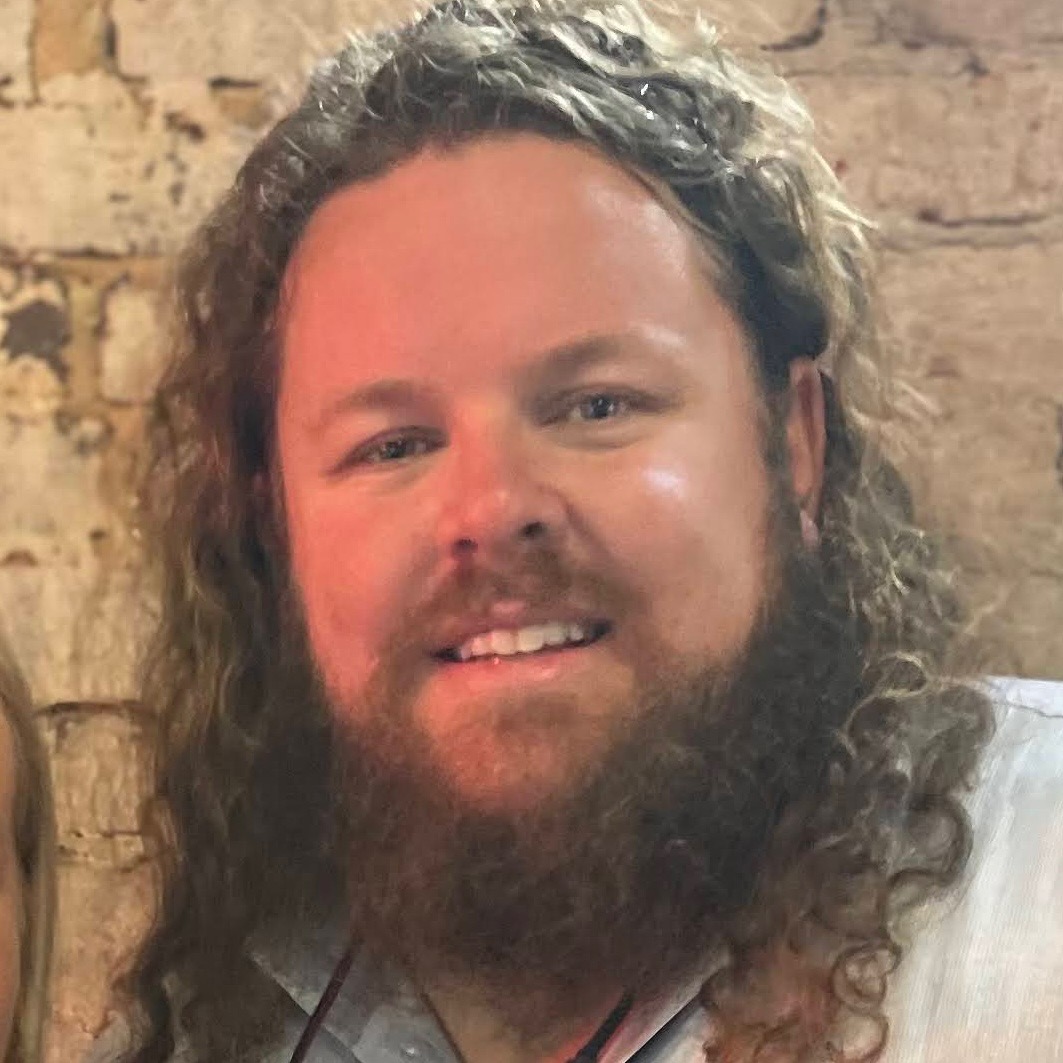
I've spent my entire career in agriculture and like many/most recruiters, I stumbled into this line of work. From the beginning, I've said I'm not a recruiter who happens to work in ag; I'm a grain guy who just so happens to recruit. That firsthand experience in grain merchandising, logistics, and the day-to-day realities of the business is what sets me, my business partner, and ultimately, One Degree Agriculture apart. Agriculture is a relationship-driven industry where your name is your brand and those relationships are built and earned over time. My mission now is to help agribusinesses find the people who will continue to build their futures!