

 Apple Podcasts
 Spotify
 Youtube Music
 #39 | The Performance Gap and De-Risking Your Build with Michael Drage
What happens when a top-tier corporate finance expert gets fed up with the investment world and decides to retrain in sustainable building design? You get a refreshing, zero-nonsense look at how badly the Australian housing market is currently failing us - and how we can fix it.
This week, Jess sits down with Michael Drage, the award-winning designer behind Reimagined Habitat. Michael treats building science less like an ideological crusade and more like a smart investment strategy: it’s all about research, precision, and de-risking the build.
If you’re tired of the "marketing spin" around 7-star energy upgrades and want to understand how a house actually functions for your health and wallet, this episode is a must-listen.
Useful Links:
Curtin University - The Performance Gap article
#23 | A Dialogue with Wolfgang Feist
Wikipedia - What is DFMA? (Design for Manufacturing Assembly)
In this episode:
-
Everyone should live in a healthy, energy-efficient home.
-
Michael's finance background influences his approach to design.
-
Volume builders often struggle with quality and efficiency.
-
Energy efficiency is crucial for modern housing.
-
Prefab construction can streamline the building process.
-
Passive House standards set a high benchmark for energy efficiency.
-
Airtightness is essential for moisture management.
-
Thermally stable homes improve occupants' health.
-
The future of housing must focus on resilience and sustainability.
-
Design for Manufacturing and Assembly can optimise construction.
Chapters:
00:00 Introduction to Reimagined Habitat and Michael Drage
01:55 Michael's Journey from Finance to Design
04:50 The Challenge of Volume Builders
07:42 The Importance of Energy Efficiency in Housing
10:28 The Role of Prefab in Modern Construction
12:27 Understanding Passive House Standards
15:26 The Science of Building Performance
18:21 Airtightness and Moisture Management
20:55 Training and Collaboration in Construction
23:33 Future of Sustainable Housing in Australia
28:24 The Advantages of Prefabrication
30:51 Future of Building: Resilience and Health
34:30 Thermal Comfort and Mental Health
38:56 The Connection Between Housing and Health
41:43 Rethinking Space: Building Smaller
45:14 Barriers to High-Performance Homes
51:10 Key Takeaways for Building a High-Performance Home
Connect with Jess here:
Thank you to our sponsors:
Thanks for listening. Happy healthy building!
Jess Kismet (00:00)
Hello and welcome to the Building Sciology Poddie My name is Jess Kismet and I am your host. Today on the show, I am joined by Michael Drage the award-winning passive house and net zero building designer behind Reimagined Habitat.
With Australians spending more time inside than ever before, Michael's work focuses on reimagining how our homes function, how they're built and how they connect to the broader environment.
Today we're gonna talk about design, science, materials, prefab, windows, and why Michael believes the future of Australian housing needs to look very different from the past. Welcome Michael.
Michael Drage (00:33)
Thanks Jess, it seems like we're gonna cover a lot in an hour, so we'll do the best we can.
Jess Kismet (00:37)
Let's get to it. So tell us a bit about yourself, stuff I haven't covered in the intro. How did you get here?
Michael Drage (00:42)
Sure. ⁓
So I'm actually a finance guy by background. I was in the investment industry for about 25 odd years and moved down to Canberra. I kept getting out of Sydney, kept getting pulled back into the finance game. So I decided to retrain. And when I retrained, I wanted to follow the passion of design. I basically just started looking at global best practice. And when I went down that rabbit hole with no background really in design, it seemed to be that passive house.
was the global best practice standard for energy efficient homes and where the puck was going to go. So I just started with that. you know, coming out of the investment world, it was I think one of what I've been told is a bit of a different perspective because I look at everything around risk and research investments all about risk and research. So I'm constantly looking about how do we just de-risk the build? How do we de-risk the design? How do we de-risk
a client spending money or us time. And that comes down to a hell of a lot of research as well. So yeah, I'm one of those people that finds your rabbit holes and runs down them all the time.
Jess Kismet (01:43)
That's an interesting take on design
is your finance background because people invest in homes as a financial strategy, right? But designing and building them is a different side of that same coin.
Michael Drage (01:55)
Yeah, and it's, you know, from an investment point of view, you know, whether it's your home or whether it's an investment property or whether it's, you know, a block of units or whatever, we're working on some co-housing ones in the moment with all the rule changes in Sydney around the transport hubs, there's a lot of work around co-housing. So if we look at that at an investment point of view, you know, the way that I look at it for the end, you you talked before about trying to democratize this stuff is if we can take money out of the equation,
then it becomes a question of why not as opposed to why build a better home. So if we look at that and try to take risk out and try to find those pathways where we can take money out of the equation, I suppose, you you can take the boy out of finance, but you can't take the finance out of the boy. Then, know, hopefully by taking that out of the equation, we can help people to understand why they might build a better home.
Jess Kismet (02:39)
You
Mm hmm. Yep. Fair enough. mean, money, is the you know, we'd like to think that comfort and design and you know, the better building envelope is the priority, but money is often the priority. So we do definitely have to work around it and work with it.
Michael Drage (03:06)
I have an old business partner and mentor who's unfortunately no longer with us, Tony, whose favourite comment used to be, it's not about the money until it's about the money and then it's only about the money. I don't know how many times I've given that line, but yeah, it's always true.
Jess Kismet (03:15)
Yeah, that resonates.
So the reason I actually asked you to come on to the podcast was a comment that I saw on LinkedIn. I'm interested in your work, but the thing that piqued my interest was something that someone said to you, someone from the volume builder space that called you and I believe asked you for help. Could you tell us that story?
Michael Drage (03:39)
Yeah, sure. Yeah, I knew that one was going to be provocative enough to get a few people having a chat. So this is going back a number of years ago when I was first on sort of on the journey and it literally came the week after we put the website up. It was bizarre timing. But a guy who runs, won't say one of the top 10 builders in Sydney rang me up and his comment to me was, we build crap. We know we build crap.
Jess Kismet (03:45)
Hahaha
Michael Drage (04:04)
but we don't want to build crap anymore. Can you help us? And you you could have knocked me over with a feather when we had this conversation. I've had many, many, conversations with this guy, their team and other people in the volume building industry as well. And a lot of them, you know, they just don't care. Some of them and there's just get it in, get it out, you know, get the profit, get the margin. A lot of these guys run on very, very, very low margins. So it's all about the volume and discounts and all the rest. But
Jess Kismet (04:08)
Well.
Michael Drage (04:33)
What I've found really interesting over this time is that some of the volume builders, really do want to build better, but either they don't have the skill set, they don't have the knowledge base because I think it's easy to come down. for me, when I went straight into the class, I keep on slipping down. When I came into the industry, I started at Passive House, which
Jess Kismet (04:50)
Hahaha!
Michael Drage (04:56)
is the extreme as far as performance goes. But it's easy to come backwards. Whereas if your benchmark is a five-star home, then going to six stars is, my god, how the hell do we do that? And going to seven stars is almost like doing your head in. And so trying to get the volume builders to turn their mindset to this and understand that, by the way, you might actually have to put some double glazing in. Or you might actually have to think about the design where you could pretty much turn up and get a five-star home before.
Jess Kismet (05:17)
Mm-hmm.
Michael Drage (05:23)
Um, but I'll give you another example of this is so we, picked up another top 10 builder and I said, right, we're going to give us, give you our most garbage one that we've got. That's a problem one and see if you can solve it. Right. So, and I don't know how, but they had a 2.9 star home in Cronulla Yeah. Near the water. Now I I'm still, it was a massive void with huge, with a massive stairwell.
Jess Kismet (05:43)
Mm-hmm. Was it big?
Michael Drage (05:51)
windows either side and all the rest of it. So, Jouven, who is my rocket scientist that works for me, he and I spent 20 hours trying to fix this thing. And this was one that was on the roll over. So I only had to meet five stars. But to... Yeah. Yeah. So I only had to get to five stars. We had to do 20 design changes to get this thing to five stars.
Jess Kismet (05:53)
Yeah.
So this was doing a NatHERS assessment, a star rating. Yep.
Mm-hmm.
Michael Drage (06:18)
For those listening, most of them, it should be seven stars. Some states are six at the moment, but you know, it should be seven. We then just for giggles used some of the windows that we're importing at the moment, the high performance windows and said, right. What about if we just switched the windows? And if all we did was change the windows to our windows that we use, it went from 3.9 to 6.7. And ⁓ with no design changes now, anything like that. But obviously if you're going to have crap single glass windows as opposed to, you know,
Jess Kismet (06:38)
Yeah.
Michael Drage (06:46)
high performing windows, there's a financial cost. So this guy, the owner accepted the 20 changes. And can I tell you, I wouldn't have lived in that house. To get it to actually meet it, it blocked out this and blocked out that and changed this. We weren't allowed to change the design at all. could only sort of muck with windows and building envelopes and all the rest of it. But yeah, they built it and we now do all their work as well.
Jess Kismet (07:08)
tweet windows.
So did they just, in order to get that star rating up, did they go with the more expensive windows or did they cut their glazing down by half or?
Michael Drage (07:16)
So.
No,
didn't have the budget. It's about that whole thing about it's not about the money till it's about the money, right? So that he didn't have the budget for it. The owner didn't have the budget for it. So they just built crap.
Jess Kismet (07:26)
Mm.
Mm-hmm.
So how did you get it to five stars? Was it just cutting down the glazing or?
Michael Drage (07:37)
was a couple of years ago now. we got
yeah we cut down the glazing ⁓ and moved some of it so that it wasn't wet spacing. Well I mean we're talking like I don't remember the exact details but there was like a three and a half meter by one and a half meter wide whole glazing wet spacing in Sydney yeah and pardon
Jess Kismet (07:42)
Yeah, it's pretty much the only lever you've got to pull. Yeah, yeah, okay.
Yeah, yeah. Was there a view?
Was there a view? No,
Michael Drage (08:04)
No, I went
past the site just again for giggles. I went past the site just to check it. I mean, it was a bit of a view, but nothing, nothing to do that. Anyway, we now do all we now do all their work and they're very happy and they're not building things like that anymore.
Jess Kismet (08:13)
Yeah, just somewhere to hang their chandelier.
Mm-hmm.
Good. That original builder that said to you, build crap, they, did you help them? Did they take your advice on board? you?
Michael Drage (08:28)
Yeah, yeah,
yeah. So it's been, yeah, they do. And so one of the biggest learnings with that has been, and this is one of the biggest struggles, and it's not just them, but it's pretty much every volume builder that we talk about. So a couple of them that I know are still talking about a seven star upgrade package. Now, seven star has been the baseline in New South Wales for quite a while now, and they still have seven star upgrade packages. So they have a price.
Jess Kismet (08:47)
Yeah, right.
Mm-hmm.
Michael Drage (08:55)
And then they have the seven star one and it's like, but guys, you, you, got to do that. You, you already have to do that, but they're marketing and their sales. Exactly. So, ⁓ but, but it's all about the marketing and from what I've been told, it's such a competitive market that a couple of thousand dollars either way will either win or lose you the job because these volume builders are working on such tight margins.
Jess Kismet (09:02)
That's minimum.
It's all about the marketing spin.
Michael Drage (09:19)
So they've got to get them in before they do the upgrade. Excuse me. So trying to change the... Sorry.
Jess Kismet (09:19)
I got told once that... Yeah, I got told once.
Sorry, I got told once that by a volume builder here in South Australia when I was doing star ratings that $500 was enough to lose my contract. It's just so sensitive.
Michael Drage (09:35)
Yeah.
No, but it's changing that behavior to try to get them. So with those guys in particular, what we've done is we've them that as early on in the design process is to get us involved. So if we can be in there early on, then we can help them at a design level, not just an energy rating point of view, because my team are all architects by background as well.
Jess Kismet (09:36)
fine.
you
Michael Drage (10:00)
You know, they've actually got a design sensibility. It's not just about crunching a number. So you were able to get in there and yeah. Yeah. So, you know, it's not just, we'll change this, push that because this is the number that you want. It's about, well, you know, if we consider this or we consider that, how does that kind of work at a design level? And I think that's quite important. So getting them involved really early is, the absolute key. And since they've done that, then all of a sudden their salespeople come to us.
Jess Kismet (10:04)
And that's the key message.
Michael Drage (10:28)
We're having those conversations and they're not losing jobs. That's
Jess Kismet (10:32)
your team, what is it that you said you got architects?
you are in design, you're in consult, you're in sales as well, like product sales, and you're in prefab. There's this fair mix of services that you offer at Reimagined Habitat. Do you do all of them all the time? Do you have one main service?
Michael Drage (10:49)
So I deliberately set them up with three different names. So again, coming out of the investment world, I worked for, know, and don't, don't slight me for this, but for the Macquarie's and InvestEx of the world and whatever. And so being able to run in siloed so that we can actually work with other professionals. So I think it's really important if we're going to provide all those. So, you know, if a client comes to us for a design, then obviously we're to be doing all the energy assessments as well, They may or may not choose to use the prefab and the
Jess Kismet (11:04)
Mm-hmm.
Michael Drage (11:17)
and all the windows. If somebody comes to us for energy advisory work, they may choose to use one of the other services. But like most of our energy advisory work is with volume builders or other designers. And so we try to keep that very much siloed from, and sorry, and a lot of apartments as well, but we try to keep that quite siloed. And then the prep fab side of things, obviously,
Jess Kismet (11:29)
Mm-hmm.
Michael Drage (11:39)
I'll tell you the story about proof of intersect, but again, most of the some of the work comes through our clients and that most of it's coming through other architects and designers outside of that and builders. So it's deliberately set up so we can engage with all parts of of the building, the built environment and for them to feel comfortable that we're not going to steal from one to the other. ⁓ So therefore happy different branding so that somebody doesn't go, you know.
Jess Kismet (11:49)
Mm-hmm.
Mm-hmm.
Michael Drage (12:05)
I've come to him for design or her for design and I'm going to go over to you guys because I see you do design. It's very separate. It's very separate. But if I can, if you don't mind me just coming back to how we made it into the prefab side, that might sort of help a little bit. So started designing. Didn't really understand it because I came from a different world. I was always known in my old
Jess Kismet (12:11)
Mm-hmm. Mm-hmm.
Mmm, play stick.
Michael Drage (12:27)
businesses about research. So I set up this little research business, which has become Efficient Habitat which is now the energy advisory business. And as we get all the work on that, we've I don't even know how many analyses we did 512 passive house analyses just for one house, just to see how it would work right as a, as a process. Um, by hand. Yeah.
Jess Kismet (12:49)
How did you do that? the PHPP?
512.
That must have taken decades.
Michael Drage (12:57)
I told you I've got a rocket. have a rocket.
No, no, no. I have Juven. Juven is a rocket scientist. He's absolutely wonderful. And we have six Passive House designers. Well, he could be if he wanted to. ⁓ Yeah. No, he's an architect by background. He's also lead qualified. He's doing in master's in sustainability at the University of Spain at the moment. He's quite a smart boy.
Jess Kismet (13:07)
and actual rocket scientists.
I was just a clever boy.
Mm-hmm.
Mm-hmm.
Mm-hmm.
Michael Drage (13:24)
But we have six passive house designers in-house, so we can share the life. Anyway, so when we got through the research of it, the reality was that for a given design, the air tightness and the windows were the two biggest drivers of performance. You can cut all the rest of it out. Once you got past design, were the two biggest drivers. So I looked at risk and then said, right, so if I'm getting a client and they, whether it's eight-star, three-star,
Jess Kismet (13:27)
Mm-hmm.
Michael Drage (13:51)
passive house, whatever, what are we actually going to be, how do I do risk that? And that came out of some other research that I've read, which I don't know whether you've seen the James Curtin research on as built versus as design. I don't know whether you've ever seen that. right. So yeah. And I'm, sorry for people who are going to listen to this and be quite put off the whole industry, but, um, so James Curtin did a research assignment back in 2020. It was published and they,
Jess Kismet (14:04)
No, I haven't. I would love to read it.
Michael Drage (14:18)
did the research on 138, I think it was homes and they checked the performance versus the design. So the people listening, they probably don't know that when you get a star rating, a seven star, eight star, whatever, that star rating is based off the design and it is actually not tested at the back end. So, and this is the performance gap, the performance gap that we talk about. So what they found was that
Jess Kismet (14:36)
Yes, this is something that we, yeah. Yes. Yep.
Michael Drage (14:45)
the houses were performing 20 to 80 % underneath what they were designed to. So this is back in the day when there was a six star. So you could have paid for a six star and you were getting a 1.2 star. And for somebody who comes out of the investment industry, them apples just don't add up. You do that systemically in the, the, you, you deliberately and systemically underperform in the investment industry. You go to Joe.
Jess Kismet (14:59)
Yeah, sounds about right.
Mm-hmm.
Michael Drage (15:15)
So my head is just not wired that way. It just makes no sense to me. And I tell my friends from the investment board and they're like, what? How the hell does that happen? And I say, yep, that's what it is. Yep. And I talk to the builders here in this industry and they go, yeah, sounds about right. You know, you did just a minute ago.
Jess Kismet (15:26)
snow and chicks.
Yeah, yeah, I'd love I'd love to. Yeah, I'd love to.
I'll link if you could send me the link or I'll look up on Google the link or the resource for that article and I'll put it in the show notes.
Michael Drage (15:39)
I will. Yeah.
So the only reason why I went down the path of prefab, right, and I've found other reasons since, but the only reason was to try to de-risk the build. So if I knew that the real performance was being driven, know, big drivers airtightness, then how do we actually do that and take risk out of the build? And that's, you you do something in a factory, there's less risk than trying to do it on site. So that's the only reason why we went down the prefab path was just to try to de-risk the performance for our clients.
Jess Kismet (16:07)
Mm-hmm. Mm-hmm.
Michael Drage (16:12)
It's become a thing since because a lot of other people have worked that out as well. But, you know, that's the only reason why we went part, it was all about risk. It was all about risk.
Jess Kismet (16:21)
And
what is your wall assembly?
Michael Drage (16:24)
So I actually bring it in from Poland. for people who watch the grand designs and they see the big wall panels being sort of crammed across, there's actually, I'm in WA at the moment because there's one happening about 300 meters that way at the moment. So, you know, it's that same structure. we've got, it's not plasterboard, but it's an equivalent, it's a fire-rated plasterboard.
On the inside with the airtight wrap, anywhere from 120 mil to 300 mil stud, depending on the performance required. obviously 300 mil is pretty extreme, but if you want to go up to gender bind, can. Wood fiber insulation in the middle of it all so that the whole thing becomes a carbon sink. And then again, depending on the moisture side of things, might have OSB on the outside and then the external wrap, or you might have just the external wrap.
Jess Kismet (17:00)
Well, that's, yeah. Yep.
Mm-hmm.
Michael Drage (17:20)
And then you literally batten and clatter like you normally would. And effectively you can do that. External walls, roof, floor, intermediate panels, everything's pretty much the same. So this house over here is 350 square meters. All the walls went up in a day. And the roof will take two days. So in five days, they'll go to the lockup. And three days to put the tin on. And it'll be...
Jess Kismet (17:20)
Mm-hmm.
Yeah, well.
all in the same. Yeah. that sounds great. That sounds like a really good system.
Mm-hmm. Mm-hmm.
Michael Drage (17:47)
completely ready to go. ⁓ And the owner was telling me today that there was a place around the corner, which I haven't seen, but it's been going for eight months and only just put the key, you know, only just that lock up now, but no plaster, no insulation, no anything. And so in a week, we're gonna get, we're gonna catch up and go past what they've spent seven months on so far. So yeah, pretty cool.
Jess Kismet (17:49)
Mm-hmm.
Mm.
Goodness.
Yeah. Prefab is definitely a massive advantage in speed. that sounds like a really good system. Do you blow it up? Yeah. Yeah. Do you blow it or test them? All of them.
Michael Drage (18:16)
and perform and performance.
Some people do, some people don't. I'd prefer it's up to the client. If I'm doing it, a million percent. The ones that we've done with the blower test, because we actually do some of that work as well, you've really got to stuff it up to get over one. You've got to try hard to get over one.
Jess Kismet (18:23)
So it's up to the client.
Mm-hmm.
Yeah, yeah.
Mm-hmm.
You've got the internal internal
air barrier you said, so there's actually the internal membrane. Yeah, yeah.
Michael Drage (18:44)
It's already in there. It's already in. Yeah. Yeah.
That's a standard. So it's pretty hard to get over one. If you wanted to get down to, you know, Trent from Red Cedar, he did one with that panel system going back a while ago. I've never touched it before. Got 0.5 without, you know, without trying too hard. So we bring them in from Poland, the company we work with has been going for 35 years. They've done thousands.
Jess Kismet (19:03)
Mm-hmm. Mm-hmm.
Michael Drage (19:10)
Camille who runs it called me a little while ago and said, I had your last one going. He said, we had a really bad one. were at 0.89. So he, Well, I mean, we talk about that performance gap and there was a guy who was being trained to do some airtightness testing in Canberra where I'm living most of time. There's some estates up North called Taylor.
Jess Kismet (19:16)
Which by Australian standards is very very tight but...
Michael Drage (19:32)
um is an area and so peter went out there and did three airtightness tests on brand new homes 23 24 and 26 brand new just finished yep 23 24
Jess Kismet (19:41)
What? What?
For those listening,
23, 24 and 26 air changes, does it have a roof? Like that is extremely, extremely, extremely leaky. And which climate was this in? Canberra.
Michael Drage (19:57)
Yep. So particularly when NCC
is 10, NCC is 10, right?
Jess Kismet (20:02)
NCC is 10. The old Australian average was 15.4. The new Australian average is 6.8 or something like that. So 24, 25, 26 is absolutely insane. How careless.
Michael Drage (20:14)
Yep.
Yep, exactly. you can pardon this was when are we now? Early this year?
Jess Kismet (20:17)
my god, when was this?
When.
my goodness, there's no excuse.
Michael Drage (20:27)
No, no, I won't name and shame, we know who the people are, the builders, yeah, shocking.
Jess Kismet (20:33)
There
must have been holes big enough to fit, you know.
I don't know. What's a big animal? A big animal!
Michael Drage (20:37)
I know it's
hard to have words when you hear it right?
Jess Kismet (20:43)
Yeah, I mean, with modern construction methodologies, is absolutely no excuse for that.
Michael Drage (20:50)
There were holes around the windows. was shocking. And these are brand new.
Jess Kismet (20:54)
my gosh.
All right, let's go to the other end of the spectrum. So you went straight into Passive House. So you looked at all of the I don't know how you came to that conclusion. You found Passive House as a early, earliest part of your design career. found Passive House. How did you find Passive House so quickly? And how did you know that that was the route you were going to take?
Michael Drage (20:56)
Thank you.
rabbit holes, lots of rabbit holes. ⁓ yeah, it was so my old businesses, we were, we were known about working on global best practice. So all I did was look at it and say on the research says, where are we going? Okay. We need energy, highly energy efficient, resilient, sustainable homes. What is global best practice on that?
Jess Kismet (21:17)
Yeah, research.
Michael Drage (21:38)
So I just ran down a rabbit hole after rabbit hole and this is back in 2016, 17 and that was the best I could find. So I just thought, right, I'll just start there. And so it was great because that became my basis and I didn't have to, as a lot of people have said to me, I didn't have to unlearn things, but it was terrible. But it was terrible because that was my basis. And then I went on sites and thought, what is this crap? What is that?
Jess Kismet (21:44)
Mm-hmm. Mm-hmm.
Do that.
Yeah, definitely.
Yeah. Yeah.
Michael Drage (22:08)
And then I became totally
utterly disillusioned with so much that was going on. um, so it's been a, a benefit, but a bit of hindrance at the same time, but I'm, not one of the people who's, you know, there's some of the passive house people and sorry to the, to some of the people, you know, I'm not that true believer of the passive house to me. Has it houses? It's just a bunch of building sites that, you know, came about for those who don't know passive house came about out of a research process by the German.
Jess Kismet (22:12)
Mm-hmm.
Mm.
Mm-hmm.
Michael Drage (22:36)
government trying to find ways to reduce heating and cooling loads by 70 percent. So that was where it all came from. and this pathway that
Jess Kismet (22:41)
I actually interviewed Wolfgang
Feist on the podcast a few weeks ago, the founder of Passive House. Yeah. Yeah. So he gave us a bit of a, it was, it was really good.
Michael Drage (22:46)
cool. Yeah, that would have been fun.
Yeah. Yeah, he's been following me on LinkedIn now. think I've a couple of chats anyway. So people will probably know that background. So,
Jess Kismet (22:57)
Hmm.
Michael Drage (23:03)
So for me to get, for him to come up with that, he had to give some numbers and some parameters around some targets to be able to call something, a thing which just happens to be called Passive House, right? So for me, if you use that building science, it doesn't matter where in the world, whether you're in Darwin, whether you're in Tasmania, whether you're in the middle of Uzbekistan or it doesn't matter, is science, right? So for me, it was taking that science and trying to use what was appropriate for that
Jess Kismet (23:13)
you
Mm-hmm.
Michael Drage (23:33)
those different areas. I don't honestly, I don't care if people get a passive power standard or not. They want to, that's fantastic. But if we can at least do the verifications, at least do the work, at least understand what the parameters are, and then check to make sure that things are actually getting built to that standard, then, you know, then that's what we want to do. That's, that's what I want to do. I'd rather have lots of people doing a bit better.
then a couple of people doing amazingly because that's not impact. A couple of people doing amazingly is usually rich people, you know, being able to tell their friends as opposed to, you know, it's like with the stuff we do for the volume builders. tell the guys, you know, if we can get everybody up 0.1 or 0.2 stars, that's more impact globally than us doing 10 passive houses or 20 passive houses or whatever. So.
Jess Kismet (24:07)
Yeah. Yeah.
Mm-hmm.
Michael Drage (24:27)
Yeah, we can get that little bit and then we take them to the next level. We take them to the next level using that science, using the research, then that's more global impact.
Jess Kismet (24:36)
Mm hmm. So what do you think are the most important parts of Passive House or of building science that Australia needs to adopt?
Michael Drage (24:43)
air tightness and then understanding what air tightness means to moisture management. They're the two combinations of two different things. After design, I mean most people in Australia as soon as we talk about passive house talk about passive solar and a lot of the passive, I actually don't think that the PHPP which is the passive house modeling tool, I don't think it takes into account the warmer climates as well as what it should. I think it's too skewed towards cold climates.
Jess Kismet (25:08)
real calendar Christmas tree starts in 30 minutes.
Michael Drage (25:09)
So I do think we need to look at shading, whether that's intermittent
variable shading or whatever that might be. We need to look at that a lot more. So design is absolute key. But once we get past the design, it's actually verification and air tightness, I think is another one. And then obviously windows, because the windows make such an enormous difference.
Jess Kismet (25:30)
Mm-hmm. Mm-hmm. I couldn't agree more.
Michael Drage (25:31)
Again, I can talk about this for three or four hours and I know we've only got a bit time.
Jess Kismet (25:36)
No,
I couldn't agree more. Airtimeless is the underpinning element of any well high performing or well performing building. And it's the easiest to achieve. Well, it's the easiest to check. And once you understand what you are aiming for, it's relatively easy to achieve as well. So, yeah, I couldn't agree more. I think thermal bridging is also something that gets missed and that
Michael Drage (25:46)
Mm.
I think.
Jess Kismet (25:58)
plays into the whole air tightness moisture management thing as well.
Michael Drage (26:01)
Yeah, I agree. I think the biggest thing is training, right? ⁓ And like we had a prefab home that we did in Canberra, and we did an air tightness test in the morning, right? And I can't remember what the number was off the top of my head. But then the sparkies were coming in later on, we said to them, right, as you're poking things through from outside, little tiny hole, right? And then, you know, we're to seal it off afterwards and all the rest of it, right? You got that? Yep.
Jess Kismet (26:05)
Mm.
Michael Drage (26:27)
Yep, yep. Came back in the afternoon, did another blower door test for some reason, I don't know why. And it had gone up. And nobody could work out why. And then we went and looked at all the penetrations. They were all like that. And there were about three or four of them. Right. And it was just going straight out. And that was the conversation in the morning. Don't do that. Come back in the afternoon. And that's what they done. to jammy it all back up and all the rest. So, excuse me, that's that training and understanding and taking the
Jess Kismet (26:33)
Mm-hmm.
Mm-hmm. Mm-hmm.
Yeah.
Michael Drage (26:52)
the trades on the journey of understanding what the consequence of their actions are. ⁓ And then finding those trades who actually have ears and are prepared to listen to what that is ⁓ and then do something about it. It's like, know, poking insulation in and actually making sure it goes right up to the beams or the posts and not leaving gaps. Again, you can say what you like. I looked at a prefab manufacturer. There's a promotional site.
Jess Kismet (26:56)
Yeah.
Mm-hmm.
Yeah. Yeah.
Michael Drage (27:18)
for a prefab manufacturer, won't say which one and all the, the insulation is falling out. That's like, you've got to be kidding. No, not at all. Gaps everywhere. So, but that's not them. It's, you know, the staff or the trades not doing what they're meant to do. So I think a lot of training is really required on that.
Jess Kismet (27:25)
Mm-hmm. Not a good look. Mm. Yep. Yep.
Yeah, for sure. That collaboration piece is so, so important and it comes up time and time again, early involvement, early design, early collaboration on design and then collaboration on site. was speaking to someone on the, client on the phone today and was sort of impressing upon them the importance of collaboration. They're just sort of moving into this space and it's, you know, it's just so important to get everyone on site on the same page, isn't it?
Michael Drage (27:48)
Yeah.
Jess Kismet (28:06)
It's so important because you can design all you want, put all the fancy red lines on a page and specify all the different products that you like. But if the people on site are not putting it together in the correct way, it's a waste of time. So.
Michael Drage (28:17)
Which
is why, and this is entirely the reason I went down prefab and whether it was ours or whether it was somebody else's, didn't matter. For me, I grew up, my dad's an engineer and came out of the automotive industry. So I grew up with that precision sort of being built into us. My dad was possibly a bit extreme on that, but yeah, but that precision and you do something in the factory where you've coded it and it's done. It's hard to get, the way I look at it is if you do it in a factory, it's hard to get wrong.
Jess Kismet (28:24)
Mm-hmm.
Mm-hmm.
Michael Drage (28:46)
And if you do it by hand, it's hard to get right. So that's the way that I look at it. And I'm not saying that some people can't do it. There are some amazing builders who can do things by hand that, you know, that are truly amazing and truly fantastic, but it's harder to do. And there are more chances for things to go wrong than if you do it in a factory. So that's.
Jess Kismet (28:49)
Mm-hmm.
The I like about prefab...
The thing I like about prefab is that it stays dry.
So you build it in a factory, it's not gonna get rained on.
Mm.
Michael Drage (29:14)
And was
interesting. was looking at a manual for the guys that we work with with TARDEX and there was something about installation and it was talking about if this is left out and if it gets wet, do not cover it up. Do not, it's all just standard stuff. And Camille was telling me the other, well, he was actually showing me, so they've got moisture managers. They test the moisture of the wood. And if it's not in that 13 to 16%, they send it back.
Jess Kismet (29:29)
Mm. Mm.
Yep.
Michael Drage (29:42)
So they know that it's not going in for anything more. so, and I've never seen that. I've never seen a moisture test in Australia. Um, I've just never seen it. Perhaps it. Yep. Great. Fantastic.
Jess Kismet (29:44)
Mm-hmm. Good.
A couple of my clients do it. It's something that I talk about.
Yeah. The timber framing code says 14%. It should, the timber should not be more than 14 % moisture content. I think 16 % is the upper limit of what is, you know, acceptable from a mould growth perspective. But yeah, that's another part of as built construction that we can't control. Well, we have less control over.
Michael Drage (30:00)
Mm-hmm.
Jess Kismet (30:15)
out on a building site. So yeah, I like that element of prefab for sure. ⁓
Michael Drage (30:20)
We've got a place going up
literally across the road from our own home at the moment. And I'd want to leave it out for a couple of weeks to dry out from where it's been in the last little while. Because it's, it's, it's, sodden is absolutely sodden
Jess Kismet (30:28)
Yeah. Yeah, I, yeah.
Yeah,
yeah, I drive past projects all the time with roof blankets exposed to the rain for weeks on end and, you know, just timbers and nonchalant builders who say, it'll dry, you know, how long, when, and will that be before insulation and cladding? And how do you know? Exactly.
Michael Drage (30:47)
And how are you checking? How are you verifying? Yeah.
Jess Kismet (30:51)
You mentioned that current building methodologies aren't going to meet future health comfort or energy targets. What do you think is going to become the new normal in the next decade to address this?
Michael Drage (31:02)
So I think it's going to need to evolve pretty quickly. And I think the word that we're going to hear more and more is resilience. We're starting to hear it a little bit, but I think it's going to become the word around building in the future. And that resilience is going to be, know, that the house will be resilient from outside, that the house will be able to operate on its own if we have climate.
which knock out power, which create issues for everybody. But it's also resilience from a health point of view, because I think, I look at passive house or airtight structures or whatever, and I actually think that the health benefits of having a thermally stable environment in the very short term possibly outweigh the energy efficiency side of things. And how the hell do you put a number on that? ⁓ I've got...
Jess Kismet (31:50)
Mm.
Michael Drage (31:52)
somebody who works for me, I won't say her name, but you know her, who is moving house at the moment and has severe allergies and asthma. And she said to me the other day, there were hundreds of places that were for rent that she was moving home. There were only three or four that she could apply for because of how they were built, when they were built, mould and all the rest of it, because it was going to affect her health too much.
Jess Kismet (32:15)
Mm. Yep.
Michael Drage (32:19)
We've got one we're helping to design and we'll probably do prefab for in Adelaide actually. And their daughter is, she's profoundly blind, but also has some other issues. this house, if she goes outside of like 20 to 25 degrees, she has a complete meltdown. Her body just doesn't cope with it. ⁓
Jess Kismet (32:29)
Mm-hmm.
Mmm, goodness.
Michael Drage (32:41)
So
they're building a smaller house to a really high performance with very low light coming in as well, because she actually did the quad lot of issues with this poor girl. ⁓ so we're designing this around, around that. they've got to passive house, not really passive house, but a thermally comfortable home all around doing the right thing for their daughter. And, you know, you would have seen the studies around mental health benefits and everything for thermally comfortable spaces. You know, we.
Jess Kismet (32:51)
Wow.
Mm-hmm.
Mm.
Michael Drage (33:10)
We know that if we keep within a certain parameter our bodies don't go into stress and therefore our physical and mental health is better. We had one client who is one of the, well actually we've got two now, two of the most senior people in the Defence Force Medical Corp for them. And both of them have retrofitted or are in the process of retrofitting all their windows and upgrading everything because they know the health benefits for their families. Right?
Jess Kismet (33:33)
Mm.
Michael Drage (33:35)
And what was really cool is we did the retrofit of some windows and doors and everything for one house. And it's a lovely house, but at a thermal point of view, it's the wrong way around. It's just old. It's all this sort of stuff. And we got some insulation, put it all in. The best comment was from the three little girls. got three young girls and I just got known as the window guy because we were helping them with windows. so, so.
their comment was, was that they were able to run around without their shoes and socks on and that they had lived that come from Townsville to Canberra and that the air felt more like Townsville. It wasn't dry and cold and blowing through and all the rest of it. All of a sudden there was a little bit something to it. And these little kids were just happier because they were in a, in a better space. It was so cool.
Jess Kismet (34:06)
Yeah.
Mm-hmm.
Mm-hmm.
Mm-hmm.
Mm-hmm.
Mm-hmm. Mm.
Michael Drage (34:30)
So I think having thermally stable, when we're talking resilience, it's resilient from the external elements. It's resilient to shocks from maybe losing power. We talk about losing power in the future and that it might become a bit more intermittent. are we able to go, particularly with the crazy good deal which you can get on solar and batteries at the moment, are there pathways to...
become less reliant or non-reliant on the grid. Are they having something thermally stable so if it's 45 degrees outside that you're not getting, you're not too affected by heat. It snowed in Jindabine yesterday in December. How will it be? Yeah, yeah, crazy, huh? I was here in 35 degrees just about melting.
Jess Kismet (34:57)
Mm-hmm.
Well, what? Well.
Michael Drage (35:23)
and yeah, I got a call from a client who's up there and it was snowing. So all these, all these different things, but I think the resilience very much comes down to as well that the house is going to, the house is going to survive. It's, it's going not, not just that you're able to survive through it, but the house will survive all these things. again, you, you know, or would have been dealing with a, that an airtight envelope is what is going to help in a bushfire. having.
Jess Kismet (35:26)
Wow.
Michael Drage (35:48)
you know, something like a HRVs. So we've got a HRV in my office. And through the the bushfires of 2019-20, my house, is a 1961 beautiful mid-century thing, you know, upstairs was like pea soup. But the office, you know, we didn't have an air conditioner, we had zero smoke egress, and it cost me and we were all down in my office the whole time.
Jess Kismet (36:05)
Mm-hmm.
Mm-hmm.
Michael Drage (36:16)
And it cost me 20 bucks to replace an extra set of filters. That was it. All right. So I don't health resilience. Yeah. Yeah. Not, not to passive house level, but you know, it's two air changes per hour and it's, you know, all the rest. So, you know, we don't have an air con in there. We have a little bit of heating because we don't get it in. It's, you know, it just works. ⁓ so I think they're the sort of things that need to become the norm. And I think as governments,
Jess Kismet (36:21)
Mm-hmm. So, so your office has been retrofit? You're that area of the house? Yep.
Mm-hmm, mm-hmm, mm-hmm.
Michael Drage (36:45)
may hopefully one day start looking at getting out of silos and looking at holistically about what a house can do for the society. Then I hope like crazy that we'll come out of that silo of, well, this is what a house is as opposed to, well, this house is going to help from a health point of view. ⁓ So I can rant about this forever. There's one thing that I'm on my high horse about at the moment. And I was shown a design
Jess Kismet (37:04)
Yeah.
Michael Drage (37:12)
And we were asked to tender for a prefab for a government job. And I looked at the design and thought, this is a bit weird. You know, what's happening with this design? anyway, the living dining kitchen was downstairs and then there was a bedroom downstairs and there were three or four bedrooms upstairs. I can't remember a little open area, but the whole living dining kitchen was actually closed off. And so under legislation, they only had to provide heating and cooling.
or the living, dining, kitchen area. The rest of it had no conditioning at all. And I spoke to the builder and I said, well, so what happens with this? And he said, well, we're constantly having to go back. This is what's mandated by the government. We're constantly having to go back and prove that we've put insulation in, prove that we've done all the rest of it, because all the tenants are complaining that it's too hot or too cold.
Jess Kismet (37:44)
Mm-hmm.
Mm-hmm.
Michael Drage (38:02)
Right now, sorry, going down the research path, this, I can't remember the name of the lady, but somebody did a PhD, I think on the performance in Melbourne of, as you changed social housing and what happened with that. And the health and societal differences as you change that were enormous because if you think about social housing, that's generally speaking, it's a lower social economic group.
Jess Kismet (38:27)
Mm-hmm.
Michael Drage (38:28)
the kids are sick, then mum and or dad can't go to work because somebody's got to come home and stay looking after the kids. So if that's happening perpetually because the house or the living and lived environment is bad, then the parent can't go to work. Now, if the parent can't go to work, they're not going to have stable employment. If they don't have stable employment, then what happens about putting food on the table? And then what's happens then on the social impact? And what are we paying our taxes for and around and around it all goes, right? So the
Jess Kismet (38:54)
Mm-hmm. Mm-hmm.
Michael Drage (38:56)
you the social impact of actually having a house that, you know, we knew by looking at this thing that people there were going to get sick because it was going to either be too hot. didn't even have bloody fans in the thing. Not even a fan in the bedroom.
Jess Kismet (39:06)
Hmm.
Wow. Yeah. Hmm. Yeah. Quite warm and quite cold. I've often lamented about the disconnect between the housing industry or the building industry and the health industry. just, there is such a strong link there that is not, doesn't seem to be made, doesn't seem to be addressed, you know, to the point where, you know, you go to the GP for
Michael Drage (39:10)
It gets quite warm in the camera. ain't quite cold.
Jess Kismet (39:31)
any number of ailments and they don't think about your living environment as a contributor to your health, generally speaking. Chronic inflammatory response syndrome is not commonly understood by the medical fraternity. Mould illness is not understood. yeah, it's a huge gap and I don't know who's going to fill it, but all we can do is, I guess, help people build healthier homes so they don't have to use the medical fraternity as much.
Michael Drage (39:52)
Exactly. mean, and
again, things like what you're doing with this podcast, hopefully, you reaches more and more people ⁓ to be able to, you know, the way that I look at the research and everything that we do is, is to create an environment for people to make an informed choice. That's all it is, right? I don't want to say you have to do this or you have to do that or whatever. It's not my house, not my choice, but the people to make decisions without understanding what that means.
Jess Kismet (40:00)
Mm.
Ahem.
Mm-hmm.
Michael Drage (40:21)
Then I think, you know, for what is generally speaking, the biggest investment of somebody's life. I think it's a fault is a false economy. And this is what I talk about to a lot of people that come to us and ask. I say to look, you know, we can do a passive house analysis. We can do all these other things. Don't have to build it. Just know what's going to happen. Right. Make choices. Use this to make a choice. If you want to go and spend that money on gold taps, go and put it on gold taps. That's fine. That's your choice. Right. If you want to say that I've got a budget and I want the gold taps.
Jess Kismet (40:25)
Mm-hmm.
Mm.
Michael Drage (40:50)
but I want a high performing home, then build smaller. So take the choice, take out the media room and invest in something a little bit better there. Make those choices in an informed way. Don't be pushed one way or the other or make a choice without the information. It's not up to to build it into them. It's up to us to give them the information so that people can make a choice.
Jess Kismet (40:53)
Mm-hmm.
Mm, yeah.
Yeah.
Yeah,
Hmm. Yeah. That comment you made about, it's not about the money until about some money, until it's about the money. And then it's all about the money. I mean, housing and construction is always going to be primarily about money and budget. but what you say, you've mentioned a couple of times now about building smaller. This is the key. One of the key messages that, know, you, of course you can, you've, you've got a budget. You can fit a better performing home within that budget. You just have to adapt to that budget. Just build, like you say, build smaller. People don't want to hear that though.
Michael Drage (41:43)
I did it did for China. I'm going back a couple of years ago now. Last year anyway. And you know, we have the largest per capita lived environment in the world of 89 square meters per person. I didn't realize that New Zealand somebody sent me something on LinkedIn the other day saying that New Zealand was trying to catch up. ⁓ But if we take New Zealand out, the next one was the US at 77.
Jess Kismet (42:01)
You
Michael Drage (42:06)
We're almost, you know, we're 15, 16, 17 percent bigger than the next biggest. You look through Europe and it's 40 square meters per person. Why do we need to be building 89? I'm not saying that we need to go and get a little tiny home. I'm not, you know, a proponent of a tiny home. You need space, particularly with multi-generational living. But you need to just think about what is enough.
Jess Kismet (42:15)
Yeah, well.
Michael Drage (42:29)
Yeah, what is enough?
So the people that I'm here helping with their prepap home at the moment, they have some friends who are building a 600 square metre home for the two of them in retirement in the hope that the grandkids are going to come and hang out with them every now and again.
Jess Kismet (42:45)
600 square meters.
Michael Drage (42:46)
Now,
yeah, so, you know, firstly, how the hell do you clean that puppy? Right. So, you know, well, I'm not so sure. And, you know, they're from the building industry, so they know, ⁓ which I just don't understand. ⁓ You know, I've got five kids, know, second marriage, we've got five kids between us. And I can't wait to get into a small arm.
Jess Kismet (42:52)
Yeah, they will obviously they can afford cleaners.
Mm-hmm. Yeah.
Yeah.
Yeah.
Michael Drage (43:12)
I cannot wait. I
don't want it all. Somebody else, another family should have our home. Because it's a great family home and they'd be able to use it. They'd also have a very lovely passive house level office, but that's probably the only thing that's keeping us there. But building smaller, building smarter. I'm working with somebody at the moment
Jess Kismet (43:18)
Mm.
You
Yeah.
Michael Drage (43:37)
we're looking at a, we've done 120 square meter design and 160 square meter design where, where.
We're turning it basically through design and then management, turning it into an energy making machine. So through design and orientation and all the rest of it, and then having a very tight envelope to make this thing into creating as much energy. then the secret sauce is what do you do with those excess green electrons, right? So how do you optimize the use of those in society?
Jess Kismet (44:02)
Mm-hmm.
Michael Drage (44:07)
But these are going to be 120, 120, there's nothing we've done that's bigger than 150 square meters.
Jess Kismet (44:13)
I guess if you design it properly, that can be quite a lot of space if all of the space is used. Yeah.
Michael Drage (44:13)
Don't need it.
Totally,
Keep hallways to a minimum. You don't need a four metre by five metre bloody bedroom for everybody. You also don't want to have them too small either because you need to be able to go through intergenerational. Like as the teenagers need some room. mean, you can't get all your clothes, you need room to throw all your clothes on the floor. You need a bit of floor space for that.
Jess Kismet (44:29)
Mm.
Mm-hmm.
Exactly, you need room for your floordrobe ⁓
Michael Drage (44:45)
Exactly,
the floor drop. I've never heard that before. I'm going to use that. Tessa, my youngest daughter, I'm going to be using that on you. Yeah, the floordrobe ⁓
Jess Kismet (44:49)
I've got two teenagers, they're all about their floordrobe
All right. What in your opinion are the biggest barriers
we're facing? You know, we talked about a lot of them, but let's make it, you know, a succinct question. The biggest barriers we're facing in achieving high performance homes, making them accessible here in Australia.
Michael Drage (45:14)
Okay, so there's about 400 parts to that. So the biggest thing is thinking about it early. So early on in the design phase. So if it is part of the initial design thinking and the design thinking all the way through, it's actually not that hard. If it is considered...
Jess Kismet (45:18)
you
Mm-hmm.
Michael Drage (45:35)
a fair way into the design process, then it can become quite difficult or it can become quite expensive. the best way to do it is to think about it and integrate it into the thinking from day one. Right? So that's why I think people who work, I'm not saying passive house designers or, you know, whatever, are better designers. They're not necessarily, but I think where designers who have had training in that area,
Jess Kismet (45:48)
Mm-hmm.
Michael Drage (46:04)
have it intrinsically as just part of the thought process. So it clearly then defines how that pathway is going to go. So quite often I'll go onto a site or whatever and you can actually look at the site, look at the orientation, look at the trees, look at everything else. And I can pretty much work out what the shape of the house is gonna look like in that first meeting. And then I'll go and design or somebody in the team will go and design off the back of that.
Jess Kismet (46:06)
Mm-hmm.
Yes.
Mm-hmm.
Michael Drage (46:32)
That's because the clients have approached us because they want a not necessarily high performance, but they want an energy efficient, comfortable, healthy home. Right. So if you start with that as part of your process, it defines part of the design of the layout, at least not necessarily with, know, not the cosmetic component, but the actual floor plate and how that works. Yeah. That can be worked out and resolved relatively simply if you keep that thought process. So.
Jess Kismet (46:39)
Mm-hmm.
Mm-hmm.
Michael Drage (47:00)
You know, and I think a lot of the younger designers and architects coming through, they have that as part of the training. It's intrinsic and it's something that everybody knows and understands. Whereas, you know, I go and talk to, we do a lot of work with different architects and I know some of the architects and they're only in their early forties and they're still not doing stuff in 3D. Everything's done in 2D. So, you know, it's training and that pathway that you come through. So I think.
Jess Kismet (47:19)
Mm-hmm. Mm-hmm.
Meanwhile, you've got
other designers doing VR.
Michael Drage (47:28)
Yeah, So I think that's number one. The second is and what's enough? Yeah, what is enough? So if you want a high performance home, and you've got a budget, then work with a builder early to understand, you know, that the whole design and build context, you know, a lot of builders will do the design and build on the way through having that done with a higher performance home and having that knowledge of what the
Jess Kismet (47:47)
Thank
Michael Drage (47:52)
build is going to be on the way through will enable people to make those choices through the process. You know, um, a stat that's still rots my socks and I don't know whether it's the same in Adelaide, but in Canberra, only 30 % of designs get built. And even Frank Lloyd Wright, only 50 % of his designs actually got built. Um, because by the time the thing was designed and then they got a builder, you know, half the people parked it because they fell over and knocked their head when they fell over how much it was going to cost.
Jess Kismet (48:11)
Mm-hmm.
Michael Drage (48:21)
So that I think is a really important part because you can design, everybody can get excited, but if it ends up the money's too much, you either don't go ahead or you change it completely or you build crap. Right. So I think having that understanding of what that is and I call it agile designing. you know, my come from a project management.
Jess Kismet (48:33)
Yeah.
Michael Drage (48:45)
side of things, but you for those people who understand agile, agile management, you know, you, you run a sprint, you sort of go so far, you review it, you understand it, has it met the brief, is it meeting the brief, do we need to pivot change, go back, whatever, and then go again. Right. And that way I think people can understand and make those choices along through those sprints for lack of a better term to actually get what they want. Or if it's not going to work, fail fast, get out early. Don't go and spend
Jess Kismet (49:11)
Mm-hmm. Mm-hmm.
Michael Drage (49:14)
20, 30, 50 grand, whatever the number is on designs and all the rest of it. And then turn around and everybody's grumpy as hell because it doesn't go ahead. Nobody wins out of that. Nobody wins out of that. Doesn't make any sense to me. yeah, having that process, it's like with the prefab, a lot of people come to us and say, well, how do we integrate that into the thinking and all the rest of it? And have you come across DFMA or design for manufacturing and assembly?
Jess Kismet (49:22)
Mm-hmm. Mm-hmm.
Michael Drage (49:38)
Right. Here's a new rabbit hole for you. ⁓ So DFMA, you know, if you think about a car, right, somebody goes and designs a BMW, right? And they've got a design, a beautiful car, whatever, but you have to manufacture it. You have to assemble it and it's got to meet a price point. Right. So if you run that pathway through on
Jess Kismet (49:40)
There you go.
Michael Drage (50:00)
building a home as well. So you've got to design it so that thing could get manufactured and assembled to that price point. Now that's a lot easier in a prefab scenario, because you can use spans and understand like this. If you have a particular prefab system, it has particular engineering requirements that change over spans, right? So you can actually design it for that manufacturing assembly and you can actually optimize that all the way through. It takes more time and more money upfront.
Jess Kismet (50:06)
Mm-hmm.
Hmm.
Michael Drage (50:28)
but it saves enormously on time and money at the back end. So, we try to integrate, even if we're not using prefab clients, we try to integrate that sort of thinking all the way through. So if anybody's listening and you run down the DFMA rabbit hole, I find it incredibly interesting, but I'm a researcher. ⁓
Jess Kismet (50:46)
Yeah, I think
I have actually heard of it before somewhere in my travels, but yeah, it's not something I've ever looked into. So I will, I will.
Michael Drage (50:53)
Happy to introduce you to somebody if you want somebody to come on here and talk about it to people. There's some really, really good exponents of that here in Australia.
Jess Kismet (51:01)
All right, I'll keep it in mind. All right, Michael, we are at the end of our chat, but I have one conversation, one conversation. I have one question that I ask all of my guests before we wrap up. And that is out of everything that you've learned in your career, what is the one thing you want the listener to know?
Michael Drage (51:10)
Mm-hmm.
That's a big one.
Jess Kismet (51:17)
What's your hot tip? Your
piece of advice.
Michael Drage (51:20)
So if we're talking about a high performing home and that that's what somebody wants to have a healthier, more resilient home is whomever you're working with, think about it. That's what I was saying before. Think about it early. Have it integrated into the thinking all the way through. Be prepared to make those choices and pivot through that pathway so that you actually get what you want and you can make that informed choice. But you can't come at it later on.
Jess Kismet (51:50)
Excellent advice. I would agree with that. That is definitely something that ⁓ is extremely important to achieving the outcome with a high performing home.
Michael Drage (51:50)
Do it from Taiwan.
Thank you.
you
Yeah, I think if you start or if anybody starts with that as part of the premise, then it can be achieved or you walk away. One of the two. ⁓ It can be done. It really can be done. I'd love to make it out just that it's this secret sauce and all this sort of stuff, but it's not. It's usually just common sense. You know, have the sun coming in the right place. Keep the sun out at the wrong place.
Jess Kismet (52:12)
Mm.
Mm.
Michael Drage (52:30)
Look
Jess Kismet (52:31)
Yep.
Michael Drage (52:31)
out onto green. Make it relatively airtight so you're not heating and cooling too much air. Build it properly. Build it once. Build it so that it lasts through generations. Don't build it so that it's going to fall over after 15 years, which a lot of stuff is actually built to.
Jess Kismet (52:49)
Mm.
Thanks, Michael. I really appreciate your time coming on the show. It's been great talking to you. All right, no worries. All right. Bye. Now
Michael Drage (52:54)
No problem. Thank you very much for having me along. Yeah. Wonderful. Thank you very much. Okay. Cheers.


CEO
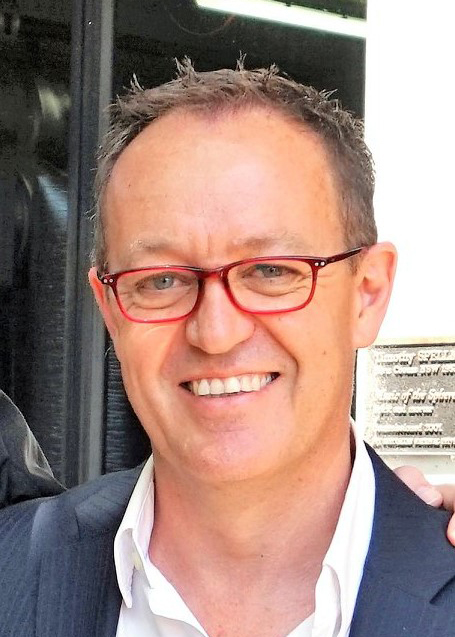
I'm on a mission to democratise healthy homes. After 25 years in the investment world- I pivoted to a passion of design and was BLOWN AWAY by the general build quality, the lack of care, the lack of knowledge and understanding of how to design and build a healthy, energy efficient, resilient home. Sounds simple, apparently not so much... So I have surrounded myself with subject experts, dived deep into the science, bashed my head against the existing models, pushed, prodded, failed, succeeded and now have amazing people and systems to enable this. We have worked out how to make it simple.