

 Apple Podcasts
 Spotify
 Youtube Music
 #35 | Decoding EMFs and Building Biology with Zara D’Cotta
Is your home actually making you sick, or is there more to the story? In this episode, I’m joined by Zara D’Cotta, founder of The Healthy Home, to explore the intersection of traditional construction and human biology. Zara shares the personal health journey that led her to building biology and presents her case for why "sustainable" design doesn’t always equal a healthy living environment.
We look at everything from the hidden trade-offs of recycled insulation to EMFs and lots more.
The world of EMFs can feel overwhelming and is often met with plenty of scepticism. In this conversation, Zara and I discuss the gap between current building codes and research, so whether you’re a firm believer or still weighing the evidence, this episode is a deep dive into the science, the controversy, and the evolving global standards of EMFs and building biology.
In this episode:
-
The Path to Building Biology: Zara’s personal health story and what sparked her deep dive into the "healthy home" space.
-
Redefining "Eco-Friendly": Exploring the tension between low-carbon materials and human health outcomes.
-
The EMF Debate: A breakdown of the six types of electromagnetic fields and the science Zara uses to support her concerns.
-
Codes vs. Biology: Discussing the gap between fire and shock safety standards and the biological effects Zara highlights.
-
A Global Perspective: Looking at why some countries are changing their approach to Wi-Fi in schools and the potential risks for the building industry.
-
The Skeptic’s Corner: Addressing pushback and why Zara believes "minimum standards" are no longer sufficient.
-
Practical Due Diligence: Tips for those curious about testing their own environments and making informed choices during a build or renovation.
Useful Links
Magda Havas - Researcher on the biological effects of non-ionizing frequencies in the electromagnetic spectrum
The Body Electric - purchase the book here
-
The landmark 2026 study:
A peer-reviewed paper published in Environmental Health found that current safety limits for radiofrequency radiation are at least 200 times too high to protect against cancer and reproductive risks.
https://icbe-emf.org/cell-phone-and-wireless-radiation-limits-fail-to-protect-against-cancer-and-reproductive-harm-new-study-finds/ -
BioInitiative Report: independent review of thousands of studies on EMF and health, includes colour-coded charts: https://bioinitiative.org/
-
Oceania Radiofrequency Scientific Advisory Association (ORSAA): Australia & NZ's independent scientific body on RF radiation and health: https://www.orsaa.org/
-
World Health Organisation (2025) systematic review on RF radiation and health effects: https://pmc.ncbi.nlm.nih.gov/articles/PMC12490090/
-
Children’s Health Defense: latest research and EMR litigation actions: https://childrenshealthdefense.org/legal_justice/emr-litigation-efforts/
-
5G Space appeal: international appeal signed by scientists and doctors: https://5gspaceappeal.net/
-
Dr Paul Héroux, McGill University: Professor of Toxicology and EMF health effects, ICBE-EMF Vice Chair. His published research: https://ehtrust.org/science/published-research-by-paul-heroux-phd-on-electromagnetic-radiation/
-
THE HEALTHY HOME WEBINAR - 'Are smart homes, healthy homes?'
If this conversation has you asking deeper questions, Zara has created a deeper dive specifically for designers, builders, and construction professionals ready: 'Are smart homes, healthy homes?': a professional webinar recording covering the science, the regulatory failures, the professional liability risks, and practical steps you can apply to your next project, including a live Q&A with builders, designers, electricians, energy assessors, and smart home specialists:
https://the-healthy-home.mykajabi.com/smart-homes-healthy-homes-recording
Thank you to our sponsors Enduro Builders and Climasure
Join the mailing list here!
Thanks for listening. Happy healthy building!
Jess Kismet (00:00)
Hello and welcome to The Building Sciology Poddie where we talk about better buildings to live and breathe in. My name is Jess Kismet. Today we are diving into the world of healthy homes with Zara D'Cotta founder of The Healthy Home
Zara D'Cotta (00:00)
Yeah.
Jess Kismet (00:10)
Zara is a building biologist who specialises in how our homes impact
her Healthy Building Materials Mastermind, she educates forward-thinking home designers and builders, and her latest program, Low EMF Home Design and Construction, helps industry professionals understand the impact these invisible forces might have on our bodies and take practical steps towards reducing exposure. Today, we are going to chat about what makes a truly healthy home
how to make better material choices and what Zara's latest EMF study has taught her. Welcome Zara.
Zara D'Cotta (00:39)
Thank you, Jess. It's great to be here. I'm a big admirer of your work and the ⁓ I know you're doing really important things in the building industry and I really appreciate you inviting me on and opening the floor for this very important conversation.
Jess Kismet (00:52)
Awesome. It's my pleasure to have you on the show. So let's start with where Zara D'Cotta became the healthy home, the founder of The Healthy Home. I know that your story, the origin story links back to your own health journey. Isn't that right? So I know it's been quite tumultuous for you. So could you tell us a bit about what led you here to begin with?
Zara D'Cotta (01:05)
Yeah, it's what it
Yeah, sure. Yeah, there's been many layers to it, but in a nutshell, it started with breast cancer 12 years ago, which led me to understanding the link between carcinogens in our food and our environment and cancer. And then two years later, a melanoma diagnosis and the compounding effect of those two experiences and 30 doses of radiotherapy after going through cancer led me to the discovery, well,
My immune system was in a very compromised state and I had a long list of symptoms that no one could diagnose and found out that I am one of the one in four people that is genetically susceptible to mould And I had a naturopath that suggested I get my home assessed for mould. And the building biologist that came to my house actually, he found slightly elevated levels of mould, but he actually felt that EMF was a bigger contributor to my symptoms at that point in time.
Yeah, that led me, that first opened me up to the world of building biology and making changes in my own home to ⁓ get my health back. And then through a series of house moves and trying to find a home to live in that would enable me to heal and facing a choice between older water damaged buildings or then eventually moving into a home that was newly built, but then experiencing ⁓ issues with off gassing of building materials and the number of symptoms for the first few months, that led me down.
my formal studies and training in building biology over the last five years.
Jess Kismet (02:28)
Yeah, yeah, seriously. For those who are sensitive, moving into a house, buying a house, renting a house, building a house, it's all very hard to navigate.
Zara D'Cotta (02:36)
That's
why I've chosen not to make a commitment to another house at the moment. Yeah.
Jess Kismet (02:42)
Yeah,
I'm thinking about doing my own thing next year and that's sort of evolving at the moment. Do we build? Do we buy? And there's just so many considerations and just simply knowing that people will routinely paint over mould. They'll paint their houses when they go to sell them to make them look pretty. And they'll paint over mould without realising what they are potentially exposing the new owner to.
Zara D'Cotta (02:55)
Yeah.
Bye
Yep, it is quite daunting, the prospect of looking for a house to buy or rent and not really knowing until you get in it what challenges it might pose for you.
Jess Kismet (03:11)
It's a minefield. Yeah, yeah.
I know, I know, and wow, two bouts of cancer, that's pretty rough. Serious cancer, that's... Yeah. ⁓
Zara D'Cotta (03:23)
Yeah, but I'm here to tell
the tale and I wouldn't have found my way to this work otherwise and it lights me up in so many ways. it's the most challenging situations have been, know, some of the best things that ever happened.
Jess Kismet (03:30)
Yeah, well, wait,
Yeah, yeah, and we're very glad to have you and the industry is benefiting from your experience and your knowledge. So a lot of people have these sorts of health wake up calls, but not a lot of people turn it into a mission to help others. So how did you go from learning about your own health and how your environment affected your own health? How did you turn that into educating homeowners and designers and builders the way you do?
Zara D'Cotta (03:41)
Thank you.
I started by, my intention initially was to help homeowners. So I had a course for residential homeowners embarking on their own renovations or builds to share my research on health impacts of building materials and home design. And I actually, really felt for, it mainly women. Well, it was all women taking on this huge amount of learning and facing serious uphill battles, getting their husbands and builders on board with this stuff.
So I was very delighted very early on that I had an architect and builder actually wanting to do my residential course. And then the architect saying, is actually really important information that everyone in the industry needs to know. And then expanding my offering to include building industry professionals. And then as changes to the national construction code came about in 2023 in relation to condensation management. ⁓ Yeah. then realised that, yeah, going all in on my focus on building industry professionals was really important and, and a great way to accelerate the pace of change because
Jess Kismet (04:30)
Thank
Zara D'Cotta (04:48)
for every project that this knowledge gets applied on. Well, sorry, for one, every designer or builder that takes in this knowledge and they apply it to multiple projects. And, you know, we are seeing some really tangible impacts of that knowledge being implemented. So that's how I've ended up where I am.
Jess Kismet (05:02)
Yeah, awesome. as I often complain about, there's no CPD for builders. There's nowhere for them to go to learn and no official, no official pathway for them to go down to continue to educate themselves. so, you know, people like yourself, putting the information out there in a readily accessible way is so important because otherwise, yeah, the learning just kind of is stagnant and
Zara D'Cotta (05:07)
huh.
Yes.
Yes.
Yes.
And full credit, I have to say to all the builders that are doing the extra learning. I, as I'm here in the USA at the moment, I'm really seeing that what is happening in Australia in the construction industry is very unique by global standards. And we, we have, there's a lot of builders that we have and designers ⁓ that we have to thank for really getting this movement going.
Jess Kismet (05:29)
Mm.
Mm-hmm.
Yeah, absolutely. It's, their time is very valuable. Time is money. they, and I always, whenever we run courses, I always take the time to thank them for taking the time out of their day because it's, it's expensive. And especially when they will send over, they'll send across supervisors and ⁓ trades, you know, Multiple hours are spent in these, in these additional learning.
Zara D'Cotta (05:52)
Yep.
Yep.
Jess Kismet (06:04)
So ⁓ yeah, kudos to those businesses. ⁓ So your building materials mastermind has been quite popular amongst builders. And for many of them, it's their first step into this world of better building. And you are quite outspoken about some materials that are marketed as sustainable or eco-friendly, but they're not necessarily as such. So what are some examples of materials that you have come across that might surprise people with their credentials not being quite so up to scratch?
Zara D'Cotta (06:07)
haha
Sure, I think one big one is low carbon concrete. It's great to focus on reducing CO2 emissions, but that shouldn't be the only yardstick by which we measure how much better a material is, because often they're replacing the cement with fly ash, which is a industrial byproduct of coal production that can contain trace elements that are radioactive or heavy metals. So yeah, I think that's something that we need greater transparency on and awareness in the industry. ⁓
Jess Kismet (06:40)
Mm-hmm.
Mm-hmm.
Zara D'Cotta (06:53)
Another one is the presumption that because of material is recycled, then it's a better choice. And while I love circularity, do like for insulation, recycled insulation, for example, ⁓ we need to also be asking the manufacturers, what are the binders? What's it treated with? Is it made up of polyester binder as well that could impact the vapor permeability? What's the vapor profile?
Jess Kismet (07:15)
Mm-hmm.
Zara D'Cotta (07:16)
of the product and this is information that they're often not willing to provide. So these are questions I think people need to be digging into as well.
Jess Kismet (07:23)
I'm wondering if they just don't know the answers. Because lot of these questions are not what they're thinking about when they're manufacturing these products.
Zara D'Cotta (07:26)
One, two.
To be honest, I think you're 100 % spot on, but what I've loved recently is I've had a few manufacturers actually reaching out to me because they're getting more questions from home designers and builders in our community and they're saying, okay, what further testing do we need to be doing? What further information do we need to be providing? So I think we are seeing a shift and there are manufacturers that genuinely want to do better. And I'm hoping that I can help them be able to be more transparent and provide the sorts of information that home designers and builders that I work with want to know.
Jess Kismet (07:57)
That's fantastic to hear.
So on the flip side there are materials that could be potentially underappreciated that are healthy, durable and genuinely good for building health. So do you have some examples of those?
Zara D'Cotta (08:03)
Yeah.
Yeah,
there's two that come to mind. So the first one that you'll know that I'm very passionate about is wood fibre insulation. And I know there's barriers to that being used on a larger scale often due to cost and the fact that it's imported at the moment. But it does seem to be bulletproof in response to moisture. I know a builder that went to a roof space where there'd been roof leaks and there was mouldy plasterboard and the wood fibre was still intact. I've seen it on a building site after months of rain and there's not a sign of
⁓ mould, whereas our orange and sterile moulds sitting next to it had mushrooms growing on it. So that's the product I really love. And then the other ones are like lime and clay renders. So there's some big aha moments happening in within our mastermind community and designers and builders realising that if you put a cement render on concrete ⁓ or brick walls, then it traps moisture in and realising the benefits of using a vapour permeable hygroscopic render so that moisture can actually pass through.
Jess Kismet (08:37)
Yep.
Zara D'Cotta (09:01)
the wool without, yeah, and not resulting in trapped moisture or mould.
Jess Kismet (09:05)
Yep. Yep, definitely. So your latest work focuses on electromagnetic fields. ⁓ This is an area that you have been researching for quite some time now, quite a few years, and you are now completing your advanced certification in the US. So you mentioned EMFs in the beginning of this conversation in regards to your health. ⁓ Is this the thing that really drew you towards learning more about EMFs and what has been your biggest learning curve?
Zara D'Cotta (09:13)
Yep. Yep.
Yes.
Yes. Yep.
Yes. Yes.
Yes, so I will never forget the moment I had the building biologist standing in my living room with his meter where I was getting heart palpitations at the time only in the living room. And he had his meter, he's with a directional antenna and was able to identify the neighbour's Wi-Fi router on the other side of the wall as the source of radio frequency exposure, which absolutely blew my mind. It's not something I'd ever considered before. So that was 12, ⁓ no, sorry, yeah, 10 years ago now.
And ever since then, yeah, I've done extensive research into peer reviewed medical studies. Five years ago, I started formal training in building biology, initially focusing on from an EMF point of view, how materials can impact electric climate and then building out frameworks for how to reduce exposure levels in home design and construction. And then for the last two years, I've been traveling to the USA to do intensive training with world leading mentors who are not only EMRS specialists, electricians and electrical engineers that are really at the forefront of
⁓ measuring and detection and mitigation in this field. one of the biggest learning curve is often people will say, you know, they'll come to me with a solution like a shielding product and say, well, this block EMFs. And the biggest learning is that there are six different types of EMF and they all behave differently and they need to be addressed. They're tested and mitigated differently in home design and construction.
Jess Kismet (10:28)
Mm-hmm.
Okay, so I've got a few questions that have come out of that answer. Firstly, what does EMRS stand for?
Zara D'Cotta (10:51)
So it's electromagnetic radiation specialist.
Jess Kismet (10:53)
Okay, so it's the name of a profession. Yeah, okay.
Zara D'Cotta (10:55)
Yes, yes.
Electromagnetic radiation and electromagnetic field are two terms that are used interchangeably.
Jess Kismet (11:02)
Okay. And what are the six types of
radiation. ⁓
Zara D'Cotta (11:05)
Yep. So we have AC
electric fields. So emanating from building wiring appliances. So I'm sitting here now next to a power outlet. Even if that there's nothing plugged in, there's nothing turned on, there's still an electric field coming from the building wiring, the hot wiring. There's AC magnetic field. So if you've got an appliance plugged in, it's drawing current, there's an AC magnetic field. We've got micro surge electrical.
Jess Kismet (11:23)
Mm-hmm.
Zara D'Cotta (11:30)
pollution, is also known as dirty electricity. So that can emanate from building wiring and appliances as well. There's radio frequency radiation from wireless technology. There's DC electric fields, which is direct current from batteries. And then there's DC magnetic fields. so there's natural sources of radiation and there are what we refer to as geopathic stress. that's probably one of the ones that's considered more esoteric and less understood and less quantifiable.
and measurable. anomalies in the earth's lay lines, underground water lines that can impact the home.
Jess Kismet (12:04)
Okay, well, my knowledge on on all of this stuff is practically zilch. is there, is there anything you could any hot tips or quick tips you can give us on on what the worst types are or what what ⁓
Zara D'Cotta (12:09)
great starting point.
Yep.
Yeah, so
the three that we want to really focus on in home design and construction are radio frequency radiation, which is high frequency and quite prevalent in today's world, AC magnetic and AC electric fields. They're what we want to be considering in the design stage.
Jess Kismet (12:32)
Mm-hmm. And where do they come from? You have to remind me. You just went through that, but I've forgotten.
Zara D'Cotta (12:34)
So, ⁓ yeah, so
that's okay. So radio frequency radiation, think of it as your wireless technology. So your phone towers, your wireless router, your microwave, AC electric and magnetic fields are your devices, ⁓ your power outlets, your building wiring, power lines. And then.
Jess Kismet (12:41)
Yep.
So it's just
kind of standard electrical wiring in a home. Yeah.
Zara D'Cotta (12:56)
Yes.
Yep. And then dirty electricity or micro-sege electric pollution, can come from light switches, again, building wiring can come from the power grid. Yep.
Jess Kismet (13:05)
Mm hmm. Okay.
And so to reduce these sorts of exposures, what do we do? Like, do we we can't unplug everything and have no power. So what what do you suggest that we do? ⁓
Zara D'Cotta (13:12)
Yeah.
Yep. So we can have demand switches that turn certain electrical circuits off at night. So that can make a big difference to exposure levels while we're asleep. That's really, we want to be focusing on like our living areas and our work spaces where we're spending the most amount of time. And then for radio frequency radiation, having hardwired ethernet points throughout the home so that you can disable Wi-Fi. So often, you know, the biggest exposures are inside the house.
Jess Kismet (13:23)
Mm-hmm.
Mm-hmm.
Zara D'Cotta (13:43)
So thoughtful design choices and use of technology can significantly reduce exposure levels. And then things like not having electrical panels. Like I've just been assessing at home where there's the main electrical panel behind one bed and the sub panel behind another bed. And that's really the cause of a lot of issues that these people are experiencing. So those three things implemented in the design stage can make a profound difference by.
Jess Kismet (13:43)
Mm-hmm.
Mm-hmm.
Mm-hmm.
Zara D'Cotta (14:06)
so that when the occupants move in, they're not having to deal with issues relating to the sub-panel. It's just very easy for them to be able to hardwire their internet if they want to.
Jess Kismet (14:14)
Yep, so the location of these electrical panels, the switchboards. So what you're saying is it's about proximity. Yeah. Yeah, so just...
Zara D'Cotta (14:17)
Yep.
Yes, distance. Distance is your best friend. The further away
you are from the source, the better.
Jess Kismet (14:27)
And when that comes to things like switches beside our bed, we obviously can't, like would you recommend in the design phase, for example, moving those switches further away from each side of the bed? What's the solution there?
Zara D'Cotta (14:39)
Well,
you've got to balance this with what is actually going to be practical for the homeowner. That means that they're not going to use those switches and it's not going to work. I've been on quite a few, yeah, I've been on quite a few healthy home site visits in the last month in the USA and low EMF design is becoming a feature in Healthy Home Build. And in each of the projects that I've been to, they have demand switches. next to where the bedside table will be, there is just a switch.
Jess Kismet (14:48)
in a really long chord ⁓
Mm-hmm.
Zara D'Cotta (15:04)
The person in the room can turn off the electrical if they want the ability to have Wi-Fi on and off interchangeably. They can just literally with a flick of a switch.
Jess Kismet (15:12)
Okay, so instead of turning off the light at the switch on the cord, you would turn it off at the source on a different switch when you go to sleep.
Zara D'Cotta (15:21)
Yeah, because
that will actually turn off the hot wire in the wall as well. Yeah. And then also think of the layout of the home. So where's the oven going to be? Where's the fridge, the TV, the solar inverter, all those sorts of things you want to be maintaining distance from them and beds, couches and desks.
Jess Kismet (15:24)
Yeah, okay. Okay.
Mm hmm. I can imagine that can be quite tricky and some smaller blocks, smaller homes, that can be quite tricky to maintain distance. What sort of distance is there? Is there set distance that's safe?
Zara D'Cotta (15:46)
Yes.
It depends on what type of field we're talking about. if it's, if we're talking about your oven or your electrical meter board, like at least two meters. Yep.
Jess Kismet (15:58)
Okay.
All right. So does that mean like when I was pregnant, I can remember ⁓ I would put my lunch in the microwave and then I would back away from the microwave because I don't know, this was circulating around in my head back then. This was quite some time ago now, but I remember thinking it's probably not a good idea to stand next to the microwave and I would just kind of go to the next room or stand back.
Zara D'Cotta (16:08)
Ooh, okay.
Yep.
So, yeah, so microwave radiation is quite different. We actually did a very interesting test on that at our training. We were in a two-story house and there was quite a few of us with meters and we had people positioned upstairs, downstairs, outside the house. We turned the microwave on and that that radiation was beaming, ⁓ permeating through the entire home. So the lesson there was get rid of the microwave. If you want to help me out.
Jess Kismet (16:38)
Yeah, right.
⁓ We've all got microwaves and we love our microwave.
Zara D'Cotta (16:45)
I did away with mine about 10 years ago and I've never missed it. It's just a mindset shift. Just use the stove or the oven instead. Yep.
Jess Kismet (16:47)
Yeah.
Yeah, yeah,
actually I did go for about 18 months without one and I lived. I heated up my, you know, whatever I needed on the stove and you know, it was fine, I survived.
Zara D'Cotta (17:02)
Yeah, there you go. Yeah,
that's a very easy win. Yeah. What else?
Jess Kismet (17:05)
Yep. Are there any other easy wins? ⁓
hair. It's annoying me.
Zara D'Cotta (17:11)
so if you're
working at your laptop, like charging it overnight and not having it plugged in when you're working at it, that reduces your exposure levels. ⁓ I use air tube headsets rather than earplugs so that I'm not relying on... So yeah, it's got a plastic jacket here and metal here because metal is electrically conductive, so it's not carrying the...
Jess Kismet (17:19)
Mm-hmm.
What's an air tube headset? Like, discorded?
I see.
Zara D'Cotta (17:35)
Yeah, it's not, I don't have the electrically conductive component here and I'm not relying on AirPods which rely on Bluetooth, emits very high levels of radio frequency radiation.
Jess Kismet (17:44)
Yeah, so Bluetooth. So we all have our Bluetooth everything. Bluetooth phone, Bluetooth earphones, ⁓ our Bluetooth, like, location things for our, you know, our air tags and stuff. ⁓ What's the deal with that?
Zara D'Cotta (17:46)
Yeah. Yeah.
Yeah.
Yeah.
So to give you to try and quantify it when I measured ⁓ Bluetooth signal from my phone and devices it's around 45,000 microwatts per meter squared and we like in like we want to be aiming to get that below 10 microwatts per meter squared so when you disable Bluetooth from your phone and Yes, which from Bluetooth related things or not having them all the time your significantly reduce your exposure levels Yep
Jess Kismet (18:16)
Okay.
Mm-hmm. Mm-hmm. Mm-hmm.
So there's, ⁓ there are some easy wins, but it means that we have to give up quite a lot of our modern comforts. Doesn't it? Yeah.
Zara D'Cotta (18:31)
It is a mindset shift, but in the most recent
house that I was in, I had the ethernet cords and I didn't miss having Wi-Fi at my laptop and I had one for my phone. So it just meant that I was pretty much always sitting in the same spot in the house when I'm scrolling on my phone. So you put on aeroplane mode and connect my phone to the ethernet. And for me, it makes a huge difference to how I feel when I'm using my phone on my computer.
Jess Kismet (18:44)
Anyway, yeah.
Mm-hmm.
And what are some of
the symptoms that people who are sensitive to EMFs might experience?
Zara D'Cotta (18:58)
headaches, brain fog, tingling, I get a metallic taste in my mouth. Like was just using Bluetooth earlier today or somewhere that I needed to use it. And after an hour, I just had to turn it off because it's like really for me that it's much worse than the wifi.
Jess Kismet (19:09)
Mm-hmm.
So Bluetooth. So do you think that some people are more sensitive to Wi-Fi than Bluetooth and vice versa?
Zara D'Cotta (19:17)
I haven't come across any examples of that. I would say if they're sensitive to one, they're sensitive to both. But it was at the home that I was just assessing recently for my final project. It was quite profound. was the home of a doctor and his wife and mother. And all of them have been experiencing symptoms since they moved into this home that had been renovated 18 months ago and made healthy materials, healthy material choices. There was no mould. And what we did for the first part of the testing is that I powered the house down so they had the opportunity to feel.
Jess Kismet (19:22)
Hmm.
Mm-hmm.
Zara D'Cotta (19:43)
to experience their living environment without all the wifi, without all the electrical. And then when I powered it back up again and was standing in the doctor's office, we were there for an hour and the shift was immediate for him. He said he felt like he was stepping into a microwave and the levels that his wifi extended were three million microwatts per meter squared. That's at his desk that he was sitting at, that he sits at every day. And he's been experiencing deafness and
Jess Kismet (19:56)
Mm-hmm.
Mm-hmm.
Hmm.
Mm-hmm.
Zara D'Cotta (20:10)
His
deafness came back when he was sitting near that router. He experienced tingling. And after an hour of testing in his office with all, like there were problems with the lights and the dimmer switches and dirty electricity. after an hour in that room, none of us, we all had to get out of there because there was just, there was so much going on there from an electrical point of view. It was too much for all of us.
Jess Kismet (20:26)
Mm-hmm.
Mm-hmm. So you were all sensitive to it. Wow. So we'll come back to that house in a minute. Actually, no. Let's go more into that house now because that is actually my next question. So could you tell us a bit about why you're testing this house and what you found?
Zara D'Cotta (20:30)
Mmm.
Yeah, okay cool.
Yeah, so I was testing this for my final electromagnetic radiation specialist certification test. So I had to go in, I do a pre-assessment plan, look at the floor plans, understand their health issues and go in with a plan of what I was going to look for. And then I had to do five different types of tests and I did 14 hours of testing and so I was testing for radio frequency radiation, electric fields, magnetic fields. I did a body voltage test.
So when they're lying in their bed and when he's at his desk looking at...
how much their body voltage increases. And I was also testing circuit breaker panels. where they were in their bedrooms, there was elevated body voltage because of the electric fields coming from the electrical panels. So I went there and I was able to identify which circuit breakers they need to turn off at night to get the body voltage to below 100. So in one of their rooms, it's meant that they've had to move the bed to the opposite side.
Jess Kismet (21:11)
Mm-hmm.
Zara D'Cotta (21:32)
of the bedroom near the window and within a night of doing that they've already reported better sleep which is just shows you how much of a difference like such a simple change can make.
Jess Kismet (21:33)
Mm-hmm.
Mm-hmm.
And what's body
voltage?
Zara D'Cotta (21:43)
So body voltage is understanding. So if you're lying in bed and you've got your lamp plugged in, there's hot electrical wiring, you're in an electric field and we are electrically conductive. So our body acts as an antenna for that electric field and our body voltage increases. So it's a really powerful way to be able to show people during testing what impact that electric field is having on their body.
Jess Kismet (21:52)
Mm-hmm.
Mm-hmm, okay. And you have different meters to assess body voltage as to assess the other six things that you mentioned.
Zara D'Cotta (22:04)
It sounds.
Yes. Yeah, some of them measure
a few things. So this is one that I use for magnetic fields, electric fields and body voltage. So I've got a plug that goes in here and then they hold a probe. It also goes into an outlet so it's grounded. And you can see a direct correlation between when the power's turned on and then when it's turned off. And then when you turn different electrical circuits off, it's quite eye opening. Yeah.
Jess Kismet (22:23)
Mm-hmm.
Mm-hmm.
Mm-hmm. Yeah,
So what else did you find in this home apart from body voltage changes?
Zara D'Cotta (22:39)
Yeah, so one of the things I suspected was elevated levels of micro surge electrical pollution, also known as dirty electricity. I could see in their electrical plan they had in the renovation put dimmer switches and multi-way light switches throughout the house and dimmer switches, yeah, multi-way. So you know when you can turn them on and off. ⁓ You know, yeah.
Jess Kismet (22:53)
multi-way.
using different switches.
Zara D'Cotta (23:01)
So they're
Jess Kismet (23:01)
Yeah, okay.
Zara D'Cotta (23:01)
often, it's not to say that they can't be used, but they're often not wired properly. And if there's wiring errors, they can contribute to elevated dirty electricity. So they've got elevated dirty electricity throughout their home. And it was interesting because Tim, the doctor and his wife, Pam had moved into a different room five days before I did the testing. And within that five day period, they noticed a number of symptoms. So Pam's asthma had gotten worse. They both had dry eyes and are having trouble sleeping. And
Jess Kismet (23:26)
Mm-hmm.
Zara D'Cotta (23:27)
It's interesting because there is research on dirty electricity and asthma. There's a lady by the name of Magda Havas who did ⁓ research and testing in schools and showed that when they address dirty electricity, student and staff well-being improved. And one of the improvements was ⁓ with students who had asthma. So, yeah, I thought that was really interesting that. Yeah. Yep. There was also in the.
Jess Kismet (23:43)
Mm-hmm. Wow. And he may have some asthma.
Zara D'Cotta (23:49)
mother-in-law's room. She had really high body voltage as well, high levels of radiofrequency radiation. And where she's sleeping, she wakes up in the morning and her blood pressure is high. And when she gets up and starts moving around other areas of the house, her blood pressure drops. it was interesting for them seeing her body voltage and what the different tests that we did, because they then were wondering, is this having an impact on her blood pressure?
Jess Kismet (23:52)
Yeah.
Well, so she has one of those machines, one of those do-it-yourself machines at home to measure her blood pressure. Yeah. Yeah, yeah, yeah. That's incredible. I can't believe that EMFs, you know, it's, the connection between EMFs and respiratory distress, like that's such a, you wouldn't think of it. You wouldn't make that connection.
Zara D'Cotta (24:19)
⁓ She must, her son was a doctor, so yeah.
No,
I mean, there's also like blood sugar and diabetes. There's research in that regard. There's a story about a building biologist in the USA that did testing on a family who had a home renovation and there was no one in their family that ever had diabetes. And after that renovation, their son, yeah, he was diagnosed with diabetes and they then did testing and he found, ⁓ think he was sleeping near the washing machine.
can't remember the exact exposures, but when they addressed the exposures, his diabetes symptoms disappeared.
Jess Kismet (25:05)
crazy. So of those six, is there one that's worse? Is there like a, is there a ranking?
Zara D'Cotta (25:06)
Mm-hmm.
The ones
that we would see building biologists would see as being the most problematic would be magnetic fields and RF radiation, radio frequency radiation, what's from wireless technology.
Jess Kismet (25:19)
Okay, and they
come from, could you just go back again? Because I'm trying to keep up and keep all this in my brain, but there's so much information. ⁓
Zara D'Cotta (25:23)
Yeah, yeah, sorry, it's quite technical. Yeah. So so radio frequency radiation,
think of it as wireless technology. So power, phone towers, wireless devices, routers and microwaves. And then magnetic fields is could be anything, any appliances plugged in and drawing current. ⁓ But it could also come in from the electricity grid through ⁓ metal metal water pipe.
Jess Kismet (25:31)
Okay, yeah.
Yeah. Okay.
Okay.
Zara D'Cotta (25:49)
reinforced concrete can carry those magnetic fields throughout the home and that contributes to stray current. And that's okay.
Jess Kismet (25:54)
Okay. All right. Thank you for clarifying that. I'll try to remember.
For builders and homeowners who are curious but confused, like me, about EMFs, what are some practical science-based ways to assess and reduce exposure during design and build?
Zara D'Cotta (26:04)
Yeah.
Yeah, so at the beginning of a project, the ideally say it's a new block of land that you're about to build on is to get radio frequency readings from. you're looking at what the nearby exposure might be from phone towers or neighboring properties and also magnetic fields. So are there any anything coming from power lines or anything underground that could be contributing to elevated levels?
Jess Kismet (26:17)
Mm-hmm.
Mm-hmm.
Zara D'Cotta (26:32)
and then drawing up the design and making material selections based on that. you know, if there's a part of the site where there's really high exposure levels from a phone tower, then maybe not having the sleeping areas there, or even looking if you're going to build two stories up, ⁓ ideally getting readings at that height, because like in the last time that I was in, the second story, I was impacted by a nearby phone tower, but on the ground level, I was fine.
Jess Kismet (26:48)
Mm-hmm.
Well.
Zara D'Cotta (26:57)
It could then also inform material choices. It could be the difference between whether you're going to have a light frame construction or a high mass wall system, because there are materials like concrete or rammed earth that are really effective at blocking radio frequency radiation. Yeah, so that should inform the design and then ideally doing testing at different stages of construction. So at rough in stage, so when the wiring's in, but before you're putting the plasterboard in.
Jess Kismet (27:05)
Mm-hmm.
Yep.
Zara D'Cotta (27:24)
testing for any wiring errors and then post build, doing post build verification and then ideally one month after construction once the family's moved in and you know they've got all their devices and things in there doing an assessment then as well.
Jess Kismet (27:36)
And post build verification requires someone like you to come in with your gauges and just take some readings.
Zara D'Cotta (27:41)
Yeah. Yeah.
And I actually, went to one of those recently in California and it was, it was really, it was quite straightforward because such care had gone into the renovation that it didn't, there wasn't, there weren't many exposures because it had all been addressed at the design stage, which just, what a dream for this homeowner.
Jess Kismet (27:59)
Yeah, we have one project that I did a blower door test and they had a giant piece of metal attached to the backside
Zara D'Cotta (28:12)
⁓
Jess Kismet (28:15)
of one of their internal walls, because On the other side of that wall, they had, I think must've been a meter box or was an internal wall. Could have been. They had something. I'm not sure what it was going to be, but what could that have been for? Could you take a guess at what they might've been trying to achieve there?
Zara D'Cotta (28:31)
So if they've got metal...
Jess Kismet (28:31)
Is that something you can
do inside a house is create like blocking walls?
Zara D'Cotta (28:36)
look, it's something that you would only ever do under the guidance of a electromagnetic radiation specialist because I would think that that would be done in an attempt to block an outside source of radio frequency radiation ⁓ or from a smart meter. But there are implications.
Jess Kismet (28:44)
Mm-hmm.
Mm-hmm.
Yep.
Zara D'Cotta (28:57)
I don't want to make you confused, but...
Yeah, electrically conductive material needs to be grounded. So if you put metal there, if you put shielding paint, it needs to be grounded so that any electric fields get safely dissipated into the ground.
Jess Kismet (29:11)
That was my question. Like doesn't it conduct electricity as well?
Zara D'Cotta (29:12)
Yeah. Yeah. Yeah.
So it's not something that, yeah, I get people reaching out saying, you know, we've got a meter panel that's going behind a bedroom. What can we do? And you really do need to understand what are the environmental factors at play to then be able to implement a solution and also test before and after and make sure that there's not unintended consequences.
Jess Kismet (29:29)
Mm-hmm.
Mm-hmm. Mm-hmm.
So, there anything else you can add to that question about reducing exposure during design and construction? Like any practical design solutions apart from testing rough-in and testing post construction? Is there a design feature that can be implemented? Kind of like this panel I was talking about. Is there any other sort of solutions like that?
Or is it just about proximity?
Zara D'Cotta (29:58)
A lot of it is proximity, ⁓ definitely material selections. It really depends on the specific. the place that I'm staying at the moment, there's a phone tower in the distance. And the first two nights here, I didn't sleep. And then I did some testing and realized that in that bedroom there, I had really high exposure levels, but they significantly dropped up there because there's a bit of a concrete wall that.
Jess Kismet (30:00)
Yeah.
Mm-hmm.
Yeah.
Zara D'Cotta (30:20)
goes out from behind the bed head that's reducing the levels there. So it's really about getting an understanding of where the exposures are and taking steps to reduce them. Sorry. ⁓
Jess Kismet (30:23)
Mm-hmm.
Mm-hmm.
Yep. And does the exposure come through the wiring
or does it come with the plug? is there fields coming out of, you know, because there's wiring all through our ceilings and all through our walls. Is the radiation or the fields coming out of just the plug?
Zara D'Cotta (30:41)
Yes, sorry, you can...
No, it's coming out of the outlet and the wiring. But another strategy for electric fields from wiring is metal clad cabling. So that is more expensive. And some people might do that in specific areas like their bedrooms. ⁓
Jess Kismet (30:51)
Mm-hmm.
Kind like your earphones.
Zara D'Cotta (30:59)
So the other thing I was just thinking about is power lines. So I had a client that,
Jess Kismet (31:03)
Mm-hmm.
Zara D'Cotta (31:04)
She got an EMF assessment before her renovation and realised that where they were going to put the child's bedroom was really close to power lines and elevated levels of magnetic fields. by having that information, they were able to put the child's bedroom in another part of the property that would significantly reduce their exposure levels. And that is a really important decision because there's links between AC magnetic field exposure from power lines and childhood leukaemia.
Jess Kismet (31:06)
Mm-hmm.
Yep. So bedroom placement out of all the rooms and zones in a house, would you say that bedroom placement is the most important? Yeah, because this is where we spend the majority of our time. Yeah.
Zara D'Cotta (31:30)
Yep. Yes.
Yes. Yes. And
that's where our bodies are resting and repairing and when we're most vulnerable to outside influences. Yeah.
Jess Kismet (31:42)
Okay, so from a practical perspective, let's just try and summarize. Keep your sleeping areas as far away from switchboards, smart meters, power lines as possible. Yeah.
Zara D'Cotta (31:50)
Yeah, solar inverters, HVAC, AC
units, hot water systems, all the electricals should be well away from sleeping areas, working areas and like if there's couches where people are spending a lot of time.
Jess Kismet (32:06)
Mm-hmm. Okay. And ditch your microwave if you can shift your mindset.
Zara D'Cotta (32:10)
Switching microwave.
Avoid dimmer switches, avoid having a lot of headaches. Keep the wiring simple. Avoid multi-way light switches unless they're wired properly.
Jess Kismet (32:14)
Yep.
Mm-hmm. So that's three. What about, you know, solar panel placement? Yep. I haven't crossed over that one. So that one, where should they be?
Zara D'Cotta (32:26)
solar panel placement.
Ideally separate from the house and having the inverter away from living, sleep and work areas.
Jess Kismet (32:38)
I see.
That can be tricky on small blocks, why most people just put them on the roof because that's where you get the sun, the solar access and it doesn't take up any extra land.
Zara D'Cotta (32:47)
No.
Yeah, I have heard of stories of like, for instance, people like someone in a tiny home and she put the solar panels on a trailer next to the house.
Jess Kismet (32:57)
Yeah, yeah, I've seen that as well.
And those isolated switches. That must be expensive though, like getting that extra wiring by an electrician during construction, like getting that designed in and getting that built, that would cost more money, wouldn't it? Which is often a barrier for people.
Zara D'Cotta (33:02)
demand switches.
I would think.
To be honest, I don't know how much more it costs at the beginning of a build. I would think it would maybe more expensive to do down the track, but I guess you've got to think about this.
What's the cost to your health down the track?
Jess Kismet (33:20)
I know. Yeah, it's always that same. It's that balancing act and figuring out what your priorities are. Yeah, yep. Okay, thank you for those hot tips. I hope that the listener, if you are sensitive to electromagnetic fields in any way, some of those tips might really help. I know that my daughter's bed is backing onto a smart meter. And I have been meaning to move it for months now, and I haven't done it.
Zara D'Cotta (33:26)
Yep.
Jess Kismet (33:46)
And that, no, wait, I take that back. did do it. Her bed has actually moved. I switched her bed around. I take that back. So that was based on some advice from some people in the building biology space. So yeah, one simple thing that I have done. Yeah.
Zara D'Cotta (33:50)
you
Great, that's a big win for your daughter.
Jess Kismet (34:03)
There is, let's move on. I'm going to play devil's advocate here for a minute. There are, there is some disagreement around EMFs and what impact they actually have on the human body. Now, the impact that it's had on your body and the people that you have been studying with is, you know, is very real. But what do you say to people who disagree that there is a connection?
Zara D'Cotta (34:21)
Well, I think it's really important to do due diligence beyond a quick search. you know, often people will say to me, I've asked JBT or I've gone and done a quick Google search and it's, you know, there's no concerns. And in this field, you do need to have some understanding of what framing and what to actually look for. I would say firstly, to go and look at the Bio Initiative Report. It's one of the most important piece of medical literature. And it will give you an idea of.
you know decades worth of studies, there's 20 doctors and public health experts that have written that. The other thing I would say is that the human body is an electrical system. Our houses are increasingly electrified and human beings are 70 % water. So our nerves, tissues and cells conduct electricity and this is something that we've known for decades. A brilliant book is one called The Body Electric which was written in the 80s by Dr. Robert Becker and Gary Seldon and
Jess Kismet (34:50)
Mm-hmm.
Zara D'Cotta (35:11)
Yeah, so that's not in disagreement that human beings are electrically conductive and our homes are being increasingly electrified. And to think that we can do that without having some impact on the body, you know, I think that that's something that's worth looking further into. And as I mentioned before, can, you know, we can demonstrate exposures through body voltage testing. We might not be able to see EMFs or smell them or hear them, but it is measurable and it is quantifiable and
Jess Kismet (35:16)
Mm-hmm.
Zara D'Cotta (35:38)
There's a saying that what gets measured gets improved. And there's so much focus in the building science space on measuring indoor air quality. So measuring humidity, measuring CO2, measuring VOCs. And I would love to see the building science world, this start to become a natural evolution of this conversation because electro pollution is an indoor environmental toxin. And if we haven't addressed that, then we can't really call it a healthy home.
Jess Kismet (35:55)
Mm-hmm.
I will put the links to those to that report and that book in the show notes. So if you the listener are interested in learning more about this discussion today, please go to the show notes and you will find you'll be able to access those those documents.
Zara D'Cotta (36:15)
And also, sorry, just want to add. So the World Health Organisation has classified radio frequency radiation as a 2B carcinogen. And there's enough evidence, long time advisors to the World Health Organisation are saying to classify it as a group one known carcinogen to humans agent. So that the World Health Organisation isn't disagreeing about the impact that that has on the human body. So I think that's important to be aware of. And as you said, in
Jess Kismet (36:23)
Mm-hmm.
Mm-hmm.
Zara D'Cotta (36:43)
dismissing it and not being willing to go further and do the due diligence. And we're discounting the experiences of people who have really legitimate sensitivities and issues that need to be considered and addressed in home design and construction.
Jess Kismet (36:52)
Mm.
And is this something like kind of mould where 25 % of us are sensitive to mould and biotoxins in similar where some people are sensitive and some aren't?
Zara D'Cotta (37:04)
Mold sensitivity and EMF sensitivity go hand in hand. So I can't quantifiably say one in four people are EMF sensitive, but I know that anyone who's mould sensitive is EMF sensitive. And what I've also found is that I know of many people who do not consider themselves electrically sensitive, but you know, they've been working next to their Wi-Fi router or sleeping next to their Wi-Fi router or sleeping near an electrical panel and they've had headaches or
Jess Kismet (37:14)
Mm-hmm.
Zara D'Cotta (37:28)
they haven't been able to sleep and they've made adjustments and they've been able to sleep better or their headaches have gone. So I think it is impacting people in ways that they may not realise and they may not have connected the dots, which is also, I think, quite an empowering message that by making simple changes, you know, I think there are a lot of people that are spending their days not feeling
as well as they could. And if they just made some simple adjustments in their daily behaviors, tech habits, where their bed's located, they could actually feel a lot better.
Jess Kismet (37:56)
I think the intersection of mould and EMFs, these are all things that are in our homes where we spend most of our time and in our workplaces. And if the combination of these two things could be really fully brought to light, ⁓ I'm really wondering how the health industry would be.
Zara D'Cotta (38:09)
Mm-hmm.
Jess Kismet (38:14)
changed. know, measuring the invisible is something that really got me into this space and just measuring simply measuring air tightness. ⁓ Doing blower door testing and thermal imaging. And then as you say, measuring CO2 is measuring humidity, measuring temperature, measuring VOCs and then now onto EMS. These are all invisible things that we don't think about day to day but impact us.
Zara D'Cotta (38:19)
Mmm. Yep.
Mm.
Mm.
Jess Kismet (38:37)
every single
minute of every single day. And it just doesn't come into most of our thinking. And I think we should just really stay curious. I highly recommend that even if you are a someone who doesn't necessarily believe that there is a connection, stay curious, you know, always seek to understand and ⁓ do your research and don't discount it.
because the more information is power and we can make much better decisions when we have more information and yeah, EMFs is not something I have thought a lot about and I don't understand it really, but I am definitely curious.
Zara D'Cotta (39:15)
Yep. you know, we wouldn't if if we had cigarette smoke coming into our home 24/7, would would you allow that?
Jess Kismet (39:23)
No, absolutely not. I can't stand the smell. It's horrid.
Zara D'Cotta (39:27)
So
yeah, is radio frequency radiation. It's the same as, know, again, it's not to scare people, but we can reduce our exposure levels so that it's not just beaming at, you know, high frequencies like 3 million microwatts per meter squared ⁓ constantly in our living spaces.
Jess Kismet (39:38)
Mm.
Mm hmm. Mm hmm. Mm hmm.
Mm hmm. Mm hmm. Yeah, we you can just never know really what you know we we. Various health symptoms that we get like I get these really weird ocular migraines where I get these really weird kind of visions out the side of my face and they take about 20 minutes to go away. My vision grows strange. I don't get any headaches, but. There's absolutely no explanation for why they come on.
Zara D'Cotta (39:56)
Yeah.
Jess Kismet (40:06)
And potentially, who knows, one of these sorts of issues could be responsible. Who knows? You know, it's a... There is so much unknown.
Zara D'Cotta (40:15)
Yeah, it's definitely worth doing some experimenting, maybe try one thing to reduce your daily exposure and see if it makes a difference.
Jess Kismet (40:23)
Yep. What so far Zara has been the most rewarding part of your career?
Zara D'Cotta (40:26)
It's without doubt the incredible home designers and builders that I've got to meet and work with, yourself included through this work. ⁓ I describe it as the gift that keeps on giving because to see the knowledge that I share get applied in real world projects in such an impactful and tangible way and knowing that that's getting paid for it. had ⁓ Zak a builder that recently completed our mastermind say that what he's learned is going to benefit every single one of his clients for the next hundred years.
Jess Kismet (40:31)
Mm-hmm.
Zara D'Cotta (40:52)
So that's definitely the best part about it.
Jess Kismet (40:54)
All we ever want when we go into our careers is to make a difference. And it sounds like you're making a difference. So that's excellent. If you could fast forward 10 years, what change would you love to see in how we design and build our homes in Australia, but also globally?
Zara D'Cotta (40:58)
Yeah.
thank you, as are you. ⁓
Every single home is built with health first principles in mind. So we're looking at the health impacts of materials. We're taking measures to prevent mould and low EMF design and construction principles are implemented on every project.
Jess Kismet (41:22)
love to see that too.
And where do think the market is headed globally in regards to EMFs?
Zara D'Cotta (41:26)
This time in the USA, the last four weeks has been really interesting. I'm certainly seeing growing demand ⁓ at the high end of the market from health conscious homeowners. They're not just wanting healthy materials and more prevention strategies. ⁓ EMF is a non-negotiable. So I definitely think that this is where the market is heading. It's these top three environmental toxins being addressed on healthy home builds.
Jess Kismet
Yeah. Okay, so we do have naysayers, we do have people who think that anyone who is immersed in the EMF game is, you know, you know, going too far with it, or there's a lot of confirmation bias, and there's not enough peer reviewed studies. And ⁓ this is something that I know that you must come up against people who think that who maybe don't believe that this is as big a problem as what your research is showing you. So ⁓ what do you say to that?
Zara D'Cotta
Yeah.
Yeah. So the first thing I would say, yes, I've definitely had to grow a thick skin in order to speak publicly about these. It does seem to be a topic that is triggering for people. But this is something that I have literally spent thousands of hours immersed in peer reviewed, medical studies, training. And my mentors are, they're electrical engineers. They are electricians, not just electromagnetic radiation specialists who have been in this field for 30 years. And
So it's all coming from a science evidence based background. ⁓
Jess Kismet
Mm-hmm.
And what sorts of pushback do you get?
Zara D'Cotta
To be honest, the pushback I get is once people have taken the time to understand and being willing to listen, to see the research presented to them. So you were part of my Ask Smart Healthy Homes webinar in June, right? So in that, I presented the background, the many different known health effects and studies by scientists and doctors all over the world.
Jess Kismet
Mm-hmm.
Zara D'Cotta
the regulatory landscape, I think is really important for people to understand.
So we know that to build a home that supports human health, we need to be building better than the minimum standard in the construction code. It's like that in the world of ⁓ radio frequency standards and ⁓ regulation around technology. Unfortunately, today's standards are decades out of date with what the latest scientific research shows. so one of the arguments that will come up is people will say, well, it's non-ionising radiation, therefore it's safe. If you go onto chat GPT,
Jess Kismet
Mm-hmm.
Mm-hmm.
you
Zara D'Cotta
and ask about, you know, are EMFs harmful to human health or say non-ionising radiation is safe. And that's simply not the case ⁓ because it only takes in, so that's radio frequency radiation. So from wireless technology, but today's regulatory standards only take into account the degree to which body tissue heats up. So the known thermal effects, right? But there's
Jess Kismet
What's non-ionising radiation? Okay. Okay.
Mm-hmm.
Zara D'Cotta
thousands of studies about the known biological effects that are not taken into consideration by today's regulatory standards. I think people need to be aware that, yeah, the standards are out of date and there is a lot of research and evidence that isn't incorporated into today's exposure standards. just as we need to be proactive in educating ourselves on
Jess Kismet
Mm-hmm.
Zara D'Cotta
building health and mould prevention and healthier materials, we need to be proactive in educating ourselves on how electromagnetic field exposures can impact the body because our electrical standards are designed to prevent shock, fire and injury. They do not take into consideration the known biological effects of electromagnetic field.
Jess Kismet
we wrap this up to make it?
Zara D'Cotta
Oh, so I mean, well, the other thing I was going to
say on that tangent, you were part of that webinar and I had home designers and builders. Only 15 of them were people that had been through our mastermind. I was surprised by how many of them had not. We had electricians, smart home technology people, thermal performance assessors and every I didn't get any backlash. Once they'd spent an hour listening to
Jess Kismet
Mm-hmm.
Mm-hmm.
Zara D'Cotta
the evidence that I had to share, all the feedback afterwards was like, well, the evidence is clear. It's very compelling and you need to take this out further. Like if they want to understand this one specific type and get, if they want to do their due diligence, here's a starting point because once people were sat, given off an hour of their time to listen, they're pretty convinced. And I mean,
Jess Kismet
Mm-hmm.
Mm-hmm.
And this is
why it's so important to stay curious. you close your mind to things you don't know about or don't understand, you are so limited. ⁓ And like I said, I don't know anything about EMFs. I do know that I moved my daughter's bed because that seems to me to make sense. That's a practical thing I can do. It's easy and it makes sense. ⁓ Even if it makes zero difference to her health, it still is a sensible thing to do, even if she's not sensitive. And I think that...
Zara D'Cotta
Yeah. Yeah.
Yeah.
Yep.
Yep.
Jess Kismet
it, you know, just opening up your mind to the possibilities. Why wouldn't you?
Zara D'Cotta
Yeah. And I mean, the other
thing I don't want to scare people, the takeaway from me from this home assessment is that this family have just spent a fortune on renovating a home that they've purchased to move into as a healing sanctuary. And they've now found out through 14 hours of testing that there's all these issues that could have they thought that they working with an electrician that knew what he was doing. Can you imagine how they're feeling now and what happens in the next decade if
Jess Kismet
you
Mm. Mm. Mm.
Zara D'Cotta
we've got home designers and builders that saying, hey, I build healthy homes and they've addressed condensation and mould and they've addressed the health impacts of materials, but they haven't addressed EMFs and the people that move into these homes, gone, get meters or they get their home assessed and they find out that there's issues that weren't addressed in the renovation. This becomes a liability issue.
Jess Kismet
Mm-hmm.
Mm hmm. Mm hmm. Yeah, it potentially does. There's nothing in the building code that says that EMFs have to be addressed yet, but who's to say it won't in the future? ⁓
Zara D'Cotta
No, but it
also becomes a trust and reputational issue. you say that I'm designing and building healthy homes and this has been overlooked and the family later says, well, hang on, this was supposed to be healthy and actually I'm being exposed to RF levels or magnetic fields in the ranges of extreme or severe concern, which is not uncommon ⁓ in most homes, that becomes a major issue.
Jess Kismet
Mm.
Mm.
Mm-hmm.
Mm-hmm. Well, I think whether the listener believes this or whether they're, you know, just on the beginning of their, you know, learnings about this sort of topic, this conversation is valuable to anyone who is listening to it. And, you know, all it takes is one question, you know, Googling one thing. Do you think that Googling is a good thing with EMFs? No.
Zara D'Cotta
Yep.
Yeah.
No, no, I
think Google and AI results are generally skewed. It's actually quite interesting because I'll ask a question and then it will give me a response that I know is not correct. And then I'll give it more input. then it will then say, actually, you've raised it. You've raised a really important you'll raise a really important point and then it will flip the narrative. So, yeah, I don't you need I you need to be going direct to like PubMed, the world leading medical database. You need to be going straight to
Jess Kismet
It was like, thank you for that information, and I was incorrect.
Yeah.
Zara D'Cotta
databases, credible databases, rather than relying on Google or AI to pull up the information that you're looking
Jess Kismet
And have you got a list of credible databases that you can give me that I can put in the show notes for people to do their own research rather than Google and chat.
Zara D'Cotta
I think the Bioinitiative Report is the best starting point. is like if you would have printed out, it's a folder that big. So one of my mentors, Larry Guss, who's been in this field for 30 years when he's going to do home assessments and people are questioning the science and the research he puts that folder on their table. so here it is. Yeah. Yes, it is. And there are color charts. So we'll show you the different.
Jess Kismet
So is that a free resource? Can we download that?
Zara D'Cotta
observed health effects at different exposure levels that are well below today's standards. And also look at what, sorry, the Environmental Health Trust is a really valuable resource as well. You'll get a very good idea of what's going on internationally. So there are countries like Cyprus, Austria, Russia, France that have taken really proactive steps in terms of ripping out Wi-Fi in schools, public education campaigns, Israel as well. So
Jess Kismet
Mm-hmm. Mm-hmm. Okay. All right.
Zara D'Cotta
I think once you get to understand more of that international perspective, you start to go, hang on, what are we missing here in Australia? Then you also see that, you know, Children's Health Defence in the USA successfully sued the Federal Communications Commission for inadequate exposure standards. So, yeah, there's lots of examples on environmental health trusts of court cases and research findings that I think are well worth having a look at.
Jess Kismet
Mm-hmm. And what do you say to people who believe it's all just confirmation bias?
Zara D'Cotta
⁓ I would say it's really important to take some time to to explore the opposite of what you currently believe to be true and look at some credible peer-reviewed studies and views of a growing number of scientists and medical doctors all over the world that are publishing important studies in relation to this.
Jess Kismet
I guess just because it's
not a widely known topic doesn't mean it's not true and not important.
Zara D'Cotta
Yeah, I actually also want to just talk about a
webinar that I was on earlier this year with Dr. Paul Theroux who has a PhD and he publishes studies in relation to this very topic and it was very interesting at the end of our session he referred to us in the building biology space as really valuable kids in this field because he said even with a if you've got a million dollar study funded study
The people that are actually gathering the data don't have the level of training that we do in detection and mitigation. And then what we're seeing every day through our assessments is actually really valuable data that could help shape our understanding of this field. So I thought it was really incredible that someone at his level sees such value in the work that we as electromagnetic radiation specialists are doing. And also just highlighted how
Yeah, there is a lot more work to be done to improve public understanding of this field.
Jess Kismet
Mm-hmm. It's always really hard to go against the masses and swim against the tide. So well done for, you know, the, the, the having the guts it takes to stick to what you believe.
Zara D'Cotta
Mm.
Thanks Jess, I really appreciate it.
Jess Kismet
And the final question, we're at the final question time. It's the same question I ask all of my guests and that is what is the one thing that you have learned in your career that you would like the listener to know?
Zara D'Cotta
Yeah.
I would say that it's rarely black and white and to stay curious and to always be asking, questioning ourselves on how we've arrived at the conclusions we've arrived at and surrounding ourselves with peers that will challenge us and present new perspectives. And yeah, just always being willing to revisit how we've arrived at the conclusions we formed on various environmental health topics.
Jess Kismet
Always question your assumptions. I think that's very good advice. All right, thank you so much. I really enjoyed our chat.
Zara D'Cotta
Yep.
Thanks Jess for having me, I really appreciate it and keep up the great work.
Jess Kismet
Awesome, I will, you too. See ya.

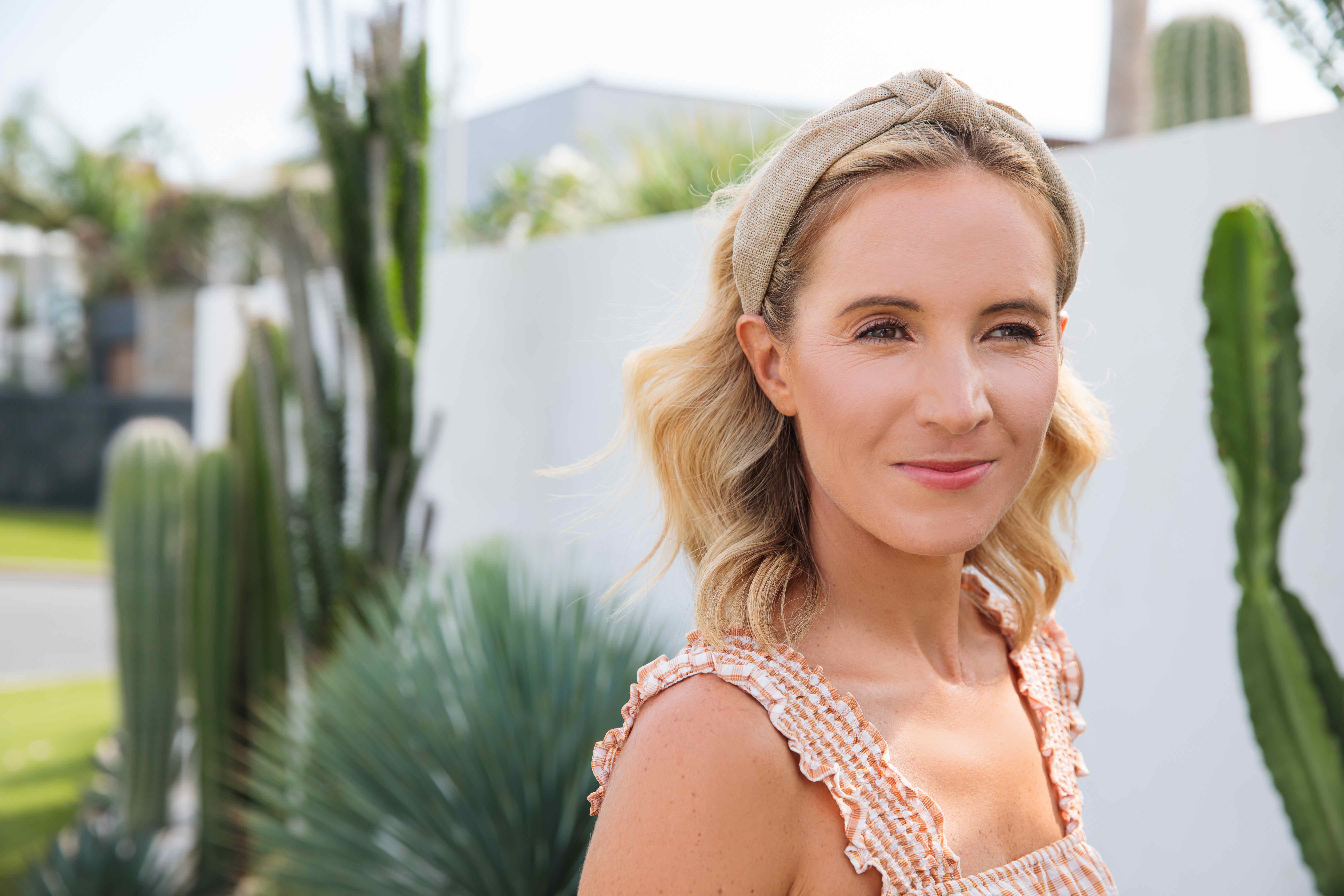
Zara D’Cotta is a Building Biology New Build Consultant (BBNC) and Electromagnetic Radiation Specialist (EMRS), specialising in healthy building materials, moisture-aware design and electromagnetic radiation considerations in residential construction.
She works with builders, designers and building product manufacturers across Australia and internationally, helping bridge the gap between building science, environmental health and construction practice.
Her work focuses on translating complex health and material considerations into practical, buildable strategies that reduce liability risk and improve long-term performance in new homes.
She holds dual certification through the Building Biology Institute (USA) and is part of a small group of practitioners globally to hold both BBNC and EMRS certifications, integrating EMF awareness with moisture control, ventilation and material health into mainstream building practice.
Zara is the founder of The Healthy Home, providing education and advisory support to the building industry to deliver healthier homes, and is a keynote speaker working with industry organisations and professionals across the sector.