

 Apple Podcasts

 Spotify

 Youtube Music

 Amazon Music

 iHeartRadio

 Podcast Addict

 PocketCasts
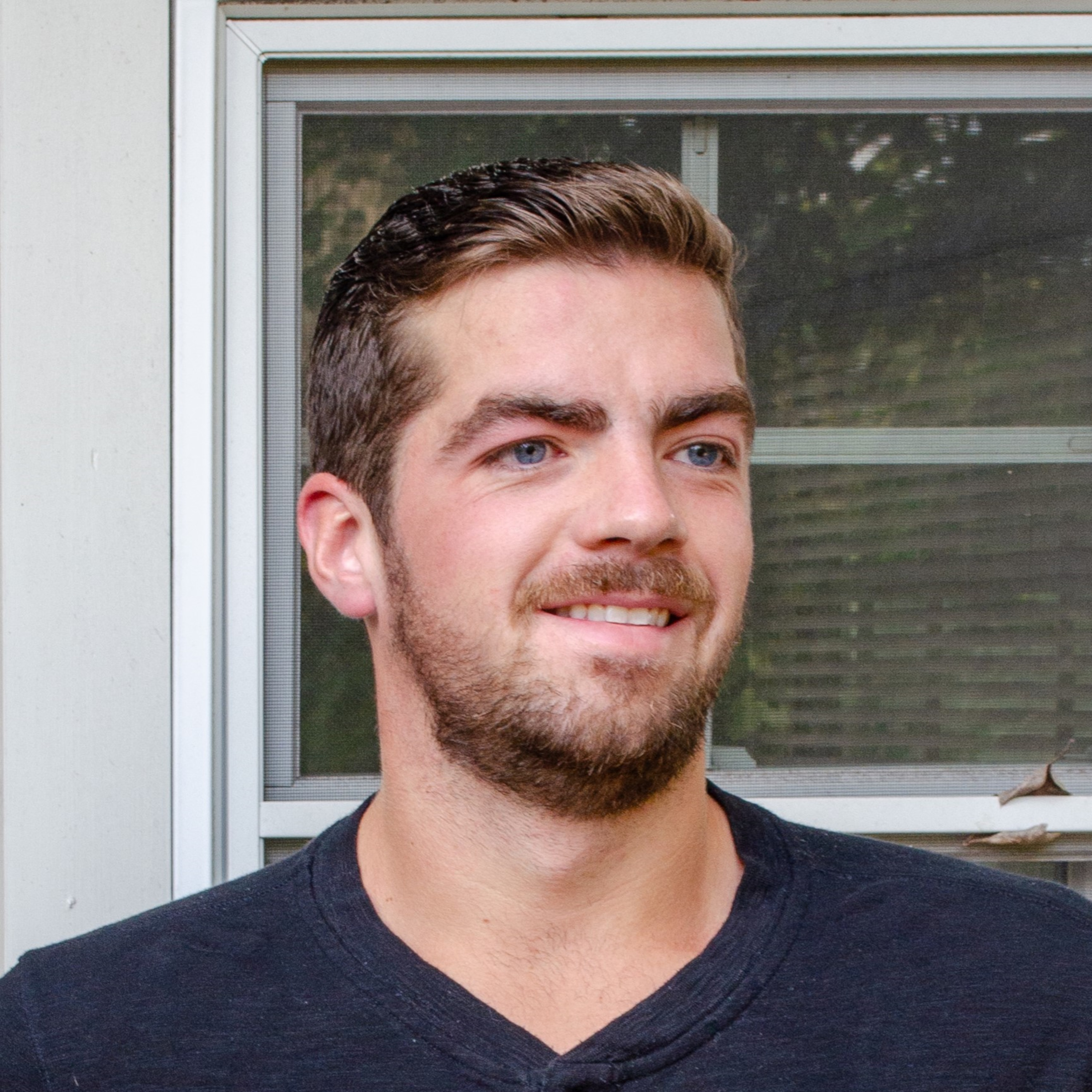
In this powerful episode of The Addiction Podcast — Point of No Return, Joanie Sigal sits down with John Luedke, author of Big Dump, commodities trader, and sobriety advocate. John’s story is one of raw honesty, near‑death experiences, and remarkable transformation.
From early substance use in high school — marijuana quickly escalating to alcohol, cocaine, Xanax, and opiates — John’s addiction spiraled alongside a lifelong struggle with food and weight. At his worst, he weighed over 320 pounds, drank daily, and used cocaine multiple times a week. His breaking point came during a spring break trip to Cabo, where cartel members threatened his life. That moment of terror planted the seed for change.
By January 2024, John quit everything cold turkey — alcohol, drugs, nicotine, even caffeine. The first two weeks were brutal, but through journaling, meditation, and self‑reflection, he found clarity and resolve. He shifted his addictive tendencies into fitness and discipline, losing 100 pounds in under a year. His journey shows how destructive impulses can be redirected into constructive passion.
In this interview, John shares:
- Rock bottom in Cabo — how a near‑death encounter forced him to face reality.
- Cold‑turkey sobriety — quitting everything at once and surviving the withdrawals.
- Weight loss transformation — dropping from 320 lbs to 220 lbs through discipline and fitness.
- Self‑reflection practices — journaling, meditation, and the inner work that sustains sobriety.
- Advice for young men — how to channel addictive energy into purpose and avoid relapse.
- His memoir Big Dump — a candid account of addiction, recovery, and second chances.
John’s story is a testament to resilience, discipline, and the power of second chances. Whether you’re struggling with addiction, weight, or anxiety, his journey offers hope and practical insight.
📖 John’s Book: Big Dump
Voiceover
The addiction podcast. Point of no return.
Joanie Sigal
John Ludke, thank you for being on the podcast today.
John Luedke
Thanks for having me.
Joanie Sigal
Absolutely, absolutely. I know that you have your own story, which was quite something with substance abuse.So give us the little quick and dirty on that, and then we'll talk about what you're doing now to help others.
John Luedke
Yeah. So substance abuse started, I would say, long before I ever ingested or smoked anything.I always had a need for external validation, was always anxious. And then my parents got divorced when I was in.Towards the end of seventh grade and around the beginning of eighth grade is when I started smoking marijuana. And then high school. That quickly turned to alcohol, cocaine, Xanax, opiates, and then college. I was using alcohol, cocaine, Xanax, very heavily.And then after I graduated college, I started to slow down a bit, and then I eventually got sober, and in January of 2024.
Joanie Sigal
Okay, but you started using even cocaine in high school. How did. How did that come about? Did. I guess. I'm guessing you had friends who used it.
John Luedke
Honestly, no. I was the one who, I would say was seeking more Weed got old for me pretty quickly. I, you know, because I binge and. And I'm an addict.You know, I went from smoking normal marijuana to dabs, which is like a more potent version, and, you know, that quickly got old, for lack of a better word. So then I searched for psychedelics when I was drinking. That wasn't enough. And that's when I. I ventured out and tried to find cocaine.So it wasn't even my friends influencing it on me. It was me being the one like, I need more. I want to experiment more. What I'm doing now is not enough.
Joanie Sigal
Got it. You were the bad influence. You didn't have a bad influence.
John Luedke
Yeah, that was a roundabout way of getting to that.
Joanie Sigal
So were you living with your mom or your dad? And did they have any clue what was going on?
John Luedke
So they had kind of somewhat of an idea. I think even with how bad it was, I still did a decent job of hiding it. I got caught smoking marijuana a couple of times.They didn't really have an idea of the hard drugs until my senior year. I got caught drinking at a football game. And then I failed the drug test for. For alcohol, marijuana, cocaine, and opiates.So when that happened, then that. Then they were like, oh, this is really bad. You know, beforehand I'd gotten in some trouble. I was selling weed.They'd caught me drinking and stuff, but they never thought it was as bad as it was until they saw that drug test result.
Joanie Sigal
Got it. What made you decide to quit?
John Luedke
So there was a. An epiphany moment. I would say that that kind of.I didn't quit then, but that was, I would say, the pivotal moment where my mindset started to switch.So when I was a senior in high school, we went on spring break in Cabo, Mexico, and the entire trip, I was doing coke and drinking, and it's not really a safe place when you're doing those things. And I eventually got wrapped up with some street cartel guys, and they were holding me for money, threatening my life.And the morning after, I woke up in a massive panic state. And I just kind of realized, like, if I keep doing these things, I'm going to end up dead or in jail.I'd gotten arrested before, like, for something minor, but, like, dodged a bullet so many times. Got pulled over when I was blacked out drunk, like, used to drive drunk all the time, had sold drugs in the past, was just never a good person. And.And that in, like, the criminal sense, like, I could have gotten in trouble for a million different things. And then the. The death part being, like, you know, I just got held for ransom, like, they were threatening my life.There was another occasion when I had heart palpitations from cocaine, too. So that was when I realized, you know, I. I had to stop or. Or it was not gonna end well.
Joanie Sigal
Understood. And you also had a weight issue at the time, right?
John Luedke
Yes. So I. I always had a weight issue. Sometimes I like to say that food was my first drug since I was, like, 7. I was overweight until I was 23.So for 17 years, I struggled with. With overeating, emotional eating, with my weight and body image.And then in college, when the drinking and the drug use reached its worst, so did my weight.So there was a point where I was 330, 15, 320 pounds, drinking every day, taking Xanax every day, using cocaine probably two to three days a week, and doing whippets. Nitrous oxide. So, yeah, it was a culmination of all of my. My bad habits. And that's when things got dangerous.
Joanie Sigal
I got it.
John Luedke
Yeah.
Speaker D
How did you stop, John?
John Luedke
It really just came down to knowing that it was unsustainable. I'd gotten lucky that I hadn't died or gotten arrested for a serious charge.And I. I kind of knew that, you know, this is a sign that if I don't stop, those things will happen. But did you.
Joanie Sigal
I'm sorry, but did you do rehab or did you just.
John Luedke
No. In in high school, I did outpatient rehab that my hand was forced. I got caught selling weed the one time and I did outpatient.And then the second time I got caught drinking at a football game and was forced to go to outpatient. So both those times I was against it, was against my will. So I wasn't committed to it.
Joanie Sigal
Right.
John Luedke
But yeah, when I stopped, I just went cold turkey with Dr. Drinking alcohol, drugs, nicotine, caffeine, Literally. I quit everything at once.
Speaker D
Wow.
Joanie Sigal
You know, we know just from all the interviews that we've done that stopping a heavy duty alcohol habit can be very dangerous. So you're actually lucky you made it through.
John Luedke
Yeah.
Joanie Sigal
God had a purpose for you.
John Luedke
Definitely. Yes.
Joanie Sigal
Okay, so how long did it take you doing it cold turkey? I mean, like, what did you go through? What was that? Like?
John Luedke
The first two weeks were very tough, especially because of the nicotine withdrawals, which for me have been tougher physically than alcohol or drugs. So the combination of knowing I, or like knowing I'm not drinking, plus the nicotine withdrawals, I was very irritable.And then once those kind of subsided, I started to do some deeper reflection, meditation and journaling. And probably about two weeks into going cold turkey with everything, I was like, all right, this is it. I never want to go back. Like, I.Even though it was such a short amount of time, I saw the potential of what I could be if I kept going down the same path and doing the right thing as opposed to the wrong thing. So pretty quickly I was like, I can avoid all the anxiety, depression, self loathing, the risk that comes with using the way I used.And I finally started to see the potential of who I could be if I kept going on the right path.
Joanie Sigal
That's amazing. I mean, that's amazing that you could do it yourself. I mean, very, very well done. And that was when.
John Luedke
So that was my first day sober was January 1, 2024.
Joanie Sigal
Wow. Two years. Two and a half years.
John Luedke
Very well done and some change.
Joanie Sigal
Yep, yep. I think tomorrow. Make it two and a half. Exactly.
John Luedke
Yeah.
Speaker D
You know Lee Steinberg as the legendary sports agent who inspired the film Jerry Maguire. But the story he's sharing now isn't about superstar athletes or record breaking contracts.It's about what happens when life completely falls apart and how you rebuild from the ground up.In his new book, the Comeback, a playbook for turning life's setbacks into victories, Lee opens up with honesty and courage about his battle with alcoholism. He takes you right into those rock bottom moments.Sitting in his parents home after Losing everything, reaching for the cheapest bottle of vodka he could find. It's raw, it's real, and it's something many people can relate to. But this book isn't just about the fall. It's about the rise.Lee lays out nine powerful pillars of resilience. Things like accountability, courage, and rebuilding trust, the same principles that helped him reach 16 years of sobriety.And he weaves in stories from clients like Troy Aikman and Steve Young, showing that even the biggest names face setbacks and find their strength again.If you or someone you love is navigating a tough chapter or you just need a roadmap for reinvention, the comeback, a playbook for turning life's setbacks into victories, is a powerful place to start. You can get your copy on Amazon.
Joanie Sigal
Today, but okay, so what happened then with the weight? Because your weight loss is kind of part of your whole recovery journey, isn't it?
John Luedke
Yeah. So I started losing weight while I was still using. So in June of 2022. So rewind. A year and a half before I got sober, I started eating properly.And that was my first, like, entanglement with discipline. Like, before that, there was no discipline in my life.Like, I never went to the gym consistently, didn't have a good study routine, ate poorly all the time. And then June of 2022, I started to eat good and I dropped weight really quickly. And then I got down. I was 320. I got down to 260.And then in October of 2022, I started working out and I shifted, I would say my addiction mindset into the gym. And then I really started to lose weight, and I went from 320 to 220 in 11 months.
Joanie Sigal
Wow.
John Luedke
And then, so that also was another thing that I saw was what consistency and discipline could do firsthand. I always thought I was going to be overweight for my entire life.So the fact that, you know, I not only lost weight, but got to a place where I was like everyone else. Like, I always felt like I stuck out as the fat kid. And then I got myself to a place where, you know, I was.I remember borrowing one of my roommates shirts and, like, fitting into it and something like that was even like that. I was so proud of that moment.
Joanie Sigal
Right. So you learned that you could do something about it. You had it within your own power, and that's huge.
John Luedke
Yeah. 100%.
Joanie Sigal
Yeah. Wow. So, okay, so you got clean and sober, and you've been sober for two and a half years. And what, what is your life like? Now.
John Luedke
I work. I think I. I've shifted my addictions to healthier addictions, I would say, but that it, it's still.I'm still working on that and trying to find more balance. When I first got sober, I was addicted to fitness. Working out three times a day, just unhealthy.So a lot of my life now is work and in fitness, but I try to find a balance. I think I'm still self aware that I have addictive tendencies, both good and bad.Good in the sense that I can get really obsessed with something and put a lot of time and effort to it. But bad where sometimes with fitness, it's led to, you know, five plus injuries because I'm constantly working out, but fitness work.And then I just wrote a book, published it in January. So I'm doing some podcasts like this. I have some younger guys that I'm trying to mentor, help get them sober as well.
Joanie Sigal
What's the book about? Tell us about the book, the title and what, what it's about.
John Luedke
The book is called Big Dump. I actually have a copy right there. I could grab it.
Joanie Sigal
Yeah, show it to us.
John Luedke
So this is the book. This is what I used to look like.
Joanie Sigal
Oh, my.
John Luedke
Yeah, yeah. Quite the transition.
Joanie Sigal
Yes.
John Luedke
But what we just talked about is somewhat of a condensed version of the book. It depicts my journey through sobriety and weight loss and what it took to get to the point to lose the weight and to get sober.
Joanie Sigal
Got it. So, John, what would be like, your biggest piece of advice that you would give someone who is in the throes of addiction? What would you tell them?
John Luedke
I think the two, the two pieces of advice I, I would give is to do a ton of self reflection, whether it's through journaling or meditation. Because even if you try to get sober and you're not doing the work on yourself, you'll relapse.For me, I didn't relapse, but I just, you know, stopped drinking alcohol and started working out three, three or four times a day because I hadn't done, I hadn't gone to therapy, I hadn't journaled, I hadn't meditated. So I think doing the self reflection as well as making a conscious effort to get sober.And then the other thing I would say is find something that you're passionate about, even something from childhood.If you fished or played hockey or wrote or drew or something, find something that you could put your time into, because once you gets over, you're gonna find that initially you're gonna have a lot of time And I think it's important to set goals and have something productive, even if it's not making money, but something that makes you feel good.If art makes you feel good, drawing, writing, if you being outside with nature makes you feel good, you know, be outside, go to the beach if you can, and just make sure you fill your time in those beginning stages. It's the hardest. That's when your brain's going to try and trick you the most to, to go back to the vices.
Joanie Sigal
I think that's great advice. And your book's available on Amazon, right?
John Luedke
It is, yes.
Speaker D
And are there tips in your book.
Joanie Sigal
If someone's looking at getting into recovery or in recovery? Are there tricks in there that you think would be helpful?
John Luedke
Yes. Some of the stuff I did like, I definitely wouldn't recommend. Like I'm a little radical with my approach to things.Like, so I would say take especially the working out stuff. The recovery stuff I think is very helpful. But the working out stuff I wouldn't really recommend to most people.It probably comes with a lot of injury risk and stuff.
Joanie Sigal
You know, I get that, John, but I.We've had people on the podcast who have said that they recommend that you approach your sobriety with the same intensity that you approached the addiction. And I think you did that. And I get, you know, if you're lifting £250 and you're not ready for it, you can strain something and it's not a good idea.But I do think that putting enough attention on getting sober, because my understanding, and I never had a problem with substance abuse, but my understanding is when you're addicted, you wake up in the morning and the first thing you think about is how to get high. And so I think what you're saying is you need to approach your sobriety with intensity. And I think that, I think that that's true.
John Luedke
Yeah, I think that that's the only way to get sober. I don't think you're gonna just like, you're not gonna get rich if you don't think about money.You're not gonna get sober if you're not putting in the time and the effort. And a lot of that is the self reflection, at least in my opinion. And in my experience, it's been a lot of hard truth and self reflection.
Speaker D
I get that.
Joanie Sigal
Well, I thank you for the book and I thank you for what you're doing and very well done on your sobriety and thank you for sharing your story with us today. I think it'll mean something to a lot of people.
John Luedke
Thank you so much. I appreciate that. And thanks for having me.
Joanie Sigal
Absolutely.
Voiceover
You have been listening to the Addiction Podcast, Point of no return. For more information, reach out to us on Facebook or go to www.the addictionpodcast.com. Our email is the addiction podcastahoo.com.