

 Apple Podcasts

 Spotify

 Youtube Music

 Amazon Music

 iHeartRadio

 Podcast Addict

 PocketCasts
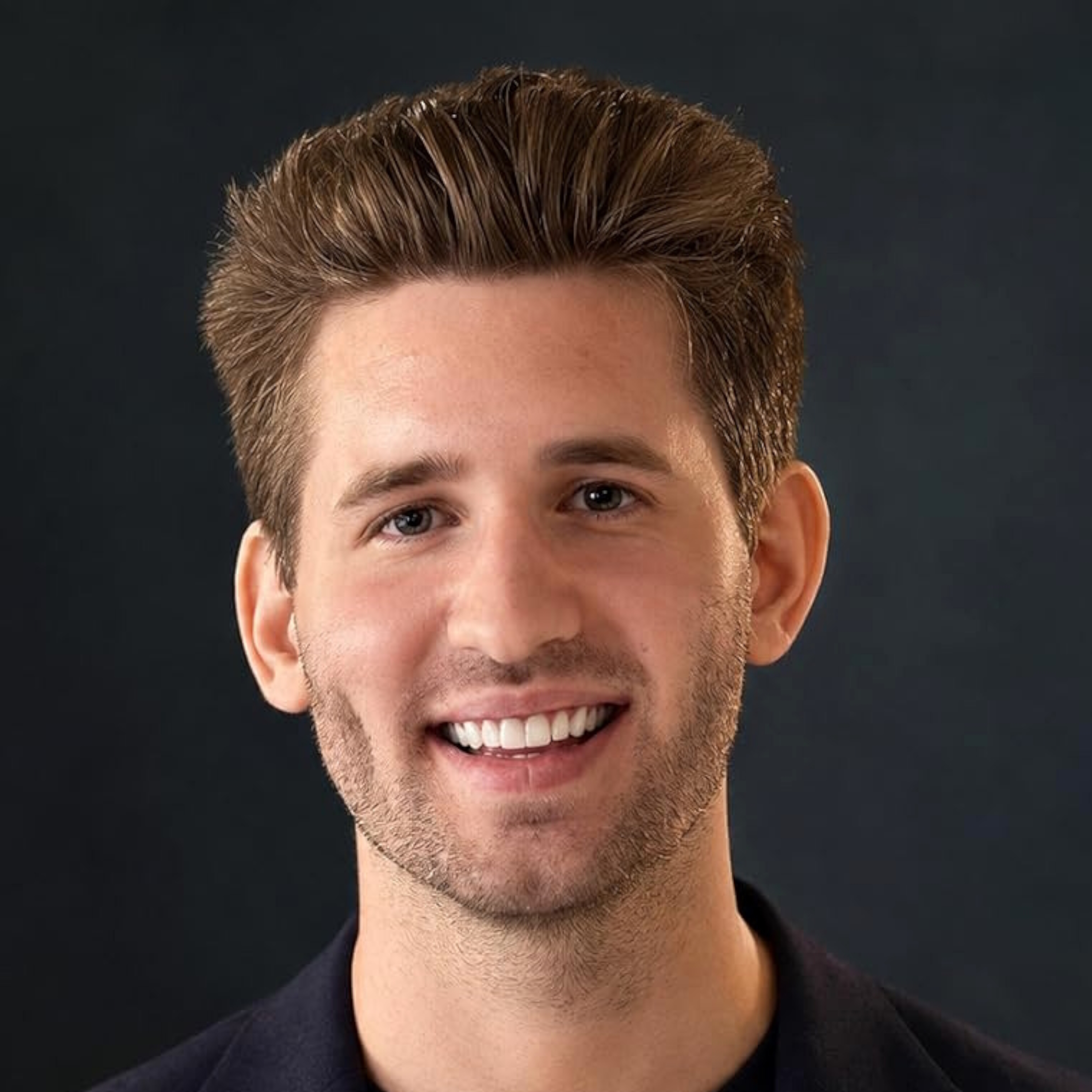
This episode of The Addiction Podcast — Point of No Return features Minnesota‑based creator and impact storyteller Josh Liljenquist, known online as Joshlilj, whose “Live to Love” mission turns online attention into real‑world help. With more than 34 million followers, 2.7 billion YouTube views, and over $1.9 million in documented public support, Josh has built a community that steps in when people face homelessness, addiction, medical emergencies, housing instability, or sudden hardship.
Josh talks about the early days of his outreach—meeting people living on the streets, learning from their resilience, and discovering that addiction is often rooted in trauma, life experiences, and the need for human connection. He shares the deeply personal story of Aaron, one of the first people he met during outreach. Their friendship grew over four years as Josh provided basic necessities, companionship, and unconditional support. When Aaron finally said, “Today’s the day—I want to go to treatment,” Josh describes it as the most meaningful moment of his work.
Josh also discusses his broader mission: helping families in crisis, supporting sick children, assisting people after disasters, and creating fundraisers that have changed lives—including raising $50,000 to help a formerly addicted man secure stable housing and hiring him full‑time so he could keep his home.
He explains how his website, JoshLiljenquist.com, allows people to submit requests for help, and how his team evaluates each situation with dignity, consent, and follow‑through. The episode closes with Josh’s current mission: helping a man from Kansas find a kidney donor after surviving cancer three times and losing his retirement savings to dialysis costs.
This conversation highlights compassion, practical action, and the belief that every person—no matter their circumstances—deserves to be seen as a human being, not a problem. It’s a powerful reminder that recovery is possible, change is possible, and kindness can ripple outward in extraordinary ways.
Voiceover
The addiction podcast. Point of no return.
Joanie Sigal
So, Josh Liginquist. I think I maybe didn't quite say that. Right. But I'm close.Thank you for being on the podcast today and sharing your story with some of the work that you've been doing to help people. Well, not only suffering from addiction, but suffering in general.
Josh Ziljenquist
I think I've learned a lot about addiction since I started doing this, first of all, and a lot about humans. And, you know, there's a couple things that I figured out that kind of go hand in hand with addiction.And it's usually life experiences, something that somebody's been through. And the biggest thing I've noticed is you really got to show love, more love to those people, and don't kick a person when they're down.
Joanie Sigal
That's a good piece of advice. I like that, Josh. You were going to have a gentleman on the. On the podcast with us, a fellow named Aaron. Tell us about Aaron.
Josh Ziljenquist
So, Aaron, when I first started doing my work, he was actually one of the first people that I met. He was living on the streets, and right away, me and him became best friends. It was crazy.It's like we've known each other forever, and he came with me every day, and we would do outreach together, and we would help people, and it almost gave him a sense of purpose. And when he was with me, he didn't think about it.And when I dropped him off, I got him the stuff that he needed, like a cell phone so I can keep in contact with him. Say, if he needed a tent, I'd get him a tent, get him the basic necessities so he wouldn't, you know, be out there with nothing.And we had a blast doing it.And, you know, he was stuck in that active cycle of addiction, and it sucked as a friend to see him going through it, but I knew I couldn't force it on him. So I had to wait till he was ready. And I didn't want to. I don't want to say anything that could potentially jeopardize our friendship.And so I never brought it up until a little over four months ago. I was down at the camp, and I was with somebody, and he said, hey, watch this.And he went up to the person that I was with, and he said, hey, I'm gonna go tell Josh I'm going to treatment. And so he walked up to me and he said, today's the day. And I said, what do you mean it's not your birthday? Your birthday was a couple of months ago.What are you talking About. And he said, no, I want to go to treatment. And it was probably the best feeling, actually.I mean, since I started doing this, it's definitely the best feeling I've ever had because we've had that close connection, that close bond, that friendship for four years. And to see him wanting better for his life and for his kid back in Arkansas, and to see him actively wanting to change has been incredible.
Joanie Sigal
How did you even. How did you even start working with. I'm assuming he was homeless? How did you get into this? I mean, you don't. You. You.You look like a fairly upscale young man. What brought you down there? How did you get involved in that?
Josh Ziljenquist
I've always been involved in, like, philanthropy. So my grandparents, my great grandparents, my parents, they've taken in people. So I'm no stranger to, you know, people who are struggling.So, you know, that's just all I've really known.And I used to do stuff with people who were struggling but weren't necessarily homeless until one day I stumbled across this man, and I started talking to him for a while, and he didn't look any different than me. You know, he looked very clean, clean clothes. And he's like, yeah, I'm actually homeless right now. I said, it came up somehow.And I said, so, do you have a house? And he said, I have a house. And I said, oh, okay. Where do you live? And he's like, well, I have a house.And then he pointed up, and I'm like, oh, you have a. Like a physical house? Or he's like, no, no, no, no. The. The only house that matters. And I'm like, holy crap. Like, that's. That's crazy.And so right then and there, I'm like, this is. He taught me more about faith in that, like, 10 seconds than what I've learned in 28 years of life.
Joanie Sigal
Wow.
Josh Ziljenquist
The fact that you're saying that and you're saying it with a smile on your face shows me that, you know, life hasn't got you down. You're not broken.And, you know, despite going through all those challenges and the struggles and addiction, all the stuff that he was going through, he was still upbeat and still a great person. And ever since that moment, I'm like, man, I could learn a lot from these people.
Joanie Sigal
But that wasn't Aaron. That was someone else. Right. Okay. So do you find that on. Often addiction goes along with the homelessness or has caused the homelessness or.What percentage are you seeing?
Voiceover
High. Very high.
Joanie Sigal
Okay.
Josh Ziljenquist
Very high. Yeah. I think if you're not an addict. When you become homeless, I think you will be.I think you'll get sucked into that lifestyle because everyone around you is, and it's almost inevitable. So I think a lot of it comes down to trauma.You know, I noticed that all these people have something in their life that contributed to them being an addict. And sometimes it's, you know, abuse. You know, you hear it all the time and.
Joanie Sigal
Or with the military, we see it a lot from those who have suffered with ptsd and they.
Josh Ziljenquist
That's right.
Joanie Sigal
Just can't deal with that. And they end up on the streets, usually addicted. So you spend all your time working with these people, is that right?
Josh Ziljenquist
I spend a lot of time. Not all of it.I would say some of it comes from helping people that have sick kids who need help, financial help, and I'll help them, or sometimes it is somebody that their house got taken in a natural disaster. So it all depends on kind of like what the needs are. But I just like to help in general.And for a while there, it was solely focused on our homeless population. And I found out I was learning more about life about. I mean, they have a lot of knowledge.So that's one thing I will say is I have an abundance amount of knowledge from them, like life experiences, things that they wish they could do over, some things that. That worked for them.And just because somebody's down and out and, you know, down in their luck doesn't necessarily mean that, you know, you can't learn something from them. And they've taught me probably more about, you name it, than majority of people can.
Joanie Sigal
I can relate to that since we've been doing the podcast for eight years and we don't have addiction in our family. And we thought, oh, we know what it's like. We know about addiction, and we really didn' have a clue.He did have somewhat of the stereotype of, you know, primarily addicts are homeless under the bridge, which is not always the case. And we've learned. We've learned a lot about it, Josh. Okay, now this is a personal question. I want to answer it.It's okay, Are you independently wealthy or do you raise money to help these people? Do you do some sort of fundraising?
Josh Ziljenquist
Yeah, I would say so. Social media pays me, and then I just, whatever I make, I go out and help the. Help the next person.So I would not say I'm independently wealthy, but social media pays me, so it's sustainable. Instead of working a 9 to 5, I'm like, how could I.How can I leverage this for good you know, my grandpa used to do free plumbing for people, so he would provide a service. And, you know, I somehow stumbled across social media. If I wasn't in social media, I probably would be a plumber like my grandpa.
Joanie Sigal
Well, I, I really appreciate everything that do for the people. You know, people ask us, Josh, I say, why do you do this podcast?You know, and truthfully, it's because I don't think addiction is a problem of just one family or one person, and it affects us all. And, you know, I don't think you don't have addiction in your background. Right. So then, you know, the point is it, it affects everybody.And it isn't something where you can look at someone like Aaron and say, you know what, Aaron, that's your problem and not mine, and you need to deal with it, because how is that even humane to do that? You know, and that's why we do this.
Josh Ziljenquist
If you show people and they see a person and not a problem, it becomes a different story if you can personalize that person, you know, because if you don't talk to them and you ignore the situation, it's easy to make people to not humanize them, I guess, to. In it, you know, to a certain degree. But like, if you. Oh, it's very wrong, trust me.
Joanie Sigal
It's just wrong to do that.
Josh Ziljenquist
But if you, if you force people, force it down their throat, like showing, you know, like the videos that I do shows who they are as a person, you know, and if they see that, they're like, oh, wait, you know, this person's. Huh. Probably would have thought a little bit different about them if I, if I didn't know that information, you know?
Joanie Sigal
Yep.
Josh Ziljenquist
The more questions you ask, the more you can kind of understand. And the more you understand, the easier it is to create that solution and be open minded and not necessarily be judgmental.Yeah, that's a good word to put. Yeah, exactly.
Joanie Sigal
Josh, do you have a website?
Josh Ziljenquist
So it's actually just joshlogenquist.com.
Joanie Sigal
Okay.
Josh Ziljenquist
And he said it. Yeah, exactly. And yeah. So people, you can go there and people fill out forms to kind of like request help. And I. It's kind of crazy.So the fact that we're talking about addiction, the person who goes through those forms actually spent 30 years in addiction. Yeah. So he was an addict. He was addicted to meth for 30 years.
Joanie Sigal
Wow.
Josh Ziljenquist
And he prayed to God that he takes the cravings away from drugs. And then 41 months ago, God delivered and he is no longer addicted.
Joanie Sigal
Wow.
Josh Ziljenquist
And he got out of that Cycle. And recently, I would say within the past five months, I met him for the first time probably five months ago. And it was actually just a text.He sent me a text, and I get a lot of texts from random people all the time, and I never respond. But for some reason, I don't know why, now I. Now I know, but I. You know, at the time, I didn't. And I ended up calling him, and I never do that.I've never done it, and I never will do it again. This is, like, the only time. And so I called him, and I. After I hung up, I'm like, holy crap. This guy's. This guy's awesome.So we met up, and from that day, he came with me every day to come do outreach. Wow. And one day to. Like, two months ago, he called, and he was crying, and I said, dude, what's going on? Why are you crying? And I.He's like, well, can we just meet up? And I said, yeah, let's. You know, let's meet at Cub.So we met at Cub, and I actually picked up my videographer because I'm like, if you can capture this and it's something we can help with, and we can capture his raw emotions and tell the story in a way where it makes sense, that would be the ideal situation. So I picked up my videographer.We went there, and he was in the back of my car, and he said, my old roommate who just moved out brought the landlord's attention about my criminal history. And I said, okay, is that. What's that mean? And he said, well, I'm not on the lease.And so he told him I wasn't on the lease, and I can't be put on the lease because of my criminal history. So I'm scared for my wife, scared for my step or for my stepdaughter. I don't know what to do. And I said, I'm sorry, you know, I. I don't know.I don't know what else to say. And we ended up posting that video. I asked him after we filmed it, I said, hey, do you care if I post this and see what we can do?See if we can come together and help you out? And the fundraiser ended up raising $50,000. And so, yeah. And so he actually used that money for a down payment on a house. So he's now a homeowner.
Joanie Sigal
Wow.
Josh Ziljenquist
Never thought he'd be a homeowner. He's in and out of prison for 30 years, addicted. And it's not like you can get.
Joanie Sigal
Credit at the bank.
Josh Ziljenquist
And so. And the same day, he closed on his house. I said, so now you're going to have a mortgage payment. How are you going to do that?You know, you don't have a job right now. He said, I don't know. I'm. I'm worried about that, but I'm just thankful for the house. And so I said, do me a favor, read this.And so I had him read a. A letter, and it said, you strengthen the faith of everyone around you. How would you like to work for me full time?
Joanie Sigal
Oh, nice.
Josh Ziljenquist
And so I gave him a job so he doesn't have to worry about his mortgage payment. And so now he has a job, he has stable housing, and he's probably. He's the biggest blessing to the company. And.
Joanie Sigal
Oh, that's awesome.
Josh Ziljenquist
And he. He was in addiction for 30 years. So it's. It's never too late. It's never too late.
Joanie Sigal
What's the name of the company?
Josh Ziljenquist
Yeah, so it's just Josh L, A L J and then Space llc.
Joanie Sigal
Josh LL J. Space llc. And how do people find you on social media? Since it sounds like you. You're using social media for the right things.
Josh Ziljenquist
Yeah. Trying to slowly changing the nar. Trying to change the narrative about people. Because not everyone's evil.
Joanie Sigal
No.
Josh Ziljenquist
If you watch the news, you probably.
Joanie Sigal
Think so, but I don't. And so I don't.
Josh Ziljenquist
Well, that's. There's a reason I stopped.
Joanie Sigal
Yeah, exactly.
Josh Ziljenquist
Yeah. So I don't. I don't watch any of that stuff. I just kind of go out there and I experience the world for myself. Because if you figure out.If you go out and actually experience the world, you'll figure out it's not as evil as you think it is. Yeah.
Joanie Sigal
People are super nice. So how do people find you on social media? Watch some of your videos.
Josh Ziljenquist
So just Josh lj.
Joanie Sigal
Okay.
Josh Ziljenquist
Yeah, perfect. Yeah.
Joanie Sigal
And you post on there when you have fundraisers, like for your friend who needed the money for a house, you post on there when you're doing that.
Josh Ziljenquist
Yeah.
Joanie Sigal
Okay. Got it. Yep.
Josh Ziljenquist
So whenever somebody needs help or they're in a situation where I do a lot for, like, sick kids, because I was once. Once upon a time, I was a sick kid.
Joanie Sigal
Okay.
Josh Ziljenquist
So that kind of has a special place in my heart as well. And so, you know, there's addiction in the family. So obviously addiction is, you know, it's. And it affects everybody, like you said,.
Joanie Sigal
You know, so does. It really does. It's not. If you're. If you're A human. It affects you. That's the bottom line. Cool. So you. What's next for you?You're going to go out and make more videos? You have major projects planned or just keep doing what you're doing?
Josh Ziljenquist
Right now? My mission is find a man a kidney.
Joanie Sigal
Okay.
Josh Ziljenquist
Yeah, it's. That's been. That's been tough for me.
Joanie Sigal
He.
Josh Ziljenquist
So there's a guy from Kansas. It was actually my dad who. My dad's been in contact with him for, like, months. I didn't know.He randomly reached out to my dad and I think he made his. Might have seen my videos before and reached out to my dad and he's been talking to him.And so my dad just called me and he said, son, you need to go out to Kansas. And I said, okay. So I went out there and he told me a situation. He drained his retirement.All the money he had saved up for retirement, he drained it because he needed to pay for dialysis. He beat cancer three times. He has three feet of his colon removed. And because he went through chemo three times, his kidneys are failing.
Joanie Sigal
Oh, okay.
Josh Ziljenquist
And so, you know, it's just this. It's just life can be unfair sometimes. And so it was really. That's tough for me. And so right now, my whole goal is to find this man a kidney.I don't care about anything else. And we did a fundraiser for him. I think it's at 60 something thousand dollars. But money can't save a life, right?You know, money can't necessarily buy you a kidney.
Joanie Sigal
Well, no, not in this case. He actually needs the kidney. I don't know if any of our listeners, I don't think they come here to donate kidneys.I think they come here, find out about addiction and maybe they're either struggling themselves or they have a family member, but you never know. You keep getting the word. You never know who's going to get the message and go, I happen to know someone. I think I can help.So I think that's a great cause. I appreciate everything you're doing.Once again, for anybody who wants to follow Josh on social media and learn more about him, it's Josh L I L J on social media. And the website is Josh L I L J dot com. Right?
Josh Ziljenquist
Josh L I L J E N Q U I S T. The whole name.
Joanie Sigal
Josh Liljenquist.
Josh Ziljenquist
Yes.
Joanie Sigal
Okay. Given. Trying to rush through it.
Josh Ziljenquist
Yeah, you did great.
Joanie Sigal
Oh, you're welcome. Yeah, it is a passion project for us and we love having people like you on the podcast who are doing such good things for people.And, and I will put in the show notes, and when I send out an email, I will just say, if anybody knows someone who is in a position to donate a kidney to reach.
Josh Ziljenquist
Out to you, please. That would be incredible. It's. It's so hard. It's so hard. Having to navigate these situations is so.
Joanie Sigal
Mentally, it's just you're doing the right thing because you put it out there, and if you put it out to enough people, someone will see it, someone will answer, and it'll be someone, you know, completely random. That's what I find.
Josh Ziljenquist
And that's the glory of it, too.
Joanie Sigal
Thank you so much for talking to us today, Josh. Appreciate you.
Voiceover
Well, thank you for having me on. This is a great conversation.
Joanie Sigal
Absolutely.
Voiceover
You have been listening to the.