

 Apple Podcasts

 Spotify

 Youtube Music

 Amazon Music

 iHeartRadio

 Podcast Addict

 PocketCasts
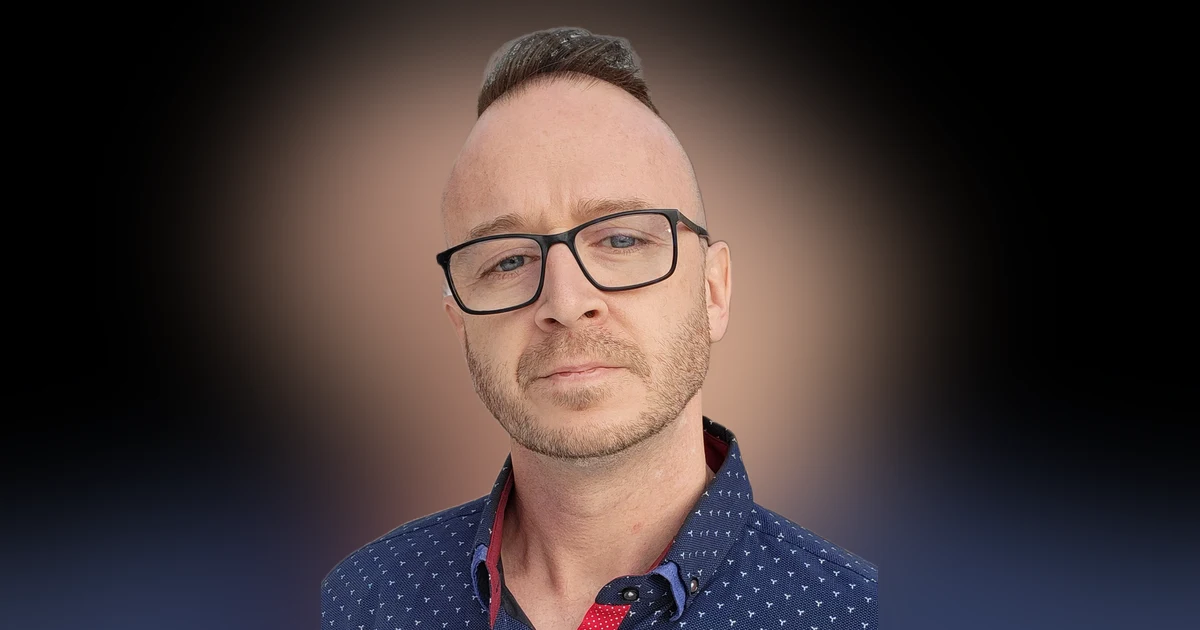

This isn't just a recovery story—it's a fight for survival and family.
Meet Daniel Hearn and Donna Gilchrist. Their path through addiction ripped their family apart: a tradesman losing everything, a son taken into care, a violent gangster, and Daniel held hostage with an axe to his throat. Meanwhile, Donna hit the streets, surviving violence and addiction.
Today? They're not just recovered; they're reunited and raising a family, showing the world that the storm can pass. Daniel now runs Hard Knox Talks and Donna leads Parenting in the Storm.
Tune in to hear:
The terrifying truth of hitting rock bottom—including that life-or-death confrontation.
How Daniel's mother helped pull him out of the darkness.
The gritty, step-by-step path they took to forgive, reconcile, and rebuild their family.
Why their message is vital for every family fighting to find its way back.
Don't miss this raw, inspiring conversation about resilience against all odds. Listen now!
HELP SUPPORT OUR FIGHT AGAINST ADDICTION. DONATE HERE:
https://www.patreon.com/theaddictionpodcast
PART OF THE GOOD NEWS PODCAST NETWORK.
AUDIO VERSIONS OF ALL OUR EPISODES:
https://theaddictionpodcast.com
CONTACT US:
The Addiction Podcast - Point of No Return
theaddictionpodcast@yahoo.com
Intro and Outro music by:
Decisions by Kevin MacLeod is licensed under a Creative Commons Attribution 4.0 license. https://creativecommons.org/licenses/by/4.0/
Source: http://incompetech.com/music/royalty-free/index.html?isrc=USUAN1100756
Artist: http://incompetech.com/
The Addiction Podcast Point of no Return.
Speaker BHey, everybody.
Speaker BThank you for joining us today on the addiction podcast Point of no Return.
Speaker BI will tell you that the story that is coming up is not for the faint of heart, so be prepared for that.
Speaker BBut before we get into the story, please listen to a word from our sponsor, Newman Intervention and Rehab Services.
Speaker CHi, my name is Amy Newman, and my husband Bobby and I have a business called Newman Intervention Services.
Speaker CWe provide intervention services for families who have loved ones struggling with drug addiction.
Speaker COur goal is to help individuals get the support and treatment they need to overcome addiction and start on the path to recovery.
Speaker CWith our personalized and compassionate approach, we guide families through the challenging process of getting their loved one into rehab and onto a road of a healthier future.
Speaker CTogether, we can make a positive difference in the lives of those affected by drugs.
Speaker CIf you or someone you know is in need of an intervention, don't hesitate to reach out to us.
Speaker CLet's work together and bring hope and healing to those battling addiction.
Speaker BCall 866-989-4499 today and say the word podcast to get a 10% discount.
Speaker BOr go to neumanninterventions.com and type in the word podcast for a 10% discount.
Speaker BThe service comes with a free one hour consultation with Bobby.
Speaker BDaniel Hearn, thanks for being with us today, Mr. Podcaster on our podcast.
Speaker BThank you for being with us today.
Speaker AYeah, well, thanks for having me.
Speaker AI know that I've been putting feelers out towards you guys for a couple of years now, and I know that, you know, big wheels turn slow and all that.
Speaker ASo I'm, I'm glad that we finally aligned and I'm happy to be here and hopefully we can share some hope with your community today.
Speaker BI love it because that's the whole purpose, is to have people hear your story and go, wow, if he can get clean and sober, I can.
Speaker BOr my son can, or my husband or my father or somebody I know who's addicted can get clean and sober.
Speaker BSo that's the whole purpose.
Speaker BYeah, Daniel.
Speaker BBecause we know that you know people who listen to podcasts and you probably know this as well, they don't necessarily listen to the whole thing.
Speaker BSo start us off with a bang.
Speaker BLike, how bad did your situation get with your addiction?
Speaker BHello, I'm Joni Siegel, the host of the addiction podcast.
Speaker BIn 2022, over 100,000 people died from drug and alcohol abuse, and that number is growing daily.
Speaker BFentanyl poisoning, pot, cocaine, heroin, and even psychedelics and alcohol all contribute to this crisis.
Speaker BWhile we're bombarded with promotions from thousands of rehabs.
Speaker BNewborns are born addicted, and the majority of homeless people struggle with drug addiction.
Speaker BDrug dealers exploit online resources to sell to teens, and antidepressant use is spiraling out of control.
Speaker BThis podcast features brutally honest guest interviews, revealing harsh realities and offering hope and solutions through stories.
Speaker BWe don't sugarcoat anything.
Speaker BGuests speak raw and real.
Speaker BMore importantly, you'll find inspiration to understand, overcome, and achieve recovery, whether for yourself or to help others.
Speaker BSome within your own family, many among your friends or associates.
Speaker BWhether you're seeking help or just a glimmer of hope, our podcast equips you with the latest insights to confront this generational battle.
Speaker BMany listeners tell us they want to join the fight, but do not have the time or money to act, lobby, or just help.
Speaker BIf that's you, go to www.patreon.com the addictionpodcast and see how you can help.
Speaker AWell, on my darkest days, I mean, my son was apprehended.
Speaker AI was near homeless.
Speaker AI'd gone from business owner to.
Speaker ATo dumpster diver, addicted to meth, addicted to fentanyl.
Speaker AMy.
Speaker AMy son's mother, Donna, who we will be hearing from in a future episode.
Speaker AShe left the family home after our son was apprehended.
Speaker AShe ended up homeless, on the street, using IV drugs, tied up with gangsters in an extremely domestically violent relationship.
Speaker AI found myself being held hostage.
Speaker AI got locked under my house and left to find my way out.
Speaker AAnd on one fateful day, I decided to live a safer way.
Speaker BWow.
Speaker BYeah, I would say that.
Speaker BYeah, that would be a rock bottom.
Speaker AYeah.
Speaker AIs that a bang?
Speaker BYeah, I like it.
Speaker BIt works for me.
Speaker BSo, Daniel, just a little bit about your background.
Speaker BLike, when did you get started with drugs and, or alcohol?
Speaker BHow did you start?
Speaker AYeah, well, you know, it wasn't something that I, that I necessarily grew up around in the home.
Speaker ABy the time I came around and was old enough to start having memories, my, my father had put the plug in the jug.
Speaker AHe found his way into Alcoholics Anonymous.
Speaker AHe was a very staunch program guy.
Speaker ASo.
Speaker ASo I grew up going to AA meetings.
Speaker AYou know, I was, I was the kid in the back playing the games and running around outside and.
Speaker ABut something about that didn't really stick to me.
Speaker AIt, you know, I was hearing the stories, but they weren't landing.
Speaker AThat was somebody else.
Speaker ARight.
Speaker ALike, that wasn't me.
Speaker AAnd did you.
Speaker CDid you.
Speaker BI'm sorry to interrupt you.
Speaker BI try not to do that.
Speaker BBut did.
Speaker CDid it.
Speaker BDid you understand at that point that it Was something your father needed to do, or was it just someplace he took you once a week and you got to play?
Speaker AI mean, I. I had some understanding, but.
Speaker ABut as far as how badly he needed it and why he needed it, I. I didn't.
Speaker AI didn't have any, you know, because I didn't witness his rock bottom.
Speaker AI wasn't around for when things were bad between him and my mother, so.
Speaker ABut I.
Speaker ABut I do know.
Speaker AAnd my mother tells the story that she found him, like, how they met.
Speaker AShe found him under a bar room table.
Speaker ASo, you know, the history is there.
Speaker AAnd now that I'm old enough to understand it, it makes perfect sense that I went down the.
Speaker AThe trail that I did.
Speaker AEven.
Speaker AEven though my mother is an addictions counselor, she's now retired, but we'll talk a little bit more about that later.
Speaker ABut when I was around 10 or 11 years old, I started asking my father questions.
Speaker AI became curious because I was hearing stories at school.
Speaker AYou know, living in small towns, drinking is on the forefront, right?
Speaker AAnd a lot of my friends were being exposed to that, and they were drinking, and they were laughing about it on Monday and talking about all the wild stories and all the fun they had.
Speaker AAnd so I would go home and I would ask my dad, like, well, what does beer taste like?
Speaker AAnd what does.
Speaker AWhat does vodka taste like?
Speaker AAnd eventually he started to get angry with me.
Speaker AAnd I'm sure that was from a place of concern, knowing what I know now, but he was like, why do you want to know that?
Speaker AYou know?
Speaker AAnd.
Speaker AAnd I didn't really have a solid answer for him other than I was hearing stories from school.
Speaker ASo.
Speaker AWhen I turned 13, though, the opportunity finally presented itself.
Speaker AI was.
Speaker AWent for a sleepover at a friend's house, and we.
Speaker AWe got someone to get us some beer.
Speaker AAnd my first drunk was a blackout.
Speaker AThere was no.
Speaker ANo concern at all.
Speaker AI wasn't worried about consequences.
Speaker AI. I cracked those beers, and I drank them as fast as I could.
Speaker BAnd you went from zero to 60 in an evening?
Speaker AYeah, you know, and I woke up the next morning, you know, and not.
Speaker ANot to be too graphic, but it is what it is, right?
Speaker ALike, I woke up the next morning soaked in my own urine.
Speaker AMy pants were across the room, also soaked.
Speaker AThe bed I was in was soaked.
Speaker AEverything was wet.
Speaker AAnd, you know, his parents were upstairs the whole night.
Speaker AI'm certain that we weren't just sitting down there quiet, you know, so nothing was said about it.
Speaker AAnd I went to school, you know, and.
Speaker AAnd this speaks to the level of the insanity that I was already engaging with and bragged about it.
Speaker AYou know, you.
Speaker AYou would, you would think that having that experience and waking up in that state would be like a wake up call.
Speaker ALike, oh, maybe this isn't as fun as I thought.
Speaker AAs I thought it would be.
Speaker ABut to me, it felt like a badge of honor because now I can.
Speaker AI have a story that equals the stories that I'm hearing with school.
Speaker COh, yeah.
Speaker AI blacked out and, you know, all.
Speaker BOf this stuff blacked out and I wet my bed.
Speaker AYeah.
Speaker AAnd I don't know, like, I was.
Speaker AI thought I was proud of that.
Speaker BI understand.
Speaker BI understand.
Speaker BSo did you then.
Speaker BSo then how did it progress from there?
Speaker BBecause, I mean, at that point you're only 13 and was it just pretty much alcohol for a while or how did it progress?
Speaker AYeah, well, it was.
Speaker AMy life immediately became about Friday night.
Speaker AYou know, my whole week was spent trying to scrape up enough money to get a mickey on Friday night and try to do it all over again.
Speaker AWhen I turned about 14 or 15, that's when I was introduced to marijuana and hash oil.
Speaker AAnd the insanity around that is that, like, after the first time I did it, I didn't like it anymore.
Speaker ALike, it made me anxious.
Speaker AI didn't like the way that it, you know, it.
Speaker ALike, I would literally be sitting in the corner rigid with anxiety.
Speaker AI don't know if you've ever been there before or not, but it was something that I kept thinking I could do better.
Speaker AYou know, every time I got some, I like, well, maybe I'll only have one puff or maybe I'll smoke it this way or that way or whatever.
Speaker AAnd every time it was the same result.
Speaker AParalyzed with anxiety.
Speaker AAnd I just kept doing it and doing it.
Speaker BYep.
Speaker BYou are listening to the Addiction Podcast Point of no Return.
Speaker BFor more information on the podcast or to reach out, if you have a story you would like to share with us, go to our Facebook page by the same name or you can email us at the addiction podcastahoo.com or go to our website, the addictionpodcast.com and please remember to subscribe to our podcast wherever you listen to podcasts and and give us a five star review.
Speaker BWe appreciate you listening to the Addiction Podcast Point of no Return.
Speaker BWe don't do this podcast because we are former addicts.
Speaker BWe don't do this podcast because we have loved ones who have suffered from addiction.
Speaker BWe do this podcast because we feel that addiction is one of the biggest problems facing the world today and that no Matter who you are, no matter your religion, no matter your income status, no matter your race, no matter anything about you, addiction affects you.
Speaker BMany listeners tell us they want to join the fight, but do not have the time or money to act, lobby, or just help.
Speaker BIf that's you, go to www.patreon.com the addictionpodcast and see how you can help.
Speaker BYeah, and from there.
Speaker AYeah.
Speaker AAnd so when I, when I turned 16, I moved from the small town I was living in to a bigger city where I currently am now.
Speaker AI stayed, it's Saskatoon, Saskatchewan.
Speaker AAnd everything became more abundant, you know, and I never fit in in the town that I lived in.
Speaker AI was always trying to hang out with the rough crowd because I perceived that as, as freedom.
Speaker AI perceived that as power.
Speaker ARight?
Speaker AThey didn't have to listen to nobody.
Speaker AThey showed up to school whenever wanted.
Speaker AI mean, that seemed like a, like a, like a life that I wanted.
Speaker ABut I, but I never really fit.
Speaker AI was, I was a small little, you know, like small little white kid with big glasses and a weird haircut.
Speaker ASo I, I didn't fit the mold and as a result I got bullied often.
Speaker AI got taken advantage of often.
Speaker ABut when I came to Saskatoon, the, the diversity of people that were around me.
Speaker AI mean, now I'm going to a school that has 1500 people in it, right?
Speaker ASo I, there was a lot more people for me to, to choose a friend group from.
Speaker AAnd I, im immediately gravitated towards the potheads.
Speaker AAnd I wasn't as interested in drinking anymore.
Speaker ABut again, the insanity of it all, I would.
Speaker AI started smoking morning, noon, night, before school, at school, after school.
Speaker AAnd each time I did, I would find that anxiety again.
Speaker ASo I wasn't even enjoying myself.
Speaker ABut for whatever reason I needed to escape what I thought I was.
Speaker AAnd at that point I really didn't even know, right?
Speaker ASo when I was, I would say around 17 years old, oh, I might have to do a retake here.
Speaker ASo I graduated high school and I immediately started going to work.
Speaker AI got a job welding and of course in the trades.
Speaker AWe know there's no shortage of substances to, to talk about and to experiment with.
Speaker AAnd I think by the time I was 21, I was introduced to cocaine.
Speaker AI tried crystal meth.
Speaker AAnd that became, that became home for me.
Speaker AYou know, it gave me what I needed to, to be social to.
Speaker AI never really had much luck with women in my younger years.
Speaker AFor, for whatever reason, I found myself feeling rejected, isolated, hanging out with the rough.
Speaker ACr.
Speaker AWasn't.
Speaker AI wasn't the toughest guy in the room.
Speaker AYou know, I wasn't the.
Speaker AThe most handsome or whatever the case is, the most chivalrous, whatever that is.
Speaker ABut the.
Speaker AThe cocaine and the meth, they sort of.
Speaker AThey sort of removed that.
Speaker AAnd now I felt like I was the most interesting guy in the room, you know?
Speaker ASo I got into welding school.
Speaker AI.
Speaker AAnd I.
Speaker AAnd I was successful in it.
Speaker AI became a journeyman welder, and I would.
Speaker AI went up north welding.
Speaker AI don't know.
Speaker AWhere are you from, by the way?
Speaker BWell, I'm a military brat, so I lived all around.
Speaker BRight now we live in Florida.
Speaker BBut I. Oh, yeah, yeah.
Speaker BBut my dad was in the air force, so we moved around.
Speaker AOkay.
Speaker AWell, in.
Speaker AIn.
Speaker AIn Canada, there's a.
Speaker ANorthern Saskatchewan in northern Alberta.
Speaker AAnd there's a lot of mine sites up there.
Speaker AThere's mines all over this place.
Speaker ABut I started going up north to weld because the money's really great up there.
Speaker AAnd by this time, I was using crystal meth and I was using cocaine pretty habitually, actually.
Speaker ABut the thing that I noticed was that when I would go to these places to work where drugs were rampant because there was a lot of money and a lot of men isolated up in these camps.
Speaker AUh, but I. I had no desire to use.
Speaker AIt's like as soon as I got out of that social situation, that social environment that I.
Speaker AThat I thought that I belonged in, I. I didn't need to use anymore.
Speaker AAnd.
Speaker AAnd it's not that I. I was.
Speaker BJust gonna say I think that that's fascinating because I was gonna ask you a question.
Speaker BWelding can be kind of a dangerous profession, I think.
Speaker BAnd to be actively using drugs while also dealing with blowtorches.
Speaker BI don't know.
Speaker BYou're making me nervous, Daniel.
Speaker AMaybe that's why I use drugs so much.
Speaker BOkay, but.
Speaker CSo.
Speaker BSo you didn't want to use when you went on the trips.
Speaker BIt's.
Speaker BIt's interesting.
Speaker BMaybe that was part of it.
Speaker BYou knew you needed to be aware.
Speaker AWell, no, and I don't think that was it really, because I was welding in Saskatoon long before I, like, got my journeyman ticket and went up north.
Speaker ARight.
Speaker AAnd I.
Speaker AWe would.
Speaker AWe would smoke weed and do all of the things right in the shop during break time, you know, And.
Speaker AAnd if we're talking about the dangers of welding, let's not forget high voltage Tony.
Speaker A160, 200Amps.
Speaker AThat'll.
Speaker AThat'll get.
Speaker AThat'll wake you up.
Speaker BI'm just saying I don't want you to be mentally impaired.
Speaker BOkay.
Speaker AYeah.
Speaker BYeah.
Speaker BWell.
Speaker AWell, thankfully for both of us, then I'm.
Speaker AI'm not in that space anymore.
Speaker AI survived myself, fair enough.
Speaker ASo.
Speaker ABut, yeah, so when I.
Speaker AWhen I got out of that social environment, it wasn't that I had to even try to not use, like, the.
Speaker AThe desire to use just fell off the map for me.
Speaker AAnd I would go.
Speaker AYeah.
Speaker AAnd I would go up to work, and I would mind my own business.
Speaker AI would work hard.
Speaker AThey had a beautiful facility up there for us to stay in, so I would go to the gym.
Speaker AI learned to play the guitar.
Speaker AI even wrote some music, you know, but as soon as I would come home, like, I would already be making plans on the way home, like, I would be calling the dealer, you know, and when I got home, it was.
Speaker AIt was full on partying, women, going to the bar, all kinds of things.
Speaker AWow.
Speaker ASo I had bought a house by this time, so, of course the party would go to my house after the bar.
Speaker AAnd in 2008, I. I met Donna.
Speaker AYeah, the love.
Speaker AThe love of my life.
Speaker AAnd, you know, it was interesting that the things that I found appealing about her, they weren't the attributes that have brought us back together and kept us together.
Speaker AWhat I knew about her at the time was, first thing, she was hot.
Speaker ASo I loved her at the time.
Speaker AThat's all it took.
Speaker BYep.
Speaker AYou know, but the second thing was, is that she liked to party as much as I did.
Speaker ANow, at that time, she hadn't dove to the depths that I was currently living in.
Speaker AI was.
Speaker AI was very much a functioning addict at this time, particularly when I came home.
Speaker ASo shortly after that, after we met, there was a massive layoff.
Speaker AThis was 2008.
Speaker AAnd anybody who's listening from Canada who's as old as I am will probably remember because 1500 tradesmen, mass exodus from Fort McMurray.
Speaker AAnd.
Speaker AAnd by this time, I had recognized that it was a pattern.
Speaker AI'd recognize that as soon as I leave town, the desire to use just melts away.
Speaker ALike, it's not even a thought on my mind.
Speaker AAnd in fact, I don't even remember looking forward to using when I got home, when I was up there, that's how far off of the radar it went for me.
Speaker ABut by this time, I had noticed.
Speaker AAnd I remember on the drive home after being laid off, knowing that I wasn't leaving town anymore, I'm like, I'm in trouble.
Speaker BRight?
Speaker AAnd.
Speaker AAnd.
Speaker AAnd, you know, I was right.
Speaker AAs soon as.
Speaker AAs soon as I got home, Donna And I got together again.
Speaker AI introduced her to meth.
Speaker AAnd that's something that I've, I've learned to make peace with.
Speaker ABut we jumped off a cliff together, metaphorically.
Speaker AI, I started a welding company and, and honestly it was going really great for, for a while and then I got, I started to get sicker and sicker into my disease, into my disorder and I thought that maybe I could manufacture meth.
Speaker AAnd so Donna and I, you know, Donna worked in the, in the legal profession for a lot of years so she could clean up good.
Speaker AShe knew, she had those working in lawyers offices, she knew good language and she had nice professional clothing.
Speaker ASo we would get dressed up and we went to different suppliers in town and we bought this chemical and that chemical and we went and bought this equipment and that equipment and I, I did my best.
Speaker AI did my best, but I'm a welder, not a chemist.
Speaker ASo looking back now, very, very fortunately so that I, I never actually pulled it off because I was trying to manufacture on a very large scale.
Speaker AI was, I was convinced that I was going to break bad and never have to work for the man ever again.
Speaker ASo, so back to welding.
Speaker AI went after a number of months and everybody knew, like, I don't know how I didn't get caught.
Speaker ALike I had a full on lab in my garage.
Speaker BWow.
Speaker AYeah.
Speaker AYou look like you wanted to jump in there.
Speaker BNo, I was just.
Speaker BWow.
Speaker AYeah.
Speaker ASo.
Speaker AYeah.
Speaker BAnd you made me think of Breaking Bad, the TV show.
Speaker BIt's a popular one.
Speaker BYeah.
Speaker BThe men in my family.
Speaker BSo.
Speaker CYeah.
Speaker BYeah.
Speaker ANo, I'm, I'm not, I'm No Walter.
Speaker BI see.
Speaker AYeah.
Speaker AAnd not even a Jesse.
Speaker ASo, so I went back to welding and I, I changed the skyline in the city that I live in.
Speaker ALike I'm, I'm, I'm a good welder.
Speaker AI can, I'm good at building things.
Speaker AAnd then one night it was discovered that Donna had a.
Speaker AA loved one that used OxyContin for, for pain management and, and properly, this, this wasn't something that they were, that they were dependent on for any other reason than to manage the quality of their life.
Speaker ASo before you know it, Donna and I are over there and Donna's complaining about back pain and how Tylenol doesn't touch it.
Speaker AAnd of course this person wanted their loved one to feel better.
Speaker AAnd, and that's how we started with oxycontin.
Speaker AAnd I'll tell you, when we tried that, when I tried that, I was home.
Speaker AI was home.
Speaker AYou know, the people everybody wants To.
Speaker ATo feel better.
Speaker BThis.
Speaker AThis isn't an addiction thing.
Speaker AThis is.
Speaker AThis is a human condition thing.
Speaker AAnd if you look around, whatever, wherever you're listening to this from, and if you look around, there's.
Speaker AThere's nothing that you won't see that isn't a direct result of someone trying to feel better.
Speaker AAnd that goes down to the car you might be sitting in, the glasses on your face, the paint on the wall.
Speaker AEverybody's trying to be okay, and they're taking steps towards doing that.
Speaker BYep.
Speaker AWhen I.
Speaker AWhen I took that first hit, everything was okay.
Speaker BHmm.
Speaker AEverything was okay.
Speaker AAnd it wasn't long before I couldn't.
Speaker ABefore our loved one couldn't supply us anymore.
Speaker AThey're like, look, we need this for pain.
Speaker AWe can't give it all to you.
Speaker BYep.
Speaker ASo we did what we had to do.
Speaker AThere was some doctor shopping, some prescription forging.
Speaker AThere was this, there was that.
Speaker AYou know, because we were.
Speaker AWe were still trusted in our community at this time.
Speaker AEventually that all dried up and.
Speaker AAnd we.
Speaker AWe ended up finding these green Oxy 80s on the street.
Speaker AAt least that's what we thought they were at the time.
Speaker BRight.
Speaker BRight.
Speaker AThis was.
Speaker AThis was before everybody knew what they were.
Speaker AWe thought we were getting oxy 80s and we thought that for a while.
Speaker AWhat we know now is that that was fentanyl.
Speaker BRight.
Speaker AAnd we're.
Speaker AAnd we're lucky to be alive.
Speaker BYes, you are.
Speaker ABecause we, like, our habit exploded.
Speaker AAnd I stopped showing up to work because I didn't have to do anything to feel better.
Speaker AI could lay on the couch and smoke cigarettes and do rails and watch Judge Judy and everything felt just fine.
Speaker BRight.
Speaker AYou know, and eventually the phone stopped ringing and we were spending upwards of a thousand dollars a day on fentanyl, you know, and Donna was working at the time and just.
Speaker AWell, you know how it goes.
Speaker AIt's.
Speaker BYep.
Speaker AIt just gets worse and worse.
Speaker AAnd my business failed and I got a job trying to make ends meet, and I lost that.
Speaker AAnd then one day I came home and Donna curled up on the couch beside me, and with all of the love and tenderness she could muster, she said, I'm pregnant.
Speaker BWow.
Speaker ANow, for people that are in a good way, like people that are productive in their life and have healthy habits and healthy mechanisms to deal with whatever, that's shocking, life changing news for them.
Speaker BRight.
Speaker AFor two people that are seemingly hopelessly addicted to fentanyl and a lot of it, that's.
Speaker AThat's.
Speaker AWe thought that was bad news.
Speaker BThat's terrifying.
Speaker ATerrifying.
Speaker BYeah.
Speaker ASo we had the conversation.
Speaker ARight.
Speaker AThat, that, that I feel like most people in our position would, are we gonna, are we gonna keep it?
Speaker AAre we gonna, are we gonna quit?
Speaker AWhat are we, what are we gonna do?
Speaker AAnd, but by the grace of something bigger than me, we decided that we were going to keep it and we were going to take steps towards wellness.
Speaker AAnd we tried to quit on our own very briefly and it didn't work.
Speaker AAnd we'd slip and we'd slide.
Speaker AAnd it was only a couple of weeks went by where we're like, you know what we need, we need help.
Speaker AWe need help with this.
Speaker ASo we ended up in the methadone clinic and the doctor there was very sympathetic to what we were going through and he saw that there's still hope here.
Speaker AYou know, there's still hope and there always is still hope.
Speaker AIf you're still breathing, there's still hope.
Speaker BRight.
Speaker ASo we, we got on the program and we.
Speaker AOur life stabilized.
Speaker AI was able to work and Donna was able to, to take care of herself at home and prepare and do the nesting and all the things that pregnant women do, you know, and, and life seemed to find some level of normalcy.
Speaker ABut we leaned on the medication.
Speaker AWe didn't do any of the work that, that, that is so important when we're talking about dealing with our traumas and our addictions.
Speaker BYeah.
Speaker BI mean, right, wrong or indifferent, you substituted one drug for another.
Speaker AYeah, that, that's safe to say.
Speaker AYou know, I can't, I can't argue with that.
Speaker ABut at the time we didn't, we didn't see that.
Speaker AYou know, the only, the only meetings that we went to at that time, Narcotics Anonymous, we would use before the meeting, we would go to the meeting and then we would use after and then be like, oh, we're doing good.
Speaker AYou know, like so, so our baby was born, our little boy, he was born without the need for maintenance, which, you know, but by the grace of something bigger than me.
Speaker BYep.
Speaker AAnd, and life continued on and it got really real.
Speaker AYou know, you, you, you think that you can prepare for a child coming into the world, but there's, there's nothing that can prepare you.
Speaker BIt is a game changer.
Speaker BI told my daughters in law that it is a game changer.
Speaker BLike it is no longer allowed you and your husband.
Speaker BYeah, exactly.
Speaker BIt's a game changer.
Speaker AWhatever lens you have on the world pre child is gone.
Speaker BYeah, that's right.
Speaker AYou know, and there's, there was those moments where like our life is over, you know, the, the level of excitement just changed.
Speaker AAnd the challenges, let me tell you, like even to this day, the challenges that I have raising these children is incredible.
Speaker BHow many do you have now?
Speaker AI have, there's two.
Speaker AI have two.
Speaker AYeah.
Speaker BAnd how old are they now?
Speaker AGreatest teachers.
Speaker AOne, I have a seven year old girl and an 11 year old boy.
Speaker AAnd the 11 year old boy is the one that I'm currently talking about now.
Speaker BI got it.
Speaker BOkay.
Speaker BYeah, I interrupted you go ahead.
Speaker ANo, that's fine, that's fine.
Speaker AI appreciate it.
Speaker AI can take a breath.
Speaker AMaybe I'll have a drink of water.
Speaker AGive me one second here.
Speaker AI'm feeling a little parched.
Speaker BIt's okay.
Speaker AThis is actually good because I'm going to be, we're going to be delivering keynotes in November and I'm a little rusty, so there you go.
Speaker AYeah.
Speaker BSo you have a, you have a baby and now the game is completely different.
Speaker BSo what happened after that?
Speaker AWell, we tried to continue on again.
Speaker AWe were leaning on our medication and, and, and, and stable.
Speaker ARight.
Speaker ALike we don't have any desire to use or anything like that.
Speaker AWorking.
Speaker ADonna, staying at home, taking care of the baby, taking care of herself.
Speaker AAnd then one night about, I think about six months in the, the conversation happened like, you know, we're doing pretty good.
Speaker AWe never really had a problem with cocaine.
Speaker AYou know, we know, we knew that our neighbor sold it.
Speaker ASo, you know, let's celebrate, you know, we've earned this.
Speaker AWe've worked hard.
Speaker AMaybe you've heard that before.
Speaker AYou look at you.
Speaker BI, I mean, I get it.
Speaker AYeah.
Speaker AYeah.
Speaker AWell, and it's not like, you know, this isn't the only time that that story's been told.
Speaker ASo, and, and whatever you thought would happen did.
Speaker AWe did it one night.
Speaker AAnd then, well, we'll do this once a week, you know, and so we did that for a couple weeks and oh, well, let's do it twice.
Speaker AAnd oh, this week was really hard.
Speaker ALet's do it.
Speaker AAnd, and before you knew it, we were using every day.
Speaker AAnd our, our dealer friend across the street had more of a conscience than we did because he was, he, he was yelling at me like, look what you're doing.
Speaker ADo you know you spent $350 this week on cocaine?
Speaker AYou know, and eventually he, he cut us off because he, he didn't want to be a part of that.
Speaker AHe saw our life, he saw what we'd gone through and how things were and coming back and getting better.
Speaker ASo we didn't have another cocaine connection.
Speaker ASo.
Speaker ABut we did have a meth connection.
Speaker ASo now we're on the, we're on the methadone program and we're using method and we're failing drug tests.
Speaker AAnd at that time when you failed a drug test, you.
Speaker AYou got kicked off the program.
Speaker ASo we got rapidly tapered off of the methadone and continued our lives using meth.
Speaker AAnd that's when things really started to get dark.
Speaker AI lost my job.
Speaker AI developed sores on my face.
Speaker AI was being belligerent to people at work.
Speaker AI was misrepresenting my, my company and losing them clients and stealing copper, stealing whatever I could.
Speaker AAnd when I, I lost my job, I, I decided that, you know what, maybe I'll start a recycling company.
Speaker ASo, so now I'm dumpster diving.
Speaker AAnd you know, and then the level of insanity is here is like, I'm thinking like, well, what if I can get contracts with these companies so that I'm the only one that can go into their dumpster and get their recyclables?
Speaker AAnd, you know, I look back at that now as an entrepreneur and I'm like, you know, maybe that's not an awful idea.
Speaker AMaybe, however, when you're showing up looking like I looked, I don't think anyone's going to want to look at that contract.
Speaker ASo at this point, yeah, right.
Speaker AAnd at this point, so now I've, I've, you know, my license is revoked because I didn't renew it, basically.
Speaker AAnd so I'm driving without a license.
Speaker AI'm driving without registration.
Speaker AI'm nodding out at the wheel.
Speaker AI'm crashing into buildings because I'm nodding out.
Speaker AI'm.
Speaker AOne night I did, I played ping pong down, down my street and smashed into a car on this side and bounced and smashed into the car on the other side and then just went and parked in my driveway like nothing happened.
Speaker AAnd I had all the colors of every paint that, of the cars that I like.
Speaker AI don't know how I didn't get caught for that, you know, so eventually all my vehicles are gone.
Speaker AThe heat is turned off in the house.
Speaker ADonna is in the house going more and more into psychosis because I'm detaching more and more from her and the reality of our, of our situation.
Speaker AThe house is filling up with garbage because I bring home everything that's shiny.
Speaker AYou know, it doesn't matter if it has value or not.
Speaker AEven, even the litter box stopped getting changed.
Speaker AThe cats were just using the upstairs as the litter box.
Speaker ASo we just didn't go up there and Bad.
Speaker BMeantime, you have a baby.
Speaker AYeah.
Speaker AYeah.
Speaker ABy this time, he's about two, two and a half, so he's running around in diapers.
Speaker AAnd we have a space cordoned off in the house where we.
Speaker AWe called it the compound, where it was just the space.
Speaker AIt had a baby gate on each side, and this is where he could be safe.
Speaker AOutside of that, there was broken glass, There was torn apart electronics.
Speaker AThere was all the bad things.
Speaker AAnd bad people started coming around.
Speaker AWe'd skirted gang involvement this whole time, up until.
Speaker AUp until now, because I'd run into some people that.
Speaker AThat knew how to.
Speaker AKnew where to get copper, knew all the things.
Speaker ASo I started doing thefts, and that's where I. I met some really bad people.
Speaker AAnd I invited them into my home, and they started coming around a lot.
Speaker AAnd Donna, her.
Speaker AHer resentment towards me for completely detaching was.
Speaker AWas reaching a fever pitch.
Speaker AI would come into the house.
Speaker AThere would be food thrown all over the place.
Speaker AYou could tell that obviously.
Speaker AObviously, she was raging around in here.
Speaker AI would come in, she would be passed out under the table crying, or there would be knives stabbed into things.
Speaker AThere would be.
Speaker AShe would think that there are bugs in her hair trying to get into her eyes.
Speaker AThey were in the drywall.
Speaker AShe would take blowtorches and cleanse the counter and burn the counter before she made food.
Speaker AIt was.
Speaker AIt was bad.
Speaker AAnd I was just as bad.
Speaker AI was in the garage using my welding skills to build a little motorbike, and.
Speaker AWhich I pulled off, by the way, with a little Briggs and Stratton engine.
Speaker AAnd I built a little trailer so that I could go around and do my dumpster diving, right?
Speaker AAnd, like, I drove past all kinds of cops on this little.
Speaker ALittle pocket bike almost with no helmet.
Speaker ALike, the.
Speaker AThe soles were worn out of my shoes because I didn't have brakes.
Speaker AAnd.
Speaker AAnd I'm sure the police were just looking the other way because I was too much paperwork or something, you know, so.
Speaker ASo that was.
Speaker AThat's where.
Speaker AThat's what we had become.
Speaker COkay.
Speaker BAnd is that the house you're in now?
Speaker ANo.
Speaker BOh, okay.
Speaker BI thought you said here.
Speaker BAnd I was.
Speaker BI was worried.
Speaker AYeah.
Speaker ANo, no, no.
Speaker ASorry.
Speaker BThis is.
Speaker AThis is definitely a different home now.
Speaker AWe'll get there.
Speaker AAnd one of these people, one person that was coming around, he was.
Speaker ADonna knew him from high school.
Speaker AYou know, it's.
Speaker AIt's a city, but it's not that big.
Speaker AAnd they became friends.
Speaker AAnd.
Speaker AAnd in my psychosis, I'm like, oh, good.
Speaker ADonna finally has Someone to talk to so that I can go into the garage and rip VCRs apart.
Speaker AAnd they became close.
Speaker AAnd one day I walked in and they were laying on the floor together, and I didn't still.
Speaker AI stepped over them, and I went and watched tv.
Speaker AJust completely detached from the reality.
Speaker AAnd then one day, there was a knock on the door.
Speaker AAnd when Donna opened the door, there was two social workers standing there.
Speaker AThey sort of forced their way in, and they looked around the house, and they saw the chaos, and they saw the garbage and the cat feces and all of the things.
Speaker AAnd then they called the police.
Speaker AAnd now there's two policemen standing in our living room looking around at the chaos, seeing it a thousand times before.
Speaker AThey were cracking some jokes and laughing, and it's like they were on coffee breakfast.
Speaker AAnd then we got the news that they were apprehending our son.
Speaker AAnd Donna collapsed.
Speaker AHer life shattered.
Speaker AAnd as they took my son out of our front door, three years old, the last thing I handed him was his favorite stuffy puppy.
Speaker AThat puppy had been with him since he was born.
Speaker AThat was his.
Speaker AHis guardian of dreams, His.
Speaker AHis catcher of a million tears.
Speaker AAnd.
Speaker AAnd on that day, Puppy was more qualified to watch over him than I was.
Speaker AAnd off they went.
Speaker BWow.
Speaker ATo remember that, I. I got this tattoo on my arm.
Speaker BOh.
Speaker ASo.
Speaker ASo that's Puppy and Graydon, your son?
Speaker AYep, that's Puppy watching over Graydon.
Speaker AJust to remind me.
Speaker BBut.
Speaker BSo here's a tough question for you.
Speaker BSo was that enough to get you to be clean and sober, or did it progress even further?
Speaker BNope.
Speaker AOkay.
Speaker AWhen the door closed and Donna was crumpled on the floor, completely broken and screaming, I stepped over her.
Speaker AI went to the garage, and I got high, and I worked on the bike.
Speaker BOkay.
Speaker AYep.
Speaker BSo what was your point of no return?
Speaker ASo we.
Speaker ATwo weeks later, Donna left this.
Speaker AThis man that had come into her life and that befriended her.
Speaker CHe.
Speaker AHe knew the language.
Speaker AHe'd been system involved.
Speaker AHe knew all the right things to say, saying, I can help you do this.
Speaker AI can.
Speaker AI can.
Speaker AYou.
Speaker AI have a place that you can stay, because you can't stay here.
Speaker AThe ministry won't allow you.
Speaker AAnd.
Speaker AAnd.
Speaker AAnd he was right.
Speaker AThe Ministry would not allow her to stay in that home.
Speaker AAnd if there was hope, to see our son again.
Speaker ASo on December 16th of 2016, she left me for a violent, murderous gangster.
Speaker AAnd within 24 hours, she was homeless.
Speaker AAnd within a few days, she was using intravenous drugs.
Speaker AAnd they didn't stay gone.
Speaker AThey kept coming back.
Speaker ATo the house.
Speaker AThere was a night I got held hostage.
Speaker AThis is what we're talking about here.
Speaker AWith an axe to my throat in my bathroom.
Speaker AThere was another night that he locked me in the pit under my house and left me there to fend for myself.
Speaker AAnd he started doing real awful things to Donna.
Speaker AAnd I'll let you.
Speaker AI'll.
Speaker AI'll let her share that part of that story, okay?
Speaker AAnd eventually, I ran out of things to steal.
Speaker AEventually, the.
Speaker AThe novelty of harassing me and torturing me and all of this wore off.
Speaker AAnd it got real quiet.
Speaker AThe house was cold.
Speaker AThere was no heat.
Speaker AEven the friends that I had, that I used with stopped coming around because they were so scared of the person Donna was with.
Speaker AAnd one day, my mom, she came to the house because she got so scared.
Speaker AI was calling her at all hours of the day and night, being like, mom, they're watching me.
Speaker AMom, they're outside telling me what lights are on in my house.
Speaker AThey want to kill me.
Speaker AAnd she kept saying, dan, have you.
Speaker AHave you had enough yet?
Speaker AShe said, dan, lock your door.
Speaker AAnd on that day, she showed up, and she took me for lunch, and she bought me a beer, and she sat me down, and she started making plans.
Speaker AShe started saying things like, you know what, Dan?
Speaker AYou need to go back up north.
Speaker AYou need to get a job.
Speaker AYou need to get your.
Speaker AYou know, your housing stable.
Speaker ADan, you need to.
Speaker ATo save up some money.
Speaker AYou need to be a dad, Dan.
Speaker AAnd she started saying all these things like, you need to do this, you need to do that.
Speaker AYou need to do this.
Speaker AAnd I'm drinking my beer, and I put it down, and I looked at her, and I said, mom, don't I need to get sober first?
Speaker AAnd the look in her eyes changed, and she said, yes.
Speaker AAnd she pulled out a form from her purse, and that form was all filled out.
Speaker AIt may have even had a date on it.
Speaker AAnd she slid it across the table to me, looking at me in the eyes, and she handed me a pen as though to say, son, you are loved.
Speaker AAnd I signed that paper that day.
Speaker ATwelve days later, on February 12, 2017, I walked through the detox doors.
Speaker AAnd I haven't used a substance in a problematic way since that day.
Speaker BWow.
Speaker BWhat does that mean, though, when you say you haven't used it in a problematic way?
Speaker BWhat does that mean?
Speaker ASo I have done some healing work with psilocybin.
Speaker BOkay.
Speaker ASo with some psychedelics in ceremony and things like that.
Speaker ASo I. I just want to stay true to that, you know, like I've been clean and sober for almost nine years.
Speaker BRight.
Speaker ABut when I say substances, to me, that's a medicine.
Speaker BI got it.
Speaker ABut.
Speaker ABut that's why I say it like that.
Speaker BI got it.
Speaker BOkay.
Speaker BI got it.
Speaker BSo how.
Speaker BSo I know we'll talk to Donna, and so we'll find out more about your relationship.
Speaker BAnd I know you guys obviously got back together because she was sitting behind you when we talked before the podcast, but how did you.
Speaker BHow did you then get into podcasting and what happened to your life after you got clean?
Speaker AWell, I mean, after I got clean, it was a whole, like, it was wild.
Speaker BDid you get your son back?
Speaker AWell, yeah.
Speaker AYeah, I did.
Speaker AYeah.
Speaker ASo I.
Speaker AWhen I got out of treatment, you know, I asked my mom again, because she knew all the language, she knew the phone numbers.
Speaker AShe had professional relationships.
Speaker AShe was able to get a few professional courtesies afforded to her.
Speaker ASo she did all of that for me.
Speaker AShe made it all happen.
Speaker ABut when I got out of treatment and I, I, you know, she said, you know, now you need to go to the ministry and talk to the social worker, and you need to get into sober living, and you need to do this, and you need to go to meetings and all that.
Speaker AAnd I said, cool, mom, can I have a ride?
Speaker AShe's like, no.
Speaker AShe took me to the pawn shop and she bought me a bike as though to say, pedal your ass, boy.
Speaker AAnd I think to this day, that might be the greatest gift that she ever gave me.
Speaker BRight?
Speaker AIs that gift of accountability.
Speaker BYeah.
Speaker ALike, I did that.
Speaker AI went to the ministry, I went to the meetings.
Speaker ASo.
Speaker AAnd life became.
Speaker AStarted to become good.
Speaker AYou know, I went.
Speaker AI started to get visits with my son, and, you know, he's three years old, and we're sitting in this supervised visit with the social worker taking notes and all that.
Speaker AAnd those visits started getting closer and closer together.
Speaker AAnd then I started getting overnights in the sober living house that I was living in.
Speaker ASo he would come and stay overnight, and then he would stay for a weekend.
Speaker AAnd then in.
Speaker AIn July of 2017, not even six months after I got sober, I was awarded full intern custody of my son.
Speaker BOh, wow.
Speaker AAnd him and I have been walking this road to recovery together, like, ever.
Speaker AEver since, every day.
Speaker AYou know, now he's.
Speaker AHe's 11.
Speaker AHe was 4, 3 at the time.
Speaker AYou know, and it hasn't been perfect.
Speaker AI haven't been the best father.
Speaker ALike, we have this.
Speaker AYou know, it's just leaving it there would maybe paint, like, this big rainbow picture but that was the beginning of the struggle.
Speaker BNo.
Speaker BIf you can introduce me to a perfect father, I will give you a bunch of money.
Speaker BI've never seen one, but it sounds.
Speaker ALike I will tell you you're lying.
Speaker BYou were.
Speaker BYeah, exactly.
Speaker BYou were on the upswing, which is.
Speaker BWhich is amazing.
Speaker BAnd, yeah, very, very cool.
Speaker BDid you go back to welding?
Speaker BAre you still doing that?
Speaker AI tried.
Speaker AI tried to go back to welding, but it just didn't feel right.
Speaker ASo, you know, Donna.
Speaker AAnd then 18 months later, Donna came back into recovery.
Speaker BOkay.
Speaker AShe.
Speaker AShe had gotten pregnant through an act of violence.
Speaker BOkay.
Speaker AAnd being a pregnant woman in crisis affords you more resources, and she took full advantage of that.
Speaker AAgain, I'll let her tell that part of the story.
Speaker AShe came back.
Speaker AWe tried to be amicable.
Speaker AThe.
Speaker AThe resentment, for me, it was.
Speaker AIt was.
Speaker AIt was too soon.
Speaker AWe had too much healing to do.
Speaker AWe wanted different things.
Speaker AWe ended up in family court, and, like, let me tell you, like, I.
Speaker AThrough everything that I've told you, I haven't felt suicidal through any of that.
Speaker BWow.
Speaker AUntil family court, because they drudged up every little thing.
Speaker AThey twisted every little truth, every little lie.
Speaker AAnd that went on for two years before we finally landed on 50.
Speaker A50 Custody.
Speaker ASo now we have to see each other every Friday.
Speaker BRight, Right.
Speaker AAnd that.
Speaker AAnd at first, it was real hard, you know, and then she.
Speaker AOne day, she invited me to.
Speaker ATo hang out and have a coffee.
Speaker ASo slowly, over time, we started to repair that relationship.
Speaker AAnd.
Speaker AAnd at the time, we never.
Speaker AI never had any inkling of.
Speaker AOf hope that Or.
Speaker AOr even desire for us to get back together.
Speaker AI mean, things went way too sideways, so.
Speaker ABut eventually we became friends.
Speaker AAnd I called it Friends on Fridays.
Speaker ARight?
Speaker ABecause, like, that was transition day.
Speaker ASo we would come in, and then we would have supper together and just give the kids an inkling of what a family could look like.
Speaker ARight.
Speaker ASo that they.
Speaker AThey know what to look for in the world.
Speaker BRight.
Speaker AAnd then Covid hit, and Donna was legally the only person that I was allowed to see.
Speaker BWow.
Speaker ACreator has his ways.
Speaker BOkay.
Speaker BYou guys are forced together pretty much.
Speaker AYou know, because, like, everybody wants human connection.
Speaker AAnd even then, we weren't.
Speaker AWe were still friends.
Speaker AAnd, you know, it was.
Speaker ABut when Covet hit, that was when I decided that I. I should start a podcast.
Speaker BYeah.
Speaker ASo I was in school at the time.
Speaker AI was going to be a safety practitioner because I decided I didn't want to be a welder anymore.
Speaker AAnd when I launched the podcast, like, very quickly, school became my side hustle.
Speaker AAnd then in less than a year, I dropped out of school, and I've been podcasting full time ever since.
Speaker BWow.
Speaker AYeah.
Speaker BThat's awesome.
Speaker AYeah.
Speaker AAnd it was two.
Speaker ANope, go ahead.
Speaker BOh, you go ahead.
Speaker AOkay.
Speaker ASo.
Speaker AAnd, you know, about.
Speaker AAbout two years into it, you know, we were have.
Speaker ADonna and I were having our friends on Friday's thing, and the kids were bouncing around on the couch and being loud, and she said to me, she's like, look at what you're doing.
Speaker AYou know, like, look.
Speaker ALook at this.
Speaker ALike, we.
Speaker ALike, you got a studio in.
Speaker AIn your house, man.
Speaker ALike, how did you even do that?
Speaker AAnd she said, she.
Speaker AThe notion she put forward was like, I feel like I'm.
Speaker AI'm making.
Speaker AI'm not making the right decision here.
Speaker ALike, I'm not moving forward in my life.
Speaker AAnd I said, well, why don't you start a podcast?
Speaker AYou have a gnarly, gnarly story.
Speaker AWhat an excellent foundation to build a platform on, you know, and she's.
Speaker AAnd she thought about it, and the next day she called me.
Speaker AShe's like, yeah, let's do it.
Speaker AAnd I was blown away, because when you.
Speaker AWhen, you know, Donna, you know, like, I'm the loud one.
Speaker AI'm the boisterous one that gets everyone's attention.
Speaker AHey, look over here.
Speaker AAnd she's like.
Speaker AShe's like the ladybug that's under the leaves doing really all important work.
Speaker BSo.
Speaker ASo we did.
Speaker AWe started a podcast for her.
Speaker AIt's not.
Speaker AWe don't run it anymore, but it's called Phoenix Fire.
Speaker AYou can find it on the hard Knocks Talks YouTube channel if you so desire.
Speaker AAnd after that first episode where her and I came together, worked together to bring healing to our community, I had a realization, I think.
Speaker AAnd I think maybe we both did, you know, like, maybe we aren't what we were.
Speaker AMaybe I'm not the guy that completely detached and.
Speaker AAnd left her for the wolves, and maybe she's not the person that.
Speaker AThat left me and did all that awful things, you know?
Speaker AAnd after that, that first show, I said, you know, this is going to be very strange if we walk down this road and we aren't together.
Speaker AAnd.
Speaker AAnd.
Speaker AAnd her neck almost broke.
Speaker BShe was like, wait, what?
Speaker BWhat?
Speaker AAnd after some conversation that day, we decided to.
Speaker ATo reconcile.
Speaker AShe brought a beautiful little girl into.
Speaker AInto my life who.
Speaker CWho.
Speaker AWho needed a dad.
Speaker AAnd, you know, as a family, we've been walking this road to recovery since that day.
Speaker BWow.
Speaker BI think that's great.
Speaker BI think that's a great Story.
Speaker BI mean, you.
Speaker BYeah, and I always like to encourage the listeners.
Speaker BYou know, I figure if Daniel and Donna can get through this and make it to where they are today, then so can you.
Speaker BHow do people find your podcast, Daniel?
Speaker AYou can find me on YouTube.
Speaker AHard knockstalks.com we also have a podcast.
Speaker ALet me start over.
Speaker BOkay.
Speaker AI mean, you.
Speaker AYou can find us everywhere.
Speaker AYou give us a Google search, we'll pop up.
Speaker ABut, yeah, our main poll is on YouTube.
Speaker AHard Knocks talks, your addiction podcast.
Speaker BAnd for those people who can't.
Speaker BSorry, Daniel.
Speaker BFor those people who cannot see the video, Hard Knocks is Knox.
Speaker BHard Knocks Talks.
Speaker BT A L K S. Just so you know.
Speaker AThank you so much.
Speaker BAwesome.
Speaker BWell, thank you for being on the podcast.
Speaker BI'm looking forward to talking to Donna.
Speaker BAnd, yeah, keep fighting the good fight.
Speaker BYou're doing great.
Speaker BAnd thank you for sharing your story.
Speaker BNot everybody wants to share their story in addiction, and I do understand that, and I don't judge it.
Speaker BBut I do so appreciate when someone such as yourself who has been through what you have been through are willing to share that with others.
Speaker AI think it's important, and there's a lot more to share.
Speaker AAnd, yeah, if you all want to learn more, come find me.
Speaker BOkay.
Speaker BIt's Hard Knocks.
Speaker BK N O X Talks.
Speaker BThank you, Daniel.
Speaker AThanks, Joanie.
Speaker BThank you for listening today.
Speaker BThat was quite the interview.
Speaker BAnd after we stopped recording, Daniel proceeded to tell me that there was way more that he could have shared with us.
Speaker BSo maybe we'll do another podcast with him in the future.
Speaker BBut you can listen to his podcast, and my guess is you can hear a lot more about his and his life and Donna's life and how they have navigated sobriety with being parents and back together and all of that.
Speaker BOnce again, the podcast is Hard Knox Talks.
Speaker BAnd Knox is K N O X.
Speaker BHave a great week.
Speaker BWe'll be back with another interview.
Speaker CYou have been listening to the Addiction.
Speaker APodcast, Point of no return.
Speaker AFor more information, reach out to us on Facebook or go to www.the addictionpodcast.com.
Speaker AOur email is the addiction podcastahoo.com.