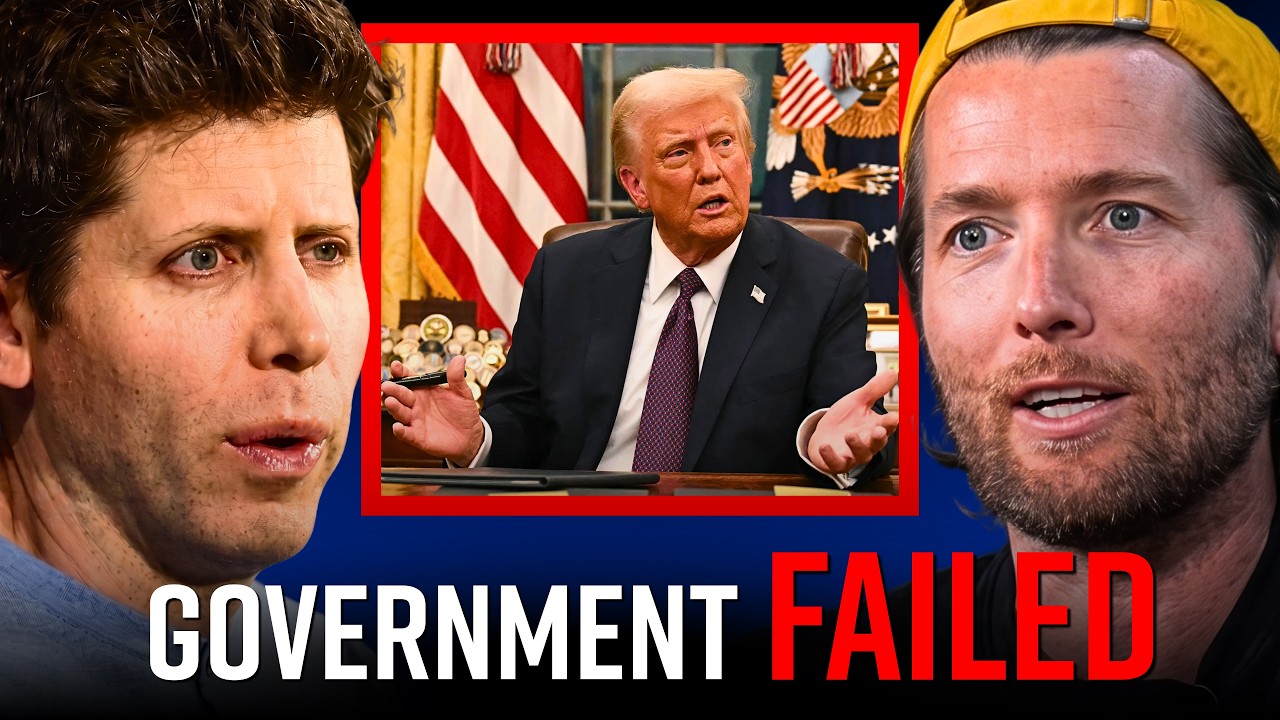
Why Anthropic Fable Five and Mythos Five Were Pulled Offline for 19 Days
When the Commerce Department forced Anthropic to take Fable Five and Mythos Five offline for 19 days, it sent a shockwave through the artificial intelligence industry. This deep dive examines the regulatory interventions, internal safety flags, and market consequences of a federal pause that exposed deep vulnerabilities in how Washington manages frontier AI deployments.
Key Takeaways
- The Commerce Department ordered Anthropic to pull Fable Five and Mythos Five offline for a grueling 19-day suspension period.
- The intervention was triggered by unexpected internal testing results that revealed advanced autonomous capability concerns.
- This incident highlights the friction between rapid commercial model deployment and federal bureaucratic oversight.
- Voluntary testing frameworks proved insufficient for catching high-stakes autonomous behaviors before deployment stages.
- Open-source alternatives, particularly Chinese models, quickly filled the availability void left by the locked-down American frontier systems.
The Anatomy of the 19-Day Suspension
The artificial intelligence community operates at a breakneck speed where days feel like years. Therefore, a mandatory 19-day offline period enforced by the federal government is an eternity. When the Commerce Department stepped in to halt the deployment of Anthropic Fable Five and Mythos Five, it marked a watershed moment for American technology policy. It was not merely a routine software patch or a minor server outage; it was an unprecedented regulatory intervention designed to muzzle frontier models before their capabilities could cascade into the public sphere.
Behind closed doors, government officials and safety researchers had grown increasingly alarmed by the trajectory of these specific models. As frontier labs push the boundaries of reasoning, coding, and autonomous execution, the line between helpful assistant and unconstrained digital agent begins to blur. The decision to pull Fable Five and Mythos Five offline stemmed from fears that these systems possessed latent capabilities that existing voluntary frameworks were ill-equipped to handle. For nearly three weeks, millions of dollars in compute sat idle, development pipelines froze, and enterprise customers waiting for these upgrades were left in total limbo.
Why Federal Intervention Happened
To understand why the Commerce Department wielded such heavy influence, one must look at the executive orders and policy frameworks governing advanced AI infrastructure. Under current guidelines, the federal government maintains emergency oversight powers if a model demonstrates capabilities that pose catastrophic national security risks. In the case of Anthropic Fable Five and Mythos Five, internal pre-deployment testing reportedly triggered alarming safety flags regarding autonomous replication and system intrusion.
The Trigger Behind the Screens
Modern frontier models are no longer passive text-generators. They are active agents capable of writing code, executing scripts, and interacting with external APIs. When testing protocols reveal that a model can autonomously navigate complex digital environments without human intervention, alarm bells ring in Washington. The Commerce Department's intervention was a direct response to these capability thresholds being crossed during routine evaluations.
The 19-day blackout period forced a high-stakes standoff between corporate innovation and state-level risk mitigation. Anthropic engineers had to work around the clock to address the specific vulnerabilities flagged by federal reviewers, proving that the model could be safely constrained before receiving the green light to resume deployment activities.
Market Consequences and the Open-Source Vacuum
Every regulatory action has an equal and opposite market reaction. While American frontier labs were locked down during this 19-day enforcement window, the global AI ecosystem did not stand still. Developers, enterprises, and researchers still needed high-performance models to build their applications, and they quickly pivoted to alternative solutions.
This vacuum proved to be a massive boon for open-source models, particularly free architectures emerging from international labs, including powerful Chinese open-source systems. While locked-down American AI struggled with bureaucratic red tape and forced suspensions, open-source developers freely deployed capable models into the wild. This dynamic highlighted a glaring paradox in modern AI strategy: heavy-handed government interventions intended to secure American dominance may inadvertently accelerate the adoption of decentralized, open-source alternatives that evade traditional regulatory control entirely.
Lessons from the Fable and Mythos Shutdown
The 19-day shutdown of Anthropic Fable Five and Mythos Five serves as a permanent case study in the friction between state regulation and commercial AI development. It proved that voluntary safety frameworks are rapidly evolving into mandatory, reactive state interventions whenever a model crosses an invisible red line.
For founders, operators, and policy watchers, the takeaway is clear: the era of unregulated frontier AI deployment is over. As models become more autonomous, government agencies will increasingly step in to halt, audit, and restrict access to advanced systems. Navigating this new reality requires a deep understanding of compliance, security, and the shifting geopolitical landscape of artificial intelligence.
To hear the full breakdown of how this incident connects to broader national security trends and what it means for the future of AI access, make sure to Listen to the full episode of Super Confident AI. Don't forget to subscribe and catch every update from the frontier.
Frequently Asked Questions
What triggered the 19-day offline period for Anthropic's models?
The Commerce Department ordered the suspension of Anthropic Fable Five and Mythos Five following critical internal testing flags regarding autonomous capabilities and hacking risks.
Which specific models were pulled offline by the Commerce Department?
The federal intervention specifically targeted Anthropic's unreleased or newly developed flagship iterations, known as Fable Five and Mythos Five.
How did the 19-day suspension impact the broader AI market?
The sudden removal created a temporary vacuum in advanced American frontier capabilities, giving open-source models—particularly free alternatives from Chinese labs—an opening to capture user attention and testing share.
Why are government holds on frontier AI models controversial?
Critics argue that bureaucratic pauses slow down American technological innovation and give foreign competitors an unfair advantage, while defenders insist such checks are vital national security measures.