Why Am I Still Sick? Dr. Kevin Smith on Thyroid Problems, Chronic Illness Navigation, and Why Symptom Management Fails
Featured Image
Why Am I Still Sick? Dr. Kevin Smith on Thyroid Problems, Chronic Illness Navigation, and Why Symptom Management Fails
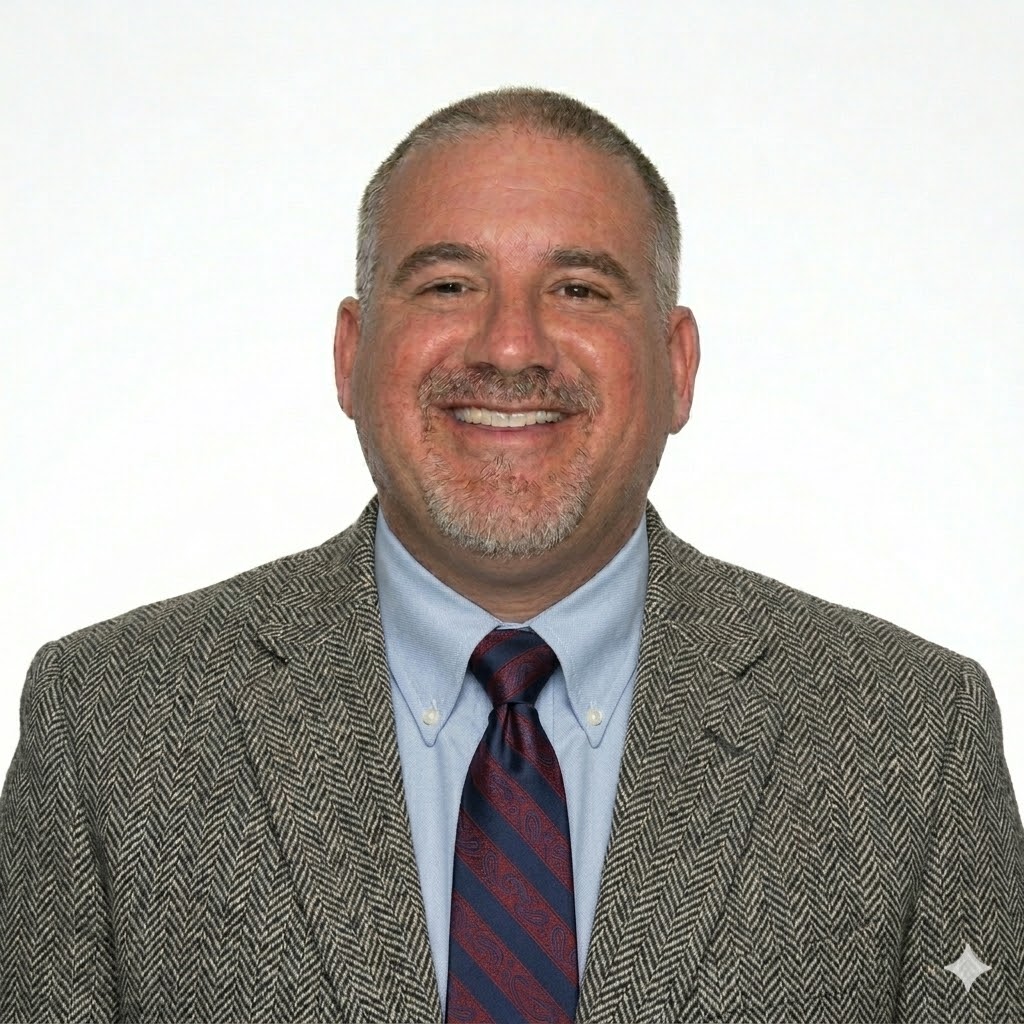
Chronic conditions such as hypothyroidism rarely resolve under standard care because the system is built to manage numbers and suppress symptoms rather than hunt down the real drivers. In the latest Space Tomatoes episode, repeat guest Dr. Kevin Smith, functional medicine practitioner and founder of the Chronic Conditions Center in Pittsburgh, breaks down thyroid physiology, autoimmune triggers, insurance-driven minimal testing, red light therapy for nerve damage, supplement quality traps, and the six pillars that actually move the needle on lifestyle disease.
Key Takeaways
- The thyroid produces mostly T4, but T3 is the active hormone affecting every cell.
- Hashimoto’s autoimmune attack is the top cause of hypothyroidism in the United States. Iodine deficiency is rare here but possible in restricted diets.
- Conventional medicine prioritizes economics and minimal testing over comprehensive panels.
- Red light therapy improves microcirculation and oxygen delivery to nerves. It helps some people with peripheral neuropathy when used consistently over months.
- Professional-grade supplements (level four, GMP-certified, backed by human trials) beat big-box and Amazon options. Many cheap products contain contaminants or ineffective doses.
- The six pillars of wellness (nutrition, hydration, sleep, stress management, movement, and nervous system maintenance) outperform endless prescriptions for many chronic issues.
Thyroid Basics That Matter
The thyroid is a small butterfly-shaped gland in the front of the neck. It produces mostly T4 (about 93 percent) and a small amount of T3 (7 percent). T3 is the active form that acts like the accelerator pedal for metabolism. Every one of the roughly 70 trillion cells in the body has receptors for T3. When levels drop, people report fatigue, brain fog, weight gain despite diet and exercise, constipation or diarrhea, hair loss (including outer eyebrow thinning), brittle nails, sleep trouble, dry or oily skin, and menstrual or fertility problems.
Dr. Smith notes that low thyroid function can also contribute to mood issues, memory problems, and gut absorption failures that lead to nutrient deficiencies. These symptoms overlap with many other conditions, which is why guessing or running minimal labs often misses the mark.
Sources: Mayo Clinic overview on hypothyroidism symptoms and causes. https://www.mayoclinic.org/diseases-conditions/hypothyroidism/symptoms-causes/syc-20350284 American Thyroid Association patient information on hypothyroidism. https://www.thyroid.org/patient-thyroid-information/hypothyroidism/
Hashimoto’s vs. Other Triggers
In the United States the leading cause of hypothyroidism is Hashimoto’s, an autoimmune condition where the immune system attacks the thyroid. Outside the U.S., iodine deficiency is more common. Dr. Smith points out that even in the U.S., some homesteaders and people who avoid processed food and iodized salt may be at higher risk of deficiency, and most never get tested for iodine levels.
Other disruptors include anemia, blood sugar problems and insulin resistance, elevated cortisol, sex hormone imbalances, chronic inflammation, gut issues, food sensitivities, chemical exposures, and unresolved infections. People can have more than one of these at once. Comprehensive testing beyond basic TSH and T4 is required to sort it out.
Sources: National Institute of Diabetes and Digestive and Kidney Diseases on Hashimoto’s disease. https://www.niddk.nih.gov/health-information/endocrine-diseases/hashimotos-disease Cleveland Clinic overview of Hashimoto’s thyroiditis. https://my.clevelandclinic.org/health/diseases/17665-hashimotos-disease
Why Doctors Often Do the Minimum
Dr. Smith is blunt about the economics. Insurance companies and actuaries set the treatment plan before the patient even sits down. Primary care visits average seven minutes of actual doctor face time. The rest is handled by medical assistants. Ordering full panels (T3, T4, TSH, TPO antibodies, thyroglobulin antibodies, plus checks for the peripheral triggers) costs more upfront even though it prevents years of ineffective treatment and polypharmacy.
The result is a system that hands out Synthroid or levothyroxine knowing only about 17 percent of hypothyroid patients respond well, then adds more drugs for the side effects. This is sick care, not health care.
Red Light Therapy for Neuropathy and Circulation
Red and near-infrared light penetrates the skin at different depths and triggers vasodilation. More blood flow means more oxygen to tissues. For peripheral neuropathy (numbness, tingling, balance problems, cold feet, muscle cramps), improving oxygen delivery to damaged nerves can help. Nerves heal slowly, roughly one inch per month, so results take consistent use over time.
Dr. Smith uses it for patients with diabetic neuropathy and circulatory issues. Evidence from recent reviews shows benefits for pain reduction, nerve conduction, and foot ulcer healing in diabetic peripheral neuropathy when protocols use appropriate wavelengths and sufficient sessions. It is not a miracle cure and works best alongside addressing blood sugar and inflammation. Additional meta-analyses confirm improvements in sensory nerve conduction velocity and symptom scores across multiple trials.
Sources: Systematic review on photobiomodulation for diabetic peripheral neuropathy. https://link.springer.com/article/10.1007/s10103-025-04701-7 Meta-analysis of photobiomodulation for chemotherapy-induced peripheral neuropathy and related conditions. https://ijbc.ir/article-1-1694-en.html
Supplement Quality Matters More Than You Think
Dr. Smith outlines four tiers. Level one is dollar-store and big-box junk that has often sat on pallets for years. Level two is pharmacy brands. Level three is GNC, Vitamin World, and Amazon. Level four is professional-grade, GMP-certified products available only through licensed practitioners. These are tested for purity, heavy metals, and biological contaminants and backed by actual human clinical trials.
Many patients waste money on low-dose or contaminated products. Whole-food approaches (bone broth, fresh turmeric-ginger teas, etc.) work when people have the time and discipline. For most, finding a practitioner who dispenses verified level-four products is the practical path. Independent testing frequently reveals heavy metal contamination or under-dosing in lower-tier supplements.
Source: Overview of good manufacturing practices and supplement quality standards from the U.S. Food and Drug Administration. https://www.fda.gov/food/dietary-supplements
The Food Industry Is Not Your Friend
The hosts and Dr. Smith agree the processed food industry is at least as problematic as pharma. Modern bread often contains 20–30 ingredients including corn syrup, trans fats (partially hydrogenated oils), maltodextrin, and hidden sugars. Even “healthy” roasted nuts sometimes list sugar as the second ingredient. These additions drive cravings, inflammation, and blood sugar chaos while extending shelf life for profit.
Trans fats were originally industrial lubricants. They do not belong in food. The same profit logic that puts cheap fillers in bread also explains why GLP-1 drugs for weight loss are pushed hard while the underlying diet stays untouched. The FDA has taken steps to remove artificial trans fats from the food supply due to cardiovascular risks.
Source: FDA final determination on trans fats. https://www.fda.gov/food/food-additives-petitions/final-determination-regarding-partially-hydrogenated-oils
The Six Pillars That Actually Work
Dr. Smith returns to six fundamentals that reduce reliance on pharmaceuticals:
- Nutrition focused on whole, minimally processed foods.
- Hydration with clean water.
- Restorative sleep (7–9 hours).
- Stress management (journaling, meditation, whatever sticks).
- Movement and exercise.
- Nervous system and posture care (chiropractic or equivalent).
People who nail these six areas consistently see fewer symptoms and need fewer drugs. The podcast hosts note that farm life forces most of these pillars into daily routine through physical work, fresh food, and natural light exposure. These align with evidence-based lifestyle medicine frameworks used in functional medicine.
Source: American College of Lifestyle Medicine six pillars of lifestyle medicine. https://www.forwardfamilymedicine.com/lifestyle/lifestyle-medicine/six-pillars
Related Episodes & Sources
Listen to the full conversation with Dr. Kevin Smith on the Space Tomatoes YouTube channel: https://www.youtube.com/@SpaceTomatoes-Podcast
Previous episode with Dr. Kevin Smith (search the channel for the earlier appearance).
Other Space Tomatoes episodes on chronic illness navigation and lifestyle disease factors.
Internal links to relevant past posts on gut health, inflammation, and avoiding processed food traps (check spacetomatoes.net blog for the full archive).
External high-quality sources listed above from Mayo Clinic, NIDDK, Cleveland Clinic, American Thyroid Association, FDA, and peer-reviewed photobiomodulation reviews.
This is not medical advice. Dr. Smith’s upcoming book Why Am I Still Sick? expands on these ideas with real patient stories and lab strategies. The goal is genuine change, not another prescription.

You Don't Own That Tractor: Agricultural Agorism with Geoff Wacker S3-EP11