The Pricing Mistake Costing Clay County Sellers Thousands | Tracy Frandsen Ep. 336
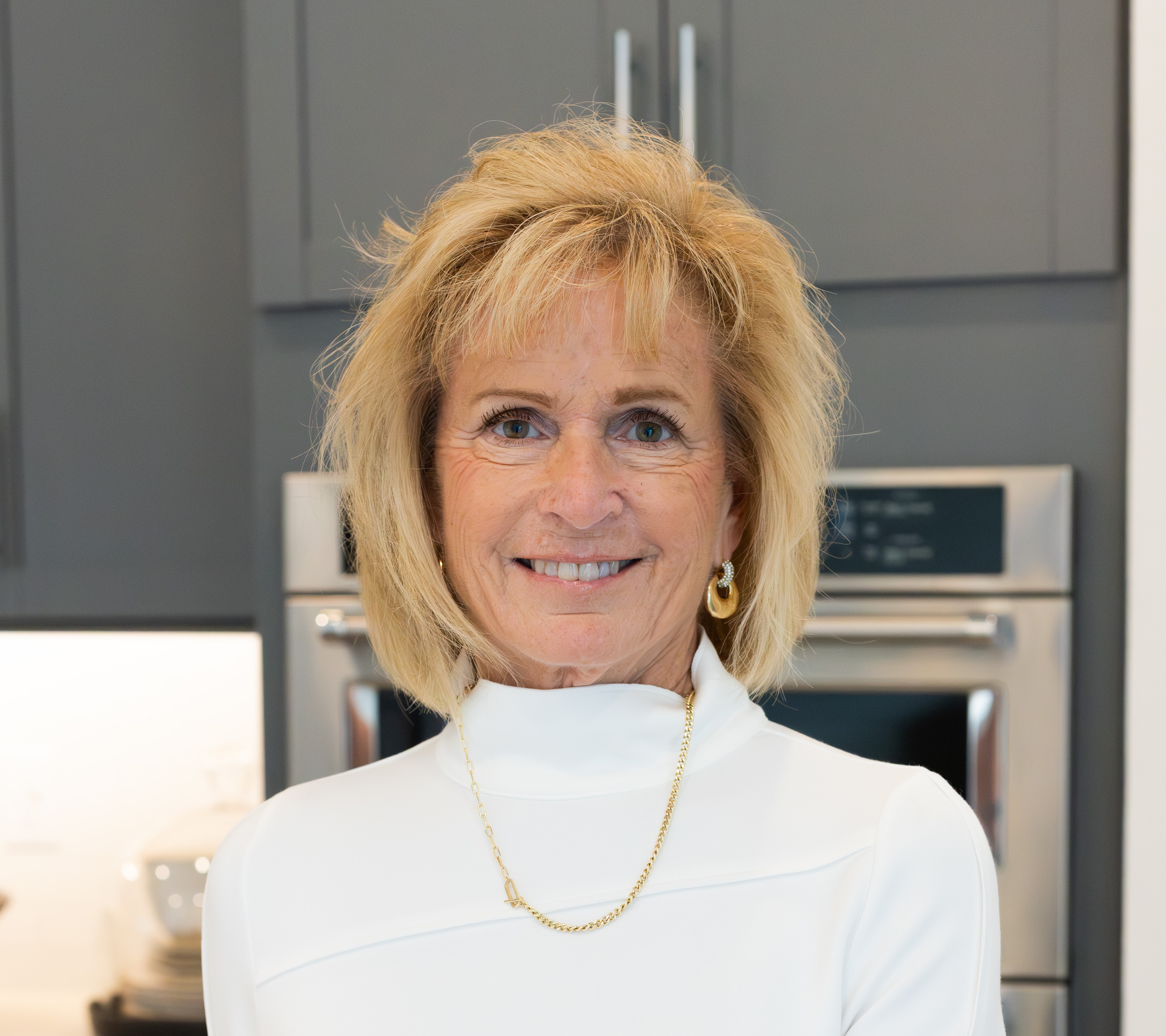
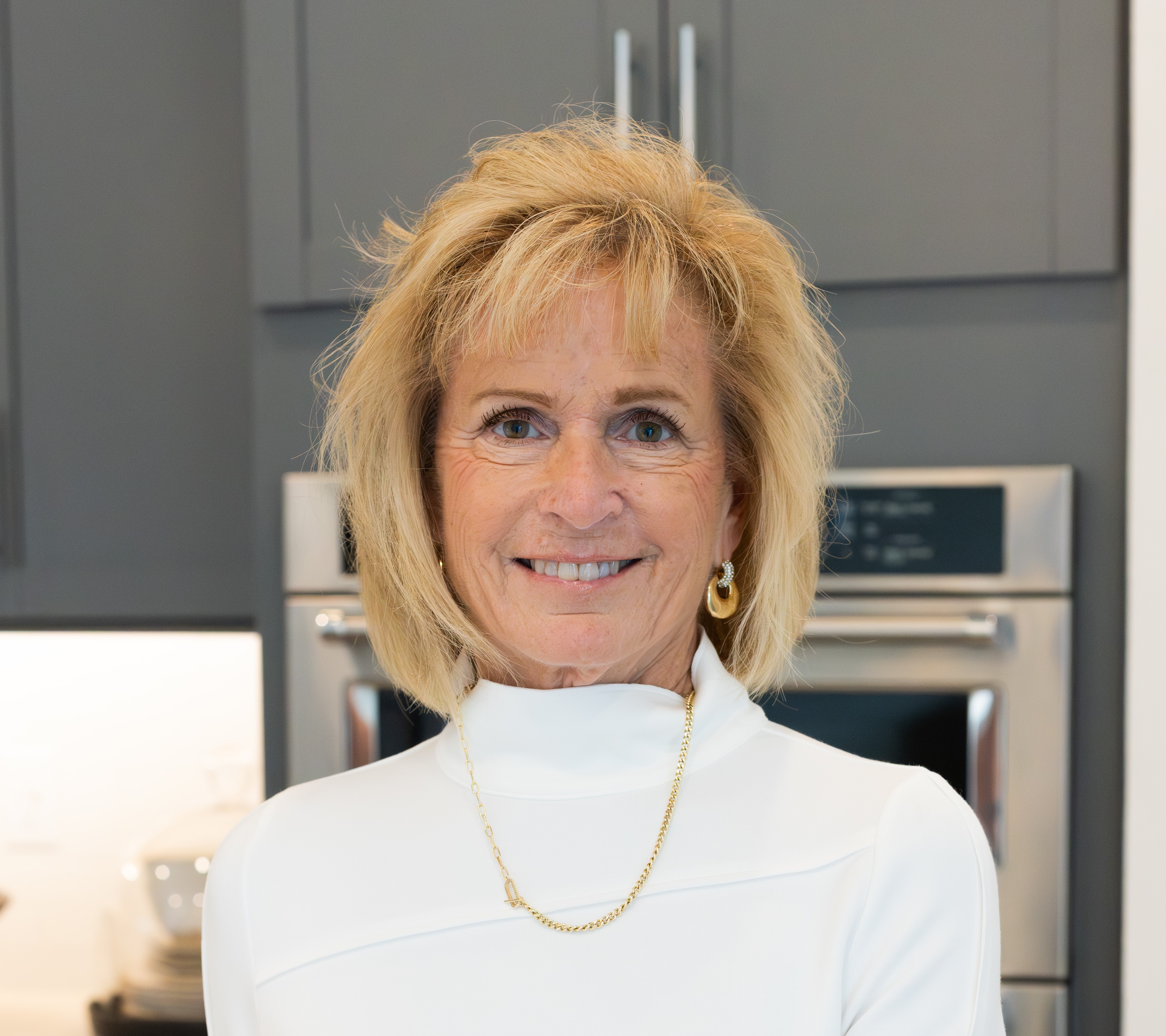
Tracy Frandsen has sold real estate in Northeast Florida for 20 years — long enough to work the foreclosure crisis from the inside. As part of a Fannie Mae brokerage relationship, she handled REO properties directly: assessing homes with renters still living in them, managing cleanouts, and deciding property by property whether to sell as-is or put on a new roof. "Sometimes I felt like I worked for Fannie Mae," she says, "instead of my brokerage."
That negotiation instinct never left. Now with the Frandsen Team at Christie's International Real Estate First Coast — a team she built with her daughter-in-law Holly in 2020 — Tracy talks about what it actually takes to keep a deal alive. In the last six months alone, she's had to talk three different sellers off the cliff, including one Ortega-area deal where a frustrated seller was ready to walk over a repair request.
Tracy Hayes and Tracy Frandsen also get into the Clay County vs. St. Johns County decision buyers face constantly, what surprises first-time homebuyers once they start the process, and what's shifting for downsizers relocating into the area. Tracy closes out talking about the community work she does year-round for foster and displaced kids in Clay County — and why she doesn't plan to slow down anytime soon.
🎙️ Full Episode: tracyhayespodcast.com/336
📺 YouTube: youtube.com/@RealEstateExcellence
🔗 Guest Instagram: instagram.com/thefrandsenteam
🔗 Guest Facebook: facebook.com/thefrandsenteam
🔗 Guest LinkedIn: linkedin.com/in/tracy-frandsen-25161217
🌐 Guest Website: frandsenteam.com

 Apple Podcasts
 Spotify
 Overcast
 Castro
 PocketCasts
 RSS Feed
 If relationships built your real estate business, what are you doing today to make sure those relationships still remember you when their next move happens?
In this episode of the Real Estate Excellence Podcast, Tracy Hayes sits down with Tracy Frandsen. Tracy Frandsen is a Northeast Florida real estate professional with 20 years of experience navigating booming markets, the foreclosure crisis, changing technology, and the constant evolution of the real estate industry. Her career began in 2006 in Green Cove Springs and quickly put her in the middle of one of the most challenging periods in housing history, where she worked inside a Fannie Mae brokerage managing foreclosed properties, complicated transactions, distressed homeowners, renters, repairs, valuations, and investor offers.
Over the years, Tracy built a business heavily driven by repeat clients and referrals while learning that relationships alone still require consistent nurturing. She shares how working alongside her daughter in law Holly expanded the business, allowed them to combine complementary strengths, and strengthened their marketing and social media presence. Tracy also explains why brokerage support, continuous education, collaboration with other agents, neighborhood farming, staying top of mind, adaptability, and strong negotiation skills remain essential regardless of how experienced an agent becomes.
HighlightsTop of FormBottom of Form
00:00 - 05:20 Tracy Frandsen’s Journey Into Real Estate
- Twenty years in Northeast Florida real estate
- Moving to Florida and working in retail
- Getting licensed in 2006
- Discovering a love for homes and people
- Recognizing the long term potential of real estate
05:21 - 12:52 Surviving the Foreclosure Crisis
- Joining a Fannie Mae brokerage
- Managing dozens of foreclosed properties
- Working with occupied and abandoned homes
- Handling repairs valuations and cash for keys
- Learning real estate during a historic downturn
12:53 - 23:12 Training Mentorship and Bringing Holly Into the Business
- Why new agents need hands on support
- Feeling isolated without strong brokerage leadership
- The importance of continuous education
- Holly considering real estate after expecting twins
- Combining Tracy and Holly’s complementary strengths
23:13 - 38:59 Building a Stronger Real Estate Team
- Creating flexibility through partnership
- Dividing responsibilities based on individual strengths
- Holly leading marketing and social media
- Managing the workload behind client transactions
- Using brokerage support to expand capacity
39:00 - 57:44 Staying Visible and Generating Repeat Business
- Why referrals alone are no longer enough
- Using technology and brokerage resources
- Staying consistent during busy and slow markets
- Neighborhood farming through targeted outreach
- Remaining top of mind with past clients
57:45 - 1:18:49 Collaboration Accountability and Negotiation
- Adjusting when buyers change their priorities
- Collaborating with agents inside and outside the brokerage
- Using accountability and education to keep growing
- Learning from successful agents and trusted vendors
- Navigating difficult negotiations and protecting client relationships
Quotes:
“I love the real estate business. I love going in homes and seeing what’s being done out there. I love growth. I love collaborating with other agents that are in the same business that I’m in.” – Tracy Frandsen
“There’s always something to learn.” – Tracy Frandsen
“You have to stay ahead of the game.” – Tracy Frandsen
“You always have to be able to adjust. You have to listen.” – Tracy Frandsen
To contact Tracy Frandsen, learn more about her business, and make her a part of your network, make sure to follow her Website, Instagram, and Facebook.
Connect with Tracy Frandsen!
Website: http://Frandsenteam.com
Instagram: https://www.instagram.com/thefrandsenteam
Facebook: https://www.facebook.com/thefrandsenteam
Connect with me!
Website: toprealtorjacksonville.com
Website: toprealtorstaugustine.com
SUBSCRIBE & LEAVE A 5-STAR REVIEW as we discuss real estate excellence with the best of the best.
#RealEstateExcellence #TracyFrandsen #RealEstateExcellence #RealEstatePodcast #NortheastFloridaRealEstate #JacksonvilleRealEstate #FloridaRealEstate #RealEstateAgent #RealEstateCareer #RealEstateSuccess #RealEstateTraining #RealEstateMarketing #RealEstateReferrals #RelationshipMarketing #RealEstateTeam #RealEstateNegotiation #RealEstateMentorship #RealtorLife #RealEstateGrowth #RealEstateTechnology #RealEstateCollaboration
Are you ready to take your real estate game to the next level? Look no further than Real Estate Excellence - the ultimate podcast for real estate professionals. From top agents and loan officers, to expert home inspectors and more, we bring you the best of the best in the industry. Tune in and gain valuable insights, tips, and tricks from industry leaders as they share their own trials and triumphs. Whether you're a seasoned pro or just starting out, a homebuyer or seller, or simply interested in the real estate industry, Real Estate Excellence has something for you. Join us and discover how to become a true expert in the field.
The content in these videos and posts are for informational and educational purposes only. The information contained in the posted content represents the views and opinions of the original creators and does not necessarily represent the views or opinions of Townebank Mortgage NMLS: #512138.
REE #336 Transcript
[00:00:00] Tracy Frandsen: I love the real estate business. I love going in homes and seeing what's being done out there. I love growth. I love collaborating with other agents that are in the same business that I'm in. I enjoy it.
Hey, welcome back to the Real Estate Excellence Podcast. Today's guest has spent—
[00:00:51] Tracy Hayes: 19 years selling real estate, almost 20, right? Did I see that on your bio? It's been 20. Oh, it's been 20. Okay. Yes. So actually, that—that you, we gotta update your bio there. That's where that's coming [00:01:00] from.
All right. Selling real estate in Northeast Florida through boom years, the foreclosure crisis, and everything since.
She spent part of her career inside the Fannie Mae brokerage, handling some of the most complicated, emotionally charged transaction this market's produced.
In 2020—2020, right as the market turned upside down—she brought in her daughter-in-law onto the team, and the two of them have built something that's grown over y-every year since.
We're gonna hear details on that, th-that special mother and mother-in-law relationship in, in the team. That, that's, I think a lot of people will be interested in that. Yeah.
She's married, a mother of three grown sons, and grandmother of five. Mission work through her church keeps her busy outside the office, along with time outdoors and traveling with her family whenever the schedule allows.
Her business runs almost entirely on people who've—she's worked with before and people they've sent her way, but she'll tell you she still loves meeting someone new. She treats every client like family, and it shows.
She's the Christie's [00:02:00] International R-Real Estate First Coast right here in Jacksonville. Let's welcome Tracy Franson to the show.
[00:02:05] Tracy Frandsen: Thank you.
[00:02:05] Tracy Hayes: Thank you. Yeah. I was a little longer in my intro there today. It, I use AI a lot. I—I actually use it like a big garbage can. I throw all the information in there, and it helps me cipher it out.
Yeah. It, makes it easy. Yeah, it easy. Well, it, makes me sound a little better, 'cause it, one, one, it's quicker, and then obviously it knows English better than me. Okay.
So—
Okay, appreciate you coming on. Absolutely. You and your daughter have a ver—daughter-in-law have a very successful team, and it is a special relationship. But I wanna, like to kick off every one just to kind, warm up, get everyone to, uh, resonate a little bit with you.
[00:02:39] Tracy Frandsen: Okay.
[00:02:39] Tracy Hayes: Let's go back, you know, go back 20 years.
[00:02:41] Tracy Frandsen: Okay.
[00:02:42] Tracy Hayes: Getting, what were you, what... 'Cause your LinkedIn doesn't disclose this to me. Okay.
You have, you have a very, um—we need to update your LinkedIn. Yes. Okay.
I, I've thought of having a LinkedIn class, but do you know what the easiest thing is? You should—do you use Claude or ChatGPT at all?
[00:02:57] Tracy Frandsen: Yes, minimally.
[00:02:58] Tracy Hayes: Minim—okay. Yeah. Claude—
[00:02:59] Tracy Frandsen: My [00:03:00] daughter-in-law, that's—
[00:03:00] Tracy Hayes: Does, she does it? Yeah. Claude has an extension.
[00:03:03] Tracy Frandsen: Uh-huh.
[00:03:03] Tracy Hayes: And you just extend it on, you know, you open LinkedIn, you hit the Claude extension—yeah—in Chrome and say, "Okay, Claude, update my LinkedIn profile. Ask me questions," and you—it, it'll ask you questions and you answer it, and it'll fill it all in for you. Okay.
Make you look like a million bucks.
[00:03:18] Tracy Frandsen: Okay.
[00:03:19] Tracy Hayes: That's just the tip of the day.
[00:03:20] Tracy Frandsen: Okay.
[00:03:20] Tracy Hayes: All right. Well, let's go back 20 years.
[00:03:22] Tracy Frandsen: Okay.
[00:03:23] Tracy Hayes: Tell us a little bit about you. I mean, what were you, what were you doing prior to real estate? And then lead us up to what, what caught your fancy about real estate. How'd you get into it?
[00:03:31] Tracy Frandsen: Okay. Well, when I moved to Florida in 1984, I got into retail, and I was in retail for 15 years. And then after that, I did some various other jobs, even stayed at home with the kids for a little while.
And in 2006, my husband hooked me up. He goes, "You should go into real estate."
So, I went to work for the first time in real estate once I got my license, in 2006, in Green Cove Springs. [00:04:00] That was my first real estate brokerage, and, and I was with that brokerage 10 years.
[00:04:05] Tracy Hayes: So it was just him just saying, "Hey, why don't you go into real estate?" Yeah. You're like, "Okay." I mean—
[00:04:09] Tracy Frandsen: Well—
[00:04:09] Tracy Hayes: You must have had some warm-up to it, like, "Hey, maybe is this for me—yeah—not for me?"
[00:04:12] Tracy Frandsen: What? Um, I love people, talking to people.
[00:04:15] Tracy Hayes: Mm-hmm.
[00:04:15] Tracy Frandsen: And that was probably the first thing. And then actually once I got into it, I said, "Wow, this is great. I get to go in people's houses and, see what they've done, and, wish upon a star sometimes."
And, just meeting and working with people.
[00:04:29] Tracy Hayes: Did you ever envision—which I think a lot of people could say something similar to what you just said—yeah—hey, you know, you, I, I enjoy..." You gotta, if you don't enjoy people, obviously real estate's not gonna be for you.
[00:04:40] Tracy Frandsen: Yeah.
[00:04:40] Tracy Hayes: But, that part, obviously everyone likes going and visiting houses and, uh, you, you know, seeing what other people are doing.
Mm-hmm. You know, see a beautiful house on the water or whatever it is that—yeah—that, you know, that dream.
But what, looking back now 20 years—
[00:04:55] Tracy Frandsen: Yeah.
[00:04:56] Tracy Hayes: What it's been able to do for you and your family, you know, [00:05:00] financially, did you ever actually truly have a full vision of that?
[00:05:04] Tracy Frandsen: No, not until I got into it.
[00:05:06] Tracy Hayes: Yeah.
[00:05:06] Tracy Frandsen: Yeah. And what the potential was, and is even more so now, you know. And I can ev-see that future, for example, for Holly, for my—yeah—daughter-in-law.
[00:05:16] Tracy Hayes: Yeah.
[00:05:16] Tracy Frandsen: It's changed so much. You know, it evolves all the time.
[00:05:20] Tracy Hayes: Yeah.
[00:05:20] Tracy Frandsen: So.
[00:05:21] Tracy Hayes: Your first brokerage—
[00:05:23] Tracy Frandsen: Mm-hmm.
[00:05:23] Tracy Hayes: How did you choose that? Did you actually go and shop around a little bit, or was it just the local office? How did you—
[00:05:30] Tracy Frandsen: Well—
[00:05:30] Tracy Hayes: That—... come up with—
[00:05:31] Tracy Frandsen: It, it was sort of set up for me because my husband was friends with the husband of the broker.
[00:05:38] Tracy Hayes: Okay.
[00:05:39] Tracy Frandsen: So that was in Green Cove Springs, and that was Plantana Realty.
[00:05:43] Tracy Hayes: Mm-hmm.
[00:05:43] Tracy Frandsen: And I was with them for 10 years. And that was really interesting 'cause, because I started off selling real estate, and also was sort of like a transaction coordinator because she was a, a Fannie Mae broker. You know, I got into it and the, the market was fantastic, and then all of a sudden within a couple [00:06:00] years it crashed. But—
[00:06:02] Tracy Hayes: Explain to me, 'cause I don't, e—I've been doing this for twen—almost 21 years. Yeah. Next month it'll be 21 years, 2005. But I don't even know what a Fannie Mae broker is. What did that actually mean at that time?
[00:06:13] Tracy Frandsen: It, was a lot of work, but the, great thing about it, and I learned a lot, was, you know, all the foreclosures, which is, you know, that's not a positive, but—
[00:06:23] Tracy Hayes: As we were going into seven, eight—
[00:06:25] Tracy Frandsen: Nine. Nine. Yeah. Yeah. Brokerages or brokers would, go through a process, I'm sure, to be—become a Fannie Mae or a Freddie Mac broker. And so we would sell, they would send us properties. Mm-hmm. I mean, we would have anywhere between 70 and 90 properties—
[00:06:43] Tracy Hayes: Wow.
[00:06:43] Tracy Frandsen: Already foreclosed, and all the things that went with it. That was a period of a few years where you thought you had seen everything—
Mm-hmm.
...and then you hadn't.
[00:06:54] Tracy Hayes: Yeah. Yeah, so. Well, 'cause I ma—I imagine, did they kind of dump some of these properties on you from the standpoint of like, "Hey, you need to take [00:07:00] care of these—
Mm-hmm.
...but you also need to sell them." And I'm sure, yeah, they probably had to go through some sort of training or certification of some sort that—
Mm-hmm.
...they are going to be Fannie's, Fannie Mae's eyes and ears on the ground.
Yeah.
[00:07:12] Tracy Frandsen: Yeah. And because it was, there were so many, you know, foreclosures, there were, you know, several of us working on it, and we had to do everything. You know, we had to go in and assess the property. They may have still be living there. They may have left. A lot of them had rented out the homes, and so there were renters in there even though the homeowner was not making their mortgage payments.
Right.
And so there were so many different things that we had to do, and then cleaning out, maintaining, you know, the properties. Depending on the community or subdivision it was in, deciding if it was gonna be sold as is or making repairs, putting on new roofs. I mean, it was a lot. Sometimes I felt like I worked for Fannie Mae—
[00:07:55] Tracy Hayes: Yeah.
[00:07:56] Tracy Frandsen: Instead of my brokerage.
[00:07:57] Tracy Hayes: Was Fannie Mae... 'Cause I r—I remember we bought [00:08:00] our home in St. Johns County. It was in foreclosure in 2000, end of 2008. We, we closed just before the year, end of the year in 2008.
Mm-hmm.
Ours left the cabinets in, but there are some of these houses where people ripped—
Oh.
...everything they could—
Yeah.
...possibly sell, right?
Oh.
[00:08:16] Tracy Frandsen: Yeah. Yeah. I remember walking into a couple houses and I think that was a kitchen.
[00:08:21] Tracy Hayes: Yeah.
[00:08:22] Tracy Frandsen: Just some pipes coming up out of it. And s—
Wow.
...you know, you, like I said, you saw everything. People left, you know, furniture—
[00:08:29] Tracy Hayes: They either cleaned it out completely or they would—
[00:08:32] Tracy Frandsen: And then some people would leave it—
Just walked...
...perfectly clean, you know, and just—
Yeah.
...you don't know what they were thinking.
[00:08:37] Tracy Hayes: Yeah.
[00:08:38] Tracy Frandsen: So.
[00:08:38] Tracy Hayes: So, now, in that situation, uh, as you said, you, you felt like you were working for Fannie Mae, 'cause you're, I—you're doing, like, property management at a, I mean, this high level.
[00:08:48] Tracy Frandsen: Uh-huh.
[00:08:48] Tracy Hayes: Because there's not, s—
Yeah.
...you know, a renter in there who might be mowing the lawn or something. You guys are ex—you—
landscaping all—
[00:08:56] Tracy Frandsen: Everything.
[00:08:56] Tracy Hayes: Try to keep the home as presentable as possible. Yeah. Mm-hmm. Are you just [00:09:00] sending those bills to Fannie Mae? How did—is that—
Yeah.
...that who was picking it up?
[00:09:03] Tracy Frandsen: Yeah. It was all online—
Mm-hmm.
...and, you know, you had a period of time to get the bills in, and you would get reimbursed. And, of course, Fannie Mae had their own contracts which preceded any of our Florida contracts.
Right.
So it was a lot of paperwork, and a lot of physical work in managing—
Yeah.
...just the whole process. Which it was very educational, and I'm glad I went through it, but it, yeah, it was a lot.
[00:09:28] Tracy Hayes: Yeah. Well, I th—I think everyone that I've spoke to that's been in the business that long—
Mm-hmm.
...that's went through that period, it came to realization of, "Okay, we gotta learn how to, we gotta learn how to do foreclosures and short sales," 'cause, you know, no one had ever done, you know, could—
Yeah.
...think about doing that before. Yeah. Now you're, you had to.
Now, obviously, a lot of people fell out because of that, but others strived because they took the extra time to figure out, "How do I structure a short sale? What's," you know. Yeah. Of course, we all did, you know, from a lending side, no one, "Oh, yeah, we made an offer on a [00:10:00] home. Um, you know, the seller accepted the deal, but it's a short sale, so we didn't know it could, that short sale—
It could take months.
...could be accepted tomorrow—
Yeah.
...or months, or a year, or never." And you may—
Yeah.
...never get an answer.
[00:10:10] Tracy Frandsen: Yeah.
[00:10:11] Tracy Hayes: How was Fannie Mae like working in that situation? And I ask because we were fortunate, the house that we bought wasn't—
Mm-hmm.
...foreclosure. The, I don't know, the rumor mill came from the agent. You know, the selling agent actually had a good relationship with the bank or, you know, able—
Mm-hmm.
...to pick up the phone and say, "Boom." And our offer was accepted within a couple days.
[00:10:28] Tracy Frandsen: Yeah.
[00:10:29] Tracy Hayes: Working with Fannie Mae and people coming in, we—were they trying, were they working hard to pick up that pace to be able to accept or decline an offer quickly so people could move?
[00:10:38] Tracy Frandsen: Yeah. The offers, and during that time, it was usually multiple offers.
[00:10:44] Tracy Hayes: Mm-hmm.
[00:10:44] Tracy Frandsen: Unless it was just a really bad property. But, you know, investors were hot on the trail—
[00:10:49] Tracy Hayes: Right.
[00:10:50] Tracy Frandsen: For the, for all of those—
For the deals.
...as-is rough properties. Mm-hmm. Yeah. Um, but—
Mm-hmm. Yeah.
...but they were quick. I think it was 24 to 48 hours with a response. And then, you know, [00:11:00] take it from there. But—
[00:11:01] Tracy Hayes: Yeah, and, and—
Do they rely a lot on your, on your broker as far as, like, you know, as far as comping out, you know?
[00:11:07] Tracy Frandsen: Yeah.
[00:11:07] Tracy Hayes: Well, we—'cause obviously they're trying to get the maximum...
...value, even, you know, they're—
Yeah.
...in a lot of cases, obviously, they were losing money, but they wanted to obviously—
[00:11:14] Tracy Frandsen: Yeah.
[00:11:14] Tracy Hayes: Lose as less money as possible.
Right.
[00:11:16] Tracy Frandsen: Well, we had—we would have to submit CMAs for every property that they assigned to us.
[00:11:21] Tracy Hayes: Mm-hmm.
[00:11:21] Tracy Frandsen: And, you know, there were already—there were so many other things. We had, if there were renters in the home, we had, or if there was anyone still remaining in the home, we had to offer cash for keys, and—
[00:11:30] Tracy Hayes: Oh, yeah, it—
[00:11:31] Tracy Frandsen: Just was—
Yeah.
[00:11:32] Tracy Hayes: Yeah.
[00:11:32] Tracy Frandsen: I could just—
[00:11:32] Tracy Hayes: Keep—because the foreclosure laws in Florida, especially if there's a renter in there—
Mm-hmm.
...really bogs it down, doesn't it?
[00:11:38] Tracy Frandsen: Yeah.
[00:11:38] Tracy Hayes: 'Cause they—
[00:11:39] Tracy Frandsen: It can, but at least during that period of time, renters were more than happy to take the, the offer of cash so they could take that and, and—
Mm-hmm.
...put that down for a deposit.
[00:11:51] Tracy Hayes: Get a few more months—
F—
Right.
...somewhere else. Yeah. Yeah. Yeah. Yeah.
That first brokerage, you know, if you, you, you know, a lot of the listeners are—
Mm-hmm.
...are new agents.
[00:11:59] Tracy Frandsen: [00:12:00] Mm-hmm.
[00:12:00] Tracy Hayes: Or newer agents or maybe agents that are just, you know, not have hit their stride yet—
Yeah.
...you can call it that. What are some of those things that, that you felt, some things you got from that first brokerage, or didn't get? I don't, you know, because I, I believe, and I, I state this on every show, I believe a lot, a big reason why a lot of agents don't renew in their two years and, you know—
Mm-hmm.
...whether they were out the first 30 days or they lasted a year and then fell out—
[00:12:26] Tracy Frandsen: Yeah.
[00:12:26] Tracy Hayes: Is because they didn't quite, one, either A, not, that I'm gonna put it all on the broker. Either A, didn't totally understand the business...
...and—
Mm-hmm.
...just didn't, you know, it doesn't click with them.
Right.
Or they just weren't getting the, the, mentorship, the tutelage from the, either the broker or the leaders in that brokerage. So, you know, being with the right brokerage, choosing that right brokerage—
Right.
...could be the difference of, of someone—
Oh.
...surviving or dying in those first couple years.
[00:12:52] Tracy Frandsen: Absolutely. Yeah. Yeah. I, if you're referencing back then, yeah, I was still fairly new in the business and then, you know, the [00:13:00] crash and the foreclosures, that was y—I got training, but also was just kinda thrown to the wolves.
Yeah. We were so busy.
[00:13:08] Tracy Hayes: Well, she kinda thrown, everyone was. From the—
Everybody, yeah.
...forest of foreclosures—
Yes, yes.
...and short sales. You all had—
Yeah.
...to learn at the same time.
[00:13:12] Tracy Frandsen: Yeah. Yeah. So, and sometimes you, you have to do it that way. I think it's, for a lot of people it's a combination of both.
But, you know, in this day and time, you, I think it's structured completely differently. I know the brokerage that I'm with currently, which is Christie's International, we get the support and the training. Even if we've been selling real estate for 20 years, it doesn't matter. There's, you know—
Mm-hmm.
...there's always something to learn.
But I think if the agents aren't getting the proper training and some hand-holding for their first few transactions, you're right, it could be the difference between them staying in real estate or saying, "Oh, I can't do this."
[00:13:49] Tracy Hayes: Have you ever felt any time in 20 years, anywhere you were at any moment in time, c- because I, you can get on an island as a real estate agent if you're—
Mm-hmm.
—not engaging, if you're not someone [00:14:00] who goes in the office. You can sometimes feel like you're the only person out there when really you're not, but—
[00:14:06] Tracy Frandsen: Right...
[00:14:06] Tracy Hayes: You can. But have you ever felt—
[00:14:08] Tracy Frandsen: I think I have in the past. The second brokerage that I worked for, it started off with excellent training and, you know, having meetings and, you know, continuous education. But then it changed.
Mm-hmm.
And then I, I think I went through a period and that's—
[00:14:29] Tracy Hayes: Was there a leadership change? Is that—
[00:14:30] Tracy Frandsen: No...
[00:14:31] Tracy Hayes: Or just kinda, just kind of fade, slowly started to—
[00:14:33] Tracy Frandsen: I think the brokerage, the leadership, changed how they were doing things. So—
[00:14:40] Tracy Hayes: They—their—
[00:14:40] Tracy Frandsen: Methodology, yeah. Kind of decided, and that's right around the time when Holly joined me. She really didn't get any training. They just kind of told her to go watch videos.
[00:14:49] Tracy Hayes: Mm.
[00:14:50] Tracy Frandsen: And, so you can feel like you're on an island out there. And then Corey started pursuing me.
Mm-hmm.
And, so it was great to be able to [00:15:00] make a change, and ever since then—
[00:15:02] Tracy Hayes: Yeah...
[00:15:02] Tracy Frandsen: The amount of education and support that we get.
[00:15:05] Tracy Hayes: Yeah.
[00:15:06] Tracy Frandsen: It's on us if, if it doesn't work.
[00:15:08] Tracy Hayes: Yeah, I mean, and I, I'm seeing it, because my wife's with Compass and—
Yeah.
—I know Christie's is part of the Compass International Holdings. Not saying all their leadership is, I can't say that for every office or every brokerage or whatever, it's under—
No.
—greater thing. But, I can say this, the top leaders that I can name that's been on the show or that I want to have on the show are all extremely focused on adding value, whether that's education, whatever it is.
Mm-hmm.
Coaching, whatever.
Yeah.
They are engaged in the biggest challenge in the, the industry is find— that's why I think finding the right brokerage is important, is the broker who's going to stay out in front.
Right.
Which is hard to do.
[00:15:53] Tracy Frandsen: Yeah.
[00:15:53] Tracy Hayes: You gotta run harder than everybody else so you can come—
Yeah.
—in the office every day and have that cutting-edge information, cutting-edge [00:16:00] coaching, w- w- you know, or vision of what's—
Mm-hmm.
—going on so the agent feels comfortable, you know, in whatever situation they're in.
Yeah.
And, I obviously, obviously that can wear somebody out. You know, how long can someone, you know, stay out in front of the pack, you know?
Yeah.
And so those brokers need help too, in, doing what they're doing, hopefully from whatever mother ship that they're under.
[00:16:23] Tracy Frandsen: Yes, exactly. Exactly.
[00:16:24] Tracy Hayes: Yeah. So h- how important that is.
Holly, she, of course, we'll, we'll have her on next week—
Yeah.
—and, and talk about her. But, what was it that bound the two of you together besides obviously she's your daughter-in-law?
Yeah.
But you're like, "Hey, why don't you come..." You know, h- I imagine it was like, was like, "Hey, why don't you come help me out, work with me?" W- was that kind of the initial offering? And—
No. No, it wasn't.
No. Okay. Tell us about it.
Okay.
[00:16:49] Tracy Frandsen: Honestly, so they had one little boy.
[00:16:53] Tracy Hayes: Mm-hmm.
[00:16:53] Tracy Frandsen: And, Jack, and, found out they were expecting, and then, found out they were having twins.
[00:16:59] Tracy Hayes: [00:17:00] Oh, lovely.
[00:17:01] Tracy Frandsen: Yeah. So yeah, so they have—
[00:17:04] Tracy Hayes: So they were gonna go from one to three.
[00:17:05] Tracy Frandsen: Yes.
[00:17:06] Tracy Hayes: Okay.
[00:17:06] Tracy Frandsen: Yeah. And she was, you know, working full time Monday through Friday, and, they were thinking in terms of, you know, and of course my son was too, in terms of the cost of daycare and all that kind of stuff.
Mm.
So she asked me, I know when, in college she had taken a real estate course, and, but she was in a marketing and PR, with a company called Hampton Golf.
[00:17:30] Tracy Hayes: Mm-hmm.
[00:17:31] Tracy Frandsen: Which owns, manages, or owns and manages golf courses all over the southeast.
[00:17:35] Tracy Hayes: Right.
[00:17:36] Tracy Frandsen: So she's really good at marketing and public relations and, and, you'll find out next week.
[00:17:41] Tracy Hayes: Yeah.
[00:17:42] Tracy Frandsen: She's very bubbly.
[00:17:43] Tracy Hayes: Right.
[00:17:43] Tracy Frandsen: And she said, "What do you think about, me, me getting into real estate?" She goes, "I feel like between, you know, in doing that, even though it's a 24/7 job, that, you know, you create your own schedule."
Mm-hmm.
So you can work through everything. [00:18:00] And, they have the support of her parents and us that we can make it work without having to put their kids and the cost—
Yeah.
—of, of getting into daycare—
Day—
—and all that kind of stuff.
Yeah.
So that's the truth.
Mm-hmm.
That's how it came about. And, she got into it and, you know, hopefully, I think I mentor, mentored her in the right way. And we have a lot of the, you know, my strengths are your weaknesses, your weaknesses are my strengths. And, it's just worked out beautifully. S—
[00:18:27] Tracy Hayes: So if you were speaking in front of a group of agents, 'cause I, you know, we had had Tracy Crawford on, where her and Pamela Hoffman are a team.
[00:18:37] Tracy Frandsen: Mm-hmm.
[00:18:37] Tracy Hayes: They're not related. They're just two ladies who were doing a lot of things together, came into the business at the same time.
Yeah.
So they, they kinda on e- on each other.
Oh, yeah.
What are—but it doesn't always work out, which I'm, I'm sure you've seen, because n- now with your daughter-in-law, and you've probably seen other people go, "Oh yeah, let's just team up," but then all of a sudden you realize there's, you know, maybe friction—
Mm-hmm.
—or one's [00:19:00] not getting why the, the, importance of, of teaming up. But what, whether it was your daughter-in-law or not—
[00:19:06] Tracy Frandsen: Right...
[00:19:06] Tracy Hayes: What has changed as far as y- your business, maybe s- some of your stress level, some of the things that you, you know, working together with somebody who's, walking in the same formation with you.
Mm-hmm.
'Cause I imagine obviously you mentored her, so she sees a lot of things the same way y- you see. In, you know, whatever changes are just subtle, as everyone, we all change—
Mm-hmm.
—our business, you know, regularly.
Right.
But, you guys are in lockstep together—
Yeah.
—as, ...as far as... But what have you seen as far as, you know, what you're being able to do with your business because you kinda, you have this partner?
[00:19:39] Tracy Frandsen: Well—total flexibility and, you know, we try to do things together as much as possible. But, you know, it might be her going in this direction and me going in the other direction.
And, for example, you know, with the ever-changing real estate, you know, and it, it wasn't [00:20:00] this way 20 years ago, but now—
Mm-hmm.
—you know, marketing and, and social media, you know, AI, all of that.
[00:20:06] Tracy Hayes: Mm-hmm.
[00:20:06] Tracy Frandsen: And she is very good at that. I mean, it just—
[00:20:09] Tracy Hayes: That's her jam...
[00:20:09] Tracy Frandsen: Comes natural to her.
Mm-hmm.
So I rely on her a lot for that, and she does, pretty much all of our social media and that kind of stuff, so that we're out there, and I think it makes a big difference.
[00:20:21] Tracy Hayes: As a solo agent, I don't think people realize all the—when ta- you know, working with clients—
[00:20:28] Tracy Frandsen: Mm-hmm ...
[00:20:28] Tracy Hayes: Showing houses, you know, everyone sees that, right? Right. Everyone, "Oh, they're a real estate agent, they're showing."
[00:20:32] Tracy Frandsen: Yeah.
[00:20:32] Tracy Hayes: But they don't realize, like, okay, now, you know, do I have a contract or not? Do I have a, a listing appointment I have to go to? These behind-the-scenes stuff that no one has.
Yeah.
But then when you add marketing on there, and following up is, you say a lot of your clients now—
Yeah ...
—are just people you've worked with over 20 years, or they're, you know, they're direct referrals and so forth.
You don't get there unless you're making sure you're doing some sort of follow-up through your [00:21:00] CRM or whatever it is that you do—
Right ...
—to keep those people, you know, atop of mind. On there. Yeah. Or you top of mind for them.
Mm-hmm.
[00:21:06] Tracy Frandsen: Yeah.
[00:21:06] Tracy Hayes: Yeah.
[00:21:07] Tracy Frandsen: Yeah. No, and that's, that's hard. I mean, we have, we have to work hard to stay on top of and stay ahead of the game with, like, for example, we just did, we mailed out St. John's public school schedules—
Mm-hmm ...
—magnets, to, to everyone, and we—
[00:21:23] Tracy Hayes: Great idea. I've, I've had—
[00:21:27] Tracy Frandsen: And—
[00:21:27] Tracy Hayes: ...that idea, but I passed on it. I went with the football, but go ahead.
[00:21:27] Tracy Frandsen: Well, and then—
[00:21:28] Tracy Hayes: That is a great one, though ...
[00:21:28] Tracy Frandsen: Well, she did those.
Yeah.
And because they live in St. John's County, and they live in Rivertown, and so—
Yeah.
—she reaches a lot of people with those and, and I did the football schedule. The Jaguar, yeah.
So, and we got those out, and in fact, I've had clients, former clients say, "Oh, thanks for sending me the Jaguar schedule."
Yeah.
So, but you have to stay ahead of the game, and, you know, in years past, we were kinda l— it just kinda crept up on you, and that's what things do, especially when you're maintaining those relationships, is you, you have to stay ahead of [00:22:00] the game.
[00:22:00] Tracy Hayes: Yeah. Yeah, for sure.
Well, all of a sudden you go, "Oh my God, it's football season," or, "They're kicking off next week. I guess by the time I get the magnet made, it's—"
Half the season's gone by—
[00:22:07] Tracy Frandsen: Yeah.
[00:22:08] Tracy Hayes: Yeah, and getting it mailed out, that you need someone who's, you know, got one, one, got the schedule. What are you going to do?
Mm-hmm.
Obviously you got to budget out, you know, the budget and all that kind of other things. But, just even just the regular routine, a newsletter or all those things, it takes work, and it, it's a lot for one person when they're doing everything. But now, but if you're able to stretch that out—
Mm-hmm.
—over two people, where I'm sure there's maybe this, there's some something you're picking up for her so she has more time to do the marketing.
Yeah.
There's a give and take situation going on.
[00:22:37] Tracy Frandsen: Right.
[00:22:38] Tracy Hayes: Yeah.
[00:22:38] Tracy Frandsen: Yeah.
[00:22:39] Tracy Hayes: Yeah.
[00:22:39] Tracy Frandsen: Absolutely. And you know, the support staff that we have at Christie's, they do a lot of things for us, and probably a lot of the s- single agents even more for them.
Mm-hmm.
So, so that's great. But yeah, still, if you're by yourself, there's a lot to do.
And so we let the support staff, for example, do our newsletter and [00:23:00] everything. And then I have the benefit of having Holly, who's great at social media—
[00:23:06] Tracy Hayes: Mm-hmm ...
[00:23:07] Tracy Frandsen: Do a lot of that stuff for us. But we could have the support staff do it as well.
[00:23:13] Tracy Hayes: Since you brought up Christie's, let's, let's, talk about Christie's.
You know, even I said Compass. Some of these companies that are providing a lot of value—
[00:23:22] Tracy Frandsen: Mm-hmm.
[00:23:22] Tracy Hayes: That not everyone can walk into Christie's or Compass and they are looking. They're not for the new agent. Unless you're joining a team, you're not getting in that—
Right.
—in there.
Mm-hmm.
They want someone who's seasoned and, and shown, uh, they've had some success—
Mm-hmm.
On the other side, you've got the other agents. I was having a conversation with one, and this sort of came up, without totally exposing this—
... Yeah ...
—this person.
Uh-huh.
But it wasn't surprising, because I, obviously I've had, I've had Real, eXp, whatever here,
Mm-hmm.
And obviously Christie's and Compass, uh, everyone in it.
But when it comes down for you, and the point I made to this agent was, [00:24:00] basically to each his own.
[00:24:01] Tracy Frandsen: Right.
[00:24:01] Tracy Hayes: You've got to see what is important for your business—
[00:24:05] Tracy Frandsen: Mm-hmm.
[00:24:05] Tracy Hayes: And where you need help. And, obviously you've got to try it out to see if it will work, but obviously what it comes down to, you know, Compass and Christie's is gonna take a little bit more of your commission than Real claims they do, or eXp.
Yeah.
Or some of these, some of these, these even o- brokerages that do have brick-and-mortar buildings are still advertising that they're local.
Tell what you see in the value and in some of the things that obviously really work with you and Holly as far as what Christie's delivers as a value that obviously you feel it's worth getting a little bit bigger cut or you taking a little bit less.
[00:24:39] Tracy Frandsen: Right. Well, for example, thinking back, you know, earlier in my career, I've always had a good repeat and referral business. You know, I can think of one set of clients where I've helped their chil- their three children buy and sell houses multiple times in just one family.
Mm-hmm.
But, I [00:25:00] didn't feel like I needed to do all that extra stuff, 'cause I'm like, I have, you know, I've got my repeat and referral business—
Right.
—going. But it, it is not that way anymore.
So you need to have continuous education and continuous support, to keep, to stay on top of your business, and that's what we get with Christie's.
You know, we have ReChat, and we have so many things, you know, through Christie's. You know, the, technical support.
[00:25:26] Tracy Hayes: Yeah.
[00:25:26] Tracy Frandsen: And then w- he has a, a good size support staff that gets us things when we need it, helps us figure out what we need, and so on and so forth, so—
[00:25:35] Tracy Hayes: There's a little bit of accountability there, right?
Absolutely.
Yeah. They're checking in on you. "Hey, what are you doing?"
Mm-hmm.
"What's coming up?" I would imag—
Right ...
—you know. 'Cause you've experienced it as a solo agent, you could get really busy—
[00:25:47] Tracy Frandsen: Mm-hmm ...
[00:25:48] Tracy Hayes: And all this, you know, like, ah, you're running all over like a chicken head cut off.
[00:25:51] Tracy Frandsen: Yeah.
[00:25:51] Tracy Hayes: And then all of a sudden, interest rates go up and doop, things slow, you know, take a, you know—
Yeah.
—a shift down a little bit, and they slow down, and you're like, "Oh my God, I haven't [00:26:00] done all the things that I supposed to—" 'Cause I was—
Yeah ...
—so busy with my clients.
Now all of a sudden it's a desert—
Yeah ...
—or,
Yeah ...
—or, you—
[00:26:06] Tracy Frandsen: And I won't say that that's never happened, because you have been so busy. We'll have to get to that later.
[00:26:11] Tracy Hayes: Mm-hmm.
[00:26:11] Tracy Frandsen: And, and then all of a sudden, and you do, it's, you know, it's still, even as experienced and, as great as things have been, you can still go have that rollercoaster ride—
Yeah ...
—where there are a little slow times. You know, usually at least now, not very many.
But, you have to stay on top of it—
[00:26:29] Tracy Hayes: So—
[00:26:29] Tracy Frandsen: To, to keep—
[00:26:30] Tracy Hayes: Yeah ...
[00:26:30] Tracy Frandsen: That even keel and, or it steadily go up.
[00:26:33] Tracy Hayes: You gotta, well, as everyone says, you gotta pro- you gotta be prospecting. All, you can't forget to prospect. You can get all real busy and have all these appointments. I mean—
Yeah.
—you know, 'cause nothin'—prospecting is like, you know, it's not the most exciting thing.
I mean—
Yeah.
—a- and it, you know, you can get people to say no to you or whatever.
Yeah.
Just how you're doing it.
Mm-hmm.
But you, or in your case, you have s- over 20 years, you've built up quite a, a database.
[00:26:55] Tracy Frandsen: Yeah.
[00:26:56] Tracy Hayes: And but now, like I think you were mentioning something, or y- I thought you were leading [00:27:00] to, but and maybe you were, with social media and technology today—
[00:27:03] Tracy Frandsen: Mm-hmm.
[00:27:04] Tracy Hayes: And the low entry for real estate agents—
Yeah ...
—as your group gets larger of your past clients, the more of them are being influenced by other people crossing their paths that are—
[00:27:16] Tracy Frandsen: Oh, yeah ...
[00:27:16] Tracy Hayes: Real estate agents.
Yeah.
So you gotta stay—
[00:27:18] Tracy Frandsen: Every person knows at least five real estate—
[00:27:19] Tracy Hayes: Agents. Yeah.
So how does t- you know—
Yeah.
—the importance of Tracy staying top of mind of that person and not losing that person to, someone else because Tracy hasn't talked to them in a couple years, and now they're thinking about a move in real estate, whatever it may be.
[00:27:33] Tracy Frandsen: Yeah.
[00:27:34] Tracy Hayes: Yeah.
[00:27:34] Tracy Frandsen: Yeah. Yeah. I mean, you, that's the key reason you have to stay on top of it and do things continuously.
And, one thing that we have done, you know, kind of like prospecting but in a, a new and better way, is we just went through the tax records in her subdivision and my subdivision.
Mm-hmm.
And, we mailed out information sheets on us and that they've sold their house or [00:28:00] purchased their house in the last five to eight years.
Mm-hmm.
So not the last one to three, but the last five to eight years, and sent, sent, these mailers out with QR codes for them to find out what their house is worth—
Yeah ...
—and hopefully, you know, get one—
[00:28:12] Tracy Hayes: Or two phone calls. So you're do- you're doing a little neighborhood farming.
[00:28:14] Tracy Frandsen: Yes.
[00:28:15] Tracy Hayes: And providing value to them.
[00:28:16] Tracy Frandsen: Mm-hmm.
[00:28:17] Tracy Hayes: Any immediate responses that you're, you're getting in there as you started? 'Cause that, it, it's not something you do this month and expect they're gonna call you next week.
No. No.
'Cause not everybody's doing a real estate transaction.
Right.
You've gotta do it—
[00:28:27] Tracy Frandsen: Consistently. And we just sent these out recently.
Yeah.
So we're hoping for, you know, if you get two or three phone calls from that, from sending out 100—
[00:28:35] Tracy Hayes: Yeah.
[00:28:36] Tracy Frandsen: Then, then you've done well and it was worth it.
[00:28:38] Tracy Hayes: All right. Is your plan to do, do this every quarter? What, 'cause you gotta consistently, like, keep knocking on their door, so—
Right ...
—what is your guys' plan with that?
[00:28:46] Tracy Frandsen: At this point, twice a year—
[00:28:49] Tracy Hayes: Yeah ...
[00:28:49] Tracy Frandsen: With that model. But we'll see how it goes, especially once we see the results from doing this.
[00:28:54] Tracy Hayes: Yeah ...
[00:28:54] Tracy Frandsen: You, we mail postcards, you, when we close a property and do all [00:29:00] that, and we haven't seen a lot from that, but there are other agents in our brokerage that have been sending out the postcards and are getting responses, so that tells us that we need to keep doing it regardless.
[00:29:10] Tracy Hayes: Yeah, the technology is there, but it is something that just, it can take time, especially—
Mm-hmm ...
—the first few times you do it, if you're trying to learn it yourself. Can you outsource it? Most certainly. There's marketing companies that will go in and say, "You're selling this house right here, and you wanna send 200 postcards to the closest 200 addresses."
Yeah.
They go in there, and they swipe that, and they get those 200 addresses, and send that postcard out, say, "Just listed," or, "Just sold," or whatever—
Mm-hmm, yep.
—you know, you wanna do.
[00:29:36] Tracy Frandsen: Yep.
[00:29:37] Tracy Hayes: But it takes a, consistent, consistent, and you're—
[00:29:40] Tracy Frandsen: Yeah.
[00:29:40] Tracy Hayes: I think everyone's after, "Oh, I'm gonna send out those 200 postcards. Some neighbor is going to either buy that house—
Wanna list with me."
It, it doesn't always happen, but it, you gotta, you've gotta continue to put—
[00:29:50] Tracy Frandsen: You have to—
[00:29:51] Tracy Hayes: Your name out there.
[00:29:51] Tracy Frandsen: Yes, you have to—
Yeah ...
—make sure your name is seen.
[00:29:54] Tracy Hayes: Yeah.
[00:29:54] Tracy Frandsen: And, and the support staff, they do the postcards and all that for us.
Yeah.
So [00:30:00] that burden is on them and not so much us. We just have to do the business.
Yeah. So.
[00:30:04] Tracy Hayes: Well, and why Christie's agents continue to rock numbers.
[00:30:08] Tracy Frandsen: Mm-hmm.
[00:30:08] Tracy Hayes: A large group over there doing a, a large amount of numbers. It's doing stuff like that.
Right.
And, and, but, but obviously they personally can't do it all themselves, but having that support, and that's what you pay the—
Bigger—
Well, I know you get less and you c- now, where we?
Going?
[00:30:23] Tracy Frandsen: Yeah ... The commission breakdown.
[00:30:24] Tracy Hayes: Commission breakdown, yeah. Yeah. Yeah. The split. Yeah. Whatever you wanna—
Yeah ...
—wanna call it. I think people, I think too many agents get, I think that's the la- well—if you, you, you read books of the successful people, like, they'll tell you, you, the most successful people will tell you, you, "Go out there and fail as many times as possible."
Mm-hmm.
"'Cause eventually you're gonna do it." Where there unfortunately is a lot of people just, they fail the first time and they're like, "Oh, it's never gonna work."
If it worked for everybody the first time, everybody else would be doing it. You know what I'm saying?
Exactly, yeah.
What I'm saying?
Exactly, yeah.
That's really the difference—
Yeah.
—is who stays in line long enough—
[00:30:53] Tracy Frandsen: Mm-hmm ...
[00:30:54] Tracy Hayes: And keeps doing it, and keeps doing it, and keeps doing it. They're, eventually it'll bear fruit.
[00:30:58] Tracy Frandsen: Yeah.
[00:30:58] Tracy Hayes: You know, like, just the post. [00:31:00] I think that every brokerage should be doing exactly what Christie's is doing.
Mm-hmm.
'Cause what do we do? We sit down, and we talk about doing open houses. Or, every neighbor's curious of what did that house sell for.
[00:31:11] Tracy Frandsen: Right.
[00:31:11] Tracy Hayes: You know? So if it's just, "Hey, we just sold that house. Are you looking?"
Yeah.
"You know, we have all the information. We have other people who might be interested in that neighborhood, 'cause we had that house."
Right.
Are you looking, you know, to s-" Or, you as, you know, I, you've been in the business long enough, sometimes you, you have people say, "Hey, this is what I'm looking for." Uh, when you find some- when you come across something that let us know.
Mm-hmm.
They're not in any rush or anything, so when you find that house that's in the right subdivision, on the river or whatever it is—
Mm-hmm.
—that they're wanting, you've got these clients, and that's what experienced agents like yourself bring to the table.
Right.
Yeah. Yeah. Yeah.
[00:31:45] Tracy Frandsen: And you always have to be able to adjust. You have to listen.
[00:31:48] Tracy Hayes: Mm.
[00:31:48] Tracy Frandsen: You know? And, but you also have to be able to adjust, because I've had so many clients over the years where they give you their list of what they're wants in a home, and then end up buying something—
[00:31:59] Tracy Hayes: Completely [00:32:00] different?
[00:32:00] Tracy Frandsen: Completely different. Yes. Not always—
And, and, that—
...but sometimes.
[00:32:02] Tracy Hayes: Yeah.
[00:32:02] Tracy Frandsen: Yes.
[00:32:02] Tracy Hayes: Yeah. Or they give up on the one thing they thought was like, "I've gotta have this."
Mm-hmm.
And then that's actually the first thing they give up.
Yeah.
Talk a little bit o- of your, your 20 years in the business.
Mm-hmm.
You've seen a lot of real estate agents, worked with a lot of real estate agents on the other ends of transactions or—
Yeah ...
—just in the office or whatever. The importance of collaborating with other agents, getting to know other agents and, you know, if you have a story how some of that collaboration actually paid off for you, whether they referred you a deal, or you had a client that was looking for a particular property and you let the other agents know—
Yeah ...
—and you, so there was more than just you looking for it. But how, the importance of collaborating with other agents.
[00:32:44] Tracy Frandsen: Absolutely.
We actually, Holly and I work out of the, our St. John's office, and we have a group of eight to 10 agents that we collaborate. We get together once a month and, we pick a topic, and we also, have accountability. What was our [00:33:00] goal last month, did we do everything we said we were gonna do, and we create goals for the following month.
But for example, a couple of months ago, one of the agents, she is really good at AI, and she did a whole little training session with us on ChatGPT and Claude, the differences in when you wanna use this one versus that one.
[00:33:19] Tracy Hayes: Mm-hmm.
[00:33:19] Tracy Frandsen: And so absolutely. Yeah. You've gotta collaborate with agents within your brokerage, and even, you know, those that you've befriended over the years that you've done business with, and it's key.
Do, g-
[00:33:32] Tracy Hayes: The, office.
[00:33:34] Tracy Frandsen: Mm-hmm.
[00:33:34] Tracy Hayes: Do you go in the office regularly?
[00:33:36] Tracy Frandsen: Yes, we do. You, you like-
And we actually rented a little, little space.
[00:33:38] Tracy Hayes: You have a space there.
[00:33:40] Tracy Frandsen: Yeah.
[00:33:40] Tracy Hayes: What do you guys f- 'cause obviously everyone's, again, to each his own.
[00:33:44] Tracy Frandsen: Mm-hmm.
[00:33:45] Tracy Hayes: But what you guys get from coming in, coming into the office, besides a workspace away from family members, but, but, but I think a lot of agents are like, "Oh yeah, I, I'm getting in the business, I'm gonna work from home."
What are they not [00:34:00] getting in the office that is so valuable?
[00:34:03] Tracy Frandsen: You mean by working at home?
[00:34:04] Tracy Hayes: Well, no, by-
Yeah ...
By being around the other agents.
Mm-hmm.
And especially I know Christie's, is I've had obviously some of your teammates on, you've got some really great real estate agents, handful of, not just one.
You got, you know, a handful of them in that office at any given time I'm sure during the day. The importance of, of hearing and, talking shop and, sharpening your sword by some of the, hearing some of the things they're talking about.
[00:34:26] Tracy Frandsen: Right.
And of course, we do. We have, well, f- going back to having our own office, so yes, Holly and I, we talk before we go in and so that we have a plan.
Mm-hmm.
Otherwise, the plan can go out the window.
[00:34:38] Tracy Hayes: You have an agenda.
[00:34:40] Tracy Frandsen: Yeah.
Oh, yeah, that was, we had an agenda.
Um, and then agents are always coming in the office, and we, you know, you collaborate with them and run ideas off of them.
And, we have Wednesday webinars. You know, Corey is excellent at just keeping us engaged.
Mm-hmm.
So we do stuff all [00:35:00] the time, and, and he's honest about, you working together, you know, "We need a contractor or a vendor for this," or, "Can you recommend, you know, someone for that?" Or, "This is how I was able to sell that property or get it under contract within two weeks."
[00:35:15] Tracy Hayes: Right.
[00:35:16] Tracy Frandsen: It's great.
And if you're alone on an island, which, you know-
Yeah ...
Years ago, I have been in that place, you don't have anyone to go to.
[00:35:24] Tracy Hayes: Yeah.
[00:35:24] Tracy Frandsen: So.
[00:35:25] Tracy Hayes: The, the-
Yeah ...
Situations that y'all come up with, whether it's in negotiations-
Mm-hmm ...
Or a structural problem, a house that needs to be re-plumbed. "Who can we get out there that can get this done and still close on time?"
Those situations are every day in this business. When you put enough agents that are working, you're hearing that all the time.
Yeah.
And rely on each other, say, "Yeah, hey, I just used so-and-so. They did a great job. They were able to get out there within a day, and they got it done."
Or, because you, you as an individual agent, you may not have experienced that for the last two or three years. [00:36:00]
But now, also, "Oh my God, I got this problem. Is that person I used two or three years ago that I haven't talked to ever since, is that person, is they gonna try?" "No, Sally over here actually just had that happen on her last deal a couple weeks ago."
Oh. "And the guy did a great job. Well, let's, call him as first," and, and it just solves, things start move faster, and, and you feel more confident 'cause, you know, obviously you're talking to somebody who just had it happen or just had this, you know, hopefully success story with a vendor.
'Cause not all vendors are success stories.
[00:36:27] Tracy Frandsen: Right.
No, no, and that's true. And it, you know, and it goes, we often, when we have property that we can't seem to sell-
Mm-hmm ...
...can't get under contract, you, since 2020, when you would've thought, no one would buy real estate, and instead the opposite happened.
Yeah.
And we've been cranking ever since then.
But even all the successful agents and, and, selling properties quickly, you know, and now we're seeing multiple offers again, but everyone, I don't care what they say, will always have a property here and there that, you know, is not selling.
[00:36:57] Tracy Hayes: Yeah.
[00:36:57] Tracy Frandsen: And that's where we really rely on [00:37:00] other agents.
And I mean even, even other agents at other brokerages. I saw where you sold a property, like a condo is one that we have currently, in this, this condominium community, and how did you do it or what did you do differently? This is-
Right.
What I've done.
[00:37:16] Tracy Hayes: Yeah.
[00:37:16] Tracy Frandsen: And, we actually got recently a couple of great ideas of a couple of things that we haven't tried.
[00:37:22] Tracy Hayes: Mm-hmm.
[00:37:23] Tracy Frandsen: And-
[00:37:24] Tracy Hayes: Which community is that?
[00:37:25] Tracy Frandsen: Oh, you're gonna ask me and-
[00:37:26] Tracy Hayes: I don't know. It'll come to you-
[00:37:27] Tracy Frandsen: And, yeah ...
[00:37:27] Tracy Hayes: You can tell me when it comes to you.
Yeah, let's dive in a little bit to the, the questions that I actually prepared.
Oh, okay.
That was great conversation.
Yeah, those were-
Okay ...
Those were not, those are were-
Okay ...
Those were not, those are just natural stuff that I like to talk about on, on every show.
Yeah, yeah.
I think it's important, for other agents who are listening to-
Mm-hmm ...
Obviously understand you, but understand that they're going, you're going through, you go through the same pains they do, you know, in 20 years. Or you have gone through some of the pains that they're going through.
Yeah.
And they should, to reach out to you, send you a message and ask you, you know, how did you get through 'cause maybe we didn't give to all the detail.
But y- I think the, [00:38:00] especially an agent that has been in there, been in the business even five years has experienced a lot.
10 year, you've gone through these cycles, you've gone through working, you felt like you were on an island. What did you do to get off it, and how did it change your, change your business?
Right.
You need to be having those conversations right now with, I'm speaking to the audience who if you don't feel you are getting to where you need to be, you need to find the brokerage.
You need to find the, I think it's important you find the peers to hang out with-
Mm-hmm. Okay.
That you look, you kinda look up to.
Like, wow, you know, this is an exceptional person. I have a problem, I'm gonna, but I feel comfortable 'cause we're on the same team. I'm gonna ask them.
[00:38:34] Tracy Frandsen: Right.
[00:38:35] Tracy Hayes: And they're, and they feel comfortable and they all the best agents all collaborate.
They're not worried about-
[00:38:40] Tracy Frandsen: Right ...
[00:38:40] Tracy Hayes: Yeah, "Oh, if I tell her how to sell that condo and that complex and she sells it, all the other, e- all everyone else in there who wanna sell, they're gonna wanna use her and not me."
We would hope that would be the way, but it is not that way at all.
Yeah. Yeah. Yeah. Yeah.
Yeah.
Give us, I always prep her when we were talking about pre-show, that, I call it the happy hour or cocktail hour, maybe the [00:39:00] barbecue situation 'cause you're in real estate, all your friends and family I'm sure-
Yeah ...
Are talking to you and Holly about real estate.
Something that's happened recently, a story that you can share with us, success or failure, 'cause I think both of them, obviously we learn more from our failures than we do from our successes.
But-
Right ...
It's just a story that just, sticks with you, that you like to share with people, just to kinda give a, a real insight into what's it like to be a real estate agent.
[00:39:25] Tracy Frandsen: It's great and it's rewarding, but it can be really difficult.
[00:39:28] Tracy Hayes: Yeah.
[00:39:29] Tracy Frandsen: Besides the fact that it's 24/7-
Yeah.
Yeah.
You know. 'Cause that's sort of the expectation out there.
I guess I'm personally a good negotiator, and, in the last year I've had to talk a few sellers off the cliff, and I, I think that's something that I'm good at. In fact, my husband listened to me one night and he was like, "You're good at that."
And I said, "Really?" I said, "'Cause I didn't feel that way while I was ta- while I was talking."
Yeah.
We had clients that, price is key. We'll talk about that-
Yeah, yeah.
You know, all the [00:40:00] time, and you interview agents and they're gonna tell you about with sellers, pricing is key.
And that's probably one of the major reason, reasons something doesn't sell right away.
And finally got this home up in, Ortega area under contract. Beautiful home.
And, you know, seller's worst nightmare, you know, is they're asking for repairs or, and, these days you're either negotiating repairs or sometimes, actually more often than not lately, buyers and sellers are agreeing to do, take seller credits and stuff like that.
Right. Yeah.
So I had a seller who felt like that they had given and given and given and, you know, they accepted an offer that was just a little bit under list.
And then now the, the buyers have come and asked, you know, for some repairs.
[00:40:47] Tracy Hayes: Yeah.
[00:40:48] Tracy Frandsen: And, I wanna say it was extensive 'cause it was a lot of little things and maybe one big thing.
And he's like, "That's it. I'm done. You know, I'm not doing the repairs. If they wanna repair it, you know, just let them. [00:41:00] They can handle it."
[00:41:01] Tracy Hayes: Right.
[00:41:01] Tracy Frandsen: So I had to talk them off the cliff, you know.
And, so I said, "Okay." I said, "Well, you know, why don't you consider making these smaller repairs, and then let's give a seller credit?" Said, "They got an estimate already and you could give them, a credit in this amount to, you know, get the deal-
To keep that-
...keep the deal—
Continue that-
...keep the deal alive."
Yep.
And, and he was refusing and I said, "Okay. Well, let me just present you with, the other scenario." I said, "'Cause it is your decision and, and you can decide not to do it. But let's say you decide not to do it, and they send over a cancellation agreement, and then we put your house back on the market.
And you could have to consider a price reduction again, considering, you know, it took three months to get this one under contract.
And, the same issues may come up again, and you may get new buyers that ask repairs and then you're at a lower price even then because your house has fallen through-
Right.
And it's gone back on the market."
Yeah.
So, I went through those scenarios. I [00:42:00] said, "So I just painted a picture of what could happen and what would most likely happen."
[00:42:04] Tracy Hayes: Fear of loss.
[00:42:05] Tracy Frandsen: Yeah.
And so then the seller said, "Fine. I'll do it." And I said, "I think you'll find, that you made a—" I put it back on the seller. I said, "That you made a good decision." So it wasn't my decision.
Mm-hmm.
I was just trying to get them to think about all the scenarios that could happen by doing it or by not doing it.
[00:42:24] Tracy Hayes: Yeah.
[00:42:25] Tracy Frandsen: And you have to be good at that because, you know, sellers can get angry in those moments of when cust- when buyers want more.
They either want, you know, repairs, which is legitimate, to be done, or they want a seller credit for this or that.
[00:42:40] Tracy Hayes: To offset the repairs. Yeah. You know, they may not be, they don't necessarily need to be fixed to close the loan-
Yeah ...
But there's stuff they're gonna have to do.
Exactly.
They're gonna, you know-
Yeah.
And so, you know, give us a f- a few thousand dollars towards that, and we'll-
[00:42:50] Tracy Frandsen: Yeah ...
[00:42:50] Tracy Hayes: Call it a day.
[00:42:51] Tracy Frandsen: Yeah.
[00:42:51] Tracy Hayes: Yeah.
[00:42:52] Tracy Frandsen: And yeah, in the last six months, I've had three of those.
Mm-hmm.
But I was able to talk them off that cliff and, they made the right, they made the [00:43:00] right decision-
Yeah. Yeah.
But-
To, to go ahead and, and do that, and keep the deal going.
[00:43:03] Tracy Hayes: Interesting, because I, as a buyer, you're out there and you see, oh, this house has come back on the market, right?
Mm-hmm.
If you're an agent-
Mm-hmm ...
Representing the buyer-
"What's wrong with it?"
"What's wrong with it?" is the first question, right?
Yeah.
It's like, oh, so there must be something wrong with it.
Mm-hmm.
So whatever they list it, relist it for, we'll just offer below that.
So now you're, now you're in the, you know, spiraling down game-
Mm-hmm ...
With that.
[00:43:25] Tracy Frandsen: The- And the agents will even be saying that. You know-
Yeah ...
You know-
Yeah ...
They'll be saying, "Oh, this one's back on the market. Don't know what's wrong with it, but do you wanna go see it?"
[00:43:31] Tracy Hayes: Yeah. Someone's already punched them in the gut, so maybe the second round-
Yeah.
We can get the deal ... the second punch we can get them.
Yeah.
Yeah. Yeah.
The, the mindset. But the, I think people also think it's like, okay, that's another month or two or three of the mortgage payment-
[00:43:45] Tracy Frandsen: Mm-hmm ...
[00:43:46] Tracy Hayes: Of the taxes or whatever.
And especially if they, they're like, "Hey, you know, w- we're supposed to start our job in two weeks-
[00:43:53] Tracy Frandsen: Yeah ...
[00:43:53] Tracy Hayes: And I walk away from it," well, you're not likely to turn around and close in two weeks unless the next person just so happens to come in with cash. [00:44:00]
You know, so you know, you're kind of caught in it, but it's just important.
But-
The key also to get that, 'cause w- we always want a win-win situation for the buyer and the seller.
Mm-hmm.
They have to come to agreement.
They might totally like, they gotta, the seller's gotta feel somewhat good, maybe not ideal. Buyer's gotta feel, "Okay, I got a deal. Wasn't, you know, you know, another $10,000-
Mm-hmm.
I would've been jumping up and down, but, hey, we got the house we want."
But the agents working together and negotiating.
Yes.
You say you're a great negotiator. Tell me the importance of having, and go, go back to that collaboration piece.
[00:44:33] Tracy Frandsen: Uh-huh.
[00:44:33] Tracy Hayes: But, an agent on the other end, 'cause some agents wanna fight you like it's their personal money or something.
[00:44:39] Tracy Frandsen: Oh, yeah.
[00:44:40] Tracy Hayes: Yeah. Mm-hmm. And they're saying no without even going to the buyer, or coming back with like, "Hey, let's do this. Let's come together. Your buyer wants this. My seller needs to be here. If we can get them to agree on this, everyone should be happy."
[00:44:52] Tracy Frandsen: Right.
[00:44:53] Tracy Hayes: Yeah. Yeah. How, how important it is to-
[00:44:54] Tracy Frandsen: Oh, that's-
[00:44:55] Tracy Hayes: To work with the other agent.
[00:44:57] Tracy Frandsen: Yeah. And yeah, you don't wanna become [00:45:00] enemies with the agent when you're, especially when you're negotiating something.
And is the key. And, you know, there's the agents that you pretty much know right away, you know, they wanna keep this deal together j- just as much as you do, and so you're in constant commun- "Well, what about if we do this? Well, what about if we make these repairs, but give you a seller credit towards that?"
Mm-hmm.
"Well, I don't know, you know, if my buyer will go for that."
"Well, could you try? Could you ask them and, and let's see, and i- if not, what would they be willing to do?"
And, you know, I would say a good majority of the time the agents, you know-
How-
They wanna work with you.
How-
But I have had-
[00:45:37] Tracy Hayes: You could, well, I just wanna touch on, on where the, you were talking to the agent saying, "Well, I don't know if my buyer's gonna..."
How important is it to have that s- side discussion and go, "Hey, we're gonna ask for this, but they're likely to come back at this," 'cause you've already talked to the other agent a little bit-
Yeah, yeah.
And got a feel. W- would you be willing to do this? If they come back-
Mm-hmm ...
And say no, what, what's our next move? Plan A and plan B. W-
Yeah. Yeah.
What's our next move-
Yeah ...
On [00:46:00] the chessboard of, you know, coming to that meeting in the middle.
Mm-hmm.
And you should know where your buyer or seller is at and what, what their needs are in, at least in their mind.
And they, like, because every seller, I think right now, you know the situations where it's like, "Hey, we just bought a couple years ago. We're selling it. We're, you know, could, you know, we're probably losing some money on it."
Mm-hmm.
Some of them might be bringing money to the table to close the house.
[00:46:22] Tracy Frandsen: Yeah.
[00:46:23] Tracy Hayes: And you need to know where those points are so that you can drive to hopefully keep them within that parameter.
[00:46:30] Tracy Frandsen: Yeah.
[00:46:30] Tracy Hayes: Yeah.
[00:46:31] Tracy Frandsen: Yeah. Well, that's why I say, you know, talking them off a cliff is, you know, and usually it's, more so with sellers, but buyers as, as well, is, you know, in the heat of that moment when you're presenting them with what the buyer wants—or the seller, you know, wants—you know, gonna be a little upset.
And so you have to, that's when I say you have to talk them off the cliff—
Mm-hmm ...
—and you have to present other scenarios.
"Well, if you don't do it, this is what could happen," or, [00:47:00] "If the seller doesn't agree to this, you know, what would you be willing to do? Here's some—
[00:47:04] Tracy Hayes: Yeah ...
[00:47:04] Tracy Frandsen: Here's some options that you would have. We could ask for this or this."
So at least they're thinking about it while we wait for the answer.
[00:47:12] Tracy Hayes: Yeah.
[00:47:13] Tracy Frandsen: Yeah.
[00:47:13] Tracy Hayes: Well, then you're, then that conversation you're having, you're getting a full picture of where, where is their sweet spot at.
[00:47:20] Tracy Frandsen: Right.
[00:47:20] Tracy Hayes: You know?
Mm-hmm.
And, and is it very narrow? 'Cause they has- gotta come cash to close, and then we have this much cash to bring to close, so you might have a very narrow thing.
Or maybe they're, it's—
Yeah ...
—more of just a, you know, a touchy-feely, their ego gets involved of, you know, what they're willing to give up.
[00:47:36] Tracy Frandsen: And, and you've, by then, you've pretty much have gotten to know, I mean, I'm, very big on getting to know your clients.
Mm.
They almost become like family—
Yeah ...
—even if it's temporary.
And so you have to be aware of and always tuning in to their personalities, their likes, dislikes, you know, what can set them off, what—
Yeah ...
—makes them happy.
You know, all that kind of stuff—
Yeah ...
—is—
[00:47:59] Tracy Hayes: Key. [00:48:00] Having that pre-conversation negotiation, what are you definitely not going to do?
[00:48:03] Tracy Frandsen: Mm-hmm.
[00:48:04] Tracy Hayes: What are you willing to do?
And having that, an open conversation with the other agent. "Hey—
Yeah.
—you know, they want this. See what your offering wanna do. You know, let's find a way to, to meet."
And i, I think sometimes agents, 'cause one of the biggest complaints are, that I, you know, people often tell me off-camera—
Mm-hmm.
Is, is that agent that battles them on the other side. It's like, dude, you have someone who wants to sell a house and you have someone who wants to buy it. Your job is to find where the give and take is, and compromise, and sell it. The, you have two people in your hand right now. Don't look for someone else.
Right.
'Cause you don't know—
Yeah ...
—when that someone else might come along.
[00:48:41] Tracy Frandsen: Exactly.
[00:48:41] Tracy Hayes: All right.
You have a buyer from out of town.
Yes.
All right?
[00:48:44] Tracy Frandsen: Okay.
[00:48:45] Tracy Hayes: Tell us a little bit how you would describe the difference, say, uh, you know, we got Clay and St. Johns County.
Mm-hmm.
Both of them have top-rated schools.
Yes.
How do you describe the two counties on either side of the river?
[00:48:56] Tracy Frandsen: Wow. Okay.
Well, St. Johns County, you know, I [00:49:00] think in general is, you know, you have Rivertown and Nocatee and Beachwalk and Beacon Lake and—
And Silverleaf ...
Silverleaf, and I could go on and on.
Yeah.
But anyway. You, it's, you know, your young professionals, with families, and they're looking, and they're looking for great schools, and they're looking for lots of amenities.
[00:49:20] Tracy Hayes: Yeah.
[00:49:21] Tracy Frandsen: That's probably what just comes to mind when I think of St. Johns County.
[00:49:25] Tracy Hayes: Well, Clay's not too far behind.
[00:49:27] Tracy Frandsen: No. Correct.
[00:49:27] Tracy Hayes: They're, it's coming.
Yes,
[00:49:29] Tracy Frandsen: Yes. Yeah. Yeah.
And Clay is, you know, the s- Clay, is near NAS JAX, the Naval Air Station.
Mm-hmm.
You've got Fleming Island, and you've got Eagle Landing and Oakleaf, and then you've got the Lake Asbury area that's just blowing up—
Mm-hmm ...
—because of the bypass.
And then you've got Orange Park that is well-established, and then you've got the town of Orange Park that's along the river, which is where I live.
So you have with Clay County, and then you have Middleburg and, you know—
Mm-hmm ...
—Green Cove [00:50:00] Springs, which is also what Lake Asbury is a part of that, which is booming, with growth.
So I would say Clay County has got, a more versatile place where you can choose from because you have, you know, you could have retirees that want to move there—
Mm-hmm.
Young professional families, military families, et cetera.
[00:50:22] Tracy Hayes: Yeah.
[00:50:22] Tracy Frandsen: With lots of different choices and types of areas that you wanna live in that have the things that meet the needs of those people that wanna move there.
[00:50:31] Tracy Hayes: With price point and opportunity for appreciation—
[00:50:36] Tracy Frandsen: Mm-hmm ...
[00:50:36] Tracy Hayes: I think Clay. Would you agree with me Clay County is more of an opportunity for that?
[00:50:41] Tracy Frandsen: Yes.
[00:50:42] Tracy Hayes: Yeah.
[00:50:42] Tracy Frandsen: Yeah.
[00:50:42] Tracy Hayes: Yeah.
[00:50:43] Tracy Frandsen: St. John's is—
Very expensive ...
—is expensive.
[00:50:45] Tracy Hayes: Yeah. And it's supply and demand.
Yeah.
I mean, they're—
Yeah.
They're doing it 'cause of the d- demand. Now, where Clay is, up and coming. Like you said, the bypass, you know, 2030 they plan to have that bridge done.
[00:50:54] Tracy Frandsen: Mm-hmm.
[00:50:54] Tracy Hayes: And, what it will do.
But, there are people already right now that are obviously buying land, or [00:51:00] subdivisions are already being planned or—
Mm-hmm.
Developments already—
Right ...
—doing their pre-permitting or whatever that might not start for another couple of years. But you could still go in there right now and get a reasonable home, probably St. Johns County 10 years ago?
[00:51:14] Tracy Frandsen: Yeah.
[00:51:14] Tracy Hayes: Yeah, something like that. Maybe.
Yeah.
But have the ability to know that, that, that demand's gonna rise when that bridge goes in and you have the greater opportunity, especially for a young family with a first-time home buyer, to get some appreciation and create, start creating some wealth.
[00:51:27] Tracy Frandsen: Exactly.
[00:51:28] Tracy Hayes: Yeah.
[00:51:28] Tracy Frandsen: Yeah.
[00:51:28] Tracy Hayes: Yeah. With inventory rising and some sellers now sitting on price reductions after months on market, are you seeing echoes of what you watched happen in 2009 and '10? And what did working those Fannie Mae foreclosure years teach you that shaped you how you handle those conversations today?
[00:51:47] Tracy Frandsen: Well, I don't think we're at the point of, where we were back in 2008, 2009.
Mm-hmm.
And, and, you know, our, our, inventory of our supply of inventory of [00:52:00] homes for sale has actually increased lately.
[00:52:03] Tracy Hayes: Yeah.
[00:52:03] Tracy Frandsen: We've gone from, like, 3.5 months supply to, I think, for the end of June, it was at 4.1 or something like that.
Right.
So, and it's not really a, a buyer or a seller's market.
They were, you know, there was talk that we were trending to, be c- to, be a seller's market, but I still feel like it's anybody's market right now.
Mm.
[00:52:25] Tracy Hayes: I would lean towards buyers—
[00:52:27] Tracy Frandsen: Yeah ...
[00:52:27] Tracy Hayes: Just, because, I mean, we, we- last week we hit a one-year high on far as interest rates are concerned.
[00:52:32] Tracy Frandsen: Yeah.
[00:52:33] Tracy Hayes: So, and—
[00:52:34] Tracy Frandsen: They're—
[00:52:34] Tracy Hayes: Still buying. Y- yeah. Those are willing to buy. Someone who's willing to sell, they're having to s- you know, obviously, I imagine a lot of your deals, I mean, how many deals are you doing recently that don't have any concessions in them?
I mean, a lot of them are paying the closing cost, 'cause you got to compete with the builder—
Mm-hmm.
And all that other stuff. So i, I would ... But yet, if you got the right home in the right neighborhood, right location, you are getting those multiple offers on the first weekend.
[00:52:57] Tracy Frandsen: Right.
[00:52:57] Tracy Hayes: Yeah.
[00:52:58] Tracy Frandsen: And the condition of the [00:53:00] home is key, too.
Yeah, so—
Mm.
You're seeing both. You're seeing properties that you can list and get sold right away, and sometimes with multiple offers now.
And then we all have those, that properties that either because of location or condition, you know, sitting on the market for a little while.
When I, you know, comparing now what's happening, I know there's foreclosures out there, but I, at this point, it doesn't compare to back when the market crashed in '08—
Yeah.
—and '09.
But I think just education, especially when you're talking to your sellers. You know, you're talking to your buyers about interest rates and what all their options are and whether they should do new construction or buy an existing home.
But with sellers, I think just education on what the market's doing right now, what it's trending.
Oh, and at the beginning of the year, they said we were trending this way, but actually, you know, it's kinda leveled off and we're not trending that way anymore. So knowledge is power, and—
[00:53:55] Tracy Hayes: It's a, confusing market be- I, you know, I turn on Bloomberg every morning.
[00:53:58] Tracy Frandsen: Yeah.
[00:53:58] Tracy Hayes: And I, I can only [00:54:00] tolerate it for about an hour or so.
[00:54:01] Tracy Frandsen: Yeah.
[00:54:02] Tracy Hayes: Because they are kind anti a lot of the things that are going on because they, they don't, they're so used to doing what they've always done.
[00:54:11] Tracy Frandsen: Mm-hmm.
[00:54:12] Tracy Hayes: And so when something new comes along, they are naysayers, and, "Oh, I got," you know, "Oh, why does he wanna do that? Oh my God, he's putting all this..." And there's some things that, you know, when we know our administration are doing it's that is confusing the markets a little bit.
[00:54:26] Tracy Frandsen: Yeah.
[00:54:27] Tracy Hayes: But what I think is one of the most interesting things is the stock market still is roaring. So the people who have money—
[00:54:36] Tracy Frandsen: Mm-hmm.
[00:54:36] Tracy Hayes: To invest, they're investing. You know, we used to, back in the day when I started in 2005, and, you obviously when I was learning the business, I, i, found, oh, you know, a bad day on the stock market is a good day for mortgage interest rates.
Yeah.
That's not always true anymore.
Right.
And vice versa, because, you know, the simple thing is, oh, it's a bad day on the stock markets, they're gonna, they're gonna pull their money out of the stock market, put it in the [00:55:00] bonds—
Mm-hmm ...
—and so forth.
Yeah.
And then the m- mortgage rates will, will go down.
You don't have that direct correlation—
Yeah.
—anymore. And some days like, "Oh, there was a bad day. Let's double down—
Yeah.
—in the market."
Yeah.
You know, 'cause tomorrow it'll pop right back up.
[00:55:12] Tracy Frandsen: Yeah. Yeah. And I'm not a financier by any means, but, you know, and you gotta throw the inflation rate and how much control they have over that—
[00:55:19] Tracy Hayes: Yeah.
[00:55:20] Tracy Frandsen: In there as well.
[00:55:20] Tracy Hayes: Yeah. We're still paying the pains of, of monies that were s- well, at least allotted. I don't know if, I how that, all that money got out on the street, you know, from four years ago.
And, I don't think anyone realized that we'd still be fighting that pain now—
Right.
—four or five years later, yeah.
What surprise first-time homebuyers in Clay County most once they, what surprises first-time homebuyers in Clay County most w- once they actually start the process?
That's not necessarily Clay County, it could be any county.
But when you're working with first-time homebuyers, w- are some of the things that, are shocking to them or that you wanna make sure that they are educated [00:56:00] on?
[00:56:00] Tracy Frandsen: Wow. Let's see.
And 'because we are working with some currently—
Mm-hmm ...
—and they are first-time homebuyers. I think about just education of the whole process and, you know, what it takes to buy your first home and not end up someday in foreclosure, you know?
Yeah.
It's a long-term—
Overbuying.
—commitment.
And, when looking at the houses, you're reminding them when they, they like something or don't like something or they're, questioning, "Oh, there might be something wrong here," is, you know, just educating them. We're gonna have home inspection, and that all will all be revealed.
Mm-hmm.
You know, is this—
Asking those questions, "Is this neighborhood close to where you work? Is this, you know, gonna meet the most important needs on your list of what you want in a home? Is this gonna—are you gonna get caught up in the traffic?"
Or, you know, this, is a case where the couple, she goes this way to work and he goes that way to work.
[00:56:53] Tracy Hayes: Mm-hmm.
[00:56:54] Tracy Frandsen: So they could almost live anywhere, in Clay or up in the Riverside Avondale [00:57:00] area.
But just really educating them and asking them the questions because they've probably already discussed it or maybe thought about it and didn't discuss it.
So just—
[00:57:08] Tracy Hayes: Or didn't realize how important it was.
[00:57:10] Tracy Frandsen: Yeah. '
[00:57:10] Tracy Hayes: 'Cause they haven't experienced it yet.
Like, "Hey, am I really—
Right ...
—gonna wanna make that drive?" 'Cause—
Yeah ...
—this is not a, "Well, one year we'll get a new lease." You're buying a house, you probably plan to be there for a little bit.
[00:57:20] Tracy Frandsen: Exactly.
[00:57:20] Tracy Hayes: Yeah.
[00:57:20] Tracy Frandsen: Yeah.
[00:57:21] Tracy Hayes: Yeah.
[00:57:21] Tracy Frandsen: And are you planning to grow a family? You know, do you—sure you want a three bedroom or do you want a four bedroom?
[00:57:26] Tracy Hayes: Right.
[00:57:27] Tracy Frandsen: Yeah, there—
[00:57:27] Tracy Hayes: Well, I still mind boggle. Me and my sister, we shared a, a bedroom until my older brothers obviously moved out.
Right ...
And then we could, then we were able to get our own bedroom. So I don't understand why everyone needs their own bedroom as kids.
Yeah.
You know?
They—
Yeah ...
They shouldn't be in there anyway. But it's part of growing up, like sharing a bunk bed with your brother or sister or whatever it is.
Yeah.
You know?
[00:57:47] Tracy Frandsen: Yeah.
[00:57:47] Tracy Hayes: Yeah. That's a, a part of life.
Exactly.
Right.
Yeah. Learning how to—'cause when you got, then again, when you get to college and you gotta share that dorm room or whatever—
Mm-hmm.
It's not, yeah, you learn the lessons you didn't learn when you were gr- 'cause you, [00:58:00] always had your own bedroom.
Oh.
Yeah.
You were, we're talking about, then possibly, hey, if we're an expanded family.
But we do have a lot of, 'cause it's, it is Florida—
Uh-huh ...
—but also because we have a lot of young families.
Mm-hmm.
Grandma and grandpa are wanting to come and live nearby.
[00:58:16] Tracy Frandsen: Yes.
[00:58:16] Tracy Hayes: And a lot of times—
[00:58:17] Tracy Frandsen: We're gonna hear those ...
[00:58:17] Tracy Hayes: Yeah. Yeah. And a lot of times they're not looking for a bigger home, they're downsizing, and relocating at the same times.
What are some of the things that, obviously besides the grandkids, but some of the things that you are looking out for them, when having that conversation?
Because if you're listening right now and you're not from the Northeast Florida area, we have so many different subdivisions with so many different amenities, so many different choices.
You may not want a community, you may just wanna live on a county road and have no HOA, whatever it is. Or maybe you, you want everything taken care of, so may- well, maybe a condo is more your, cup of tea.
[00:58:48] Tracy Frandsen: Right.
[00:58:49] Tracy Hayes: What are some of the things that you go through in, in, working with them to help them find the best home?
[00:58:53] Tracy Frandsen: Well, asking the questions and of course they're informing us of what they want. But so for example, we've done a [00:59:00] lot with sellers that are downsizing and I think the biggest shock to them is when they're downsizing, I've helped them have estate sales, I've arranged for them and, it's a huge undertaking and it literally exhausts—
[00:59:12] Tracy Hayes: Especially if they've been in a home for a couple decades.
Yeah.
[00:59:15] Tracy Frandsen: Yeah.
[00:59:15] Tracy Hayes: Yeah. Yeah. And w- when is—
[00:59:15] Tracy Frandsen: When is enough enough? And just when is enough enough?
And I would say most of the time they didn't realize what they were undertaking. But, you know, it's a good undertaking ultimately. It's just a little painful to get there.
[00:59:26] Tracy Hayes: Mm-hmm.
[00:59:26] Tracy Frandsen: And then with, with buyers, you know, if they're a young couple and they already have children, you know, usually they're thinking about sports that their kids are gonna be involved in. They want lots of amenities to keep themselves and their children entertained.
Mm-hmm.
[00:59:41] Tracy Hayes: Right.
[00:59:42] Tracy Frandsen: As well as it's such a great way to meet other couples and, you, you start those relationships and collaborating—
Yeah.
—within your own communities.
And sell- and sellers, older clients moving, to moving here to be close to their children but not too [01:00:00] close, they're even also considering they wanna be able to attract them to come over and see Grandma and Grandpa.
Yeah.
So they wanna a lot, oftentimes wanna be in a community that offers amenities as well.
We have a- few- '
[01:00:13] Tracy Hayes: 'Cause Grandma and Grandpa can't keep them occupied completely, but if the community pool's there, they can go join them there.
[01:00:18] Tracy Frandsen: Right.
[01:00:19] Tracy Hayes: Yeah.
[01:00:19] Tracy Frandsen: Right. Right.
[01:00:20] Tracy Hayes: Yeah.
[01:00:20] Tracy Frandsen: Or if they purchase a home that has a pool—
[01:00:22] Tracy Hayes: But- Or pickleball.
[01:00:23] Tracy Frandsen: Oh.
[01:00:23] Tracy Hayes: Grandpa might play pickleball.
[01:00:24] Tracy Frandsen: They... Oh, absolutely.
[01:00:25] Tracy Hayes: Yeah.
[01:00:26] Tracy Frandsen: Absolutely, and they do. All ages, yeah.
[01:00:29] Tracy Hayes: Are you finding people, and I have to say, it is a sport it's still on an upswing.
Mm-hmm.
I know in our community unfortunately, we, we've built out everything that possibly. We have a golf course already and we have tennis courts and everything, they're trying to figure out where they can put a couple pickleball courts, and we're like, "Well, right on the tennis courts," 'cause they're not used all the time.
Right.
"Oh, no, we don't wanna put those lines on there. They gotta have their own, you know—
Mm-hmm. Yeah ...
—court."
Yeah.
And there's an expense in, in maintenance to that, but some of the, the newer communities are putting them in.
[01:00:57] Tracy Frandsen: Yeah.
[01:00:57] Tracy Hayes: Yeah. Are you finding people asking [01:01:00] for that? "Hey, we, we wanna live in a, where the pickleball court's—"
Yeah.
Golf cart—
[01:01:03] Tracy Frandsen: Driveway."
Well, and even existing communities, you know, are putting them in. For example, if, locally where I live—
Mm ...
—you know, Orange Park Country Club, which is longtime, well-established community, and they built all new pickleball courts, state-of-the-art, you know, with the bar- and—
You have, you had room—
[01:01:18] Tracy Hayes: You—
[01:01:19] Tracy Frandsen: Know, everything.
[01:01:19] Tracy Hayes: Yeah.
[01:01:20] Tracy Frandsen: Yeah.
[01:01:20] Tracy Hayes: Yeah.
[01:01:20] Tracy Frandsen: Yeah. So conversion, sometimes they convert tennis courts if they have more than one set—
[01:01:26] Tracy Hayes: Mm.
[01:01:26] Tracy Frandsen: You know, into, to pickleball courts. The best scenario is finding an area in the community to add pickleball courts.
Yeah.
But I mean, it's hot. You know, I know orthopedic doctors love the sport.
[01:01:38] Tracy Hayes: Yeah. Just- That's what they say. Yeah, yeah.
I haven't tried it yet.
Yeah.
I, I, enjoyed playing tennis. I wanna get back to playing tennis, but, pickleball's like, oh, you're out there, but it's not like it's easier on your knees or anything else like that.
Plus I think of us out of shape people think, "Oh, it's, pickleball. It's not tennis. I don't have to run quite as far. You know, the ball moves a lot slower."
Lower—
[01:01:57] 336 VIDEO: Yeah,
[01:01:57] Tracy Frandsen: But it's—
[01:01:57] Tracy Hayes: You're still, boom ... quick.
Yeah.
[01:02:00] Your ankles and your knees are, yeah, they love that.
Yeah. That's, uh- Yeah.
You just landed in 2026, Jacksonville Business Journal, listed in the top five of Chris- in top five of Christie's Small Teams, recently.
Mm-hmm.
How much of that referral business of clients you first worked with a decade ago, and what does actually, take to earn them the call back? What are some of the... Basically, what, I think from that question is, what are some of your go-to, that, follow-up routines or w- drop-bys, whatever it is that you do—
Mm-hmm.
—that work, that you feel works for you with your past clients?
[01:02:35] Tracy Frandsen: Staying in touch with them, obviously. You know, either through email, through phone calls, and we've had client appreciation events, mailers. You know, you do a little bit of everything. But just trying to make those touches with those clients.
And then of course, most importantly is the service that they got and, you know, how successful you were doing that transaction with them initially.
[01:02:59] Tracy Hayes: Mm-hmm.
[01:03:00] I have found, and, this is probably what you do, and if you do share a situation maybe recently, I have found many if not all of the best agents find a way, I call it the wow factor, to do something for that buyer or seller that they don't expect, they didn't ask for, but something during the transaction, you did something above and beyond, and they saw you do it or knew that you did it or whatever it was, and they're like, "Wow, I would not ever ex- you know, expect you to, you went in and actually cleaned up my kid's room or whatever for the open house."
Whatever it is.
Yeah.
That, that little wow factor.
Do you agree? Is there something... 'cause that, I really feel that buyer or seller that's in front of you right now at this moment in time is walking billboard.
You can make them a walking billboard for you for referrals, whether they refer you one tomorrow or three years from now, and whether they refer you one or 10 people, y- you just don't know what's gonna happen.
But you really [01:04:00] just gotta find some way to just put that little wow into—
[00:00:00] Tracy Frandsen: I love the real estate business. I love going in homes and seeing what's being done out there. I love growth. I love collaborating with other agents that are in the same business that I'm in. I enjoy it.
Hey, welcome back to the Real Estate Excellence Podcast. Today's guest has spent—
[00:00:51] Tracy Hayes: 19 years selling real estate, almost 20, right? Did I see that on your bio? It's been 20. Oh, it's been 20. Okay. Yes. So actually, that—that you, we gotta update your bio there. That's where that's coming [00:01:00] from.
All right. Selling real estate in Northeast Florida through boom years, the foreclosure crisis, and everything since.
She spent part of her career inside the Fannie Mae brokerage, handling some of the most complicated, emotionally charged transaction this market's produced.
In 2020—2020, right as the market turned upside down—she brought in her daughter-in-law onto the team, and the two of them have built something that's grown over y-every year since.
We're gonna hear details on that, th-that special mother and mother-in-law relationship in, in the team. That, that's, I think a lot of people will be interested in that. Yeah.
She's married, a mother of three grown sons, and grandmother of five. Mission work through her church keeps her busy outside the office, along with time outdoors and traveling with her family whenever the schedule allows.
Her business runs almost entirely on people who've—she's worked with before and people they've sent her way, but she'll tell you she still loves meeting someone new. She treats every client like family, and it shows.
She's the Christie's [00:02:00] International R-Real Estate First Coast right here in Jacksonville. Let's welcome Tracy Franson to the show.
[00:02:05] Tracy Frandsen: Thank you.
[00:02:05] Tracy Hayes: Thank you. Yeah. I was a little longer in my intro there today. It, I use AI a lot. I—I actually use it like a big garbage can. I throw all the information in there, and it helps me cipher it out.
Yeah. It, makes it easy. Yeah, it easy. Well, it, makes me sound a little better, 'cause it, one, one, it's quicker, and then obviously it knows English better than me. Okay.
So—
Okay, appreciate you coming on. Absolutely. You and your daughter have a ver—daughter-in-law have a very successful team, and it is a special relationship. But I wanna, like to kick off every one just to kind, warm up, get everyone to, uh, resonate a little bit with you.
[00:02:39] Tracy Frandsen: Okay.
[00:02:39] Tracy Hayes: Let's go back, you know, go back 20 years.
[00:02:41] Tracy Frandsen: Okay.
[00:02:42] Tracy Hayes: Getting, what were you, what... 'Cause your LinkedIn doesn't disclose this to me. Okay.
You have, you have a very, um—we need to update your LinkedIn. Yes. Okay.
I, I've thought of having a LinkedIn class, but do you know what the easiest thing is? You should—do you use Claude or ChatGPT at all?
[00:02:57] Tracy Frandsen: Yes, minimally.
[00:02:58] Tracy Hayes: Minim—okay. Yeah. Claude—
[00:02:59] Tracy Frandsen: My [00:03:00] daughter-in-law, that's—
[00:03:00] Tracy Hayes: Does, she does it? Yeah. Claude has an extension.
[00:03:03] Tracy Frandsen: Uh-huh.
[00:03:03] Tracy Hayes: And you just extend it on, you know, you open LinkedIn, you hit the Claude extension—yeah—in Chrome and say, "Okay, Claude, update my LinkedIn profile. Ask me questions," and you—it, it'll ask you questions and you answer it, and it'll fill it all in for you. Okay.
Make you look like a million bucks.
[00:03:18] Tracy Frandsen: Okay.
[00:03:19] Tracy Hayes: That's just the tip of the day.
[00:03:20] Tracy Frandsen: Okay.
[00:03:20] Tracy Hayes: All right. Well, let's go back 20 years.
[00:03:22] Tracy Frandsen: Okay.
[00:03:23] Tracy Hayes: Tell us a little bit about you. I mean, what were you, what were you doing prior to real estate? And then lead us up to what, what caught your fancy about real estate. How'd you get into it?
[00:03:31] Tracy Frandsen: Okay. Well, when I moved to Florida in 1984, I got into retail, and I was in retail for 15 years. And then after that, I did some various other jobs, even stayed at home with the kids for a little while.
And in 2006, my husband hooked me up. He goes, "You should go into real estate."
So, I went to work for the first time in real estate once I got my license, in 2006, in Green Cove Springs. [00:04:00] That was my first real estate brokerage, and, and I was with that brokerage 10 years.
[00:04:05] Tracy Hayes: So it was just him just saying, "Hey, why don't you go into real estate?" Yeah. You're like, "Okay." I mean—
[00:04:09] Tracy Frandsen: Well—
[00:04:09] Tracy Hayes: You must have had some warm-up to it, like, "Hey, maybe is this for me—yeah—not for me?"
[00:04:12] Tracy Frandsen: What? Um, I love people, talking to people.
[00:04:15] Tracy Hayes: Mm-hmm.
[00:04:15] Tracy Frandsen: And that was probably the first thing. And then actually once I got into it, I said, "Wow, this is great. I get to go in people's houses and, see what they've done, and, wish upon a star sometimes."
And, just meeting and working with people.
[00:04:29] Tracy Hayes: Did you ever envision—which I think a lot of people could say something similar to what you just said—yeah—hey, you know, you, I, I enjoy..." You gotta, if you don't enjoy people, obviously real estate's not gonna be for you.
[00:04:40] Tracy Frandsen: Yeah.
[00:04:40] Tracy Hayes: But, that part, obviously everyone likes going and visiting houses and, uh, you, you know, seeing what other people are doing.
Mm-hmm. You know, see a beautiful house on the water or whatever it is that—yeah—that, you know, that dream.
But what, looking back now 20 years—
[00:04:55] Tracy Frandsen: Yeah.
[00:04:56] Tracy Hayes: What it's been able to do for you and your family, you know, [00:05:00] financially, did you ever actually truly have a full vision of that?
[00:05:04] Tracy Frandsen: No, not until I got into it.
[00:05:06] Tracy Hayes: Yeah.
[00:05:06] Tracy Frandsen: Yeah. And what the potential was, and is even more so now, you know. And I can ev-see that future, for example, for Holly, for my—yeah—daughter-in-law.
[00:05:16] Tracy Hayes: Yeah.
[00:05:16] Tracy Frandsen: It's changed so much. You know, it evolves all the time.
[00:05:20] Tracy Hayes: Yeah.
[00:05:20] Tracy Frandsen: So.
[00:05:21] Tracy Hayes: Your first brokerage—
[00:05:23] Tracy Frandsen: Mm-hmm.
[00:05:23] Tracy Hayes: How did you choose that? Did you actually go and shop around a little bit, or was it just the local office? How did you—