The Latest Ocean News

Oct. 16, 2026

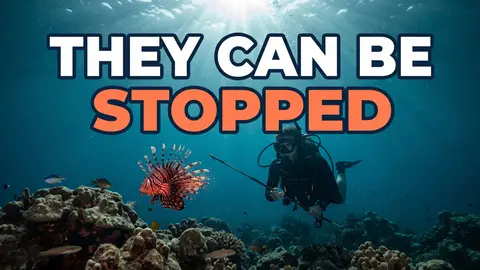
The "Sustainable" Sign Over a Fish You Should Avoid

Walk up to almost any seafood counter and you'll find some version of the same promise. A big sign says the store supports sustainable fishing. Right under it, on ice, there may be a fish that every independent seafood guide tells you to avoid. Tha…
View more
Oct. 15, 2026

Where You Fish Matters: Bottom Trawling, Paper Parks, and the Reefs England Finally Protected

About 100 kilometres off Cornwall, Haig Fras rises from the seabed as a granite reef covered in jewel anemones and cup corals. It had been a protected area for years, and heavy fishing gear could still legally drag across it. In March 2024, England …

View more
Oct. 14, 2026

The Trapdoor That Saves Sea Turtles From Shrimp Nets

Picture a shrimp trawl moving slowly along the bottom of a warm, shallow bay. Shrimp pour into the net. Then a Kemp’s ridley sea turtle, the smallest and most endangered sea turtle on Earth, gets swept in with them. It hits a metal grid, slides down…

View more
Oct. 13, 2026

The Cod Came Back: What a Fishery Collapse Teaches Us About Overfishing

On July 2, 1992, Canada closed the northern cod fishery overnight. About 30,000 people in Newfoundland and Labrador lost their jobs in a single day. It was the largest single layoff in Canadian history, and it happened because too many fish were tak…

View more
Oct. 12, 2026

How to Choose Sustainable Seafood

How to Choose Sustainable Seafood Without a PhD Buying seafood the right way takes effort. Grocery stores hang signs promising sustainable practices, sometimes directly above products every major seafood guide says to avoid. In the United States, “…

View more
Oct. 12, 2026

Slow Down for Whales: How Global Shipping Learned to Share the Ocean

Look around the room you’re in. Your phone, your shoes, your coffee maker. Most of it crossed an ocean on a container ship to reach you. Global shipping feels like the least changeable thing on the planet, too big and too far from anything in your c…

View more
Oct. 12, 2026

When Whale Food Moves: How Climate Change Put Humpbacks in the Ropes, and How California Fixed It

In 2014, a huge patch of unusually warm water settled off the west coast of North America. Scientists nicknamed it the blob. Over the next two years, it rearranged the coastal ocean so thoroughly that humpback whales ended up feeding in the same nar…

View more
Oct. 12, 2026

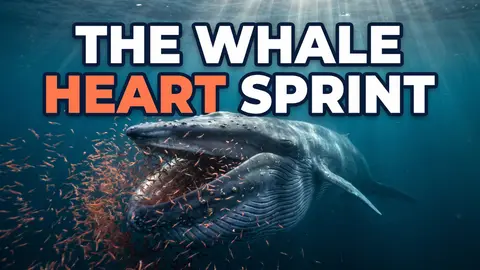
Two Beats a Minute: Why a Whale's Heart Needs Room to Dive

Next time you are at the sink, fill your hands with cold water, hold your breath, and press your face into it. Within seconds your heart slows. Blood shifts away from your arms and legs toward your heart and brain, and your body quietly starts ratio…

View more
Oct. 6, 2026

The Biggest Mouthful: How Blue Whales Eat and Why Krill Matters

Picture a blue whale, 30 metres long and 200 metres down, closing in on a swarm of krill so thick it looks like a cloud. The whale beats its tail, picks up speed, and opens its mouth. In about the time it takes you to read a text message, it swallow…

View more
Oct. 5, 2026

Whales Are Sprinters: What a Blue Whale's Heart Does When It Lunge Feeds

The blue whale is the largest animal that has ever lived, and every time it feeds, it pulls off one of the most extreme physical feats on the planet. It speeds up, throws open its mouth, swallows a volume of water and krill that can rival its own bo…

View more
Oct. 2, 2026

The Pollution That Breeds: How the Great Lakes Stopped Invaders

In 1988, someone found a small striped mussel in Lake St. Clair, the little lake between Lake Huron and Lake Erie. It was about the size of a fingernail, and nobody had seen one in North America before. Within a few years there were billions of the…

View more
Oct. 2, 2026

How Beach Cleanup Data Helped Canada Ban Plastic

You rinse your yogurt tub. You check the little number on the bottom. You put it in the blue bin and hope for the best. A lot of it never gets recycled. And one of the biggest legal wins against plastic in Canada started with people doing something…

View more
Sept. 30, 2026

What Happens to Fish When Our Pills Reach the Water?

Picture a quiet lake in a boreal forest in northwestern Ontario. No cottages on the shore, no factories upstream. In 2001, a team of government scientists started adding a tiny amount of the synthetic estrogen used in birth control pills to that lak…

View more
Sept. 29, 2026

How Did Humpback Whales End Up in New York Harbor?

This summer, people are boarding whale watching boats around New York and seeing humpback whales feeding in sight of the Manhattan skyline. Gotham Whale, a Staten Island citizen science nonprofit, has now identified 500 individual humpbacks in New Y…

View more
Sept. 28, 2026

Plastic Is Still the Ocean's #1 Villain

More than 2,000 episodes ago, the very first guest on How to Protect the Ocean was Dr. Judith Weis, talking about her book Marine Pollution: What Everyone Needs to Know. This week she's back for her fourth appearance, with a fully updated second edi…

View more
Sept. 25, 2026

You Left a Public Comment. Now What?

This week on How to Protect the Ocean, we followed California's marine protected area review from the history of the network to how public process builds support. Along the way, the call to action was simple: submit a public comment, or show up to a…

View more
Sept. 25, 2026

Does Your Public Comment Count? Two Ocean Wins Show How

Earlier this year, the Bureau of Ocean Energy Management received about 65,000 submissions on a proposal to explore deep-sea mining near the Northern Mariana Islands. Most opposed it. In March 2026, the area under consideration grew from 35.5 millio…

View more
Sept. 23, 2026

The Blob Hit California's Kelp. Protected Kelp Came Back Faster.

California finished building its statewide network of marine protected areas in 2012. Two years later, the Pacific handed it the hardest test it could. A marine heatwave known as The Blob moved in along the coast in 2014 and, combined with El Niño c…

View more
Sept. 22, 2026

300 People, 50 Tribes, One Meeting: How California Built Its Marine Protected Areas

In 1999, California passed a law ordering the state to fix its patchwork of ocean parks. Nobody did much with it for two years. When the state finally got the process moving, it took a decade, cost roughly $35 million, and at one point put more than…

View more
Sept. 21, 2026

California MPA Review: 15 Proposals and Who Got a Say?

California has a network of 124 marine protected areas. In October, the state's Fish and Game Commission takes up 15 proposals that could change it. The review behind those proposals was meant to be a chance to make the network stronger, fairer, and…

View more
Sept. 18, 2026

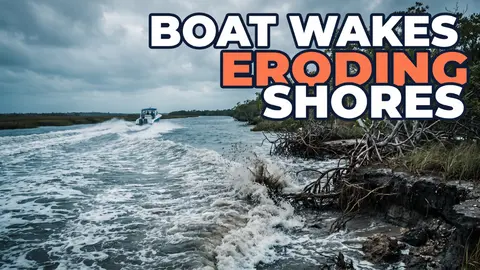
Boat Wake Erosion Explained: The Coastal Threat With Nothing to Do With Climate Change

A boat's wake looks harmless right up until you watch it happen more than once. Watch one roll out from behind a passing boat and hit a marsh bank, and it looks like nothing much happened. Come back to that same bank a year later, and a chunk of it …

View more
Sept. 18, 2026

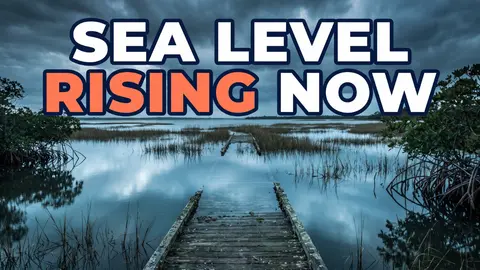
Sea Level Rise Has a Speed Limit: Why Marshes and Mangroves Are Racing the Tide

Sea level rise is a phrase everyone's supposed to be afraid of, and almost nobody can actually picture. Someone says the ocean is rising a couple of millimeters a year, and the natural response is: so what? That's not a number that means anything on…

View more
Sept. 17, 2026

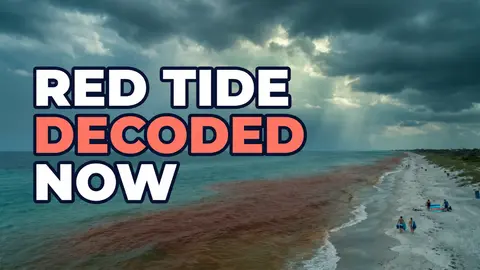
Red Tide, Decoded: Why Florida's Worst Blooms Aren't Random

No smell. No warning sign. Just a beach full of people who suddenly start coughing, grab their towels, and leave. If you've ever wondered what that actually is, it's red tide, and it feels like a mystery right up until you understand the mechanism b…

View more
Sept. 15, 2026

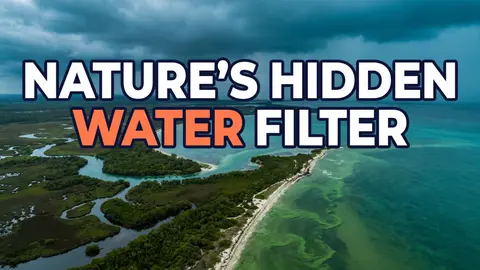
Nature's Kidneys: How Coastal Wetlands Filter Nitrogen Pollution for Free

Green water. A smell that won't go away. Sometimes, dead fish washing up on shore. That's what too much nitrogen does to a coastline, and if you've been following ocean news lately, it can feel like one more thing to be anxious about. It isn't. This…

View more