Sept. 20, 2025
Viper's Lunar Revival, Asteroid Threats, and Ancient Cosmic Secrets
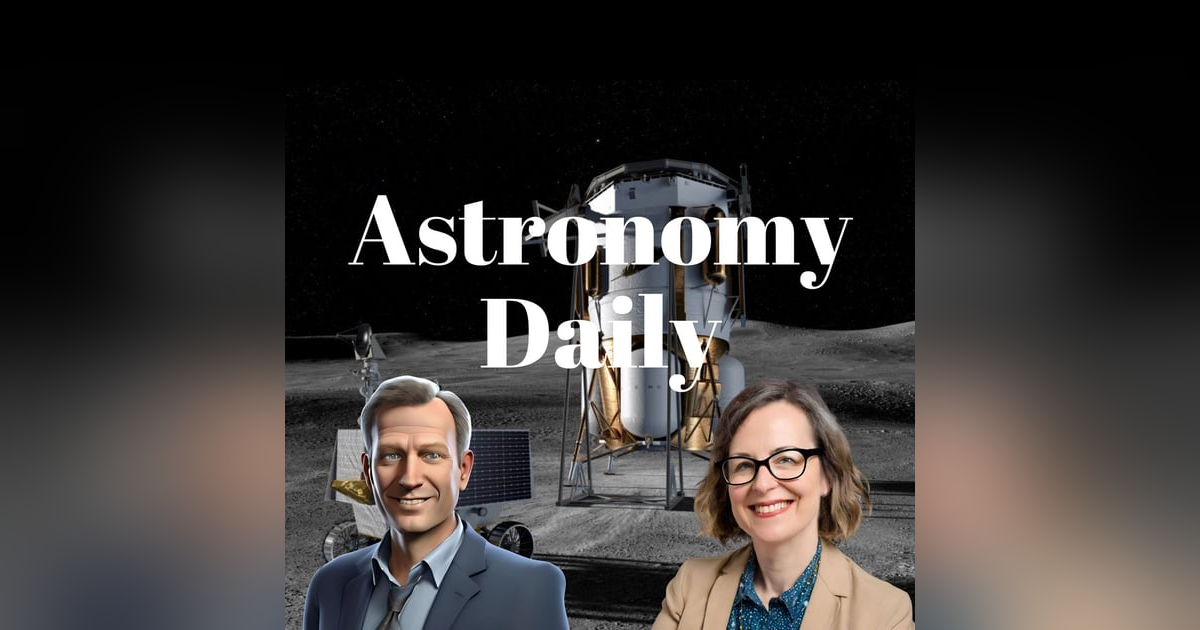


- NASA's Viper Rover Gets a Second Chance: After facing potential cancellation, NASA's Viper lunar rover has been revived thanks to a new $190 million partnership with Blue Origin. Set to launch in late 2027, Viper will explore the moon's south pole for water ice deposits, crucial for future lunar missions and the Artemis program. This rover, equipped with advanced instruments, aims to analyze ice composition and distribution, potentially transforming lunar exploration.
- Asteroid 2024 YR4 Threatens the Moon: A new asteroid, 2024 YR4, poses a 4% chance of impacting the moon in December 2032. While it may not directly threaten Earth, the resulting debris could increase micrometeoroid impacts on our planet, jeopardizing satellites and astronauts in space. With only eight years to prepare for a potential deflection mission, scientists are exploring various options to mitigate this threat.
- Ancient Tektites Uncover Asteroid Impact History: Researchers in Australia have discovered new tektites, indicating a previously unknown asteroid impact that occurred 11 million years ago. These glass fragments, formed from intense heat during the impact, have led scientists to believe there may be an undiscovered impact crater in the region of the Philippines or Papua New Guinea, providing insights into Earth's impact history.
- Stellar Nursery Mapping Revolutionizes Astronomy: Astronomers have created the most detailed 3D map of stellar nurseries in our galaxy using data from the Gaia telescope. This map reveals how massive stars influence their surroundings, creating cavities in space and triggering new star formation, thus enhancing our understanding of galactic structure and stellar evolution.
- James Webb Telescope's Exoplanet Discoveries: The James Webb Space Telescope continues to make strides in exoplanet research, recently detecting water vapor in the atmosphere of the rocky planet K2-18b. This finding brings us closer to identifying potentially habitable worlds, while future ground-based telescopes may allow us to detect biosignatures in exoplanet atmospheres.
- Solar Activity and Its Implications: As we approach solar maximum, the sun's heightened activity is creating both challenges and opportunities for space missions. While strong solar flares pose risks to astronauts and technology, they also provide unique opportunities to study solar physics and have resulted in spectacular auroras visible farther south than usual.
- Perseverance Rover's Martian Discoveries: NASA's Perseverance rover has collected 26 samples from Mars, some showing evidence of ancient microbial life. These samples are set to be returned to Earth in the Mars Sample Return Mission, which could fundamentally change our understanding of life beyond our planet.
- For more cosmic updates, visit our website at astronomydaily.io. Join our community on social media by searching for #AstroDailyPod on Facebook, X, YouTubeMusic Music, TikTok, and our new Instagram account! Don’t forget to subscribe to the podcast on Apple Podcasts, Spotify, iHeartRadio, or wherever you get your podcasts.
- Thank you for tuning in. This is Anna and Avery signing off. Until next time, keep looking up and exploring the wonders of our universe.
Viper Rover Update
[NASA](https://www.nasa.gov/)
Asteroid 2024 YR4 Threat
[NASA](https://www.nasa.gov/)
Ancient Tektites Discovery
[Nature](https://www.nature.com/)
Stellar Nursery Map
[European Space Agency](https://www.esa.int/)
James Webb Exoplanet Findings
[NASA](https://www.nasa.gov/)
Solar Activity Insights
[NASA](https://www.nasa.gov/)
Perseverance Rover Discoveries
[NASA](https://www.nasa.gov/)
Astronomy Daily
[Astronomy Daily](http://www.astronomydaily.io/)
Become a supporter of this podcast: https://www.spreaker.com/podcast/astronomy-daily-space-news-updates--5648921/support.
Sponsor Details:
Ensure your online privacy by using NordVPN. To get our special listener deal and save a lot of money, visit www.bitesz.com/nordvpn. You'll be glad you did!
Become a supporter of Astronomy Daily by joining our Supporters Club. Commercial free episodes daily are only a click way... Click Here
WEBVTT
0
00:00:00.320 --> 00:00:03.080
Avery: Welcome to Astronomy Daily, your source for the
1
00:00:03.080 --> 00:00:05.920
latest news from the cosmos. I'm Avery.
2
00:00:06.320 --> 00:00:09.080
Anna: And I'm Anna. Today we're diving
3
00:00:09.080 --> 00:00:11.880
into some fascinating developments that span
4
00:00:11.880 --> 00:00:14.880
from our own moon to the far reaches of our
5
00:00:14.880 --> 00:00:15.520
galaxy.
6
00:00:16.240 --> 00:00:19.160
Avery: We've got quite the lineup today. A lunar rover
7
00:00:19.160 --> 00:00:21.880
gets a second chance at life. An asteroid
8
00:00:21.880 --> 00:00:24.880
threatens to pelt our moon with debris. Ancient
9
00:00:24.880 --> 00:00:27.520
glass reveals secrets from millions of years ago.
10
00:00:27.840 --> 00:00:30.760
And astronomers have created the most detailed map of stellar
11
00:00:30.910 --> 00:00:32.750
other nurseries in our galaxy.
12
00:00:33.550 --> 00:00:36.470
Anna: Let's start with some good news from NASA. The
13
00:00:36.470 --> 00:00:38.830
Viper lunar rover, which was facing
14
00:00:38.830 --> 00:00:41.830
cancellation just months ago, has been given a
15
00:00:41.830 --> 00:00:44.030
lifeline after NASA spent
16
00:00:44.030 --> 00:00:46.709
$450 million on the
17
00:00:46.709 --> 00:00:49.246
project and then canceled it in July
18
00:00:49.374 --> 00:00:52.190
2024 due to cost overruns. It
19
00:00:52.190 --> 00:00:54.870
looked like the car sized rover would never see the
20
00:00:54.870 --> 00:00:55.710
lunar surface.
21
00:00:56.840 --> 00:00:59.760
Avery: But here's where it gets interesting. NASA
22
00:00:59.760 --> 00:01:02.480
has struck a new deal worth $190 million
23
00:01:02.880 --> 00:01:05.680
with Jeff Bezos, Blue Origin. Under the
24
00:01:05.680 --> 00:01:08.560
Commercial Lunar Payload Services Program. This
25
00:01:08.560 --> 00:01:11.360
partnership will send Viper to the moon's south pole in
26
00:01:11.360 --> 00:01:14.160
late 2027, where it will hunt for water
27
00:01:14.160 --> 00:01:16.680
ice deposits for about 100 Earth days.
28
00:01:17.560 --> 00:01:20.400
Anna: This mission is crucial for NASA's Artemis
29
00:01:20.400 --> 00:01:23.080
program goals of establishing a
30
00:01:23.080 --> 00:01:26.080
sustainable lunar presence. Water ice
31
00:01:26.080 --> 00:01:28.880
isn't just scientifically interesting. It's a
32
00:01:28.880 --> 00:01:31.520
resource that could support future human missions.
33
00:01:31.760 --> 00:01:34.720
The rover will be able to analyze the composition
34
00:01:34.720 --> 00:01:37.520
and distribution of ice deposits, giving
35
00:01:37.520 --> 00:01:40.480
us a much clearer picture of what's available
36
00:01:40.640 --> 00:01:43.400
for future lunar explorers. What's
37
00:01:43.400 --> 00:01:46.320
particularly impressive about this rescue is the
38
00:01:46.320 --> 00:01:48.960
technical specifications of Viper itself.
39
00:01:49.280 --> 00:01:51.920
This rover is no lightweight explorer.
40
00:01:52.000 --> 00:01:54.240
It weighs about 430
41
00:01:54.240 --> 00:01:57.220
kilograms and stands 1.5 meters meters
42
00:01:57.220 --> 00:01:59.820
tall. It's equipped with four scientific
43
00:01:59.820 --> 00:02:02.740
instruments specifically designed to analyze
44
00:02:02.740 --> 00:02:05.660
water ice, including a neutron spectrometer
45
00:02:05.740 --> 00:02:08.700
and a drill that can dig up to a meter
46
00:02:08.700 --> 00:02:09.980
into the lunar surface.
47
00:02:10.700 --> 00:02:13.580
Avery: The choice of landing site is also crucial here.
48
00:02:13.580 --> 00:02:16.460
Ana, uh, the moon's south pole region experiences what
49
00:02:16.460 --> 00:02:19.260
scientists call permanently shadowed regions,
50
00:02:19.500 --> 00:02:21.900
areas that haven't seen sunlight for potentially
51
00:02:21.900 --> 00:02:24.500
billions of years. These could be like
52
00:02:24.500 --> 00:02:27.380
frozen time capsules, preserving water ice and
53
00:02:27.380 --> 00:02:30.360
other volatiles that could tell us about the early
54
00:02:30.360 --> 00:02:31.160
solar system.
55
00:02:32.120 --> 00:02:35.040
Anna: Exactly. And the data Viper collects will
56
00:02:35.040 --> 00:02:37.960
directly influence where future Artemis
57
00:02:37.960 --> 00:02:40.600
missions land. If the rover finds
58
00:02:40.600 --> 00:02:43.600
accessible water ice deposits near potential
59
00:02:43.600 --> 00:02:46.440
landing sites, it could dramatically change our
60
00:02:46.440 --> 00:02:49.320
approach to lunar exploration. Water isn't
61
00:02:49.320 --> 00:02:52.160
just for drinking. It can be split into
62
00:02:52.160 --> 00:02:55.080
hydrogen and oxygen for rocket fuel,
63
00:02:55.590 --> 00:02:58.470
essentially creating a, uh, gas station on the moon.
64
00:02:59.030 --> 00:03:01.510
Avery: It's a great example of how public private
65
00:03:01.510 --> 00:03:04.110
partnerships can salvage important scientific
66
00:03:04.110 --> 00:03:06.790
missions. Sometimes it just takes finding the right
67
00:03:06.790 --> 00:03:09.590
partner with the Right Capabilities and timeline.
68
00:03:10.070 --> 00:03:13.030
Now, speaking of lunar threats, we need to discuss
69
00:03:13.030 --> 00:03:16.030
something a bit more concerning asteroid
70
00:03:16.030 --> 00:03:18.230
2024 yr4.
71
00:03:19.110 --> 00:03:21.950
Anna: This asteroid has a 4% chance
72
00:03:21.950 --> 00:03:24.310
of hitting our moon in December
73
00:03:24.470 --> 00:03:27.370
2032. Now, while that might not sou like
74
00:03:27.370 --> 00:03:30.050
a direct threat to us here on Earth, the
75
00:03:30.050 --> 00:03:32.850
consequences could be far reaching. If
76
00:03:32.850 --> 00:03:35.730
this asteroid does impact the moon, it could
77
00:03:35.730 --> 00:03:38.410
create a massive amount of debris that would
78
00:03:38.410 --> 00:03:41.330
increase micrometeoroid impacts on Earth
79
00:03:41.410 --> 00:03:43.329
by up to 1,000 times.
80
00:03:44.450 --> 00:03:47.170
Avery: That's where things get really problematic. This
81
00:03:47.170 --> 00:03:49.930
debris cloud would pose serious risk to our
82
00:03:49.930 --> 00:03:52.370
satellites and any astronauts working in space.
83
00:03:52.770 --> 00:03:55.450
We're talking about potentially damaging or destroying
84
00:03:55.450 --> 00:03:58.290
critical infrastructure that we rely on for
85
00:03:58.670 --> 00:04:01.470
everything from GPS to communications.
86
00:04:02.350 --> 00:04:05.230
Anna: What makes this situation particularly challenging
87
00:04:05.390 --> 00:04:07.606
is that asteroid 2024
88
00:04:07.814 --> 00:04:10.510
yr4 was only discovered recently,
89
00:04:10.830 --> 00:04:13.030
giving us limited time to study its
90
00:04:13.030 --> 00:04:15.950
characteristics. The asteroid is estimated to be
91
00:04:15.950 --> 00:04:18.550
between 40 and 100 meters in
92
00:04:18.550 --> 00:04:21.350
diameter, which might not sound enormous, but
93
00:04:21.350 --> 00:04:24.270
at cosmic velocities, even relatively
94
00:04:24.270 --> 00:04:26.910
small objects can cause tremendous
95
00:04:26.910 --> 00:04:27.390
damage.
96
00:04:27.730 --> 00:04:30.370
Avery: The timeline is also tight with the potential
97
00:04:30.370 --> 00:04:33.370
impact in 2032. We have roughly
98
00:04:33.370 --> 00:04:36.330
eight years to mount a response mission. That
99
00:04:36.330 --> 00:04:39.210
might seem like plenty of time, but space missions
100
00:04:39.210 --> 00:04:41.810
require years of planning, development and
101
00:04:41.810 --> 00:04:44.610
travel time. If we decide to attempt
102
00:04:44.610 --> 00:04:47.170
deflection, we'd likely need to launch by
103
00:04:47.170 --> 00:04:50.170
2028 or 2029 to have the
104
00:04:50.170 --> 00:04:53.010
best chance of success. Scientists have identified
105
00:04:53.170 --> 00:04:56.140
several options for dealing with this threat. The, uh,
106
00:04:56.140 --> 00:04:59.130
preferred approach is deflection. But there's a big
107
00:04:59.130 --> 00:05:02.030
chall we don't know the asteroid's exact
108
00:05:02.030 --> 00:05:04.550
mass. Current estimates range from
109
00:05:04.550 --> 00:05:07.390
51 million to 711 million
110
00:05:07.390 --> 00:05:10.150
kg. And that uncertainty makes it
111
00:05:10.150 --> 00:05:12.670
difficult to plan an effective deflection mission.
112
00:05:13.630 --> 00:05:15.550
Anna: If deflection isn't feasible,
113
00:05:15.950 --> 00:05:18.590
destruction becomes an option. This could
114
00:05:18.590 --> 00:05:21.510
involve a kinetic impact designed to break
115
00:05:21.510 --> 00:05:24.150
the asteroid into manageable 10 meter
116
00:05:24.150 --> 00:05:27.060
chunks. Or in extreme cases, a, uh,
117
00:05:27.110 --> 00:05:29.970
nuclear option using a 1 megaton
118
00:05:29.970 --> 00:05:32.930
warhead. The good news is that there's a possible
119
00:05:33.170 --> 00:05:36.010
reconnaissance mission in 2028 that
120
00:05:36.010 --> 00:05:38.850
could help us better assess the asteroid's mass and
121
00:05:38.850 --> 00:05:39.570
composition.
122
00:05:40.370 --> 00:05:42.930
Avery: It's fascinating how these seemingly distant
123
00:05:42.930 --> 00:05:45.850
cosmic events can have such direct implications
124
00:05:45.850 --> 00:05:48.850
for life on Earth. While a, uh, 4%
125
00:05:48.930 --> 00:05:51.650
chance might seem relatively low, the
126
00:05:51.650 --> 00:05:54.570
potential consequences are significant enough that we
127
00:05:54.570 --> 00:05:57.170
need to take this threat seriously and prepare accordingly.
128
00:05:57.940 --> 00:05:58.660
Anna: Absolutely.
129
00:05:59.140 --> 00:06:02.020
Now let's shift our focus to a discovery that
130
00:06:02.020 --> 00:06:04.340
takes us much further back in time.
131
00:06:04.740 --> 00:06:07.460
Australian researchers have uncovered evidence
132
00:06:07.780 --> 00:06:10.780
of a previously unknown asteroid impact that
133
00:06:10.780 --> 00:06:13.220
occurred 11 million years ago.
134
00:06:14.340 --> 00:06:17.220
Avery: This discovery came through the identification of
135
00:06:17.220 --> 00:06:20.100
new tektites. Those are, uh, glass pieces
136
00:06:20.180 --> 00:06:22.940
formed when an asteroid Impact melts
137
00:06:22.940 --> 00:06:25.540
and launches rock material into the atmosphere.
138
00:06:26.210 --> 00:06:27.970
These particular tektites, called
139
00:06:27.970 --> 00:06:30.850
ananguites, span an impressive
140
00:06:30.850 --> 00:06:33.170
900km across South Australia.
141
00:06:34.610 --> 00:06:37.410
Anna: What makes these ananguites particularly
142
00:06:37.410 --> 00:06:40.370
interesting is that they're chemically distinct from the
143
00:06:40.370 --> 00:06:43.210
famous Australasian tektites that formed
144
00:06:43.210 --> 00:06:45.570
about 780,000 years ago.
145
00:06:46.050 --> 00:06:48.490
This means we're looking at evidence of a
146
00:06:48.490 --> 00:06:51.330
completely separate impact event, One
147
00:06:51.330 --> 00:06:54.210
that had been hidden from scientific view until now.
148
00:06:55.410 --> 00:06:58.330
The formation process of these tektites is
149
00:06:58.330 --> 00:07:01.170
absolutely extraordinary when you think about it.
150
00:07:01.490 --> 00:07:04.090
The original asteroid impact would have
151
00:07:04.090 --> 00:07:06.690
generated temperatures exceeding 2000
152
00:07:06.850 --> 00:07:09.770
degrees Celsius, instantly vaporizing
153
00:07:09.770 --> 00:07:12.330
and melting rock material. This molten
154
00:07:12.330 --> 00:07:14.770
debris was then hurled hundreds of
155
00:07:14.770 --> 00:07:17.570
kilometers through the atmosphere before cooling
156
00:07:17.570 --> 00:07:20.210
and solidifying into these glass fragments
157
00:07:20.450 --> 00:07:23.030
that we're finding today. The mystery
158
00:07:23.030 --> 00:07:25.710
deepens when we consider that the actual impact
159
00:07:25.790 --> 00:07:28.190
crater remains undiscovered.
160
00:07:28.670 --> 00:07:31.590
Researchers believe it may be located somewhere in
161
00:07:31.590 --> 00:07:34.270
the volcanic arcs around the Philippines,
162
00:07:34.350 --> 00:07:37.270
Indonesia, or Papua New Guinea. The fact
163
00:07:37.270 --> 00:07:40.190
that we can find evidence of the impact spread across
164
00:07:40.350 --> 00:07:43.190
such a wide area, yet still haven't
165
00:07:43.190 --> 00:07:46.190
located the source crater, really speaks to
166
00:07:46.190 --> 00:07:49.150
the challenges of studying these ancient cosmic events.
167
00:07:50.510 --> 00:07:53.430
Avery: This discovery is significant because it establishes
168
00:07:53.430 --> 00:07:56.270
a sixth known tektite strewn field
169
00:07:56.350 --> 00:07:59.110
globally. Each of these fields represents a
170
00:07:59.110 --> 00:08:01.790
major impact event in Earth's history. And
171
00:08:01.790 --> 00:08:04.670
finding a new one helps us better understand the frequency
172
00:08:04.670 --> 00:08:07.470
and scale of asteroid impacts over geological
173
00:08:07.470 --> 00:08:10.270
time. It's like finding a missing piece of
174
00:08:10.270 --> 00:08:12.030
Earth's cosmic collision history.
175
00:08:12.990 --> 00:08:15.870
Anna: Now let's journey from impact events to
176
00:08:15.870 --> 00:08:18.470
stellar creation. Astronomers have
177
00:08:18.470 --> 00:08:21.300
created the most detailed 3D MA
178
00:08:21.450 --> 00:08:23.970
map ever made of stellar nurseries in Art
179
00:08:23.970 --> 00:08:26.450
Galaxy. And it's absolutely
180
00:08:26.450 --> 00:08:27.210
breathtaking.
181
00:08:28.250 --> 00:08:31.090
Avery: This incredible map was created using data from the
182
00:08:31.090 --> 00:08:33.850
European Space Agency's Gaia telescope.
183
00:08:33.850 --> 00:08:36.730
And it covers a vast region extending 4,000
184
00:08:36.730 --> 00:08:39.730
light years from our Sun. The map includes some
185
00:08:39.730 --> 00:08:42.570
of the most famous star forming regions we know,
186
00:08:42.730 --> 00:08:45.530
like the Orion, Iridan super bubble and
187
00:08:45.530 --> 00:08:46.730
the Gum Nebula.
188
00:08:47.380 --> 00:08:50.260
Anna: What's particularly fascinating is how
189
00:08:50.260 --> 00:08:53.140
this map reveals the dramatic influence of
190
00:08:53.140 --> 00:08:55.700
massive O type stars on their surrounding
191
00:08:55.700 --> 00:08:58.580
environments. These stellar giants are like
192
00:08:58.580 --> 00:09:01.540
cosmic sculptors, creating enormous
193
00:09:01.540 --> 00:09:04.380
cavities in space where gas clouds rupture
194
00:09:04.380 --> 00:09:05.620
and stream outward.
195
00:09:06.100 --> 00:09:08.980
Avery: It's a complex dance of creation and
196
00:09:08.980 --> 00:09:11.900
destruction. While these massive stars can
197
00:09:11.900 --> 00:09:14.540
trigger new star formation by compressing
198
00:09:14.540 --> 00:09:17.540
nearby gas clouds, they're simultaneously
199
00:09:17.540 --> 00:09:20.400
disrupting the galax galactic environment around them.
200
00:09:20.880 --> 00:09:22.920
The map shows us these processes in
201
00:09:22.920 --> 00:09:25.480
unprecedented detail, giving us new
202
00:09:25.480 --> 00:09:28.360
insights into, uh, how stars are born and how they
203
00:09:28.360 --> 00:09:30.160
reshape their cosmic neighborhoods.
204
00:09:30.800 --> 00:09:33.680
Anna: This kind of detailed mapping is revolutionizing
205
00:09:33.680 --> 00:09:36.600
our understanding of galactic structure and stellar
206
00:09:36.600 --> 00:09:39.520
evolution. We're not just seeing where stars are,
207
00:09:39.760 --> 00:09:42.560
but understanding the dynamic processes that create
208
00:09:42.640 --> 00:09:45.480
them and how they influence the broader galactic
209
00:09:45.480 --> 00:09:46.160
ecosystem.
210
00:09:47.080 --> 00:09:50.000
Avery: Speaking of revolutionary discoveries, I want to highlight
211
00:09:50.000 --> 00:09:52.760
some exciting developments in exoplanet research.
212
00:09:53.320 --> 00:09:55.760
The James Webb Space Telescope has been
213
00:09:55.760 --> 00:09:58.120
delivering unprecedented insights into
214
00:09:58.120 --> 00:10:00.680
atmospheric compositions of distant worlds.
215
00:10:00.920 --> 00:10:03.840
And recent findings suggest we might be much
216
00:10:03.840 --> 00:10:06.200
closer to finding potentially habitable
217
00:10:06.200 --> 00:10:08.360
exoplanets than we previously thought.
218
00:10:09.080 --> 00:10:11.960
Anna: What's particularly exciting is Webb's ability
219
00:10:11.960 --> 00:10:14.320
to detect water vapor, carbon
220
00:10:14.320 --> 00:10:17.240
dioxide, and other key atmospheric components
221
00:10:17.240 --> 00:10:19.900
in exopl atmospheres. Just last
222
00:10:19.900 --> 00:10:22.540
month, researchers announced the discovery of water
223
00:10:22.540 --> 00:10:25.380
vapor in the atmosphere of a Rocky planet
224
00:10:25.380 --> 00:10:28.220
called K2 18b located
225
00:10:28.220 --> 00:10:31.220
about 120 light years away. While
226
00:10:31.220 --> 00:10:34.219
this planet might be too large to be truly
227
00:10:34.219 --> 00:10:37.140
Earth, like it's showing us what to look for in
228
00:10:37.140 --> 00:10:37.340
our.
229
00:10:37.340 --> 00:10:40.140
Avery: Continued search, the precision of
230
00:10:40.140 --> 00:10:43.020
these atmospheric analyses is truly remarkable.
231
00:10:43.020 --> 00:10:45.540
Hannah uh, we're essentially doing chemistry
232
00:10:45.540 --> 00:10:48.420
experiments on worlds that are hundreds of light years away.
233
00:10:49.270 --> 00:10:52.270
The next generation of ground based telescopes, like the
234
00:10:52.270 --> 00:10:54.750
Extremely Large Telescope currently under
235
00:10:54.750 --> 00:10:57.670
construction in Chile, will push these capabilities
236
00:10:57.830 --> 00:11:00.670
even further, potentially allowing us to detect
237
00:11:00.670 --> 00:11:03.190
biosignatures in exoplanet atmospheres.
238
00:11:03.590 --> 00:11:06.590
Anna: I also want to touch on something closer to home. Our
239
00:11:06.590 --> 00:11:09.350
sun's recent activity has been quite remarkable.
240
00:11:09.590 --> 00:11:11.990
We're currently approaching what's called solar
241
00:11:11.990 --> 00:11:14.790
maximum, the peak of the Sun's 11 year
242
00:11:14.790 --> 00:11:17.580
activity cycle. And the implications for
243
00:11:17.580 --> 00:11:20.420
both space exploration and life on Earth
244
00:11:20.580 --> 00:11:21.300
are significant.
245
00:11:22.180 --> 00:11:25.140
Avery: Over the past year, we've seen some of the strongest
246
00:11:25.220 --> 00:11:28.140
solar flares in decades. And this increased
247
00:11:28.140 --> 00:11:30.900
activity is creating both challenges and
248
00:11:30.980 --> 00:11:33.900
opportunities for space missions. On one
249
00:11:33.900 --> 00:11:36.820
hand, the enhanced radiation environment poses risks
250
00:11:36.820 --> 00:11:39.300
for astronauts and sensitive electronics on
251
00:11:39.300 --> 00:11:42.260
spacecraft. On the other hand, it's providing
252
00:11:42.340 --> 00:11:45.100
unprecedented opportunities to study solar
253
00:11:45.100 --> 00:11:46.660
physics and space weather.
254
00:11:47.280 --> 00:11:49.840
Anna: The practical implications are enormous.
255
00:11:50.160 --> 00:11:52.560
Strong solar storms can disrupt GPS
256
00:11:52.560 --> 00:11:55.280
systems, interfere with radio communications,
257
00:11:55.440 --> 00:11:57.920
and even threaten power grids on Earth.
258
00:11:58.240 --> 00:12:01.240
But they also create those spectacular auroras
259
00:12:01.240 --> 00:12:04.080
that have been visible much farther south than usual this
260
00:12:04.080 --> 00:12:06.800
year. It's a perfect example of how our
261
00:12:06.800 --> 00:12:09.760
nearest star continues to surprise us and
262
00:12:09.840 --> 00:12:11.840
shape our technological civilization.
263
00:12:12.810 --> 00:12:15.690
Avery: Before we move on, I should mention that NASA's
264
00:12:15.690 --> 00:12:18.610
Perseverance rover on Mars continues to
265
00:12:18.610 --> 00:12:21.610
make remarkable discoveries. The rover has now
266
00:12:21.610 --> 00:12:24.010
collected 26 samples from the Martian
267
00:12:24.010 --> 00:12:26.570
surface, including some that show strong
268
00:12:26.650 --> 00:12:29.050
evidence of ancient microbial life.
269
00:12:29.610 --> 00:12:32.450
These samples are waiting for the Mars Sample Return Mission,
270
00:12:32.450 --> 00:12:35.290
which will bring them back to Earth for detailed analysis
271
00:12:35.290 --> 00:12:36.570
in the late 2000s.
272
00:12:37.130 --> 00:12:40.130
Anna: The Mars sample Return Mission is really the holy
273
00:12:40.130 --> 00:12:43.090
grail of planetary science right now. If those
274
00:12:43.090 --> 00:12:45.670
samples do contain obtain evidence of past life,
275
00:12:45.910 --> 00:12:48.310
it would fundamentally change our understanding of
276
00:12:48.310 --> 00:12:50.870
biology and our place in the universe.
277
00:12:51.110 --> 00:12:53.990
And the engineering challenges of bringing samples
278
00:12:53.990 --> 00:12:56.630
back from another planet are absolutely
279
00:12:56.630 --> 00:12:59.590
staggering. It's almost like a preview of what we'll
280
00:12:59.590 --> 00:13:02.470
need to master for eventual human missions to Mars.
281
00:13:03.270 --> 00:13:06.110
Avery: Before we wrap up, I want to quickly mention
282
00:13:06.110 --> 00:13:08.950
an intriguing study that suggests aliens
283
00:13:08.950 --> 00:13:11.630
could potentially eavesdrop on our spacecraft
284
00:13:11.630 --> 00:13:14.470
communications using the same methods we
285
00:13:14.470 --> 00:13:17.330
use to detect signals from distant probes.
286
00:13:17.730 --> 00:13:20.330
It's a reminder that as we reach out into the
287
00:13:20.330 --> 00:13:22.970
cosmos, we might also be announcing our
288
00:13:22.970 --> 00:13:25.970
presence to any civilizations that might be listening.
289
00:13:26.770 --> 00:13:29.650
Anna: It really puts our cosmic activities into perspective.
290
00:13:29.970 --> 00:13:32.770
Every signal we send, every probe we launch
291
00:13:33.010 --> 00:13:35.330
could potentially be detected by advanced
292
00:13:35.330 --> 00:13:38.090
civilizations using technology similar to our
293
00:13:38.090 --> 00:13:38.370
own.
294
00:13:39.010 --> 00:13:42.010
Avery: That's all for today's episode of Astronomy Daily from
295
00:13:42.010 --> 00:13:44.810
Anna and me. Avery, thank you for joining us on
296
00:13:44.810 --> 00:13:46.370
this journey through the cosmos.
297
00:13:46.970 --> 00:13:49.850
Anna: Keep looking up and we'll see you next time with more news
298
00:13:49.850 --> 00:13:51.370
from the universe around us.
0
00:00:00.320 --> 00:00:03.080
Avery: Welcome to Astronomy Daily, your source for the
1
00:00:03.080 --> 00:00:05.920
latest news from the cosmos. I'm Avery.
2
00:00:06.320 --> 00:00:09.080
Anna: And I'm Anna. Today we're diving
3
00:00:09.080 --> 00:00:11.880
into some fascinating developments that span
4
00:00:11.880 --> 00:00:14.880
from our own moon to the far reaches of our
5
00:00:14.880 --> 00:00:15.520
galaxy.
6
00:00:16.240 --> 00:00:19.160
Avery: We've got quite the lineup today. A lunar rover
7
00:00:19.160 --> 00:00:21.880
gets a second chance at life. An asteroid
8
00:00:21.880 --> 00:00:24.880
threatens to pelt our moon with debris. Ancient
9
00:00:24.880 --> 00:00:27.520
glass reveals secrets from millions of years ago.
10
00:00:27.840 --> 00:00:30.760
And astronomers have created the most detailed map of stellar
11
00:00:30.910 --> 00:00:32.750
other nurseries in our galaxy.
12
00:00:33.550 --> 00:00:36.470
Anna: Let's start with some good news from NASA. The
13
00:00:36.470 --> 00:00:38.830
Viper lunar rover, which was facing
14
00:00:38.830 --> 00:00:41.830
cancellation just months ago, has been given a
15
00:00:41.830 --> 00:00:44.030
lifeline after NASA spent
16
00:00:44.030 --> 00:00:46.709
$450 million on the
17
00:00:46.709 --> 00:00:49.246
project and then canceled it in July
18
00:00:49.374 --> 00:00:52.190
2024 due to cost overruns. It
19
00:00:52.190 --> 00:00:54.870
looked like the car sized rover would never see the
20
00:00:54.870 --> 00:00:55.710
lunar surface.
21
00:00:56.840 --> 00:00:59.760
Avery: But here's where it gets interesting. NASA
22
00:00:59.760 --> 00:01:02.480
has struck a new deal worth $190 million
23
00:01:02.880 --> 00:01:05.680
with Jeff Bezos, Blue Origin. Under the
24
00:01:05.680 --> 00:01:08.560
Commercial Lunar Payload Services Program. This
25
00:01:08.560 --> 00:01:11.360
partnership will send Viper to the moon's south pole in
26
00:01:11.360 --> 00:01:14.160
late 2027, where it will hunt for water
27
00:01:14.160 --> 00:01:16.680
ice deposits for about 100 Earth days.
28
00:01:17.560 --> 00:01:20.400
Anna: This mission is crucial for NASA's Artemis
29
00:01:20.400 --> 00:01:23.080
program goals of establishing a
30
00:01:23.080 --> 00:01:26.080
sustainable lunar presence. Water ice
31
00:01:26.080 --> 00:01:28.880
isn't just scientifically interesting. It's a
32
00:01:28.880 --> 00:01:31.520
resource that could support future human missions.
33
00:01:31.760 --> 00:01:34.720
The rover will be able to analyze the composition
34
00:01:34.720 --> 00:01:37.520
and distribution of ice deposits, giving
35
00:01:37.520 --> 00:01:40.480
us a much clearer picture of what's available
36
00:01:40.640 --> 00:01:43.400
for future lunar explorers. What's
37
00:01:43.400 --> 00:01:46.320
particularly impressive about this rescue is the
38
00:01:46.320 --> 00:01:48.960
technical specifications of Viper itself.
39
00:01:49.280 --> 00:01:51.920
This rover is no lightweight explorer.
40
00:01:52.000 --> 00:01:54.240
It weighs about 430
41
00:01:54.240 --> 00:01:57.220
kilograms and stands 1.5 meters meters
42
00:01:57.220 --> 00:01:59.820
tall. It's equipped with four scientific
43
00:01:59.820 --> 00:02:02.740
instruments specifically designed to analyze
44
00:02:02.740 --> 00:02:05.660
water ice, including a neutron spectrometer
45
00:02:05.740 --> 00:02:08.700
and a drill that can dig up to a meter
46
00:02:08.700 --> 00:02:09.980
into the lunar surface.
47
00:02:10.700 --> 00:02:13.580
Avery: The choice of landing site is also crucial here.
48
00:02:13.580 --> 00:02:16.460
Ana, uh, the moon's south pole region experiences what
49
00:02:16.460 --> 00:02:19.260
scientists call permanently shadowed regions,
50
00:02:19.500 --> 00:02:21.900
areas that haven't seen sunlight for potentially
51
00:02:21.900 --> 00:02:24.500
billions of years. These could be like
52
00:02:24.500 --> 00:02:27.380
frozen time capsules, preserving water ice and
53
00:02:27.380 --> 00:02:30.360
other volatiles that could tell us about the early
54
00:02:30.360 --> 00:02:31.160
solar system.
55
00:02:32.120 --> 00:02:35.040
Anna: Exactly. And the data Viper collects will
56
00:02:35.040 --> 00:02:37.960
directly influence where future Artemis
57
00:02:37.960 --> 00:02:40.600
missions land. If the rover finds
58
00:02:40.600 --> 00:02:43.600
accessible water ice deposits near potential
59
00:02:43.600 --> 00:02:46.440
landing sites, it could dramatically change our
60
00:02:46.440 --> 00:02:49.320
approach to lunar exploration. Water isn't
61
00:02:49.320 --> 00:02:52.160
just for drinking. It can be split into
62
00:02:52.160 --> 00:02:55.080
hydrogen and oxygen for rocket fuel,
63
00:02:55.590 --> 00:02:58.470
essentially creating a, uh, gas station on the moon.
64
00:02:59.030 --> 00:03:01.510
Avery: It's a great example of how public private
65
00:03:01.510 --> 00:03:04.110
partnerships can salvage important scientific
66
00:03:04.110 --> 00:03:06.790
missions. Sometimes it just takes finding the right
67
00:03:06.790 --> 00:03:09.590
partner with the Right Capabilities and timeline.
68
00:03:10.070 --> 00:03:13.030
Now, speaking of lunar threats, we need to discuss
69
00:03:13.030 --> 00:03:16.030
something a bit more concerning asteroid
70
00:03:16.030 --> 00:03:18.230
2024 yr4.
71
00:03:19.110 --> 00:03:21.950
Anna: This asteroid has a 4% chance
72
00:03:21.950 --> 00:03:24.310
of hitting our moon in December
73
00:03:24.470 --> 00:03:27.370
2032. Now, while that might not sou like
74
00:03:27.370 --> 00:03:30.050
a direct threat to us here on Earth, the
75
00:03:30.050 --> 00:03:32.850
consequences could be far reaching. If
76
00:03:32.850 --> 00:03:35.730
this asteroid does impact the moon, it could
77
00:03:35.730 --> 00:03:38.410
create a massive amount of debris that would
78
00:03:38.410 --> 00:03:41.330
increase micrometeoroid impacts on Earth
79
00:03:41.410 --> 00:03:43.329
by up to 1,000 times.
80
00:03:44.450 --> 00:03:47.170
Avery: That's where things get really problematic. This
81
00:03:47.170 --> 00:03:49.930
debris cloud would pose serious risk to our
82
00:03:49.930 --> 00:03:52.370
satellites and any astronauts working in space.
83
00:03:52.770 --> 00:03:55.450
We're talking about potentially damaging or destroying
84
00:03:55.450 --> 00:03:58.290
critical infrastructure that we rely on for
85
00:03:58.670 --> 00:04:01.470
everything from GPS to communications.
86
00:04:02.350 --> 00:04:05.230
Anna: What makes this situation particularly challenging
87
00:04:05.390 --> 00:04:07.606
is that asteroid 2024
88
00:04:07.814 --> 00:04:10.510
yr4 was only discovered recently,
89
00:04:10.830 --> 00:04:13.030
giving us limited time to study its
90
00:04:13.030 --> 00:04:15.950
characteristics. The asteroid is estimated to be
91
00:04:15.950 --> 00:04:18.550
between 40 and 100 meters in
92
00:04:18.550 --> 00:04:21.350
diameter, which might not sound enormous, but
93
00:04:21.350 --> 00:04:24.270
at cosmic velocities, even relatively
94
00:04:24.270 --> 00:04:26.910
small objects can cause tremendous
95
00:04:26.910 --> 00:04:27.390
damage.
96
00:04:27.730 --> 00:04:30.370
Avery: The timeline is also tight with the potential
97
00:04:30.370 --> 00:04:33.370
impact in 2032. We have roughly
98
00:04:33.370 --> 00:04:36.330
eight years to mount a response mission. That
99
00:04:36.330 --> 00:04:39.210
might seem like plenty of time, but space missions
100
00:04:39.210 --> 00:04:41.810
require years of planning, development and
101
00:04:41.810 --> 00:04:44.610
travel time. If we decide to attempt
102
00:04:44.610 --> 00:04:47.170
deflection, we'd likely need to launch by
103
00:04:47.170 --> 00:04:50.170
2028 or 2029 to have the
104
00:04:50.170 --> 00:04:53.010
best chance of success. Scientists have identified
105
00:04:53.170 --> 00:04:56.140
several options for dealing with this threat. The, uh,
106
00:04:56.140 --> 00:04:59.130
preferred approach is deflection. But there's a big
107
00:04:59.130 --> 00:05:02.030
chall we don't know the asteroid's exact
108
00:05:02.030 --> 00:05:04.550
mass. Current estimates range from
109
00:05:04.550 --> 00:05:07.390
51 million to 711 million
110
00:05:07.390 --> 00:05:10.150
kg. And that uncertainty makes it
111
00:05:10.150 --> 00:05:12.670
difficult to plan an effective deflection mission.
112
00:05:13.630 --> 00:05:15.550
Anna: If deflection isn't feasible,
113
00:05:15.950 --> 00:05:18.590
destruction becomes an option. This could
114
00:05:18.590 --> 00:05:21.510
involve a kinetic impact designed to break
115
00:05:21.510 --> 00:05:24.150
the asteroid into manageable 10 meter
116
00:05:24.150 --> 00:05:27.060
chunks. Or in extreme cases, a, uh,
117
00:05:27.110 --> 00:05:29.970
nuclear option using a 1 megaton
118
00:05:29.970 --> 00:05:32.930
warhead. The good news is that there's a possible
119
00:05:33.170 --> 00:05:36.010
reconnaissance mission in 2028 that
120
00:05:36.010 --> 00:05:38.850
could help us better assess the asteroid's mass and
121
00:05:38.850 --> 00:05:39.570
composition.
122
00:05:40.370 --> 00:05:42.930
Avery: It's fascinating how these seemingly distant
123
00:05:42.930 --> 00:05:45.850
cosmic events can have such direct implications
124
00:05:45.850 --> 00:05:48.850
for life on Earth. While a, uh, 4%
125
00:05:48.930 --> 00:05:51.650
chance might seem relatively low, the
126
00:05:51.650 --> 00:05:54.570
potential consequences are significant enough that we
127
00:05:54.570 --> 00:05:57.170
need to take this threat seriously and prepare accordingly.
128
00:05:57.940 --> 00:05:58.660
Anna: Absolutely.
129
00:05:59.140 --> 00:06:02.020
Now let's shift our focus to a discovery that
130
00:06:02.020 --> 00:06:04.340
takes us much further back in time.
131
00:06:04.740 --> 00:06:07.460
Australian researchers have uncovered evidence
132
00:06:07.780 --> 00:06:10.780
of a previously unknown asteroid impact that
133
00:06:10.780 --> 00:06:13.220
occurred 11 million years ago.
134
00:06:14.340 --> 00:06:17.220
Avery: This discovery came through the identification of
135
00:06:17.220 --> 00:06:20.100
new tektites. Those are, uh, glass pieces
136
00:06:20.180 --> 00:06:22.940
formed when an asteroid Impact melts
137
00:06:22.940 --> 00:06:25.540
and launches rock material into the atmosphere.
138
00:06:26.210 --> 00:06:27.970
These particular tektites, called
139
00:06:27.970 --> 00:06:30.850
ananguites, span an impressive
140
00:06:30.850 --> 00:06:33.170
900km across South Australia.
141
00:06:34.610 --> 00:06:37.410
Anna: What makes these ananguites particularly
142
00:06:37.410 --> 00:06:40.370
interesting is that they're chemically distinct from the
143
00:06:40.370 --> 00:06:43.210
famous Australasian tektites that formed
144
00:06:43.210 --> 00:06:45.570
about 780,000 years ago.
145
00:06:46.050 --> 00:06:48.490
This means we're looking at evidence of a
146
00:06:48.490 --> 00:06:51.330
completely separate impact event, One
147
00:06:51.330 --> 00:06:54.210
that had been hidden from scientific view until now.
148
00:06:55.410 --> 00:06:58.330
The formation process of these tektites is
149
00:06:58.330 --> 00:07:01.170
absolutely extraordinary when you think about it.
150
00:07:01.490 --> 00:07:04.090
The original asteroid impact would have
151
00:07:04.090 --> 00:07:06.690
generated temperatures exceeding 2000
152
00:07:06.850 --> 00:07:09.770
degrees Celsius, instantly vaporizing
153
00:07:09.770 --> 00:07:12.330
and melting rock material. This molten
154
00:07:12.330 --> 00:07:14.770
debris was then hurled hundreds of
155
00:07:14.770 --> 00:07:17.570
kilometers through the atmosphere before cooling
156
00:07:17.570 --> 00:07:20.210
and solidifying into these glass fragments
157
00:07:20.450 --> 00:07:23.030
that we're finding today. The mystery
158
00:07:23.030 --> 00:07:25.710
deepens when we consider that the actual impact
159
00:07:25.790 --> 00:07:28.190
crater remains undiscovered.
160
00:07:28.670 --> 00:07:31.590
Researchers believe it may be located somewhere in
161
00:07:31.590 --> 00:07:34.270
the volcanic arcs around the Philippines,
162
00:07:34.350 --> 00:07:37.270
Indonesia, or Papua New Guinea. The fact
163
00:07:37.270 --> 00:07:40.190
that we can find evidence of the impact spread across
164
00:07:40.350 --> 00:07:43.190
such a wide area, yet still haven't
165
00:07:43.190 --> 00:07:46.190
located the source crater, really speaks to
166
00:07:46.190 --> 00:07:49.150
the challenges of studying these ancient cosmic events.
167
00:07:50.510 --> 00:07:53.430
Avery: This discovery is significant because it establishes
168
00:07:53.430 --> 00:07:56.270
a sixth known tektite strewn field
169
00:07:56.350 --> 00:07:59.110
globally. Each of these fields represents a
170
00:07:59.110 --> 00:08:01.790
major impact event in Earth's history. And
171
00:08:01.790 --> 00:08:04.670
finding a new one helps us better understand the frequency
172
00:08:04.670 --> 00:08:07.470
and scale of asteroid impacts over geological
173
00:08:07.470 --> 00:08:10.270
time. It's like finding a missing piece of
174
00:08:10.270 --> 00:08:12.030
Earth's cosmic collision history.
175
00:08:12.990 --> 00:08:15.870
Anna: Now let's journey from impact events to
176
00:08:15.870 --> 00:08:18.470
stellar creation. Astronomers have
177
00:08:18.470 --> 00:08:21.300
created the most detailed 3D MA
178
00:08:21.450 --> 00:08:23.970
map ever made of stellar nurseries in Art
179
00:08:23.970 --> 00:08:26.450
Galaxy. And it's absolutely
180
00:08:26.450 --> 00:08:27.210
breathtaking.
181
00:08:28.250 --> 00:08:31.090
Avery: This incredible map was created using data from the
182
00:08:31.090 --> 00:08:33.850
European Space Agency's Gaia telescope.
183
00:08:33.850 --> 00:08:36.730
And it covers a vast region extending 4,000
184
00:08:36.730 --> 00:08:39.730
light years from our Sun. The map includes some
185
00:08:39.730 --> 00:08:42.570
of the most famous star forming regions we know,
186
00:08:42.730 --> 00:08:45.530
like the Orion, Iridan super bubble and
187
00:08:45.530 --> 00:08:46.730
the Gum Nebula.
188
00:08:47.380 --> 00:08:50.260
Anna: What's particularly fascinating is how
189
00:08:50.260 --> 00:08:53.140
this map reveals the dramatic influence of
190
00:08:53.140 --> 00:08:55.700
massive O type stars on their surrounding
191
00:08:55.700 --> 00:08:58.580
environments. These stellar giants are like
192
00:08:58.580 --> 00:09:01.540
cosmic sculptors, creating enormous
193
00:09:01.540 --> 00:09:04.380
cavities in space where gas clouds rupture
194
00:09:04.380 --> 00:09:05.620
and stream outward.
195
00:09:06.100 --> 00:09:08.980
Avery: It's a complex dance of creation and
196
00:09:08.980 --> 00:09:11.900
destruction. While these massive stars can
197
00:09:11.900 --> 00:09:14.540
trigger new star formation by compressing
198
00:09:14.540 --> 00:09:17.540
nearby gas clouds, they're simultaneously
199
00:09:17.540 --> 00:09:20.400
disrupting the galax galactic environment around them.
200
00:09:20.880 --> 00:09:22.920
The map shows us these processes in
201
00:09:22.920 --> 00:09:25.480
unprecedented detail, giving us new
202
00:09:25.480 --> 00:09:28.360
insights into, uh, how stars are born and how they
203
00:09:28.360 --> 00:09:30.160
reshape their cosmic neighborhoods.
204
00:09:30.800 --> 00:09:33.680
Anna: This kind of detailed mapping is revolutionizing
205
00:09:33.680 --> 00:09:36.600
our understanding of galactic structure and stellar
206
00:09:36.600 --> 00:09:39.520
evolution. We're not just seeing where stars are,
207
00:09:39.760 --> 00:09:42.560
but understanding the dynamic processes that create
208
00:09:42.640 --> 00:09:45.480
them and how they influence the broader galactic
209
00:09:45.480 --> 00:09:46.160
ecosystem.
210
00:09:47.080 --> 00:09:50.000
Avery: Speaking of revolutionary discoveries, I want to highlight
211
00:09:50.000 --> 00:09:52.760
some exciting developments in exoplanet research.
212
00:09:53.320 --> 00:09:55.760
The James Webb Space Telescope has been
213
00:09:55.760 --> 00:09:58.120
delivering unprecedented insights into
214
00:09:58.120 --> 00:10:00.680
atmospheric compositions of distant worlds.
215
00:10:00.920 --> 00:10:03.840
And recent findings suggest we might be much
216
00:10:03.840 --> 00:10:06.200
closer to finding potentially habitable
217
00:10:06.200 --> 00:10:08.360
exoplanets than we previously thought.
218
00:10:09.080 --> 00:10:11.960
Anna: What's particularly exciting is Webb's ability
219
00:10:11.960 --> 00:10:14.320
to detect water vapor, carbon
220
00:10:14.320 --> 00:10:17.240
dioxide, and other key atmospheric components
221
00:10:17.240 --> 00:10:19.900
in exopl atmospheres. Just last
222
00:10:19.900 --> 00:10:22.540
month, researchers announced the discovery of water
223
00:10:22.540 --> 00:10:25.380
vapor in the atmosphere of a Rocky planet
224
00:10:25.380 --> 00:10:28.220
called K2 18b located
225
00:10:28.220 --> 00:10:31.220
about 120 light years away. While
226
00:10:31.220 --> 00:10:34.219
this planet might be too large to be truly
227
00:10:34.219 --> 00:10:37.140
Earth, like it's showing us what to look for in
228
00:10:37.140 --> 00:10:37.340
our.
229
00:10:37.340 --> 00:10:40.140
Avery: Continued search, the precision of
230
00:10:40.140 --> 00:10:43.020
these atmospheric analyses is truly remarkable.
231
00:10:43.020 --> 00:10:45.540
Hannah uh, we're essentially doing chemistry
232
00:10:45.540 --> 00:10:48.420
experiments on worlds that are hundreds of light years away.
233
00:10:49.270 --> 00:10:52.270
The next generation of ground based telescopes, like the
234
00:10:52.270 --> 00:10:54.750
Extremely Large Telescope currently under
235
00:10:54.750 --> 00:10:57.670
construction in Chile, will push these capabilities
236
00:10:57.830 --> 00:11:00.670
even further, potentially allowing us to detect
237
00:11:00.670 --> 00:11:03.190
biosignatures in exoplanet atmospheres.
238
00:11:03.590 --> 00:11:06.590
Anna: I also want to touch on something closer to home. Our
239
00:11:06.590 --> 00:11:09.350
sun's recent activity has been quite remarkable.
240
00:11:09.590 --> 00:11:11.990
We're currently approaching what's called solar
241
00:11:11.990 --> 00:11:14.790
maximum, the peak of the Sun's 11 year
242
00:11:14.790 --> 00:11:17.580
activity cycle. And the implications for
243
00:11:17.580 --> 00:11:20.420
both space exploration and life on Earth
244
00:11:20.580 --> 00:11:21.300
are significant.
245
00:11:22.180 --> 00:11:25.140
Avery: Over the past year, we've seen some of the strongest
246
00:11:25.220 --> 00:11:28.140
solar flares in decades. And this increased
247
00:11:28.140 --> 00:11:30.900
activity is creating both challenges and
248
00:11:30.980 --> 00:11:33.900
opportunities for space missions. On one
249
00:11:33.900 --> 00:11:36.820
hand, the enhanced radiation environment poses risks
250
00:11:36.820 --> 00:11:39.300
for astronauts and sensitive electronics on
251
00:11:39.300 --> 00:11:42.260
spacecraft. On the other hand, it's providing
252
00:11:42.340 --> 00:11:45.100
unprecedented opportunities to study solar
253
00:11:45.100 --> 00:11:46.660
physics and space weather.
254
00:11:47.280 --> 00:11:49.840
Anna: The practical implications are enormous.
255
00:11:50.160 --> 00:11:52.560
Strong solar storms can disrupt GPS
256
00:11:52.560 --> 00:11:55.280
systems, interfere with radio communications,
257
00:11:55.440 --> 00:11:57.920
and even threaten power grids on Earth.
258
00:11:58.240 --> 00:12:01.240
But they also create those spectacular auroras
259
00:12:01.240 --> 00:12:04.080
that have been visible much farther south than usual this
260
00:12:04.080 --> 00:12:06.800
year. It's a perfect example of how our
261
00:12:06.800 --> 00:12:09.760
nearest star continues to surprise us and
262
00:12:09.840 --> 00:12:11.840
shape our technological civilization.
263
00:12:12.810 --> 00:12:15.690
Avery: Before we move on, I should mention that NASA's
264
00:12:15.690 --> 00:12:18.610
Perseverance rover on Mars continues to
265
00:12:18.610 --> 00:12:21.610
make remarkable discoveries. The rover has now
266
00:12:21.610 --> 00:12:24.010
collected 26 samples from the Martian
267
00:12:24.010 --> 00:12:26.570
surface, including some that show strong
268
00:12:26.650 --> 00:12:29.050
evidence of ancient microbial life.
269
00:12:29.610 --> 00:12:32.450
These samples are waiting for the Mars Sample Return Mission,
270
00:12:32.450 --> 00:12:35.290
which will bring them back to Earth for detailed analysis
271
00:12:35.290 --> 00:12:36.570
in the late 2000s.
272
00:12:37.130 --> 00:12:40.130
Anna: The Mars sample Return Mission is really the holy
273
00:12:40.130 --> 00:12:43.090
grail of planetary science right now. If those
274
00:12:43.090 --> 00:12:45.670
samples do contain obtain evidence of past life,
275
00:12:45.910 --> 00:12:48.310
it would fundamentally change our understanding of
276
00:12:48.310 --> 00:12:50.870
biology and our place in the universe.
277
00:12:51.110 --> 00:12:53.990
And the engineering challenges of bringing samples
278
00:12:53.990 --> 00:12:56.630
back from another planet are absolutely
279
00:12:56.630 --> 00:12:59.590
staggering. It's almost like a preview of what we'll
280
00:12:59.590 --> 00:13:02.470
need to master for eventual human missions to Mars.
281
00:13:03.270 --> 00:13:06.110
Avery: Before we wrap up, I want to quickly mention
282
00:13:06.110 --> 00:13:08.950
an intriguing study that suggests aliens
283
00:13:08.950 --> 00:13:11.630
could potentially eavesdrop on our spacecraft
284
00:13:11.630 --> 00:13:14.470
communications using the same methods we
285
00:13:14.470 --> 00:13:17.330
use to detect signals from distant probes.
286
00:13:17.730 --> 00:13:20.330
It's a reminder that as we reach out into the
287
00:13:20.330 --> 00:13:22.970
cosmos, we might also be announcing our
288
00:13:22.970 --> 00:13:25.970
presence to any civilizations that might be listening.
289
00:13:26.770 --> 00:13:29.650
Anna: It really puts our cosmic activities into perspective.
290
00:13:29.970 --> 00:13:32.770
Every signal we send, every probe we launch
291
00:13:33.010 --> 00:13:35.330
could potentially be detected by advanced
292
00:13:35.330 --> 00:13:38.090
civilizations using technology similar to our
293
00:13:38.090 --> 00:13:38.370
own.
294
00:13:39.010 --> 00:13:42.010
Avery: That's all for today's episode of Astronomy Daily from
295
00:13:42.010 --> 00:13:44.810
Anna and me. Avery, thank you for joining us on
296
00:13:44.810 --> 00:13:46.370
this journey through the cosmos.
297
00:13:46.970 --> 00:13:49.850
Anna: Keep looking up and we'll see you next time with more news
298
00:13:49.850 --> 00:13:51.370
from the universe around us.


