June 24, 2025
Vera Rubin's Revelations, Asteroid Close Calls, and Private Astronaut Adventures
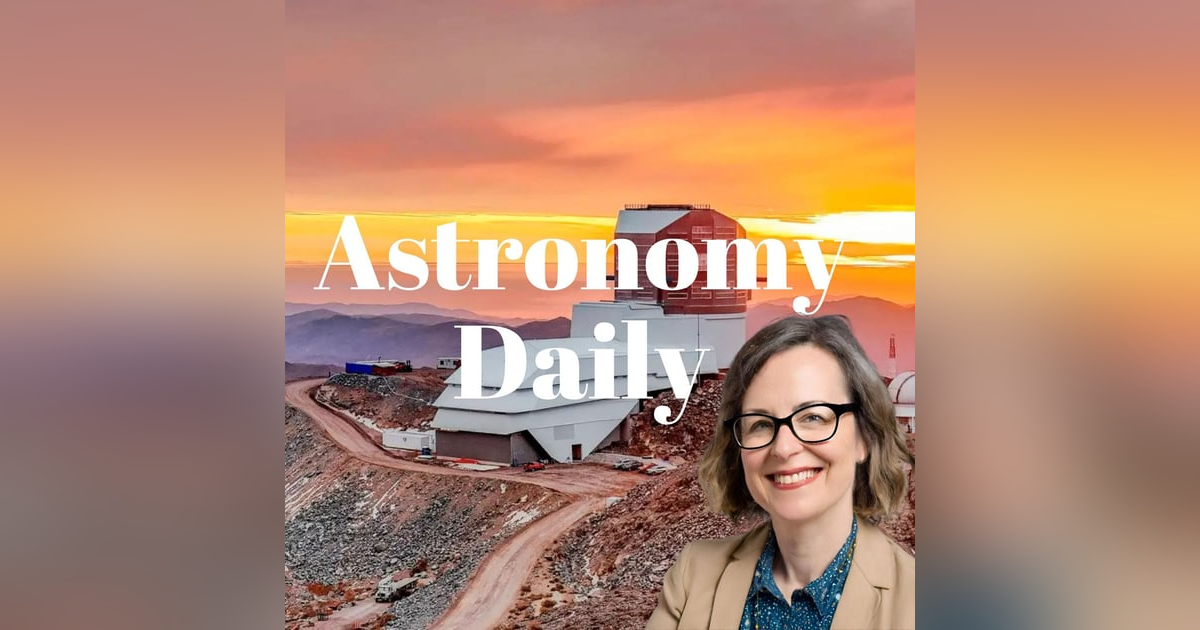
Highlights: - Vera Rubin Observatory's First Images: In this episode, we celebrate the release of the first breathtaking images from the Vera Rubin Observatory, a monumental achievement in deep space exploration. This powerful telescope is set to...


Highlights:
- Vera Rubin Observatory's First Images: In this episode, we celebrate the release of the first breathtaking images from the Vera Rubin Observatory, a monumental achievement in deep space exploration. This powerful telescope is set to transform our understanding of the universe over the next decade, capturing comprehensive views of the southern sky every three days with its remarkable 3.2 billion pixel camera, aiding in the discovery of dark matter and energy.
- Potential Lunar Impact from Asteroid 2024 YR4: We discuss the intriguing possibility of a dramatic encounter between the asteroid 2024 YR4 and the Moon, with new data increasing the odds of impact. This event could release energy comparable to a large nuclear explosion and create a spectacular meteor shower visible from Earth, while also posing risks to orbiting satellites.
- AXE4 Mission Launch Update: Exciting news from the realm of private spaceflight as SpaceX and Axiom Space announce a new launch date for the AXE4 mission to the International Space Station. With an international crew of astronauts, this mission will mark a significant milestone in global participation in space exploration, featuring over 60 planned science experiments.
- Decoding Ancient Radio Signals: We delve into groundbreaking research that reveals how scientists are decoding a mysterious radio signal from the universe's earliest stars. This 21 centimetre signal offers unprecedented insights into the cosmos's infancy and the formation of Population 3 stars, enhancing our understanding of the universe's evolution.
- ESA's Biomass Satellite Insights: We explore the stunning first images from ESA's biomass satellite, which is revolutionising our understanding of Earth's ecosystems. With its unique radar capabilities, the satellite provides a 3D view of forests and uncovers hidden geological structures, contributing invaluable data for climate models and conservation efforts.
For more cosmic updates, visit our website at astronomydaily.io. Join our community on social media by searching for #AstroDailyPod on Facebook, X, YouTube Music, TikTok, and our new Instagram account! Don’t forget to subscribe to the podcast on Apple Podcasts, Spotify, iHeartRadio, or wherever you get your podcasts.
Thank you for tuning in. This is Anna signing off. Until next time, keep looking up and stay curious about the wonders of our universe.
Chapters:
00:00 - Welcome to Astronomy Daily
01:10 - Vera Rubin Observatory's first images
10:00 - Potential lunar impact from asteroid 2024 YR4
20:00 - AXE4 mission launch update
30:00 - Decoding ancient radio signals
40:00 - ESA's biomass satellite insights
✍️ Episode References
Vera Rubin Observatory
[NASA](https://www.nasa.gov/)
Asteroid 2024 YR4 Study
[Astrophysical Journal Letters](https://iopscience.iop.org/journal/0004-637X)
AXE4 Mission Information
[Axiom Space](https://www.axiomspace.com/)
Radio Signal Research
[Nature Astronomy](https://www.nature.com/natureastronomy/)
ESA's Biomass Satellite
[European Space Agency](https://www.esa.int/)
Astronomy Daily
[Astronomy Daily](http://www.astronomydaily.io/)
Become a supporter of this podcast: https://www.spreaker.com/podcast/astronomy-daily-exciting-space-discoveries-and-news--5648921/support.
- Vera Rubin Observatory's First Images: In this episode, we celebrate the release of the first breathtaking images from the Vera Rubin Observatory, a monumental achievement in deep space exploration. This powerful telescope is set to transform our understanding of the universe over the next decade, capturing comprehensive views of the southern sky every three days with its remarkable 3.2 billion pixel camera, aiding in the discovery of dark matter and energy.
- Potential Lunar Impact from Asteroid 2024 YR4: We discuss the intriguing possibility of a dramatic encounter between the asteroid 2024 YR4 and the Moon, with new data increasing the odds of impact. This event could release energy comparable to a large nuclear explosion and create a spectacular meteor shower visible from Earth, while also posing risks to orbiting satellites.
- AXE4 Mission Launch Update: Exciting news from the realm of private spaceflight as SpaceX and Axiom Space announce a new launch date for the AXE4 mission to the International Space Station. With an international crew of astronauts, this mission will mark a significant milestone in global participation in space exploration, featuring over 60 planned science experiments.
- Decoding Ancient Radio Signals: We delve into groundbreaking research that reveals how scientists are decoding a mysterious radio signal from the universe's earliest stars. This 21 centimetre signal offers unprecedented insights into the cosmos's infancy and the formation of Population 3 stars, enhancing our understanding of the universe's evolution.
- ESA's Biomass Satellite Insights: We explore the stunning first images from ESA's biomass satellite, which is revolutionising our understanding of Earth's ecosystems. With its unique radar capabilities, the satellite provides a 3D view of forests and uncovers hidden geological structures, contributing invaluable data for climate models and conservation efforts.
For more cosmic updates, visit our website at astronomydaily.io. Join our community on social media by searching for #AstroDailyPod on Facebook, X, YouTube Music, TikTok, and our new Instagram account! Don’t forget to subscribe to the podcast on Apple Podcasts, Spotify, iHeartRadio, or wherever you get your podcasts.
Thank you for tuning in. This is Anna signing off. Until next time, keep looking up and stay curious about the wonders of our universe.
Chapters:
00:00 - Welcome to Astronomy Daily
01:10 - Vera Rubin Observatory's first images
10:00 - Potential lunar impact from asteroid 2024 YR4
20:00 - AXE4 mission launch update
30:00 - Decoding ancient radio signals
40:00 - ESA's biomass satellite insights
✍️ Episode References
Vera Rubin Observatory
[NASA](https://www.nasa.gov/)
Asteroid 2024 YR4 Study
[Astrophysical Journal Letters](https://iopscience.iop.org/journal/0004-637X)
AXE4 Mission Information
[Axiom Space](https://www.axiomspace.com/)
Radio Signal Research
[Nature Astronomy](https://www.nature.com/natureastronomy/)
ESA's Biomass Satellite
[European Space Agency](https://www.esa.int/)
Astronomy Daily
[Astronomy Daily](http://www.astronomydaily.io/)
Become a supporter of this podcast: https://www.spreaker.com/podcast/astronomy-daily-exciting-space-discoveries-and-news--5648921/support.
WEBVTT
0
00:00:00.000 --> 00:00:02.960
Anna: Welcome to Astronomy Daily. Your exciting look at the very
1
00:00:02.960 --> 00:00:05.800
latest in space news. I'm Anna and today we're
2
00:00:05.800 --> 00:00:08.800
diving into a cosmic journey that spans from groundbreaking
3
00:00:08.800 --> 00:00:11.600
new telescopes revealing deep space mysteries to
4
00:00:11.600 --> 00:00:14.360
critical Earth observations and the latest in human
5
00:00:14.360 --> 00:00:17.280
spaceflight. We've got an incredible lineup for you.
6
00:00:17.680 --> 00:00:20.600
We'll explore the first breathtaking images released by the new
7
00:00:20.600 --> 00:00:23.480
Vera Rubin Observatory, discuss a potentially
8
00:00:23.480 --> 00:00:26.280
dramatic close call with an asteroid that could impact the
9
00:00:26.280 --> 00:00:29.090
moon, and and update you on a private astronaut
10
00:00:29.090 --> 00:00:32.050
mission heading to the International Space Station. Plus,
11
00:00:32.050 --> 00:00:34.530
we'll delve into the decoding of an ancient radio
12
00:00:34.530 --> 00:00:37.450
signal that the universe tried to keep secret for
13
00:00:37.450 --> 00:00:40.050
billions of years. And marvel at
14
00:00:40.050 --> 00:00:42.890
spectacular new views of Earth from orbit, thanks
15
00:00:42.890 --> 00:00:45.770
to ESA's biomass satellite. Get ready for an
16
00:00:45.770 --> 00:00:48.570
action packed episode. The
17
00:00:48.570 --> 00:00:51.530
astronomical community is buzzing with excitement as the
18
00:00:51.530 --> 00:00:54.530
Vera C Rubin Observatory has officially released its
19
00:00:54.530 --> 00:00:57.150
very first images of space. This
20
00:00:57.150 --> 00:01:00.150
momentous occasion heralds a new era of discoveries about our
21
00:01:00.150 --> 00:01:02.910
universe. Perched atop the Kerro Pachon
22
00:01:02.910 --> 00:01:05.430
peak in the Chilean Andes, this giant
23
00:01:05.430 --> 00:01:07.950
telescope is designed for an ambitious 10 year
24
00:01:08.590 --> 00:01:11.470
to create an unprecedented time lapse video of deep
25
00:01:11.470 --> 00:01:14.070
space, providing a comprehensive view of the
26
00:01:14.070 --> 00:01:16.910
entire southern hemisphere's sky every three days.
27
00:01:17.550 --> 00:01:20.150
Rubin's true claim to fame lies in its imaging
28
00:01:20.150 --> 00:01:23.070
powerhouse, the world's most powerful digital camera.
29
00:01:23.540 --> 00:01:26.380
It's a 3.2 billion pixel behemoth known as the
30
00:01:26.380 --> 00:01:28.700
Legacy Survey of Space and time, or
31
00:01:28.700 --> 00:01:31.580
LSST. For perspective, the latest
32
00:01:31.580 --> 00:01:34.580
iPhone has a 48 million pixel camera. The
33
00:01:34.580 --> 00:01:37.540
LSST alone weighs 3 tonnes and features an 8
34
00:01:37.540 --> 00:01:40.540
metre wide mirror. This incredible instrument will allow
35
00:01:40.540 --> 00:01:43.140
astronomers to capture details far beyond what was
36
00:01:43.140 --> 00:01:45.980
previously possible. Named in honour of
37
00:01:45.980 --> 00:01:48.620
pioneering American astronomer Vera Florence Cooper
38
00:01:48.620 --> 00:01:51.490
Rubin, whose groundbreaking work provided the first
39
00:01:51.490 --> 00:01:54.410
direct evidence for dark matter. The observatory
40
00:01:54.410 --> 00:01:57.250
is poised to help answer some of the cosmos's deepest
41
00:01:57.250 --> 00:02:00.090
questions. These include the nature of dark matter and
42
00:02:00.090 --> 00:02:02.330
dark energy, and how galaxies have evolved.
43
00:02:03.210 --> 00:02:05.970
Thousands of astronomers globally will rely on the
44
00:02:05.970 --> 00:02:08.090
vast amounts of data Rubin will generate.
45
00:02:08.650 --> 00:02:11.490
It's expected to deliver an astounding 10 million
46
00:02:11.490 --> 00:02:14.450
alerts every single day, flagging objects that have
47
00:02:14.450 --> 00:02:17.350
either changed position or brightness. Some alerts could
48
00:02:17.350 --> 00:02:20.190
reveal entirely new cosmic phenomena. As
49
00:02:20.190 --> 00:02:23.030
Professor Rachel Webster from the University of Melbourne, who
50
00:02:23.030 --> 00:02:25.950
leads Australia's collaboration, puts it in
51
00:02:25.950 --> 00:02:28.550
reality, there is so much we still don't know about the
52
00:02:28.550 --> 00:02:31.430
universe, so the scope of what may be discovered is
53
00:02:31.430 --> 00:02:34.270
what's really exciting. Professor Webster
54
00:02:34.270 --> 00:02:37.230
explains. Rubin will survey the entire southern sky with
55
00:02:37.230 --> 00:02:40.110
an agnostic approach, expecting unexpected
56
00:02:40.110 --> 00:02:42.790
new things. This includes very faint
57
00:02:42.790 --> 00:02:45.550
diffuse objects and sudden transient events.
58
00:02:46.050 --> 00:02:48.810
Things that go bang in the night or Explode and
59
00:02:48.810 --> 00:02:51.690
change brightness rapidly. The
60
00:02:51.690 --> 00:02:54.690
success of Rubin also relies on advanced technology and
61
00:02:54.690 --> 00:02:57.570
international collaboration, leveraging cutting
62
00:02:57.570 --> 00:03:00.370
edge tools like artificial intelligence. Its
63
00:03:00.370 --> 00:03:03.330
data will complement the Square Kilometre Array telescope
64
00:03:03.490 --> 00:03:05.890
currently under construction, promising to
65
00:03:05.890 --> 00:03:08.690
significantly advance our understanding of dark matter,
66
00:03:08.930 --> 00:03:11.930
dark energy, and even how supermassive black
67
00:03:11.930 --> 00:03:14.740
holes interact with their environments. And a
68
00:03:14.740 --> 00:03:17.580
sample of what can be achieved. In just 10 hours of
69
00:03:17.580 --> 00:03:20.540
observing the night sky, the powerful new telescope
70
00:03:20.540 --> 00:03:23.420
detected more than 2,000 new asteroids, including a
71
00:03:23.420 --> 00:03:26.340
few that will pass near Earth. Incredible. This
72
00:03:26.340 --> 00:03:29.300
truly represents a thrilling leap forward in astrophysics
73
00:03:30.820 --> 00:03:33.140
from the awe inspiring depths of the universe.
74
00:03:33.140 --> 00:03:36.140
We now turn our attention a little closer to home. To
75
00:03:36.140 --> 00:03:39.060
a celestial body that might just have a very eventful year
76
00:03:39.060 --> 00:03:41.420
in 2032. Our moon.
77
00:03:42.380 --> 00:03:45.100
While initial worries about a direct impact on Earth have
78
00:03:45.100 --> 00:03:48.020
thankfully been ruled out, a new study suggests that a
79
00:03:48.020 --> 00:03:50.364
city killer asteroid named 2024
80
00:03:50.556 --> 00:03:53.420
yr4 might still be headed for a dramatic
81
00:03:53.420 --> 00:03:56.380
encounter not with us, but with our lunar companion.
82
00:03:56.780 --> 00:03:59.420
This asteroid, approximately 60 metres wide,
83
00:03:59.660 --> 00:04:02.380
was briefly the subject of concern earlier this year,
84
00:04:02.460 --> 00:04:05.220
with a 3.1% chance of hitting Earth in
85
00:04:05.220 --> 00:04:07.810
December 2032, a significant
86
00:04:08.050 --> 00:04:10.370
probability for a space rock of this size.
87
00:04:10.850 --> 00:04:13.330
Subsequent observations from telescopes
88
00:04:13.570 --> 00:04:15.730
put those fears to rest for our planet.
89
00:04:16.450 --> 00:04:19.370
However, new data from the James Webb Space
90
00:04:19.370 --> 00:04:22.170
Telescope in May has nudged the odds of it
91
00:04:22.170 --> 00:04:24.690
crashing into the moon up to 4.3%.
92
00:04:25.650 --> 00:04:28.050
If this happens, it would be quite an event.
93
00:04:29.010 --> 00:04:31.970
Lead study author Paul Wiegert from Canada's University of
94
00:04:31.970 --> 00:04:34.840
Western Ontario estimates it would be the largest
95
00:04:34.840 --> 00:04:37.680
asteroid to strike the moon in around 5,000 years,
96
00:04:38.160 --> 00:04:40.800
releasing energy comparable to a large nuclear
97
00:04:40.800 --> 00:04:43.600
explosion. Simulations indicate that up to
98
00:04:43.600 --> 00:04:46.520
100 million kilogrammes of material could be shot out from
99
00:04:46.520 --> 00:04:49.359
the moon's surface. Now here's where it gets
100
00:04:49.359 --> 00:04:52.200
interesting for us down on Earth. If the asteroid were
101
00:04:52.200 --> 00:04:55.080
to hit the side of the moon facing our planet, which is
102
00:04:55.080 --> 00:04:57.840
roughly a 50% chance, up to
103
00:04:57.840 --> 00:05:00.480
10% of that ejected debris could be pulled into
104
00:05:00.480 --> 00:05:02.480
Earth's gravity over the following days.
105
00:05:03.370 --> 00:05:05.890
While our atmosphere would protect the surface from these
106
00:05:05.890 --> 00:05:08.490
millimetre to centimetre sized lunar rocks,
107
00:05:08.970 --> 00:05:11.850
these fast moving particles, described as
108
00:05:11.850 --> 00:05:14.690
being a lot like a bullet, could pose a
109
00:05:14.690 --> 00:05:17.050
serious threat to our orbiting satellites.
110
00:05:17.450 --> 00:05:20.410
By 2032, we expect a much larger
111
00:05:20.410 --> 00:05:23.210
number of satellites orbiting Earth. And an impact
112
00:05:23.370 --> 00:05:26.330
could lead to more than a thousand times the normal number of
113
00:05:26.330 --> 00:05:29.180
meteors threatening them. For those of us
114
00:05:29.180 --> 00:05:31.820
on the ground, however, this cosmic bullet
115
00:05:31.820 --> 00:05:34.380
train could mean a truly spectacular
116
00:05:34.380 --> 00:05:37.140
meteor shower lighting up the night sky.
117
00:05:37.700 --> 00:05:40.660
It's important to remember that the current odds of
118
00:05:40.660 --> 00:05:42.900
a direct hit on the near side of the moon
119
00:05:43.220 --> 00:05:46.140
remain at just 2%. We won't get
120
00:05:46.140 --> 00:05:48.980
another clear look at asteroid 2024 yr
121
00:05:48.980 --> 00:05:51.780
4 until 2028, so for
122
00:05:51.780 --> 00:05:54.670
now it's a waiting game. But if a direct
123
00:05:54.670 --> 00:05:57.670
lunar hit does become likely, scientists believe
124
00:05:57.670 --> 00:06:00.390
humanity would have enough time to plan a mission to potentially
125
00:06:00.390 --> 00:06:03.150
deflect it. Much like NASA's DART mission
126
00:06:03.230 --> 00:06:05.750
successfully altered the trajectory of dimorphos in
127
00:06:05.750 --> 00:06:08.550
2022. Though Weigert
128
00:06:08.550 --> 00:06:11.550
cautions that deflecting something zooming so close to Earth
129
00:06:11.550 --> 00:06:14.270
could be a little dangerous, this fascinating
130
00:06:14.270 --> 00:06:17.270
research is currently a preprint study awaiting
131
00:06:17.270 --> 00:06:20.270
peer review and submission to the Astrophysical Journal Letters.
132
00:06:21.810 --> 00:06:24.810
Shifting our focus from potential lunar impacts, let's
133
00:06:24.810 --> 00:06:27.570
turn to the exciting world of private spaceflight, where
134
00:06:27.570 --> 00:06:30.450
humanity continues its push into low Earth orbit.
135
00:06:31.170 --> 00:06:34.050
SpaceX and Axiom Space have just announced a new
136
00:06:34.050 --> 00:06:36.930
launch date for the AXE4 mission to the International
137
00:06:37.010 --> 00:06:39.890
Space Station, bringing us another step closer
138
00:06:40.130 --> 00:06:42.810
to a more accessible space for astronauts from around the
139
00:06:42.810 --> 00:06:45.810
globe. The four person crew is now slated
140
00:06:45.810 --> 00:06:48.380
to lift off aboard a SpaceX Crew Dragon
141
00:06:48.380 --> 00:06:51.220
spacecraft atop a Falcon 9 rocket no
142
00:06:51.220 --> 00:06:54.111
earlier than June 25 at 2:31am
143
00:06:54.238 --> 00:06:56.740
um EDT from Launch
144
00:06:56.740 --> 00:06:59.700
Complex 39A at NASA's Kennedy Space
145
00:06:59.700 --> 00:07:02.460
Centre in Florida. You might recall this launch
146
00:07:02.460 --> 00:07:05.380
was previously delayed last week due to a leak
147
00:07:05.380 --> 00:07:08.260
detected aboard the ISS's Zvezda module.
148
00:07:08.900 --> 00:07:11.900
While the leak itself isn't new, a change in its
149
00:07:11.900 --> 00:07:14.780
pressure data prompted NASA and Axiom to postpone the
150
00:07:14.780 --> 00:07:17.570
mission to ensure safety. No update on the
151
00:07:17.570 --> 00:07:20.050
leak's current status was provided with the new launch
152
00:07:20.050 --> 00:07:22.890
announcement, but the green light suggests confidence
153
00:07:22.890 --> 00:07:25.810
in the station's integrity. This mission is
154
00:07:25.810 --> 00:07:28.650
set to be a landmark one for several reasons. The
155
00:07:28.650 --> 00:07:31.570
Axe 4 crew will be led by former NASA astronaut and
156
00:07:31.570 --> 00:07:34.410
Axiom's director of human Space Flight Peggy Whitson,
157
00:07:34.490 --> 00:07:37.450
who will serve as mission Commander. Joining her are
158
00:07:37.450 --> 00:07:39.850
Shubanshu Shukla from India, Slavas
159
00:07:39.850 --> 00:07:42.460
Usnanski Wisniewski from Poland, and and Tibor
160
00:07:42.460 --> 00:07:45.460
Kapu from Hungary. What's particularly exciting
161
00:07:45.460 --> 00:07:48.100
about this crew is that for Shubanshu, Slawos and
162
00:07:48.100 --> 00:07:50.940
Tibor, this will mark their nation's first ever
163
00:07:50.940 --> 00:07:53.220
astronauts to launch on a mission to the iss.
164
00:07:54.180 --> 00:07:56.820
It's a fantastic testament to the expanding international
165
00:07:57.060 --> 00:08:00.060
participation in space exploration. The
166
00:08:00.060 --> 00:08:02.980
mission is expected to last two weeks, and during their time
167
00:08:02.980 --> 00:08:05.900
aboard the orbiting lab, the Axe 4 crew
168
00:08:05.900 --> 00:08:08.100
plans to conduct an impressive number of activities.
169
00:08:08.710 --> 00:08:11.590
They're scheduled to undertake more than 60 science experiments
170
00:08:11.670 --> 00:08:14.590
and STEM. That's science, technology, engineering and
171
00:08:14.590 --> 00:08:17.150
math outreach events surpassing any previous
172
00:08:17.150 --> 00:08:20.110
Axiom mission. If all goes according to this
173
00:08:20.110 --> 00:08:22.950
New schedule the Cruise Dragon spacecraft is slated
174
00:08:22.950 --> 00:08:25.510
to dock with the ISS at approximately
175
00:08:25.510 --> 00:08:28.230
7am M. EDT on Thursday,
176
00:08:28.630 --> 00:08:31.550
June 26. It's an exciting time for private
177
00:08:31.550 --> 00:08:34.510
spaceflight, showcasing the growing capabilities and
178
00:08:34.510 --> 00:08:37.330
collaborations that are shaping the future of human
179
00:08:37.330 --> 00:08:38.370
presence in space.
180
00:08:39.890 --> 00:08:42.370
From the immediate future of human spaceflight,
181
00:08:42.610 --> 00:08:45.490
let's now journey back in time billions of years
182
00:08:45.730 --> 00:08:48.530
to unravel one of the universe's most ancient and
183
00:08:48.530 --> 00:08:51.330
secretive messages. Scientists are
184
00:08:51.330 --> 00:08:54.290
beginning to decode a mysterious radio signal from deep
185
00:08:54.290 --> 00:08:56.930
space that has been hiding secrets about the
186
00:08:56.930 --> 00:08:59.850
universe's earliest stars, offering
187
00:08:59.850 --> 00:09:02.850
a rare glimpse into moments the cosmos tried to keep
188
00:09:02.850 --> 00:09:05.790
from us for aeons. In the vast,
189
00:09:05.870 --> 00:09:08.590
dark expanse of the universe, there's a profound
190
00:09:08.750 --> 00:09:11.710
mystery surrounding the first stars, those
191
00:09:11.710 --> 00:09:14.590
massive, luminous celestial bodies known as
192
00:09:14.590 --> 00:09:17.510
Population 3, stars that illuminated the
193
00:09:17.510 --> 00:09:20.350
cosmos in its earliest stages. These
194
00:09:20.350 --> 00:09:22.870
stars are so incredibly distant in time that their
195
00:09:22.870 --> 00:09:25.550
properties have remained largely unknown despite
196
00:09:25.630 --> 00:09:28.630
decades of scientific inquiry. But now a
197
00:09:28.630 --> 00:09:31.550
new method is bringing them into focus, using faint
198
00:09:31.550 --> 00:09:34.470
signals emitted billions of years ago. The
199
00:09:34.470 --> 00:09:37.470
breakthrough lies in a subtle, almost undetectable radio
200
00:09:37.470 --> 00:09:40.270
signal that has persisted through time. The
201
00:09:40.270 --> 00:09:43.190
21 centimetre signal. This cosmic
202
00:09:43.190 --> 00:09:46.190
whisper, emitted by hydrogen atoms shortly after the Big
203
00:09:46.190 --> 00:09:48.950
Bang, serves as a crucial marker from a period
204
00:09:48.950 --> 00:09:51.670
known as the cosmic dawn. This was the
205
00:09:51.670 --> 00:09:54.430
pivotal moment when the very first stars began to form
206
00:09:54.430 --> 00:09:57.160
and light up the universe. What makes the
207
00:09:57.160 --> 00:09:59.800
21 centimetre signal so incredibly valuable
208
00:09:59.960 --> 00:10:02.600
is that, unlike visible light or X
209
00:10:02.600 --> 00:10:05.320
rays, it can offer direct insights into the
210
00:10:05.320 --> 00:10:08.160
masses, behaviours and distribution
211
00:10:08.160 --> 00:10:10.960
of these elusive first stars. Until
212
00:10:10.960 --> 00:10:13.600
recently, however, astronomers hadn't fully
213
00:10:13.600 --> 00:10:16.560
grasped how this delicate signal could truly unlock the
214
00:10:16.560 --> 00:10:19.480
secrets of the early cosmos. An
215
00:10:19.480 --> 00:10:22.440
international team of astronomers, led by Professor
216
00:10:22.440 --> 00:10:25.170
Anastasia Fialkoff and at the University of
217
00:10:25.170 --> 00:10:28.170
Cambridge's Institute of Astronomy, has cracked
218
00:10:28.170 --> 00:10:30.970
a crucial aspect of this signal. Their
219
00:10:30.970 --> 00:10:33.250
groundbreaking work, published in Nature
220
00:10:33.250 --> 00:10:36.010
Astronomy, reveals that this ancient radio
221
00:10:36.010 --> 00:10:38.810
signal is remarkably sensitive to the properties of
222
00:10:38.810 --> 00:10:41.770
these initial stars. Specifically, their
223
00:10:41.770 --> 00:10:44.770
research suggests that the signal could be used to estimate
224
00:10:44.770 --> 00:10:47.210
the masses of Population 3 stars
225
00:10:47.370 --> 00:10:49.770
whose light we can never directly observe.
226
00:10:50.390 --> 00:10:53.350
This insight is truly significant, opening a new
227
00:10:53.350 --> 00:10:56.070
door to understanding the early universe, which was
228
00:10:56.070 --> 00:10:58.470
primarily composed of hydrogen and helium.
229
00:10:59.270 --> 00:11:02.270
By studying how the 21 centimetre signal has
230
00:11:02.270 --> 00:11:05.150
been altered by these stars, astronomers can begin
231
00:11:05.150 --> 00:11:08.030
to map the transformation from a dark, uniform
232
00:11:08.030 --> 00:11:10.950
mass to the complex and diverse cosmos we
233
00:11:10.950 --> 00:11:13.910
see today. This monumental effort is being
234
00:11:13.910 --> 00:11:16.620
supported by two ambitious projects, reach,
235
00:11:16.780 --> 00:11:19.620
or the Radio Experiment for the Analysis of cosmic
236
00:11:19.620 --> 00:11:22.540
hydrogen, and the Square Kilometre Array, known
237
00:11:22.540 --> 00:11:25.420
as ska. REACH is currently in its
238
00:11:25.420 --> 00:11:28.300
early calibration phase. Using radio antennas
239
00:11:28.300 --> 00:11:30.780
to capture the faint 21 centimetre signal.
240
00:11:31.100 --> 00:11:34.060
The SKA, on the other hand, is an even
241
00:11:34.060 --> 00:11:37.060
larger array of antennas under construction, poised to
242
00:11:37.060 --> 00:11:39.940
map vast regions of space and study fluctuations in
243
00:11:39.940 --> 00:11:42.670
cosmic radiation, providing an invaluable
244
00:11:42.670 --> 00:11:45.470
resource for understanding the earliest epochs of the
245
00:11:45.470 --> 00:11:48.190
universe. These projects are absolutely
246
00:11:48.190 --> 00:11:50.470
essential to the future of radio astronomy,
247
00:11:50.790 --> 00:11:53.790
focusing on statistical patterns of faint signals to
248
00:11:53.790 --> 00:11:56.550
study the early universe in unprecedented detail.
249
00:11:57.590 --> 00:12:00.550
Professor Fielkov's team predicts that both REACH and
250
00:12:00.550 --> 00:12:03.310
SKA will allow astronomers to study the
251
00:12:03.310 --> 00:12:05.950
distribution, luminosity and masses of
252
00:12:05.950 --> 00:12:08.440
population three stars, deepening our
253
00:12:08.440 --> 00:12:11.320
understanding of the forces that shaped the cosmos in
254
00:12:11.320 --> 00:12:13.800
its infancy. One of the most
255
00:12:13.800 --> 00:12:16.600
fascinating aspects of this research is its
256
00:12:16.600 --> 00:12:18.800
exploration of how X ray binaries,
257
00:12:19.280 --> 00:12:22.080
pairs of stars where one is a collapsed object like a black
258
00:12:22.080 --> 00:12:24.680
hole, impact the 21 centimetre
259
00:12:24.680 --> 00:12:27.600
signal. These binaries are thought to have played
260
00:12:27.600 --> 00:12:30.160
a significant role in the early universe by
261
00:12:30.160 --> 00:12:33.160
emitting high energy radiation that affected the
262
00:12:33.160 --> 00:12:36.040
surrounding gas and consequently altered
263
00:12:36.040 --> 00:12:38.840
the 21 centimetre signal. Professor
264
00:12:38.840 --> 00:12:41.560
Fielkov's team developed a model incorporating the
265
00:12:41.560 --> 00:12:44.400
effects of X ray binaries, suggesting
266
00:12:44.400 --> 00:12:47.040
that previous studies might have underestimated their
267
00:12:47.040 --> 00:12:49.880
influence. This discovery adds another layer
268
00:12:49.880 --> 00:12:52.440
of complexity to our understanding of how the first
269
00:12:52.440 --> 00:12:55.400
stars shaped the universe, making the 21
270
00:12:55.400 --> 00:12:58.040
centimetre signal an even more powerful tool for
271
00:12:58.040 --> 00:13:00.400
mapping the earliest moments in cosmic history.
272
00:13:01.520 --> 00:13:04.160
The potential of the 21 centimetre signal is further
273
00:13:04.160 --> 00:13:06.480
amplified by the increasing power of radio
274
00:13:06.480 --> 00:13:09.400
telescopes. Unlike optical telescopes that
275
00:13:09.400 --> 00:13:12.320
capture detailed images of distant stars and galaxies,
276
00:13:12.640 --> 00:13:15.200
radio telescopes like REACH and SKA
277
00:13:15.280 --> 00:13:17.960
rely on detecting these faint signals to infer the
278
00:13:17.960 --> 00:13:20.960
properties of cosmic phenomena. While they won't provide
279
00:13:21.040 --> 00:13:23.960
direct images of individual stars, they offer an
280
00:13:23.960 --> 00:13:26.920
extraordinary opportunity to study large scale patterns in the
281
00:13:26.920 --> 00:13:29.640
universe's earliest phases. As Dr.
282
00:13:29.640 --> 00:13:32.360
Eloy Dilara Acedo, principal
283
00:13:32.360 --> 00:13:35.080
investigator of the REACH project, notes, these
284
00:13:35.080 --> 00:13:37.920
radio observations are essential for understanding the
285
00:13:37.920 --> 00:13:40.680
mass and properties of the first stars, laying
286
00:13:40.680 --> 00:13:42.760
crucial groundwork for future discoveries.
287
00:13:44.120 --> 00:13:46.840
Now let's shift our gaze from the incredibly distant past
288
00:13:46.920 --> 00:13:49.760
to the immediate present. And a new eye watching our
289
00:13:49.760 --> 00:13:50.440
own planet.
290
00:13:51.240 --> 00:13:53.920
Cheers and excitement erupted at ESA's Living Planet
291
00:13:53.920 --> 00:13:56.740
Symposium in Vienna with the release of the first images
292
00:13:56.740 --> 00:13:59.500
from ESA's biomass satellite. These
293
00:13:59.500 --> 00:14:02.420
striking views offer a spectacular new window into
294
00:14:02.420 --> 00:14:05.260
Earth's forests, deserts and glaciers, marking a, uh,
295
00:14:05.340 --> 00:14:08.260
major milestone in our understanding of how our planet stores
296
00:14:08.260 --> 00:14:10.740
carbon and how vital ecosystems are being
297
00:14:10.740 --> 00:14:13.540
transformed. Just two months after its launch,
298
00:14:13.700 --> 00:14:16.260
the biomass mission is already delivering on its
299
00:14:16.260 --> 00:14:19.060
promise, providing a glimpse into the incredible
300
00:14:19.140 --> 00:14:22.110
potential of its novel radar system while still
301
00:14:22.110 --> 00:14:24.950
in its commissioning phase. Fine tuning to ensure the
302
00:14:24.950 --> 00:14:27.630
highest quality data, the early Images are
303
00:14:27.630 --> 00:14:29.910
clearly showcasing the satellite's capabilities.
304
00:14:30.470 --> 00:14:33.390
Michael Fehringer, ESA's biomass project
305
00:14:33.390 --> 00:14:36.230
manager, described these first images as
306
00:14:36.630 --> 00:14:39.550
nothing short of spectacular, emphasising
307
00:14:39.550 --> 00:14:42.310
that they are only a mere glimpse of what's still to come.
308
00:14:42.870 --> 00:14:45.470
Simonetta Celli, ESA's director of earth
309
00:14:45.470 --> 00:14:48.400
Observation Programmes, shared the emotional impact
310
00:14:48.400 --> 00:14:51.120
of seeing the results, calling it very
311
00:14:51.120 --> 00:14:54.040
symbolic of the effort behind the scenes and the potential
312
00:14:54.040 --> 00:14:56.760
that this mission has. What makes
313
00:14:56.760 --> 00:14:59.640
biomass so revolutionary is its unique P
314
00:14:59.640 --> 00:15:02.440
band radar. Unlike other satellites,
315
00:15:02.440 --> 00:15:04.960
this penetrating radar system captures the full
316
00:15:04.960 --> 00:15:07.840
vertical structure of forests beneath the canopy.
317
00:15:08.160 --> 00:15:10.560
For instance, in images from Bolivia, where
318
00:15:10.560 --> 00:15:12.640
rainforest meets riverine floodplains,
319
00:15:13.100 --> 00:15:15.780
biomass highlights distinct ecosystems like green
320
00:15:15.780 --> 00:15:18.540
rainforests, red forested wetlands and
321
00:15:18.540 --> 00:15:21.180
blue purple grasslands, all while the dark,
322
00:15:21.180 --> 00:15:23.420
snaking Beni river cuts through the landscape.
323
00:15:23.980 --> 00:15:26.900
When compared side by side with images From Copernicus
324
00:15:26.900 --> 00:15:29.740
Sentinel 2, it's clear that while Sentinel 2
325
00:15:29.740 --> 00:15:32.540
is limited to surface features, biomass
326
00:15:32.540 --> 00:15:35.180
unlocks a, uh, crucial 3D view of forests,
327
00:15:35.340 --> 00:15:37.860
vital for accurate carbon accounting. The
328
00:15:37.860 --> 00:15:40.660
satellite has also provided striking views over the
329
00:15:40.660 --> 00:15:43.610
northern Amazon rainforest in Brazil and and
330
00:15:43.610 --> 00:15:45.970
the mountainous Halmahera rainforest in
331
00:15:45.970 --> 00:15:48.650
Indonesia, revealing subtle terrain and
332
00:15:48.650 --> 00:15:51.210
vegetation differences even in dense,
333
00:15:51.370 --> 00:15:54.370
ecologically critical areas. But
334
00:15:54.370 --> 00:15:57.130
its capabilities extend far beyond forests.
335
00:15:57.690 --> 00:16:00.250
Biomass has shown its incredible power in other
336
00:16:00.250 --> 00:16:03.010
extreme environments, like the Sahara Desert in
337
00:16:03.010 --> 00:16:05.890
northern Chad. Its P band radar can penetrate
338
00:16:05.890 --> 00:16:08.250
up to 5 metres below the desert surface,
339
00:16:08.570 --> 00:16:11.410
exposing hidden structures like ancient riverbeds and
340
00:16:11.410 --> 00:16:14.090
geological formations long buried beneath the
341
00:16:14.090 --> 00:16:17.060
arid terrain. This capability opens
342
00:16:17.060 --> 00:16:19.820
new frontiers in paleoclimate research and groundwater
343
00:16:19.820 --> 00:16:22.620
mapping, offering insights into Earth's past.
344
00:16:23.340 --> 00:16:25.700
Furthermore, in the frozen expanse of
345
00:16:25.700 --> 00:16:28.580
Antarctica, biomass has peered into the Nimrod
346
00:16:28.580 --> 00:16:30.780
Glacier and the Trans Antarctic Mountains,
347
00:16:31.020 --> 00:16:33.940
demonstrating its ability to track internal ice structures
348
00:16:33.940 --> 00:16:36.780
and flow velocities. This is crucial for
349
00:16:36.780 --> 00:16:39.700
understanding ice sheet dynamics and stability, which are
350
00:16:39.700 --> 00:16:42.380
critical factors in predicting future sea level changes.
351
00:16:43.470 --> 00:16:46.270
While these initial results are still raw and not yet
352
00:16:46.270 --> 00:16:49.030
fully calibrated for scientific analysis, they
353
00:16:49.030 --> 00:16:51.790
unequivocally confirm that biomass is well on
354
00:16:51.790 --> 00:16:54.710
track to meet and potentially exceed its
355
00:16:54.710 --> 00:16:57.590
ambitious goals. Designed to span five
356
00:16:57.590 --> 00:17:00.390
years, this mission will provide consistent global
357
00:17:00.390 --> 00:17:03.350
coverage of Earth's forested regions. The
358
00:17:03.350 --> 00:17:06.270
data it collects will be vital for improving climate models,
359
00:17:06.590 --> 00:17:09.569
supporting global conservation efforts and refining
360
00:17:09.569 --> 00:17:12.289
carbon accounting. As the biomass
361
00:17:12.289 --> 00:17:15.169
satellite transitions into full operational mode,
362
00:17:15.489 --> 00:17:18.489
scientists around the world are eagerly anticipating the
363
00:17:18.489 --> 00:17:21.449
comprehensive data sets that could truly transform how
364
00:17:21.449 --> 00:17:24.249
we monitor and protect the living lungs of our
365
00:17:24.249 --> 00:17:27.249
planet. We've journeyed
366
00:17:27.249 --> 00:17:29.729
through a wide range of cosmic updates today,
367
00:17:30.049 --> 00:17:32.809
exploring everything from the profound mysteries of the
368
00:17:32.809 --> 00:17:35.740
universe's distant past, thanks to signals hidden
369
00:17:35.740 --> 00:17:38.540
for billions of years, to the immediate future. Of
370
00:17:38.540 --> 00:17:41.300
human spaceflight as private astronauts prepare for the
371
00:17:41.300 --> 00:17:44.180
iss. We also looked at potential close calls
372
00:17:44.180 --> 00:17:47.060
with asteroids and how new satellite technology is
373
00:17:47.060 --> 00:17:49.620
revolutionising our view of Earth's precious
374
00:17:49.620 --> 00:17:52.540
ecosystems. Thank you for joining us on this episode
375
00:17:52.540 --> 00:17:55.220
of Astronomy Daily. I'm your host, Anna.
376
00:17:55.460 --> 00:17:58.420
Before we sign off, remember, you can always catch up on all
377
00:17:58.420 --> 00:18:01.220
the latest space and astronomy news with our constantly updating
378
00:18:01.220 --> 00:18:04.040
newsfeed on our website, astronomydaily.IO.
379
00:18:04.040 --> 00:18:07.040
um, while you're there, you can also listen to all our
380
00:18:07.040 --> 00:18:09.720
back episodes. Don't forget to subscribe to
381
00:18:09.720 --> 00:18:12.360
Astronomy Daily on Apple Podcasts,
382
00:18:12.680 --> 00:18:15.600
Spotify, YouTube, or wherever you
383
00:18:15.600 --> 00:18:18.520
get your podcasts, so you never miss an episode.
384
00:18:19.000 --> 00:18:21.160
Until tomorrow. Keep looking up.
0
00:00:00.000 --> 00:00:02.960
Anna: Welcome to Astronomy Daily. Your exciting look at the very
1
00:00:02.960 --> 00:00:05.800
latest in space news. I'm Anna and today we're
2
00:00:05.800 --> 00:00:08.800
diving into a cosmic journey that spans from groundbreaking
3
00:00:08.800 --> 00:00:11.600
new telescopes revealing deep space mysteries to
4
00:00:11.600 --> 00:00:14.360
critical Earth observations and the latest in human
5
00:00:14.360 --> 00:00:17.280
spaceflight. We've got an incredible lineup for you.
6
00:00:17.680 --> 00:00:20.600
We'll explore the first breathtaking images released by the new
7
00:00:20.600 --> 00:00:23.480
Vera Rubin Observatory, discuss a potentially
8
00:00:23.480 --> 00:00:26.280
dramatic close call with an asteroid that could impact the
9
00:00:26.280 --> 00:00:29.090
moon, and and update you on a private astronaut
10
00:00:29.090 --> 00:00:32.050
mission heading to the International Space Station. Plus,
11
00:00:32.050 --> 00:00:34.530
we'll delve into the decoding of an ancient radio
12
00:00:34.530 --> 00:00:37.450
signal that the universe tried to keep secret for
13
00:00:37.450 --> 00:00:40.050
billions of years. And marvel at
14
00:00:40.050 --> 00:00:42.890
spectacular new views of Earth from orbit, thanks
15
00:00:42.890 --> 00:00:45.770
to ESA's biomass satellite. Get ready for an
16
00:00:45.770 --> 00:00:48.570
action packed episode. The
17
00:00:48.570 --> 00:00:51.530
astronomical community is buzzing with excitement as the
18
00:00:51.530 --> 00:00:54.530
Vera C Rubin Observatory has officially released its
19
00:00:54.530 --> 00:00:57.150
very first images of space. This
20
00:00:57.150 --> 00:01:00.150
momentous occasion heralds a new era of discoveries about our
21
00:01:00.150 --> 00:01:02.910
universe. Perched atop the Kerro Pachon
22
00:01:02.910 --> 00:01:05.430
peak in the Chilean Andes, this giant
23
00:01:05.430 --> 00:01:07.950
telescope is designed for an ambitious 10 year
24
00:01:08.590 --> 00:01:11.470
to create an unprecedented time lapse video of deep
25
00:01:11.470 --> 00:01:14.070
space, providing a comprehensive view of the
26
00:01:14.070 --> 00:01:16.910
entire southern hemisphere's sky every three days.
27
00:01:17.550 --> 00:01:20.150
Rubin's true claim to fame lies in its imaging
28
00:01:20.150 --> 00:01:23.070
powerhouse, the world's most powerful digital camera.
29
00:01:23.540 --> 00:01:26.380
It's a 3.2 billion pixel behemoth known as the
30
00:01:26.380 --> 00:01:28.700
Legacy Survey of Space and time, or
31
00:01:28.700 --> 00:01:31.580
LSST. For perspective, the latest
32
00:01:31.580 --> 00:01:34.580
iPhone has a 48 million pixel camera. The
33
00:01:34.580 --> 00:01:37.540
LSST alone weighs 3 tonnes and features an 8
34
00:01:37.540 --> 00:01:40.540
metre wide mirror. This incredible instrument will allow
35
00:01:40.540 --> 00:01:43.140
astronomers to capture details far beyond what was
36
00:01:43.140 --> 00:01:45.980
previously possible. Named in honour of
37
00:01:45.980 --> 00:01:48.620
pioneering American astronomer Vera Florence Cooper
38
00:01:48.620 --> 00:01:51.490
Rubin, whose groundbreaking work provided the first
39
00:01:51.490 --> 00:01:54.410
direct evidence for dark matter. The observatory
40
00:01:54.410 --> 00:01:57.250
is poised to help answer some of the cosmos's deepest
41
00:01:57.250 --> 00:02:00.090
questions. These include the nature of dark matter and
42
00:02:00.090 --> 00:02:02.330
dark energy, and how galaxies have evolved.
43
00:02:03.210 --> 00:02:05.970
Thousands of astronomers globally will rely on the
44
00:02:05.970 --> 00:02:08.090
vast amounts of data Rubin will generate.
45
00:02:08.650 --> 00:02:11.490
It's expected to deliver an astounding 10 million
46
00:02:11.490 --> 00:02:14.450
alerts every single day, flagging objects that have
47
00:02:14.450 --> 00:02:17.350
either changed position or brightness. Some alerts could
48
00:02:17.350 --> 00:02:20.190
reveal entirely new cosmic phenomena. As
49
00:02:20.190 --> 00:02:23.030
Professor Rachel Webster from the University of Melbourne, who
50
00:02:23.030 --> 00:02:25.950
leads Australia's collaboration, puts it in
51
00:02:25.950 --> 00:02:28.550
reality, there is so much we still don't know about the
52
00:02:28.550 --> 00:02:31.430
universe, so the scope of what may be discovered is
53
00:02:31.430 --> 00:02:34.270
what's really exciting. Professor Webster
54
00:02:34.270 --> 00:02:37.230
explains. Rubin will survey the entire southern sky with
55
00:02:37.230 --> 00:02:40.110
an agnostic approach, expecting unexpected
56
00:02:40.110 --> 00:02:42.790
new things. This includes very faint
57
00:02:42.790 --> 00:02:45.550
diffuse objects and sudden transient events.
58
00:02:46.050 --> 00:02:48.810
Things that go bang in the night or Explode and
59
00:02:48.810 --> 00:02:51.690
change brightness rapidly. The
60
00:02:51.690 --> 00:02:54.690
success of Rubin also relies on advanced technology and
61
00:02:54.690 --> 00:02:57.570
international collaboration, leveraging cutting
62
00:02:57.570 --> 00:03:00.370
edge tools like artificial intelligence. Its
63
00:03:00.370 --> 00:03:03.330
data will complement the Square Kilometre Array telescope
64
00:03:03.490 --> 00:03:05.890
currently under construction, promising to
65
00:03:05.890 --> 00:03:08.690
significantly advance our understanding of dark matter,
66
00:03:08.930 --> 00:03:11.930
dark energy, and even how supermassive black
67
00:03:11.930 --> 00:03:14.740
holes interact with their environments. And a
68
00:03:14.740 --> 00:03:17.580
sample of what can be achieved. In just 10 hours of
69
00:03:17.580 --> 00:03:20.540
observing the night sky, the powerful new telescope
70
00:03:20.540 --> 00:03:23.420
detected more than 2,000 new asteroids, including a
71
00:03:23.420 --> 00:03:26.340
few that will pass near Earth. Incredible. This
72
00:03:26.340 --> 00:03:29.300
truly represents a thrilling leap forward in astrophysics
73
00:03:30.820 --> 00:03:33.140
from the awe inspiring depths of the universe.
74
00:03:33.140 --> 00:03:36.140
We now turn our attention a little closer to home. To
75
00:03:36.140 --> 00:03:39.060
a celestial body that might just have a very eventful year
76
00:03:39.060 --> 00:03:41.420
in 2032. Our moon.
77
00:03:42.380 --> 00:03:45.100
While initial worries about a direct impact on Earth have
78
00:03:45.100 --> 00:03:48.020
thankfully been ruled out, a new study suggests that a
79
00:03:48.020 --> 00:03:50.364
city killer asteroid named 2024
80
00:03:50.556 --> 00:03:53.420
yr4 might still be headed for a dramatic
81
00:03:53.420 --> 00:03:56.380
encounter not with us, but with our lunar companion.
82
00:03:56.780 --> 00:03:59.420
This asteroid, approximately 60 metres wide,
83
00:03:59.660 --> 00:04:02.380
was briefly the subject of concern earlier this year,
84
00:04:02.460 --> 00:04:05.220
with a 3.1% chance of hitting Earth in
85
00:04:05.220 --> 00:04:07.810
December 2032, a significant
86
00:04:08.050 --> 00:04:10.370
probability for a space rock of this size.
87
00:04:10.850 --> 00:04:13.330
Subsequent observations from telescopes
88
00:04:13.570 --> 00:04:15.730
put those fears to rest for our planet.
89
00:04:16.450 --> 00:04:19.370
However, new data from the James Webb Space
90
00:04:19.370 --> 00:04:22.170
Telescope in May has nudged the odds of it
91
00:04:22.170 --> 00:04:24.690
crashing into the moon up to 4.3%.
92
00:04:25.650 --> 00:04:28.050
If this happens, it would be quite an event.
93
00:04:29.010 --> 00:04:31.970
Lead study author Paul Wiegert from Canada's University of
94
00:04:31.970 --> 00:04:34.840
Western Ontario estimates it would be the largest
95
00:04:34.840 --> 00:04:37.680
asteroid to strike the moon in around 5,000 years,
96
00:04:38.160 --> 00:04:40.800
releasing energy comparable to a large nuclear
97
00:04:40.800 --> 00:04:43.600
explosion. Simulations indicate that up to
98
00:04:43.600 --> 00:04:46.520
100 million kilogrammes of material could be shot out from
99
00:04:46.520 --> 00:04:49.359
the moon's surface. Now here's where it gets
100
00:04:49.359 --> 00:04:52.200
interesting for us down on Earth. If the asteroid were
101
00:04:52.200 --> 00:04:55.080
to hit the side of the moon facing our planet, which is
102
00:04:55.080 --> 00:04:57.840
roughly a 50% chance, up to
103
00:04:57.840 --> 00:05:00.480
10% of that ejected debris could be pulled into
104
00:05:00.480 --> 00:05:02.480
Earth's gravity over the following days.
105
00:05:03.370 --> 00:05:05.890
While our atmosphere would protect the surface from these
106
00:05:05.890 --> 00:05:08.490
millimetre to centimetre sized lunar rocks,
107
00:05:08.970 --> 00:05:11.850
these fast moving particles, described as
108
00:05:11.850 --> 00:05:14.690
being a lot like a bullet, could pose a
109
00:05:14.690 --> 00:05:17.050
serious threat to our orbiting satellites.
110
00:05:17.450 --> 00:05:20.410
By 2032, we expect a much larger
111
00:05:20.410 --> 00:05:23.210
number of satellites orbiting Earth. And an impact
112
00:05:23.370 --> 00:05:26.330
could lead to more than a thousand times the normal number of
113
00:05:26.330 --> 00:05:29.180
meteors threatening them. For those of us
114
00:05:29.180 --> 00:05:31.820
on the ground, however, this cosmic bullet
115
00:05:31.820 --> 00:05:34.380
train could mean a truly spectacular
116
00:05:34.380 --> 00:05:37.140
meteor shower lighting up the night sky.
117
00:05:37.700 --> 00:05:40.660
It's important to remember that the current odds of
118
00:05:40.660 --> 00:05:42.900
a direct hit on the near side of the moon
119
00:05:43.220 --> 00:05:46.140
remain at just 2%. We won't get
120
00:05:46.140 --> 00:05:48.980
another clear look at asteroid 2024 yr
121
00:05:48.980 --> 00:05:51.780
4 until 2028, so for
122
00:05:51.780 --> 00:05:54.670
now it's a waiting game. But if a direct
123
00:05:54.670 --> 00:05:57.670
lunar hit does become likely, scientists believe
124
00:05:57.670 --> 00:06:00.390
humanity would have enough time to plan a mission to potentially
125
00:06:00.390 --> 00:06:03.150
deflect it. Much like NASA's DART mission
126
00:06:03.230 --> 00:06:05.750
successfully altered the trajectory of dimorphos in
127
00:06:05.750 --> 00:06:08.550
2022. Though Weigert
128
00:06:08.550 --> 00:06:11.550
cautions that deflecting something zooming so close to Earth
129
00:06:11.550 --> 00:06:14.270
could be a little dangerous, this fascinating
130
00:06:14.270 --> 00:06:17.270
research is currently a preprint study awaiting
131
00:06:17.270 --> 00:06:20.270
peer review and submission to the Astrophysical Journal Letters.
132
00:06:21.810 --> 00:06:24.810
Shifting our focus from potential lunar impacts, let's
133
00:06:24.810 --> 00:06:27.570
turn to the exciting world of private spaceflight, where
134
00:06:27.570 --> 00:06:30.450
humanity continues its push into low Earth orbit.
135
00:06:31.170 --> 00:06:34.050
SpaceX and Axiom Space have just announced a new
136
00:06:34.050 --> 00:06:36.930
launch date for the AXE4 mission to the International
137
00:06:37.010 --> 00:06:39.890
Space Station, bringing us another step closer
138
00:06:40.130 --> 00:06:42.810
to a more accessible space for astronauts from around the
139
00:06:42.810 --> 00:06:45.810
globe. The four person crew is now slated
140
00:06:45.810 --> 00:06:48.380
to lift off aboard a SpaceX Crew Dragon
141
00:06:48.380 --> 00:06:51.220
spacecraft atop a Falcon 9 rocket no
142
00:06:51.220 --> 00:06:54.111
earlier than June 25 at 2:31am
143
00:06:54.238 --> 00:06:56.740
um EDT from Launch
144
00:06:56.740 --> 00:06:59.700
Complex 39A at NASA's Kennedy Space
145
00:06:59.700 --> 00:07:02.460
Centre in Florida. You might recall this launch
146
00:07:02.460 --> 00:07:05.380
was previously delayed last week due to a leak
147
00:07:05.380 --> 00:07:08.260
detected aboard the ISS's Zvezda module.
148
00:07:08.900 --> 00:07:11.900
While the leak itself isn't new, a change in its
149
00:07:11.900 --> 00:07:14.780
pressure data prompted NASA and Axiom to postpone the
150
00:07:14.780 --> 00:07:17.570
mission to ensure safety. No update on the
151
00:07:17.570 --> 00:07:20.050
leak's current status was provided with the new launch
152
00:07:20.050 --> 00:07:22.890
announcement, but the green light suggests confidence
153
00:07:22.890 --> 00:07:25.810
in the station's integrity. This mission is
154
00:07:25.810 --> 00:07:28.650
set to be a landmark one for several reasons. The
155
00:07:28.650 --> 00:07:31.570
Axe 4 crew will be led by former NASA astronaut and
156
00:07:31.570 --> 00:07:34.410
Axiom's director of human Space Flight Peggy Whitson,
157
00:07:34.490 --> 00:07:37.450
who will serve as mission Commander. Joining her are
158
00:07:37.450 --> 00:07:39.850
Shubanshu Shukla from India, Slavas
159
00:07:39.850 --> 00:07:42.460
Usnanski Wisniewski from Poland, and and Tibor
160
00:07:42.460 --> 00:07:45.460
Kapu from Hungary. What's particularly exciting
161
00:07:45.460 --> 00:07:48.100
about this crew is that for Shubanshu, Slawos and
162
00:07:48.100 --> 00:07:50.940
Tibor, this will mark their nation's first ever
163
00:07:50.940 --> 00:07:53.220
astronauts to launch on a mission to the iss.
164
00:07:54.180 --> 00:07:56.820
It's a fantastic testament to the expanding international
165
00:07:57.060 --> 00:08:00.060
participation in space exploration. The
166
00:08:00.060 --> 00:08:02.980
mission is expected to last two weeks, and during their time
167
00:08:02.980 --> 00:08:05.900
aboard the orbiting lab, the Axe 4 crew
168
00:08:05.900 --> 00:08:08.100
plans to conduct an impressive number of activities.
169
00:08:08.710 --> 00:08:11.590
They're scheduled to undertake more than 60 science experiments
170
00:08:11.670 --> 00:08:14.590
and STEM. That's science, technology, engineering and
171
00:08:14.590 --> 00:08:17.150
math outreach events surpassing any previous
172
00:08:17.150 --> 00:08:20.110
Axiom mission. If all goes according to this
173
00:08:20.110 --> 00:08:22.950
New schedule the Cruise Dragon spacecraft is slated
174
00:08:22.950 --> 00:08:25.510
to dock with the ISS at approximately
175
00:08:25.510 --> 00:08:28.230
7am M. EDT on Thursday,
176
00:08:28.630 --> 00:08:31.550
June 26. It's an exciting time for private
177
00:08:31.550 --> 00:08:34.510
spaceflight, showcasing the growing capabilities and
178
00:08:34.510 --> 00:08:37.330
collaborations that are shaping the future of human
179
00:08:37.330 --> 00:08:38.370
presence in space.
180
00:08:39.890 --> 00:08:42.370
From the immediate future of human spaceflight,
181
00:08:42.610 --> 00:08:45.490
let's now journey back in time billions of years
182
00:08:45.730 --> 00:08:48.530
to unravel one of the universe's most ancient and
183
00:08:48.530 --> 00:08:51.330
secretive messages. Scientists are
184
00:08:51.330 --> 00:08:54.290
beginning to decode a mysterious radio signal from deep
185
00:08:54.290 --> 00:08:56.930
space that has been hiding secrets about the
186
00:08:56.930 --> 00:08:59.850
universe's earliest stars, offering
187
00:08:59.850 --> 00:09:02.850
a rare glimpse into moments the cosmos tried to keep
188
00:09:02.850 --> 00:09:05.790
from us for aeons. In the vast,
189
00:09:05.870 --> 00:09:08.590
dark expanse of the universe, there's a profound
190
00:09:08.750 --> 00:09:11.710
mystery surrounding the first stars, those
191
00:09:11.710 --> 00:09:14.590
massive, luminous celestial bodies known as
192
00:09:14.590 --> 00:09:17.510
Population 3, stars that illuminated the
193
00:09:17.510 --> 00:09:20.350
cosmos in its earliest stages. These
194
00:09:20.350 --> 00:09:22.870
stars are so incredibly distant in time that their
195
00:09:22.870 --> 00:09:25.550
properties have remained largely unknown despite
196
00:09:25.630 --> 00:09:28.630
decades of scientific inquiry. But now a
197
00:09:28.630 --> 00:09:31.550
new method is bringing them into focus, using faint
198
00:09:31.550 --> 00:09:34.470
signals emitted billions of years ago. The
199
00:09:34.470 --> 00:09:37.470
breakthrough lies in a subtle, almost undetectable radio
200
00:09:37.470 --> 00:09:40.270
signal that has persisted through time. The
201
00:09:40.270 --> 00:09:43.190
21 centimetre signal. This cosmic
202
00:09:43.190 --> 00:09:46.190
whisper, emitted by hydrogen atoms shortly after the Big
203
00:09:46.190 --> 00:09:48.950
Bang, serves as a crucial marker from a period
204
00:09:48.950 --> 00:09:51.670
known as the cosmic dawn. This was the
205
00:09:51.670 --> 00:09:54.430
pivotal moment when the very first stars began to form
206
00:09:54.430 --> 00:09:57.160
and light up the universe. What makes the
207
00:09:57.160 --> 00:09:59.800
21 centimetre signal so incredibly valuable
208
00:09:59.960 --> 00:10:02.600
is that, unlike visible light or X
209
00:10:02.600 --> 00:10:05.320
rays, it can offer direct insights into the
210
00:10:05.320 --> 00:10:08.160
masses, behaviours and distribution
211
00:10:08.160 --> 00:10:10.960
of these elusive first stars. Until
212
00:10:10.960 --> 00:10:13.600
recently, however, astronomers hadn't fully
213
00:10:13.600 --> 00:10:16.560
grasped how this delicate signal could truly unlock the
214
00:10:16.560 --> 00:10:19.480
secrets of the early cosmos. An
215
00:10:19.480 --> 00:10:22.440
international team of astronomers, led by Professor
216
00:10:22.440 --> 00:10:25.170
Anastasia Fialkoff and at the University of
217
00:10:25.170 --> 00:10:28.170
Cambridge's Institute of Astronomy, has cracked
218
00:10:28.170 --> 00:10:30.970
a crucial aspect of this signal. Their
219
00:10:30.970 --> 00:10:33.250
groundbreaking work, published in Nature
220
00:10:33.250 --> 00:10:36.010
Astronomy, reveals that this ancient radio
221
00:10:36.010 --> 00:10:38.810
signal is remarkably sensitive to the properties of
222
00:10:38.810 --> 00:10:41.770
these initial stars. Specifically, their
223
00:10:41.770 --> 00:10:44.770
research suggests that the signal could be used to estimate
224
00:10:44.770 --> 00:10:47.210
the masses of Population 3 stars
225
00:10:47.370 --> 00:10:49.770
whose light we can never directly observe.
226
00:10:50.390 --> 00:10:53.350
This insight is truly significant, opening a new
227
00:10:53.350 --> 00:10:56.070
door to understanding the early universe, which was
228
00:10:56.070 --> 00:10:58.470
primarily composed of hydrogen and helium.
229
00:10:59.270 --> 00:11:02.270
By studying how the 21 centimetre signal has
230
00:11:02.270 --> 00:11:05.150
been altered by these stars, astronomers can begin
231
00:11:05.150 --> 00:11:08.030
to map the transformation from a dark, uniform
232
00:11:08.030 --> 00:11:10.950
mass to the complex and diverse cosmos we
233
00:11:10.950 --> 00:11:13.910
see today. This monumental effort is being
234
00:11:13.910 --> 00:11:16.620
supported by two ambitious projects, reach,
235
00:11:16.780 --> 00:11:19.620
or the Radio Experiment for the Analysis of cosmic
236
00:11:19.620 --> 00:11:22.540
hydrogen, and the Square Kilometre Array, known
237
00:11:22.540 --> 00:11:25.420
as ska. REACH is currently in its
238
00:11:25.420 --> 00:11:28.300
early calibration phase. Using radio antennas
239
00:11:28.300 --> 00:11:30.780
to capture the faint 21 centimetre signal.
240
00:11:31.100 --> 00:11:34.060
The SKA, on the other hand, is an even
241
00:11:34.060 --> 00:11:37.060
larger array of antennas under construction, poised to
242
00:11:37.060 --> 00:11:39.940
map vast regions of space and study fluctuations in
243
00:11:39.940 --> 00:11:42.670
cosmic radiation, providing an invaluable
244
00:11:42.670 --> 00:11:45.470
resource for understanding the earliest epochs of the
245
00:11:45.470 --> 00:11:48.190
universe. These projects are absolutely
246
00:11:48.190 --> 00:11:50.470
essential to the future of radio astronomy,
247
00:11:50.790 --> 00:11:53.790
focusing on statistical patterns of faint signals to
248
00:11:53.790 --> 00:11:56.550
study the early universe in unprecedented detail.
249
00:11:57.590 --> 00:12:00.550
Professor Fielkov's team predicts that both REACH and
250
00:12:00.550 --> 00:12:03.310
SKA will allow astronomers to study the
251
00:12:03.310 --> 00:12:05.950
distribution, luminosity and masses of
252
00:12:05.950 --> 00:12:08.440
population three stars, deepening our
253
00:12:08.440 --> 00:12:11.320
understanding of the forces that shaped the cosmos in
254
00:12:11.320 --> 00:12:13.800
its infancy. One of the most
255
00:12:13.800 --> 00:12:16.600
fascinating aspects of this research is its
256
00:12:16.600 --> 00:12:18.800
exploration of how X ray binaries,
257
00:12:19.280 --> 00:12:22.080
pairs of stars where one is a collapsed object like a black
258
00:12:22.080 --> 00:12:24.680
hole, impact the 21 centimetre
259
00:12:24.680 --> 00:12:27.600
signal. These binaries are thought to have played
260
00:12:27.600 --> 00:12:30.160
a significant role in the early universe by
261
00:12:30.160 --> 00:12:33.160
emitting high energy radiation that affected the
262
00:12:33.160 --> 00:12:36.040
surrounding gas and consequently altered
263
00:12:36.040 --> 00:12:38.840
the 21 centimetre signal. Professor
264
00:12:38.840 --> 00:12:41.560
Fielkov's team developed a model incorporating the
265
00:12:41.560 --> 00:12:44.400
effects of X ray binaries, suggesting
266
00:12:44.400 --> 00:12:47.040
that previous studies might have underestimated their
267
00:12:47.040 --> 00:12:49.880
influence. This discovery adds another layer
268
00:12:49.880 --> 00:12:52.440
of complexity to our understanding of how the first
269
00:12:52.440 --> 00:12:55.400
stars shaped the universe, making the 21
270
00:12:55.400 --> 00:12:58.040
centimetre signal an even more powerful tool for
271
00:12:58.040 --> 00:13:00.400
mapping the earliest moments in cosmic history.
272
00:13:01.520 --> 00:13:04.160
The potential of the 21 centimetre signal is further
273
00:13:04.160 --> 00:13:06.480
amplified by the increasing power of radio
274
00:13:06.480 --> 00:13:09.400
telescopes. Unlike optical telescopes that
275
00:13:09.400 --> 00:13:12.320
capture detailed images of distant stars and galaxies,
276
00:13:12.640 --> 00:13:15.200
radio telescopes like REACH and SKA
277
00:13:15.280 --> 00:13:17.960
rely on detecting these faint signals to infer the
278
00:13:17.960 --> 00:13:20.960
properties of cosmic phenomena. While they won't provide
279
00:13:21.040 --> 00:13:23.960
direct images of individual stars, they offer an
280
00:13:23.960 --> 00:13:26.920
extraordinary opportunity to study large scale patterns in the
281
00:13:26.920 --> 00:13:29.640
universe's earliest phases. As Dr.
282
00:13:29.640 --> 00:13:32.360
Eloy Dilara Acedo, principal
283
00:13:32.360 --> 00:13:35.080
investigator of the REACH project, notes, these
284
00:13:35.080 --> 00:13:37.920
radio observations are essential for understanding the
285
00:13:37.920 --> 00:13:40.680
mass and properties of the first stars, laying
286
00:13:40.680 --> 00:13:42.760
crucial groundwork for future discoveries.
287
00:13:44.120 --> 00:13:46.840
Now let's shift our gaze from the incredibly distant past
288
00:13:46.920 --> 00:13:49.760
to the immediate present. And a new eye watching our
289
00:13:49.760 --> 00:13:50.440
own planet.
290
00:13:51.240 --> 00:13:53.920
Cheers and excitement erupted at ESA's Living Planet
291
00:13:53.920 --> 00:13:56.740
Symposium in Vienna with the release of the first images
292
00:13:56.740 --> 00:13:59.500
from ESA's biomass satellite. These
293
00:13:59.500 --> 00:14:02.420
striking views offer a spectacular new window into
294
00:14:02.420 --> 00:14:05.260
Earth's forests, deserts and glaciers, marking a, uh,
295
00:14:05.340 --> 00:14:08.260
major milestone in our understanding of how our planet stores
296
00:14:08.260 --> 00:14:10.740
carbon and how vital ecosystems are being
297
00:14:10.740 --> 00:14:13.540
transformed. Just two months after its launch,
298
00:14:13.700 --> 00:14:16.260
the biomass mission is already delivering on its
299
00:14:16.260 --> 00:14:19.060
promise, providing a glimpse into the incredible
300
00:14:19.140 --> 00:14:22.110
potential of its novel radar system while still
301
00:14:22.110 --> 00:14:24.950
in its commissioning phase. Fine tuning to ensure the
302
00:14:24.950 --> 00:14:27.630
highest quality data, the early Images are
303
00:14:27.630 --> 00:14:29.910
clearly showcasing the satellite's capabilities.
304
00:14:30.470 --> 00:14:33.390
Michael Fehringer, ESA's biomass project
305
00:14:33.390 --> 00:14:36.230
manager, described these first images as
306
00:14:36.630 --> 00:14:39.550
nothing short of spectacular, emphasising
307
00:14:39.550 --> 00:14:42.310
that they are only a mere glimpse of what's still to come.
308
00:14:42.870 --> 00:14:45.470
Simonetta Celli, ESA's director of earth
309
00:14:45.470 --> 00:14:48.400
Observation Programmes, shared the emotional impact
310
00:14:48.400 --> 00:14:51.120
of seeing the results, calling it very
311
00:14:51.120 --> 00:14:54.040
symbolic of the effort behind the scenes and the potential
312
00:14:54.040 --> 00:14:56.760
that this mission has. What makes
313
00:14:56.760 --> 00:14:59.640
biomass so revolutionary is its unique P
314
00:14:59.640 --> 00:15:02.440
band radar. Unlike other satellites,
315
00:15:02.440 --> 00:15:04.960
this penetrating radar system captures the full
316
00:15:04.960 --> 00:15:07.840
vertical structure of forests beneath the canopy.
317
00:15:08.160 --> 00:15:10.560
For instance, in images from Bolivia, where
318
00:15:10.560 --> 00:15:12.640
rainforest meets riverine floodplains,
319
00:15:13.100 --> 00:15:15.780
biomass highlights distinct ecosystems like green
320
00:15:15.780 --> 00:15:18.540
rainforests, red forested wetlands and
321
00:15:18.540 --> 00:15:21.180
blue purple grasslands, all while the dark,
322
00:15:21.180 --> 00:15:23.420
snaking Beni river cuts through the landscape.
323
00:15:23.980 --> 00:15:26.900
When compared side by side with images From Copernicus
324
00:15:26.900 --> 00:15:29.740
Sentinel 2, it's clear that while Sentinel 2
325
00:15:29.740 --> 00:15:32.540
is limited to surface features, biomass
326
00:15:32.540 --> 00:15:35.180
unlocks a, uh, crucial 3D view of forests,
327
00:15:35.340 --> 00:15:37.860
vital for accurate carbon accounting. The
328
00:15:37.860 --> 00:15:40.660
satellite has also provided striking views over the
329
00:15:40.660 --> 00:15:43.610
northern Amazon rainforest in Brazil and and
330
00:15:43.610 --> 00:15:45.970
the mountainous Halmahera rainforest in
331
00:15:45.970 --> 00:15:48.650
Indonesia, revealing subtle terrain and
332
00:15:48.650 --> 00:15:51.210
vegetation differences even in dense,
333
00:15:51.370 --> 00:15:54.370
ecologically critical areas. But
334
00:15:54.370 --> 00:15:57.130
its capabilities extend far beyond forests.
335
00:15:57.690 --> 00:16:00.250
Biomass has shown its incredible power in other
336
00:16:00.250 --> 00:16:03.010
extreme environments, like the Sahara Desert in
337
00:16:03.010 --> 00:16:05.890
northern Chad. Its P band radar can penetrate
338
00:16:05.890 --> 00:16:08.250
up to 5 metres below the desert surface,
339
00:16:08.570 --> 00:16:11.410
exposing hidden structures like ancient riverbeds and
340
00:16:11.410 --> 00:16:14.090
geological formations long buried beneath the
341
00:16:14.090 --> 00:16:17.060
arid terrain. This capability opens
342
00:16:17.060 --> 00:16:19.820
new frontiers in paleoclimate research and groundwater
343
00:16:19.820 --> 00:16:22.620
mapping, offering insights into Earth's past.
344
00:16:23.340 --> 00:16:25.700
Furthermore, in the frozen expanse of
345
00:16:25.700 --> 00:16:28.580
Antarctica, biomass has peered into the Nimrod
346
00:16:28.580 --> 00:16:30.780
Glacier and the Trans Antarctic Mountains,
347
00:16:31.020 --> 00:16:33.940
demonstrating its ability to track internal ice structures
348
00:16:33.940 --> 00:16:36.780
and flow velocities. This is crucial for
349
00:16:36.780 --> 00:16:39.700
understanding ice sheet dynamics and stability, which are
350
00:16:39.700 --> 00:16:42.380
critical factors in predicting future sea level changes.
351
00:16:43.470 --> 00:16:46.270
While these initial results are still raw and not yet
352
00:16:46.270 --> 00:16:49.030
fully calibrated for scientific analysis, they
353
00:16:49.030 --> 00:16:51.790
unequivocally confirm that biomass is well on
354
00:16:51.790 --> 00:16:54.710
track to meet and potentially exceed its
355
00:16:54.710 --> 00:16:57.590
ambitious goals. Designed to span five
356
00:16:57.590 --> 00:17:00.390
years, this mission will provide consistent global
357
00:17:00.390 --> 00:17:03.350
coverage of Earth's forested regions. The
358
00:17:03.350 --> 00:17:06.270
data it collects will be vital for improving climate models,
359
00:17:06.590 --> 00:17:09.569
supporting global conservation efforts and refining
360
00:17:09.569 --> 00:17:12.289
carbon accounting. As the biomass
361
00:17:12.289 --> 00:17:15.169
satellite transitions into full operational mode,
362
00:17:15.489 --> 00:17:18.489
scientists around the world are eagerly anticipating the
363
00:17:18.489 --> 00:17:21.449
comprehensive data sets that could truly transform how
364
00:17:21.449 --> 00:17:24.249
we monitor and protect the living lungs of our
365
00:17:24.249 --> 00:17:27.249
planet. We've journeyed
366
00:17:27.249 --> 00:17:29.729
through a wide range of cosmic updates today,
367
00:17:30.049 --> 00:17:32.809
exploring everything from the profound mysteries of the
368
00:17:32.809 --> 00:17:35.740
universe's distant past, thanks to signals hidden
369
00:17:35.740 --> 00:17:38.540
for billions of years, to the immediate future. Of
370
00:17:38.540 --> 00:17:41.300
human spaceflight as private astronauts prepare for the
371
00:17:41.300 --> 00:17:44.180
iss. We also looked at potential close calls
372
00:17:44.180 --> 00:17:47.060
with asteroids and how new satellite technology is
373
00:17:47.060 --> 00:17:49.620
revolutionising our view of Earth's precious
374
00:17:49.620 --> 00:17:52.540
ecosystems. Thank you for joining us on this episode
375
00:17:52.540 --> 00:17:55.220
of Astronomy Daily. I'm your host, Anna.
376
00:17:55.460 --> 00:17:58.420
Before we sign off, remember, you can always catch up on all
377
00:17:58.420 --> 00:18:01.220
the latest space and astronomy news with our constantly updating
378
00:18:01.220 --> 00:18:04.040
newsfeed on our website, astronomydaily.IO.
379
00:18:04.040 --> 00:18:07.040
um, while you're there, you can also listen to all our
380
00:18:07.040 --> 00:18:09.720
back episodes. Don't forget to subscribe to
381
00:18:09.720 --> 00:18:12.360
Astronomy Daily on Apple Podcasts,
382
00:18:12.680 --> 00:18:15.600
Spotify, YouTube, or wherever you
383
00:18:15.600 --> 00:18:18.520
get your podcasts, so you never miss an episode.
384
00:18:19.000 --> 00:18:21.160
Until tomorrow. Keep looking up.


