Nov. 15, 2025
Stranded Astronauts, Scenic Mars Missions, and a Super Earth Discovery
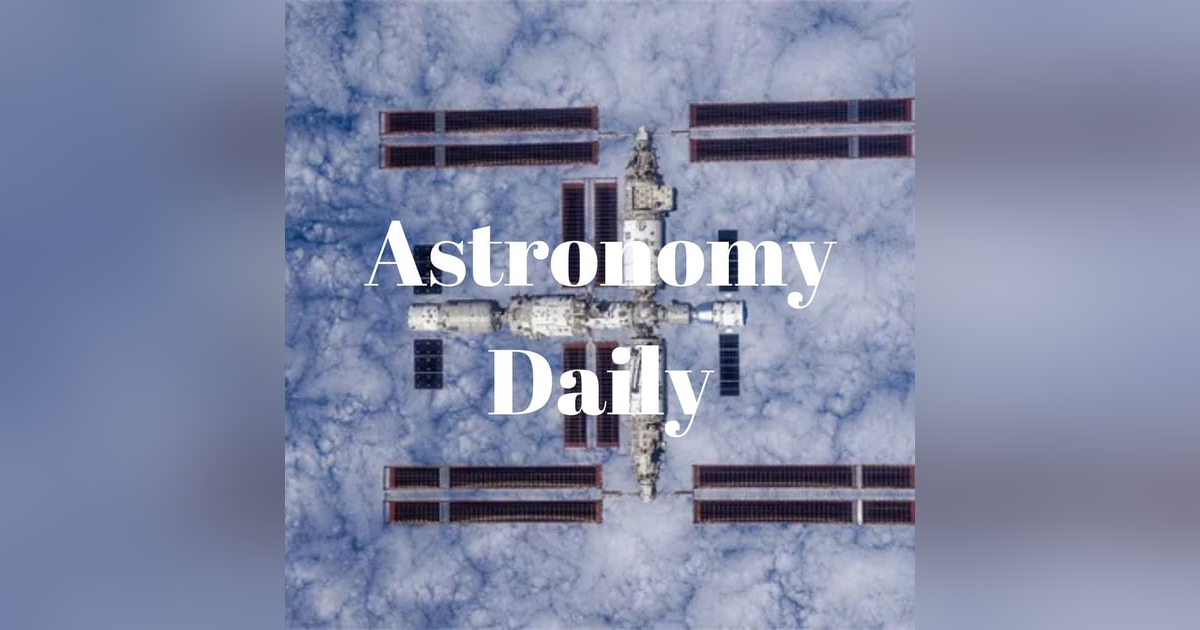


- Tiangong Space Station's Stranded Crew: The Shenzhou 21 crew aboard the Tiangong Space Station faces a precarious situation after the Shenzhou 20 mission astronauts returned home using their capsule, which was damaged by space debris. With no immediate escape vehicle, the crew awaits the uncrewed launch of Shenzhou 22, highlighting the risks posed by space debris in low Earth orbit.
- NASA's Scenic Route to Mars: NASA's Escapade mission has launched twin probes, Blue and Gold, that will take an innovative detour to Mars. Instead of heading directly, they will first travel to the second Lagrange point (L2) to study space weather for a year before using Earth's gravity to assist their journey to Mars in 2027, providing a unique 3D view of the Martian atmosphere.
- Upcoming Leonid Meteor Shower: The Leonid meteor shower is set to peak on November 18, but this year’s display may be underwhelming, with only five to ten meteors expected per hour. Earth is passing through a sparse debris stream from the parent comet Tempel-Tuttle, leading to a quieter show than in previous years.
- Discovery of a New Super Earth: Astronomers have discovered a new super Earth, GJ251C, located just 18 light years away. Positioned in its star's habitable zone, this rocky planet is a prime candidate for future observation with next-generation telescopes, which may help to identify biosignatures in its atmosphere and advance our search for extraterrestrial life.
- For more cosmic updates, visit our website at astronomydaily.io. Join our community on social media by searching for #AstroDailyPod on Facebook, X, YouTubeMusic, TikTok, and our new Instagram account! Don’t forget to subscribe to the podcast on Apple Podcasts, Spotify, iHeartRadio, or wherever you get your podcasts.
- Thank you for tuning in. This is Anna and Avery signing off. Until next time, keep looking up and exploring the wonders of our universe.
Tiangong Space Station Update
[CMSA](http://www.cmse.gov.cn/)
NASA Escapade Mission
[NASA](https://www.nasa.gov/)
Leonid Meteor Shower Predictions
[Meteor Society](https://www.meteorshowers.org/)
GJ251C Discovery
[Astronomical Journal](https://iopscience.iop.org/journal/1538-3881)
Become a supporter of this podcast: https://www.spreaker.com/podcast/astronomy-daily-space-news-updates--5648921/support.
Sponsor Details:
Ensure your online privacy by using NordVPN. To get our special listener deal and save a lot of money, visit www.bitesz.com/nordvpn. You'll be glad you did!
Sponsor Details:
Ensure your online privacy by using NordVPN. To get our special listener deal and save a lot of money, visit www.bitesz.com/nordvpn. You'll be glad you did!
Become a supporter of Astronomy Daily by joining our Supporters Club. Commercial free episodes daily are only a click way... Click Here
This episode includes AI-generated content.
WEBVTT
0
00:00:00.320 --> 00:00:03.320
Avery: Welcome to Astronomy Daily, the podcast that
1
00:00:03.320 --> 00:00:06.160
brings you the universe, one story at a time.
2
00:00:06.480 --> 00:00:09.400
I'm Avery, and as always, I'm joined by my co
3
00:00:09.400 --> 00:00:10.160
host, Anna.
4
00:00:10.160 --> 00:00:12.960
Anna: Uh, it's great to be here, Avery. Today
5
00:00:12.960 --> 00:00:15.720
we'll be covering a tense situation aboard
6
00:00:15.720 --> 00:00:18.560
the Tiangong Space Station now that the Crew
7
00:00:18.560 --> 00:00:20.840
20 mission astronauts have returned home
8
00:00:20.840 --> 00:00:23.720
safely. A new NASA mission taking a
9
00:00:23.720 --> 00:00:26.560
scenic route to Mars, a heads up about
10
00:00:26.560 --> 00:00:29.520
the upcoming Leonid meteor shower, and a
11
00:00:29.520 --> 00:00:32.460
very exciting discovery of a new super Earth
12
00:00:32.620 --> 00:00:34.300
that's surprisingly close to home.
13
00:00:34.540 --> 00:00:37.420
Avery: A packed show indeed. Let's get right
14
00:00:37.420 --> 00:00:37.980
into it.
15
00:00:38.220 --> 00:00:40.220
Anna, um, why don't you start us off with a
16
00:00:40.220 --> 00:00:42.140
situation in low Earth orbit?
17
00:00:42.220 --> 00:00:44.980
Anna: Absolutely. Our first story involves the
18
00:00:44.980 --> 00:00:47.859
three astronauts of China's Shenzhou 21
19
00:00:47.859 --> 00:00:50.380
mission. Currently on the Tiangong Space
20
00:00:50.380 --> 00:00:52.780
Station. It seems they are temporarily
21
00:00:52.780 --> 00:00:53.420
stranded.
22
00:00:53.740 --> 00:00:56.660
Avery: Stranded? That sounds serious. What
23
00:00:56.660 --> 00:00:57.100
happened?
24
00:00:57.590 --> 00:01:00.470
Anna: It's a bit of a domino effect. The previous
25
00:01:00.550 --> 00:01:03.350
crew, Shenzhou 20, had their
26
00:01:03.350 --> 00:01:06.030
own capsule damaged by a piece of space
27
00:01:06.030 --> 00:01:08.630
debris. So to get them home safely,
28
00:01:08.870 --> 00:01:11.110
the China National Space Administration
29
00:01:11.670 --> 00:01:14.350
made the call to use the Shenzhou 21
30
00:01:14.350 --> 00:01:16.870
capsule, which was docked at the station,
31
00:01:17.270 --> 00:01:19.910
as the current crew's ride home. Wow.
32
00:01:20.630 --> 00:01:23.470
Avery: So they gave up their lifeboat to
33
00:01:23.470 --> 00:01:25.980
save the other crew. That's a tough decision,
34
00:01:26.140 --> 00:01:27.980
but definitely the right one.
35
00:01:28.140 --> 00:01:30.940
Anna: Exactly. It highlights the dangers of
36
00:01:30.940 --> 00:01:33.580
space debris. The station itself is well
37
00:01:33.580 --> 00:01:36.420
protected, but these smaller capsules are
38
00:01:36.420 --> 00:01:39.020
more vulnerable. Now. The Shenzhou
39
00:01:39.020 --> 00:01:41.860
21 crew is safe on the station, but without
40
00:01:41.860 --> 00:01:42.940
a return vehicle.
41
00:01:43.580 --> 00:01:45.260
Avery: So what's the rescue plan?
42
00:01:45.900 --> 00:01:48.620
Anna: A new spacecraft, Shenzhou 22,
43
00:01:48.940 --> 00:01:51.580
is being prepared for an uncrewed launch.
44
00:01:51.980 --> 00:01:54.660
It will serve as the new lifeboat and
45
00:01:54.660 --> 00:01:57.580
eventual ride home for the crew. Chinese
46
00:01:57.580 --> 00:01:59.580
officials say the crew is not in any
47
00:01:59.580 --> 00:02:02.180
immediate danger and has plenty of supplies.
48
00:02:02.500 --> 00:02:04.740
Avery: Right, but being on a space station without
49
00:02:04.740 --> 00:02:06.980
an escape route is still a high risk
50
00:02:06.980 --> 00:02:09.940
situation. Any delay in that rescue launch
51
00:02:09.940 --> 00:02:12.180
could be critical if another emergency were
52
00:02:12.180 --> 00:02:13.220
to happen on the station.
53
00:02:13.380 --> 00:02:15.780
Anna: That's the core of the issue. The situation
54
00:02:15.780 --> 00:02:18.660
is temporary, but the risk is elevated until
55
00:02:18.660 --> 00:02:21.460
Shenzhou 22 is docked and ready.
56
00:02:21.620 --> 00:02:23.340
We'll certainly be following this story
57
00:02:23.340 --> 00:02:23.860
closely.
58
00:02:24.570 --> 00:02:26.690
Avery: It's a good reminder of how hostile the space
59
00:02:26.690 --> 00:02:29.450
environment is. Does a situation like this
60
00:02:29.450 --> 00:02:32.010
trigger any international rescue protocols,
61
00:02:32.010 --> 00:02:34.410
or is China handling this entirely on its
62
00:02:34.410 --> 00:02:34.730
own?
63
00:02:35.210 --> 00:02:37.930
Anna: For now, it's an internal CNSA operation.
64
00:02:38.330 --> 00:02:41.010
Unlike the iss, which is a partnership with
65
00:02:41.010 --> 00:02:43.610
established mutual support agreements, the
66
00:02:43.610 --> 00:02:46.570
Tiangong is operated solely by China,
67
00:02:46.970 --> 00:02:49.210
while other space agencies are monitoring.
68
00:02:49.450 --> 00:02:51.890
The rescue is entirely dependent on the
69
00:02:51.890 --> 00:02:54.490
successful and timely launch of Shenzhou
70
00:02:54.490 --> 00:02:55.050
22.
71
00:02:55.840 --> 00:02:58.400
Avery: Definitely now from low Earth
72
00:02:58.400 --> 00:03:00.800
orbit. Let's travel a little Bit farther out.
73
00:03:00.960 --> 00:03:03.720
Our next story is about NASA's newest mission
74
00:03:03.720 --> 00:03:06.320
to Mars. But it's not taking the direct
75
00:03:06.480 --> 00:03:07.840
route you might expect.
76
00:03:08.400 --> 00:03:10.600
Anna: This is the Escapade mission. Correct. The
77
00:03:10.600 --> 00:03:11.519
twin probes.
78
00:03:11.920 --> 00:03:14.840
Avery: That's the one. The probes nicknamed Blue
79
00:03:14.840 --> 00:03:17.280
and Gold, have just launched. But instead of
80
00:03:17.280 --> 00:03:19.960
pointing straight at Mars, they're heading in
81
00:03:19.960 --> 00:03:22.280
the opposite direction, out to a point in
82
00:03:22.280 --> 00:03:25.120
space called L2, about 1.5
83
00:03:25.120 --> 00:03:26.720
million kilometers from Earth.
84
00:03:27.110 --> 00:03:29.350
Anna: The second Lagrange point. That's a
85
00:03:29.350 --> 00:03:32.030
gravitationally stable spot where the
86
00:03:32.030 --> 00:03:35.030
Webb telescope also operates. So why
87
00:03:35.030 --> 00:03:37.030
send Mars probes there first?
88
00:03:37.750 --> 00:03:40.350
Avery: It's a clever fuel saving trajectory. They'll
89
00:03:40.350 --> 00:03:42.950
spend a year at L2 studying space weather,
90
00:03:43.270 --> 00:03:45.430
essentially getting some bonus science in.
91
00:03:45.910 --> 00:03:48.870
Then in late 2026, they'll loop back
92
00:03:48.870 --> 00:03:49.590
towards Earth.
93
00:03:49.670 --> 00:03:51.430
Anna: Ah, uh, for a gravity assist.
94
00:03:51.910 --> 00:03:54.350
Avery: Exactly. Earth's gravity will act like a
95
00:03:54.350 --> 00:03:57.070
slingshot, flinging them towards Mars with
96
00:03:57.070 --> 00:03:59.410
the speed they need to get into. Or in
97
00:03:59.410 --> 00:04:02.410
2027. It's a much more efficient way to
98
00:04:02.410 --> 00:04:04.610
travel for smaller, lighter spacecraft.
99
00:04:05.010 --> 00:04:07.810
Anna: And once they arrive, what's their primary
100
00:04:07.810 --> 00:04:08.210
mission?
101
00:04:08.290 --> 00:04:10.770
Avery: This is the really cool part. Blue and Gold
102
00:04:10.770 --> 00:04:13.770
will orbit Mars in formation, giving us the
103
00:04:13.770 --> 00:04:16.450
first ever stereo or 3D view
104
00:04:16.690 --> 00:04:19.290
of the planet's upper atmosphere. They'll
105
00:04:19.290 --> 00:04:21.730
study how solar wind strips atmospheric
106
00:04:21.730 --> 00:04:24.370
particles away from Mars, which is crucial
107
00:04:24.370 --> 00:04:26.530
for understanding how the planet lost its
108
00:04:26.530 --> 00:04:29.330
water and became the cold, dry world it is
109
00:04:29.330 --> 00:04:29.650
today.
110
00:04:30.400 --> 00:04:33.360
Anna: A stereo view that will provide a much more
111
00:04:33.360 --> 00:04:36.040
complete picture than any single orbiter ever
112
00:04:36.040 --> 00:04:38.840
could. A very innovative mission, both in its
113
00:04:38.840 --> 00:04:40.320
science and its journey.
114
00:04:41.040 --> 00:04:42.000
Avery: It really is.
115
00:04:42.160 --> 00:04:44.520
And while on the subject of the Escapade
116
00:04:44.520 --> 00:04:47.320
mission, catching a ride on the twin probes,
117
00:04:47.320 --> 00:04:49.720
uh, are the first Kiwis to fly to the red
118
00:04:49.720 --> 00:04:52.440
planet. The Escapade probes are the first
119
00:04:52.440 --> 00:04:55.440
Mars bound vehicles to be designed, built
120
00:04:55.440 --> 00:04:58.240
and tested by Rocket Lab, the space
121
00:04:58.240 --> 00:05:00.600
company headquartered in California, but
122
00:05:00.600 --> 00:05:01.750
founded in New Zealand.
123
00:05:02.860 --> 00:05:04.140
Anna: Hence the Kiwis.
124
00:05:04.300 --> 00:05:06.700
Avery: That's right. Rocket Lab has a tradition of
125
00:05:06.700 --> 00:05:09.180
hiding Kiwis in many areas of its design,
126
00:05:09.660 --> 00:05:12.580
said Lindsey McLaurin, senior communications
127
00:05:12.580 --> 00:05:15.420
manager for Space Systems at Rocket Lab, in
128
00:05:15.420 --> 00:05:18.300
response to an inquiry from collectspace.com
129
00:05:18.700 --> 00:05:21.380
the birds have snuck onto our rockets and
130
00:05:21.380 --> 00:05:23.380
satellites since the beginning of the
131
00:05:23.380 --> 00:05:26.180
company, reflecting the New Zealand roots of
132
00:05:26.180 --> 00:05:28.340
the company and as a challenge among our
133
00:05:28.340 --> 00:05:30.620
designers and spacecraft builders.
134
00:05:31.340 --> 00:05:33.660
Anna: The birds appear as graphics on twin
135
00:05:33.660 --> 00:05:36.140
plaques attached to blue and gold.
136
00:05:36.620 --> 00:05:39.140
The metal plates, which adorn, uh, one of the
137
00:05:39.140 --> 00:05:42.020
two solar panels on each probe, also feature
138
00:05:42.020 --> 00:05:44.940
the Rocket Lab logo. The company's motto,
139
00:05:45.180 --> 00:05:48.060
Non sufficient hick orbis or
140
00:05:48.060 --> 00:05:50.780
this world is not enough. And a
141
00:05:50.780 --> 00:05:53.500
similar icon of a bald eagle to
142
00:05:53.500 --> 00:05:56.140
represent our company's global presence, said
143
00:05:56.140 --> 00:05:58.700
McLaurin, referring to the American icon.
144
00:05:59.850 --> 00:06:02.410
Avery: A nice fun touch to an important mission.
145
00:06:03.050 --> 00:06:05.730
Okay, let's bring our focus back closer to
146
00:06:05.730 --> 00:06:08.170
home for all our listeners who enjoy some
147
00:06:08.170 --> 00:06:10.770
good old fashioned stargazing. We've got an
148
00:06:10.770 --> 00:06:12.890
update on the Leonid meteor shower.
149
00:06:13.130 --> 00:06:15.930
Anna: Right. The Leonids are one of the most famous
150
00:06:15.930 --> 00:06:18.690
showers known for producing spectacular
151
00:06:18.690 --> 00:06:21.330
meteor storms in the past. They're peaking
152
00:06:21.330 --> 00:06:24.250
next week on the morning of Tuesday, November
153
00:06:24.250 --> 00:06:24.810
18th.
154
00:06:25.490 --> 00:06:27.250
Avery: So should everyone be setting their alarms?
155
00:06:27.650 --> 00:06:30.370
Anna: Well, this is one of those times. We have to
156
00:06:30.370 --> 00:06:33.250
manage expectations. This year is
157
00:06:33.250 --> 00:06:36.050
predicted to be a, uh, very weak showing.
158
00:06:36.450 --> 00:06:39.090
We're expecting a peak rate of only about
159
00:06:39.330 --> 00:06:41.090
five to ten meteors per hour.
160
00:06:41.810 --> 00:06:44.610
Avery: Only five to ten? That's not much.
161
00:06:45.010 --> 00:06:46.850
Why is it so quiet this year?
162
00:06:47.010 --> 00:06:49.630
Anna: It's because Earth is passing through a, uh,
163
00:06:49.730 --> 00:06:52.530
very sparse part of the debris stream
164
00:06:52.610 --> 00:06:55.250
left by the parent comet, Tempel Tuttle.
165
00:06:55.780 --> 00:06:58.460
The really dense clouds of debris that cause
166
00:06:58.460 --> 00:07:01.060
the famous storms of hundreds or even
167
00:07:01.060 --> 00:07:03.980
thousands of meteors per hour are not what
168
00:07:03.980 --> 00:07:05.460
we're intersecting with right now.
169
00:07:05.700 --> 00:07:07.500
Avery: So it's worth a look if you're already an
170
00:07:07.500 --> 00:07:09.660
early riser, but maybe not worth a special
171
00:07:09.660 --> 00:07:12.460
trip to a dark sky site. When can we expect
172
00:07:12.460 --> 00:07:14.100
the next big show from the Leonids?
173
00:07:14.420 --> 00:07:16.620
Anna: Astronomers are predicting the next major
174
00:07:16.620 --> 00:07:19.300
displays won't be until the2030s
175
00:07:19.620 --> 00:07:21.900
as we get closer to the next pass of the
176
00:07:21.900 --> 00:07:24.540
parent comet. So we'll have to be patient for
177
00:07:24.540 --> 00:07:26.540
the next big storm, it seems.
178
00:07:26.540 --> 00:07:27.660
Avery: We'll have to be patient.
179
00:07:28.300 --> 00:07:30.820
Now for our final story. We have something
180
00:07:30.820 --> 00:07:33.820
that could be truly groundbreaking. A new
181
00:07:33.820 --> 00:07:36.140
super Earth has been discovered, and it's
182
00:07:36.140 --> 00:07:37.820
practically in our cosmic backyard.
183
00:07:37.980 --> 00:07:40.700
Anna: This is very exciting. The planet is named
184
00:07:40.700 --> 00:07:43.660
GJ251C. A, uh, super
185
00:07:43.660 --> 00:07:45.900
Earth means it's larger than Earth, but
186
00:07:45.900 --> 00:07:48.540
smaller than Neptune and likely rocky.
187
00:07:48.700 --> 00:07:51.340
And as you said, it's close. Just 18 light
188
00:07:51.340 --> 00:07:51.820
years away.
189
00:07:52.530 --> 00:07:55.090
Avery: 18 light years in galactic terms, that's next
190
00:07:55.090 --> 00:07:57.490
door. But what makes this planet so special
191
00:07:57.490 --> 00:08:00.210
is its location, its orbit.
192
00:08:00.530 --> 00:08:02.810
Anna: It's located right in the middle of its
193
00:08:02.810 --> 00:08:05.570
star's habitable zone. That's the orbital
194
00:08:05.570 --> 00:08:07.810
region where temperatures are just right for
195
00:08:07.810 --> 00:08:10.210
liquid water to potentially exist on a
196
00:08:10.210 --> 00:08:11.090
planet's surface.
197
00:08:11.330 --> 00:08:13.850
Avery: The Goldilocks zone. Not too hot, not too
198
00:08:13.850 --> 00:08:16.770
cold. The combination of its size, its
199
00:08:16.770 --> 00:08:19.530
position, and its incredible proximity to us
200
00:08:19.530 --> 00:08:21.330
is what makes this a huge deal.
201
00:08:21.330 --> 00:08:23.960
Anna: It really is, because it's so close.
202
00:08:24.190 --> 00:08:27.070
Close. GJ251C is now
203
00:08:27.070 --> 00:08:29.310
a prime target for future observation.
204
00:08:29.710 --> 00:08:32.350
We're talking about the next generation of
205
00:08:32.350 --> 00:08:35.110
extremely large telescopes like the 30
206
00:08:35.110 --> 00:08:36.190
meter telescope.
207
00:08:36.750 --> 00:08:38.590
Avery: So these new telescopes could actually
208
00:08:38.670 --> 00:08:40.750
analyze the planet's atmosphere.
209
00:08:41.150 --> 00:08:43.790
Anna: That's the goal. They'll be powerful enough
210
00:08:43.790 --> 00:08:46.470
to look for biosignatures, specific
211
00:08:46.470 --> 00:08:49.230
gases in its atmosphere like oxygen,
212
00:08:49.390 --> 00:08:51.870
methane, or even water vapor
213
00:08:52.430 --> 00:08:54.990
that could hint at the presence of life. We
214
00:08:54.990 --> 00:08:57.310
are decades away from being able to visit,
215
00:08:57.710 --> 00:09:00.230
but in the near future, we might be able to
216
00:09:00.230 --> 00:09:01.390
tell if it has water.
217
00:09:01.950 --> 00:09:04.070
Avery: An incredible discovery and a
218
00:09:04.070 --> 00:09:06.990
tantalizing glimpse into what we might find
219
00:09:07.390 --> 00:09:10.230
as our technology improves. It really makes
220
00:09:10.230 --> 00:09:11.390
you wonder what's out there.
221
00:09:11.790 --> 00:09:14.750
Anna: And its star, GJ25.1, is a
222
00:09:14.750 --> 00:09:17.430
red dwarf, right? That comes with its own set
223
00:09:17.430 --> 00:09:19.670
of challenges for habitability, like
224
00:09:19.670 --> 00:09:22.310
potential tidal locking and stellar
225
00:09:22.310 --> 00:09:22.830
flares.
226
00:09:23.300 --> 00:09:25.780
Avery: That's the crucial next question. Red
227
00:09:25.780 --> 00:09:28.100
dwarfs are long lived, which is good for
228
00:09:28.100 --> 00:09:30.580
life. But they can be volatile, especially
229
00:09:30.580 --> 00:09:33.380
when they're young. One of the key tasks for
230
00:09:33.380 --> 00:09:36.340
future telescopes will be to study the star's
231
00:09:36.340 --> 00:09:38.700
activity and see if the planet has a strong
232
00:09:38.700 --> 00:09:40.940
enough magnetic field and atmosphere to
233
00:09:40.940 --> 00:09:43.860
withstand those flares. But finding a rocky
234
00:09:43.860 --> 00:09:46.300
world in the habitable zone of our neighbor
235
00:09:46.300 --> 00:09:47.700
is a critical first step.
236
00:09:47.940 --> 00:09:50.640
Anna: It certainly is. And that's all the time we
237
00:09:50.640 --> 00:09:53.600
have for today. We covered the precarious but
238
00:09:53.600 --> 00:09:56.440
stable situation for the Shanzhou 21
239
00:09:56.440 --> 00:09:59.440
astronauts. The scenic route of the escapade
240
00:09:59.440 --> 00:10:02.280
mission to Mars, a subdued Leonid
241
00:10:02.280 --> 00:10:04.680
meteor shower, and the discovery of a
242
00:10:04.680 --> 00:10:07.640
promising new super Earth just next door.
243
00:10:07.720 --> 00:10:10.160
Avery: Thanks for tuning in to Astronomy Daily. Be
244
00:10:10.160 --> 00:10:11.840
sure to subscribe wherever you get your
245
00:10:11.840 --> 00:10:14.160
podcasts so you don't miss an episode. Until
246
00:10:14.160 --> 00:10:15.410
next time. I'm Avery.
247
00:10:15.720 --> 00:10:17.640
Anna: And I'm Anna. Keep looking up.
0
00:00:00.320 --> 00:00:03.320
Avery: Welcome to Astronomy Daily, the podcast that
1
00:00:03.320 --> 00:00:06.160
brings you the universe, one story at a time.
2
00:00:06.480 --> 00:00:09.400
I'm Avery, and as always, I'm joined by my co
3
00:00:09.400 --> 00:00:10.160
host, Anna.
4
00:00:10.160 --> 00:00:12.960
Anna: Uh, it's great to be here, Avery. Today
5
00:00:12.960 --> 00:00:15.720
we'll be covering a tense situation aboard
6
00:00:15.720 --> 00:00:18.560
the Tiangong Space Station now that the Crew
7
00:00:18.560 --> 00:00:20.840
20 mission astronauts have returned home
8
00:00:20.840 --> 00:00:23.720
safely. A new NASA mission taking a
9
00:00:23.720 --> 00:00:26.560
scenic route to Mars, a heads up about
10
00:00:26.560 --> 00:00:29.520
the upcoming Leonid meteor shower, and a
11
00:00:29.520 --> 00:00:32.460
very exciting discovery of a new super Earth
12
00:00:32.620 --> 00:00:34.300
that's surprisingly close to home.
13
00:00:34.540 --> 00:00:37.420
Avery: A packed show indeed. Let's get right
14
00:00:37.420 --> 00:00:37.980
into it.
15
00:00:38.220 --> 00:00:40.220
Anna, um, why don't you start us off with a
16
00:00:40.220 --> 00:00:42.140
situation in low Earth orbit?
17
00:00:42.220 --> 00:00:44.980
Anna: Absolutely. Our first story involves the
18
00:00:44.980 --> 00:00:47.859
three astronauts of China's Shenzhou 21
19
00:00:47.859 --> 00:00:50.380
mission. Currently on the Tiangong Space
20
00:00:50.380 --> 00:00:52.780
Station. It seems they are temporarily
21
00:00:52.780 --> 00:00:53.420
stranded.
22
00:00:53.740 --> 00:00:56.660
Avery: Stranded? That sounds serious. What
23
00:00:56.660 --> 00:00:57.100
happened?
24
00:00:57.590 --> 00:01:00.470
Anna: It's a bit of a domino effect. The previous
25
00:01:00.550 --> 00:01:03.350
crew, Shenzhou 20, had their
26
00:01:03.350 --> 00:01:06.030
own capsule damaged by a piece of space
27
00:01:06.030 --> 00:01:08.630
debris. So to get them home safely,
28
00:01:08.870 --> 00:01:11.110
the China National Space Administration
29
00:01:11.670 --> 00:01:14.350
made the call to use the Shenzhou 21
30
00:01:14.350 --> 00:01:16.870
capsule, which was docked at the station,
31
00:01:17.270 --> 00:01:19.910
as the current crew's ride home. Wow.
32
00:01:20.630 --> 00:01:23.470
Avery: So they gave up their lifeboat to
33
00:01:23.470 --> 00:01:25.980
save the other crew. That's a tough decision,
34
00:01:26.140 --> 00:01:27.980
but definitely the right one.
35
00:01:28.140 --> 00:01:30.940
Anna: Exactly. It highlights the dangers of
36
00:01:30.940 --> 00:01:33.580
space debris. The station itself is well
37
00:01:33.580 --> 00:01:36.420
protected, but these smaller capsules are
38
00:01:36.420 --> 00:01:39.020
more vulnerable. Now. The Shenzhou
39
00:01:39.020 --> 00:01:41.860
21 crew is safe on the station, but without
40
00:01:41.860 --> 00:01:42.940
a return vehicle.
41
00:01:43.580 --> 00:01:45.260
Avery: So what's the rescue plan?
42
00:01:45.900 --> 00:01:48.620
Anna: A new spacecraft, Shenzhou 22,
43
00:01:48.940 --> 00:01:51.580
is being prepared for an uncrewed launch.
44
00:01:51.980 --> 00:01:54.660
It will serve as the new lifeboat and
45
00:01:54.660 --> 00:01:57.580
eventual ride home for the crew. Chinese
46
00:01:57.580 --> 00:01:59.580
officials say the crew is not in any
47
00:01:59.580 --> 00:02:02.180
immediate danger and has plenty of supplies.
48
00:02:02.500 --> 00:02:04.740
Avery: Right, but being on a space station without
49
00:02:04.740 --> 00:02:06.980
an escape route is still a high risk
50
00:02:06.980 --> 00:02:09.940
situation. Any delay in that rescue launch
51
00:02:09.940 --> 00:02:12.180
could be critical if another emergency were
52
00:02:12.180 --> 00:02:13.220
to happen on the station.
53
00:02:13.380 --> 00:02:15.780
Anna: That's the core of the issue. The situation
54
00:02:15.780 --> 00:02:18.660
is temporary, but the risk is elevated until
55
00:02:18.660 --> 00:02:21.460
Shenzhou 22 is docked and ready.
56
00:02:21.620 --> 00:02:23.340
We'll certainly be following this story
57
00:02:23.340 --> 00:02:23.860
closely.
58
00:02:24.570 --> 00:02:26.690
Avery: It's a good reminder of how hostile the space
59
00:02:26.690 --> 00:02:29.450
environment is. Does a situation like this
60
00:02:29.450 --> 00:02:32.010
trigger any international rescue protocols,
61
00:02:32.010 --> 00:02:34.410
or is China handling this entirely on its
62
00:02:34.410 --> 00:02:34.730
own?
63
00:02:35.210 --> 00:02:37.930
Anna: For now, it's an internal CNSA operation.
64
00:02:38.330 --> 00:02:41.010
Unlike the iss, which is a partnership with
65
00:02:41.010 --> 00:02:43.610
established mutual support agreements, the
66
00:02:43.610 --> 00:02:46.570
Tiangong is operated solely by China,
67
00:02:46.970 --> 00:02:49.210
while other space agencies are monitoring.
68
00:02:49.450 --> 00:02:51.890
The rescue is entirely dependent on the
69
00:02:51.890 --> 00:02:54.490
successful and timely launch of Shenzhou
70
00:02:54.490 --> 00:02:55.050
22.
71
00:02:55.840 --> 00:02:58.400
Avery: Definitely now from low Earth
72
00:02:58.400 --> 00:03:00.800
orbit. Let's travel a little Bit farther out.
73
00:03:00.960 --> 00:03:03.720
Our next story is about NASA's newest mission
74
00:03:03.720 --> 00:03:06.320
to Mars. But it's not taking the direct
75
00:03:06.480 --> 00:03:07.840
route you might expect.
76
00:03:08.400 --> 00:03:10.600
Anna: This is the Escapade mission. Correct. The
77
00:03:10.600 --> 00:03:11.519
twin probes.
78
00:03:11.920 --> 00:03:14.840
Avery: That's the one. The probes nicknamed Blue
79
00:03:14.840 --> 00:03:17.280
and Gold, have just launched. But instead of
80
00:03:17.280 --> 00:03:19.960
pointing straight at Mars, they're heading in
81
00:03:19.960 --> 00:03:22.280
the opposite direction, out to a point in
82
00:03:22.280 --> 00:03:25.120
space called L2, about 1.5
83
00:03:25.120 --> 00:03:26.720
million kilometers from Earth.
84
00:03:27.110 --> 00:03:29.350
Anna: The second Lagrange point. That's a
85
00:03:29.350 --> 00:03:32.030
gravitationally stable spot where the
86
00:03:32.030 --> 00:03:35.030
Webb telescope also operates. So why
87
00:03:35.030 --> 00:03:37.030
send Mars probes there first?
88
00:03:37.750 --> 00:03:40.350
Avery: It's a clever fuel saving trajectory. They'll
89
00:03:40.350 --> 00:03:42.950
spend a year at L2 studying space weather,
90
00:03:43.270 --> 00:03:45.430
essentially getting some bonus science in.
91
00:03:45.910 --> 00:03:48.870
Then in late 2026, they'll loop back
92
00:03:48.870 --> 00:03:49.590
towards Earth.
93
00:03:49.670 --> 00:03:51.430
Anna: Ah, uh, for a gravity assist.
94
00:03:51.910 --> 00:03:54.350
Avery: Exactly. Earth's gravity will act like a
95
00:03:54.350 --> 00:03:57.070
slingshot, flinging them towards Mars with
96
00:03:57.070 --> 00:03:59.410
the speed they need to get into. Or in
97
00:03:59.410 --> 00:04:02.410
2027. It's a much more efficient way to
98
00:04:02.410 --> 00:04:04.610
travel for smaller, lighter spacecraft.
99
00:04:05.010 --> 00:04:07.810
Anna: And once they arrive, what's their primary
100
00:04:07.810 --> 00:04:08.210
mission?
101
00:04:08.290 --> 00:04:10.770
Avery: This is the really cool part. Blue and Gold
102
00:04:10.770 --> 00:04:13.770
will orbit Mars in formation, giving us the
103
00:04:13.770 --> 00:04:16.450
first ever stereo or 3D view
104
00:04:16.690 --> 00:04:19.290
of the planet's upper atmosphere. They'll
105
00:04:19.290 --> 00:04:21.730
study how solar wind strips atmospheric
106
00:04:21.730 --> 00:04:24.370
particles away from Mars, which is crucial
107
00:04:24.370 --> 00:04:26.530
for understanding how the planet lost its
108
00:04:26.530 --> 00:04:29.330
water and became the cold, dry world it is
109
00:04:29.330 --> 00:04:29.650
today.
110
00:04:30.400 --> 00:04:33.360
Anna: A stereo view that will provide a much more
111
00:04:33.360 --> 00:04:36.040
complete picture than any single orbiter ever
112
00:04:36.040 --> 00:04:38.840
could. A very innovative mission, both in its
113
00:04:38.840 --> 00:04:40.320
science and its journey.
114
00:04:41.040 --> 00:04:42.000
Avery: It really is.
115
00:04:42.160 --> 00:04:44.520
And while on the subject of the Escapade
116
00:04:44.520 --> 00:04:47.320
mission, catching a ride on the twin probes,
117
00:04:47.320 --> 00:04:49.720
uh, are the first Kiwis to fly to the red
118
00:04:49.720 --> 00:04:52.440
planet. The Escapade probes are the first
119
00:04:52.440 --> 00:04:55.440
Mars bound vehicles to be designed, built
120
00:04:55.440 --> 00:04:58.240
and tested by Rocket Lab, the space
121
00:04:58.240 --> 00:05:00.600
company headquartered in California, but
122
00:05:00.600 --> 00:05:01.750
founded in New Zealand.
123
00:05:02.860 --> 00:05:04.140
Anna: Hence the Kiwis.
124
00:05:04.300 --> 00:05:06.700
Avery: That's right. Rocket Lab has a tradition of
125
00:05:06.700 --> 00:05:09.180
hiding Kiwis in many areas of its design,
126
00:05:09.660 --> 00:05:12.580
said Lindsey McLaurin, senior communications
127
00:05:12.580 --> 00:05:15.420
manager for Space Systems at Rocket Lab, in
128
00:05:15.420 --> 00:05:18.300
response to an inquiry from collectspace.com
129
00:05:18.700 --> 00:05:21.380
the birds have snuck onto our rockets and
130
00:05:21.380 --> 00:05:23.380
satellites since the beginning of the
131
00:05:23.380 --> 00:05:26.180
company, reflecting the New Zealand roots of
132
00:05:26.180 --> 00:05:28.340
the company and as a challenge among our
133
00:05:28.340 --> 00:05:30.620
designers and spacecraft builders.
134
00:05:31.340 --> 00:05:33.660
Anna: The birds appear as graphics on twin
135
00:05:33.660 --> 00:05:36.140
plaques attached to blue and gold.
136
00:05:36.620 --> 00:05:39.140
The metal plates, which adorn, uh, one of the
137
00:05:39.140 --> 00:05:42.020
two solar panels on each probe, also feature
138
00:05:42.020 --> 00:05:44.940
the Rocket Lab logo. The company's motto,
139
00:05:45.180 --> 00:05:48.060
Non sufficient hick orbis or
140
00:05:48.060 --> 00:05:50.780
this world is not enough. And a
141
00:05:50.780 --> 00:05:53.500
similar icon of a bald eagle to
142
00:05:53.500 --> 00:05:56.140
represent our company's global presence, said
143
00:05:56.140 --> 00:05:58.700
McLaurin, referring to the American icon.
144
00:05:59.850 --> 00:06:02.410
Avery: A nice fun touch to an important mission.
145
00:06:03.050 --> 00:06:05.730
Okay, let's bring our focus back closer to
146
00:06:05.730 --> 00:06:08.170
home for all our listeners who enjoy some
147
00:06:08.170 --> 00:06:10.770
good old fashioned stargazing. We've got an
148
00:06:10.770 --> 00:06:12.890
update on the Leonid meteor shower.
149
00:06:13.130 --> 00:06:15.930
Anna: Right. The Leonids are one of the most famous
150
00:06:15.930 --> 00:06:18.690
showers known for producing spectacular
151
00:06:18.690 --> 00:06:21.330
meteor storms in the past. They're peaking
152
00:06:21.330 --> 00:06:24.250
next week on the morning of Tuesday, November
153
00:06:24.250 --> 00:06:24.810
18th.
154
00:06:25.490 --> 00:06:27.250
Avery: So should everyone be setting their alarms?
155
00:06:27.650 --> 00:06:30.370
Anna: Well, this is one of those times. We have to
156
00:06:30.370 --> 00:06:33.250
manage expectations. This year is
157
00:06:33.250 --> 00:06:36.050
predicted to be a, uh, very weak showing.
158
00:06:36.450 --> 00:06:39.090
We're expecting a peak rate of only about
159
00:06:39.330 --> 00:06:41.090
five to ten meteors per hour.
160
00:06:41.810 --> 00:06:44.610
Avery: Only five to ten? That's not much.
161
00:06:45.010 --> 00:06:46.850
Why is it so quiet this year?
162
00:06:47.010 --> 00:06:49.630
Anna: It's because Earth is passing through a, uh,
163
00:06:49.730 --> 00:06:52.530
very sparse part of the debris stream
164
00:06:52.610 --> 00:06:55.250
left by the parent comet, Tempel Tuttle.
165
00:06:55.780 --> 00:06:58.460
The really dense clouds of debris that cause
166
00:06:58.460 --> 00:07:01.060
the famous storms of hundreds or even
167
00:07:01.060 --> 00:07:03.980
thousands of meteors per hour are not what
168
00:07:03.980 --> 00:07:05.460
we're intersecting with right now.
169
00:07:05.700 --> 00:07:07.500
Avery: So it's worth a look if you're already an
170
00:07:07.500 --> 00:07:09.660
early riser, but maybe not worth a special
171
00:07:09.660 --> 00:07:12.460
trip to a dark sky site. When can we expect
172
00:07:12.460 --> 00:07:14.100
the next big show from the Leonids?
173
00:07:14.420 --> 00:07:16.620
Anna: Astronomers are predicting the next major
174
00:07:16.620 --> 00:07:19.300
displays won't be until the2030s
175
00:07:19.620 --> 00:07:21.900
as we get closer to the next pass of the
176
00:07:21.900 --> 00:07:24.540
parent comet. So we'll have to be patient for
177
00:07:24.540 --> 00:07:26.540
the next big storm, it seems.
178
00:07:26.540 --> 00:07:27.660
Avery: We'll have to be patient.
179
00:07:28.300 --> 00:07:30.820
Now for our final story. We have something
180
00:07:30.820 --> 00:07:33.820
that could be truly groundbreaking. A new
181
00:07:33.820 --> 00:07:36.140
super Earth has been discovered, and it's
182
00:07:36.140 --> 00:07:37.820
practically in our cosmic backyard.
183
00:07:37.980 --> 00:07:40.700
Anna: This is very exciting. The planet is named
184
00:07:40.700 --> 00:07:43.660
GJ251C. A, uh, super
185
00:07:43.660 --> 00:07:45.900
Earth means it's larger than Earth, but
186
00:07:45.900 --> 00:07:48.540
smaller than Neptune and likely rocky.
187
00:07:48.700 --> 00:07:51.340
And as you said, it's close. Just 18 light
188
00:07:51.340 --> 00:07:51.820
years away.
189
00:07:52.530 --> 00:07:55.090
Avery: 18 light years in galactic terms, that's next
190
00:07:55.090 --> 00:07:57.490
door. But what makes this planet so special
191
00:07:57.490 --> 00:08:00.210
is its location, its orbit.
192
00:08:00.530 --> 00:08:02.810
Anna: It's located right in the middle of its
193
00:08:02.810 --> 00:08:05.570
star's habitable zone. That's the orbital
194
00:08:05.570 --> 00:08:07.810
region where temperatures are just right for
195
00:08:07.810 --> 00:08:10.210
liquid water to potentially exist on a
196
00:08:10.210 --> 00:08:11.090
planet's surface.
197
00:08:11.330 --> 00:08:13.850
Avery: The Goldilocks zone. Not too hot, not too
198
00:08:13.850 --> 00:08:16.770
cold. The combination of its size, its
199
00:08:16.770 --> 00:08:19.530
position, and its incredible proximity to us
200
00:08:19.530 --> 00:08:21.330
is what makes this a huge deal.
201
00:08:21.330 --> 00:08:23.960
Anna: It really is, because it's so close.
202
00:08:24.190 --> 00:08:27.070
Close. GJ251C is now
203
00:08:27.070 --> 00:08:29.310
a prime target for future observation.
204
00:08:29.710 --> 00:08:32.350
We're talking about the next generation of
205
00:08:32.350 --> 00:08:35.110
extremely large telescopes like the 30
206
00:08:35.110 --> 00:08:36.190
meter telescope.
207
00:08:36.750 --> 00:08:38.590
Avery: So these new telescopes could actually
208
00:08:38.670 --> 00:08:40.750
analyze the planet's atmosphere.
209
00:08:41.150 --> 00:08:43.790
Anna: That's the goal. They'll be powerful enough
210
00:08:43.790 --> 00:08:46.470
to look for biosignatures, specific
211
00:08:46.470 --> 00:08:49.230
gases in its atmosphere like oxygen,
212
00:08:49.390 --> 00:08:51.870
methane, or even water vapor
213
00:08:52.430 --> 00:08:54.990
that could hint at the presence of life. We
214
00:08:54.990 --> 00:08:57.310
are decades away from being able to visit,
215
00:08:57.710 --> 00:09:00.230
but in the near future, we might be able to
216
00:09:00.230 --> 00:09:01.390
tell if it has water.
217
00:09:01.950 --> 00:09:04.070
Avery: An incredible discovery and a
218
00:09:04.070 --> 00:09:06.990
tantalizing glimpse into what we might find
219
00:09:07.390 --> 00:09:10.230
as our technology improves. It really makes
220
00:09:10.230 --> 00:09:11.390
you wonder what's out there.
221
00:09:11.790 --> 00:09:14.750
Anna: And its star, GJ25.1, is a
222
00:09:14.750 --> 00:09:17.430
red dwarf, right? That comes with its own set
223
00:09:17.430 --> 00:09:19.670
of challenges for habitability, like
224
00:09:19.670 --> 00:09:22.310
potential tidal locking and stellar
225
00:09:22.310 --> 00:09:22.830
flares.
226
00:09:23.300 --> 00:09:25.780
Avery: That's the crucial next question. Red
227
00:09:25.780 --> 00:09:28.100
dwarfs are long lived, which is good for
228
00:09:28.100 --> 00:09:30.580
life. But they can be volatile, especially
229
00:09:30.580 --> 00:09:33.380
when they're young. One of the key tasks for
230
00:09:33.380 --> 00:09:36.340
future telescopes will be to study the star's
231
00:09:36.340 --> 00:09:38.700
activity and see if the planet has a strong
232
00:09:38.700 --> 00:09:40.940
enough magnetic field and atmosphere to
233
00:09:40.940 --> 00:09:43.860
withstand those flares. But finding a rocky
234
00:09:43.860 --> 00:09:46.300
world in the habitable zone of our neighbor
235
00:09:46.300 --> 00:09:47.700
is a critical first step.
236
00:09:47.940 --> 00:09:50.640
Anna: It certainly is. And that's all the time we
237
00:09:50.640 --> 00:09:53.600
have for today. We covered the precarious but
238
00:09:53.600 --> 00:09:56.440
stable situation for the Shanzhou 21
239
00:09:56.440 --> 00:09:59.440
astronauts. The scenic route of the escapade
240
00:09:59.440 --> 00:10:02.280
mission to Mars, a subdued Leonid
241
00:10:02.280 --> 00:10:04.680
meteor shower, and the discovery of a
242
00:10:04.680 --> 00:10:07.640
promising new super Earth just next door.
243
00:10:07.720 --> 00:10:10.160
Avery: Thanks for tuning in to Astronomy Daily. Be
244
00:10:10.160 --> 00:10:11.840
sure to subscribe wherever you get your
245
00:10:11.840 --> 00:10:14.160
podcasts so you don't miss an episode. Until
246
00:10:14.160 --> 00:10:15.410
next time. I'm Avery.
247
00:10:15.720 --> 00:10:17.640
Anna: And I'm Anna. Keep looking up.


