Oct. 14, 2025
Starship Triumphs, China's Satellite Success, and the Spectacle of Taurids
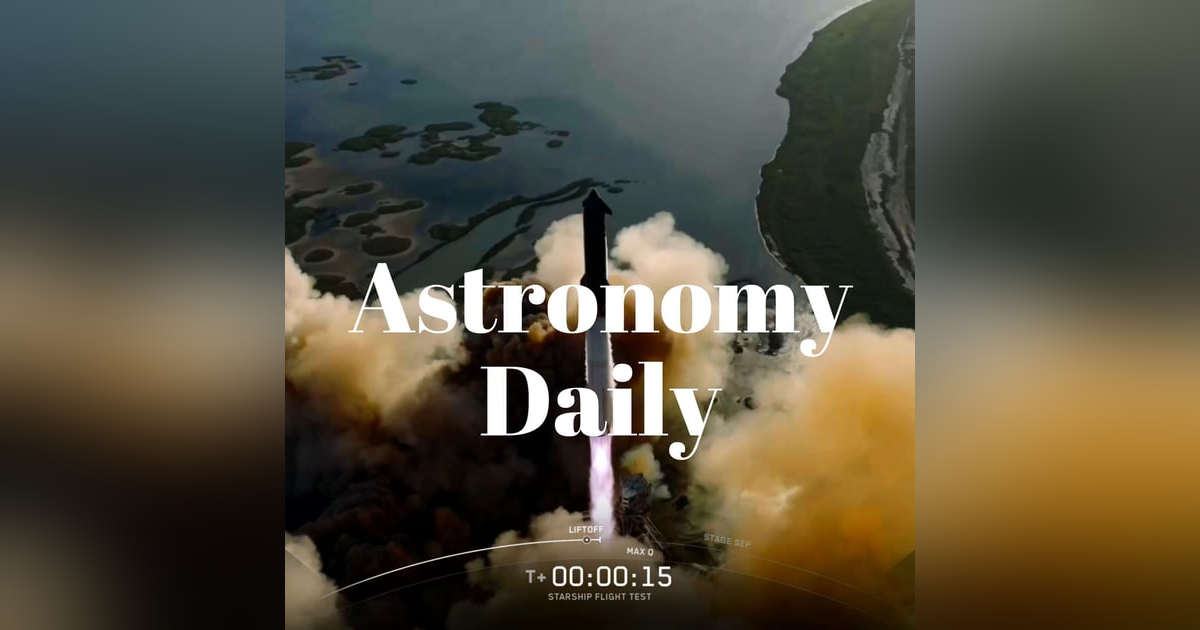


- SpaceX's Successful Starship Test: SpaceX has achieved a monumental milestone with the successful suborbital mission of the final version 2 Starship Super Heavy rocket. This flight involved crucial testing of its heat shield and a simulated deorbit burn, paving the way for the transition to version 3 for orbital missions, essential for NASA's Artemis program.
- China's Advancements in Earth Observation: In a significant step for its space capabilities, China successfully launched a Long March 2D rocket carrying the Haiyang 3 satellite. This satellite is designed for marine environmental monitoring, providing critical data for climate science and resource management.
- Northern Taurids Meteor Shower: The Northern Taurids meteor shower is peaking around November 12, known for its bright fireballs. This year, a stronger showing is anticipated due to Jupiter's gravitational influence on the debris stream from Comet 2P Encke.
- New Insights from Apollo 17 Samples: NASA has opened pristine lunar samples from the Apollo 17 mission, preserved for over 50 years. Modern analytical techniques will allow scientists to study the Moon's geology and volatile compounds, crucial for future lunar missions.
- Urgent Need for LEO Management: A recent study highlights the critical issue of low Earth orbit congestion, emphasizing the need for international cooperation to manage the growing number of satellites and debris. Without proactive measures, the risk of catastrophic collisions could jeopardize vital space operations.
- For more cosmic updates, visit our website at astronomydaily.io. Join our community on social media by searching for #AstroDailyPod on Facebook, X, YouTubeMusic, TikTok, and our new Instagram account! Don’t forget to subscribe to the podcast on Apple Podcasts, Spotify, iHeartRadio, or wherever you get your podcasts.
- Thank you for tuning in. This is Anna and Avery signing off. Until next time, keep looking up and exploring the wonders of our universe.
Starship Mission Details
[NASA Spaceflight](https://www.nasaspaceflight.com/)
Haiyang 3 Satellite Launch
[China National Space Administration](http://www.cnsa.gov.cn)
Northern Taurids Meteor Shower Insights
[American Meteor Society](https://www.amsmeteors.org/)
Apollo 17 Sample Analysis
[NASA](https://www.nasa.gov/)
LEO Congestion Study
[European Space Agency](https://www.esa.int/)
Astronomy Daily
[Astronomy Daily](http://www.astronomydaily.io/)
Become a supporter of this podcast: https://www.spreaker.com/podcast/astronomy-daily-space-news-updates--5648921/support.
Sponsor Details:
Ensure your online privacy by using NordVPN. To get our special listener deal and save a lot of money, visit www.bitesz.com/nordvpn. You'll be glad you did!
Become a supporter of Astronomy Daily by joining our Supporters Club. Commercial free episodes daily are only a click way... Click Here
WEBVTT
0
00:00:00.480 --> 00:00:03.240
Anna: Welcome to Astronomy Daily, your
1
00:00:03.240 --> 00:00:06.200
regular update on everything happening in the
2
00:00:06.200 --> 00:00:08.080
cosmos. I'm Anna.
3
00:00:08.240 --> 00:00:11.200
Avery: And I'm Avery. We've got a jam packed episode
4
00:00:11.200 --> 00:00:13.000
today, starting with some big news from
5
00:00:13.000 --> 00:00:13.600
SpaceX.
6
00:00:13.950 --> 00:00:16.870
Anna: very big indeed. And the whole starship
7
00:00:16.870 --> 00:00:19.470
team and SpaceX in general need to be
8
00:00:19.470 --> 00:00:20.230
congratulated.
9
00:00:20.550 --> 00:00:22.830
Avery: That's right, Anna. SpaceX today made
10
00:00:22.830 --> 00:00:24.750
headlines with its highly successful
11
00:00:24.750 --> 00:00:27.630
suborbital mission of the final version 2
12
00:00:27.630 --> 00:00:30.040
Starship Super super heavy rocket. This
13
00:00:30.040 --> 00:00:32.640
incredible flight involved crucial testing of
14
00:00:32.640 --> 00:00:35.520
its heat shield and a simulated deorbit
15
00:00:35.520 --> 00:00:38.040
burn, marking a significant step forward.
16
00:00:38.760 --> 00:00:41.680
Anna: Indeed Avery, this suborbital flight
17
00:00:41.680 --> 00:00:44.440
of the final version 2 Starship Super
18
00:00:44.440 --> 00:00:47.280
Heavy was a resounding success. The
19
00:00:47.280 --> 00:00:49.760
heat shield test was flawless and the
20
00:00:49.760 --> 00:00:52.120
simulated deorbit burn performed
21
00:00:52.120 --> 00:00:54.450
exactly as planned. This
22
00:00:54.450 --> 00:00:56.890
incredible achievement paves the way for
23
00:00:56.890 --> 00:00:59.450
SpaceX to now move to version three
24
00:00:59.690 --> 00:01:02.410
for orbital missions, which is absolutely
25
00:01:02.410 --> 00:01:05.050
critical for programs like NASA's Artemis.
26
00:01:05.370 --> 00:01:07.730
A key technological hurdle for those
27
00:01:07.730 --> 00:01:10.570
ambitious missions will be in orbit
28
00:01:10.570 --> 00:01:13.490
propellant transfer. And this success brings
29
00:01:13.490 --> 00:01:14.890
that closer to reality.
30
00:01:15.690 --> 00:01:18.210
Avery: It's truly a testament to SpaceX's
31
00:01:18.210 --> 00:01:20.250
audacious approach to rocket development.
32
00:01:20.730 --> 00:01:23.410
This highly successful flight unequivocally
33
00:01:23.410 --> 00:01:26.170
validates their iterative test, learn
34
00:01:26.170 --> 00:01:29.050
and iterate philosophy. Unlike traditional
35
00:01:29.050 --> 00:01:31.770
aerospace programs that might spend years on
36
00:01:31.770 --> 00:01:34.210
ground testing, SpaceX gathers
37
00:01:34.210 --> 00:01:36.370
invaluable data from each flight,
38
00:01:36.690 --> 00:01:39.690
rapidly advancing the Starship program. The
39
00:01:39.690 --> 00:01:42.170
Starship system is designed to be fully
40
00:01:42.170 --> 00:01:44.900
reusable, a game changer for reducing launch
41
00:01:44.900 --> 00:01:47.820
costs and enabling large scale missions to
42
00:01:47.820 --> 00:01:50.740
the moon and Mars. The sheer scale of
43
00:01:50.740 --> 00:01:52.910
Starship, beyond being the largest and most
44
00:01:52.910 --> 00:01:55.550
powerful rocket ever built, presents
45
00:01:55.550 --> 00:01:57.990
unprecedented engineering challenges. And
46
00:01:57.990 --> 00:02:00.870
this successful suborbital test is a crucial
47
00:02:00.870 --> 00:02:02.950
step in pushing the boundaries of what's
48
00:02:02.950 --> 00:02:05.310
possible in space transportation towards
49
00:02:05.310 --> 00:02:06.190
orbital missions.
50
00:02:06.830 --> 00:02:09.710
Anna: The sheer scale of Starship being the
51
00:02:09.710 --> 00:02:12.430
largest and most powerful rocket ever built
52
00:02:12.750 --> 00:02:15.670
truly cannot be overstated. When fully
53
00:02:15.670 --> 00:02:18.590
stacked, it stands nearly 400ft
54
00:02:18.590 --> 00:02:21.470
tall, dwarfing even the Saturn V rockets
55
00:02:21.470 --> 00:02:24.410
of the Apollo era. Its this immense capacity
56
00:02:24.410 --> 00:02:27.330
is what makes it so revolutionary. It's not
57
00:02:27.330 --> 00:02:29.490
just about reaching orbit, it's about
58
00:02:29.490 --> 00:02:32.250
delivering massive payloads, hundreds of
59
00:02:32.250 --> 00:02:35.250
tons to the moon and Mars and eventually
60
00:02:35.250 --> 00:02:37.930
transporting hundreds of people. This
61
00:02:37.930 --> 00:02:40.410
successful suborbital mission is a
62
00:02:40.410 --> 00:02:43.170
monumental step demonstrating critical
63
00:02:43.170 --> 00:02:45.610
capabilities that pave the way for a future
64
00:02:45.850 --> 00:02:48.810
where space travel is routine and ambitious
65
00:02:48.810 --> 00:02:51.690
multi planetary missions become a reality.
66
00:02:52.090 --> 00:02:54.450
Especially with version three now on the
67
00:02:54.450 --> 00:02:54.880
horizon.
68
00:02:54.950 --> 00:02:57.950
Reason for orbital flights moving on to other
69
00:02:57.950 --> 00:03:00.710
spacefaring nations. China successfully
70
00:03:00.710 --> 00:03:03.710
launched a ah, long March 2D rocket carrying
71
00:03:03.710 --> 00:03:06.310
the Hayong 3 satellite into orbit.
72
00:03:06.470 --> 00:03:08.790
This mission marks another advancement in
73
00:03:08.790 --> 00:03:10.630
China's growing space capabilities,
74
00:03:11.190 --> 00:03:13.270
particularly in Earth observation.
75
00:03:13.830 --> 00:03:16.790
Avery: The Hayong 3 satellite is designed for marine
76
00:03:16.790 --> 00:03:19.590
environmental monitoring, which is incredibly
77
00:03:19.590 --> 00:03:21.590
important for understanding our oceans,
78
00:03:21.830 --> 00:03:24.790
climate and coastal regions. These satellites
79
00:03:24.790 --> 00:03:26.830
provide vital data for everything from
80
00:03:26.830 --> 00:03:28.870
disaster prediction to resource management.
81
00:03:29.350 --> 00:03:31.430
It's a testament to the continued global
82
00:03:31.430 --> 00:03:33.790
investment in space based observation
83
00:03:33.790 --> 00:03:34.310
systems.
84
00:03:34.550 --> 00:03:37.270
Anna: Indeed, Avery, these Haiyang satellites
85
00:03:37.270 --> 00:03:39.510
are crucial for global climate science.
86
00:03:39.990 --> 00:03:42.670
They provide continuous, high resolution
87
00:03:42.670 --> 00:03:45.590
data on sea surface temperature, ocean
88
00:03:45.590 --> 00:03:48.470
color, sea ice distribution, and ocean
89
00:03:48.470 --> 00:03:51.230
dynamics. This information is vital
90
00:03:51.230 --> 00:03:53.590
not only for understanding changes in our
91
00:03:53.590 --> 00:03:56.350
planet's climate and its impacts on marine
92
00:03:56.350 --> 00:03:58.990
ecosystems, but also for practical
93
00:03:58.990 --> 00:04:01.790
applications such as monitoring marine
94
00:04:01.790 --> 00:04:04.670
pollution, supporting sustainable fisheries,
95
00:04:04.750 --> 00:04:07.470
and aiding in maritime disaster response,
96
00:04:07.710 --> 00:04:10.630
including tracking oil spills and predicting
97
00:04:10.630 --> 00:04:13.470
harmful algal blooms. China's investment
98
00:04:13.550 --> 00:04:16.350
in this satellite series demonstrates a clear
99
00:04:16.350 --> 00:04:19.150
commitment to expanding its capabilities in
100
00:04:19.150 --> 00:04:21.900
Earth observation, positioning itself as a
101
00:04:21.900 --> 00:04:24.380
key player in international efforts to
102
00:04:24.380 --> 00:04:25.940
monitor and protect our planet.
103
00:04:26.420 --> 00:04:29.420
Avery: Now for something a little more celestial and
104
00:04:29.420 --> 00:04:32.220
less man made. The Northern Taurids meteor
105
00:04:32.220 --> 00:04:34.980
shower is now gracing our skies, peaking
106
00:04:34.980 --> 00:04:37.820
around November 12. Known for its
107
00:04:37.820 --> 00:04:40.780
bright fireballs, the Taurids are sometimes
108
00:04:40.780 --> 00:04:43.460
referred to as the Halloween Fireballs
109
00:04:43.620 --> 00:04:45.940
due to their early November appearance.
110
00:04:46.900 --> 00:04:49.620
Anna: They certainly are a spectacle. Avery the
111
00:04:49.620 --> 00:04:52.420
Taurids originate from debris left behind by
112
00:04:52.420 --> 00:04:55.100
Comet 2P enke. What makes them
113
00:04:55.100 --> 00:04:57.500
unique is that we pass through two streams of
114
00:04:57.500 --> 00:05:00.220
debris each year, the Southern Taurids in
115
00:05:00.220 --> 00:05:02.700
late October and the Northern Torrids in
116
00:05:02.700 --> 00:05:05.460
early November. This year, experts were
117
00:05:05.460 --> 00:05:07.860
predicting a potentially stronger showing
118
00:05:07.940 --> 00:05:10.660
with more bright meteors than usual, as
119
00:05:10.660 --> 00:05:13.220
Jupiter's gravity has perturbed the stream,
120
00:05:13.690 --> 00:05:16.450
bringing denser pockets of debris closer to
121
00:05:16.450 --> 00:05:17.130
Earth's orbit.
122
00:05:17.850 --> 00:05:20.490
Avery: Comet Tupianke is a fascinating
123
00:05:20.490 --> 00:05:23.290
object, a short period comet that
124
00:05:23.290 --> 00:05:26.090
completes an orbit around the sun in just
125
00:05:26.170 --> 00:05:29.130
3.3 years. This relatively
126
00:05:29.130 --> 00:05:32.130
frequent passage near the sun means it sheds
127
00:05:32.130 --> 00:05:34.570
a considerable amount of dust and debris,
128
00:05:34.810 --> 00:05:37.570
creating the two distinct streams that give
129
00:05:37.570 --> 00:05:40.570
us the Northern and Southern Taurids. What's
130
00:05:40.570 --> 00:05:43.330
particularly interesting is how Jupiter's
131
00:05:43.330 --> 00:05:46.130
immense gravitational pull can periodically
132
00:05:46.130 --> 00:05:48.890
sculpt and concentrate these debris streams,
133
00:05:48.970 --> 00:05:51.650
leading to years like this one where we might
134
00:05:51.650 --> 00:05:54.090
experience a higher frequency of brighter
135
00:05:54.090 --> 00:05:56.490
meteors or fireballs. These
136
00:05:56.490 --> 00:05:59.050
fireballs are essentially larger dust grains
137
00:05:59.050 --> 00:06:01.970
or small pebbles from the comet that burn up
138
00:06:01.970 --> 00:06:04.250
intensely as they enter Earth's atmosphere,
139
00:06:04.490 --> 00:06:07.190
creating a dazzling display for
140
00:06:07.190 --> 00:06:10.190
stargazers. Clear, dark skies away from city
141
00:06:10.190 --> 00:06:12.390
lights are always key, but
142
00:06:12.390 --> 00:06:14.830
understanding the radiant point in the
143
00:06:14.830 --> 00:06:17.230
constellation Taurus and checking for moon
144
00:06:17.230 --> 00:06:19.030
phase can also enhance the viewing
145
00:06:19.030 --> 00:06:21.790
experience. It's a beautiful reminder of the
146
00:06:21.790 --> 00:06:24.710
cosmic dust our planet constantly sweeps up
147
00:06:24.870 --> 00:06:27.790
as it journeys through space, shifting our
148
00:06:27.790 --> 00:06:28.150
gaze.
149
00:06:28.150 --> 00:06:30.310
Anna: Back to Historical Space Exploration
150
00:06:30.710 --> 00:06:33.550
NASA has opened pristine lunar samples from
151
00:06:33.550 --> 00:06:36.110
the Apollo 17 mission, which returned to
152
00:06:36.110 --> 00:06:38.970
Earth in 1972. These samples
153
00:06:38.970 --> 00:06:41.250
have been meticulously preserved in a vacuum
154
00:06:41.250 --> 00:06:44.130
seal for over 50 years, and scientists
155
00:06:44.130 --> 00:06:46.610
are now studying them with modern analytical
156
00:06:46.610 --> 00:06:47.210
techniques.
157
00:06:47.930 --> 00:06:50.890
Avery: This is a truly exciting development. These
158
00:06:50.970 --> 00:06:53.930
untouched samples offer an unparalleled
159
00:06:53.930 --> 00:06:56.730
opportunity to study the Moon's geology
160
00:06:56.810 --> 00:06:59.050
without any terrestrial contamination.
161
00:06:59.850 --> 00:07:02.410
Scientists are hoping to gain new insights
162
00:07:02.410 --> 00:07:05.150
into the Moon's formation, volcanic history,
163
00:07:05.470 --> 00:07:08.470
and the presence of volatile compounds, which
164
00:07:08.470 --> 00:07:10.710
could be crucial for future lunar missions
165
00:07:10.710 --> 00:07:13.110
and understanding the origins of water on the
166
00:07:13.110 --> 00:07:13.470
Moon.
167
00:07:14.110 --> 00:07:16.710
Anna: Scientists are particularly interested in the
168
00:07:16.710 --> 00:07:19.030
volatile compounds preserved within these
169
00:07:19.030 --> 00:07:21.910
vacuum sealed samples. Volatiles like water
170
00:07:21.910 --> 00:07:24.590
ice, trapped gases, and organic molecules
171
00:07:24.830 --> 00:07:27.270
can provide critical clues about the early
172
00:07:27.270 --> 00:07:30.110
solar system, including how water might have
173
00:07:30.110 --> 00:07:32.430
been delivered to both the Moon and Earth.
174
00:07:33.190 --> 00:07:35.270
The advanced analytical techniques available
175
00:07:35.430 --> 00:07:37.990
today, far more sophisticated than those of
176
00:07:37.990 --> 00:07:40.670
the Apollo era, allow for incredibly
177
00:07:40.670 --> 00:07:43.550
precise measurements of isotopic ratios and
178
00:07:43.550 --> 00:07:45.990
chemical compositions. This can help
179
00:07:45.990 --> 00:07:47.870
differentiate between different sources of
180
00:07:47.870 --> 00:07:50.310
lunar water, for example, distinguishing
181
00:07:50.310 --> 00:07:53.110
between cometary impacts and solar wind
182
00:07:53.110 --> 00:07:55.670
implantation. Furthermore,
183
00:07:55.910 --> 00:07:57.630
understanding the distribution and
184
00:07:57.630 --> 00:08:00.030
characteristics of these volatiles is
185
00:08:00.030 --> 00:08:02.270
paramount for future lunar habitats and
186
00:08:02.270 --> 00:08:05.250
resource utilization. If we can reliably
187
00:08:05.250 --> 00:08:07.610
extract water and other essential compounds
188
00:08:07.610 --> 00:08:10.450
from lunar soil, it dramatically reduces the
189
00:08:10.450 --> 00:08:12.850
cost and complexity of long duration
190
00:08:12.850 --> 00:08:15.650
missions, enabling a sustained human presence
191
00:08:15.650 --> 00:08:17.970
on the Moon and supporting deeper space
192
00:08:17.970 --> 00:08:18.650
exploration.
193
00:08:19.370 --> 00:08:22.290
And finally, as space exploration continues
194
00:08:22.290 --> 00:08:24.970
to accelerate, the issue of low Earth
195
00:08:24.970 --> 00:08:27.530
orbit, or leo, congestion is becoming
196
00:08:27.690 --> 00:08:30.180
increasingly critical. A recent study
197
00:08:30.180 --> 00:08:32.100
highlights the urgent need for international
198
00:08:32.260 --> 00:08:35.020
cooperation and sustainable practices to
199
00:08:35.020 --> 00:08:37.220
manage the ever growing number of satellites
200
00:08:37.220 --> 00:08:38.420
and debris in orbit.
201
00:08:38.980 --> 00:08:41.780
Avery: The study, conducted by a consortium
202
00:08:41.780 --> 00:08:44.660
of international space agencies and research
203
00:08:44.820 --> 00:08:47.260
institutions, underscores the
204
00:08:47.260 --> 00:08:50.260
escalating risk of collisions in leo.
205
00:08:50.660 --> 00:08:53.460
With thousands of active satellites and an
206
00:08:53.460 --> 00:08:56.230
ever increasing amount of space debris. The
207
00:08:56.300 --> 00:08:59.260
the potential for catastrophic cascade events
208
00:08:59.420 --> 00:09:01.900
known as the Kessler Syndrome, is a
209
00:09:01.900 --> 00:09:04.700
serious concern. Such events could
210
00:09:04.700 --> 00:09:07.500
render certain orbital altitudes unusable
211
00:09:07.500 --> 00:09:10.140
for decades, impacting vital services
212
00:09:10.300 --> 00:09:12.860
like gps, weather forecasting
213
00:09:12.940 --> 00:09:15.940
and global communication. The Kessler
214
00:09:15.940 --> 00:09:18.620
Syndrome is a particularly grim scenario
215
00:09:18.620 --> 00:09:20.980
where a single collision could trigger a
216
00:09:20.980 --> 00:09:23.940
chain reaction, creating so much debris
217
00:09:23.940 --> 00:09:26.820
that LEO becomes a perilous junkyard.
218
00:09:27.380 --> 00:09:29.740
Imagine losing access to satellite
219
00:09:29.740 --> 00:09:32.420
navigation, accurate weather predictions,
220
00:09:32.420 --> 00:09:34.820
and the very Internet connectivity that
221
00:09:34.820 --> 00:09:37.580
powers our modern world. It's not just
222
00:09:37.580 --> 00:09:40.140
about losing a few satellites. It's about
223
00:09:40.140 --> 00:09:42.980
jeopardizing the foundational infrastructure
224
00:09:42.980 --> 00:09:45.820
of our global society. This
225
00:09:45.820 --> 00:09:48.580
isn't a distant problem. The risks are
226
00:09:48.580 --> 00:09:51.140
increasing with every new satellite launch
227
00:09:51.500 --> 00:09:53.740
and every piece of debris generated.
228
00:09:54.300 --> 00:09:57.220
Urgent proactive measures are needed to
229
00:09:57.220 --> 00:10:00.180
prevent this cascading effect and preserve
230
00:10:00.180 --> 00:10:03.100
LEO as a vital resource for humanity.
231
00:10:03.900 --> 00:10:06.580
Addressing this critical issue requires a
232
00:10:06.580 --> 00:10:09.340
comprehensive multifaceted approach,
233
00:10:09.980 --> 00:10:12.300
encompassing stricter regulations on
234
00:10:12.380 --> 00:10:14.820
satellite launches, a universally
235
00:10:14.820 --> 00:10:17.580
adopted code of conduct for space operations
236
00:10:17.980 --> 00:10:20.400
and and significantly improve tracking of
237
00:10:20.400 --> 00:10:23.320
space debris, even down to centimeter
238
00:10:23.320 --> 00:10:26.000
sized fragments. Furthermore, the development
239
00:10:26.160 --> 00:10:28.760
and deployment of active debris removal
240
00:10:28.760 --> 00:10:30.960
technologies, which are still in their
241
00:10:30.960 --> 00:10:33.120
nascent stages, are becoming
242
00:10:33.200 --> 00:10:35.760
increasingly vital. International
243
00:10:36.080 --> 00:10:38.960
collaboration is not merely beneficial,
244
00:10:39.120 --> 00:10:41.360
it is absolutely paramount.
245
00:10:41.840 --> 00:10:44.660
Space is a shared global resource and
246
00:10:44.660 --> 00:10:47.620
the actions of any one nation or commercial
247
00:10:47.620 --> 00:10:50.540
entity can have far reaching consequences
248
00:10:50.540 --> 00:10:53.540
for all. Organizations like the United
249
00:10:53.540 --> 00:10:56.100
Nations Committee on the Peaceful Uses of
250
00:10:56.100 --> 00:10:58.620
Outer Space are actively working on
251
00:10:58.620 --> 00:11:01.380
establishing guidelines and best practices.
252
00:11:01.700 --> 00:11:04.230
But a, more rapid implementation and
253
00:11:04.230 --> 00:11:06.990
robust enforcement mechanism across all
254
00:11:06.990 --> 00:11:09.710
spacefaring entities are urgently
255
00:11:09.710 --> 00:11:12.560
needed. Without concerted global effort,
256
00:11:12.720 --> 00:11:15.440
we risk creating a future where low Earth
257
00:11:15.440 --> 00:11:18.160
orbit becomes too hazardous, if not
258
00:11:18.160 --> 00:11:20.680
entirely unusable, for essential space
259
00:11:20.680 --> 00:11:23.280
operations that underpin much of our
260
00:11:23.280 --> 00:11:25.640
modern infrastructure and scientific
261
00:11:25.640 --> 00:11:26.320
advancement.
262
00:11:26.640 --> 00:11:29.120
Anna: The urgency of this situation cannot be
263
00:11:29.120 --> 00:11:31.600
overstated. Beyond the risk of direct
264
00:11:31.600 --> 00:11:34.080
collisions, there are concerns about light
265
00:11:34.080 --> 00:11:36.560
pollution from large satellite constellations
266
00:11:36.880 --> 00:11:39.360
interfering with astronomical observations,
267
00:11:39.680 --> 00:11:42.160
and even the potential for military implic
268
00:11:42.940 --> 00:11:45.260
if certain orbits become weaponized.
269
00:11:45.740 --> 00:11:48.460
Effective governance of outer space must
270
00:11:48.460 --> 00:11:50.580
evolve rapidly to keep pace with
271
00:11:50.580 --> 00:11:53.100
technological advancements. This includes
272
00:11:53.100 --> 00:11:55.260
developing clear legal frameworks for
273
00:11:55.260 --> 00:11:57.500
liability in the event of collisions,
274
00:11:57.580 --> 00:12:00.140
promoting data sharing on satellite positions
275
00:12:00.140 --> 00:12:02.780
and trajectories, and incentivizing private
276
00:12:02.780 --> 00:12:05.500
companies to adopt sustainable practices
277
00:12:05.820 --> 00:12:08.580
such as designing satellites for deorbiting
278
00:12:08.580 --> 00:12:10.240
at, the end of their operational life.
279
00:12:10.970 --> 00:12:13.130
Without these collective efforts, the dream
280
00:12:13.130 --> 00:12:15.970
of a vibrant, accessible space economy could
281
00:12:15.970 --> 00:12:18.250
quickly turn into a nightmare of orbital
282
00:12:18.250 --> 00:12:20.810
debris, limiting humanity's reach beyond
283
00:12:20.810 --> 00:12:22.090
Earth for generations.
284
00:12:22.410 --> 00:12:25.050
Avery: The implications of unchecked LEO
285
00:12:25.050 --> 00:12:27.129
congestion are truly profound.
286
00:12:27.690 --> 00:12:29.650
Beyond the direct loss of satellite
287
00:12:29.650 --> 00:12:31.770
functionality, there is the long term
288
00:12:31.770 --> 00:12:34.570
environmental impact. Each collision
289
00:12:34.570 --> 00:12:37.210
creates thousands of new pieces of debris,
290
00:12:37.450 --> 00:12:39.930
exacerbating the problem and making future
291
00:12:39.930 --> 00:12:42.790
launches even riskier. This isn't just an
292
00:12:42.790 --> 00:12:45.110
inconvenience. It's a threat to our
293
00:12:45.110 --> 00:12:47.830
continued access to space, which has
294
00:12:47.830 --> 00:12:50.390
become indispensable for modern life,
295
00:12:50.710 --> 00:12:53.230
affecting everything from global commerce to
296
00:12:53.230 --> 00:12:54.390
disaster response.
297
00:12:55.030 --> 00:12:57.749
Anna: That's all for today's Astronomy Daily. We've
298
00:12:57.749 --> 00:13:00.070
covered a lot of ground, from the ambitious
299
00:13:00.070 --> 00:13:02.550
endeavors of SpaceX and their monumental
300
00:13:02.550 --> 00:13:05.350
Starship tests to China's significant
301
00:13:05.590 --> 00:13:08.150
advancements in Earth observation with the
302
00:13:08.150 --> 00:13:10.740
Hyong 3 satellite. We also
303
00:13:10.740 --> 00:13:13.180
delved into the dazzling spectacle of the
304
00:13:13.180 --> 00:13:15.740
northern torrid meteor shower, the
305
00:13:15.740 --> 00:13:18.220
invaluable scientific treasures unearthed
306
00:13:18.220 --> 00:13:21.140
from Apollo 17 lunar samples, and the
307
00:13:21.140 --> 00:13:23.980
critical ongoing need for managing low Earth
308
00:13:23.980 --> 00:13:26.580
orbit congestion. For the sustainability of
309
00:13:26.580 --> 00:13:29.540
our future in space, it's clear that the
310
00:13:29.540 --> 00:13:31.580
universe and our interaction with it
311
00:13:31.820 --> 00:13:34.100
continues to present both incredible
312
00:13:34.100 --> 00:13:36.700
opportunities and significant challenges,
313
00:13:37.310 --> 00:13:39.430
reminding us of the constant push for
314
00:13:39.430 --> 00:13:41.150
discovery and responsibility.
315
00:13:42.110 --> 00:13:44.790
Join us again tomorrow for more updates from
316
00:13:44.790 --> 00:13:47.790
the cosmos. Until then, keep looking up.
0
00:00:00.480 --> 00:00:03.240
Anna: Welcome to Astronomy Daily, your
1
00:00:03.240 --> 00:00:06.200
regular update on everything happening in the
2
00:00:06.200 --> 00:00:08.080
cosmos. I'm Anna.
3
00:00:08.240 --> 00:00:11.200
Avery: And I'm Avery. We've got a jam packed episode
4
00:00:11.200 --> 00:00:13.000
today, starting with some big news from
5
00:00:13.000 --> 00:00:13.600
SpaceX.
6
00:00:13.950 --> 00:00:16.870
Anna: very big indeed. And the whole starship
7
00:00:16.870 --> 00:00:19.470
team and SpaceX in general need to be
8
00:00:19.470 --> 00:00:20.230
congratulated.
9
00:00:20.550 --> 00:00:22.830
Avery: That's right, Anna. SpaceX today made
10
00:00:22.830 --> 00:00:24.750
headlines with its highly successful
11
00:00:24.750 --> 00:00:27.630
suborbital mission of the final version 2
12
00:00:27.630 --> 00:00:30.040
Starship Super super heavy rocket. This
13
00:00:30.040 --> 00:00:32.640
incredible flight involved crucial testing of
14
00:00:32.640 --> 00:00:35.520
its heat shield and a simulated deorbit
15
00:00:35.520 --> 00:00:38.040
burn, marking a significant step forward.
16
00:00:38.760 --> 00:00:41.680
Anna: Indeed Avery, this suborbital flight
17
00:00:41.680 --> 00:00:44.440
of the final version 2 Starship Super
18
00:00:44.440 --> 00:00:47.280
Heavy was a resounding success. The
19
00:00:47.280 --> 00:00:49.760
heat shield test was flawless and the
20
00:00:49.760 --> 00:00:52.120
simulated deorbit burn performed
21
00:00:52.120 --> 00:00:54.450
exactly as planned. This
22
00:00:54.450 --> 00:00:56.890
incredible achievement paves the way for
23
00:00:56.890 --> 00:00:59.450
SpaceX to now move to version three
24
00:00:59.690 --> 00:01:02.410
for orbital missions, which is absolutely
25
00:01:02.410 --> 00:01:05.050
critical for programs like NASA's Artemis.
26
00:01:05.370 --> 00:01:07.730
A key technological hurdle for those
27
00:01:07.730 --> 00:01:10.570
ambitious missions will be in orbit
28
00:01:10.570 --> 00:01:13.490
propellant transfer. And this success brings
29
00:01:13.490 --> 00:01:14.890
that closer to reality.
30
00:01:15.690 --> 00:01:18.210
Avery: It's truly a testament to SpaceX's
31
00:01:18.210 --> 00:01:20.250
audacious approach to rocket development.
32
00:01:20.730 --> 00:01:23.410
This highly successful flight unequivocally
33
00:01:23.410 --> 00:01:26.170
validates their iterative test, learn
34
00:01:26.170 --> 00:01:29.050
and iterate philosophy. Unlike traditional
35
00:01:29.050 --> 00:01:31.770
aerospace programs that might spend years on
36
00:01:31.770 --> 00:01:34.210
ground testing, SpaceX gathers
37
00:01:34.210 --> 00:01:36.370
invaluable data from each flight,
38
00:01:36.690 --> 00:01:39.690
rapidly advancing the Starship program. The
39
00:01:39.690 --> 00:01:42.170
Starship system is designed to be fully
40
00:01:42.170 --> 00:01:44.900
reusable, a game changer for reducing launch
41
00:01:44.900 --> 00:01:47.820
costs and enabling large scale missions to
42
00:01:47.820 --> 00:01:50.740
the moon and Mars. The sheer scale of
43
00:01:50.740 --> 00:01:52.910
Starship, beyond being the largest and most
44
00:01:52.910 --> 00:01:55.550
powerful rocket ever built, presents
45
00:01:55.550 --> 00:01:57.990
unprecedented engineering challenges. And
46
00:01:57.990 --> 00:02:00.870
this successful suborbital test is a crucial
47
00:02:00.870 --> 00:02:02.950
step in pushing the boundaries of what's
48
00:02:02.950 --> 00:02:05.310
possible in space transportation towards
49
00:02:05.310 --> 00:02:06.190
orbital missions.
50
00:02:06.830 --> 00:02:09.710
Anna: The sheer scale of Starship being the
51
00:02:09.710 --> 00:02:12.430
largest and most powerful rocket ever built
52
00:02:12.750 --> 00:02:15.670
truly cannot be overstated. When fully
53
00:02:15.670 --> 00:02:18.590
stacked, it stands nearly 400ft
54
00:02:18.590 --> 00:02:21.470
tall, dwarfing even the Saturn V rockets
55
00:02:21.470 --> 00:02:24.410
of the Apollo era. Its this immense capacity
56
00:02:24.410 --> 00:02:27.330
is what makes it so revolutionary. It's not
57
00:02:27.330 --> 00:02:29.490
just about reaching orbit, it's about
58
00:02:29.490 --> 00:02:32.250
delivering massive payloads, hundreds of
59
00:02:32.250 --> 00:02:35.250
tons to the moon and Mars and eventually
60
00:02:35.250 --> 00:02:37.930
transporting hundreds of people. This
61
00:02:37.930 --> 00:02:40.410
successful suborbital mission is a
62
00:02:40.410 --> 00:02:43.170
monumental step demonstrating critical
63
00:02:43.170 --> 00:02:45.610
capabilities that pave the way for a future
64
00:02:45.850 --> 00:02:48.810
where space travel is routine and ambitious
65
00:02:48.810 --> 00:02:51.690
multi planetary missions become a reality.
66
00:02:52.090 --> 00:02:54.450
Especially with version three now on the
67
00:02:54.450 --> 00:02:54.880
horizon.
68
00:02:54.950 --> 00:02:57.950
Reason for orbital flights moving on to other
69
00:02:57.950 --> 00:03:00.710
spacefaring nations. China successfully
70
00:03:00.710 --> 00:03:03.710
launched a ah, long March 2D rocket carrying
71
00:03:03.710 --> 00:03:06.310
the Hayong 3 satellite into orbit.
72
00:03:06.470 --> 00:03:08.790
This mission marks another advancement in
73
00:03:08.790 --> 00:03:10.630
China's growing space capabilities,
74
00:03:11.190 --> 00:03:13.270
particularly in Earth observation.
75
00:03:13.830 --> 00:03:16.790
Avery: The Hayong 3 satellite is designed for marine
76
00:03:16.790 --> 00:03:19.590
environmental monitoring, which is incredibly
77
00:03:19.590 --> 00:03:21.590
important for understanding our oceans,
78
00:03:21.830 --> 00:03:24.790
climate and coastal regions. These satellites
79
00:03:24.790 --> 00:03:26.830
provide vital data for everything from
80
00:03:26.830 --> 00:03:28.870
disaster prediction to resource management.
81
00:03:29.350 --> 00:03:31.430
It's a testament to the continued global
82
00:03:31.430 --> 00:03:33.790
investment in space based observation
83
00:03:33.790 --> 00:03:34.310
systems.
84
00:03:34.550 --> 00:03:37.270
Anna: Indeed, Avery, these Haiyang satellites
85
00:03:37.270 --> 00:03:39.510
are crucial for global climate science.
86
00:03:39.990 --> 00:03:42.670
They provide continuous, high resolution
87
00:03:42.670 --> 00:03:45.590
data on sea surface temperature, ocean
88
00:03:45.590 --> 00:03:48.470
color, sea ice distribution, and ocean
89
00:03:48.470 --> 00:03:51.230
dynamics. This information is vital
90
00:03:51.230 --> 00:03:53.590
not only for understanding changes in our
91
00:03:53.590 --> 00:03:56.350
planet's climate and its impacts on marine
92
00:03:56.350 --> 00:03:58.990
ecosystems, but also for practical
93
00:03:58.990 --> 00:04:01.790
applications such as monitoring marine
94
00:04:01.790 --> 00:04:04.670
pollution, supporting sustainable fisheries,
95
00:04:04.750 --> 00:04:07.470
and aiding in maritime disaster response,
96
00:04:07.710 --> 00:04:10.630
including tracking oil spills and predicting
97
00:04:10.630 --> 00:04:13.470
harmful algal blooms. China's investment
98
00:04:13.550 --> 00:04:16.350
in this satellite series demonstrates a clear
99
00:04:16.350 --> 00:04:19.150
commitment to expanding its capabilities in
100
00:04:19.150 --> 00:04:21.900
Earth observation, positioning itself as a
101
00:04:21.900 --> 00:04:24.380
key player in international efforts to
102
00:04:24.380 --> 00:04:25.940
monitor and protect our planet.
103
00:04:26.420 --> 00:04:29.420
Avery: Now for something a little more celestial and
104
00:04:29.420 --> 00:04:32.220
less man made. The Northern Taurids meteor
105
00:04:32.220 --> 00:04:34.980
shower is now gracing our skies, peaking
106
00:04:34.980 --> 00:04:37.820
around November 12. Known for its
107
00:04:37.820 --> 00:04:40.780
bright fireballs, the Taurids are sometimes
108
00:04:40.780 --> 00:04:43.460
referred to as the Halloween Fireballs
109
00:04:43.620 --> 00:04:45.940
due to their early November appearance.
110
00:04:46.900 --> 00:04:49.620
Anna: They certainly are a spectacle. Avery the
111
00:04:49.620 --> 00:04:52.420
Taurids originate from debris left behind by
112
00:04:52.420 --> 00:04:55.100
Comet 2P enke. What makes them
113
00:04:55.100 --> 00:04:57.500
unique is that we pass through two streams of
114
00:04:57.500 --> 00:05:00.220
debris each year, the Southern Taurids in
115
00:05:00.220 --> 00:05:02.700
late October and the Northern Torrids in
116
00:05:02.700 --> 00:05:05.460
early November. This year, experts were
117
00:05:05.460 --> 00:05:07.860
predicting a potentially stronger showing
118
00:05:07.940 --> 00:05:10.660
with more bright meteors than usual, as
119
00:05:10.660 --> 00:05:13.220
Jupiter's gravity has perturbed the stream,
120
00:05:13.690 --> 00:05:16.450
bringing denser pockets of debris closer to
121
00:05:16.450 --> 00:05:17.130
Earth's orbit.
122
00:05:17.850 --> 00:05:20.490
Avery: Comet Tupianke is a fascinating
123
00:05:20.490 --> 00:05:23.290
object, a short period comet that
124
00:05:23.290 --> 00:05:26.090
completes an orbit around the sun in just
125
00:05:26.170 --> 00:05:29.130
3.3 years. This relatively
126
00:05:29.130 --> 00:05:32.130
frequent passage near the sun means it sheds
127
00:05:32.130 --> 00:05:34.570
a considerable amount of dust and debris,
128
00:05:34.810 --> 00:05:37.570
creating the two distinct streams that give
129
00:05:37.570 --> 00:05:40.570
us the Northern and Southern Taurids. What's
130
00:05:40.570 --> 00:05:43.330
particularly interesting is how Jupiter's
131
00:05:43.330 --> 00:05:46.130
immense gravitational pull can periodically
132
00:05:46.130 --> 00:05:48.890
sculpt and concentrate these debris streams,
133
00:05:48.970 --> 00:05:51.650
leading to years like this one where we might
134
00:05:51.650 --> 00:05:54.090
experience a higher frequency of brighter
135
00:05:54.090 --> 00:05:56.490
meteors or fireballs. These
136
00:05:56.490 --> 00:05:59.050
fireballs are essentially larger dust grains
137
00:05:59.050 --> 00:06:01.970
or small pebbles from the comet that burn up
138
00:06:01.970 --> 00:06:04.250
intensely as they enter Earth's atmosphere,
139
00:06:04.490 --> 00:06:07.190
creating a dazzling display for
140
00:06:07.190 --> 00:06:10.190
stargazers. Clear, dark skies away from city
141
00:06:10.190 --> 00:06:12.390
lights are always key, but
142
00:06:12.390 --> 00:06:14.830
understanding the radiant point in the
143
00:06:14.830 --> 00:06:17.230
constellation Taurus and checking for moon
144
00:06:17.230 --> 00:06:19.030
phase can also enhance the viewing
145
00:06:19.030 --> 00:06:21.790
experience. It's a beautiful reminder of the
146
00:06:21.790 --> 00:06:24.710
cosmic dust our planet constantly sweeps up
147
00:06:24.870 --> 00:06:27.790
as it journeys through space, shifting our
148
00:06:27.790 --> 00:06:28.150
gaze.
149
00:06:28.150 --> 00:06:30.310
Anna: Back to Historical Space Exploration
150
00:06:30.710 --> 00:06:33.550
NASA has opened pristine lunar samples from
151
00:06:33.550 --> 00:06:36.110
the Apollo 17 mission, which returned to
152
00:06:36.110 --> 00:06:38.970
Earth in 1972. These samples
153
00:06:38.970 --> 00:06:41.250
have been meticulously preserved in a vacuum
154
00:06:41.250 --> 00:06:44.130
seal for over 50 years, and scientists
155
00:06:44.130 --> 00:06:46.610
are now studying them with modern analytical
156
00:06:46.610 --> 00:06:47.210
techniques.
157
00:06:47.930 --> 00:06:50.890
Avery: This is a truly exciting development. These
158
00:06:50.970 --> 00:06:53.930
untouched samples offer an unparalleled
159
00:06:53.930 --> 00:06:56.730
opportunity to study the Moon's geology
160
00:06:56.810 --> 00:06:59.050
without any terrestrial contamination.
161
00:06:59.850 --> 00:07:02.410
Scientists are hoping to gain new insights
162
00:07:02.410 --> 00:07:05.150
into the Moon's formation, volcanic history,
163
00:07:05.470 --> 00:07:08.470
and the presence of volatile compounds, which
164
00:07:08.470 --> 00:07:10.710
could be crucial for future lunar missions
165
00:07:10.710 --> 00:07:13.110
and understanding the origins of water on the
166
00:07:13.110 --> 00:07:13.470
Moon.
167
00:07:14.110 --> 00:07:16.710
Anna: Scientists are particularly interested in the
168
00:07:16.710 --> 00:07:19.030
volatile compounds preserved within these
169
00:07:19.030 --> 00:07:21.910
vacuum sealed samples. Volatiles like water
170
00:07:21.910 --> 00:07:24.590
ice, trapped gases, and organic molecules
171
00:07:24.830 --> 00:07:27.270
can provide critical clues about the early
172
00:07:27.270 --> 00:07:30.110
solar system, including how water might have
173
00:07:30.110 --> 00:07:32.430
been delivered to both the Moon and Earth.
174
00:07:33.190 --> 00:07:35.270
The advanced analytical techniques available
175
00:07:35.430 --> 00:07:37.990
today, far more sophisticated than those of
176
00:07:37.990 --> 00:07:40.670
the Apollo era, allow for incredibly
177
00:07:40.670 --> 00:07:43.550
precise measurements of isotopic ratios and
178
00:07:43.550 --> 00:07:45.990
chemical compositions. This can help
179
00:07:45.990 --> 00:07:47.870
differentiate between different sources of
180
00:07:47.870 --> 00:07:50.310
lunar water, for example, distinguishing
181
00:07:50.310 --> 00:07:53.110
between cometary impacts and solar wind
182
00:07:53.110 --> 00:07:55.670
implantation. Furthermore,
183
00:07:55.910 --> 00:07:57.630
understanding the distribution and
184
00:07:57.630 --> 00:08:00.030
characteristics of these volatiles is
185
00:08:00.030 --> 00:08:02.270
paramount for future lunar habitats and
186
00:08:02.270 --> 00:08:05.250
resource utilization. If we can reliably
187
00:08:05.250 --> 00:08:07.610
extract water and other essential compounds
188
00:08:07.610 --> 00:08:10.450
from lunar soil, it dramatically reduces the
189
00:08:10.450 --> 00:08:12.850
cost and complexity of long duration
190
00:08:12.850 --> 00:08:15.650
missions, enabling a sustained human presence
191
00:08:15.650 --> 00:08:17.970
on the Moon and supporting deeper space
192
00:08:17.970 --> 00:08:18.650
exploration.
193
00:08:19.370 --> 00:08:22.290
And finally, as space exploration continues
194
00:08:22.290 --> 00:08:24.970
to accelerate, the issue of low Earth
195
00:08:24.970 --> 00:08:27.530
orbit, or leo, congestion is becoming
196
00:08:27.690 --> 00:08:30.180
increasingly critical. A recent study
197
00:08:30.180 --> 00:08:32.100
highlights the urgent need for international
198
00:08:32.260 --> 00:08:35.020
cooperation and sustainable practices to
199
00:08:35.020 --> 00:08:37.220
manage the ever growing number of satellites
200
00:08:37.220 --> 00:08:38.420
and debris in orbit.
201
00:08:38.980 --> 00:08:41.780
Avery: The study, conducted by a consortium
202
00:08:41.780 --> 00:08:44.660
of international space agencies and research
203
00:08:44.820 --> 00:08:47.260
institutions, underscores the
204
00:08:47.260 --> 00:08:50.260
escalating risk of collisions in leo.
205
00:08:50.660 --> 00:08:53.460
With thousands of active satellites and an
206
00:08:53.460 --> 00:08:56.230
ever increasing amount of space debris. The
207
00:08:56.300 --> 00:08:59.260
the potential for catastrophic cascade events
208
00:08:59.420 --> 00:09:01.900
known as the Kessler Syndrome, is a
209
00:09:01.900 --> 00:09:04.700
serious concern. Such events could
210
00:09:04.700 --> 00:09:07.500
render certain orbital altitudes unusable
211
00:09:07.500 --> 00:09:10.140
for decades, impacting vital services
212
00:09:10.300 --> 00:09:12.860
like gps, weather forecasting
213
00:09:12.940 --> 00:09:15.940
and global communication. The Kessler
214
00:09:15.940 --> 00:09:18.620
Syndrome is a particularly grim scenario
215
00:09:18.620 --> 00:09:20.980
where a single collision could trigger a
216
00:09:20.980 --> 00:09:23.940
chain reaction, creating so much debris
217
00:09:23.940 --> 00:09:26.820
that LEO becomes a perilous junkyard.
218
00:09:27.380 --> 00:09:29.740
Imagine losing access to satellite
219
00:09:29.740 --> 00:09:32.420
navigation, accurate weather predictions,
220
00:09:32.420 --> 00:09:34.820
and the very Internet connectivity that
221
00:09:34.820 --> 00:09:37.580
powers our modern world. It's not just
222
00:09:37.580 --> 00:09:40.140
about losing a few satellites. It's about
223
00:09:40.140 --> 00:09:42.980
jeopardizing the foundational infrastructure
224
00:09:42.980 --> 00:09:45.820
of our global society. This
225
00:09:45.820 --> 00:09:48.580
isn't a distant problem. The risks are
226
00:09:48.580 --> 00:09:51.140
increasing with every new satellite launch
227
00:09:51.500 --> 00:09:53.740
and every piece of debris generated.
228
00:09:54.300 --> 00:09:57.220
Urgent proactive measures are needed to
229
00:09:57.220 --> 00:10:00.180
prevent this cascading effect and preserve
230
00:10:00.180 --> 00:10:03.100
LEO as a vital resource for humanity.
231
00:10:03.900 --> 00:10:06.580
Addressing this critical issue requires a
232
00:10:06.580 --> 00:10:09.340
comprehensive multifaceted approach,
233
00:10:09.980 --> 00:10:12.300
encompassing stricter regulations on
234
00:10:12.380 --> 00:10:14.820
satellite launches, a universally
235
00:10:14.820 --> 00:10:17.580
adopted code of conduct for space operations
236
00:10:17.980 --> 00:10:20.400
and and significantly improve tracking of
237
00:10:20.400 --> 00:10:23.320
space debris, even down to centimeter
238
00:10:23.320 --> 00:10:26.000
sized fragments. Furthermore, the development
239
00:10:26.160 --> 00:10:28.760
and deployment of active debris removal
240
00:10:28.760 --> 00:10:30.960
technologies, which are still in their
241
00:10:30.960 --> 00:10:33.120
nascent stages, are becoming
242
00:10:33.200 --> 00:10:35.760
increasingly vital. International
243
00:10:36.080 --> 00:10:38.960
collaboration is not merely beneficial,
244
00:10:39.120 --> 00:10:41.360
it is absolutely paramount.
245
00:10:41.840 --> 00:10:44.660
Space is a shared global resource and
246
00:10:44.660 --> 00:10:47.620
the actions of any one nation or commercial
247
00:10:47.620 --> 00:10:50.540
entity can have far reaching consequences
248
00:10:50.540 --> 00:10:53.540
for all. Organizations like the United
249
00:10:53.540 --> 00:10:56.100
Nations Committee on the Peaceful Uses of
250
00:10:56.100 --> 00:10:58.620
Outer Space are actively working on
251
00:10:58.620 --> 00:11:01.380
establishing guidelines and best practices.
252
00:11:01.700 --> 00:11:04.230
But a, more rapid implementation and
253
00:11:04.230 --> 00:11:06.990
robust enforcement mechanism across all
254
00:11:06.990 --> 00:11:09.710
spacefaring entities are urgently
255
00:11:09.710 --> 00:11:12.560
needed. Without concerted global effort,
256
00:11:12.720 --> 00:11:15.440
we risk creating a future where low Earth
257
00:11:15.440 --> 00:11:18.160
orbit becomes too hazardous, if not
258
00:11:18.160 --> 00:11:20.680
entirely unusable, for essential space
259
00:11:20.680 --> 00:11:23.280
operations that underpin much of our
260
00:11:23.280 --> 00:11:25.640
modern infrastructure and scientific
261
00:11:25.640 --> 00:11:26.320
advancement.
262
00:11:26.640 --> 00:11:29.120
Anna: The urgency of this situation cannot be
263
00:11:29.120 --> 00:11:31.600
overstated. Beyond the risk of direct
264
00:11:31.600 --> 00:11:34.080
collisions, there are concerns about light
265
00:11:34.080 --> 00:11:36.560
pollution from large satellite constellations
266
00:11:36.880 --> 00:11:39.360
interfering with astronomical observations,
267
00:11:39.680 --> 00:11:42.160
and even the potential for military implic
268
00:11:42.940 --> 00:11:45.260
if certain orbits become weaponized.
269
00:11:45.740 --> 00:11:48.460
Effective governance of outer space must
270
00:11:48.460 --> 00:11:50.580
evolve rapidly to keep pace with
271
00:11:50.580 --> 00:11:53.100
technological advancements. This includes
272
00:11:53.100 --> 00:11:55.260
developing clear legal frameworks for
273
00:11:55.260 --> 00:11:57.500
liability in the event of collisions,
274
00:11:57.580 --> 00:12:00.140
promoting data sharing on satellite positions
275
00:12:00.140 --> 00:12:02.780
and trajectories, and incentivizing private
276
00:12:02.780 --> 00:12:05.500
companies to adopt sustainable practices
277
00:12:05.820 --> 00:12:08.580
such as designing satellites for deorbiting
278
00:12:08.580 --> 00:12:10.240
at, the end of their operational life.
279
00:12:10.970 --> 00:12:13.130
Without these collective efforts, the dream
280
00:12:13.130 --> 00:12:15.970
of a vibrant, accessible space economy could
281
00:12:15.970 --> 00:12:18.250
quickly turn into a nightmare of orbital
282
00:12:18.250 --> 00:12:20.810
debris, limiting humanity's reach beyond
283
00:12:20.810 --> 00:12:22.090
Earth for generations.
284
00:12:22.410 --> 00:12:25.050
Avery: The implications of unchecked LEO
285
00:12:25.050 --> 00:12:27.129
congestion are truly profound.
286
00:12:27.690 --> 00:12:29.650
Beyond the direct loss of satellite
287
00:12:29.650 --> 00:12:31.770
functionality, there is the long term
288
00:12:31.770 --> 00:12:34.570
environmental impact. Each collision
289
00:12:34.570 --> 00:12:37.210
creates thousands of new pieces of debris,
290
00:12:37.450 --> 00:12:39.930
exacerbating the problem and making future
291
00:12:39.930 --> 00:12:42.790
launches even riskier. This isn't just an
292
00:12:42.790 --> 00:12:45.110
inconvenience. It's a threat to our
293
00:12:45.110 --> 00:12:47.830
continued access to space, which has
294
00:12:47.830 --> 00:12:50.390
become indispensable for modern life,
295
00:12:50.710 --> 00:12:53.230
affecting everything from global commerce to
296
00:12:53.230 --> 00:12:54.390
disaster response.
297
00:12:55.030 --> 00:12:57.749
Anna: That's all for today's Astronomy Daily. We've
298
00:12:57.749 --> 00:13:00.070
covered a lot of ground, from the ambitious
299
00:13:00.070 --> 00:13:02.550
endeavors of SpaceX and their monumental
300
00:13:02.550 --> 00:13:05.350
Starship tests to China's significant
301
00:13:05.590 --> 00:13:08.150
advancements in Earth observation with the
302
00:13:08.150 --> 00:13:10.740
Hyong 3 satellite. We also
303
00:13:10.740 --> 00:13:13.180
delved into the dazzling spectacle of the
304
00:13:13.180 --> 00:13:15.740
northern torrid meteor shower, the
305
00:13:15.740 --> 00:13:18.220
invaluable scientific treasures unearthed
306
00:13:18.220 --> 00:13:21.140
from Apollo 17 lunar samples, and the
307
00:13:21.140 --> 00:13:23.980
critical ongoing need for managing low Earth
308
00:13:23.980 --> 00:13:26.580
orbit congestion. For the sustainability of
309
00:13:26.580 --> 00:13:29.540
our future in space, it's clear that the
310
00:13:29.540 --> 00:13:31.580
universe and our interaction with it
311
00:13:31.820 --> 00:13:34.100
continues to present both incredible
312
00:13:34.100 --> 00:13:36.700
opportunities and significant challenges,
313
00:13:37.310 --> 00:13:39.430
reminding us of the constant push for
314
00:13:39.430 --> 00:13:41.150
discovery and responsibility.
315
00:13:42.110 --> 00:13:44.790
Join us again tomorrow for more updates from
316
00:13:44.790 --> 00:13:47.790
the cosmos. Until then, keep looking up.


