Oct. 13, 2025
Starship Milestones, Terraforming Mars Possibilities, and Betelgeuse's Cosmic Secret
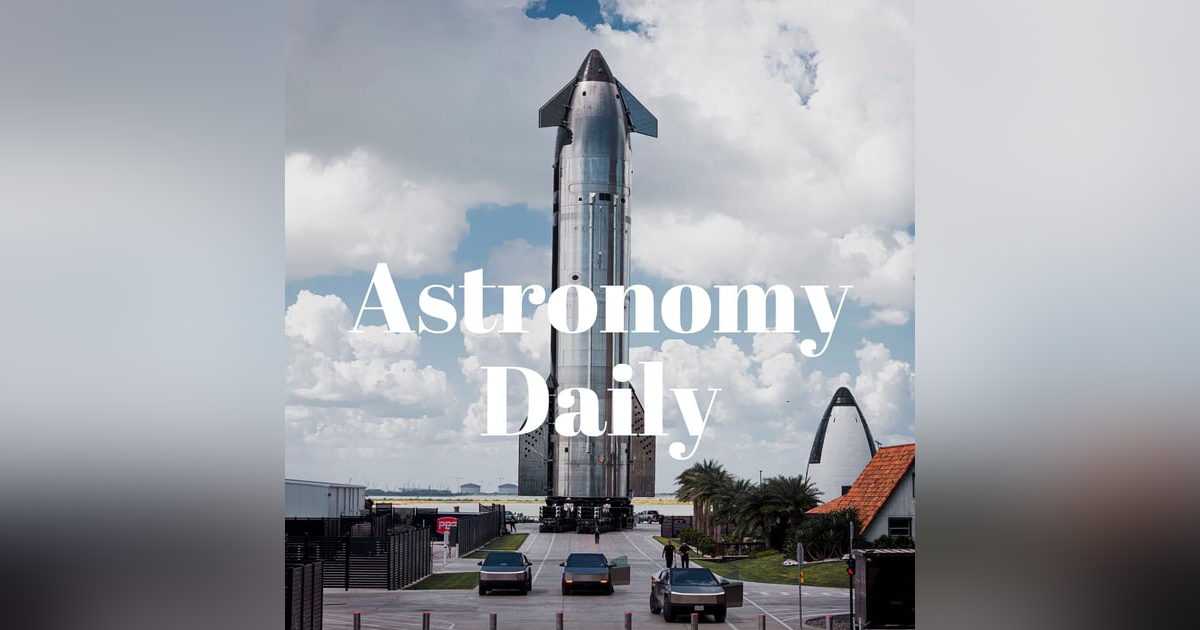


- SpaceX's Starship Flight 11: NASA spaceflight has reported that SpaceX is gearing up for Starship Flight 11, marking the final launch from Pad 1A in its current configuration. This mission will transition SpaceX to the advanced Block 3 designs, utilizing booster 152 and ship 38 to test engine redundancy and heat shield performance.
- Terraforming Mars Feasibility: A recent workshop summary suggests that advancements in launch costs, synthetic biology, and climate modeling have made the dream of terraforming Mars more feasible than ever. The proposed process includes warming the planet, introducing extremophiles, and eventually creating an oxygen-rich atmosphere for complex life.
- Discovery of Betel Buddy: Researchers have confirmed the existence of a companion star to Betelgeuse, affectionately named Betel Buddy. This discovery, utilizing advanced instruments like the Hubble Telescope, sheds light on the mysterious dimming cycles of Betelgeuse and challenges existing binary star formation theories.
- Microbial Resilience in Space: A groundbreaking study from RMIT University reveals that Bacillus subtilis spores can survive the extreme conditions of spaceflight, demonstrating resilience that could support astronaut health and sustainable life support systems on long-duration missions to the Moon and Mars.
- Mysterious Sounds in Space: The Daily Galaxy revisits the eerie knocking sounds reported by China's first astronaut, Jingle during his 2003 mission. These sounds, described as akin to a wooden hammer, have been echoed by other astronauts and remain an unsolved mystery in the realm of space exploration.
- For more cosmic updates, visit our website at astronomydaily.io. Join our community on social media by searching for #AstroDailyPod on Facebook, X, YouTubeMusic, TikTok, and our new Instagram account! Don’t forget to subscribe to the podcast on Apple Podcasts, Spotify, iHeartRadio, or wherever you get your podcasts.
- Thank you for tuning in. This is Anna and Avery signing off. Until next time, keep looking up and exploring the wonders of our universe.
Starship Flight 11 Details
[NASA Spaceflight](https://www.nasaspaceflight.com/)
Terraforming Mars Insights
[Universe Today](https://www.universetoday.com/)
Betel Buddy Discovery
[Carnegie Mellon University](https://www.cmu.edu/)
Microbial Resilience Study
[RMIT University](https://www.rmit.edu.au/)
Mysterious Sounds in Space
[The Daily Galaxy](https://www.dailygalaxy.com/)
Astronomy Daily
[Astronomy Daily](http://www.astronomydaily.io/)
Become a supporter of this podcast: https://www.spreaker.com/podcast/astronomy-daily-space-news-updates--5648921/support.
Sponsor Details:
Ensure your online privacy by using NordVPN. To get our special listener deal and save a lot of money, visit www.bitesz.com/nordvpn. You'll be glad you did!
Become a supporter of Astronomy Daily by joining our Supporters Club. Commercial free episodes daily are only a click way... Click Here
WEBVTT
0
00:00:01.360 --> 00:00:03.760
Avery: Welcome to Astronomy Daily, your cosmic
1
00:00:03.760 --> 00:00:05.720
compass guiding us through the latest in
2
00:00:05.720 --> 00:00:08.160
space exploration and celestial discoveries.
3
00:00:08.480 --> 00:00:10.680
I'm Avery, and it's fantastic to have you
4
00:00:10.680 --> 00:00:11.440
joining us today.
5
00:00:11.760 --> 00:00:14.640
Anna: And I'm Anna. We've got an absolutely
6
00:00:14.640 --> 00:00:17.200
packed show lined up, delving into everything
7
00:00:17.280 --> 00:00:20.120
from groundbreaking starship developments to
8
00:00:20.120 --> 00:00:23.040
the ambitious idea of, uh, terraforming Mars.
9
00:00:23.120 --> 00:00:25.360
And even some truly bizarre and
10
00:00:25.360 --> 00:00:27.840
mysterious sounds reported from orbit.
11
00:00:28.080 --> 00:00:30.280
Avery: It's going to be a captivating journey
12
00:00:30.280 --> 00:00:31.840
through the universe's headlines.
13
00:00:32.220 --> 00:00:33.900
Let's kick things off with some big news from
14
00:00:33.900 --> 00:00:36.820
SpaceX. NASA spaceflight has published an
15
00:00:36.820 --> 00:00:39.380
intriguing article discussing Starship Flight
16
00:00:39.380 --> 00:00:42.140
11, which is slated to be the final Launch
17
00:00:42.140 --> 00:00:45.060
utilizing Pad 1A in its current
18
00:00:45.060 --> 00:00:47.979
operational configuration. This truly signals
19
00:00:47.979 --> 00:00:50.700
a major turning point for SpaceX's Starship
20
00:00:50.700 --> 00:00:51.020
program.
21
00:00:51.660 --> 00:00:54.060
Anna: Wow, that's a significant milestone, isn't
22
00:00:54.060 --> 00:00:57.060
it? So this specific pad has been
23
00:00:57.060 --> 00:00:59.060
a workhorse, and now it's getting a
24
00:00:59.060 --> 00:00:59.740
retirement.
25
00:00:59.740 --> 00:01:02.560
Avery: Of sorts of you could say that it marks the
26
00:01:02.560 --> 00:01:05.560
culmination of the block one and two vehicle
27
00:01:05.560 --> 00:01:07.640
flight tests. After this mission, we're
28
00:01:07.640 --> 00:01:09.440
transitioning fully to the more advanced
29
00:01:09.440 --> 00:01:12.280
block three designs. The powerful Raptor 3
30
00:01:12.280 --> 00:01:14.840
engines, and a completely new optimized
31
00:01:14.840 --> 00:01:17.320
launch pad design. It's an evolution in real
32
00:01:17.320 --> 00:01:17.680
time.
33
00:01:17.840 --> 00:01:20.720
Anna: Block 3, Raptor 3 and a new
34
00:01:20.720 --> 00:01:22.960
pad. That's a lot of upgrades all at once.
35
00:01:23.600 --> 00:01:26.120
What are the specific vehicles they're using
36
00:01:26.120 --> 00:01:26.960
for flight 11?
37
00:01:27.730 --> 00:01:29.722
Avery: For this mission, we're looking at booster
38
00:01:29.898 --> 00:01:32.290
152 and ship 38.
39
00:01:32.610 --> 00:01:35.090
Both have histories of successful testing and
40
00:01:35.090 --> 00:01:37.130
impressive performance, so it's fitting
41
00:01:37.130 --> 00:01:39.010
they're taking on this final Block two
42
00:01:39.010 --> 00:01:39.410
mission.
43
00:01:39.570 --> 00:01:42.250
Anna: Okay, so proven vehicles for a
44
00:01:42.250 --> 00:01:44.890
pivotal flight. What exactly are they hoping
45
00:01:44.890 --> 00:01:46.770
to achieve with this particular launch?
46
00:01:46.850 --> 00:01:48.490
Beyond just getting off the ground, of
47
00:01:48.490 --> 00:01:48.770
course.
48
00:01:49.010 --> 00:01:51.490
Avery: Well, the primary objectives are critical for
49
00:01:51.490 --> 00:01:54.050
the next iteration. They're heavily focusing
50
00:01:54.050 --> 00:01:56.730
on testing engine redundancy for the Block
51
00:01:56.730 --> 00:01:59.390
three vehicles, ensuring that Starship can
52
00:01:59.390 --> 00:02:02.190
withstand engine failures during ascent. And
53
00:02:02.190 --> 00:02:04.270
crucially, they're gathering more data on
54
00:02:04.270 --> 00:02:06.990
heat shield tile performance during RE entry,
55
00:02:07.070 --> 00:02:09.150
which is vital for safe and reusable
56
00:02:09.150 --> 00:02:09.710
operations.
57
00:02:10.030 --> 00:02:12.630
Anna: Engine redundancy and heat shield
58
00:02:12.630 --> 00:02:14.990
performance, those are absolutely key for
59
00:02:14.990 --> 00:02:17.470
reliability and reusability, especially
60
00:02:17.630 --> 00:02:19.310
for future crewed missions.
61
00:02:19.710 --> 00:02:21.950
Avery: Absolutely. Every flight is a learning
62
00:02:21.950 --> 00:02:24.030
opportunity. And this one is designed to
63
00:02:24.030 --> 00:02:26.310
maximize data collection for the path
64
00:02:26.310 --> 00:02:28.950
forward. And a target launch date, for those
65
00:02:28.950 --> 00:02:30.750
of you wanting to watch history in the making
66
00:02:30.750 --> 00:02:32.250
is October 13th.
67
00:02:32.330 --> 00:02:34.730
Anna: So anytime now, definitely mark your
68
00:02:34.730 --> 00:02:36.610
calendars for that one. It sounds like the
69
00:02:36.610 --> 00:02:39.010
end of one chapter and the exciting beginning
70
00:02:39.010 --> 00:02:41.810
of another. From the very near future of
71
00:02:41.810 --> 00:02:44.410
spaceflight, let's cast our gaze far,
72
00:02:44.650 --> 00:02:47.130
far into the future with A ah, truly
73
00:02:47.210 --> 00:02:49.370
captivating piece from Universe today.
74
00:02:49.690 --> 00:02:51.930
Could we really turn Mars green?
75
00:02:52.410 --> 00:02:54.610
Avery: Mars terraforming has always felt like the
76
00:02:54.610 --> 00:02:57.120
ultimate sci fi dream. Or perhaps a uh,
77
00:02:57.130 --> 00:02:58.970
distant impossible fantasy.
78
00:02:59.320 --> 00:03:02.080
Anna: It certainly did. But the article, based on a
79
00:03:02.080 --> 00:03:04.800
workshop summary by Dr. Erica de Benedictis
80
00:03:04.800 --> 00:03:07.800
from Pioneer Labs, proposes that with recent
81
00:03:07.960 --> 00:03:10.840
staggering advancements, terraforming Mars
82
00:03:10.840 --> 00:03:13.160
has shifted from impossible to
83
00:03:13.240 --> 00:03:15.000
merely very difficult.
84
00:03:15.400 --> 00:03:18.120
Avery: Merely very difficult is a huge leap.
85
00:03:18.200 --> 00:03:20.200
What are these advancements that are changing
86
00:03:20.200 --> 00:03:20.680
the game?
87
00:03:20.920 --> 00:03:23.760
Anna: She points to three key areas. Plummeting
88
00:03:23.760 --> 00:03:26.160
launch costs, largely thanks to innovators
89
00:03:26.160 --> 00:03:28.680
like SpaceX and their Starship program,
90
00:03:29.460 --> 00:03:31.540
significant breakthroughs in synthetic
91
00:03:31.540 --> 00:03:34.300
biology and much more sophisticated
92
00:03:34.300 --> 00:03:36.940
climate modeling. These combined factors
93
00:03:36.940 --> 00:03:38.420
create a new feasibility.
94
00:03:38.900 --> 00:03:41.780
Avery: So cheaper access to space, better ways to
95
00:03:41.780 --> 00:03:44.540
engineer life, and clearer understanding of
96
00:03:44.540 --> 00:03:46.740
how planetary systems work. That makes a
97
00:03:46.740 --> 00:03:47.620
compelling argument.
98
00:03:47.700 --> 00:03:50.580
Anna: Exactly. The process would involve several
99
00:03:50.660 --> 00:03:53.540
phases. The first would be warming the planet
100
00:03:53.540 --> 00:03:56.380
using aerosols and greenhouse gases. The
101
00:03:56.380 --> 00:03:59.300
goal here is to melt the polar ice caps and
102
00:03:59.300 --> 00:04:02.160
subsurface ice, which would release vast
103
00:04:02.160 --> 00:04:04.240
amounts of liquid water onto the surface.
104
00:04:04.320 --> 00:04:06.800
Avery: Melting the ice to get liquid water. That's
105
00:04:06.800 --> 00:04:09.440
foundational. Then what? Introduce plants.
106
00:04:09.840 --> 00:04:12.840
Anna: Not immediately plants, but microbial
107
00:04:12.840 --> 00:04:15.840
life, specifically extremophiles,
108
00:04:16.160 --> 00:04:18.800
organisms that thrive in harsh conditions.
109
00:04:19.520 --> 00:04:22.080
These microbes would begin the critical work
110
00:04:22.080 --> 00:04:24.680
of atmospheric transformation through
111
00:04:24.680 --> 00:04:27.560
photosynthesis, slowly converting the
112
00:04:27.560 --> 00:04:28.720
Martian atmosphere.
113
00:04:29.130 --> 00:04:31.610
Avery: Mm mhm. A biological engine for
114
00:04:31.610 --> 00:04:34.250
atmospheric change. That's ingenious.
115
00:04:34.730 --> 00:04:37.690
And eventually an oxygen rich atmosphere
116
00:04:37.690 --> 00:04:39.130
for more complex life.
117
00:04:39.930 --> 00:04:42.530
Anna: Precisely. The long term vision is an
118
00:04:42.530 --> 00:04:45.209
atmosphere capable of sustaining complex
119
00:04:45.210 --> 00:04:47.730
life, potentially starting with domed
120
00:04:47.730 --> 00:04:50.730
habitats as stepping stones. It's a multi
121
00:04:50.730 --> 00:04:53.090
century project, but the theoretical
122
00:04:53.090 --> 00:04:55.290
framework is increasingly robust.
123
00:04:56.160 --> 00:04:58.360
Avery: It also brings up serious ethical
124
00:04:58.360 --> 00:05:01.280
considerations. Should we as a species
125
00:05:01.520 --> 00:05:04.440
fundamentally alter another planet, even
126
00:05:04.440 --> 00:05:06.000
if it's for human expansion?
127
00:05:06.480 --> 00:05:09.280
Anna: Absolutely. Those ethical discussions
128
00:05:09.280 --> 00:05:12.000
are a crucial part of the debate. Alongside
129
00:05:12.000 --> 00:05:14.400
the practical benefits like pioneering
130
00:05:14.400 --> 00:05:17.120
technologies that could also help solve
131
00:05:17.120 --> 00:05:19.280
environmental challenges here on Earth.
132
00:05:19.920 --> 00:05:22.720
Avery: Moving from hypothetical Martian futures
133
00:05:22.720 --> 00:05:25.680
to a very real, very bright star in our night
134
00:05:25.680 --> 00:05:28.020
sky, Betelgeuse. This red
135
00:05:28.020 --> 00:05:30.500
supergiant has been full of surprises. And
136
00:05:30.500 --> 00:05:32.700
Universe Today has just reported on another
137
00:05:32.780 --> 00:05:34.220
incredible discovery.
138
00:05:34.540 --> 00:05:37.420
Anna: Betelgeuse. The star that had us all
139
00:05:37.420 --> 00:05:40.060
on edge a few years ago, wondering if it was
140
00:05:40.060 --> 00:05:42.860
about to go supernova, suddenly dimming
141
00:05:42.860 --> 00:05:43.820
so dramatically.
142
00:05:44.220 --> 00:05:47.180
Avery: That's the one. It turns out researchers have
143
00:05:47.180 --> 00:05:49.580
finally confirmed the existence of a secret
144
00:05:49.660 --> 00:05:52.340
companion star to Betelgeuse. They've
145
00:05:52.340 --> 00:05:54.930
affectionately and quite aptly nicknamed it
146
00:05:55.160 --> 00:05:55.880
Betal Buddy.
147
00:05:56.200 --> 00:05:59.160
Anna: Bettle Buddy. That's wonderful. I mean,
148
00:05:59.400 --> 00:06:02.000
trying to spot a companion next to a red
149
00:06:02.000 --> 00:06:04.920
supergiant that huge and bright must
150
00:06:04.920 --> 00:06:06.520
have been an immense challenge.
151
00:06:06.840 --> 00:06:09.480
Avery: An incredible challenge indeed. A team from
152
00:06:09.480 --> 00:06:11.960
Carnegie Mellon University led by Anna O',
153
00:06:11.960 --> 00:06:14.360
Grady utilized some of our most advanced
154
00:06:14.360 --> 00:06:17.240
instruments. NASA's Chandra X Ray Observatory
155
00:06:17.480 --> 00:06:19.840
and the venerable Hubble Telescope, to
156
00:06:19.840 --> 00:06:20.840
confirm its existence.
157
00:06:21.690 --> 00:06:24.570
Anna: X rays and visible light. Smart.
158
00:06:25.050 --> 00:06:28.050
So how big is this Betel Buddy and what
159
00:06:28.050 --> 00:06:30.970
does its discovery tell us about Betelgeuse
160
00:06:30.970 --> 00:06:31.370
itself?
161
00:06:32.010 --> 00:06:34.690
Avery: Betel Buddy is a relatively young stellar
162
00:06:34.690 --> 00:06:37.530
object, surprisingly roughly the size of our
163
00:06:37.530 --> 00:06:40.210
own Sun. Its presence is now theorized to be
164
00:06:40.210 --> 00:06:42.330
the key to understanding Betelgeuse's
165
00:06:42.330 --> 00:06:45.050
puzzling six year cycle of brightening and
166
00:06:45.050 --> 00:06:45.530
dimming.
167
00:06:45.770 --> 00:06:48.730
Anna: Ah. Uh, so it's not just a coincidence
168
00:06:49.130 --> 00:06:51.770
the companion affects the supergiant.
169
00:06:52.410 --> 00:06:55.010
Avery: Exactly. The prevailing theory is that Betel
170
00:06:55.010 --> 00:06:57.410
Buddy is gravitationally interacting with
171
00:06:57.410 --> 00:07:00.010
Betelgeuse in a way that periodically clears
172
00:07:00.010 --> 00:07:02.570
away vast clouds of light blocking dust
173
00:07:02.810 --> 00:07:05.410
that surround a larger star. That dust is
174
00:07:05.410 --> 00:07:07.210
what caused the dimming we observed.
175
00:07:07.610 --> 00:07:10.330
Anna: Wow. So it's essentially acting like a
176
00:07:10.330 --> 00:07:13.130
cosmic dust bunny sweeper. That makes
177
00:07:13.130 --> 00:07:15.490
so much more sense than some random stellar
178
00:07:15.490 --> 00:07:16.810
event causing the dimming.
179
00:07:17.210 --> 00:07:19.930
Avery: A cosmic dust sweeper. I love that. And
180
00:07:19.930 --> 00:07:22.170
what's really fascinating is this discovery
181
00:07:22.170 --> 00:07:24.550
also presents a significant challenge to
182
00:07:24.550 --> 00:07:27.470
current binary star formation models is that
183
00:07:27.470 --> 00:07:27.670
because.
184
00:07:27.670 --> 00:07:29.990
Anna: Of the vast difference in their masses,
185
00:07:30.310 --> 00:07:32.870
Betelgeuse is what, like 16
186
00:07:33.030 --> 00:07:35.670
or 17 times the mass of our own Sun?
187
00:07:36.070 --> 00:07:38.790
Avery: Spot on. We're talking 16 to 17
188
00:07:39.110 --> 00:07:41.630
solar masses for Betelgeuse, compared to
189
00:07:41.630 --> 00:07:44.510
roughly one solar mass for Betel Buddy. That
190
00:07:44.510 --> 00:07:47.350
vast mass ratio simply doesn't align
191
00:07:47.350 --> 00:07:50.070
neatly with existing theories of how binary
192
00:07:50.070 --> 00:07:52.230
star systems like this are supposed to form.
193
00:07:53.100 --> 00:07:55.460
Anna: So it's not just solving a mystery about
194
00:07:55.460 --> 00:07:58.420
Betelgeuse, but potentially rewriting a bit
195
00:07:58.420 --> 00:08:00.540
of our understanding of stellar evolution.
196
00:08:01.100 --> 00:08:01.740
Incredible.
197
00:08:02.380 --> 00:08:04.460
Let's shift our focus now to something
198
00:08:04.700 --> 00:08:06.900
absolutely vital for the future of human
199
00:08:06.900 --> 00:08:09.660
space exploration. And it involves some of
200
00:08:09.660 --> 00:08:12.500
the smallest, yet most resilient forms of
201
00:08:12.500 --> 00:08:15.380
life. Space.com has some incredibly
202
00:08:15.380 --> 00:08:17.180
good news for future astronauts.
203
00:08:17.660 --> 00:08:20.220
Avery: Ooh. Good news is always welcome, especially
204
00:08:20.380 --> 00:08:22.460
when it concerns the health of our space
205
00:08:22.460 --> 00:08:23.100
travelers.
206
00:08:23.670 --> 00:08:26.630
Anna: It definitely is. The research conducted
207
00:08:26.630 --> 00:08:29.510
by RMIT University confirms that
208
00:08:29.510 --> 00:08:32.190
microbes essential for human health can
209
00:08:32.190 --> 00:08:34.710
actually survive the intense stress of
210
00:08:34.710 --> 00:08:36.950
spaceflight. They sense spores of
211
00:08:36.950 --> 00:08:39.509
Bacillus subtilis, a common
212
00:08:39.509 --> 00:08:41.790
bacterium vital for our gut health and
213
00:08:41.790 --> 00:08:44.430
general well being on a sounding rocket
214
00:08:44.430 --> 00:08:44.790
flight.
215
00:08:45.350 --> 00:08:48.230
Avery: So our tiny biological co pilots, these
216
00:08:48.230 --> 00:08:50.990
Bacillus subtilis spores, were
217
00:08:50.990 --> 00:08:53.070
deliberately put through the ring of a rocket
218
00:08:53.070 --> 00:08:53.350
launch.
219
00:08:54.130 --> 00:08:56.730
Anna: Exactly. And the results are hugely
220
00:08:56.730 --> 00:08:58.890
encouraging. The study found these
221
00:08:58.890 --> 00:09:01.090
microscopic spores could withstand
222
00:09:01.330 --> 00:09:04.050
extreme accelerations up to 13
223
00:09:04.370 --> 00:09:06.290
times Earth's gravity during launch,
224
00:09:06.770 --> 00:09:09.490
survive the microgravity conditions of space
225
00:09:09.970 --> 00:09:12.810
and then endure harsh decelerations of up
226
00:09:12.810 --> 00:09:15.370
to 30G during reentry into the
227
00:09:15.370 --> 00:09:15.970
atmosphere.
228
00:09:16.210 --> 00:09:18.690
Avery: 13G'S and 30G's. That's
229
00:09:18.690 --> 00:09:20.730
astounding. Those are forces that would
230
00:09:20.730 --> 00:09:22.210
absolutely crush a human.
231
00:09:23.130 --> 00:09:25.930
Anna: Precisely. And despite all that,
232
00:09:26.010 --> 00:09:28.570
the spores showed no physical damage
233
00:09:28.650 --> 00:09:31.490
and remarkably grew normally once
234
00:09:31.490 --> 00:09:34.090
they returned to Earth. This is monumental
235
00:09:34.250 --> 00:09:37.130
because it's the first study to test bacteria
236
00:09:37.290 --> 00:09:39.970
in actual real world spaceflight
237
00:09:39.970 --> 00:09:42.410
conditions, not just simulations.
238
00:09:42.810 --> 00:09:45.530
Avery: Wow, that really changes the game for long
239
00:09:45.530 --> 00:09:46.970
duration missions, doesn't it?
240
00:09:47.370 --> 00:09:50.130
Anna: It offers immense hope. This kind of
241
00:09:50.130 --> 00:09:52.330
resilience is crucial for maintaining
242
00:09:52.330 --> 00:09:54.320
astronaut health on those arduous journey
243
00:09:54.390 --> 00:09:57.110
journeys to the Moon and Mars. Imagine being
244
00:09:57.110 --> 00:09:59.910
able to rely on these robust microbes for
245
00:09:59.910 --> 00:10:02.910
various biological processes needed to keep a
246
00:10:02.910 --> 00:10:03.750
crew healthy.
247
00:10:04.070 --> 00:10:06.230
Avery: And, um, not just health, but it could also
248
00:10:06.230 --> 00:10:08.670
be a cornerstone for developing truly
249
00:10:08.670 --> 00:10:10.870
sustainable life support systems in space.
250
00:10:10.950 --> 00:10:13.790
Right. If these tiny workhorses can
251
00:10:13.790 --> 00:10:16.550
endure the journey, they could help process
252
00:10:16.630 --> 00:10:18.310
waste to generate oxygen.
253
00:10:18.950 --> 00:10:21.750
Anna: Absolutely. It points towards a future where
254
00:10:21.750 --> 00:10:24.470
our journey into deep space isn't just about
255
00:10:24.470 --> 00:10:26.850
rockets and hardware, but also about
256
00:10:26.850 --> 00:10:29.530
integrating living systems that can thrive
257
00:10:29.530 --> 00:10:30.450
alongside us.
258
00:10:31.010 --> 00:10:33.690
Avery: Now let's turn our attention to something a
259
00:10:33.690 --> 00:10:35.930
little more mysterious, perhaps even
260
00:10:35.930 --> 00:10:38.530
unsettling. From the annals of space history.
261
00:10:39.010 --> 00:10:41.730
The Daily Galaxy revisits the strange
262
00:10:41.730 --> 00:10:44.290
experience of China's first astronaut, Yang
263
00:10:44.290 --> 00:10:44.930
Liwei.
264
00:10:45.250 --> 00:10:48.130
Anna: Oh, I think I remember hearing about this. He
265
00:10:48.130 --> 00:10:51.050
heard a strange noise, didn't he? Alone
266
00:10:51.050 --> 00:10:53.730
in space, hearing something unexpected
267
00:10:54.530 --> 00:10:55.650
that gives me chills.
268
00:10:56.050 --> 00:10:58.650
Avery: It's truly a chilling account. During his
269
00:10:58.650 --> 00:11:01.170
Shenzhou 5 mission in 2003,
270
00:11:01.490 --> 00:11:04.250
Yang Liwei reported hearing unexplained
271
00:11:04.250 --> 00:11:07.010
knocking sounds. He vividly described it
272
00:11:07.010 --> 00:11:09.050
like someone was hitting the body of the
273
00:11:09.050 --> 00:11:10.930
spaceship with a wooden hammer.
274
00:11:11.330 --> 00:11:14.290
Anna: A wooden hammer that's so distinct.
275
00:11:14.770 --> 00:11:17.170
Not just a creak or a pop, but a
276
00:11:17.170 --> 00:11:18.370
deliberate knocking.
277
00:11:18.770 --> 00:11:21.730
Avery: Exactly. What makes it even stranger is that
278
00:11:21.730 --> 00:11:23.650
other Chinese astronauts have reported
279
00:11:23.890 --> 00:11:26.750
similar occurrences on subsequent missions.
280
00:11:26.910 --> 00:11:28.670
It's not an isolated incident.
281
00:11:29.150 --> 00:11:31.830
Anna: Other astronauts too. That really
282
00:11:31.830 --> 00:11:32.910
deepens the mystery.
283
00:11:33.150 --> 00:11:35.790
Avery: It does. And it brings to mind other
284
00:11:35.790 --> 00:11:38.110
famous unexplained sounds. Like the space
285
00:11:38.110 --> 00:11:40.510
music heard by Apollo 11 astronauts.
286
00:11:41.390 --> 00:11:43.630
So what are the leading theories for this
287
00:11:43.630 --> 00:11:44.430
knocking sound?
288
00:11:44.830 --> 00:11:47.510
Anna: I'd imagine thermal expansion and
289
00:11:47.510 --> 00:11:50.470
contraction of the spacecraft. Materials that
290
00:11:50.470 --> 00:11:52.510
always makes strange noises or
291
00:11:53.140 --> 00:11:54.900
micrometeoroid impacts.
292
00:11:55.460 --> 00:11:57.580
Avery: Those are indeed the primary scientific
293
00:11:57.580 --> 00:12:00.380
explanations. Thermal stress as the
294
00:12:00.380 --> 00:12:02.900
spacecraft expands and contracts in extreme
295
00:12:02.900 --> 00:12:05.540
temperature shifts. Or the impact of
296
00:12:05.540 --> 00:12:08.100
tiny dust particles or micrometeoroids.
297
00:12:08.659 --> 00:12:11.180
But Yang Liwei and others felt these
298
00:12:11.180 --> 00:12:13.980
theories didn't fully explain the consistent
299
00:12:13.980 --> 00:12:16.380
and distinct nature of the wooden hammer
300
00:12:16.380 --> 00:12:16.740
sound.
301
00:12:17.300 --> 00:12:20.100
Anna: It's the consistency and the specific
302
00:12:20.100 --> 00:12:22.220
timbre of the sound that makes it so
303
00:12:22.220 --> 00:12:25.000
perplexing, it suggests something more than
304
00:12:25.000 --> 00:12:27.040
just random physical processes.
305
00:12:27.440 --> 00:12:29.960
Avery: The article also broadens the discussion to
306
00:12:29.960 --> 00:12:32.720
remind us that space isn't truly silent.
307
00:12:33.200 --> 00:12:35.680
We've recorded electromagnetic signals,
308
00:12:35.840 --> 00:12:38.840
plasma waves with probes like NASA's Van
309
00:12:38.840 --> 00:12:41.600
Allen, and even audio from Jupiter's moon
310
00:12:41.600 --> 00:12:43.440
Ganymede by the Juno probe.
311
00:12:44.000 --> 00:12:46.720
Anna: So space is full of sounds,
312
00:12:46.880 --> 00:12:49.600
just not always the kind we expect or, uh,
313
00:12:49.600 --> 00:12:52.040
can directly hear. But that
314
00:12:52.040 --> 00:12:54.360
specific noggin sound from inside the
315
00:12:54.360 --> 00:12:57.200
capsule, it really remains one of those
316
00:12:57.200 --> 00:12:58.960
enduring space enigmas.
317
00:12:59.440 --> 00:13:02.400
Avery: Precisely. It's a testament to the fact
318
00:13:02.480 --> 00:13:05.040
that even with all our technological
319
00:13:05.040 --> 00:13:08.040
advancements, space still holds secrets
320
00:13:08.040 --> 00:13:09.840
that can truly baffle us.
321
00:13:10.480 --> 00:13:13.120
Anna: And that brings us to the end of another
322
00:13:13.360 --> 00:13:16.000
captivating episode of Astronomy
323
00:13:16.000 --> 00:13:18.720
Daily. From the ambitious future of
324
00:13:18.720 --> 00:13:21.600
starship and terraforming Mars to the
325
00:13:21.600 --> 00:13:24.600
cosmic ballet of Betelgeuse and those
326
00:13:24.600 --> 00:13:27.360
mysterious space knocks, it's been
327
00:13:27.360 --> 00:13:28.600
a stellar show.
328
00:13:29.480 --> 00:13:32.200
Avery: It truly has. Anna. Thank you all for
329
00:13:32.200 --> 00:13:34.440
joining us on this exploration of the
330
00:13:34.440 --> 00:13:37.000
universe's latest and greatest happenings.
331
00:13:37.960 --> 00:13:40.800
Anna: We hope you found today's news as fascinating
332
00:13:40.800 --> 00:13:43.520
as we did. Don't forget to look up tonight
333
00:13:43.520 --> 00:13:46.280
and marvel at the endless wonders above.
334
00:13:47.330 --> 00:13:49.650
Avery: We'll be back tomorrow with more cosmic
335
00:13:49.650 --> 00:13:52.530
insights and space stories. Until then,
336
00:13:52.770 --> 00:13:55.330
keep your eyes on the stars and keep
337
00:13:55.330 --> 00:13:55.970
exploring.
0
00:00:01.360 --> 00:00:03.760
Avery: Welcome to Astronomy Daily, your cosmic
1
00:00:03.760 --> 00:00:05.720
compass guiding us through the latest in
2
00:00:05.720 --> 00:00:08.160
space exploration and celestial discoveries.
3
00:00:08.480 --> 00:00:10.680
I'm Avery, and it's fantastic to have you
4
00:00:10.680 --> 00:00:11.440
joining us today.
5
00:00:11.760 --> 00:00:14.640
Anna: And I'm Anna. We've got an absolutely
6
00:00:14.640 --> 00:00:17.200
packed show lined up, delving into everything
7
00:00:17.280 --> 00:00:20.120
from groundbreaking starship developments to
8
00:00:20.120 --> 00:00:23.040
the ambitious idea of, uh, terraforming Mars.
9
00:00:23.120 --> 00:00:25.360
And even some truly bizarre and
10
00:00:25.360 --> 00:00:27.840
mysterious sounds reported from orbit.
11
00:00:28.080 --> 00:00:30.280
Avery: It's going to be a captivating journey
12
00:00:30.280 --> 00:00:31.840
through the universe's headlines.
13
00:00:32.220 --> 00:00:33.900
Let's kick things off with some big news from
14
00:00:33.900 --> 00:00:36.820
SpaceX. NASA spaceflight has published an
15
00:00:36.820 --> 00:00:39.380
intriguing article discussing Starship Flight
16
00:00:39.380 --> 00:00:42.140
11, which is slated to be the final Launch
17
00:00:42.140 --> 00:00:45.060
utilizing Pad 1A in its current
18
00:00:45.060 --> 00:00:47.979
operational configuration. This truly signals
19
00:00:47.979 --> 00:00:50.700
a major turning point for SpaceX's Starship
20
00:00:50.700 --> 00:00:51.020
program.
21
00:00:51.660 --> 00:00:54.060
Anna: Wow, that's a significant milestone, isn't
22
00:00:54.060 --> 00:00:57.060
it? So this specific pad has been
23
00:00:57.060 --> 00:00:59.060
a workhorse, and now it's getting a
24
00:00:59.060 --> 00:00:59.740
retirement.
25
00:00:59.740 --> 00:01:02.560
Avery: Of sorts of you could say that it marks the
26
00:01:02.560 --> 00:01:05.560
culmination of the block one and two vehicle
27
00:01:05.560 --> 00:01:07.640
flight tests. After this mission, we're
28
00:01:07.640 --> 00:01:09.440
transitioning fully to the more advanced
29
00:01:09.440 --> 00:01:12.280
block three designs. The powerful Raptor 3
30
00:01:12.280 --> 00:01:14.840
engines, and a completely new optimized
31
00:01:14.840 --> 00:01:17.320
launch pad design. It's an evolution in real
32
00:01:17.320 --> 00:01:17.680
time.
33
00:01:17.840 --> 00:01:20.720
Anna: Block 3, Raptor 3 and a new
34
00:01:20.720 --> 00:01:22.960
pad. That's a lot of upgrades all at once.
35
00:01:23.600 --> 00:01:26.120
What are the specific vehicles they're using
36
00:01:26.120 --> 00:01:26.960
for flight 11?
37
00:01:27.730 --> 00:01:29.722
Avery: For this mission, we're looking at booster
38
00:01:29.898 --> 00:01:32.290
152 and ship 38.
39
00:01:32.610 --> 00:01:35.090
Both have histories of successful testing and
40
00:01:35.090 --> 00:01:37.130
impressive performance, so it's fitting
41
00:01:37.130 --> 00:01:39.010
they're taking on this final Block two
42
00:01:39.010 --> 00:01:39.410
mission.
43
00:01:39.570 --> 00:01:42.250
Anna: Okay, so proven vehicles for a
44
00:01:42.250 --> 00:01:44.890
pivotal flight. What exactly are they hoping
45
00:01:44.890 --> 00:01:46.770
to achieve with this particular launch?
46
00:01:46.850 --> 00:01:48.490
Beyond just getting off the ground, of
47
00:01:48.490 --> 00:01:48.770
course.
48
00:01:49.010 --> 00:01:51.490
Avery: Well, the primary objectives are critical for
49
00:01:51.490 --> 00:01:54.050
the next iteration. They're heavily focusing
50
00:01:54.050 --> 00:01:56.730
on testing engine redundancy for the Block
51
00:01:56.730 --> 00:01:59.390
three vehicles, ensuring that Starship can
52
00:01:59.390 --> 00:02:02.190
withstand engine failures during ascent. And
53
00:02:02.190 --> 00:02:04.270
crucially, they're gathering more data on
54
00:02:04.270 --> 00:02:06.990
heat shield tile performance during RE entry,
55
00:02:07.070 --> 00:02:09.150
which is vital for safe and reusable
56
00:02:09.150 --> 00:02:09.710
operations.
57
00:02:10.030 --> 00:02:12.630
Anna: Engine redundancy and heat shield
58
00:02:12.630 --> 00:02:14.990
performance, those are absolutely key for
59
00:02:14.990 --> 00:02:17.470
reliability and reusability, especially
60
00:02:17.630 --> 00:02:19.310
for future crewed missions.
61
00:02:19.710 --> 00:02:21.950
Avery: Absolutely. Every flight is a learning
62
00:02:21.950 --> 00:02:24.030
opportunity. And this one is designed to
63
00:02:24.030 --> 00:02:26.310
maximize data collection for the path
64
00:02:26.310 --> 00:02:28.950
forward. And a target launch date, for those
65
00:02:28.950 --> 00:02:30.750
of you wanting to watch history in the making
66
00:02:30.750 --> 00:02:32.250
is October 13th.
67
00:02:32.330 --> 00:02:34.730
Anna: So anytime now, definitely mark your
68
00:02:34.730 --> 00:02:36.610
calendars for that one. It sounds like the
69
00:02:36.610 --> 00:02:39.010
end of one chapter and the exciting beginning
70
00:02:39.010 --> 00:02:41.810
of another. From the very near future of
71
00:02:41.810 --> 00:02:44.410
spaceflight, let's cast our gaze far,
72
00:02:44.650 --> 00:02:47.130
far into the future with A ah, truly
73
00:02:47.210 --> 00:02:49.370
captivating piece from Universe today.
74
00:02:49.690 --> 00:02:51.930
Could we really turn Mars green?
75
00:02:52.410 --> 00:02:54.610
Avery: Mars terraforming has always felt like the
76
00:02:54.610 --> 00:02:57.120
ultimate sci fi dream. Or perhaps a uh,
77
00:02:57.130 --> 00:02:58.970
distant impossible fantasy.
78
00:02:59.320 --> 00:03:02.080
Anna: It certainly did. But the article, based on a
79
00:03:02.080 --> 00:03:04.800
workshop summary by Dr. Erica de Benedictis
80
00:03:04.800 --> 00:03:07.800
from Pioneer Labs, proposes that with recent
81
00:03:07.960 --> 00:03:10.840
staggering advancements, terraforming Mars
82
00:03:10.840 --> 00:03:13.160
has shifted from impossible to
83
00:03:13.240 --> 00:03:15.000
merely very difficult.
84
00:03:15.400 --> 00:03:18.120
Avery: Merely very difficult is a huge leap.
85
00:03:18.200 --> 00:03:20.200
What are these advancements that are changing
86
00:03:20.200 --> 00:03:20.680
the game?
87
00:03:20.920 --> 00:03:23.760
Anna: She points to three key areas. Plummeting
88
00:03:23.760 --> 00:03:26.160
launch costs, largely thanks to innovators
89
00:03:26.160 --> 00:03:28.680
like SpaceX and their Starship program,
90
00:03:29.460 --> 00:03:31.540
significant breakthroughs in synthetic
91
00:03:31.540 --> 00:03:34.300
biology and much more sophisticated
92
00:03:34.300 --> 00:03:36.940
climate modeling. These combined factors
93
00:03:36.940 --> 00:03:38.420
create a new feasibility.
94
00:03:38.900 --> 00:03:41.780
Avery: So cheaper access to space, better ways to
95
00:03:41.780 --> 00:03:44.540
engineer life, and clearer understanding of
96
00:03:44.540 --> 00:03:46.740
how planetary systems work. That makes a
97
00:03:46.740 --> 00:03:47.620
compelling argument.
98
00:03:47.700 --> 00:03:50.580
Anna: Exactly. The process would involve several
99
00:03:50.660 --> 00:03:53.540
phases. The first would be warming the planet
100
00:03:53.540 --> 00:03:56.380
using aerosols and greenhouse gases. The
101
00:03:56.380 --> 00:03:59.300
goal here is to melt the polar ice caps and
102
00:03:59.300 --> 00:04:02.160
subsurface ice, which would release vast
103
00:04:02.160 --> 00:04:04.240
amounts of liquid water onto the surface.
104
00:04:04.320 --> 00:04:06.800
Avery: Melting the ice to get liquid water. That's
105
00:04:06.800 --> 00:04:09.440
foundational. Then what? Introduce plants.
106
00:04:09.840 --> 00:04:12.840
Anna: Not immediately plants, but microbial
107
00:04:12.840 --> 00:04:15.840
life, specifically extremophiles,
108
00:04:16.160 --> 00:04:18.800
organisms that thrive in harsh conditions.
109
00:04:19.520 --> 00:04:22.080
These microbes would begin the critical work
110
00:04:22.080 --> 00:04:24.680
of atmospheric transformation through
111
00:04:24.680 --> 00:04:27.560
photosynthesis, slowly converting the
112
00:04:27.560 --> 00:04:28.720
Martian atmosphere.
113
00:04:29.130 --> 00:04:31.610
Avery: Mm mhm. A biological engine for
114
00:04:31.610 --> 00:04:34.250
atmospheric change. That's ingenious.
115
00:04:34.730 --> 00:04:37.690
And eventually an oxygen rich atmosphere
116
00:04:37.690 --> 00:04:39.130
for more complex life.
117
00:04:39.930 --> 00:04:42.530
Anna: Precisely. The long term vision is an
118
00:04:42.530 --> 00:04:45.209
atmosphere capable of sustaining complex
119
00:04:45.210 --> 00:04:47.730
life, potentially starting with domed
120
00:04:47.730 --> 00:04:50.730
habitats as stepping stones. It's a multi
121
00:04:50.730 --> 00:04:53.090
century project, but the theoretical
122
00:04:53.090 --> 00:04:55.290
framework is increasingly robust.
123
00:04:56.160 --> 00:04:58.360
Avery: It also brings up serious ethical
124
00:04:58.360 --> 00:05:01.280
considerations. Should we as a species
125
00:05:01.520 --> 00:05:04.440
fundamentally alter another planet, even
126
00:05:04.440 --> 00:05:06.000
if it's for human expansion?
127
00:05:06.480 --> 00:05:09.280
Anna: Absolutely. Those ethical discussions
128
00:05:09.280 --> 00:05:12.000
are a crucial part of the debate. Alongside
129
00:05:12.000 --> 00:05:14.400
the practical benefits like pioneering
130
00:05:14.400 --> 00:05:17.120
technologies that could also help solve
131
00:05:17.120 --> 00:05:19.280
environmental challenges here on Earth.
132
00:05:19.920 --> 00:05:22.720
Avery: Moving from hypothetical Martian futures
133
00:05:22.720 --> 00:05:25.680
to a very real, very bright star in our night
134
00:05:25.680 --> 00:05:28.020
sky, Betelgeuse. This red
135
00:05:28.020 --> 00:05:30.500
supergiant has been full of surprises. And
136
00:05:30.500 --> 00:05:32.700
Universe Today has just reported on another
137
00:05:32.780 --> 00:05:34.220
incredible discovery.
138
00:05:34.540 --> 00:05:37.420
Anna: Betelgeuse. The star that had us all
139
00:05:37.420 --> 00:05:40.060
on edge a few years ago, wondering if it was
140
00:05:40.060 --> 00:05:42.860
about to go supernova, suddenly dimming
141
00:05:42.860 --> 00:05:43.820
so dramatically.
142
00:05:44.220 --> 00:05:47.180
Avery: That's the one. It turns out researchers have
143
00:05:47.180 --> 00:05:49.580
finally confirmed the existence of a secret
144
00:05:49.660 --> 00:05:52.340
companion star to Betelgeuse. They've
145
00:05:52.340 --> 00:05:54.930
affectionately and quite aptly nicknamed it
146
00:05:55.160 --> 00:05:55.880
Betal Buddy.
147
00:05:56.200 --> 00:05:59.160
Anna: Bettle Buddy. That's wonderful. I mean,
148
00:05:59.400 --> 00:06:02.000
trying to spot a companion next to a red
149
00:06:02.000 --> 00:06:04.920
supergiant that huge and bright must
150
00:06:04.920 --> 00:06:06.520
have been an immense challenge.
151
00:06:06.840 --> 00:06:09.480
Avery: An incredible challenge indeed. A team from
152
00:06:09.480 --> 00:06:11.960
Carnegie Mellon University led by Anna O',
153
00:06:11.960 --> 00:06:14.360
Grady utilized some of our most advanced
154
00:06:14.360 --> 00:06:17.240
instruments. NASA's Chandra X Ray Observatory
155
00:06:17.480 --> 00:06:19.840
and the venerable Hubble Telescope, to
156
00:06:19.840 --> 00:06:20.840
confirm its existence.
157
00:06:21.690 --> 00:06:24.570
Anna: X rays and visible light. Smart.
158
00:06:25.050 --> 00:06:28.050
So how big is this Betel Buddy and what
159
00:06:28.050 --> 00:06:30.970
does its discovery tell us about Betelgeuse
160
00:06:30.970 --> 00:06:31.370
itself?
161
00:06:32.010 --> 00:06:34.690
Avery: Betel Buddy is a relatively young stellar
162
00:06:34.690 --> 00:06:37.530
object, surprisingly roughly the size of our
163
00:06:37.530 --> 00:06:40.210
own Sun. Its presence is now theorized to be
164
00:06:40.210 --> 00:06:42.330
the key to understanding Betelgeuse's
165
00:06:42.330 --> 00:06:45.050
puzzling six year cycle of brightening and
166
00:06:45.050 --> 00:06:45.530
dimming.
167
00:06:45.770 --> 00:06:48.730
Anna: Ah. Uh, so it's not just a coincidence
168
00:06:49.130 --> 00:06:51.770
the companion affects the supergiant.
169
00:06:52.410 --> 00:06:55.010
Avery: Exactly. The prevailing theory is that Betel
170
00:06:55.010 --> 00:06:57.410
Buddy is gravitationally interacting with
171
00:06:57.410 --> 00:07:00.010
Betelgeuse in a way that periodically clears
172
00:07:00.010 --> 00:07:02.570
away vast clouds of light blocking dust
173
00:07:02.810 --> 00:07:05.410
that surround a larger star. That dust is
174
00:07:05.410 --> 00:07:07.210
what caused the dimming we observed.
175
00:07:07.610 --> 00:07:10.330
Anna: Wow. So it's essentially acting like a
176
00:07:10.330 --> 00:07:13.130
cosmic dust bunny sweeper. That makes
177
00:07:13.130 --> 00:07:15.490
so much more sense than some random stellar
178
00:07:15.490 --> 00:07:16.810
event causing the dimming.
179
00:07:17.210 --> 00:07:19.930
Avery: A cosmic dust sweeper. I love that. And
180
00:07:19.930 --> 00:07:22.170
what's really fascinating is this discovery
181
00:07:22.170 --> 00:07:24.550
also presents a significant challenge to
182
00:07:24.550 --> 00:07:27.470
current binary star formation models is that
183
00:07:27.470 --> 00:07:27.670
because.
184
00:07:27.670 --> 00:07:29.990
Anna: Of the vast difference in their masses,
185
00:07:30.310 --> 00:07:32.870
Betelgeuse is what, like 16
186
00:07:33.030 --> 00:07:35.670
or 17 times the mass of our own Sun?
187
00:07:36.070 --> 00:07:38.790
Avery: Spot on. We're talking 16 to 17
188
00:07:39.110 --> 00:07:41.630
solar masses for Betelgeuse, compared to
189
00:07:41.630 --> 00:07:44.510
roughly one solar mass for Betel Buddy. That
190
00:07:44.510 --> 00:07:47.350
vast mass ratio simply doesn't align
191
00:07:47.350 --> 00:07:50.070
neatly with existing theories of how binary
192
00:07:50.070 --> 00:07:52.230
star systems like this are supposed to form.
193
00:07:53.100 --> 00:07:55.460
Anna: So it's not just solving a mystery about
194
00:07:55.460 --> 00:07:58.420
Betelgeuse, but potentially rewriting a bit
195
00:07:58.420 --> 00:08:00.540
of our understanding of stellar evolution.
196
00:08:01.100 --> 00:08:01.740
Incredible.
197
00:08:02.380 --> 00:08:04.460
Let's shift our focus now to something
198
00:08:04.700 --> 00:08:06.900
absolutely vital for the future of human
199
00:08:06.900 --> 00:08:09.660
space exploration. And it involves some of
200
00:08:09.660 --> 00:08:12.500
the smallest, yet most resilient forms of
201
00:08:12.500 --> 00:08:15.380
life. Space.com has some incredibly
202
00:08:15.380 --> 00:08:17.180
good news for future astronauts.
203
00:08:17.660 --> 00:08:20.220
Avery: Ooh. Good news is always welcome, especially
204
00:08:20.380 --> 00:08:22.460
when it concerns the health of our space
205
00:08:22.460 --> 00:08:23.100
travelers.
206
00:08:23.670 --> 00:08:26.630
Anna: It definitely is. The research conducted
207
00:08:26.630 --> 00:08:29.510
by RMIT University confirms that
208
00:08:29.510 --> 00:08:32.190
microbes essential for human health can
209
00:08:32.190 --> 00:08:34.710
actually survive the intense stress of
210
00:08:34.710 --> 00:08:36.950
spaceflight. They sense spores of
211
00:08:36.950 --> 00:08:39.509
Bacillus subtilis, a common
212
00:08:39.509 --> 00:08:41.790
bacterium vital for our gut health and
213
00:08:41.790 --> 00:08:44.430
general well being on a sounding rocket
214
00:08:44.430 --> 00:08:44.790
flight.
215
00:08:45.350 --> 00:08:48.230
Avery: So our tiny biological co pilots, these
216
00:08:48.230 --> 00:08:50.990
Bacillus subtilis spores, were
217
00:08:50.990 --> 00:08:53.070
deliberately put through the ring of a rocket
218
00:08:53.070 --> 00:08:53.350
launch.
219
00:08:54.130 --> 00:08:56.730
Anna: Exactly. And the results are hugely
220
00:08:56.730 --> 00:08:58.890
encouraging. The study found these
221
00:08:58.890 --> 00:09:01.090
microscopic spores could withstand
222
00:09:01.330 --> 00:09:04.050
extreme accelerations up to 13
223
00:09:04.370 --> 00:09:06.290
times Earth's gravity during launch,
224
00:09:06.770 --> 00:09:09.490
survive the microgravity conditions of space
225
00:09:09.970 --> 00:09:12.810
and then endure harsh decelerations of up
226
00:09:12.810 --> 00:09:15.370
to 30G during reentry into the
227
00:09:15.370 --> 00:09:15.970
atmosphere.
228
00:09:16.210 --> 00:09:18.690
Avery: 13G'S and 30G's. That's
229
00:09:18.690 --> 00:09:20.730
astounding. Those are forces that would
230
00:09:20.730 --> 00:09:22.210
absolutely crush a human.
231
00:09:23.130 --> 00:09:25.930
Anna: Precisely. And despite all that,
232
00:09:26.010 --> 00:09:28.570
the spores showed no physical damage
233
00:09:28.650 --> 00:09:31.490
and remarkably grew normally once
234
00:09:31.490 --> 00:09:34.090
they returned to Earth. This is monumental
235
00:09:34.250 --> 00:09:37.130
because it's the first study to test bacteria
236
00:09:37.290 --> 00:09:39.970
in actual real world spaceflight
237
00:09:39.970 --> 00:09:42.410
conditions, not just simulations.
238
00:09:42.810 --> 00:09:45.530
Avery: Wow, that really changes the game for long
239
00:09:45.530 --> 00:09:46.970
duration missions, doesn't it?
240
00:09:47.370 --> 00:09:50.130
Anna: It offers immense hope. This kind of
241
00:09:50.130 --> 00:09:52.330
resilience is crucial for maintaining
242
00:09:52.330 --> 00:09:54.320
astronaut health on those arduous journey
243
00:09:54.390 --> 00:09:57.110
journeys to the Moon and Mars. Imagine being
244
00:09:57.110 --> 00:09:59.910
able to rely on these robust microbes for
245
00:09:59.910 --> 00:10:02.910
various biological processes needed to keep a
246
00:10:02.910 --> 00:10:03.750
crew healthy.
247
00:10:04.070 --> 00:10:06.230
Avery: And, um, not just health, but it could also
248
00:10:06.230 --> 00:10:08.670
be a cornerstone for developing truly
249
00:10:08.670 --> 00:10:10.870
sustainable life support systems in space.
250
00:10:10.950 --> 00:10:13.790
Right. If these tiny workhorses can
251
00:10:13.790 --> 00:10:16.550
endure the journey, they could help process
252
00:10:16.630 --> 00:10:18.310
waste to generate oxygen.
253
00:10:18.950 --> 00:10:21.750
Anna: Absolutely. It points towards a future where
254
00:10:21.750 --> 00:10:24.470
our journey into deep space isn't just about
255
00:10:24.470 --> 00:10:26.850
rockets and hardware, but also about
256
00:10:26.850 --> 00:10:29.530
integrating living systems that can thrive
257
00:10:29.530 --> 00:10:30.450
alongside us.
258
00:10:31.010 --> 00:10:33.690
Avery: Now let's turn our attention to something a
259
00:10:33.690 --> 00:10:35.930
little more mysterious, perhaps even
260
00:10:35.930 --> 00:10:38.530
unsettling. From the annals of space history.
261
00:10:39.010 --> 00:10:41.730
The Daily Galaxy revisits the strange
262
00:10:41.730 --> 00:10:44.290
experience of China's first astronaut, Yang
263
00:10:44.290 --> 00:10:44.930
Liwei.
264
00:10:45.250 --> 00:10:48.130
Anna: Oh, I think I remember hearing about this. He
265
00:10:48.130 --> 00:10:51.050
heard a strange noise, didn't he? Alone
266
00:10:51.050 --> 00:10:53.730
in space, hearing something unexpected
267
00:10:54.530 --> 00:10:55.650
that gives me chills.
268
00:10:56.050 --> 00:10:58.650
Avery: It's truly a chilling account. During his
269
00:10:58.650 --> 00:11:01.170
Shenzhou 5 mission in 2003,
270
00:11:01.490 --> 00:11:04.250
Yang Liwei reported hearing unexplained
271
00:11:04.250 --> 00:11:07.010
knocking sounds. He vividly described it
272
00:11:07.010 --> 00:11:09.050
like someone was hitting the body of the
273
00:11:09.050 --> 00:11:10.930
spaceship with a wooden hammer.
274
00:11:11.330 --> 00:11:14.290
Anna: A wooden hammer that's so distinct.
275
00:11:14.770 --> 00:11:17.170
Not just a creak or a pop, but a
276
00:11:17.170 --> 00:11:18.370
deliberate knocking.
277
00:11:18.770 --> 00:11:21.730
Avery: Exactly. What makes it even stranger is that
278
00:11:21.730 --> 00:11:23.650
other Chinese astronauts have reported
279
00:11:23.890 --> 00:11:26.750
similar occurrences on subsequent missions.
280
00:11:26.910 --> 00:11:28.670
It's not an isolated incident.
281
00:11:29.150 --> 00:11:31.830
Anna: Other astronauts too. That really
282
00:11:31.830 --> 00:11:32.910
deepens the mystery.
283
00:11:33.150 --> 00:11:35.790
Avery: It does. And it brings to mind other
284
00:11:35.790 --> 00:11:38.110
famous unexplained sounds. Like the space
285
00:11:38.110 --> 00:11:40.510
music heard by Apollo 11 astronauts.
286
00:11:41.390 --> 00:11:43.630
So what are the leading theories for this
287
00:11:43.630 --> 00:11:44.430
knocking sound?
288
00:11:44.830 --> 00:11:47.510
Anna: I'd imagine thermal expansion and
289
00:11:47.510 --> 00:11:50.470
contraction of the spacecraft. Materials that
290
00:11:50.470 --> 00:11:52.510
always makes strange noises or
291
00:11:53.140 --> 00:11:54.900
micrometeoroid impacts.
292
00:11:55.460 --> 00:11:57.580
Avery: Those are indeed the primary scientific
293
00:11:57.580 --> 00:12:00.380
explanations. Thermal stress as the
294
00:12:00.380 --> 00:12:02.900
spacecraft expands and contracts in extreme
295
00:12:02.900 --> 00:12:05.540
temperature shifts. Or the impact of
296
00:12:05.540 --> 00:12:08.100
tiny dust particles or micrometeoroids.
297
00:12:08.659 --> 00:12:11.180
But Yang Liwei and others felt these
298
00:12:11.180 --> 00:12:13.980
theories didn't fully explain the consistent
299
00:12:13.980 --> 00:12:16.380
and distinct nature of the wooden hammer
300
00:12:16.380 --> 00:12:16.740
sound.
301
00:12:17.300 --> 00:12:20.100
Anna: It's the consistency and the specific
302
00:12:20.100 --> 00:12:22.220
timbre of the sound that makes it so
303
00:12:22.220 --> 00:12:25.000
perplexing, it suggests something more than
304
00:12:25.000 --> 00:12:27.040
just random physical processes.
305
00:12:27.440 --> 00:12:29.960
Avery: The article also broadens the discussion to
306
00:12:29.960 --> 00:12:32.720
remind us that space isn't truly silent.
307
00:12:33.200 --> 00:12:35.680
We've recorded electromagnetic signals,
308
00:12:35.840 --> 00:12:38.840
plasma waves with probes like NASA's Van
309
00:12:38.840 --> 00:12:41.600
Allen, and even audio from Jupiter's moon
310
00:12:41.600 --> 00:12:43.440
Ganymede by the Juno probe.
311
00:12:44.000 --> 00:12:46.720
Anna: So space is full of sounds,
312
00:12:46.880 --> 00:12:49.600
just not always the kind we expect or, uh,
313
00:12:49.600 --> 00:12:52.040
can directly hear. But that
314
00:12:52.040 --> 00:12:54.360
specific noggin sound from inside the
315
00:12:54.360 --> 00:12:57.200
capsule, it really remains one of those
316
00:12:57.200 --> 00:12:58.960
enduring space enigmas.
317
00:12:59.440 --> 00:13:02.400
Avery: Precisely. It's a testament to the fact
318
00:13:02.480 --> 00:13:05.040
that even with all our technological
319
00:13:05.040 --> 00:13:08.040
advancements, space still holds secrets
320
00:13:08.040 --> 00:13:09.840
that can truly baffle us.
321
00:13:10.480 --> 00:13:13.120
Anna: And that brings us to the end of another
322
00:13:13.360 --> 00:13:16.000
captivating episode of Astronomy
323
00:13:16.000 --> 00:13:18.720
Daily. From the ambitious future of
324
00:13:18.720 --> 00:13:21.600
starship and terraforming Mars to the
325
00:13:21.600 --> 00:13:24.600
cosmic ballet of Betelgeuse and those
326
00:13:24.600 --> 00:13:27.360
mysterious space knocks, it's been
327
00:13:27.360 --> 00:13:28.600
a stellar show.
328
00:13:29.480 --> 00:13:32.200
Avery: It truly has. Anna. Thank you all for
329
00:13:32.200 --> 00:13:34.440
joining us on this exploration of the
330
00:13:34.440 --> 00:13:37.000
universe's latest and greatest happenings.
331
00:13:37.960 --> 00:13:40.800
Anna: We hope you found today's news as fascinating
332
00:13:40.800 --> 00:13:43.520
as we did. Don't forget to look up tonight
333
00:13:43.520 --> 00:13:46.280
and marvel at the endless wonders above.
334
00:13:47.330 --> 00:13:49.650
Avery: We'll be back tomorrow with more cosmic
335
00:13:49.650 --> 00:13:52.530
insights and space stories. Until then,
336
00:13:52.770 --> 00:13:55.330
keep your eyes on the stars and keep
337
00:13:55.330 --> 00:13:55.970
exploring.


