S03E123: NEOWISE Ends, China's Satellite Mishap, and Meteor Mysteries
The Cosmos Beckons: Unveiling the Latest in Space and Astronomy
Hello, stargazers and space enthusiasts! Welcome to another thrilling journey through the cosmos with Astronomy Daily. Today, we have a stellar lineup of stories that promise to ignite your curiosity and expand your understanding of the universe. From NASA's NEOWISE mission's grand finale to groundbreaking meteor science discoveries, and even debunking a longstanding black hole theory, we've got it all.
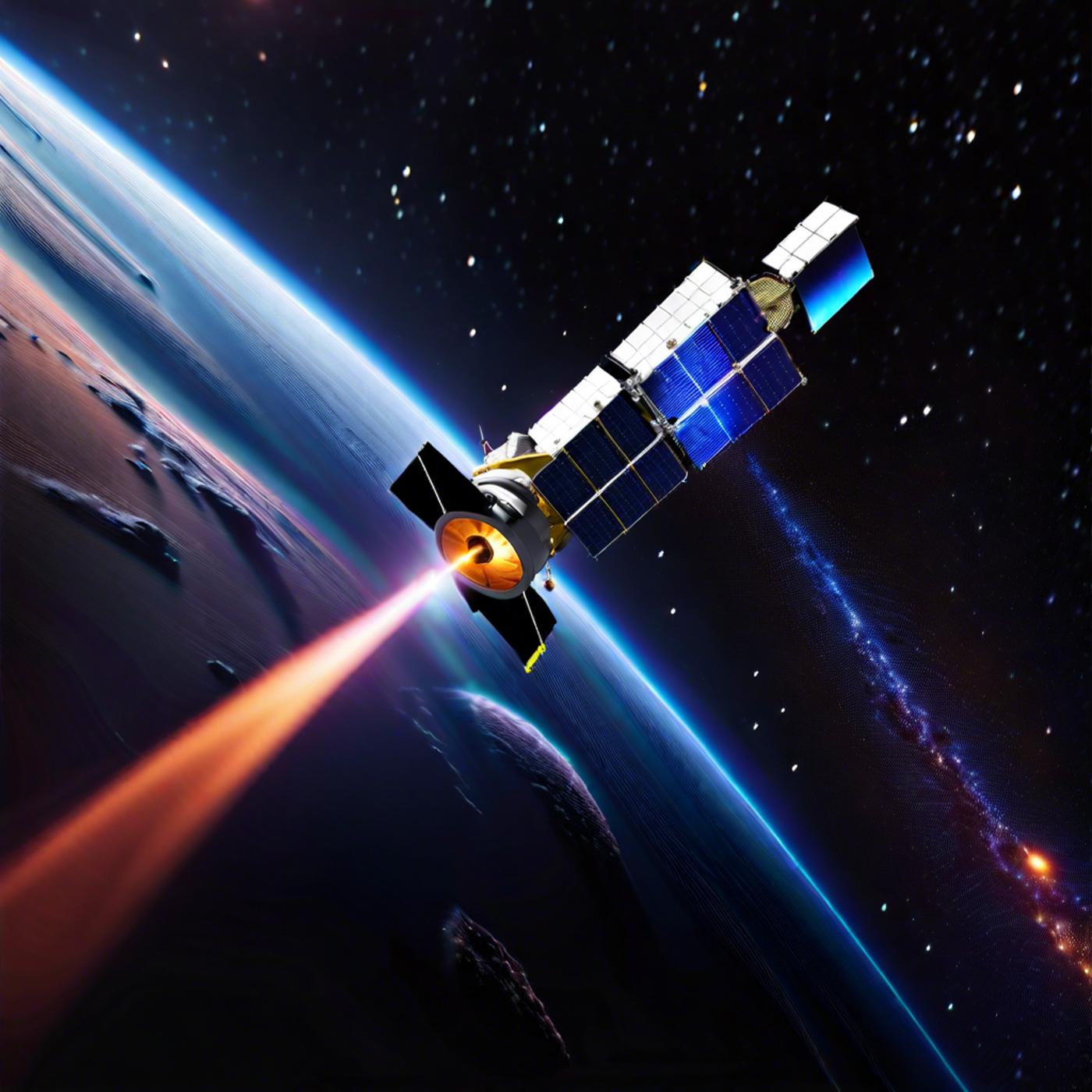
Our journey begins with the conclusion of NASA's NEOWISE mission. Launched in December 2009 as the Wide-field Infrared Survey Explorer (WISE), this mission evolved into NEOWISE, focusing on identifying near-Earth objects. Over its extended mission, NEOWISE provided invaluable data, including over 1.45 million infrared measurements and the discovery of 215 new near-Earth objects. Despite its end due to solar activity and orbital decay, NEOWISE's legacy lives on, paving the way for future missions like NASA's Near-Earth Object Surveyor.
Next, we delve into the recent challenges posed by China's satellite launch. The launch of the Long March 6A rocket, part of China's ambitious Chanfan broadband network, resulted in the creation of over 300 pieces of trackable debris. This incident highlights the growing concern of space debris and the need for sustainable practices in space operations. Experts stress the importance of adhering to space debris mitigation guidelines to ensure the safety and sustainability of our increasingly crowded low Earth orbit.
We then turn our gaze to the skies and explore the fascinating phenomenon of persistent meteor trails. For over a century, astronomers have been intrigued by these lingering trails, and recent studies have finally shed light on their cause. It turns out that the altitude at which meteors enter Earth's atmosphere plays a crucial role. At around 90 km up, a chemical reaction between vaporized meteor metals and atmospheric oxygen and ozone creates a glowing trail that can last for minutes or even up to an hour. These trails offer a unique opportunity to study the elusive layers of our atmosphere, providing insights into atmospheric chemistry and climate science.
Our journey wouldn't be complete without debunking a longstanding theory about black holes formed from concentrated light, known as Kugelblitze. Recent research from the University of Waterloo and Universidad Complutense de Madrid has shown that the light intensity required to form such black holes far exceeds anything observed in the universe. This discovery not only clarifies the limitations of our understanding of black holes but also opens new avenues for future scientific research and technological innovations.
As we conclude this episode, we reflect on the incredible advancements and discoveries that continue to shape our understanding of the cosmos. From the legacy of NEOWISE to the mysteries of persistent meteor trails and the debunking of Kugelblitze, each story reminds us of the boundless curiosity and ingenuity driving space exploration.
Stay tuned for more exciting updates and discoveries in the world of space and astronomy. Until next time, keep looking up and exploring the wonders of the universe with us!
S03E135: Starliner vs. Crew Dragon, Polaris Dawn's Delay, and Chandrayaan-3's Lunar Revelations