The Special Forces Stories That Never Made Headlines

Send us a text Few people have witnessed global security challenges from as many perspectives as Chris Brewer. In this riveting conversation, the veteran Ranger Battalion NCO and Special Forces Officer pulls back the curtain on covert operations and international security work spanning decades and continents. Brewer's extraordinary career trajectory took him from the elite Ranger Battalion formed in 1974 to the Department of State's Office of Security Assistance, then into the most dangerous...


 RSS Feed
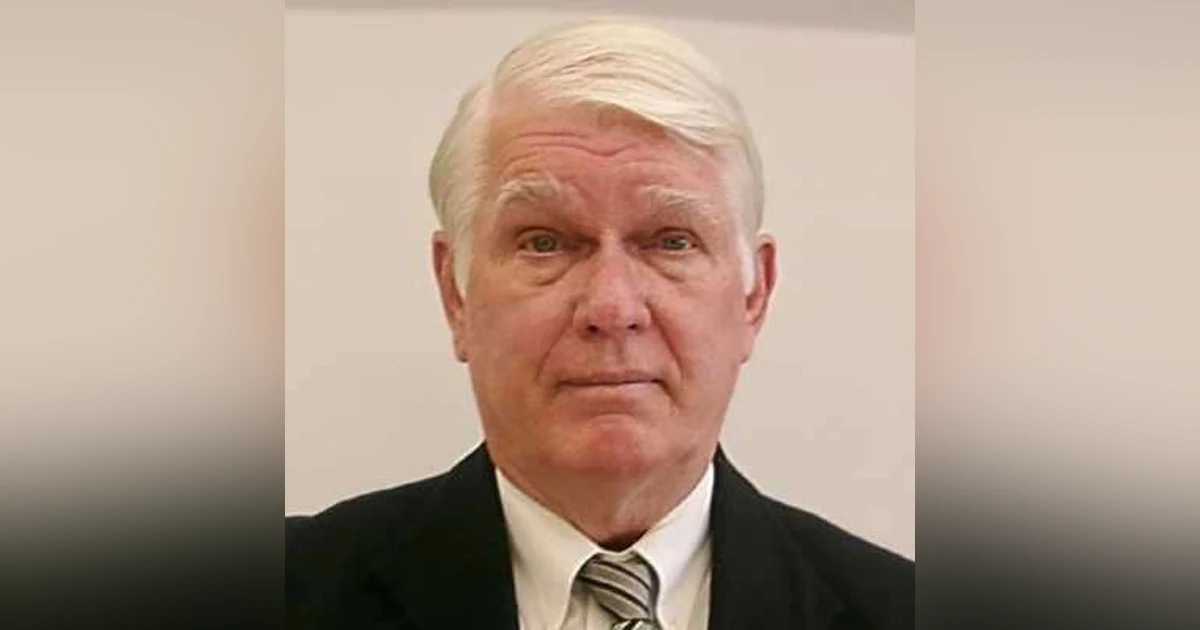
Few people have witnessed global security challenges from as many perspectives as Chris Brewer. In this riveting conversation, the veteran Ranger Battalion NCO and Special Forces Officer pulls back the curtain on covert operations and international security work spanning decades and continents.
Brewer's extraordinary career trajectory took him from the elite Ranger Battalion formed in 1974 to the Department of State's Office of Security Assistance, then into the most dangerous regions of Afghanistan, the UAE, and Nigeria. With remarkable candor, he shares experiences that shaped modern security practices while revealing the human side of high-stakes operations.
The heart of this episode lies in Brewer's previously classified stories, now cleared for public discussion through his books. His encounter with Pablo Escobar's forces while protecting a radar installation in Colombia reads like a thriller but happened in real life. Equally compelling is his account of Operation Promote Liberty in Panama, where his team served as a "tripwire" against Noriega loyalists planning a coup—a mission that never made headlines.
Brewer's perspective on the Afghanistan withdrawal provides powerful insights into the personal impact on veterans who worked closely with Afghan partners. His description of frantically helping colleagues escape Taliban forces reveals the ongoing commitment many veterans feel toward those left behind.
For anyone interested in military history, international affairs, or security operations, Brewer's books "Old Scroll Ranger" and "In the Shadows Between Wars" offer rare firsthand accounts of operations that shaped global security. These aren't just war stories—they're lessons in adaptability, quick thinking, and cross-cultural understanding from places few Americans will ever see.
Have you read accounts from operators who worked in the shadows between major conflicts? Share your thoughts on how these untold stories shape our understanding of global security challenges.
Want to be a guest on Living the Dream with Curveball? Send Curtis Jackson a message on PodMatch, here: https://www.podmatch.com/hostdetailpreview/1628631536976x919760049303001600
0:00 Welcome to the Living the Dream Podcast with Curveball, if you believe you can achieve. Welcome to the Living the Dream with Curveball Podcast, a show where I interview guests that teach, motivate and inspire. Today, I am joined by Chris Brewer. Chris is a veteran. He's a former Ranger Battalion, nco and Special Forces Officer specializing in international security training.
0:41 He has worked in places like Afghanistan, the UAE and Nigeria. He's worked for the Department of State and the Presidential Guard and his career is amazing. So we're going to be talking to him about his career and all of his training and stuff that he was doing and everything that he's up to now. So, chris, thank you so much for joining me. Yeah, I appreciate you letting me come on. Why don't you start off by telling everybody a little bit about yourself? Okay, grew up in Army. Brett Dad was in the service so we moved about every year in the middle of school.
1:24 So I was always the new kid in school. Came out of there, went into the Army because that was pretty much all I'd known. Started with the Ranger Battalion, which was a really good start. Worked with some great guys there. That taught me a whole lot, taught me a lot of things that carried me through my whole life. About halfway through my career 24 years with the military wound up as an instructor at the ranger department at fort benning. But they told me that I was going to be a drill sergeant for five years and that just didn't sit well with me. I wouldn't mind being a drill, but not not for five years. So I did the ultimate act of betrayal to the NCO Corps and I went to OCS when I was a sergeant first class, Came out of there as a second lieutenant, went to the 82nd, went to Special Forces later on.
2:17 Spent about nine years with that. Got out. Couldn't break bad habits so I kept doing security-related things as a contractor, working for the military. Spent about five years in Afghanistan when they were building up the fire bases, helping do the recon fort working with the security forces to keep the contractors safe. Four years in the UAE working with the presidential guard. Four years in the UAE working with the presidential guard, married a wonderful girl from Uzbekistan, went back to her country and spent about two years in Uzbekistan and then came back home to the States. So now mainly I sit around the house and I write down the stories written.
2:59 A couple of books got them out. The latest one is In the Shadows Between the Wars. It's out on Amazon right now. And also got Old Scroll Ranger about when the Ranger Battalion got reformed in 1974. About some of the predicaments and adventures we had down there. Okay, well, we're definitely going to get into your books, but let's talk about how you transitioned to working with the Department of State. You know how did your military training and experience prepare you to do that and, as much as you can you know, tell us what you did with the Department of State. Yeah, that's kind of a funny story.
3:40 I was working as a trainer out in Texas and I had a good friend that I'd worked with for quite a while and he called me up and said that there was this job at the Department of State that I was perfect for and I needed to come in. And I kind of doubted it. I'd never worked for State Department before, didn't think of myself as a diplomat in any regard, but went in for the interview and looked for the regional strategic initiatives coordinator in the office of security assistance, anti-terrorism assistance. Sat there next to a guy who'd been a deputy director at the CIA and another guy who'd been an ambassador, who were all auditioning for the job, and to my amazement they picked me Still not entirely sure why, but stayed with them for about a year they were apparently grooming me for something Went on a couple of trips with them, learned a lot about State Department, learned a lot about diplomacy while I was there, but it really wasn't my cup of tea.
4:48 Left there after about a year and went back to Afghanistan and worked again as a force of protection advisor to the deputy commanding general for US Army forces in Afghanistan and went down to Rish Kabur and taught at the commando school. We were helping to set up the Afghan special forces. Well, talk about Afghanistan, talk about how challenging it was to do your job in such a volatile region. That covered a pretty wide spectrum of experience. So I went in there about a year after the A-teams went in.
5:29 Bagram didn't even have a fence around it. There was one dirt road ran down the middle of it. Landmines were still everywhere, unexploded bombs, and KBR was coming in to help build the place up. And KBR was coming in to help build the place up. So they hired me to be the security coordinator to work with the Army to help protect the contractors while they were doing their job. And that, as you can imagine, was a pretty diverse crew. We had oil rig roughnecks coming out of Texas, we had construction guys coming out of Louisiana, books, carpenters, electricians, everything that you can think of that would be needed to build up a base, and in the middle of an area that just it's difficult even to describe Afghanistan at that point in time.
6:28 Bombs everywhere, landmines everywhere. Almost everyone you saw had some type of injury People missing a leg here, an arm there, no fresh water, no electricity in the whole valley out there. Even half of Kabul, or really all of Kabul, didn't have any electricity. The only people who did were the ones who had generators. And we pretty much built it from the ground up clearing landmines, building roads, building fences, went around to all the new fire bases as they were being built with the ODAs, the A-teams, to get a look on the ground, see what the situation was.
7:09 We'd bring in the people, met a lot of interesting people out there, a lot of interesting Afghans, had quite a few adventures. A second tour that I went out, I was in Kabul when everything was built up and the Parwan Valley had been brought back to life. Most of the landmines were gone. Tour that I went out, I was in topple when everything was built up and the parowan valley had been brought back to life. Most of the land mines were gone, roads were running, people were farming again, electricity was turned on, everybody had electrical power. You could see lights at night. But the second time the taliban had started to come back in and that was the problem. The first time we didn't really have a whole lot of issues with Taliban or Al Qaeda. They'd been run off out into Pakistan but they'd regrouped and they'd started to come back by the time I came back the second time and that was kind of rough.
7:58 We got blown up a few times. We got shot at a few times, saw some good people get hurt, saw some good people get hurt, saw some good people get killed. That kind of culminated for me when we pulled out, which for me was a really agonizing experience. I knew the people that were left behind there. I was on the phone with a lot of them who were begging for help, trying to get out. There were a lot of us that were doing that Keyboard warriors really. There were some guys that actually were still in country that were trying to help and we were talking them around the checkpoints, trying to get them to the airport, trying to get them through, and these were people with special interest visas that had already been approved.
8:42 The only thing they needed was to sit down for an interview with a consular officer, but the embassy they closed up and ran, went to the airport. So there were no interviews and they wouldn't let the people come in unless they had the visa physically in their passport. So a lot of agonizing nights trying to help them stay one step ahead of the Taliban while they're rounding them up Eventually did get the family that I was working without. Got a lot of other people out through other means, working with some other friends in Pakistan and in Afghanistan. But that was.
9:22 That was a terrible situation. That was wrong way to handle it, in my opinion. And when you talk about the pullout, you're talking about the pullout that happened a few years ago, correct? That is correct, gotcha. Okay, well, let's talk about your work in the UAE and Nigeria. You know, while you were doing your jobs there, you know how did the security protocols differ? You know from those regions, you know, kind of kind of talk us through that. I can't tell you a whole lot about the UAE because I signed a lot of nondisclosure agreements, but I will tell you that the UAE is a really fascinating place.
10:05 It's a totally different culture from Afghanistan. One thing that people don't understand about the UAE is it is a monarchy. They do have a king and they do have an elected parliament that helps write the laws, but the one thing that keeps shining through is that the royal family is in charge. You can never be in any doubt of that One of the safer places that I've been to. There are problems down there, but they've got a very comprehensive security system in place to try and keep things under control and they've got some pretty strict rules. As long as you understand what their rules are and you abide by them, then you're in good shape.
10:49 But you definitely do not want to walk in there and think that, well, I'm an American and my culture takes precedence over this, because it definitely does not in the UAE. Wonderful people trying to change their culture in many regards for the modern world. They've kind of got one step back in the past and one foot into the future and they're trying to bridge that gap and, by and large, doing a pretty good job of it, in my opinion. Nigeria I went to Nigeria twice, twice, both times for the oil companies. One time they asked me to go down to river state to take a look at a new site the chevron was going to build for a large lpg gas system, and that was an interesting experience.
11:40 Came into lag airport. We were riding from the airport down into the city and came across a car that was on fire on the on the large multi-lane highway and there were a large crowd of people that were around the car trying to pull things off of it. And there was one man out there with an AK-4747, a t-shirt and cut off camouflage fatigues that was threatening people with the ak and then firing into the crowd periodically, although he didn't seem to hit anybody and we had a security element. Nigerian police with us were going along and I kind of pointed to it and said isn't this a problem?
12:25 And the guy looks at it and explains oh no, you must understand. In nigeria we have a law that if three or more people are assembled and police tell them to disperse and they do not do so and it's permitted to shoot them. I said, yeah, but look, look at guy. He's not in a uniform. He says, well, he must be a policeman, because if he was not a policeman that would be very bad. I said, okay, a very different culture in that part of Nigeria. We got out into the countryside, had a Nigerian policeman who took me out there.
13:07 He recommended that we go during the monsoon, when the rain was at the hardest, because we could get past the roadblocks. There would be both criminals doing roadblocks and there would be police doing roadblocks that wanted bribes but nobody would come out when the rain was heavy. Nobody would come out when the rain was heavy. We went out and we did the recon. We stopped at some of the villages, had lunch with some really nice people, treated us very warmly. Second time I went down. We went up the New Calabar River with some engineers who were looking at putting in a pipeline at the bottom of the river and they couldn't figure out what was going on with all of the problems in that particular area.
13:47 They had the pirates that are out there at the mouth of the New Calabar and you probably read about them in the news or heard about those, and then they had more problems with the rigs themselves up at the north end of the Calabar and then they had more problems deeper into the mangrove jungle. So we went around in a little boat looked just like the boat that you'd see in the old Humphrey Bogart movie the African Queen a chug up and down the river, got out and, after doing a lot of interviews and talking to folks and checking the ground, found that there were people that were coming out that were cutting up the pipelines, coming off the rigs and taking the valves and the pipes deeper into the jungle where they were tapping into the main trunk line that was running off to another river where they would offload oil into barges that were being taken out to Chinese ships that were taking bootleg oil and collecting that, and then the pirates were basically selling oil through that system.
14:56 So we found out what was going on, we wrote the reports and they were going to put the new trunk line at the bottom of the river to try and mitigate that. But fascinating place, each one of the places, wonderful people, dangerous people, totally different cultures enjoyed every minute of it yeah, you got a lot of interesting stories. I could uh have you tell my listeners about that all day. Talk about your book. Oh, go ahead. That's kind of how the books got started. As we get older you start to forget things.
15:38 So I decided I was going to write these down. I wrote the one on the Ranger Battalion stories for a lot of my friends. In 1974, they reactivated the Ranger Battalion and we had our cadre. All of the non-commissioned officers were survivors out of the Ranger Lerp companies in Vietnam and Special Operations Group and Special Forces. I mean really hard, well-trained, experienced guys and showed up there as a private. Like I said, a great place to learn. And we had quite a few adventures in those first three years while we learned what the Ranger Battalion was going to look like Africa, the Arctic, alaska, up north of the Arctic Circle, panama, down to the jungles and just wrote the stories down from some of the stuff we did off-duty and the hijinks we get into and some of the things that happened on-duty.
16:40 Put it into a book of the things that happened on duty. Put it into a book for the 50th anniversary that came up here this last year, passed it around to guys they love. I love the book. It's a good keepsake. They enjoy it and put it up on amazon so they could get at. It got kind of got in the habit, seemed to be good hobby. So I continued on with the SF stories Picked up from where I left the Ranger Battalion and tried a little bit different approach on that, tried to select stories that were how to help people understand what you go through and what motivates you to want to go into Special Forces some of the things that help prepare me for it.
17:22 It's got a chapter on the qualification course. When I went through the qualification course it was when they started to make special forces a separate branch and then they started selection and assessment and we were the first class that they experimented on with selection and assessment. A little bit about Sierra School in there. Some classified operations had to go through the Department of Defense pre-publication review to get permission to put them in. But we were in Columbia when Escobar was active, actually had an encounter with Escobar's forces down in the valley between Bogota and Medellin. That's in the book.
18:04 While that was going on, of course, operation Just Cause happened where we invaded and Panama got rid of Noriega. What a lot of people don't know about is what happened after Just Cause. That was a separate operation called Promote Liberty. After Just Cause, that was a separate operation called Promote Liberty and basically we came out of. We missed Just Cause but we went in for Promote Liberty two weeks after we got back from Colombia, stayed there for six months and that's when all the US forces went back to the states and told the Panamanian National Guard okay, you're not military anymore anymore, now you're going to be police. And there was still a lot of noriega's uh through that were interspersed in those elements.
18:49 They handled that very differently than they did in iraq. There was a conscious decision made to leave everybody there, so they still had a job. They arrested the ones that they knew were a problem, that they had evidence that they'd committed criminal acts, but there were a lot of people in there that we suspected of being involved. In fact, the quartel that I was assigned when I went in, the commander of the quartel had been Noriega's personal pilot. So we knew we had trouble. We knew as soon as the US forces left they were going to try to pull a coup, take the country back over, and our job was to go out in groups of two and four scattered over the whole country and, quote, be a trip wire.
19:38 And our instructions were that if they tried to start a coup, the first thing they'll do is probably kill you. So keep an eye on them. If it looks like it's getting bad, let us know and then be prepared to escape and evade. And we had quite a few experiences that did culminate with a coup attempt in Panama City. We had some guys that were inside the National Police Headquarters when the coup attempt took place, a standoff that lasted about eight or nine hours. That never made the news. So there are stories about that.
20:19 There are stories about first to the first in Okinawa Charlie Company. I was assigned to Charlie Company, which was at a hostage rescue mission that not a lot of people know about, hasn't been talked about too widely, but we got permission to discuss some of that. We were in the Philippines after all of US forces were thrown out of the Philippines and we were secretly brought back in to help the Philippines set up their own hostage rescue elements Did some plainclothes work that most people didn't realize Special Forces did. They don't do that specific task anymore, but we operated in civilian clothes and we were in the Republic of Korea when they thought the invasion was going to happen and I was actually working with the US Embassy there on some of their non-combatant evacuation order issues, and there's a pretty good story about that as well about that as well.
21:21 Okay, so you know, I actually interviewed the guy. I forget his name right now, but he's featured in a. Netflix series Narco, and he was talking about how he was, you know, dealing with Escobar and how so I imagine you probably worked with him. No, we didn't, but I did watch that series and I got to compliment him. That's a great series. There's a couple of things in there that I'm not saying that he was wrong by any means. The one where he was talking about Escobar putting the bomb on the Avianca airliner would be one example.
22:02 We were told something that was different by the Colombians when we were working. But basically what happened. A bit of a long story. If you've got time for it I'll run through it. Yeah, go ahead. Let the listeners know. I've been in Costa Rica and we were going down to do a site survey for a job, to go down and set up a training program for the Costa Rican police the presidential candidate for Columbia, galan, who was running on a platform of fighting the narcos and getting rid of all the narco drug production that was going on, was assassinated on stage right in front of the television cameras and I looked at that and I thought, man, somebody's going to get a phone call and swear to God.
23:00 Telephone rang at that particular moment. They told me to come in the next day and we had a mission and mission was to go into Bogota. The Colombians were going to start fighting the Narcos and they're getting serious about it, but one of the and President Bush the first President Bush had said we'll provide assistance but we will not provide combat troops. We won't get involved in that. So one of the things the Colombians wanted help with was they wanted a medical school for combat medics. They didn't have any combat medics and their guys didn't like going out in the jungle because if they got wounded they tended to die because they had no means to provide any kind of medical care for them.
23:44 So combat medic was one of the jobs. We had an office at that time, satmo Security Assistance Training Management Office, that provided that type of training and they'd send medical personnel, logistics personnel all of those type of support functions all over the world to help train other people's military. But Bogota had almost 100 bombs going off every night at that time. There were shootings happening every day. There were probably 100 people that were coming into the hospitals either dead or injured, and Bogota is a big city and it wasn't as bad as something like you might think about Iraq.
24:33 These were small things. Basically, what the narcos were doing is they'd drive through the city with paper bags with one or two sticks of dynamite in it and a time fuse stuck in it. They'd see a homeless person or somebody on the street. They'd hand them a $100 bill and that little bag with the dynamite stick and tell them go set it off someplace. So every night 100 sticks of dynamite would go off somewhere and some people would get hurt and not that many, but it just kept everybody on the edge of their seat like there's no place safe. So Satmo didn't want to send down the usual compliment of doctors and medics that they would send to do this.
25:16 So it got handed over to SF. The 3rd Battalion was down in Panama. Normally they'd pick up a job like that, but it called for six medics and Special Forces A-teams only got two medics on it. So that would have stripped away the medics from three A-teams and they didn't want to do that. So it came to us up at Fort Bragg. When I first came in the Army, I came in 20th SF National Guard as a medic, so I'd been a medic. I had two medics on my A-team. My intel sergeant used to be a medic and my team sergeant could run the train-the-trainer program.
25:58 Then we had a combo guy who could run basic first aid classes under supervision and we all spoke spanish. We'd all tested out at two plus two plus or better. So we got the job. But since no combat troops could go, we were reassigned to satmo security assistance training management office and then we flew down to Bogota and slay in clothes, had our uniforms and our luggage and they gave us handguns for self-defense when we got there and then sent us down into the hot part of Bogota where all the shooting was going on, where the training would happen. We did that for about three months and then we got a phone call from the mill group that Escobar had identified an Air Force base a Colombian Air Force base, down in the valley between Bogota and Medellin where an American unit had come in and its Air Force unit had come in and set up a radar system and they were picking up the drug flights that were taken off out in the valley and they were tracking them and handing them over to Colombian aircraft that were intercepting and shooting them down.
27:13 And this is the same valley that was in the book, tom Clancy's book, clear and Present Danger. They talked about an American unit going in secretly and trying to interdict. They wanted someone to. Escobar knew about the radar and he called the base and told them that if you don't shut that radar off, I'm going to come in and I'm going to kill all the Americans. There were only six Americans there and it was top secret, special compartment information Don't let anybody, especially back in the States, know. But Escobar knew and, just to make his point, he had come in and taken one of the Colombian guards, fired him up and then blown up one of the transporters at the end of the runway just to demonstrate that he could get in and nobody could stop him.
28:04 And there was one security policeman down there from the US Air Force and he said he thought that the security force on the base was compromised. At least some of them were working with Escobar and they were really concerned. They wanted to bring down more security police but the Colombian government wouldn't allow it because they already had a full company of Air Force security personnel down there on base itself. But of course they were compromised. So Milgroup called us and asked if we could go out there and see what you can do. That was literally about all the information that we got. So me and my senior medic took a couple of sets of our jungle fatigues no patches, sterile that we brought down in case we had to try to escape and evade.
28:54 We could go to camouflage and then try to fade out into the jungle. Until the thing settled down. We had our load-bearing equipment. All we had for weapons were the Beretta pistols and they put us on a Colombian general's aircraft and flew us down there. And we got out and we did our checks. Checks. We found where Escobar's guys had cut the fence. They had actually clipped away through some of the really thick jungle to make a little trail that came right up to the generator hitches and we could see what their plan was.
29:41 So, generator pitches and we could see what their plan was. So we first thing we did was we asked the Air Force guy you have any extra guns? Oh, we, ever bread is. And they brought down enough weapons to equip fire company machine guns, rifles, play more minds, you, you name it. So we went through this, through that, we got loaded for bear. Uh, we went up on top of the hill. We talked to some of the Colombians, uh, security personnel. It wasn't hard to pick out who was working with Escobar, because they were definitely not happy to see us and they were not terribly friendly.
30:22 Those were some of the junior sergeants that were out in the jungle with the security guys. But we got them to come up. We cleared fields of fire around that hilltop for about 300 meters out, got all the jungle cleared out, had them help us dig fighting positions. We put Claymore mines in and then the night that Escobar said he was going to come up and kill the Americans, we told all the Colombians and said do not come up on this hill tonight. We will kill anyone who tries to come up on this hill tonight, escobar said he's coming. We have no idea if it'll be you or his guys in your uniforms, so don't come here, just stay away.
31:05 And about three o'clock in the morning about, if I remember correctly, there were about eight guys came walking up the road and the guys that we'd seen prior to then the Colombian security guys that were doing patrols you could tell they weren't too happy about it. Walking around, they had their caps in their pocket or cocked back on their head, rifles slung, walking together, talking, they weren't paying a lot of attention. These guys broke cover, coming out of the jungle, evenly spaced, weapons on the ready, thumb on the safety finger alongside the trigger guard, head on a swivel looking left and right, alternating weapons left and right, perfectly spaced, brand new uniforms, and it's pretty clear these were not the guys that we've been seeing up until that time.
31:53 They got right up to the base of the hill where they were getting within range of the claymores and I was rotating the safety bail off on the clacker. I'd already got my partner moved on the other side watching our escape route and we were about to light them up and we saw one of the corporals that we knew or believed was working with Escobar, pop up out of the brush, stop him, talk to him, point up the hill. And then the next morning he and they turned around and left. The next morning Escobar called the base and said go ahead and run your damn radar, I don't care, and I don't care about your Green Berets either, but we knew that we were there and everybody was happy.
32:38 Congratulations, great job. And you guys come on back to Bogota. That was about a good hour and a half two-hour drive on a two-lane road to come out of that little Air Force base back up into the mountains going to Bogota Right through the area that was controlled by Escobar and his guys. So I told him, I said isn't the airplane going to come down and pick us up and take us back? And we got the. Well, you guys are green berets. You know the general. He needs that airplane. He's got other places he can go. You can make your own way back, can't? You Sat down with JR and we talked it over and figured about the only way that nobody on that airbase was willing to drive us out.
33:25 They weren't going out the gate, but there was this little town that was just outside the gate that had a bus that ran to Bogota every three days and, as luck would have it, that day that bus was going to go. So we figured about the only chance that we had. We'd go down and get on that bus. And we're both six-foot, blonde-haired, blue-eyed, look like the Marlboro man. There's no way we're going to blend in out there, but jump on the bus. Just let the bus driver now that we would greatly appreciate it If he did not stop until we got Bogota and put on our blue jeans and our black leather. But our bread is back in the shoulder holster.
34:07 And last thing I did was I called Mill Group and said now look, you know, at that time cell phones were not common. Very few people had cell phones, so we didn't figure anybody on that bus was going to have them. But just in case, I had to tell the Mill Group this, you know, we may have to go ahead and just take control of that bus and hold a whole busload of Colombian citizens hostage until we can get back up into Bogota where we can get to a safe area and keep anyone from calling out. Do you have any other options that you can offer us? There are no rental cars out here and they finally relented and they sent down an old beat-up station wagon with one of the drivers out of the embassy, which was perfect.
34:53 It had a fender hanging loose and one headlight was out. It looked like a piece of junk and nobody would pay attention to it. And the guy who was driving it volunteered to come because his mother lived in that village. So he came down. Mom gave him a chicken in a small cage to take back to Bogota with him. So the two of us and the chicken got in the back of that station wagon. We rode all the way to Bogota right past Escobar's men. Wow, that is pretty crazy. Tell us about any upcoming projects that you're working on that listeners need to be aware of.
35:36 Thinking about the contractor years now five years in Afghanistan. There are a lot of good stories that may help people understand a little bit more about that country. It's a fascinating place. The UAE I don't know if I can write about that. I would have to talk to some people and see if they're comfortable with that, and I don't think they will be. There are some things that are still going on that just don't need to be discussed. Uzbekistan State Department there were some good stories that came out of that. I was a red team analyst for Army Material Command when 9-11 happened.
36:18 Basically, I'd go around to the bases and if I were a terrorist and I was going to attack this base, this is how I would do it sort of thing and wrote the reports and mostly people blew me off, laughed and said well, you know, mr Brewer, you really think that Middle Eastern terrorists are ever going to come to Boston. And of course, when they did, then they flew out of Boston Airport and hit the Pentagon. I got invited to come back and give that briefing again and we started doing actual red team exercises where we'd get teams of guys kitted up and we would come in and surveil the bases and teach the security forces on the base how to recognize hostile surveillance, how to counter it and how to reorganize their efforts to go ahead and defeat what the bad guys were doing.
37:12 And we, actually we went up to a little place in Lima, ohio, where they make the armor for the Abrams tank and all of the high-speed armor they put on our vehicles, and we were going out to set up surveillance on the gate so guards would have something to spot. And lo and behold, there was a little white rental car with a middle-aged gentleman, dark hair, dark complexion, and a video camera, sitting in that rental car doing exactly what we were going out to do to replicate a terrorist surveilling the main gate. So we put eyes on him, got the tag number, and any time we did this, we did it in conjunction with the FBI and the local police so they would know that it was us and be able to tell if there was somebody else that was a bad guy.
38:06 We told them what we were seeing. We waited until they came out, scooped him up and it turned out he was a suspected Al-Qaeda operative that they had last seen in somewhere around Chicago and it disappeared and he was down there in Lima, Ohio, with eyes on the gate, doing exactly what we were getting ready to do to teach him what to look out for. Wow, well, throw out your contact info so listeners can keep up with everything that you're up to. Yeah, and the two books Old Throne Ranger is on Amazon and the one that just came out In the Shadows Between the Wars.
38:47 That's got the special forces stories, including the escobar story in it, and the next one may take me a while, but there'll be more coming okay, so your books are just on amazon? do you have an actual website? I don't have my own website yet, but it's on amazon, it's on Kindle. I've got a narrated second one on the SF Stories That'll be coming out on audiobook as soon as they're done with the editing. Okay, we'll close this out with some final thoughts. maybe, if that was something I forgot to talk about, that you would like to touch on, or any final thoughts you have for the listeners just think about the people that aren't as fortunate as we are where we live, and there's a lot of really good people out there who want to be here and my heart goes out to them, as we just can't take them all in, and I've had a bitter pill to swallow.
39:58 But I've come to understand that I'm trying to get my Afghan friends into the country and think about the folks that go out in our military to try and do these things. The uh. When you vote, take that into consideration, because we can't be everything to everyone. It's just not possible. But we sure can try. And when we find the guys that are bad, they need to be dealt with, and when we find folks that are good, they deserve a helping hand.
40:41 All right. Ladies and gentlemen, first thing I want to do is thank Mr Brewer for his service and all that he's done throughout the years. I want to let the listeners know to follow Rate Review. Share this episode to as many people as possible. Check out Chris's books. They're amazing. He's got some amazing stories. Keep up with everything that he's up to. Follow us on your favorite podcast platform For more information on the Living the Dream with Curveball podcast. Visit wwwcurveball337.com. Thank you for listening and supporting the show, chris. Thank you for all that you do. Thank you for your service once again, and thank you for joining me.
41:25 And thank you so much for the opportunity. For more information on the Living the Dream with Curveball podcast, visit wwwcurveball337.com. Until next time, keep living the dream.