Sleepovers, Boundaries & Peer Abuse: What Parents Need to Know, with MinistrySafe's Kimberlee Norris, episode 07
EP 07: We’re unpacking one of the hardest, most important topics for parents: protecting our kids from child sexual abuse, with a special focus on the growing concern of peer-to-peer abuse. Host Sarah Panus welcomes legal expert Kimberlee Norris of MinistrySafe to share eye-opening insights, including how to spot warning signs, what parents need to know about sleepovers, and why supervision and honest communication are essential. You’ll walk away feeling empowered with practical tips, hopeful strategies, and the courage to set boundaries—even when it’s not popular. There is hope, there are tools, and together we can create safer spaces for our children.
Sexual abuse is a heavy topic—one every parent hopes never to face. This week on the “Marketing With Empathy®” podcast, we illuminate one of its more alarming trends: the increase in peer-to-peer child sexual abuse. Guest Kimberly Norris, a seasoned sexual abuse trial attorney and co-founder/director of MinistrySafe, shared decades of expertise, heartfelt wisdom, and practical action steps for keeping our children safer.
If you’re a parent, caregiver, or someone working with kids, you’ll find both hope and actionable wisdom in this discussion. Read on for the full recap and resources—to equip, encourage, and empower.
Understanding the Shift: Peer-to-Peer Abuse on the Rise
While the majority of child sexual abuse is still committed by adults, a startling one in three reported cases now involve juvenile offenders. Norris explains that much of this behavior originates from children who have themselves been abused, often replicating what they’ve experienced. Others may be influenced by exposure to pornography or growing up in a highly sexualized culture. Peer abusers are often opportunistic, acting within everyday environments—schools, camps, churches, and even neighborhood playdates.
Perhaps most sobering: The average age of a first-time male offender is just 13 or 14.
What Makes Peer-to-Peer Abuse Different?
Most parents imagine abuse as a threat only from adults—but as Norris emphasizes, we must extend our vigilance to other children as well. Peer-to-peer abuse typically involves an imbalance of power—usually age, but sometimes size or developmental capacity. It also tends to occur in environments lacking transparency: places where kids gather out of easy view, where supervision is lax, or where clothes come off (think sleepovers, bathrooms, locker rooms).
As Norris puts it, “Kid magnet opportunities are places where peer-to-peer issues are going to occur.”
The Modern Grooming Process: What Should Parents Watch For?
While the classic grooming process involves adults targeting children for access and secrecy, peer abusers are more opportunistic. They take advantage where they find it, sometimes in public venues with opaque play structures or at the unassuming neighborhood sleepover. The signals might be harder to spot, but the risk is real.
Many venues and organizations have responded by prioritizing transparency—literally. (Notice how play structures are more open and easily visible now? That’s not by accident!) But ultimate prevention starts at home.
Supervision Over Fear: The Power of an Involved Parent
Prevention doesn’t mean “never let your child out of your sight.” It’s about intentionality, presence, and, yes, sometimes being unpopular. Norris advocates for active supervision: hosting kids at your home, asking “awkward” questions of other parents and programs, and being willing to say no, regardless of peer pressure or cultural norms.
It’s about being the place where your kids’ friends want to gather—because you know exactly what’s going on, and so do they. If you’re not comfortable with someone else’s environment, offer fun, creative alternatives.
Saying “No” as a Radical Act of Love
Let’s address the elephant in the room: Parents hate saying “no.” We worry our kids will resent us, or that we’ll seem mean. Norris reframes this: Loving parenting sometimes means choosing the hard “no” over the easy “yes,” and finding ways to provide joyful alternatives. It’s about being the grownup—even when it’s countercultural.
For those moments when your child pushes back, Norris suggests instituting a respectful appeal process. Teach your kids to make their case thoughtfully—they’ll learn negotiation and communication skills, while you model respectful listening. Win-win.
Safeguarding Tech: Devices, Porn, and Parental Oversight
A timely reminder: Kids’ earliest exposure to pornography often isn't at home—it happens on another child’s device, at a friend’s house, or in hidden corners of the digital world. Norris and Panus underscore the importance of monitoring your child’s technology and making it clear that you, as the parent, own and will inspect devices.
There are secure alternatives, like the kid-safe TRŪME phone or Bark, giving kids age-appropriate functionality with robust parental oversight.
There Is Hope: Ending on Encouragement
This episode started with a heavy topic, but the message is ultimately one of hope. You don’t have to parent from a place of fear—just awareness, intention, and the courage to ask questions. Be present, say no when needed, and get educated.
Kimberly Norris and MinistrySafe provide outstanding, actionable resources to empower parents just like you. (See below for a special free training offer!)
Key Takeaways
1 in 3 child sexual abuse cases reported today involve juvenile offenders. Awareness of both adult and peer risk is critical.
Most peer abusers have been victims themselves or have been exposed to inappropriate sexual material.
Supervision and presence matter most. Be the home where kids congregate—because you know what’s going on.
Don’t fear saying no. It’s a powerful form of love and necessary protection.
Monitor technology and promote respectful communication. Set up transparent device usage agreements with your kids.
There is hope and help. Taking practical steps—like ongoing education and proactive oversight—makes a real difference.
Free Resource: Listeners of the Keep Kids Safe podcast can access MinistrySafe’s parent awareness training for free by emailing Kimberly at KDNorris@lovenorris.com and mentioning this episode. Visit MinistrySafe.com for additional resources.
Remember, by equipping ourselves with knowledge and leaning into bold, loving boundaries, we can be the light against the darkness. Stay engaged, stay present, and stay hopeful—your kids are counting on it.
Did this episode give you renewed confidence or ideas for building safer environments? Don’t forget to subscribe for more faith-fueled, practical insights every other week.
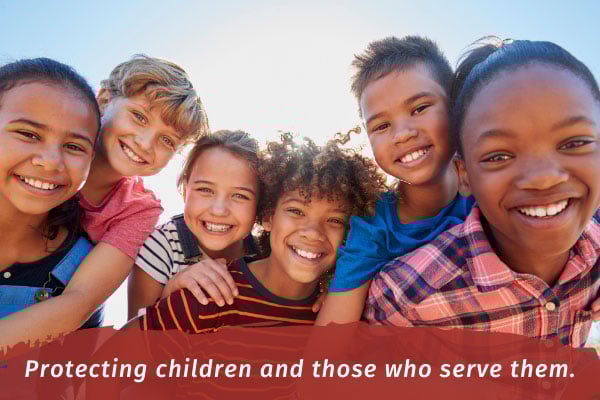
photo credit: www.MinistrySafe.com
Get Free Access to MinistrySafe's Parent Awareness Training
Free Resource: Listeners of the KEEP KIDS SAFE podcast can access MinistrySafe’s parent awareness training for free by emailing Kimberly at KDNorris@lovenorris.com and mentioning this episode. This is the ONLY way to get free access; otherwise it's something you pay for. Visit MinistrySafe.com for additional resources.
Connect with MinistrySafe and Kimberlee Norris
Help Me Spread the Light
Together, we can be the light God calls us to be. If this episode encouraged you, I invite you to:
✨ Join my email list for quick updates about future episodes and related topics to help keep kids safe.
✨ Share this episode with a friend, pastor, or business leader who cares about protecting children.
Donate to Support Future KEEP KIDS SAFE Content
If KEEP KIDS SAFE has encouraged you, would you consider making a one-time or monthly gift to support the mission?
Your donation helps me create free, hope-filled content that equips Christian parents to protect their kids and shine God’s light into dark places.
Every gift matters—thank you for standing for the safety of children everywhere!
About the Host, Sarah Panus
Sarah Panus is a Christian mom, the host of KEEP KIDS SAFE and Marketing With Empathy® (top 5% podcast globally), owner of the content marketing consulting company Kindred Speak, and a passionate advocate for protecting children. She’s on a mission to equip Christian parents with hope-filled, practical ways to keep kids safe in today’s world.
She lives in Minnesota with her husband, two kids, and Golden Retriever.
Involved Dads: A Predator's Worst Fear | Kevin Cronister (part 3)