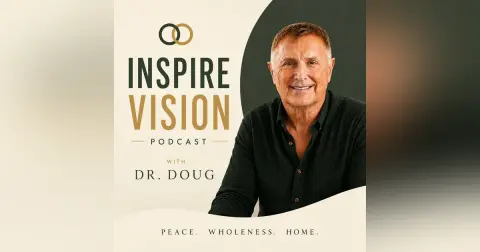
Why Love Feels Familiar (But Hurts Anyway)
 iHeartRadio iHeartRadio
 Spotify Spotify
 Amazon Music Amazon Music
 Audible Audible
 Pandora Pandora
 Apple Podcasts Apple Podcasts
 Spreaker Spreaker
 Podchaser Podchaser
 Deezer Deezer
 TuneIn TuneIn
 RSS Feed RSS Feed
 Podcast Addict Podcast Addict
 Castro Castro
 Castamatic Castamatic
 Castbox Castbox
 Fountain Fountain
 JioSaavn JioSaavn
 PlayerFM PlayerFM
 Overcast Overcast
 Goodpods Goodpods
 PocketCasts PocketCasts
 Podverse Podverse
 Podurama Podurama
 Podimo Podimo
 Podyssey Podyssey
 YouTube YouTube
 Youtube Music Youtube Music iHeartRadio iHeartRadio Spotify Spotify Amazon Music Amazon Music Audible Audible Pandora Pandora Apple Podcasts Apple Podcasts Spreaker Spreaker Podchaser Podchaser Deezer Deezer TuneIn TuneIn RSS Feed RSS Feed Podcast Addict Podcast Addict Castro Castro Castamatic Castamatic Castbox Castbox Fountain Fountain JioSaavn JioSaavn PlayerFM PlayerFM Overcast Overcast Goodpods Goodpods PocketCasts PocketCasts Podverse Podverse Podurama Podurama Podimo Podimo Podyssey Podyssey YouTube YouTube Youtube Music Youtube Music
Relationship coach Valerie Greene opens up about her own journey through conflict, divorce, and hard-won healing to share why we keep attracting what we've always known, and how to finally choose differently. In this conversation, she and Dr. Doug explore emotional availability, attachment, and what it means to stop repeating the past and begin building the love you actually long for.
https://coachvaleriegreene.com/
Inspire Vision Podcast is broadcast on K4HD Radio (www.k4hd.com) part of Talk 4 Radio (www.talk4radio.com) on the Talk 4 Media Network (www.talk4media.com).
Inspire Vision Podcast TV Show is viewed on Talk 4 TV (www.talk4tv.com).
Inspire Vision Podcast is also available on Talk 4 Podcasting (www.talk4podcasting.com), iHeartRadio, Amazon Music, Pandora, Spotify, Audible, and over 100 other podcast outlets.
0:01 This program is designed to provide general information with regards to the subject matters covered. This information is given with the understanding that neither the hosts, guests, sponsors, or station are engaged in rendering any specific and personal medical, financial, legal counseling, professional service, or any advice. You should seek the services of competent professionals before applying or trying any suggested ideas. I have spent years in conversation with people who are successful by every measure and still quietly restless, not broken, not lost, just aware somewhere underneath the noise that there is a version of their life that feels more honest or grounded, more genuinely theirs. This podcast exists for those people, for the ones who are done performing and ready to go deeper. My name is doctor Doug. Welcome to Inspire Vision.
0:58 I am glad you are here. Valerie, Welcome to the show. Hello, doctor Doug. It's just been a pleasure talking to you so far, so I'm excited to be here. I'm looking forward to it. You know, it's interesting your approach to relationships, and so I'm always curious as to what is your background and what brought you, What were your life experiences that brought you to the point that you're doing what you're doing now and working with women and helping them in their relationships. Yeah, thank you so much. It is, you know, kind of a long journey for me.
1:39 I'm forty seven, so you know, I've definitely been through my share of life experiences at this point, but kind of rewinding all the way back, you know, I was my parents had a happy marriage for them, so I got good modeling in many ways, and they were very loving towards me, and at the same time, they had their own blind spots, as everybody does. So I actually never received actual empathy until I was. Thirty and. So, and I'm an extremely empathic person myself, so I grew up feeling really confused. My parents' philosophy on emotions was it's okay to feel that way, but think this way instead, which gave me really great training for challenging my thoughts. And I'm very grateful for that because to this day, I don't really believe my thoughts. But you know, I mean, obviously I questioned my thoughts. I believe some of them, you know, It's not like I don't believe any of them, but it was a very good mentorship in that way. My parents are actually disciples of Gurgief.
2:45 When I was growing up, and so it was all about know yourself and get to know your thinking. And I was also a raised Protestant starting at the age of seven, so I got a really good foundation in how to be present and personal growth oriented, but not a lot in terms of emotions. And I'm an extremely emotional person, so I just grew up very confused. And I also my dad had a lot of love, but he also was his life experiences led him to not know really healthy conflict resolution. So we basically argued constantly when I was a kid, and so that's what I brought into my relationships when I was in my twenties, all throughout my twenties until I met well through my first marriage.
3:38 Now I'm happily married to my current husband. But so I would sweep conflict under the rug, pretend everything was fine. But then I didn't have any better strategies other than arguing in order to resolve conflicts. So it would reach a certain threshold and then I would criticize and you know, pick fights, but not meaning to. I just didn't know what else to do because that's what I learned, and so then it was like wash rints repeat, you know. Unfortunately with all the relationships I had in my twenties, that they would start out with a lot of passion, but then eventually we would grow apart or we'd just be fighting all the time, to the point where we'd be sleeping in separate beds and you know, kind of not really getting along. And it just made me realize that I'm the common denominator. So I actually started out as a health coach in my mid twenties because I didn't feel like I was qualified enough to coach people on the relationships, considering that mine were kind of fraught. But I was always passionate, Like I just had this passion to learn how to resolve conflict and to have a harmonious relationship. That was really what I like read avid books on. So in my private time, that's what I was reading and studying. And then of course because of that, it turned out that when I hired a business coach after doing a couple of years of health coaching, it wound up that that's what I wound up helping my clients with the most was the relationships, even though they would come to me
5:10 for stopping emotional eating, let's say, and then I would teach them emotional tools, but they would open up to me about their relationships, and then I would help them with the advice that I had and you know, ask them really curious questions because I was good at that, and then they would have epiphanies about their relationships, and then the relationships would improve, and then they would stop needing to use food to mask their unpleasant feelings because they knew how to be vulnerable with their partner and work it out, you know. So it was just funny because I always had unconscious confidence, and so eventually I realized that that was my passion and my proclivity.
5:52 So that's when I. Went back to school for relationship coaching, and I went to the Relationship Coaching Institute, which has a really good program for singles and couples. And then I also did a lot of emotional healing training, like I learned emotionally focused therapy with the student of Sue Johnson, and I did the Gotman trainings and really have now a robust tool kit, and of course I also use those. And it was really in my first marriage that I had kind of a dojo, so to speak, to put all this in practice, because we unfortunately didn't realize until we were married that there were.
6:37 A lot of incompatibilities. And so I was passionate that we weren't, you know, we're going to make it through, and that you know, we were at the very least if we didn't, we weren't gonna end the relationship out of anger. We were really gonna be on the same team no matter what. So we worked with coaches and therapists and I became a teacher of non violent communication. And it's funny I actually hung a sheet of feelings and needs on our wall back then, because this was before they had all the NVC apps. Now they have a lot of apps that on the you know, for the phones of feelings and needs. But back then, I hung a sheet on the wall and we'd be arguing and I'd be like, okay, take a time out, and then I would soothe my nervous system and look at the sheet and come back and give him empathy and express my feelings and needs with an open heart. And that was really the training ground for me to be able to learn how to resolve conflict and Unfortunately, after two years of that, we realized that we actually did want different things out of life and out of marriage. But to this day we're on good terms and he even wrote an endorsement on my website. And so that's when I really knew that I had healed my blocks to unconditional love through that process.
7:56 And I'm infinitely grateful that you know that we went through that portal together, so to speak, so that now with my current husband, I can be happily married. And you know, because of that, I actually have niches of both helping couples resolve conflict and singles to date strategically to avoid situationships and truly have this what I call soul shaking love where you're connected deeply on multiple levels. And so that's what I. Specialize in, and I get really good results with my clients because I have such an integrative approach. Okay, so you bring up a number of things, and I think probably the first question that comes to my mind, and you talked about the fact that you help singles, but you talked about your experience of getting married and then realizing the incompatibilities that were just not resolvable. So my question is as you work, particularly with the single people and single ladies, how do you help them if you do, to identify more closely those compatibilities and incompatibilities so that they don't experience what you experienced in your first marriage.
9:13 Yeah, that's such a good question, and it's really hard to do this if you don't have a mentorship. I'm not saying that you need to work with me, but there's numerous books. I actually really like the book that's written by David Steele, who's the founder of the Relationship Coaching Institute, because he has a distinction about separating wants from needs, and I think that's incredibly important because we all have a list of things that we want in a potential partner, but we most people don't really know how to tell the difference between wants and needs, and also between interests and values because you know, so for example, we'll talk about wants and needs first.
9:54 So I might want somebody who has. A certain level of education or has a certain and you know, we all have a type, right like who looks a certain way, who acts a certain way, who you know they have the qualities that really turn us on. And there's nothing of course, we want to be turned on by the person. So I always say that you know, if you're turned off by the person there's no chemistry, obviously, don't proceed. But what winds up happening with most people is that we follow chemistry and we just assume that things will work out if there's good chemistry, and that's chemistry is important. But if all you have is chemistry, then after the honeymoon phase is over, then you know you're left with What creates good chemistry going forward is being able to have secure attachment, being able to speak each other's love language, really having compatible values that you're committed to upholding together, and being able to really meet each other's attachment needs as well as having a shared purpose, because that's actually what John Gotman's research shows is that the biggest reason that couple say that they break up when they do is that they've lost a shared vision for the future. So it's just incredibly important. So that's the main things that I focus on with singles is
11:26 the vision for the culture that you want to co create in your relationship, and then also values and also needs. So now I'll kind of break that down. So I want I want to get into that a little bit more first that Yeah, you know, we talk about values, and I happen to be you know, behavioral analysts also. And one of the things I find is that and you brought it up, that we we grow up with all of these different beliefs and belief systems that many cases they are very subconscious and we don't even realize how much of their affectingness. And at the same time, our values that we believe our values are oftentimes the values of our parents, our religion, our society, or whatever that our friends, whatever that happens to be.
12:18 So how do you I know, I do it because I have a very specific program that I use, But how do you help people to really delve into what their true values are rather than what they've been told their values should be. Yeah, that's such a good question. There's an exercise that I have in my book, the Commitment Roadmap, that leads people through an exercise to tell their values. And so there's a series of questions that I ask, and one of them is, think about the happiest time in your life and what made you happy, like not what was going on the surface. But I give people a list of values to look at and say what value is being honored when you were truly happy? And because this is the superficial exploration is just identifying them as words on a sheet of paper. You know, values are things like you know, because you could value something like like my The values that I share with my current husband are unconditional love and wisdom and shared spiritual practice, personal growth, healing, embodiment, fun play, and authenticity. So you know, those are kind of examples of values. But identifying the words are superficial then might go deeper. But so that's the first question is when we were you the happiest. The second is tell me about a time that you were unhappy and what value was not? So it's really in not and
13:49 if they're if there's a should, then we'll identify that in the next part. But you know, because usually if there's you know, why is that important table because you should, then it's something that is not you know, authentic necessarily, it's something that you have a belief based on your upbringing or your culture that you should have it. And the third thing is like, how do you want your friends and family to be toasting you on your eightieth birthday? You know they're all gathered around and they say, how have you contributed to our lives? You know, like what do you want them to be saying about you? And then also what do you want your legacy? And you know, so those are like a sampling of questions.
14:32 To be able to find the words. But then we do the deeper exploration as to why is that important to you? And that's when it really comes out, you know, because if somebody values something like success or achievement or accomplishment, sometimes that's really authentic and people have ambitious goals and that really makes them come alive. And other times, oh well because I should you know, because that's what my parents said was important, or that's what I think women want, or that's what I think men want or whatever, you know. So that's the next question that I ask, is like why why is that important to you? And then how do you know when you're embodying it? You know, how what does it look like and feel like for you when you're embodying that value?
15:14 And then also what does. It look like and feel like if you're sharing that value with a partner? You know, So I have people do that exploration again with the values, because the values that you have in your individual life might be of course they should be overlapping. And I always use the word. Should as like and for the sake of efficiency, you know, I mean like it would be better too, you know, because like. I value efficiency, but I don't. I don't. I don't should on myself anymore. Okay, So so as we as we're talking about you know that, and I always have said that, you know, to prevent a situation is so much better than having to correct it later on. So you know, one of your talking points that I saw that was interesting was the cycle of attracting unavailable men.
16:06 And you know, we're going. To get into why you're focusing on women and not men, but you probably helped them too. But what is it? What has been your experience? Why do women attract unavailable Men's what's going on there? Yeah, and you're right, I do always have a couple of men in my practice, but for whatever reason, women have always been more drawn to me. So it's like you got to pick a niche, right, But I'd say that this question equally applies to me, and in fact, I think men like I've worked with couples where it's the man who's emotionally available, and it is the woman who's not maybe she has a weight and attachment or whatever. So I don't pigeonhole based on gender, but you know, so I guess I'll answer that question from the standpoint of why do people tracked emotionally unavailable partners, because I do think it's the same answer depending, you know, for every gender. And so there's a lot that goes into that.
17:05 First of all, we attract what feels familiar, you know. Unfortunately, we kind of like you're saying that most of our values and beliefs are unconscious. Well, so is our programming about what love is. It's mostly unconscious unless we make it conscious, you know, through self exploration. But if we're just following chemistry, you know, what chemistry means is that, you know, you have that feeling like, oh. My god, I feel like I've known you my whole life. You know, like if you get fireworks with somebody right off of that, what that means is that they'll probably trigger you the way that your caretakers from childhood did.
17:46 You don't know that yet, but you know. And so. If you had really emotionally available parents and you felt like you could approach them with your feelings and they would comfort you and help you identify what you needed and help you work out the solution. Then if you follow chemistry and it feels familiar, then the person's probably emotionally available. But if the modeling that you had growing up or it doesn't have to be from parents. But I would argue that the beliefs that really run us were from zero to seven because that's what the research shows, right, But it could be that somebody was you know, cheated on in an early relationship and then that gives them an imprint that they then carry with them that feels familiar.
18:32 So I'm not saying and by the way, I'm not blaming parents. You know, I really want to be very nuanced here because it's not the parent's fault. People can only really parent the way they were parented if they don't have better modeling and they don't have time to heal before they become parents. So you know, it's we don't know what we don't know. So it's not I'm not blaming your parents if you attract emotionally unavailable partners. In fact, I think blame is being emotionally unavailable, So you know, but so it's not in looking at why to kind of point the finger. It's looking at why to make sense of like, oh, it's not your fault that you never learn the skills of being emotionally available to yourself, which is kind of surprising to people, Like I thought that I was emotionally available to myself because I'm like, well, I think I was more emotionally available than a lot of people I knew because we tend to attract people that are kind of like us. So I would compare myself in my twenties to my friends and be like, well, I know I'm feeling you know, I feel happier, I feel sad or I feel angrier, I feel you know, scared or whatever. But that doesn't mean I was emotionally available. It was sort of a blind spot for me because I was not emotional available in my twenties. What emotional availability means to me is
20:04 that I know how to not because I was only modeled two ways of dealing with feelings, either suppressing them and pretending like I didn't feel bad because I could question my thoughts and okay, now I'll think differently and I feel differently, right, or expressing them like you know, I'm really angry because you didn't do this, like you know, but I would argue that that's not necessarily emotionally available. What my definition of emotional availability is is that I have the ability to sit with my feelings and tolerate them, and give myself empathy and compassion for my feelings and identify what is it that I want or desire or need underneath the feeling, because that's you know what, yeah, oh yeah, I mean that's really the emotional what's a non volin communication teaches is that feelings are caused by needs getting met or not met, and then I can look at it like I'm expressing what I desire and I'm curious about what you desire, and then we can work it out, you know. So that's how I define emotional availability.
21:17 Okay, So really, if I'm hearing you right, what you're saying is that if I'm not emotionally available, I am going to attract people who are not emotionally available. And so it comes back to me. It comes back to the individual who says, oh, well, they're not emotionally in that blah blah blah blah, when in fact they just need to hold up the mirror and say, right, here's the problem and the problem if we want to use that word, I don't like that word. But yeah, the issue is me. I have got to take personal responsibility for what's happening in my life, and therefore I'm the one that needs to be able to work on this and figure things out.
21:58 And as you say, as you start to become emotionally available, as you start to get rid of some of those imprints and those childhood shoulds, that you're starting to attract someone differently, and that gets to be fascinating. But then we get into those people who are already in every relationship. And what I find interesting in the past is I've interviewed different relationship coaches. There seems to be a theme that is consistent, and that is is that if you can change your own personal and I would say emotional intelligence, which really has to do with that whole thing, that all of a sudden you start to see your partner change also. And oftentimes, again, as you say, sometimes there's be incompative incompatibilities are so great that you're not able to really resolve that. But in many cases, and particularly it seems like I'm interviewing the women and the women coaches on this that it seems like when they're able to change themselves that all of a sudden they start to see their partner start to change also.
23:10 And why is that? Yeah, that's such a great question, and I mean, I want to put a coveat on that. It's not always right. But what I would say before I answer that question, because I do agree with you in like ninety percent of the cases that if I'm and this more applies to singles, but it also applies to the relationship that you're talking about. You know, the paradigm that who I'm a if I become more emotionally available to my own feelings rather than go on a date to try to you know, okay, I have to make the person like me, which you know, I coach a lot of people who focus more on the other person than how do I. Feel with them. When you're really focusing on being emotionally available to yourself, you won't be attracted to somebody who's emotionally available, like it just won't interest you anymore.
24:00 You'll know how to tell. So it's sort of the same thing and that relationship that you're talking about. But you know, we'll get there. Now. I'll answer the question you asked, which is like, why does the other person change when you change? And it's because relationships are a system. I actually love the way that emotionally focused therapy talks about it because they look at it like a cycle, Like the kind of looks like an infinity sign that when I am so in this infinity sign, at the bottom of each side is our vulnerable feelings and attachment belonging. But we don't know how to express those. We need to be emotionally available or have emotional intelligence to express those.
24:45 So that's where we meet is at the bottom, you know. And but if we don't have that ability, then what we do is we make interpretations of the situation kind of in the middle, like, well, here's what I think about that, and then because of those interpretations, we take action actions on the top. So let's say I am upset at my husband because you know, he didn't keep an agreement. That's not egregious, right, Like I'm not saying he cheated on me or anything. It's like he didn't do what he said he was gonna do. So if I'm the way I was in my twenties and let's say I would sweep it under the rug. That would be the behavior that I do for a while, but I couldn't tolerate it anymore, right, And so the reactive behavior I do comes from the top, which of the top of my side of the infinity. I might be like, well, you didn't do that, and you must not care about me and what's wrong with you?
25:40 And you know, so that might be my behavior. Then it's gonna make him feel, you know, And I'm saying, yes, I'm saying make him feel because it's a system. It's I look at interdependence as kind of a paradox. On the one hand, I can't make him feel anything, but on the other hand, he's gonna get triggered with his you know, attachment wounding. He's because he's got to make wrong trigger he's gonna feel made wrong. And so because of that, he's going to interpret that I don't respect him. And then the reactive behavior he's gonna have is gonna be to withdraw from me and you know, be like I don't want to deal with this, or or he'll argue back, you know, pick the day, depending on how he's feeling. And then of course that doesn't solve the problem.
26:26 So then that's why it's in infinity, because then whatever he does will hurt me more, and then I'll feel more not attended to, and then I'll have more reactive behavior. And so it's like this negative cycle. And so usually if couples are either fighting or distant, they're caught in a negative cycle. And so who I'm. Getting from him is not really who he is when he feels respected. It's him reacting to me. And so that's why when I change my behavior and I'm vulnerable, then he feels safer with me, and then he'll actually come and connect with me and work it out. Well. You know what's interesting. I've developed something called the behavioral transformation ladder, and it goes back to a number of different emotional you know, the concepts that people have developed. But what I find interesting is that, and this is in general that it's I think an application to relationships too, is that we tend as we're surrounding ourselves with people. And we see this a lot now with social media and what's happening right now with overall culture there in the United States is that when people are angry, they're frustrated, you see this all the time. What happens is the people that surround them also become upset. In other words, whoever you're with, whatever their emotional level is, you tend to either go down towards that or go up towards that. And I
27:57 think this is something that's just come in my mind, but I think that there's something of a very subconscious emotional level for people. For instance, as. You were growing up and what you went through, what would you say was probably was that doubt? Was that uncertainty, was that worry? Was that you know, blame? Was it insecurity? Was it guilt? Was it grief? What was that? Would you say in your own case? Oh? For me, like in terms of like how I felt in relationship with other people, Uh huh yeah, I mean I'm kind of complicated, So it would depend on the situation.
28:38 But I would feel I always felt an underpinning on anxiety before I really learned how to regulate my nervousness. Okay, I would say that I had disorganized attachment before I started healing. So that's why I was sort of all across the board. So I'm going to stop you right there though for a minute. So you're at anxiety, okay, And as I look at my ladder or that anxiety is number fourteen, which is down there. Number one is the top. The ideal place at least to bee is number seven, where it's at least content and stable and so forth. So it's interesting that I think subconsciously we may not even realize that because that underlying emotional level that we're at is below that optimal situation, that then whoever we're with in a relationship is unknowingly unconsciously being brought down to that level also, which I think goes to what we were talking about, how one individual in a relationship literally if they can raise themselves up on that emotional level and get to the point where they're at least content, if not really experiencing positivity and joy and so forth, that as they do that, they start to bring up their partner in a similar way. And I don't I haven't heard people talk about that much, and yet I think that that's a subtlety that exists in these relationships
30:09 that we don't realize. In fact, as I was interviewing one person and we were talking about emotional intelligence, one of the comments that they made was that they have found studies wise that someone who is highly emotionally intelligent is more successful in life than someone that has a high IQ. And so I think it's so important for people to understand how important that is. No totally, I mean how I would summarize what you just said as emotions are contagious, you know, which is true. I mean we have mirror neurns even but with our attachment partner. You know, the studies show that we influence each other's blood pressure and heart rate and you know, nervous system regulation. So yes, it's it's absolutely true that if I raise my consciousness you know, to a higher level.
31:05 In fact, in an ipack, I was trained in a system called energy leadership, which sounds a little bit similar to the latter you were talking about, because it starts at either anxiety or victim mentality, and then it goes to anger, and then there's above the line where you take responsibility, and then you feel more contentment and more seizing opportunities, and you know, then the higher levels are more spiritual. But so I'll say, as you raise your consciousness or raise your vibration, you know, or you move up the emotional scale, you know. Which esther Hicks talks about. Then, yes, the people that are the closest to you will be entrained. You know, it's kind of like I look at it like in trainment as like two tuning forks.
31:46 You hold one tuning fork next to another and it vibrates at a similar frequency. So emotions kind of work the same way. That's how I would sort of vibe off what you're saying. So how do how do you help people do recognize Number one, where they happen to be on that emotional ladder? Okay, but secondarily, how do you help them to identify those what do you call it? Emotional triggers that people have that they don't even recognize, are literally, in many cases controlling their lives. How do you take someone that's called you and said, hey, I need your help? How do you help them number one, you start to identify those emotional triggers?
32:31 Yeah, I love that question. And it is different when I work with individuals or couples, Because if I work with a couple, then I use the framework that I just mentioned, because it's really cool, that infinity loop. I mean, it's called in emotionally focused therapy, it's called your cycle, and we can get positive cycles or negative cycles, because if I work with a couple, then if they look at the cycle together, they can see how my moves trigger your moves, and then you start blaming the cycle rather than each other. And then you can connect with your feelings and needs and learn emotional intelligence and you kind of discover your triggers together, which is really nice because then it's not like you're being each other's therapist, but you're giving each other empathy and compassion for your triggers. And I have an exercise that I lead people through called the raw Spot exercise, which comes from Susan Johnson. So if I work with a couple, they do that together. But if I work with an individual, then we take a look at what was the triggering incident, you know, But it's not about the incident. You know, somebody said something, didn't say something, or you didn't say something, or they did something, didn't do something, or you know, whatever made you upset or angry or anxious or sad or you know whatever. So what trigger is something that kind of takes you from feeling good or content or happy and all of a sudden, now.
33:55 You're not happy anymore. You're you know, upset or you're you know, I I think upset is kind of the umbrella term. So we take a look at what was it that upset you. But it's not about the outside circumstance. It's what happened in you when that got triggered, and what thoughts went through your head, what feelings happened in your body, what did you make that mean, and what are the patterns? So I have people look at patterns that come up, you know, because we a trigger is basically like like I have a trigger around being misunderstood, for example, So anytime I'm misunderstood. Now, of course I know how to regulate my nervous system and when I'm triggered, I don't have to get reactive when I'm misunderstood, but I can say I feel misunderstood, and can we talk about that?
34:42 So I feel understood, you know, but it's still a trigger for me. I feel like my heart wreak goes up, and you know, I kind of like feel. Agitated. And because that's been a trigger for me for a really long time. So I have people identify the past, like what pattern happens that triggers you, and then how do you feel and what do you need in this moments? You know, I really help people identify because in need is not what you need the other person. To do, you know. That's what a lot of times we think that if we need something, we're being needy. And my definition of needy is that you want the other person to change, you know, And that's not what a need is.
35:25 That's what a strategy is. Like strategy is if they change. My need to be met. But then that puts the power outside of yourself. So I don't recommend that. So, yeah, let me ask you another question. Because as you're working with someone and they identify that, Okay, here's the event which has no emotion. An event does not have an emotion attached to it. I attach an emotion to that, whether it's someone that somebody said something, or whatever happens. And then you identify that, Okay, that emotion came up. How often do you use something like the NLP to go back and identify where that came from?
36:07 Where did it originate? And once you get back there, how often can you find that by reframing that into something different, that it all of a sudden changes that reaction and that trigger. Yeah, that's the really exciting part. So what you're talking about is the phenomenon of memory reconsolidation. So you know, NLP is I think the easiest way that I do that with people. I'm also trained in hakomi kind of like a deeper way of you know, it just depends on I think, especially triggers that happen from zero to like the ones that are preverbal, like from zero to three, let's say, are harder to do with NLP because you need conscious memories with NLP, But with the hakomi, which is a somatic healing modality, then we can actually access where that might have come from earlier than that and reprogram it. But yeah, I mean what I would say is I always start out like That's why I love that I have a variety of tools because I always start out with the cognitive behavioral approach, reprogram beliefs and patterns, and if that works, great, you don't have to go deeper.
37:16 You know, I don't need, you know, because I'm a coach, not a therapist. We're always focusing on what you want first, and you know, with relationships, what you want is usually if you're single, to find a partner that makes you feel loved and cherished and adored and respected and you know, thriving and all of that and turned on and happy. But you know, if you're married, then you probably want to rekindle the passion and the harmony that was there, you know. So what you want is not like a goal like if I was a business coach, you know, it's more like a goal of how you want to be feeling together. But so that's always how what we focus on is what do you want? But then obviously I help people take action towards what they want, and inevitably these limiting beliefs and patterns sabotage it. So the first way, I mean not inevitably, So I have actually coached people that get what they want quickly. And you know, there's one couple I worked with where they started at with all these issues. I thought it was going to be like months of working with me, but after four sessions they were happy again. So you know, I don't think it has to be complicated, right, but I just have a robust toolkit in case it is. So the first thing I do is the cognitive behavioral approach, where I say, you know, well, what's the limiting belief you know, or or what's the pattern that you want to reprogram, what's the truth? How do you want to feel? How
38:46 do you what do you need to believe in order to feel that way? You know, what's evidence that belief is true? You know what action would you take? Right? So that's that's the coaching approach, right, And I would say that that works in a fair amount of cases. But if that doesn't work, it certainly doesn't work for me very well, just because you know, my my my wounds are a little nuanced. Then we'll start with the NLP pattern of re imprinting, which I love, or timeline therapy as it's also referred to. So it's you know, kind of like it always starts with disidentifying from it. So it's not like you'd get re traumatized if you bring up the memory and relive it, you know, So it's not about that.
39:31 It's about kind of. Seeing it on a movie screen usually but with the hookomi of experiential the experiential modality. Then if it feels safe, then you can kind of feel what you were feeling back then, but you don't have to, especially in NLP, it can be about seeing it as a movie screen and what did you need back then and imagine that it went differently. Well, you know, it's interesting I you've experienced it and wipe, and I've experienced the other two. I don't know what they call it, that I actually went back, and for me, at least, my perception was is that I heard my parents talking while I was in the wooms, something that my mother said to my dad, and because I identify with my dad, that became that limiting belief for me.
40:23 And so I think it's important for people to understand and realize that, you know what, we can be so affected by things we don't even realize we can be affected by. And so we're running out of time. We could go well, we could go on for quite a while on this one, but as we get close to the end, what would be one bit of information and thoughts that you'd like to share with the audience. What would that message be? Yeah, Yeah, I love that you said that, And gosh, I'm still kind of focused on what you just said. I mean, I want to validate it.
41:04 But so the message that I would say is that no matter what you can attract healthy, happy love, it is really not your fault if you're caught in unhealthy patterns because we just don't know our own blind spots. But if we do know how to be emotionally intelligent, how to know what we need instead of what we want, and focus on being solution focused, you know, like really approaching other people from a collaborative space and talking about our feelings and needs in a really attuned way, then you know, will only be attracted to other people that are emotionally available.
41:50 And if you're in a. Marriage, then if you change and you show up in a different way, your partner can change and you can have the relationship that you had when you first got together. So it's all possible. Yeah, So how do people find you? Well, my website is coach Valerie Green dot com, so that's co A C H V A L E R I E and Green has an E at the end of it, so coach Valeriegreen dot com. And I actually do have four free gifts, So if you go on my web page under the free Ebooks Trainings tab, I have information no matter whether you're single partnered, you know, And also I have an entire ebook on how to work through your limiting beliefs and patterns that we talked about, So that's the healing one.
42:43 So I just love to share these tools with the world. Well, Valerie, thank you so much. I you know what, I appreciate what you're doing so much. I think to be able to realize that what your experience has brought you to the point where you are now giving back, that you're really helping people, and particularly relationships are so important in our lives. And to be able to help people to understand how if they can change their own level of as you say, emotional intelligence and get rid of some of those not get rid, but identify those triggers and modify the effect that they have on us, that that can change so much the relationships we have with others.
43:25 So thank you so much. Yeah for being on the show. You're welcome. Yeah, it's a pleasure. It's just it is my deepest privilege to be able to help people with their relationships. Well, I appreciate it, and thanks for listening. I hope you've enjoyed it. Look forward to having you join us again soon. This is doctor Duck saying no mistay, no mistay. Every conversation on this podcast eventually comes back to that same question, not how do I get more? But is this actually who I am. If something you heard today moved you just a little close a sert to an honest answer, that is enough. I'm doctor Doug. This is Inspire Vision.
44:06 Until next time.


