Revisiting: Hiatus Kaiyote
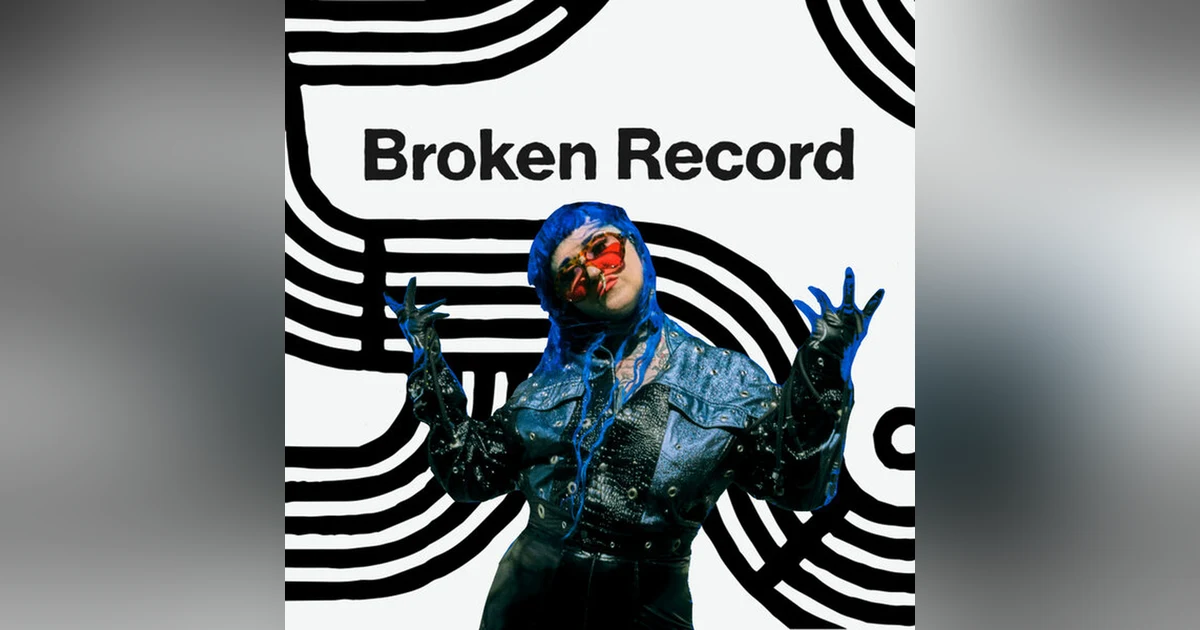


This is one of my all time favorite episodes of Broken Record. Sitting in NRG Studios in Los Angeles and watching one of my favorite bands run through songs and explain their parts and their partnership and their process was some of the most fun I’ve ever had. Hiatus Kaiyote is Australians Nai Palm on vocals and guitar, Perrin Moss on drums, Paul Bender on bass and Simon Mavin on keys.
We discussed their album Love Heart Cheat Code, the group’s fourth proper album featuring some of their strongest songwriting while still weaving in the progressive musical ideas they’re known for.
To see the full video version of this episode along with the band’s performance, visit YouTube.com/BrokenRecordPodcast.
You can hear a playlist of some of our favorite Hiatus Kaiyote songs HERE.
See omnystudio.com/listener for privacy information.
Speaker 1: Pushkin. This is one of my all-time favorite episodes of Broken Record. Sitting in NRG Studios in Los Angeles and watching one of my favorite bands run through songs and explain their parts and their partnership and their process was some of the most fun I've ever had. Hiatus Coyote is Australian's napalm on vocals and guitar, Perrin Moss on drums, Paul Bender on bass... and Simon Marvin on keys. We discussed their album Love Heart She Code, the group's fourth proper album, featuring some of their strongest songwriting while still weaving in the progressive musical ideas that they're known for. This is Broken Record. Real musicians, real conversations. To see the full video version of this episode along with the band's live set, including a version of their song Make Friends, visit youtube.com slash brokenrecordpodcast. But for now, here's Hades Coyote performing their song, Dimitri.
00:01:10
Speaker 2: Now, Wendy.
00:01:12
Speaker 1: Now, Wendy.
00:01:34
Speaker 3: I see colors in the sound, draw them down and I'll give it up all to you.
00:01:50
Speaker 4: Tryin' to hold.
00:01:52
Speaker 3: On to the intangible Icing colors.
00:01:57
Speaker 5: In the sounds Draw them down and now give it all to you Oh, oh.
00:02:06
Speaker 6: Oh, oh do you find.
00:02:16
Speaker 3: We're all amputees of our divination oh.
00:02:21
Speaker 5: Oh alone held in the arc of hypothetical do.
00:02:28
Speaker 7: You Fine, we'll roll the dream away of the swanky giant.
00:02:36
Speaker 4: On to the intangible. Icy colors in the town. I'll give it up on to you, you, you, you. And I'll give it up all to you. If you sit still, tilt your head right. Take your heels three times. If you sit still, tilt your head right. Take your heels three times. If you sit still, tilt your head right. Take your heels three times.
00:03:18
Speaker 1: You.
00:03:46
Speaker 4: Oh, oh, on to the intangible. On to the intangible. I said, when it's summertime. Oh, down, down, down, and I'll give it up all to you.
00:03:59
Speaker 5: Trying to hold on to the intangible.
00:04:05
Speaker 4: On to the intangible.
00:04:07
Speaker 5: I said, when it's summertime. I'll give it up all to you. Oh, oh, oh, Lord. In the world, the world, within the world. Do you find.
00:04:27
Speaker 4: We roll amputees of all divination?
00:04:30
Speaker 6: Oh, oh.
00:04:43
Speaker 4: I'd rather dream my way of it.
00:04:45
Speaker 3: Swinging If you sit still, did your hair act like yours?
00:05:24
Speaker 4: Oh, if you sit still, tilt your head right, take a easy time. If you sit.
00:05:29
Speaker 1: Still, tilt your head right.
00:05:31
Speaker 8: Take a easy time.
00:05:33
Speaker 6: If you sit still, tilt your head.
00:05:35
Speaker 1: Right, Man, that was an incredible set, guys.
00:06:38
Speaker 9: Thank you.
00:06:38
Speaker 2: It was beautiful. Cheers.
00:06:40
Speaker 1: Made me even more, I was happy to be able to see it, but made me even more sad that there's not a LA stop on the tour.
00:06:45
Speaker 8: Oh, me too.
00:06:46
Speaker 2: Yeah, I'm a bit sad.
00:06:46
Speaker 4: We'll be back.
00:06:48
Speaker 1: Congratulations on the new album.
00:06:49
Speaker 2: It's phenomenal. Thank you.
00:06:52
Speaker 1: It is really good. It feels like a perfectly sequenced record, too.
00:07:00
Speaker 2: Well done, guys.
00:07:02
Speaker 1: How many songs did you guys record for the record?
00:07:06
Speaker 10: There's like a couple more extras that didn't quite make it. But it kind of happens every record. There's always a few that we're like, it's not quite, you know, cooked enough or we've got to, you know, maybe try to re-approach it. So, you know, and they always usually end up on the next record a lot of the time. Not always, but a lot of the time.
00:07:26
Speaker 2: Because Cinnamon Temple has been around for a while.
00:07:29
Speaker 4: Also, the thing is like once you start the recording process and trying to document the songs that we already have, we also write a lot. Like, Make Friends was a very last minute addition to the record because we're just like, you know, in the mood to create. And so there's always like something that just sneaks in, like Red Room was like that on the last one, you know? So yeah, it's never like a set amount of songs.
00:08:00
Speaker 1: How did Make Friends come together then?
00:08:01
Speaker 4: Simon wrote the riff.
00:08:03
Speaker 11: Yeah, I was sitting at home on my upright piano with my wife sitting on the couch and I just started going.
00:08:12
Speaker 8: And she was like.
00:08:14
Speaker 4: Simon Maven unplugged.
00:08:15
Speaker 8: She was like, that's good. And I was like, all right. If a non-musician says I like that, then generally that's a good thing.
00:08:23
Speaker 4: What was the turnaround on that? Because he just came to the studio and was playing it and then I literally wrote to it overnight. I was like, that's excellent.
00:08:29
Speaker 8: I didn't think it was going to be a hiatus song.
00:08:31
Speaker 9: Really?
00:08:32
Speaker 2: Not at all?
00:08:32
Speaker 8: Yeah, I didn't hear it to be a hiatus song.
00:08:34
Speaker 1: So you didn't present it that way?
00:08:35
Speaker 2: No, sir.
00:08:36
Speaker 4: He just played it.
00:08:36
Speaker 12: I'm a scribe.
00:08:37
Speaker 11: I was just playing it in the studio, and then Nae was like.
00:08:39
Speaker 4: I was like, what do you got there?
00:08:41
Speaker 11: Recorded on her iPhone, and then at like 3 a.m. sent me an audio message of her singing to it.
00:08:47
Speaker 4: That's how quick it was.
00:08:47
Speaker 13: Wow.
00:08:47
Speaker 11: And then it was like, all right, this is going to be a hiatus song. And then we just went in the studio, and it just sort of came about really easily. Everyone just sunk into it, and we had it done in a few weeks, you know?
00:09:01
Speaker 4: We also came up with the last vocal bit after we recorded it and we were mixing with Mario C, who is a legend. He produced Beastie Boys and shit. Anyway, we were at his house and just kind of added that in last minute. So he's singing on it. Scott, our manager, is singing on it. So we just kind of had a little party vibe at the end. So that was a really cute addition to the song.
00:09:23
Speaker 1: What song were you guys recording when you started playing that riff?
00:09:26
Speaker 2: Do you remember?
00:09:27
Speaker 13: We were just probably rehearsing or kind of just working on the record.
00:09:30
Speaker 2: We were in your room. We were in my room.
00:09:33
Speaker 13: We recorded in my room, but it was like, I don't remember how it actually came out because I didn't hear it. I only heard it once and they had vocals on it. And I think we were just jamming on it in my room and then we just kind of put some microphones up and just recorded it.
00:09:46
Speaker 4: I think it was Telescope because it was like The Skulls, when I was recording The Skulls on that. It was in that session.
00:09:54
Speaker 8: Not actual skulls.
00:09:56
Speaker 13: No.
00:09:56
Speaker 1: I was going to ask.
00:09:57
Speaker 2: I mean.
00:09:58
Speaker 1: And what in Telescope has skulls?
00:09:59
Speaker 4: I am witchy, but no, they're like, what are they? They're like.
00:10:02
Speaker 2: I think woodblocks.
00:10:03
Speaker 10: Yeah, people want some woodblocks.
00:10:04
Speaker 12: I played woodblocks on the album.
00:10:06
Speaker 1: Sounds way more badass that way.
00:10:08
Speaker 2: Yeah, skulls.
00:10:09
Speaker 10: Yeah.
00:10:24
Speaker 11: Another one that I didn't think would be a lot of the things that I bring sometimes I'm like this is going to be a hiatus thing and then all of a sudden no it really is a hiatus song.
00:10:32
Speaker 4: Because everyone writes you know what I mean like different bits and pieces and that's what's beautiful about this collaboration is it's like I don't know these like amazing artists want to work with us but I'm like so spoiled for choice because it's not like people just playing instruments like everyone writes so you never really know what's going to develop into a hiatus song sometimes it's just like a sound or like a little piece or like Cinnamon Temple, you know? So there's no real formula. And I'm always like, I'm like a spy. I always have my voice notes like recording them and then, yeah.
00:11:06
Speaker 6: Yeah.
00:11:07
Speaker 11: I think Dreamboat was earlier than Telescope because we started playing it live as an intro to the set before we did the record. So that was the first kind of, I think the last tour that we did in the States, that was kind of our addition to open the set up.
00:11:24
Speaker 1: And then so was Telescope like an outgrowth from Dreamboat?
00:11:28
Speaker 9: No.
00:11:28
Speaker 1: No?
00:11:29
Speaker 2: No, it was a separate thing. Yeah, a separate thing.
00:11:31
Speaker 4: They both have concert harp on them, though.
00:11:33
Speaker 9: Yes.
00:11:34
Speaker 7: Do you remember her name?
00:11:34
Speaker 2: And that's an afterthought also, so that kind of ties it in.
00:11:37
Speaker 4: Melina. Yeah, because it's like, I don't know, when Simon showed us Dreamboat, it had this kind of like, like Alice Coltrane elements and I was like we should have harp on it and I even like dream boat lyrically is inspired by a piece of hers called Lovely Sky Boat and so like a dream boat is like my version of a sky boat. So we had harp on it and then telescope sequencing coming after that is it's kind of like it's a dream boat a sky boat that takes you into space so it made sense to put telescope next and then we're like fuck it let's put harp on that as well. So that's why they kind of seem like sister songs.
00:12:21
Speaker 2: Yeah. And also once we heard the harp, it's like, it's kind of, kind of gone as.
00:12:24
Speaker 12: Much as possible.
00:12:27
Speaker 1: Who did the harp on that?
00:12:28
Speaker 4: Malina something. I played, is it Gijang?
00:12:31
Speaker 1: Yeah.
00:12:32
Speaker 4: There's like a Chinese harp that there's just like, there's heaps of random instruments around the studio. Cause the boys are nerds and collect things like harpsichords and stuff. So, um, But that one was a jam as well. It was just like Simon found this like synth sound and I was playing this gijang. I can't actually play it, but I was just like, you know, fucking about or whatever. And on NASA's website, you can like type in your birthday and it will show you a picture of what the Hubble telescope took on your birthday. So each verse is about, like we just typed in each band member's birthday and each verse is about that. Yeah, it was very kind of just came together. I think that was like during COVID when we were locked down and just like being really creative and chipping away at stuff.
00:13:19
Speaker 2: Having a break from mixing Mood Valiant.
00:13:21
Speaker 4: Yeah.
00:13:21
Speaker 13: It just kind of came about and then we're just like, actually, this is pretty cool. Maybe next record potentially.
00:13:27
Speaker 1: I was going to ask about the lyrics. Like if you knew about like Einstein Ring. I was like, this is incredible stuff. I didn't, you know, I like to look at space, but I don't really know.
00:13:36
Speaker 8: Space is a place.
00:13:37
Speaker 1: Space is a place. Yeah. I don't know what's going on up there, though, but it was so... Does anybody?
00:13:44
Speaker 12: Does anyone really know?
00:13:46
Speaker 4: Well, someone who does know who knows about Einstein Ring, which is maybe the coolest bit of trivia I've heard about this record, but a friend of ours is doing an exhibition at the Planetarium in New York, and Neil deGrasse Tyson's office is down the hall from there. And I heard our friend playing it and walked in and was like, are they singing about Einstein Ring? And I was like, who was the best, like, co-sign?
00:14:13
Speaker 2: You're joking.
00:14:13
Speaker 4: I'm not.
00:14:14
Speaker 1: I swear.
00:14:15
Speaker 2: So he's going to be on our next record, going to get a collaboration.
00:14:18
Speaker 12: The BMO, this record, Neil deGrasse Tyson, next record.
00:14:22
Speaker 1: I think that would be incredible.
00:14:23
Speaker 4: I just love that.
00:14:25
Speaker 2: That really is kind of wild.
00:14:26
Speaker 4: It was dope, yeah.
00:14:27
Speaker 1: Because it's like, it really is like a, like, I mean, it's kind of like a dent. Lyrically, it's a little dent. dense, but you, but it's also like the way you constructed it is, um, it's concise too. Like, I don't know how you got away with it.
00:14:40
Speaker 4: I don't know how I get away with anything. I'm just, you know, raw dogging life right now.
00:14:47
Speaker 1: That's a good way to go for it. We'll be right back with more from hiatus coyote after the break. We're back with more from hiatus coyote.
00:15:03
Speaker 2: How do you guys.
00:15:03
Speaker 1: Change things from, like, when you guys are preparing to go out on tour and hit the road, how do you, like, what's the rehearsal like for the album versus the rehearsal like for the road, and what are you guys looking for?
00:15:15
Speaker 4: We don't really rehearse for the album.
00:15:17
Speaker 2: No, we just make.
00:15:18
Speaker 10: We just make shit.
00:15:20
Speaker 8: Just make.
00:15:20
Speaker 10: We usually just make things, and then it's like, you know, the sky's sort of the limit, so you can just put any sound on the record that feels right, and then it's like, cool, we've got to go on tour, and then it's like, Oh, shit. Like, how do we actually execute this? How do we do something that feels like has the scope and the, you know, and the color of the production that we've put together?
00:15:46
Speaker 4: I mean, look how many fucking pedals he has.
00:15:49
Speaker 10: He's got the freeboards and he's got all sorts of.
00:15:52
Speaker 4: Pez got Simmons and he's doing live effects as he drums, which a lot of people don't really realize is going on.
00:15:57
Speaker 10: Usually I have like, you know, I didn't need it for the songs today, but there's a sampler and bass synth and JJ's got a sampler over there. So it's just this puzzle of like, you know, sampling stuff from the record and making heaps of different sounds and trying to figure out how to, you know, encapsulate. the energy and the, you know, the colors of what we did. But yeah, it's always, um, we, we dig ourselves a pretty big hole every time. At least some of the tracks in the album.
00:16:28
Speaker 4: Especially like White Rabbit. White Rabbit was like, like a fever dream. I mean, it's supposed to be a fever dream, but basically like Bender, there's like an Omnicord and we were running like this shitty rhythm thing from it through his distortion pedals, like his bass pedals. And like there was like a mixer called an Alice. What is it?
00:16:53
Speaker 10: Alice Broadcast Mixer.
00:16:54
Speaker 3: Yeah.
00:16:55
Speaker 4: And it has a little picture of a white rabbit on it. So I just started singing what I could remember of white rabbit over this curse. Like distorted rhythm thing of this like janky Omnicord thing. And it was just like an experiment and just fun. And then we just kept like adding things and. expanding on it and like Ben just taught himself how to play cellos there's like cello on it and there's a reference to like Debussy on it and.
00:17:19
Speaker 1: Like what's the Debussy reference?
00:17:21
Speaker 4: It's like Claire de Lune is the B section because I didn't love the B section.
00:17:25
Speaker 10: Similar chords yeah similar chords what are the chords?
00:17:28
Speaker 2: What are the chords?
00:17:29
Speaker 8: Oh god I can't remember I want.
00:17:32
Speaker 4: To be able to hear it with the people yeah that bit you know that and the cool thing is is like I never really expected to do a cover, but it just kind of came together through playfulness, which is a big part of our ethos. But also I like the idea that with White Rabbit, it's kind of like, you know, it's such an iconic psychedelic moment in time. And when people cover it, they kind of do like a throwback psych thing. And I'm like, we have a whole new level of psychedelia now, you know, it's like. there is new drugs, there's new wars, there's like social media and like tech, you know, evolution. So there's like, it's like, what does, what do those themes that are still very much present today that will probably always be present as long as humans are around? Cause you know, but what does that sound like today? And how, how, how do you like approach psychedelia without referencing the.
00:18:36
Speaker 1: The 60s the sound of the 60s.
00:18:38
Speaker 4: The sound of it exactly so um so we got real weird on it um but that one's really hard to do live because there's just so much going.
00:18:46
Speaker 11: On you guys don't play it live do you no we we got it together we.
00:18:49
Speaker 13: Did get it together and then and then yeah we just we just stopped we gave.
00:18:54
Speaker 1: Up what's the part that like fucked you guys up.
00:18:57
Speaker 13: Just sound wise in headphones it's really hard to like get Because we have so many variety of sound within all the songs. So like for White Rabbit, it's a whole new journey for us and we don't really understand what we all need to be able to play the song within the headphones. So it's kind of like it's going to take a long time for us to get it right. But in the rehearsal room, we kind of got it, but it's a different situation to how we play live.
00:19:21
Speaker 2: Oh, shit. We'll get there. Yeah, we'll get there. We'll get there.
00:19:24
Speaker 4: We have too much material as it is, you know what I mean? Like most people like, make shit and then gatekeep it and then eventually show people but we're always just like whenever something's ready we're like you know this is this.
00:19:35
Speaker 1: Is close enough i feel like to rehearsal setting right good it.
00:19:39
Speaker 13: Is but there's so many sounds like i've got buttons jj's got buttons bender's got buttons and then we're all playing our instruments as well and then it's like nate's got distortion mics laura's got like reverb mics and there's like a whole bunch of layers on the song.
00:19:51
Speaker 2: And um Yeah, soft distortion. It's hard to get it right, but we'll get there.
00:19:56
Speaker 4: We also have like nearly any time we go to the airport, like Uber drivers just drive away. They look at the sheer amount of shit we have and they're like, it's not worth it. They just do it.
00:20:08
Speaker 1: There's no way you guys don't have cars at a time, right? With the amount of stuff required.
00:20:11
Speaker 4: Yeah, we do. But there's definitely been times where people have just like fucked off and it's like, okay. Yeah, yeah.
00:20:16
Speaker 1: I could see that. It's intimidating to see like I was talking to you guys, to Dale, who does sound for you guys and like it's an ambitious, you know, to getting this on the road and doing this live.
00:20:32
Speaker 2: Man, he does such a good job.
00:20:33
Speaker 4: Yeah.
00:20:33
Speaker 2: I mean.
00:20:34
Speaker 8: He's killer.
00:20:35
Speaker 10: The obvious choice is... you know, really would just be, like, put a bunch of stuff on a backing track on a laptop and just, like, have a click track in your ears and just.
00:20:45
Speaker 2: Like, do that.
00:20:46
Speaker 10: But none of us want to do that.
00:20:47
Speaker 2: None of us want to do that.
00:20:48
Speaker 10: We'd all just, like, hate it and have the worst time possible. So, you know, there's a lot of complexity in just trying to recreate everything where everyone's playing as much of it as possible and we're not, like, leaning on any of that stuff. So, you know, it's like, oh, I need to have a distorted background like drums on this song you know so that's a thing.
00:21:08
Speaker 13: Yeah and that's i got a new toy here which is like um johnny um who does front of house for us and who recorded today as well um he gave me a little distortion box and that's a new element so like you know just got it's like a tiny little box and now there's i've got distortion on my drums that i can dial in.
00:21:24
Speaker 1: Can you play with that so we can hear um.
00:21:26
Speaker 2: Yeah yeah i'll show you i'll show you how much.
00:21:29
Speaker 4: What it does um Also, there's so much improvisation. It's very specific arrangements, but by not playing to a clicking track, if you're feeling something or you want to loop something or you want to extend something or you want to improvise, you have the capacity to do that.
00:21:44
Speaker 1: I wanted to ask about that because I did notice that.
00:21:47
Speaker 2: So this is zero. This is like.
00:22:06
Speaker 2: So the microphone's down here. Yeah, that's it. So I've got that now and then you turn it off. It's a big difference. Yeah.
00:22:21
Speaker 1: How many sounds can you get out of your kit, do you figure?
00:22:23
Speaker 2: A lot.
00:22:23
Speaker 12: Probably 27.
00:22:25
Speaker 4: Yeah, I think 27 is the maximum number.
00:22:27
Speaker 2: No more than that.
00:22:28
Speaker 13: I've got like a Simmons over here that's got triggers to so that first row is a kick and I can change the pitch or the length of that and then like same with all the and then with all those guys I can mix over here that does the the effects that and then microphone over here to record.
00:23:06
Speaker 2: Stuff and then and that kind of yeah.
00:23:09
Speaker 1: You're doing something to like mess with yeah yeah i've.
00:23:11
Speaker 4: Got like can you only tell that from the innies but oh.
00:23:15
Speaker 10: If you don't have headphones you can't you can't.
00:23:17
Speaker 4: Tell like you're showing them a thing that no one.
00:23:19
Speaker 2: Has no but i feel like they should be in the studio.
00:23:22
Speaker 1: Yeah oh yeah they can hear it they can yeah.
00:23:24
Speaker 13: Bet I was like, it sounds so boring when I'm not actually doing it.
00:23:30
Speaker 10: It's happened before when I'm just hitting a tom.
00:23:31
Speaker 4: It's just like, oh, shit.
00:23:32
Speaker 1: But, you know, without the.
00:23:33
Speaker 2: Headphones on, it just sounds like I'm doing nothing. It's crazy, man, because usually people have big kits.
00:23:36
Speaker 13: Not to say it's necessarily overkill, but they do a lot with it.
00:23:54
Speaker 1: All the time, like, you know, I guess you think of, like, a Neil Peart, you know, and he's cool to listen to, but it is, like, a lot that he's doing, and he has a big kit. You're not, like, it's cool how you choose to use things and when you choose to use them.
00:24:05
Speaker 13: It's coming from, like, a production background, and, like, in the beginning, like, I didn't have any of this stuff, and then we'd be playing, like, songs off Choose Your Weapon, and, like, I didn't have the Simmons either, so it would just be, like, chucking things on snares and cymbals to try and create, like, a feeling of distortion or whatever, and then eventually, like, you know, found the Simmons and it was like, I was able to tune the drums and then it's kind of like, then I'm kind of producing, I've got my own little production world here.
00:24:32
Speaker 8: So it's cool.
00:24:32
Speaker 13: And then I don't need as many drums. I can just like, these two drums can change pitch. So, and that's why they're so dead. So like the deader they are, the more I rely on the Simmons to change the notes and the pitch and stuff like that. And just keep adding onto this, but yeah, the actual drums is only like a three piece kit really with cymbals and all the other stuff.
00:24:53
Speaker 1: And what came first for you? Was it production? Like, did you start producing stuff first or did you start drum?
00:24:57
Speaker 2: Like no producing.
00:24:59
Speaker 9: Really?
00:24:59
Speaker 4: Yeah.
00:24:59
Speaker 1: So when did you pick up drums?
00:25:01
Speaker 2: Um, or like I've, I've.
00:25:02
Speaker 13: Been playing a hand percussion like for, for a while. Um, and then when I went, moved to Melbourne, um, I kind of like, we moved down, I was in another band and we moved down to Melbourne without the drummer. So we had another drummer, Lee Fisher that was playing with us in Melbourne. But, um, I would just, picked up the drums and because i knew the songs and i'm like kind of get away with playing like basic basic patterns um from just hand drumming and um that's kind of how.
00:25:28
Speaker 1: It started really and that would have been like how.
00:25:31
Speaker 13: It was like 21 22 yeah um like where i really went in where and then and then i moved in with these guys and then like they're all amazing musicians and then i just basically like treated like a day job and just did like eight hours a day just kept playing drums and learning so much from these guys and Yeah, it was fun.
00:25:50
Speaker 4: He was initially, like, doing production and percussion or whatever, and I was like, actually, you're the drummer now.
00:25:57
Speaker 13: Yeah, Nakamura was the first song. Or was it Les Skull or something like that?
00:26:00
Speaker 8: I don't remember.
00:26:01
Speaker 2: From the first record? Yeah, I was the percussionist.
00:26:05
Speaker 1: That's around the time that you really started. I mean, that's... We were supposed.
00:26:08
Speaker 4: To get a drummer. I was like, you were the drummer. Now you're trapped with us.
00:26:14
Speaker 2: Now I'm trapped. No, it's good. It's great. Yeah.
00:26:17
Speaker 13: Yeah. It was like a, it was a little bit later on, but I just like, you know, I was, um, you know, I'm a big believer in like, if you want to do it, then you can, you can make anything, anything's possible. If you, you know, you, you've got the, um, the drive to do it, then you can kind of achieve a lot. So it's kind of proved to myself and other people around me that it doesn't matter what age you are, you know, you can kind of get, if you're really passionate about something, you can just, you can get it done.
00:26:41
Speaker 2: If you dedicate your life. a lot of time to it.
00:26:44
Speaker 1: It's just crazy i mean there's drummers who like i mean who are big fans of yours who've been you know they've been playing i guess think of like quest love has been playing since he was a toddler or like chris dave like you know what i mean like like here you are like 20 years after them you're picking the instrument up it's it's nuts like it's uh.
00:27:01
Speaker 13: But i mean those guys like paved the way like i listened to the records that those guys played on and it's like um you know, hearing, just hearing how, how it sounds on a record. And that's where I'm listening. I'm not listening to like what they're playing. I'm listening to how it sounds on the recording. And then I'm like making up my own mind of how that's, that's happening. You know, it's like naivety and a bit like, you know, like just kind of going, Oh, that's probably how they did it. And it's most of the time, it's not how they did it, but then it's kind of form my own sound by just making up what other people did and then just trying to achieve that.
00:27:32
Speaker 2: That makes sense.
00:27:32
Speaker 1: Is that a different mindset then than when you're on the road.
00:27:35
Speaker 13: And Yeah, recording in a studio and playing live is a totally different thing, for sure.
00:27:40
Speaker 1: How do you adjust?
00:27:43
Speaker 2: I don't know.
00:27:44
Speaker 13: I feel like on live gigs, it's more about being a bit more of a timekeeper.
00:27:49
Speaker 2: But also, I.
00:27:54
Speaker 13: Feel like I have a lot of freedom in the band because I don't have anything melodic.
00:27:59
Speaker 2: So I kind of like can, I've got to just make it move.
00:28:02
Speaker 13: Like I've got to move within everyone and try and make it feel really good for people to dance to.
00:28:07
Speaker 2: That's kind of like how I approach it.
00:28:08
Speaker 13: But in the studio, I'm like, it's more tone and what the song needs. You know, in the live, it's like I might hit the higher, harder on this section, but in the studio, I would be taming it down because I can hear how it sounds in the microphone. So I'm like, I don't want to play louder because it's going to fuck up the sound.
00:28:25
Speaker 2: If that makes sense. Yeah.
00:28:26
Speaker 4: He's very creative. I think the thing is there's all these amazing drummers that have been playing since forever and they've got chops and they've got 25 cymbals and that's amazing. But like literally Thomas Pridgen the other day who's like such a G and he's the homie and he's played with fucking everyone. And we did a show, I can't remember where we were, somewhere. the other day and he gave Pez this like, I call it the orange peel symbol.
00:28:55
Speaker 1: It's like, the thing that goes, yeah, yeah, yeah.
00:28:57
Speaker 4: And he was like, and he was like losing his shit over Pez's setup and it's just like, this is the thing is, it's like, you don't, it's like, there is this like competitive thing of like, who is the best drummer in the world? And it's like, none of that counts for shit. You know, like, I mean, it's impressive and it's cool and it's beautiful and you can get session gigs and all of that, but like, creativity speaks volumes and you can like, you can do so much with that. And I think, yeah, there's just like not gatekeeping music, you know, people like not wanting to like learn an instrument because they didn't grow up with it. It's like, I'm too old. I'll never be the best at it. It's like, just be yourself with it, you know, and explore it and be creative. And Pez is like so good at that to the point where these amazing world-class drummers look up to him and are like, respect what he does because no one plays drums like him because he plays drums like him you know and I think we're all like that it's like we value our craft and we develop it but at the end like at the core of it is just like what does the song need you know Instead of, like, let me show off.
00:30:10
Speaker 1: And it feels like you guys have even, like, you guys have gotten to that place even more. Like, on the last two records, it feels like, I don't know, it feels, you guys are all virtuosic, you know? But it feels like the records showcase some of that. The last two, Mood Valiant and Love Our Cheat Code. But, like, there's still, there's, like, a lot of emphasis, especially on the new one, like, on song and the conciseness of the record, just, like, 11, 12. and it really moves, like, starting with Dreamboat, ending with White Rabbit, like, the record really goes somewhere, like, and it does, it doesn't happen a lot on records these days, I don't know if people don't think about them that way, but you really, it's like, I don't know, like, it's like a film that way, or a story, or narrative, you know.
00:30:51
Speaker 4: It is a film, you know, and I, like, I don't know, I think a lot of people just want, like, collaborations, and hits, and songs, and it's like, our attention span is just, like, shrinking, you know, and, like, That's cool but I think to be able to create a whole universe that you can just put on and like leave and experience something is also really valuable and we love it.
00:31:14
Speaker 11: And that's the most exciting thing about being in a studio, man. It's like you can have so much fun and you've got like this unlimited resource of sound that you can play with, especially these days. It's like it's crazy. It's like why should you limit yourself?
00:31:32
Speaker 13: Yeah.
00:31:33
Speaker 1: It was interesting you brought up Thomas Pridgen because I thought a lot about Thomas Pridgen, just for some, like the way that it's just the heaviness, but the creativity in really what also what you're doing.
00:31:44
Speaker 13: Bender was, Bender was the main source of inspiration for that one. And like, you know, like Bender was like, like I was never playing anything heavy until I met Bender. Like, honestly, like I wasn't listening to much heavy music at all. And then he showed me like a band called Lightning Bolt. And I remember that really opened up my, my ears to like those sounds. And like, um, if you want to go forward from that, cause.
00:32:06
Speaker 10: Like, yeah, definitely lightning bolt was a huge influence on that song. There's a few main influences for me. It was lightning bolt, um, deer hoof. And there's this particular, uh, form of West African music that, like, you showed me called Takamba, which.
00:32:23
Speaker 4: Is like a ⦠That's what I wanted to interrupt and say. You say, oh, I wasn't really listening to heavy music. It's like some fucking Northwest African records that are just, like, recorded on the most distorted, like, fucking shit. Like, that is hard.
00:32:37
Speaker 2: Oh, it's so hard.
00:32:38
Speaker 4: Like, Abbey Nagano, it's like, just because it's not metal doesn't mean it's not fucking hard.
00:32:42
Speaker 2: No, that's it. Yeah, totally.
00:32:44
Speaker 10: I mean, for me, I grew up, like, the first band I was in, you know, the first music that I played was ⦠like punk and metal and grunge and stuff, you know, just being in a band with my brother and, you know, covering, you know, Nirvana and Pantera and Slayer and, you know, Metallica and shit, you know, just, and, um, you know, and it's, it's like a kind of world that, you know, I, I kind of drifted away from just trying to learn as much about as many things as possible. And, um, kind of just coming back to just like, you know, distortion is really fun. And, you know, just that kind of energy is really fun. And I think it's also really cool to play that stuff live because I feel like most people have a soft spot for it, but it's not necessarily something they want to listen to. Like, you know, most people don't want to go to like, you know, a three-day metal festival and just get barraged the whole time. but if you hit them with like a couple of songs on the set that are just apeshit and just out of control, then it's just like, you know, it's such a release.
00:33:54
Speaker 2: It's very, very therapeutic.
00:33:56
Speaker 10: It's super therapeutic.
00:33:57
Speaker 4: Release the pressure is one of the lyrics. It's like, okay, here's a moment where you can just like shed the fucking demons. And sometimes we'll be having a hard show where people like me, I was one, two, one, two, three, four, five, six. And you're just like, just fucking be in the room and give us love. Like we're human beings and we need that shit.
00:34:13
Speaker 13: You know?
00:34:13
Speaker 4: And sometimes like, Cinnamon Temple can be like a palate cleanser.
00:34:17
Speaker 10: You know, heavy music. It's a cathartic thing, you know, and a lot of stuff gets kind of, you know, very like overemphasized with all the sort of kind of cliche satanic imagery or whatever. It's what like, I don't know, when I discovered Lightning Bolt and really got into them, they like really blew my mind because they had a really different take on it. Even like you can kind of see it reflected in their cover art and everything where it's all like crazy stuff. like over the top, like rainbow explosion colors. Cause that's kind of what it's like, you know, it's like you just get in there and it's just like being on a roller coaster and it's just fun, you know, being like elbow to elbow with people while someone's just like going as hard as they can. Like I was lucky to see them play lightning bolt in Melbourne, like many, many years ago. And they, they set up on the ground. Like they don't, they set up in front of the stage. So it's just like a drummer and a bass player going full ape shit and everyone's just around them. So at some point during the set, I'm literally holding on to the drummer's floor, telling him all these people behind me. And he's like, no, God. Yeah, it's just like someone driving as fast as possible for the whole set. So there's something just so joyous about that. You know, it doesn't have to be like dark. It's just like, you know, it's like, let's go.
00:35:47
Speaker 1: Yeah. I was so happy when it gets to that part of the record because it just, I hadn't even listened to music that heavy in a while. I mean, to your point, I kind of, I mean, I grew up, rest in peace, like Dimebag Daryl. I mean, I used to love Pantera. I grew up on that, you know, but spent three days at Ozzfest. But I can't, you know, I can't, I can't really, I can't live there for too long anymore.
00:36:08
Speaker 10: But honestly, like, I don't know, metalheads are all really nice people for the most part.
00:36:11
Speaker 1: They are.
00:36:12
Speaker 2: They have an outlet.
00:36:13
Speaker 1: For the most part.
00:36:13
Speaker 10: I mean, yeah, apart from the crazy Norwegian church burning.
00:36:16
Speaker 2: The cannibals.
00:36:17
Speaker 10: The mayhem guys and stuff are actually really hectic, but most of them are just like chill nerds.
00:36:23
Speaker 1: Do you mind, could you play a couple bars of Cinnamon Temple?
00:36:27
Speaker 10: I just have to put Eric down for a second.
00:36:28
Speaker 1: I mean, yeah. The shark can play along, please.
00:36:32
Speaker 10: So yeah, it all just sort of started with this initial riff. Yeah. It's a little taster.
00:37:13
Speaker 12: This is so fucking good. I didn't even really get to hear it, but I was just hearing that.
00:37:19
Speaker 1: He hit the.
00:37:22
Speaker 10: Drum and go bang, bang, bang.
00:37:26
Speaker 1: You guys have been playing that for like almost 10 years now?
00:37:29
Speaker 8: Yeah, probably.
00:37:30
Speaker 4: We have no concept of time ever most of the time. We're like, how long did it take you to make this thing? We're like, when the record label said it has to be finished. A while.
00:37:43
Speaker 10: Yeah, we haven't played for a while.
00:37:45
Speaker 2: And even the recorded version of it is actually quite old too.
00:37:49
Speaker 1: Super different, right?
00:37:50
Speaker 2: Yeah, yeah, yeah.
00:37:51
Speaker 13: We've got another song that was recorded at the same time that's still not out. You know, like, so that would probably.
00:37:57
Speaker 10: Be on the next record. Everything's just a puzzle, you know. It's just like some puzzles you solve really fast. And other ones you're like, why is this not, like, it yet? Like, why doesn't it feel the way I want it to make me feel yet? You know, so certain things you just, like, take a little while to brew and then you step away from it. And it's like, what did we record?
00:38:17
Speaker 2: And you're like, oh, okay.
00:38:19
Speaker 10: You know, you kind of figure out what it needs at some point. But we don't like to, you know. rush anything or put anything out that doesn't feel right yeah that's the weird thing about recording because it's you know it's not it's just not it's just sometimes it's really straightforward and other times it's really not you know it's like it's all kind of a sort of a illusion really you know even if you really record yourselves playing it you know you're not just standing in the middle of the room hearing it with two ears you know every microphone is a weird, unique ear placed at places that you can't be at once, you know, and then you're just trying to put it together in something that just feels right, like feels like the intention. So, you know, sometimes that takes a while to figure out.
00:39:07
Speaker 1: And does every song need, require something different?
00:39:10
Speaker 10: That's the challenge. I mean, I feel like that's the great challenge of this project and why the records aren't like, you know, made that quick. Because, you know, if it was.
00:39:20
Speaker 2: There's not like one sound that suits all songs. Yeah, exactly.
00:39:23
Speaker 10: You know, I feel like, for example, I don't know, like someone like, you know, the Dab Kings who are all amazing players and, you know, just incredible. You know, they'll make a whole record that's like, all the songs are essentially the same. sounds, you know, it's the sound of this room, you know, with like one or two mics over the drum kit, you know, all the tones are like in the exactly the same universe and you just get to take, to get takes to feel good. And, you know, the whole record has that sound. But for us, it's like every track is like, drawing from you know a different genre that has a different production and even process and.
00:40:07
Speaker 2: Style and even different different sections as well.
00:40:09
Speaker 10: Yeah yeah exactly it might be like this you know i don't know like for example when we were making a song atari from choose your weapon it's like okay so this is kind of inspired by video games it's going to have all these kind of little you know 8 bitty kind of feeling sounds and it goes into the chorus and that has this sort of drum and bass kind of inspired thing. So then it's like, well, we, now we have to embrace how that is put together, which is like, you know, chopping up different drum breaks, you know, that are all recorded differently. So we literally got, you know, Pez played a bunch of different breaks with different mixes, like just going down, like it's a stereo mix and the drums do a different mix, play a different variation, let it feel at a different tempo. just get, we got heaps of those together and then we changed the pitch of all of them. So they're now all at the same tempo. And then it's like kind of chopping between them. It's like, this one's kind of like being sped up this much to the ride symbol. And this one's all like super tight and that's kind of been pitched down, but it's just like, yeah, just embracing like how did people make stuff in the style that we're referencing sound like that style. And it's all really different.
00:41:23
Speaker 13: And it's super fun for us because it's like, you know, that's the full experimental part of creating a record. And we get to learn about it and go dive deeper into it. And also like, you know, like with this, all our inspirations musically, it's like, they will bring something in, someone brings something in. It's like, I really love this song on this moment.
00:41:43
Speaker 2: And it's like, cool.
00:41:44
Speaker 13: Like how, how would they have done that? They might've like, it sounds like a microphones all the way over there. but like the singing is like all the way over here, you know, and then you kind of like experimenting with that stuff. And then, you know, we've built up a repertoire and like an arsenal of different sounds that we kind of can create. And I feel like we did a lot of experimenting on the first four records. And, you know, the last one was like, we've kind of like, we definitely have, we've got a bag and we can like pull sounds out of the bag and put them on, you know, like.
00:42:14
Speaker 8: Which is cool.
00:42:14
Speaker 4: I think also another thing to mention is that like, Us working out this stuff is like, let's go and watch a tutorial about this. Like a lot of it is just listening and re-imagining and it's a bastardization, but it's unique because of that. It's like how, like how you, like you can give art, but also how you interpret art is also creative, you know? And like, even the name hiatus coyote was kind of like a pun on that. I was like, coyote is not a word. It's a made up word. And like, however you want to interpret that involves your creativity and I think that's a really big part of like what it is that we do what we give to people but also how we learn you know it's just like listening and trial and error and then you work it out and then you're a little tool belt and maybe it'll be the thing that you use later down the line or maybe you have to work out.
00:43:06
Speaker 1: Something new I was tripping out that you said coyote is a made up word, but you just mean like the way it's spelled. Or is coyote actually?
00:43:11
Speaker 2: No, no, it's coyote.
00:43:12
Speaker 3: Coyote. Hiatus.
00:43:14
Speaker 4: Coyote.
00:43:15
Speaker 1: Okay.
00:43:16
Speaker 4: A lot of people say coyote and I don't like.
00:43:17
Speaker 2: It's fine.
00:43:18
Speaker 1: I'm from Los Angeles.
00:43:19
Speaker 2: It's whatever you interpret it as.
00:43:20
Speaker 12: Everyone says coyote.
00:43:20
Speaker 4: I'm like, that's fine. I like wolf dogs. No, but it's a made up word.
00:43:25
Speaker 1: I've been put on notice.
00:43:26
Speaker 12: I'll never say it wrong again.
00:43:29
Speaker 1: Sorry, guys.
00:43:30
Speaker 2: No, it's fine, dude.
00:43:31
Speaker 12: It's a lot to take in with y'all. It's a stupid name.
00:43:33
Speaker 4: Yeah, we're elaborate as fuck.
00:43:37
Speaker 1: After this last break, we'll be back with the rest of my conversation with Hiatus Keori. Here's the rest of my interview with Hiatus Keori. In terms of lyrics, like lyrically, I really enjoy this album. And I was wondering specifically for this album, when did you come in? How soon do you introduce ideas, lyrical ideas? Or do you often just introduce like vocal ideas? And how early in terms of building, constructing the tracks?
00:44:12
Speaker 4: Sometimes it's the first thing. Sometimes it's the last thing. There's no formula. Sometimes I write whole songs and bring it to the band with guitar and it's very, very formed. And other times it's a response to something. Like in Cinnamon Temple, in that middle bit, I literally had to count out the syllables of each riff and then work out what words would make sense within that. you know, or yeah, I don't know. There's no, there's no set way that I go about it, you know, and sometimes like melodies we based off melodic thing, like, you know, like instrumental things, sometimes the other way around where an instrument is playing what I'm singing.
00:44:55
Speaker 10: I think unlike Dimitri, you pretty much had like the lyrics and the melody straight up. And then I sat down with Nain, we figured out the chords to what was already there. It was like, it was such a strong, idea melodically and lyrically. And then I was just like, what are the, what's the harmony that goes with this? And, you know, so yeah, it can be really any, it can.
00:45:16
Speaker 4: Be a million bajillion different things. There's no, yeah.
00:45:21
Speaker 1: Yeah. I was listening to, I've been listening to Steely Dan a lot lately. And I was, I was like wondering why it's like as good as they are, why didn't they write or like give tracks to other people or whole songs, you know, like, and I was, I guess I was had the same, a similar thought about you guys. Like, has anyone approached you guys to like, take it like, or to say like, Hey, can you guys write us a song? Like the track, the lyrics, everything, or have you guys thought about doing that for other people?
00:45:46
Speaker 4: Lots of really, really famous people, but, um, we don't really care about that. You know, maybe it's, I don't know. The thing is, yeah, is.
00:45:55
Speaker 12: The thing is, yeah.
00:45:57
Speaker 4: Um, we have so much to explore creatively together, um, And, you know, between, like, recording and writing and touring and photo shoots and then a tiny slither of life where you're not doing that, it's, like, there isn't a whole lot of, like, additional time to just be, like, you know. I'm also very sentimental and my shit is, like, very sacred to me. So the idea of, like, writing something for somebody else's life experience is a little bit alien. I mean, like. Yeah, I mean, maybe one day, but realistically, most people do that because they need to pay off a mortgage or something. True.
00:46:40
Speaker 1: But then you did. You used a little bit of My Girl in Telescope. That's an interpolation. I don't know if Smokey didn't write that necessarily for the paycheck, I don't think.
00:46:52
Speaker 4: He also didn't write it for us. We interpolated it.
00:46:55
Speaker 1: That's a good point.
00:46:57
Speaker 12: Who's mad at the temps version?
00:47:01
Speaker 4: I don't know. I'm particularly touchy about this because I think it's a very LA thing to be like, you know, I don't know. That part of the industry I'm going to be like, ugh.
00:47:09
Speaker 1: Yeah.
00:47:10
Speaker 2: I don't know.
00:47:11
Speaker 4: Maybe you guys think differently about that.
00:47:12
Speaker 11: I think we just don't find enough time to actually make music ourselves.
00:47:16
Speaker 8: You know, it's hard enough for us to get in the studio and create stuff. let alone for other people.
00:47:23
Speaker 2: Yeah.
00:47:23
Speaker 8: I think we, we take that first.
00:47:26
Speaker 2: Yeah.
00:47:26
Speaker 4: You know, we had the choice.
00:47:27
Speaker 11: It's like, do you want to write some more hiatus shit or do you want to write shit for other people? And it's just like, we're going to write more hiatus shit.
00:47:33
Speaker 10: I kind of think that too, like, cause we do, you know, do stuff. We each have our side quests outside of the band.
00:47:39
Speaker 1: Yeah. You guys do have side quests.
00:47:41
Speaker 10: I think, you know, as soon as it's like a thing that we were, we're all writing, we're all invested in, we like, wouldn't be able to give it away.
00:47:48
Speaker 2: Okay.
00:47:49
Speaker 10: But you know, it's like, you know it's like we just one of us is just making some stuff with another random person it's like cool whatever like it's yeah it's cool but i think once it becomes like collectively our thing it's like no but we like we need to keep this this is really good like and if it wasn't really good then we wouldn't keep working on it like if everyone didn't love it it would sort of fall by the wayside.
00:48:13
Speaker 13: And i think it's also sorry i was gonna say like you know um I think we all like individually, we all have like, and also collectively we have like inspirations musically and it's not necessarily like other singers, you know, like, or it's more instrumentalists and stuff like that. Cause like we all have a love for Miguel and would like those kinds of things all like.
00:48:35
Speaker 4: You're talking about Miguel, I would focus on not the R & B.
00:48:38
Speaker 2: True, true, true, true, true. Yeah.
00:48:41
Speaker 13: Just kind of like having these instrumental arrangers that like we really respect. And then like, you know, that's like, definitely a possibility and we would do that and who knows if it's on our records or like or on their records or it was a collaboration but like yeah it is I just wanted to say that you know like it's like we do have those we do have those collective like oh my god imagine working with this person or this artist like you know from the other side of the world that is doing something so unique that like you can't touch that you can't recreate that and that would be cool to collaborate with that person you know yeah I also.
00:49:14
Speaker 4: Don't feel like like a lot of people are like, oh, you know, what's your dream list of collaborations? Like, we've only really worked with like, like Pesce, like, you know, like Arthur Veracai who does.
00:49:23
Speaker 2: Like, yeah, exactly. He's an example.
00:49:25
Speaker 4: You know, orchestral arrangements for us or, you know, um I think just because I like something doesn't mean I have to be a part of it you know what I mean like I love Bjork but I don't know if I would need to contribute something to it because I can just like you know what I mean it's like I don't want to need to put my flag on the moon all the time.
00:49:46
Speaker 1: You don't want to colonize others I.
00:49:49
Speaker 4: Mean the collaboration is beautiful but I guess like yeah it's like I have to be a part of that because I like that it's like you know if it's organic and it makes sense sure but not because of any like superficial yeah I guess you're right.
00:50:04
Speaker 1: I mean, there is kind of like an industry overtone to that.
00:50:07
Speaker 12: It's very LA.
00:50:09
Speaker 1: We live in Australia.
00:50:10
Speaker 4: It's the other side of the world. People are way more chill.
00:50:12
Speaker 1: I mean, I'm not even just for the Australian people. I don't know. You guys are so fucking good.
00:50:16
Speaker 2: I'm like, God, how.
00:50:17
Speaker 1: Many people could use what you guys have harnessed together? You know what I mean?
00:50:25
Speaker 2: Hopefully it's inspiration for other people. That's the thing.
00:50:27
Speaker 4: I think that's how we contribute is the amount of people. We did a pop-up shop the other day. The amount of people that are like seeing you be creatively free together is like makes me want to do that. And that's more exciting to me than me being like, hey, sing this thing that I made.
00:50:43
Speaker 8: You know what I mean?
00:50:44
Speaker 2: Yeah.
00:50:44
Speaker 9: Yeah.
00:50:45
Speaker 4: Okay.
00:50:46
Speaker 1: Yeah.
00:50:46
Speaker 4: But yeah, like Simon said, we have so much like material and I'm always writing and I'm just like waiting for us to like be able to have the time to go home and work on that shit because that's my favorite thing to do. I love touring, but it's like, Yeah, so it's like that takes the top priority. But who knows? You know, maybe I'll change my mind about that.
00:51:08
Speaker 2: A lot of people do it.
00:51:09
Speaker 4: Stevie Wonder, Prince, like, A lot of people were like... Yeah, look at.
00:51:12
Speaker 1: I mean, you know, and it's not in a crass kind of like industry, you know, like.
00:51:15
Speaker 2: But it's natural probably. I mean, we don't know because I don't know them personally.
00:51:19
Speaker 10: I personally love collaborating outside of the band.
00:51:21
Speaker 2: I love it too.
00:51:21
Speaker 10: But that's just me. I've been trying to rope lots of people into my side project, The Sweet Enough, so we go around and tour.
00:51:26
Speaker 1: Yeah, which by the way, fucked me up for like... When I first heard that, I really thought it was some like old Polynesian style record. I was like, what the fuck is this?
00:51:34
Speaker 4: Les Baxter.
00:51:35
Speaker 5: Yeah.
00:51:36
Speaker 10: Me and Simon have been working on the follow-up record and we've got... lot of amazing people on it you know just uh which is fun it's just you know it's something special about getting cool instrumentalists to just hang out and just like make pretty stuff just like we're just going to make pretty music now and you know do some palm tree swaying energy and have a good time just have a really chill time you.
00:51:59
Speaker 1: Know Such a great chill record.
00:52:00
Speaker 11: It's the best fun in the studio.
00:52:03
Speaker 8: Everyone's smiling and super happy.
00:52:05
Speaker 1: It's awesome.
00:52:06
Speaker 4: Not like a hiatus record.
00:52:07
Speaker 8: We're all pulling.
00:52:12
Speaker 1: I wanted to ask Simon about the way you think about chord changes. Just generally. Are there changes just when you sit down at the piano you're prone to play more than others?
00:52:24
Speaker 11: I feel like chord changes and harmony is something that is, you know, when you intellectualize it and when you teach it, everyone kind of learns the same things, right? Because this is the popular ones that everyone kind of gets down so that they can play certain styles. And that's cool, but I kind of prefer this sort of method of trying to figure out your own ideas of changes and establishing your own concept of harmony and sound and being able to hear and recall certain interval relationships because of emotional feelings that you connect with them as opposed to three, six, two, five, one or whatever.
00:53:16
Speaker 8: You know what I mean?
00:53:17
Speaker 1: Yeah.
00:53:18
Speaker 11: And that's, you know, when you kind of think about it like that, you start to explore it in a different way where you really start to attach, whether it's theoretical knowledge or emotional connections or, you know, imagery that you can attach to certain intervallic things. That's the kind of shit that I'm really into.
00:53:41
Speaker 1: How often do you sit down just to play, like just improvise for... Or, you know what I mean? Not sit down to like play something or write something. How often do you sit down just to tinker?
00:53:50
Speaker 8: Just to improvise and play?
00:53:52
Speaker 1: Yeah.
00:53:53
Speaker 6: Yeah.
00:53:53
Speaker 11: I mean, recently I've been doing it a lot more because I just made it like a solo piano record. Then I was doing some shows with that. So I was playing like a full set of just, you know, piano. And I was just getting back into playing the piano because I don't really play the piano that much anymore. I just play keyboards and synths a lot, you know. So I've been doing that a lot over the last five, six months, which has been really lovely, just getting to know the instrument again.
00:54:20
Speaker 1: Has it changed the way you approach synth or a keyboard or anything?
00:54:25
Speaker 11: No, the piano is a different instrument for me. I sit on the piano and that's what I grew up on. So when I start playing that, it's so much more complex than these things.
00:54:38
Speaker 5: Really?
00:54:39
Speaker 2: Really.
00:54:40
Speaker 8: Absolutely.
00:54:40
Speaker 11: Like the dynamic range on a piano is like almost infinite. You know, you've got this insane, whereas this has only got maybe four or five different steps of velocity of the sample or it's one with a synth or, you know, so like when you're playing a piano, the velocity level for each finger is crazy. So every time you play a song and if you get really into that song, you're playing it different because you've got 10 fingers on the piano that are hitting the keys at different velocities every time, you know, that kind of shit blows my mind.
00:55:16
Speaker 9: Yeah.
00:55:17
Speaker 11: So then like the more you play, the more you get into that mind space and then the melody is super important, but then everything that backs it up is also super important. And you've got to get this delicate relationship between all your fingers.
00:55:30
Speaker 1: That's amazing. And I guess, also, you didn't, I don't know if you ever showed the Debussy that was in. Oh, yeah. I think we lost that somehow, that thread.
00:55:40
Speaker 8: I remember it.
00:55:40
Speaker 2: Perfect timing. Something like that.
00:55:49
Speaker 8: Yeah, it's that kind of movement.
00:55:54
Speaker 4: Because I'm particularly obsessed with you love Debussy I love him and like I love like romantic like close harmony you know it's just like super dreamy and beautiful and I Simon has a lot of that going on in the way he writes as well and so I'm always sassing him to put little things like that into things.
00:56:15
Speaker 8: Sorry that was a terrible rendition of Debussy that was I apologize.
00:56:21
Speaker 1: I'll hear it later. I'll judge it later.
00:56:24
Speaker 4: Harmony is beautiful. Harmony is like rhythm. Harmony, like, I don't know, just like there's so much you can do with it. And like things like Telescope and like Love Heart Cheat Code, it's like a lot of people are like, oh, this album is so much more simple than the other ones. It's like, it's actually, the thing is, it's just like refining shit. And like the chord progression for Love Heart Cheat Code and what I'm singing, it's like if you actually break down what is modulating things, It's actually kind of fucking weird, but if you commit to it and you're like really strong in your idea, then people go like just sing along. It's like, oh yeah, whatever. Like that's just how it goes. But yeah, if you break it down, it's like more complicated than that. Kind of like single ladies from Beyonce is like, that's actually like a fucking weird ass song, but it's like one of the most famous like pop hits or whatever. I think David Bowie was really good.
00:57:14
Speaker 13: At that, too.
00:57:14
Speaker 1: Oh, yeah. I mean, David Bowie.
00:57:16
Speaker 4: Changes? Like, the start of changes? Like, if you go to learn, like, so many people are just like, ch-ch-ch-changes, and they know that shit, but it's like, try and learn how to play it, and it's way more complicated than you think.
00:57:26
Speaker 2: Yeah.
00:57:27
Speaker 1: It's so true. Well, cool. I know you guys are going to do Red Room, so I want to... Oh, yeah, true.
00:57:32
Speaker 4: Fat.
00:57:33
Speaker 2: All right. Thank you.
00:57:35
Speaker 4: Cool.
00:58:02
Speaker 3: I've got a red room, it is the red hour when the sun sets in my bedroom. I've got a red room, it is the red hour when the sun sets.
00:58:18
Speaker 4: In my bedroom.
00:58:21
Speaker 3: Feels like I'm inside a flower. I've got a red room, it is the red hour when the sun sets in my bedroom. Feels like I'm inside a flower. Feels like I'm inside my eyelids.
00:58:44
Speaker 4: And I don't.
00:58:46
Speaker 3: Want to be anywhere but here.
00:58:54
Speaker 9: I don't want to be. anywhere but here.
00:59:10
Speaker 4: I've got a red room. It is a red house.
00:59:13
Speaker 6: With sunsets in my bedroom I got a red room It.
00:59:22
Speaker 3: Is a red house With sunsets in my bedroom Feels like I'm inside a flower Feels like I'm inside my island.
00:59:53
Speaker 5: Cause I wanna be anywhere but here.
01:00:24
Speaker 6: Feels like I'm inside a flower Feels like I'm inside my heartless And I don't wanna be anywhere or here So.
01:00:40
Speaker 8: I don't wanna be anywhere.
01:00:54
Speaker 7: Anywhere But here I don't wanna be anywhere But here When the sun sets in my bedroom.
01:01:09
Speaker 3: I got a rhythm When the sun sets in my bedroom I got a rhythm When the sun sets in my bedroom.
01:01:18
Speaker 4: I got a rhythm I got a rhythm I got a rhythm.
01:01:40
Speaker 1: Thanks so much to Perrin, Paul, Simon, and Napalm of Hiatus Coyote for coming through Los Angeles to do that live session and interview. I also want to give a big thanks to Dale Hughes and Jonathan Maya for getting the music in today's episode recorded, mixed, and mastered to perfection. To hear some of our favorite Hiatus Coyote songs and songs associated with the group, Check out the playlist in today's episode description or at our website at brokenrecordpodcast.com. And of course, be sure if you want to see the full video of today's episode to visit youtube.com slash brokenrecordpodcast. And be sure to follow us on Instagram at thebrokenrecordpod. You can follow us on Twitter at brokenrecord. Broken Record is produced and edited by Leah Rose with marketing help from Eric Sandler and Jordan McMillan. Our engineer is Ben Tolliday. Broken Record is a production of Pushkin Industries. If you love this show and others from Pushkin, consider subscribing to Pushkin Plus. Pushkin Plus is a podcast subscription that offers bonus content and ad-free listening for $ 4.
01:02:42
Speaker 2: 99 a month.
01:02:43
Speaker 1: Look for Pushkin Plus on Apple Podcast Subscriptions. And if you like this show, please remember to share, rate, and review us on your podcast app. Our theme music's by Kenny Beats. I'm Justin Richmond.

