Interpol's Daniel Kessler
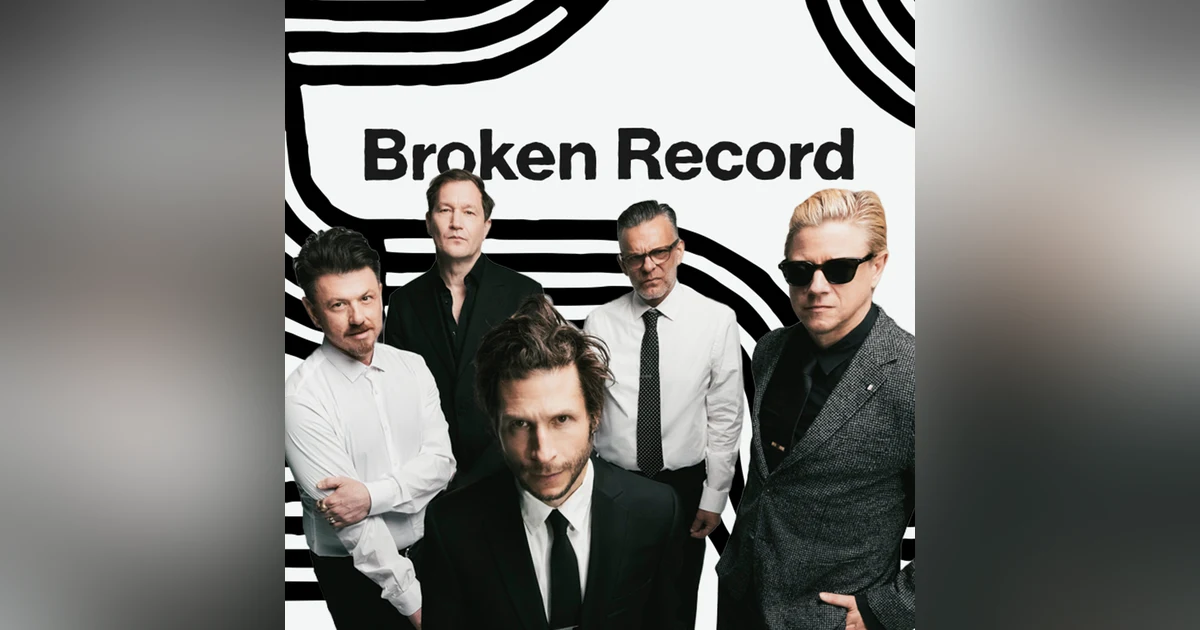


Daniel Kessler grew up between London, Paris, and Washington, D.C., listening to his older brother’s early UK rock records. He picked up guitar as a teenager, the same day he quit skateboarding, and after moving to New York in the late ’90s, he set out to find musicians serious enough to start a band. In 1997, that band became Interpol and when their debut Turn on the Bright Lights came out in 2002, it helped define a new wave of New York indie bands, alongside the Strokes and Yeah Yeah Yeahs, and topped Pitchfork’s year-end list.
More than two decades later, Kessler remains the musical architect of Interpol, writing the foundation of the band’s songs, often alone on a classical guitar before bringing them to his bandmates. The band has now made eight albums together, and their latest, This Mirror Weighs a Ton, is their first record made in New York in more than a decade. Produced by Andrew Wyatt, it expands Interpol’s familiar sound with more experimental textures—and features Kessler singing for the first time since Turn on the Bright Lights.
On today’s episode, Leah Rose talks with Daniel Kessler about making the new album, the early days when Interpol played to almost nobody, a chance encounter with David Bowie before a show at Hammerstein Ballroom, and the creative routines—guitar, coffee, and films—that have kept him writing for nearly three decades.
You can hear a playlist of some of our favorite songs from Daniel Kessler & Interpol HERE.
See omnystudio.com/listener for privacy information.
Speaker 1: Pushkin. Daniel Kessler grew up between London, Paris and DC, listening to his older brother's early UK punk and rock records.
00:00:26
Speaker 2: He picked up guitar.
00:00:27
Speaker 1: As a teenager the same day he quit skateboarding, and after moving to New York in the late nineties, set out to find musicians serious enough to start a band. Fast forward more than two decades later, Kessler remains the musical architect of the band Interpol, right in the foundation of the band's songs, often alone on a classical guitar before bringing them to his bandmates. The band has now made eight albums together, and their latest Demera Waste a Ton, is their first record made in New York in more than a decade. On today's episode, Lea Rose talks with Daniel Kesler about making the new album, the early days when Interpol played to almost nobody, a chance encounter with David Bowie before his show at Hammersteen Ballroom, in the creative routines, guitar, coffee and films that have kept him writing for nearly three gades. This is broken record, real musicians, real conversations. Here's Lea Rhodes with Daniel Kessler.
00:01:25
Speaker 3: I'm curious about the title of the new album, This Mirror Waste a Ton. It reminds me of the Public Enemy album The suziets a Ton. Does it have anything to do with that or is that just coincidence?
00:01:37
Speaker 2: Oh? Man, that's amazing.
00:01:40
Speaker 4: I wish I could say firmative on that one, but I don't think it does. I well, ask all about that in case it was somehow. You know, he really thinks of everything, and he's a massive hip hop fan, so it'd be amazing if that was actually some sort of subtext or something like that, or some conscious sort of decision. But I don't think so, because we you know, we cycled through several options before we landed on that one, and as soon as that one became a candidate or you know, just an idea, I think right there and then I was.
00:02:06
Speaker 2: I was sold right away. I was like, oh, not really have this one? I was.
00:02:10
Speaker 4: I was so in love with it. I really felt like on my listeners, really like what we've we've been going through this journey just to arrive at this title.
00:02:16
Speaker 3: So tell me the story of how this album started and how it came together and just how logistically you all work together at this point, because I think you're living in different countries, right.
00:02:30
Speaker 2: We are. I mean, you know, you know both Paul and I.
00:02:33
Speaker 4: Paul is predominatly in Berlin, still is a place in New York, and I spent my time between Barcelona and New York. Sam still in the States, and Brad the who played based on this record is in New York. But you know, we're still like a New York band, and we predominantly converge in New York. To Wright, it's been a miss since we had recorded New York until this our latest record, So that was sort of a wonderful homecoming and something great to do. And it's kind of crazy that it's been ten years. But so essentially, usually the songs begin with me. I'll just write at home on a classical guitar or sometimes on the piano as well, and then we'll get together and then we'll make them into interpol pieces of music together and so forth. So actually, the first time that we did get together in such capacity was really when we had already decided that we wanted to work with Andrew Wyatt, the producer who was a longtime friend to most of us separately, and Paul had worked with him on a track that he did with the on the record that he released with Rizzo, and he had a great experience, so he was very positive about that. He's such an incredible musician and obviously like really accomplished professionally, and I knew that he was also like just great with get a great year, great with keyboards, with a great pianist, great with arrangements and things like that, which was really.
00:03:55
Speaker 2: Intriguing to me and then for me, so I guess the thing that really attracted.
00:03:58
Speaker 4: Me to working with him was like what it will bring atmospherically and keyboards and orchestrations. That was like a really attractive point. I was hoping that he would jump on board, and he did so. April twenty twenty five was really the real beginning and which kind of, you know, we were off of the racist pretty quickly once. At that time, his studio was in the basement of his house in New York, and we just went there and we laid the ground. The first song that we worked on was Iron City, and it went pretty far, pretty deep, thank you, and it's it felt very different right from like day one with him there already felt like, wow, this is a very different vibe and feeling I wrote on the piano in that arrangement, but then Andrews started doing the things that Andrews just did to the track atmospherically and bye wise, and then Paul right away had them. I think he had the course like like within day one and day two with those lyrics of Iron City and the melody. So it's when when things are going like that, I think, you know, you're like in a good place and things feel very positive and then leaning Yeah, and then in the ensuing days we started working on what would become Wings on Fire, so rites of rained here and then actually the last track on the record, Sudden, which I recorded in Andrews's house on his piano in his living room, and then it was is great because it's like it's a residential house and at the end it was at dusk you could hear all these birds from street just doing their song. And it's at the very end of if you listen closely, at the end of the track, you can hear these bursts and yeah, it's like a nice sort of like little natural ambiance and something that you want to make sure preserves are up the recording process, and it doesn't get lost.
00:05:30
Speaker 3: I've heard you talk about the record and say that there's some things, some new sounds you wanted to bring in, and aesthetically it's a little bit different than past Interpol albums. Did you have a moment where you sort of like thought back over the catalog or listen to old recordings and consciously thought like, these are the things I want to bring in or was that a conversation with Andrew or did that sort of just evolve naturally.
00:05:56
Speaker 2: I think it really evolves naturally.
00:05:58
Speaker 4: I'm personally I'm best and I don't think conceptually too much about what I want to do, or I think when we don't discuss I mean maybe.
00:06:08
Speaker 2: I'm a little bit of a you know, I.
00:06:10
Speaker 4: Stick clear in my old way to something, but like I didn't, you know, we don't start talking about grandiose ideas or concepsual ideas rather than just do them. I love and we're just doing things, you know, and and if evolution naturally takes this course, the better.
00:06:23
Speaker 2: But you know, when it's more of like a conceptual conversation, I find.
00:06:27
Speaker 4: Those are harder to lift off versus the ones that we're actually just doing it. And I think we're kind of good at just mixing it up. And we're very different people, so we are mixing together. Usually the results can kind of go in different ways for me as far as like even just like the you know, the onset.
00:06:41
Speaker 2: Of just writing.
00:06:43
Speaker 4: I was pretty excited about some of the stuff that I was working on. I've written a little bit more previously on the piano, but it's not something I do all the time. So the fact that there's already three songs that felt very different for us, and then there's some songs as I was writing them, I felt like maybe the progression I kind of pushed myself a little bit further to maybe reinvent them, Like I felt like they're going down too much of a familiar road. So then I kind of reworked that and consequently came out with like new results, whether it was like weird sort of rhythm, sort of signatures or vibes, Like there's a few reinventions of the songs I can think of, just kind of found a different like avenue for them, you know.
00:07:19
Speaker 3: Cool. How have you noticed that your own personal musical tastes have changed since you know, starting the band. It's been like over thirty years.
00:07:29
Speaker 4: Right, Yeah, follow after that kind of sentence.
00:07:35
Speaker 3: You know, it's so crazy, but like, how have you seen like your own personal taste change, and how have you seen like Paul's taste change, And how has that influenced the music that you guys make together? And if those are sort of like divergent paths, like you said, everybody in the band is very different. Is it hard to settle into one sound?
00:07:59
Speaker 4: I mean, I mean maybe it is, but I think that's good. And I think it's something that I don't ever pay that much mind to whether you know, like a what kind of sound that might be, or whether this fits or whatnot. You know, if it feels good, it feels good. And I think we've always just kind of abided by that. You know, it's like Paul's influences. We have some overlap from you know, the early conversations when I first met him, you know, there were some overlaps and so forth.
00:08:24
Speaker 2: But he's always been like, you know, he's really really in the hip hop and masterdom when what he listens to the most.
00:08:28
Speaker 4: And that's been consistent since I've known him, and I probably listen less of hip hop than he doesn't. The great admiration for it. I just don't keep up on what's happening and so forth. He really keeps up on it. But you know, the over our history, there's been like bands that we traded or you know, like in the early days, I was working a record label and the record label is putting out the first mob Wie records and I got crazy for them, and I remember inducing it to Paul and we got to see some of their early concerts and become friends and all those kind of like moments. So that these were or like getting really in the can in the early days and doing the same thing as a band. You know, It's more I think we've always had like an openness for whatever feels good and whatever we like we like and we don't really think about how that fits as to technology and just the music world has changed so much from going to record stores and just really trusting, you know, when we started to go like other music or in New York City like the store yeah Mondo Kims also and so forth, and then that you trust the buyer there or something like that, and it might have been a nice time.
00:09:26
Speaker 2: Brad who plays bass Finer Pol was a buyer Mondo Kims. But you know, what I mean.
00:09:31
Speaker 3: They'd be like, oh, yeah, job, you could have had back then.
00:09:34
Speaker 4: You know what I mean, you know, and then they would have like a little like placard that would say check out this saying blah blah blah blah.
00:09:39
Speaker 2: And then you trust them and if you've won the clerks there would be like, oh, yeah, you really check this out. I think you'd like this. Then you go home. You develop a relationship with a record.
00:09:47
Speaker 4: Maybe at first you didn't love it, but then by listening five I should say you loved it, And I think we're in a very different nation of that. Maybe for me, I find a little overwhelming at times, so I don't come across music as much as like in that sort of pure format, which I think really suits me. So I don't want to have done a great job of like always finding new things they find me or I have friends who like circulate it. But I guess at the same time, like creativity, I don't find I needed to create. I kind of just love writing songs still, and that's like kind of crazy that I do enjoy as much now as I did when I was like certainly when the band started, but even as a teenager, it's really something I'd love to do.
00:10:24
Speaker 2: And when you're touring.
00:10:25
Speaker 4: As much as we do, I don't I don't get to do it all on the on the roads. When I'm at home finally like some space. It's like it's probably my favorite thing to do is pick up my class and guitar and just try to you know, start my day off that way. And when you come across something new that really you know, you're into and you want to develop, it's still like a feeling that I can relate to being a teenager and coming up with that's, you know, and it's something that hasn't really changed.
00:10:46
Speaker 3: That is so crazy, and what a gift that you're still into it, that it still brings you joy or it provides some sort of outlet for you. That's insane totally.
00:10:54
Speaker 2: And I don't take that for granted because there's very few things I think in.
00:10:57
Speaker 4: Life that you can sort of correlate to your teenage you know, years as far as that joy and it would still have that purity to it and it still would make as much sense. But it really does, and and these things can disappear, you can, you know, obviously, like many other elements in your lives change of it. Yeah, over that time, you know, and so do brand the sand will feel like you sti't relate to that sort of feeling where you don't you don't you don't yearn for it, or you just it's like the well feels dry. But it's a I really do feel like I really get I started every single day when I'm not on the road, just playing guitar, you know, drinking coffee and watching a film. That's really, Oh, that's the best. It's the best thing. Even if I feel like catching an early morning flight, I will still like allocate time for at least like thirty.
00:11:38
Speaker 2: Minutes to do this.
00:11:39
Speaker 4: It's really it's kind of insane, but I really just enjoy so much and it centers me, you know.
00:11:44
Speaker 3: So you wake up, you get your coffee, you play the guitar, and you watch a movie at the same time.
00:11:49
Speaker 2: I do forever.
00:11:53
Speaker 3: What do you focus more on the movie? Are you focused on the guitar?
00:11:57
Speaker 2: I really do both.
00:11:58
Speaker 4: It's really like it's I think the movie is more there to distract me from like the the weight of trying to write something or trying to do something. It's just more and it's also like visual stimulation and something yeah, and so I think the combination of the two sort of you know, and I started new link. Sometimes I'll just be newling on something that I've been working on, seeing if there's like a new passage or like a new way, like oh, a new park or something like that. And then sometimes quite more times than not, I'll just realize.
00:12:26
Speaker 2: I'm just watching a movie and playing guitar, and that's all.
00:12:28
Speaker 4: I'll be like, all right, guys, like, you know, get off your day and ever fishing tomorrow and seeing something else happens.
00:12:34
Speaker 2: But like it's it's still something I really enjoy doing. But then once in a while, it's like a nice life.
00:12:38
Speaker 3: I like that.
00:12:39
Speaker 2: It's amazing. It's amazing to me.
00:12:40
Speaker 4: It's like the luxury of not looking in time in the morning is something that I think I really longed for when I was working jobs, you know, like I really hope that one day I can sort of take the clock off and just play, you know, work on music in the mornings and not have to worry about being there. And I can vividly remember feeling that way while working jobs, that I just really want to be doing this. So it's it's not a loss to me that this is a real luxury they get to have in my life.
00:13:04
Speaker 3: So tell me about working jobs. Was this all before the band started or did you have you didn't have any sort of jobs like while Interpol was together.
00:13:12
Speaker 2: Right, yeah, yeah, yeah yeah.
00:13:14
Speaker 4: I started working right like the day after I graduated from university. I started working record labels, basically because I just I thought the autore really against me that I get to play music in my life, and I just joined the percentage, you know.
00:13:29
Speaker 2: Of the likelihood.
00:13:31
Speaker 4: So I just sort of well thought of like, well, if I have to work, I kind of want to work around, you know, music at the very least, and around music that I was passionate about that I liked. So if I have to give my time to to someone else into something else, I wanted to be around I wanted.
00:13:44
Speaker 2: I wanted to understand why, you know. And so I started working.
00:13:47
Speaker 4: My first real job was working this record company called jet Set, and it was a very small record company and so there was like a lot of responsibility, which is great.
00:13:55
Speaker 2: I learned so much.
00:13:56
Speaker 4: I did like all this dissitbution marketing and retail stuff and even like accounts receivable, like I did a whole bunch of I did, you know.
00:14:04
Speaker 2: But it was like, really, I learned so much.
00:14:06
Speaker 4: So it was like, I mean, no money, like negative money, but it was such a yeah.
00:14:10
Speaker 2: I was like a great education in itself, and I just learned, you know.
00:14:13
Speaker 4: Yeah, And then from there I just worked a different places along the way.
00:14:17
Speaker 2: My last job was working at Domino Records.
00:14:19
Speaker 4: And while I was working there as when you know, it's like towards even right before we started working on recording Tone of the Bride Lights, I was still working at Domino.
00:14:28
Speaker 3: So was it a big deal, like when you quit the job, was that a big deal? Or was it sort of like, I mean to try this out and I can always go back.
00:14:37
Speaker 4: I mean, you know, to me, my dream was always just to get to make a record. It was really like I it was, so it didn't come that easily.
00:14:45
Speaker 2: You know.
00:14:45
Speaker 4: We were we played off first show I think in March nineteen ninety eight.
00:14:49
Speaker 2: I think we didn't sign really.
00:14:51
Speaker 4: To our first record label deal until something like the fall of two thousand and one. And in that time, we played, you know, we made several demos, We played so many shows, and we didn't really change esthetically or sound wise, songs that are very first sema that we made in the summer of nineth ninety eight, or go on our very first record, like our very first single was on the very first seme of this PDA role and one other song, but you know, PDA Rowland or on our first record in PDA was our very first single. Granted, maybe we became better at playing those songs, but we already had a sense of who we were and what we were doing, and that's it's just the timing maybe wasn't right or just not that much interest. So so to me, I just kept like, you know, all these doors would be shut in our faces sort of speak, and no one was showing any interest, and you keep And I think that's something that really helped me was that having worked at record labels and understanding that record labels only have so much space, like new bands, and they have all these other bands that they keep putting, you know, the season bands that they released records of every few years and so forth, that the slots were just there, weren't that many available, and so we just had to be very patient about it, and I didn't take it too personally. But when we finally were signed and we were able to make, you know, our first record. To me, that was like as far as mine, my aspirations and my dream lench. You know, I didn't really spend four or five years with no one really showing much interest towards your band and being sort of you know, delusional to think all of a sudden that people would actually be into your the outbum that we finally put out. So I was really surprised that people were so receptive to our first record when they upon its release.
00:16:25
Speaker 3: Yeah, I feel like I would feel very dejected at that point, like Okay, we need to change the sound or we're obviously not doing something right.
00:16:32
Speaker 4: Well, you know, I mean that this is like I really love making music with these guys sincerely, and to me it was even I mean I felt like not I would never ever ever contemplate changing our sound because I really, to me, it's like, you know, you do this for yourselves, and you do this because you're expressing something that you need to get out and it feels grat in that rehearsal room. And then there was a moment where, you know the thing that I did feel like rejected like by the you know so much or dejected by so much rejections and so forth. But after a while you find, like some I think by going through that process, I think, you know, I found, at least for me, a little bit of an innerp Well, you know, I think I left a rehearsal number one winter day in Willisburg and just being like, I think we're working on something like NYC or something like that for our first record, and I felt it was all such a great feeling to leave a rehearsal where something just happened that you couldn't have predicted, and the song really took this form.
00:17:24
Speaker 2: And you just sort of had this feeling of like euphoria.
00:17:27
Speaker 4: And I remember like leaving me like so into it, but then also finding some sort of like inner piece that well, if no one ever hears this, no one ever, you know, seemed to be the path that we're on, it's okay, you know, at least I'm getting something out of this. And so I really did kind of like let myself feel that peace and sort of let go of the things I really can control. Yeah, And also there's also like an inner like side, like something inside of me I think so consciously, I think consciously actually felt like the hardest part was just finding people to start a bandwidth. It was really I think I'd been looking in New York for so long and I just couldn't find people who were maybe like serious about starting a band, or want to commit the time, or or or kindred spirits. And when you know, I finally found these people and I really felt like, well, we're doing something kind of special in this rehearsal room. I just felt like, well, this is actually the hardest part, and staying together is probably the hardest part. You know. I didn't It wasn't like I had faith that something good would come to be, you know, as far as like, you know, being a fan base out there. But I just really felt like, you know, just kind of saying together it was like the most important thing.
00:18:30
Speaker 1: We'll be back with more from Daniel Kessler after this break.
00:18:36
Speaker 3: Were there things that you felt like you had to do to sort of like nurture the relationships within the band or was that not even a thought back then? It was just keep working and keep playing together for sure.
00:18:49
Speaker 4: I mean, you know, I think young men in New York City with no money, you know, like rehearsals are costing money that people don't have everyone's really broke, you're not getting paid very much money from your jobs.
00:19:04
Speaker 2: Yeah, you know, some people maybe.
00:19:06
Speaker 4: Like were like I didn't never say that wanted to be in a band, you know, you know, I really wanted to be in a band. I really wanted to start a band. But yeah, I really kind of like approached everyone. So when things are not sort of building to some sort of like progression, you know, as far as like well more people coming to some of our shows, or now we have this opportunity to make a record after a while, as the you know, young men with you know, who are very talented in different aspirations, it's it's like they may be like, well, why am I saying all this money for not you know, and yeah, so there. I think there's definitely moments where I could have gone either way, and thankfully, you know, I think we would try to like talk it out. I think I think Papa was subconsciously we knew that we there was some special chemistry that was kind of.
00:19:47
Speaker 2: Harder to put into wars but difficult to like deny.
00:19:50
Speaker 4: Once we were playing music, it was really like you could see it and you could feel it.
00:19:53
Speaker 2: It was palpable.
00:19:55
Speaker 3: Was there a moment when you sort of felt like, Okay, this is going to work. We're going to start actually making money from this, this is going to grow.
00:20:06
Speaker 2: Ah.
00:20:07
Speaker 4: It just makes me laugh because I remember, like Carlos is also be like, can equit my job?
00:20:11
Speaker 2: Can equip my job, And it became sort of like an inside joke. You just say this forever. I don't know, and I know you remember what you did put his job. I don't know if it was like actually when we were doing a very first US tour or something, but it was it was along those lines. We were still on a van and everything like that, but it was I didn't know if, like, you know, working is an interesting word.
00:20:29
Speaker 4: I don't know if you ever like kind of know that, but those we're in it for this moment at the very least, you know, And then it just became sort of like that very first US tour in a van. You know, I think you did two nights at the Troubadour in la and and those sold out, and and you know, you're seeing things. Then you come back the next time and you're playing the next size up and so forth, and now you know you can see like a progression, and I think that was something helpful for us to see that there's like something building and so forth. And then you see like minded spirits at our shows and hanging out with them, and I think you kind of just got, you know, really into it and and uh yeah, and just like touring and traveling and just exploring.
00:21:09
Speaker 3: And then what about any early rock star moments where you were maybe backstage with people or people that you really admired, Like do you remember like anything that you were like WHOA like pinch me moments?
00:21:21
Speaker 4: I mean, the best one for sure for me, And I would imagine first, I mean, I can't speak for my badness, but it was we were playing early on It might have been at the very end of our touring on on Bright Lights, at the very beginning of touring on on Antics. So I have a two thousand and three or two thousand and four, but we were, uh, we had two nights at the Hammerston Ballroom and and it was very it was like a very last show of a of a North American tour and so we got you know, you're so excited to go it like hard partying days it too. Plus it's like you're so happy to be home. So that first night we went out and went out a little too hard.
00:22:01
Speaker 2: We're too happy to be home.
00:22:02
Speaker 4: And so the backstage scene before the night of like the second show, everyone.
00:22:07
Speaker 2: Was like just su pleated.
00:22:08
Speaker 4: It just didn't look like you're about to go play, you know, a rock show where just everyone was like it was like lethargic energy everywhere. And then we had like a lovely Scottish tour manager at that time, Pero. His name is Stevie Dreads and he's amazing, and and you just see Stevie's energy goes towards a door where it's like, I guess the presence was trying to enter it, and see he goes, sorry, mate, you can't come in, and then you.
00:22:33
Speaker 2: Just hear you don't see the person, you just here, but I'm David Bowie.
00:22:37
Speaker 4: And then you just see like Stevie Dreads just move like lather lays if he's like a door like open, sesame and sad, and he just gets out of the way. And then David Bowie comes in and you know he's like super affable, really kind, saying really nice things. It was actually I guess after our first record. He's talking about the first record and he's doing really warm, and he wants to say hello before the show because he had a young job at home and he wanted to get home before the end of the show or you would be able to say hello after it, and said we were aflord, you know, we were just so like we're just gondn't I remember Carlos was in the bathroom and there was like a little dark side of you is like I hope he just says in the bathroom, this is this crazy kind of moment accident right after David Aloady left and guess and tell him, but not yet.
00:23:17
Speaker 2: You know, he got I want him all to myself, Yeah, calmly sketch of some sort, but he uh no, but he got to. He accided matter as well.
00:23:26
Speaker 4: But it was just such a I don't think you can do any better that he's you know, one of the great artists of our times period and wow, just uh just wasn't expecting that, and you know, obviously really woke us up and fueled that show.
00:23:39
Speaker 1: Right, Yeah, that's like.
00:23:42
Speaker 3: Yeah, right, you're like you got an ivy all of a sudden, like, yeah, does that make you nervous to know that he's out there to perform you.
00:23:50
Speaker 4: Know the good thing about I think being and I felt the way even as it was unfolding. The good thing about like not having things happen too fast as a as a curve of class where we had these like you know, four years and no one wanted to sign us and so forth.
00:24:04
Speaker 2: I think it helps develop something within you.
00:24:07
Speaker 4: I feel like he's like a self preservation, some blinders on your eyes, something that just kind of makes you a little bit solid as far as just focusing on what you can control and just doing your things. So I don't really recall thinking too too much about it. I just recall just getting in the moment or just playing music. I do that, you know what I said, I really do. It feels like, really I'm happy things that not happened too fast for us. I'm happy that I wasn't like we put out a song like as like today, where you put out something else sudden just blows up and you have no time to sort of develop as a as a musician, as a band, as songwriters, and so forth, and then you start overthinking things. I was definitely worried in the early days of overthinking things that would give in the way of like me being able to write future songs, and I think having that time to see formulate and so forth that kind of secured something as far as just not thinking about anything when I'm like writing for you know, for instance, I don't think about anything. I don't think about whether people are going to like something or not like something. I just kind of just focus on whether I'm liking it, and the world just sort of like you know, falls to the backdraw.
00:25:06
Speaker 3: When did you first realize that you want I wanted to write songs or when did you start writing songs? And what was the inspiration for that? Was there other musical people in your family? Did you know people who were making music?
00:25:18
Speaker 4: Not really, I think for me, it's like you know, I have I guess like just music was also like such a strong position in my life and in my family.
00:25:26
Speaker 2: I have two older brothers.
00:25:28
Speaker 4: I was born in England, I lived there until six and my eldest brother somehow was extraordinarily passionate about music.
00:25:35
Speaker 2: I had this importance. So we eat the you know, me and my two buttons.
00:25:38
Speaker 4: We shared a room and bedroom together, so it's like I could just in my first musical memories just staring at this his side of the wall, you know, and just seeing all these like cutouts of like Paul Weller or countless other really using the Jam fan club.
00:25:52
Speaker 2: So there's like tons of like Jam stuff.
00:25:53
Speaker 4: So to me it was almost like this is my first not even like my first musical memories, my first life memories are staring at this wall, waking up and go and sleep and just you know, And so to me, it's almost like religion. You know, it's like if people have religious artifacts. I'm looking at this and thinking this is really serious. And then when I moved to I lived England until six, and then France i was eleven. And then when I moved to Washington, DC when I was eleven, I think just moving there and I was a skateboarder for a while, and then I quit doing that and then I started, you know, on the same day I quit skateboarding, I picked up playing guitar, and then I started learning how to write songs on my own, and that sort of I think I got something out of it, as like a ag sort of my teenager just kind of you know, making my own chords and then realizing that I really when I started trying to write songs, and you know, something happened for me in emotionally, I felt, you know, I felt a little bit better, if that makes sense, just like that sort of scapees and like writing songs of the night and feeling like.
00:26:47
Speaker 2: A little bit more whole by doing so.
00:26:50
Speaker 3: When you moved to d C when you were eleven, did you lock in with like the local music scene in DC at the time, Like what was going on musically there.
00:26:59
Speaker 4: I mean, I was in all of the music scene that for sure had a big inspiration. And I think also having come from like London and France and these two older brothers were really you know, very had like you know, a little strong pump rock energy and you know, underground energy that they took really seriously. And I think that in that time period, like in the UK and in France, you when you dressed a certain way, it's almost sort of like it meant something, you know.
00:27:24
Speaker 2: It wasn't.
00:27:24
Speaker 4: You're a bit of a tribe, you know, and you're also a bit of a target. It was serious work because of other people you encounter, other people that weren't of the same tribe like that, they could get it could get like sort of like violin and so forth. It was really a serious in a way that it is not now or it's just very different now. So in that sense, I think that also is like set of a seriousness with me too. And then moving to d C for sure. And also just like the in.
00:27:48
Speaker 2: The skateboarding world, you know, you start discovering like hardcore and.
00:27:51
Speaker 4: Not really in the hardcore and the d C and like the Discord stuff was a huge that's when I discovered that. I was like, I mean, I don't think I could think of a bigger influence if I had this single one band that had the biggest influence on me as a as a musician and me covered my own palf I would say fu Gassi by far.
00:28:07
Speaker 3: Yeah for sure. So what was your first band? When did you find guys to play with?
00:28:13
Speaker 4: I mean really Enterpolse really kind of like was the first like serious band, Like I did high school bands in DC, but you know, you did a few shows here and there and so forth, and it was kind of fun. But it's I think it's almost like sets you in the path to like learning how to play live and not being too nervous about it. But when I moved to New York, I really set my my my my goals were finally like, you know, a copper and serious band to play with.
00:28:35
Speaker 3: I heard that you you guys recorded antics like pretty close closely after the first album. When it came time to do the third album, did you ever experience like, oh, it's suddenly hard to write new songs.
00:28:50
Speaker 2: Observationally, I would say it didn't happen.
00:28:53
Speaker 4: I always kind of expected or knew that it could happen, you know, like I really I knew, you know, just musical issuy wise, like even like the the sophomore slump and so forthwarth people, I think those pitfalls are things that I was awareless. So I was trying to be mindful, like you know, so for instance, you know, as you mentioned, album and the album two are very close together. But that was something that was like I think we were very mindful of, like let's start working on album too while we're still touring on on Bright Lights.
00:29:19
Speaker 2: Let's just you know, not, let's not let's get ahead.
00:29:22
Speaker 4: Of all of this, like all these sort of cliches or you know, or these these these truths of the music and to stry, let's just like start writing stuff.
00:29:29
Speaker 2: We can really think about it.
00:29:30
Speaker 4: And so that's why we put those two records also close together, because we're quite ready, because we just continued and I think we're naturally progressing as musicians as songwriters while we're writing antics and so I think, you know, constantly, I've always been mindful of this so too. It's it's strange, like I think maybe after getting you know, through those first two records, something sort of just kind of happened naturally, so you just kind of got through us a storm and then you stopped thinking about it.
00:29:56
Speaker 2: And also what I was saying before about those first.
00:29:58
Speaker 4: Four years of just no one wanted to sign us, I think that really sort of gave us a just station period just to be kind of like, you know, even though we'd had changes and we had challenges along the way as band members, and I think we still had something kind of solid ones we were able to focus on underworking on new music.
00:30:17
Speaker 2: You know, we were never had like a big like writing droughts. You know, we've never been short on ideas.
00:30:22
Speaker 4: I mean, people might could, you know, could very they could be like, well, maybe should have taken a little bit longer or something like that. That's fair, but you know, for us, while we're working on things, I think we got pretty into what we're working on. So for even like album three, I think, you know, there's maybe a little bit more like things were happening behind the scenes in the band and so forth, you know, like the natural like challenges of like adults and yeah and so forth. But I don't think once we were in writing it was like challenging is you know. We might have had like more like conversations about directions and so forth, But for the most part, I think we always had a strong sense of like chemistry. It's just a matter of like maybe which direction we want to go to. But even like an album three, you know, I was happy what we're doing for album three. You know, It's interesting because I feel like maybe at the time, I mean it's like a while ago, but I feel like at the time people pile least there are these certain people I've never like really read much up press and stuff like this. I stopped reading press really on like touring on Turn of the Bright Lights because it just, I don't know, I felt like, this is not for me to read, It's for other people to read, you know what I mean. I don't want my feelings to be wrapped up on this of like anticipation if this is going to be a good review or bad review, because like, wait, what can I do now? Like I can just control writing music, recording music, and releasing it.
00:31:36
Speaker 2: But apart from that, it's like completely out in my hands. So like, oh, okay, so I'll just let go.
00:31:39
Speaker 4: And it felt as soon as I made that decision, it felt like the right one. So but on the album through, I probably felt like there's probably a little bit of like people not taking to the record, which might you know, I think sometimes that's just like part for the portion, and you come in with like a lot of attention on your first like you know, two actors, and there's a moment where especially I think back then with like the way the pendulum was like swing, I think those things might have happened around IBM three.
00:32:04
Speaker 3: It's always like there's a natural up and down, but sometimes it feels fabricated and it's like people are like chomping at the bit to write that story. You know. It's like that's a crazy instinct that humans have.
00:32:18
Speaker 4: It's weird, I mean, and you don't want any excuses because if someone's legitially like yo, I don't think this is a very good record, or I think like your other stuff is way better. That's completely a fair assessment, you know. That's like the beautiful thing about arts, Like everyone has a different opinion and that's like fair and no one is really wrong. It's a very subjective entity like thing media, whatever you know, and and so like.
00:32:38
Speaker 2: But at the same time, I think sometimes there is like.
00:32:40
Speaker 4: In probably like music, popular music criticism, this is maybe a little bit of like I'm tired of these guys or I'm tired of this, you know, versus giving it a real shake. I definitely remember hearing someone come up to me like years later and say like, oh, yeah, I didn't really like album three and I gave it like not a very good review or stuff. I can't remember the circumstances, but you know, when I went back and listened to it recently and it's actually pretty good, and I was like.
00:33:02
Speaker 2: Bro, get away from me. I'm like, I don't know, like I like, like, I don't know. It's like one thing to you, as I.
00:33:07
Speaker 4: Said, if you don't like it, I totally get that, but it's like I don't know to to do. That is not really I feel like, you know, or if you need a minute, maybe get a better assessment of it before you formulate an opinion.
00:33:19
Speaker 3: Yeah, that's the problem with that job is like oftentimes you only have a couple of days to listen to the album, to digest it, and then to sort of like barf out an opinion. But you're like you should to that guy, it's like, dude, can you like publish a new story, like an updated opinion?
00:33:35
Speaker 2: I mean, you know what that's actually like not a bad story.
00:33:38
Speaker 4: There, you know, like you know, but yeah.
00:33:42
Speaker 3: Yeah, yeah, it's so annoying. But do you find as just a fan of music and a listener, like, do you find yourself doing the same thing to other artists or other groups where you listen to something and you like, is your first reaction ever just to hate on it? Or do you feel like because you're in the industry, you're just naturally supportive.
00:34:03
Speaker 2: I don't know if I have one meaning or the other.
00:34:05
Speaker 4: I think it's also different times in your life and different ages in your life, you know what I mean. Like, there's like I certainly when I was like a you know, late teenager, early twenties, I think I probably formulate my opinions pretty quickly.
00:34:16
Speaker 2: And yeah, in a way that I certainly would not do now or I haven't done in a while. But like I think, especially.
00:34:21
Speaker 4: When you're like a you know, a late teenager, I do remember when like certain things were blowing up. I was already into like a lot of like hardcore kind of stuff when I was in high school, or underground kind of stuff, and then all of a sudden, Nirvana becomes like so massive, and all these bands becomes so massive, and everyone in your high school like likes, you know, this music that sounds pretty close to the things that you like. You've become like a proprietary like kind of standpoint, and you feel like a little bit of cross upon because this is like one of the elements that said you made you feel a little bit different, you know, in a way that I think is very different now than it was then. But but when I was a kid then it was like you'd have to really like dig dig dig to get some of the stuff. And all of a sudden it became so mainstream and in a very well earned and exciting way, like there's an undeniable and pure like Nirvana sounds amazing now too, you know, when I here like out there, it's like undeniable At that time, I think I probably had a hard time hearing it because it was just energy wise or closer things that I liked that I just kind of, you know, wanted to keep for myself. So it's just like an I hadn't heard Navana before they actually really blew up. I hadn't heard Bleachs and so forth. But it's like you hear it now, you know, and it's like, this is an undeniably incredible original band with these songs that are very singular and you know, like lyrics that are really one of a kind, and it's amazing that it actually resonated with like you know, popular culture and the masses. It's really because it's so unique sounding and in some ways it's it's a sounding that would be for so many people, you know what I mean. There's like something that's really like left of sensor. So it's actually looking back, it's an extraordinarily exciting moment.
00:35:55
Speaker 1: You know, one last break and moving back with Daniel Kessler, do.
00:36:03
Speaker 3: You think of like at this point, I know that you had a celebration. I think it waslast year, maybe a couple of years ago for antics, was it the twentieth anniversary.
00:36:15
Speaker 2: Or it was, Yeah, it was the twentieth and twenty twenty.
00:36:19
Speaker 3: Four, twenty twenty four. Okay, So at that point do you start to think of Interpol as a legacy band, Like, how does that sit with you? I wish that wasn't a bad thing, because no.
00:36:35
Speaker 2: I mean, in some ways it's an amazing heat. You know.
00:36:39
Speaker 4: It's like really and I mean what I say, like I never got further than my sort of dreaming about making out one. I feel like it feels so close to me when I think of those of that feeling somehow I really think about playing the Troubadour. It's really strange because I feel like that like when we had this two shows there and playing it and it was like really like I really dawned to me, like wow, this is really happening right now, and those all those those times not that long ago, people just for showing no interests and like we have these two sold out shows. But to me, it was like, wow, that was like my dream. And so that was like and I just never anything after that. Als felt like bonus, it really did like soon after that and then here we are on an album.
00:37:17
Speaker 3: A that's a lot of years of bonus.
00:37:19
Speaker 4: It's like yeah, but you know, the thing about it is like I guess it's absolutely and it's like so it's one part of me like that's just really crazy, and I guess some ways, like lots of life has been lived since then, you you know, by doing this, you know, I've got to explore the world, meet people from all over the world, have many different life experiences. So in that sense, it's really the band's giving you so much. But then you make a record like the record we just made, or every time we write songs, you have this urgency and this uh in the songwriting together, you have this chemistry and it's kind of undeniable, and it's never like it it never feels like work.
00:37:54
Speaker 2: It's more of just like you feel it. It's like invigorating, it's visceral.
00:37:58
Speaker 4: It's like all these things and in some ways is there's a commonality because that to like how it was when we first started like writing songs and realizing that there's like this chemistry that hasn't really changed that much. And that's again like going back to these things can dissipate, they can just go.
00:38:13
Speaker 2: Away and be very understandable.
00:38:16
Speaker 4: They you know, and if it started feeling like a job then, you know, like and so forth, But it's never felt like a job. It's never felt like something. We don't start making records. We feel like we're writing songs because we feel like we need to go do this. We can start touring. We've never thought about those terms you write. We're still abandoned. Still write songs together and make records because I feel like it's just a it's just this energy, this chemistry is just really like pure and it's just it's undeniable, and it's really get so much out of it, and it's passionate, and you feel like you can do something better than what you done previously.
00:38:46
Speaker 2: But you just feel like this evolution is so happening while we're doing this.
00:38:50
Speaker 4: So to me, it's like as long as that's feeling is still there, and then that's kind of what you're focused on.
00:38:54
Speaker 2: So it's almost like I think to myself.
00:38:57
Speaker 4: Maybe, like, you know, there'll be a time where I'll look back about some of these things that we've done and so forth, and you know, but that's it's not right.
00:39:03
Speaker 2: It's not now in that sense, you know, but it's also true.
00:39:05
Speaker 4: It's like it's been a long time, So if not, and if probably probably been saying a version of this to myself for a very long time. But I think in some ways, I think I don't think about it that much because I just want to keep going forward because.
00:39:18
Speaker 2: I really do believe in what we're doing.
00:39:20
Speaker 4: And if I ever felt like trying or like there was a drought in the songwriting or the chemistry shows the there, then you know, I'm we would definitely take a big pause. We definitely would take a moment. We definitely would never force anything. But it's kind of insane to me that actually that has never been and on the slightest round it that's abelt very Yeah, it felt really amazing in the moments, you know, and it felt very exciting, and we wasn't even belaboring. We didn't spend a ton of time working in these songs were writing and before we started recording them. So I think if you're having moments like this that are feeling very like good energy, positive and you're getting excited, and you kind of more focus on that than what you've already accomplished.
00:39:58
Speaker 3: Yeah, yeah, yeah, of course for the new album, was there any more of those sort of like magical moments that you remember when something really started to come together and feel complete.
00:40:10
Speaker 2: I think it's a couple of times. I feel like when we were doing like the Burden Serpent, just towards the end of the record, that one does something. I know when I was like that was the one song that I think when I was writing the main Progression, I had it in a very different kind of mode.
00:40:24
Speaker 4: It was almost maybe a little bit more like it just felt like maybe like more rocky, and all of a sudden I started playing with like the sort of rhythm of it, and I feel like that sort of kind of so for me, I was getting kind of excited about like, oh what this could be. And then when we started working on it as a unit in the rehearsal room, I just feeling the excitement of the energy and so forth, and feeling realized.
00:40:44
Speaker 2: I think that was like a good indication.
00:40:46
Speaker 4: I think this mirror weighs a ton of the title track when that started growing in the studio. I mean, a really great moment for me is just like sitting there with Andrew's work and someone's atmospheres that are happening in the song and the courses and Paulosis right next to me at that moment is you know, to me, I felt like, that's almost become like an instrumental piece of music. But then pauls whom my left and he was like writing in a notebook, and then all of a sudden he ran to the he had like a little studio in the back of Madrew's studio, like a little working room. And then two hours later I walked in and he played me some of the vocals that he had just recorded and and right there and then you're like, oh, so this is definitely not gonna become an instrumental because these vocals are too good and now these and these melodies are too amazing.
00:41:29
Speaker 2: And then even then I'm pretty sure he just in that one moment he'd written this may of waste a ton That lyric was already there, so like right there, you're like, what is that? Like that just jumps out at you.
00:41:39
Speaker 4: So those are really exciting kind of like visceral moments, I would say, you know, but there's a lot of them on the record, Like even like even like a song that's probably a little more of like an Interpols song like c out Loud, uh that that was like a really fun one put together and find the jam on and stuff like that.
00:41:53
Speaker 2: Or wake up too.
00:41:55
Speaker 4: That's you know, that feels like a you know, sort of like kind of like my guitarist a little bit like almost like a West African kind of like guitar sort of inscribed you know, rhythm and then like you know, just the song.
00:42:04
Speaker 2: Playing that together, like the energy and so forth was really fun.
00:42:08
Speaker 3: It sounds like the song sort of evolve a lot from the time you bring them in into the band. Are there any that you were sort of surprised by or went in a direction that was extremely satisfying?
00:42:21
Speaker 2: I mean this countless because I think it's like, as much as maybe the songs tend to begin with me, for the most part, the thing that makes them so exciting is like I would never predict where they're going to go.
00:42:33
Speaker 4: And and that's like something that I wanted from the very beginning of the band, and it still happens now and it becomes all of our songs, Like as soon as I put onto the floor of the rehearsal room, so I'm.
00:42:43
Speaker 2: On the slaves record this, you know all of them. I can say that for sure. It's because as soon as like.
00:42:46
Speaker 4: You know what, Paul, I might do something, and then Paul might do something. Sam might be more influenced by what Paul's doing than I was doing. Brad now has been like writing with us as well playing bass. It's all, you know, And I think to me, that's the idea is like now the unpredictability of what the end result of what we're going to settle on, who's going to inspire by who and what which I guess in some ways you could say, well that's maybe like a lot of bands, so for ours, I think gets made it less of you really don't know where this is really going to set upon, you know, but I think, you know, even like working again like The Burden Serpent, like a well, like working on this one and working with Andrew who's just like such a orchestration whiz and a musical wiz and just you know those you know, just music so well from like a compositional standpoint, so he added all these great sounds where it's the outro of that song and it sort of just has this like it just feels like you just enter it to this other world. It has another worldliness in a way that's just like it's like exotic. This is like certainly there's some sounds on that section of song that I've never been on you know, any other interpol, yeah, crass, And it's just sort of like unexpected from where you're going from from where you've already been through this journey, and then all of a sudden you're in this like plane.
00:43:56
Speaker 2: I look at this, like this open field of these.
00:43:59
Speaker 4: Like little exotic animals just hopping up and down, and this is sort of like an amazing place to be. And so I love the fact that that was created, in the fact that we were all like really receptive to that, versus.
00:44:08
Speaker 2: Being like no, no, no, no, that can't be on an imple record.
00:44:10
Speaker 4: It's more like, yes, I can be in an a pole record, and it's like it should be. And so these are things in some ways where a now that have it, you know, existed like I would say, like you know, from NYC from the first record too on, you know, I love to admire like on our very first track, Pioneer to the Falls, like that song it's I you know, I still love playing a song and the compositionally, there's also like some orchestral elements in it that we're not so obviously be on an in apole track as if you were like based on when the first two records sounded like.
00:44:39
Speaker 2: So I don't.
00:44:40
Speaker 4: I think there's also been things that we've tried to be open to and and uh.
00:44:45
Speaker 2: And it's something like you not have not push ourselves.
00:44:47
Speaker 4: I think these are just tastes that we've always had, and so when we've encountered like a situation where we can go there or be including them, it's just it's just felt great. And as long as it's not like forced onto it as much as like, oh no, this is a it makes sense that we've arrived at this like destined, you know, destination. And I think on this latest record there's like a lot of examples on that, like just every track has so many more key and we've ever had on previous records and sounds and so forth. And I think that was definitely something that Andrew wanted to bring forth and those and for me, that was exactly what I was hoping that he would introduce.
00:45:20
Speaker 3: Have you started thinking about the next album yet? Are you still just locked in on on this one?
00:45:26
Speaker 4: I mean, I think I love writing music, so I'm all, you know, like a little like animal. I think I'm always like kind of like always like trying to like chisel away and work on stuff. So it's like, as I I'm so now, like every moment that I'm not on the road, I followed ever routine that I was you know, speaking of, and just try to like, you know, I think I probably I mean there's a degree of like I like having something that's going on that I'm like excited about that I want to kind of keep you know.
00:45:51
Speaker 2: Nurturing and trying to building and so forth.
00:45:53
Speaker 4: And I feel that way now certainly, But then you also want to be open.
00:45:58
Speaker 2: Well maybe there's even more that you can do, you know, you don't want to. It's nice to have those like things.
00:46:02
Speaker 4: That you're already the concerting on, but it's also like, well, let's get through those things, because then you can have like an open palette and you never know what's going to get introduced. And I think that's part of like the exciting element of trying to do this. You want, you know, stay unexpected and what all of a sudden you find yourself like working on the like where did this come from? You know? And those are those are the things that I feel like very alluring and you hope for you know, and you can't for me at least, I can't really force them. I think there's certain people who can just write, you know, ten hours a day and have like a hundred songs a year.
00:46:34
Speaker 2: I'm not quite like that, I think. I like, you know, I'm a little bit.
00:46:37
Speaker 4: More like a fisherman and it just puts a fishing rod in the water and then hope something bites and you never know when it does.
00:46:42
Speaker 2: But the important thing is to go fishing every day.
00:46:45
Speaker 3: Do you pick up the guitar at any other points during the day or is it strictly the morning routine with the coffee in the film?
00:46:52
Speaker 2: Uh, you know, it's it's I will do.
00:46:55
Speaker 4: Like over times, I realized I just don't have the same like obviously, you know, like as far as writing, Yeah, I don't have the same sort of like connection as far as like creativity.
00:47:04
Speaker 2: Obviously.
00:47:05
Speaker 4: You can play shows at night, you know, like sometimes super late at night and so forth, So it's not that's just but that's like a different thing.
00:47:11
Speaker 2: That's like an emotional like release.
00:47:13
Speaker 4: You know, And but you know, it's like I can I in the afternoons or other times a day if I'm like more like recording on my own where I might you know, I know what I want to do. It's a matter of like exercising it better, like I can do things like that, and I do do that, but it's as far as creating.
00:47:28
Speaker 2: I don't know why, but I guess it's like this is something that I just realized for me.
00:47:32
Speaker 4: And everyone's wired a little bit differently, but I realized that for me a long time ago, and then I guess it's like that, you know, friends of mine had told me that a lot of creative people over history, not just music, that's just kind of like they have their own patterns. And I remember seeing this film with the director Bergman talking about his routine and you're just like really regimented about it, and it was like something like the morning time, like nine to noon, he would just like lock himself in a study and work on on whatever is working on and so forth, like and I think there's something about like those kind of routines that do make sense to me, like I do identify with and yeah, yeah, those patterns.
00:48:04
Speaker 3: You know, it feels good to have a pattern too, or have sort of like something you can look forward to in a schedule totally.
00:48:12
Speaker 2: I think it centers you a little bit. But it's, uh, I think that's to me.
00:48:15
Speaker 4: It's like, that's why it's like having no clock and I think not, I don't turn on.
00:48:19
Speaker 2: My phone, I don't I don't look at the world.
00:48:22
Speaker 4: It's just yeah, to me, that's like the biggest luxury I can have in those like you know, in this morning, So I truly I treasure them.
00:48:30
Speaker 3: I don't want to put you on the spot. But because you say film and not movies, I feel like you might have some really good recommendations. Do you have just like a couple films that you would recommend or that you just love or that you could go back to or that people should see.
00:48:48
Speaker 2: Yeah, I mean there's so many, and I'm like it's like souls in those moments that you're like.
00:48:52
Speaker 3: I I hate when people ask me questions like this, but I.
00:48:56
Speaker 4: Feel like one the one I was mentioned for the Passengers are really a unique one. It's because it's like, uh, I think Jack Nicholson stars in it, and it's like right sick, Yeah, I think he made it like the year right after trying to town Sui's you know, he's one of you know, world's most famous actors, and yet he's making this sort of really by today's standard, should be considered a like an independent film, like an art house film. And it's shot in I think a shot in North Africa, in Barcelona for sure, in in London too, but it's also right it's like the year before Franco dies of the year, you know, so it's like it's like a unique.
00:49:32
Speaker 2: Time and history.
00:49:33
Speaker 4: The scenes places, so you'll see parts of Barcelona in a way that like you know, treasure of these galludy buildings. And there's also so much space in the film itself. There's like it's like a atmospheric like ambient space. There's like not it's not flood to a dialogue, but there's a plot and there's like a little bit of a mystery to it. And uh Antonioni's one of my favorite directors and just so like just and he has a sense of cultivating like atmosphere that just really it's like meditative, you know. It's really it's a great film to see in the movie theater if you ever have the opportunity, Like there's over like a retrospect, so.
00:50:02
Speaker 2: That film, I do I love bad Land is.
00:50:06
Speaker 4: Like you know by you know, Terrence Mallet's fairst film was a film that was like I can go back to every few years for sure that I you know, I really love I feel like The Phantom Spread, you know, I.
00:50:15
Speaker 2: Feel like that's actually like a really like a perfect film.
00:50:18
Speaker 4: There's so many films all over the place, so it seems from marriage Bart Bergman's like, amazing, I'll say a different thing.
00:50:23
Speaker 2: And I also to you know, what I really love is Fastbenders, Uh, Ali.
00:50:30
Speaker 4: Fury, It's The Soul. That's a really great film. It's like really different from his work, is like it just has a different vibe. But there's something so tinmeless about this story, sadly true about human nature, and it read you know, it's made like early seventies, but somehow it's there's a commonality that resonates to say as much as it would then, but there's also a sweetness and a love story to it as well. And yeah, I can go back and watch that film every few years too. Ali Fears The Soul and I love Tony Tony Irtman too. It's a great film to the came a couple of years ago.
00:51:03
Speaker 3: Cool Okay, I'm watching all of them because I'm in a slump.
00:51:07
Speaker 2: Oh yeah, if you haven't seen some of the Tony Ergan's really good too.
00:51:10
Speaker 3: Yeah. Is there anything else about the new album you want to talk about? Or do you want to talk about the tour? Is there anything you wanted to sort of get in before we sign off?
00:51:22
Speaker 2: Just really excited.
00:51:23
Speaker 4: I mean, I know it's probably like the job of like a you know, I think of a band to be sort of raw rah rah on you know, the new record and so forth, but it was really like something that we felt like really great about and it just felt like sometimes I think you it's such a I remember something like reading this interviewsue with Kee from Gods like years ago, or seeing something I don't remember how long ago was, but something he said really resonated to me in a way that maybe even then I didn't understand because I hadn't I don't know what stage of recording I was at, but it was something about I think along the lines of like when you record a song or whatever, like the version of the recording.
00:51:58
Speaker 2: That you make becomes the song.
00:52:01
Speaker 4: You know, maybe you play the like countless other times, and that recording is the song, you know, and sometimes like that version that can go on away. You know, you write a song, you rehearse it a lot of times, and that maybe you know, everything can go any resurrection when you're making a record, you know what I mean.
00:52:17
Speaker 2: But whatever version you released becomes the song itself.
00:52:20
Speaker 4: So it's like, yeah, I don't know if that makes sense, but to me, that really resonated.
00:52:23
Speaker 2: I was like, oh, wow, okay, that's actually like really and.
00:52:26
Speaker 4: I think it would take from someone who's who's done this that you understand or you know, to feel it because you're like, wow, that's really becomes like maybe you had an off day that one day, or maybe like two days later when better, or maybe if you had just done this one of a thing. It really takes like a piece like finding peace, being like, well, this is what we said and this is the document that we made, and therefore we need to move on.
00:52:47
Speaker 2: And I think that's what you have to eventually do. I think of the making of this record, though, I felt like really like really good.
00:52:53
Speaker 4: About everything, all of our choices, and we certainly had like you know, some hurdles along the way and so forth that we had to take, you know, make and but I feel like just the record we made, it's like a really cohesive album. And obviously we're the same people. We're so in a pool, and you know we're gonna have the sexibility will be there, you know, and may be recognizable.
00:53:11
Speaker 2: But I do think it's like an evolution.
00:53:13
Speaker 4: I think it's a progressive record and I don't know, it feels like a great next chapter for us, and also one that just like really felt like nothing is forced about it. Just probably this is like what we said next, and this is something that I think we've been aspiring to say for a while and I think we've arrived with this with this album.
00:53:29
Speaker 3: Yeah, I agree, it's a really really good Interpol album. And I saw I know you don't pay attention to critics, but I did see the Guardian called it your masterpiece.
00:53:40
Speaker 4: I had just heard that they had actually hears that word. And this is such a while that. I mean, it's like where your brain's like, wait what you know, you know, I'll take it. But that's really amazing the year, you know, that's really.
00:53:53
Speaker 3: Yeah, best of luck with all of it, have fun on tour, and thank you so much for doing this. I appreciate your time, Thank you.
00:53:59
Speaker 2: So Lovely, a chatting fun.
00:54:04
Speaker 1: An episode description, you'll find a link to a playlist of our favorite in a poll songs. You should to check out YouTube dot com slash Broken Record podcast to see all of our video interviews, and be sure to follow us on Instagram at the Broken Record pot. Broken Record is produced and edited by Leah Rose, with marketing and help from Eric Sandler and Jordan McMillan. Our engineer is Ben Tom Broken Record is a production of Pushkin Industries. If you love this show and others from Pushkin, consider subscribing to Pushkin Plus. Pushkin Plus is a podcast subscription that offers bonus content and ad free listening for four ninety nine a month. Look for Pushkin Plus on Apple podcast subscriptions. And if you like this show, please remember to share, rate, and review us on your podcast app. Our theme music's by Kenny Beats. I'm justin Richmond.

