Lindsay Tsang — What Are The Components of Psychological Capital, Self-efficacy; Future Capability (#132)
Psychological capital explains why some people sustain confidence, motivation, and performance over long periods while others burn out or stall. In this episode, Gregory Favazza and Lindsay Tsang break down the components of psychological capital — especially self‑efficacy — and how past achievement builds future capability.
The conversation focuses on clear, challenging, and measurable goals supported by consistent daily habits. Gregory and Lindsay show why confidence isn’t created through motivation spikes but through structure, execution, and learning over time. This episode offers a grounded look at how people build resilience, adaptability, and long‑term growth through intentional practice.


Lindsay Tsang — What Are The Components of Psychological Capital, Self-efficacy; Future Capability (#132)
Your Transformation Station with Greg Favazza | Episode 132
Facebook | Instagram | TikTok | X | Linkedin | Youtube
Transform Yourself
Psychological capital is the internal resource that fuels sustained confidence, motivation, and performance — and it’s built through experience, not inspiration. In this episode, Gregory Favazza and Lindsay Tsang explore how self‑efficacy, reflection, and past achievement shape future capability.
Lindsay breaks down how clear, measurable goals create direction, while Gregory examines why daily habits outperform motivation cycles. Together, they unpack how learning goals, adaptability, and structured execution build long‑term growth and resilience.
This conversation reframes confidence as a skill — one developed through repetition, challenge, and consistent follow‑through.
What You’ll Learn
How psychological capital drives performance
Why self‑efficacy shapes confidence and capability
The importance of clear, measurable goals
Why daily habits outperform motivation bursts
How learning goals support long‑term growth
Episode Outline
00:00 — Visionary leadership and strategic direction
11:39 — Building confidence through goal setting
18:04 — Setting and sustaining challenging goals
29:56 — Learning goals and adaptability
43:14 — Personal growth and purpose
Guest Links
Website: https://www.lindsaytsang.com
LinkedIn: https://www.linkedin.com/in/lindsaytsang
Referenced Links
Season 4: Organizational Leadership, Psychology, and Culture
Season 4 of Your Transformation Station explores the behavioral foundations of leadership, organizational culture, and workplace psychology. Episodes examine how leaders shape environments through communication, trust, and decision-making, and how culture quietly determines whether organizations thrive or stagnate. Through interviews and analysis, the season highlights the human dynamics that influence engagement, performance, and long-term organizational health.
Tags
Executive Coach
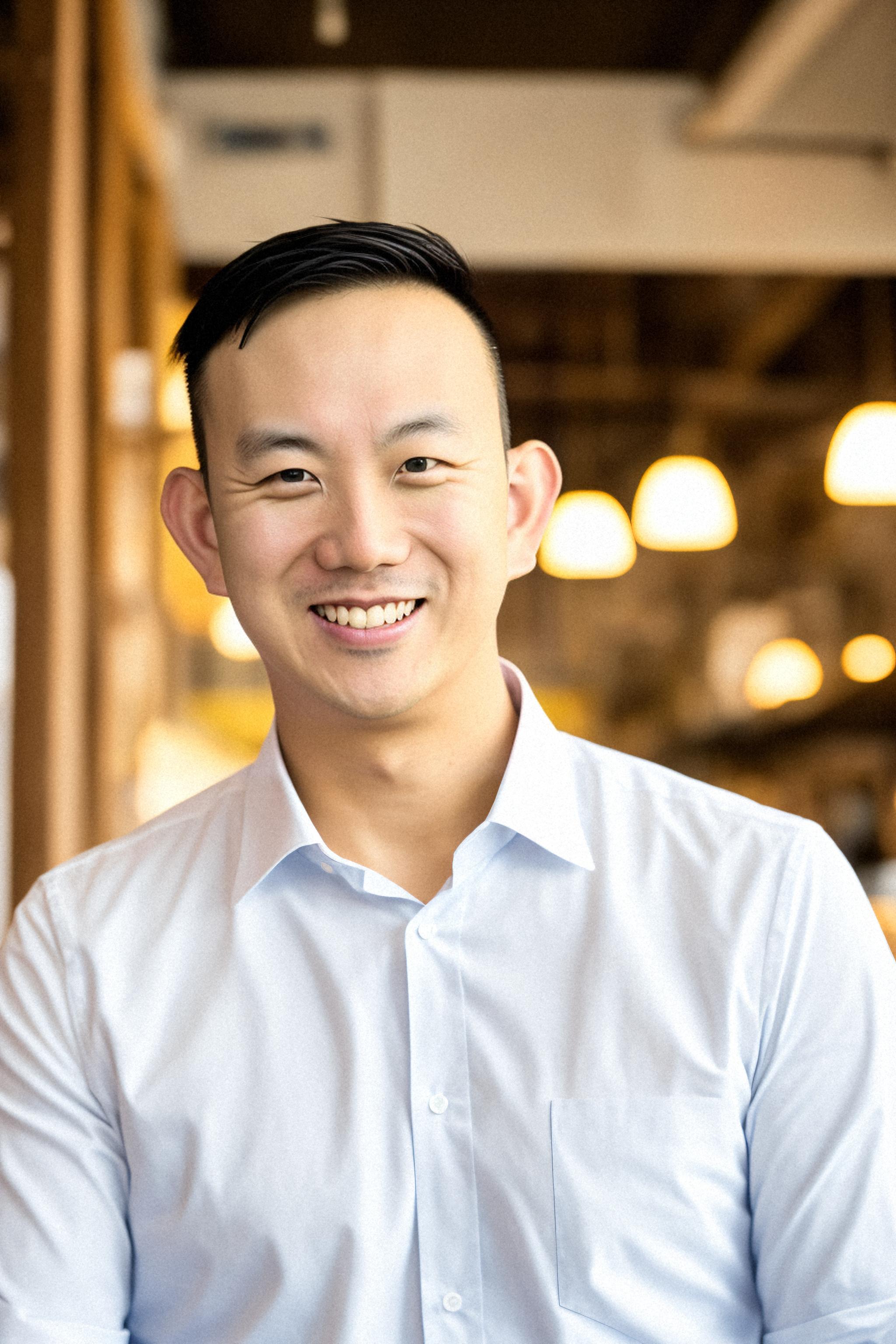
In his career as a trained therapist, Lindsay often encountered clients on stress leave triggered by toxic work environments. This experience highlighted a recurring theme: the profound impact of leadership on workplace well-being. Happy Hires was born from a vision to transform this reality — to create workplaces where people are energized and inspired by exceptional leadership. At Happy Hires, Linsday partners with CEOs and owner-operators of small to medium-sized enterprises committed to excelling in leadership. He offers strategic planning, executive coaching, job benchmarking, and dynamic team workshops. His pursuit of excellence in leadership development has led him to the final stages of a Ph.D. in Organizational Psychology, specializing in leadership and positive psychology, and certification as an executive coach through the Center for Executive Coaching. When he is not coaching leaders, Lindsay spends his time with his wife and four young children, playing a board game or two with friends and reading avidly.

Gregory Favazza: Veteran, Host, Leadership Expert
Gregory Favazza is the host of Your Transformation Station, a podcast focused on clarity, discipline, and the psychological mechanics behind real change.
He holds a Master’s degree in Industrial Organizational Psychology and a Bachelor’s degree in Organizational Leadership. His academic training is paired with lived experience as a military veteran who has operated inside high pressure systems where performance, morale, and accountability are not theoretical concepts. They are survival skills.
Gregory approaches transformation clinically rather than motivationally. His conversations cut through surface level advice and expose the systems beneath behavior. Power dynamics. Incentives. Identity. Emotional regulation. Accountability. He challenges guests and listeners to stop reacting, start reading situations accurately, and lead themselves with precision.
His style is direct, controlled, and intentionally uncomfortable for anyone addicted to excuses or performance based confidence. Your Transformation Station attracts leaders, creators, and thinkers who value depth over hype and self control over noise. People who understand that change is not inspirational. It is operational. #podcasts #yourtransformationstation #leadership