When Congress Dodges Responsibility: War Powers, Venezuela, and the Public's Burden
Welcome back to the blog, where we dive deeper into the topics that shape our world and, importantly, our wallets and our safety. In our latest podcast episode, "Powder Keg Politics: Storms, the Fed, War Powers—and Minneapolis," we explored the interconnectedness of seemingly disparate events and how they ultimately impact working families. One of the critical issues we tackled was the complex and often frustrating landscape of war powers, using the ongoing situation in Venezuela as a compelling case study. This post will expand on that discussion, dissecting how Congress's tendency to defer crucial decisions on foreign policy, particularly regarding the use of military force, directly affects domestic safety and budgets, and why this abdication of responsibility places a significant burden on everyday Americans.
Venezuela as a Case Study: When Congress Defers
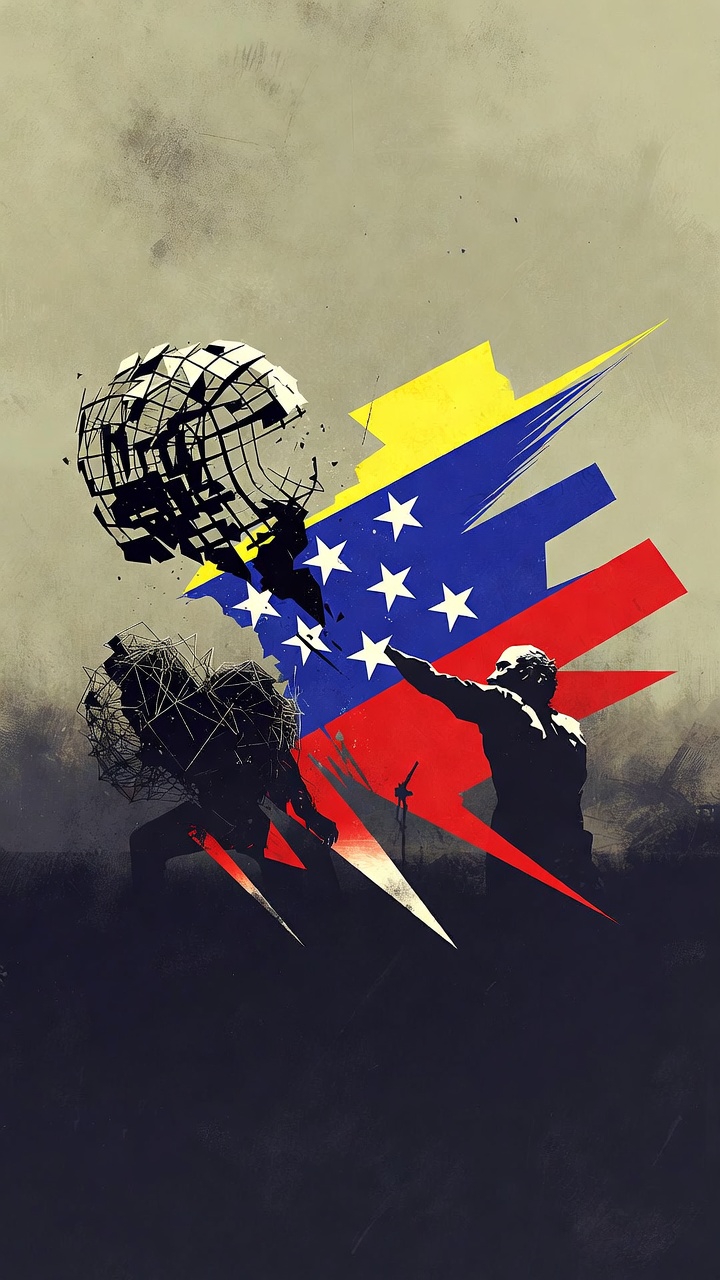
The situation in Venezuela has been a quagmire for years, marked by political instability, economic collapse, and a humanitarian crisis. The United States, under various administrations, has grappled with how to respond. While the executive branch has engaged in diplomatic efforts, sanctions, and rhetoric, the fundamental question of the potential use of military force has loomed. This is precisely where the constitutional authority of Congress comes into play. The U.S. Constitution, in Article I, Section 8, explicitly grants Congress the power to declare war. This power is not a mere formality; it is a safeguard designed to ensure that decisions with such profound implications—loss of life, immense financial cost, and long-term geopolitical ramifications—are made by the elected representatives of the people, after thorough debate and deliberation.
However, what we have often witnessed is a trend of congressional inaction or a willingness to delegate this crucial authority, implicitly or explicitly, to the executive branch. When Congress avoids the weighty responsibility of formally authorizing or denying the use of military force, it creates a vacuum. This vacuum allows the executive to operate with a degree of autonomy that can blur the lines of accountability. In the case of Venezuela, while overt declarations of war have been absent, the ongoing posture of potential intervention, coupled with sanctions and covert actions, can be interpreted as a perpetual state of undeclared conflict. This ambiguity allows for prolonged engagement without the public scrutiny and democratic process that a formal declaration of war would necessitate.
Why does this matter for Venezuela specifically? It means that the potential for military escalation, with all its attendant human and financial costs, exists without a clear mandate from the people's representatives. It allows for resources—both financial and human—to be directed towards foreign policy objectives without the explicit consent and oversight that Congress is constitutionally empowered to provide. This deferral is not just a procedural technicality; it has tangible consequences for the American public, consequences that are often overlooked in the grand narratives of foreign policy.
The Erosion of Trust: How Dodging Responsibility Impacts You
The core of our latest episode revolves around the concept of trust. When institutions, including Congress, consistently dodge their responsibilities, it erodes public trust. This erosion is not confined to abstract political theory; it has concrete, downstream effects on our daily lives. When Congress abdicates its war powers, it signals a willingness to allow the executive branch to make decisions that can lead to costly military interventions without robust legislative oversight. This means that the decision to commit American lives and treasure to foreign conflicts can be made by a select few, rather than through a national conversation informed by the will of the people.
Consider the financial implications. Military engagements are incredibly expensive. The costs associated with deploying troops, equipping them, sustaining operations, and dealing with the aftermath of conflict are staggering. When Congress avoids its oversight role, it can lead to unchecked spending and budgetary decisions that are not subject to the rigorous scrutiny they deserve. This can mean more debt, higher taxes, or diversion of funds from domestic priorities like infrastructure, education, or healthcare. For working families, this translates into fewer resources available for essential services and a heavier financial burden.
Furthermore, the lack of clear congressional authorization for military actions can lead to prolonged engagements and unpredictable outcomes. This uncertainty can destabilize regions, creating new threats and perpetuating cycles of conflict. These global instabilities, in turn, can have direct impacts on our domestic safety. Increased global tensions can lead to heightened security concerns at home, requiring increased spending on defense and homeland security, again diverting resources from other vital areas. The narrative of "endless wars" is not just a catchy phrase; it's a reflection of a system where decisions to engage in conflict are not consistently subjected to democratic accountability, leaving the public bearing the brunt of the consequences.
The Public's Burden: Safety, Budgets, and Working Families
Let's be explicit about the "public's burden." When Congress dodges responsibility on war powers, working families are disproportionately affected. Imagine a scenario where the executive branch, without a clear declaration of war from Congress, decides to engage in a prolonged military operation in a volatile region like Venezuela or Syria. The initial costs might seem manageable, spread across the national budget. However, as the engagement drags on, the financial strain intensifies. Tax dollars that could have been invested in local schools, repairing roads, or expanding access to affordable healthcare are instead channeled into the war effort. This is a direct budgetary burden on working families, who pay taxes and rely on these public services.
Beyond the financial aspect, there's the burden on our safety. Prolonged military engagements, especially in unstable regions, can breed resentment and create fertile ground for extremist groups. This can translate into an increased risk of terrorist attacks or other security threats here at home. The very act of avoiding clear, democratically decided foreign policy can, ironically, make us less safe. The lack of transparency and accountability surrounding these decisions fosters an environment where potential threats can fester and grow without adequate public awareness or oversight.
Moreover, the psychological toll of living in a world with perpetual, undeclared conflicts cannot be overstated. It contributes to a general sense of insecurity and unease. Working families, who are often juggling multiple jobs, childcare, and household responsibilities, are left to navigate this uncertainty without clear answers or a sense of democratic agency. The feeling that significant decisions impacting their lives are being made behind closed doors, without their direct input or the full engagement of their elected representatives, is deeply disempowering. This disconnect between the government and the governed is a breeding ground for cynicism and apathy, which are detrimental to a healthy democracy.
Reclaiming Accountability: Why This Matters for Democracy
The constitutional framework of the United States was designed to prevent the unchecked accumulation of power. The separation of powers, particularly the granting of war powers to Congress, was a deliberate choice to ensure that the decision to engage in armed conflict, with its immense consequences, would be a deliberative, democratic one. When Congress defers or avoids this responsibility, it weakens the very foundations of our democratic system.
Reclaiming accountability on war powers is not just an abstract political goal; it is essential for the health and vitality of our democracy. It means ensuring that every member of Congress understands their constitutional duty and is willing to engage in the difficult, but necessary, debates about foreign policy and the use of military force. It means demanding transparency from our leaders and holding them accountable for their decisions—or their lack thereof.
This is particularly relevant when we consider situations like Venezuela, where the potential for escalation is ever-present. A clear, informed debate in Congress about the objectives, costs, and risks of any potential military involvement is crucial. Without it, the decisions are left to the executive branch, and the public is left to bear the consequences without having had a meaningful say. This is not how a representative democracy is supposed to function.
Conclusion: The Urgent Need for Congressional Engagement
In our latest episode, "Powder Keg Politics: Storms, the Fed, War Powers—and Minneapolis," we highlighted how various global events, from winter storms to international conflicts, have tangible impacts on the lives of working families. The discussion on war powers and the Venezuelan situation serves as a stark illustration of how congressional inaction on crucial foreign policy decisions can lead to significant burdens on the public. When Congress shies away from its constitutional duty to authorize or deny the use of military force, it not only erodes public trust but also directly impacts domestic safety and budgets. This abdication of responsibility allows for prolonged, costly engagements without adequate democratic oversight, leaving working families to foot the bill in terms of taxes, diverted resources, and increased security risks.
The message from our podcast and this blog is clear: accountability matters. For the sake of our democracy, our safety, and our economic well-being, we need Congress to step up and reclaim its rightful role in decisions of war and peace. The complexities of foreign policy are significant, but the responsibility to confront them through deliberation and democratic process is non-negotiable. We encourage you to listen to the full episode at Powder Keg Politics: Storms, the Fed, War Powers—and Minneapolis for a comprehensive exploration of these critical issues. The strength of our nation lies not just in its military might, but in the resilience of its democracy, which demands engaged and responsible leadership from all branches of government.

The Economy's Squeeze: Price Sensitivity and Trust in Economic Stability