Special Guest- Gord Deppe
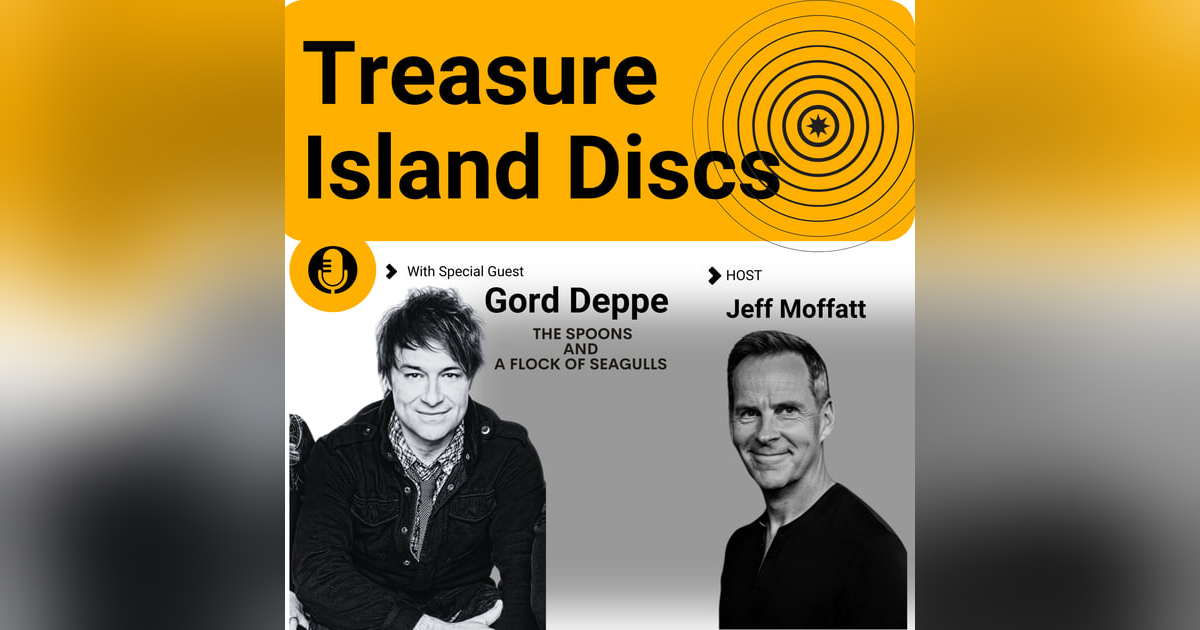


Gord Deppe, founding member, lead singer and songwriter of the legendary Canadian band, The Spoons, joins us today to share some great insights into his musical journey, his career and the tracks that have shaped his life. From iconic 80s hits like "Nova Heart" and "Romantic Traffic" to his recent gigs with A Flock of Seagulls, Gord's got stories that'll make you feel all the feels! We’ll dive into how his early days in Burlington, Ontario, set the stage for a career that’s defined by creativity and an unwavering artistic commitment to not dwelling on the past and a refusal to be boxed in. Plus, he's got some surprising picks for the songs that resonate with him, proving that even rock legends have a few unexpected favorites. So grab your headphones, settle in and enjoy our conversation with Gord Deppe!
Supporting Episode Resources
Episode Playlists
Apple Music
Spotify
https://open.spotify.com/playlist/7AxkUtBdOnl1mTYgWkg0Bb?si=b13ee4a209da498d
Link to Gord's Book
SpoonFed- My Life with The Spoons
https://www.amazon.ca/dp/1897453434?ref=ppx_yo2ov_dt_b_fed_asin_title
Credits
Intro Music written and performed by Jeff Moffatt
Instagram: @therealjeffmoffatt
https://music.apple.com/ca/artist/jeff-moffatt/1563362236
This podcast is presented by Astraltune
Takeaways:
- Gord Deppe shared how the Spoons defined the sound of the 1980s in Canada, creating timeless hits that still resonate today.
- He discusses the importance of finding a personal safe space for creativity, revealing how it influences his songwriting process.
- Gord emphasizes the organic nature of his songwriting, where music often comes before lyrics, creating a unique artistic flow.
- The conversation reveals that even successful artists like Gord grapple with self-doubt and the pressures of the music industry.
- Deppe's anecdote about shaking hands with George Martin highlights the serendipitous moments that shape an artist's journey.
- He reflects on the evolution of music tastes and the importance of authenticity in songwriting, especially in today's rapidly changing music scene.
Companies mentioned in this episode:
- the Spoons
- A Flock of Seagulls
- AIR Studios
- George Martin
- Roxy Music
- Duran Duran
- Queen
- The Prodigy
- Marilyn Manson
- The Verve
- Stone Roses
- Main Skin
- Wet Leg
Welcome to Treasure Island Discs.
Speaker AGet ready to set sail with your host, Jeff Moffat, as we dive deep into the stories behind the music, one Treasure island disc at a time.
Speaker BHi, I'm Jeff Moffatt and welcome to another edition of Treasure Island Discs.
Speaker BWe've got a great show lined up for you this week.
Speaker BOn this episode of the podcast, we welcome Gord Depp, lead singer, songwriter, guitarist, and founding member of the Canadian band the Spoons, and for the last number of years, also the guitarist with the legendary British band A Flock of Seagulls.
Speaker BIf you are anywhere in the 1980s.
Speaker CYou'Re more than familiar with the music.
Speaker BOf the Spoons and unforgettable songs like Nova Heart, Romantic Traffic, and Old Emotions.
Speaker CJust to name a few.
Speaker BI think it's pretty safe to say that the Spoons helped define the music of the 1980s, particularly in Canada, and for the generation that was raised on much music.
Speaker BFrom the band's early days when they formed in Burlington, Ontario, right out of high school, to the international success they enjoyed, they toured the world, they worked with some of the biggest name producers in the business, and they created a body of work that has more than stood the test of time.
Speaker BIn fact, the band continues to this day recording and releasing excellent new music and maintaining an active live performance schedule.
Speaker BI think as a listener, you're really going to enjoy this conversation with Gord.
Speaker BThere's so many interesting topics that we cover, but what you're really going to find is that Gord is a charismatic, articulate, intelligent individual.
Speaker BThere's an undeniable positive energy to him that is truly inspiring, and you'll hear that clearly in our conversation.
Speaker BHis was a total joy to hang out with.
Speaker BNow, the format of the show revolves around our guests selecting five songs or albums that they feel best define the soundtrack of their lives.
Speaker BThe selections you hear today from Gord, if you're a Spoons fan, will definitely surprise you.
Speaker BAnd that's the cool thing about how we do this.
Speaker BWith the albums that Gord has chosen, you'll learn a lot more about Gord Depp, the artist, and also how he looks at his life in general on a more philosophical level, as a person who's never caught up in the past.
Speaker BSo I hope you enjoy the show.
Speaker BAnd just before we jump into the interview, a reminder that we have a lot of great artists lined up for you in the coming weeks.
Speaker BHit the follow button to stay up to date on upcoming episodes.
Speaker BYou can also find us on Instagram treasureislanddiscs and we'd love to Hear your thoughts and comments on this show and any ideas for artists that you'd like to hear on upcoming episodes.
Speaker BWe've also included a link in the show Notes for where you can learn more about Gordep and his work with the Spoons and A Flock of Seagulls, including a link to Gord's book Spoon Fed My Life with the Spoons.
Speaker BIt was published in 2014 and yes, it's still available.
Speaker BIt's a great read and it's also a great companion to this podcast and for your listening pleasure.
Speaker BWe have a complete playlist of the songs from today's show, as well as some highlights from Gord's extensive career.
Speaker BGreat to have you along with us as we talk with Gord Depp.
Speaker CThanks for changing it up.
Speaker CI know like you're probably in your shorts and T shirt doing the pool.
Speaker AI just.
Speaker AWe opened the pool yesterday, so I like puttering around, just cleaning and acting like I'm at a hotel or something.
Speaker AAll this stuff is like therapy between tours, between gigs.
Speaker AIt is really is, you know, especially gardening or that kind of thing.
Speaker ANo matter how much, you know, the allure of the road and the fun you have on stage that you always have that.
Speaker AIt sounds so silly, but that safe place to go back to where everything is the way you know it and nobody can break in.
Speaker AIt's just like your private little thing.
Speaker AAnd that's.
Speaker AAnd that.
Speaker AAnd that's really conducive to writing too, if you don't have a place like that.
Speaker AI can't imagine trying to put together the record.
Speaker ABut you know, on the, on the road, though, I did in the last tour, I had to do it in hotel room, just throw ideas on a little recorder.
Speaker AI need that safe spot to just, you know, be able to sing without anybody hearing, you know.
Speaker CThere's something I was.
Speaker CI wanted to talk to you about how you write and.
Speaker CAnd how you find the muse and what kind of environment you like to have to write your best stuff.
Speaker CWhat does that look like for you?
Speaker AWell, first of all, the thing people are most surprised about is that the music comes first and lyrics.
Speaker ASecond, a lot of people work the other way around.
Speaker AThey have an idea of a subject or a person or something they want to get across.
Speaker AAnd then they try to figure music where I find that music or the lyrics kind of come from the music.
Speaker AYou know, I just.
Speaker AAnd there were times, not so much now, but in the early days where I would perform the songs without complete lyrics.
Speaker AI would just go on stage at the edge or where, wherever we were playing in the Toronto.
Speaker AAnd I had a framework, but I would just sort of had this sort of this gibberish language that sounded like English.
Speaker AAnd I'm really good even today, if I lose my spot in a song, I could fill it in.
Speaker AI never understood singers who stop singing when they forget the words.
Speaker ANo, no, I can.
Speaker AI could sing about whatever the sky or the person on the front row or something.
Speaker ABut I had this, this make this sort of makeup, gibberish, half English sort of vowel sound thing I could do.
Speaker ABut out of that, it was really organic.
Speaker ASuddenly sentences would come, you know, like I'd be doing like.
Speaker ARemember I was working romantic traffic in the early days and I was going.
Speaker AAnd I hear a car go by because we're playing a club, downtown Toronto.
Speaker ADude, dude.
Speaker ALike a car going, honking.
Speaker AOh, you know that.
Speaker AAnd I like that train of thought way of writing.
Speaker AI could never be a staff writer for somebody or, you know, go to work every day and write songs.
Speaker AI got.
Speaker AIt's all intuitive, it's all like vibes and I kind of like that.
Speaker AYou know, I'm lucky I can do that.
Speaker ASo it just comes from somewhere and I.
Speaker AThen I write it out.
Speaker CGore, what about your studio setup?
Speaker CDo you have a studio set up at home?
Speaker APeople are surprised.
Speaker AI really don't like recording.
Speaker AIt really gets me kind of stressed out.
Speaker AIn the early days, when you're young, it's exciting, you know, you know, big studio and, and now it's like, it's like, it's like a filmmaker you got, you got your idea and they got a thousand people and weeks or months ahead of you where at the end of it, you, you hope that it's what you originally want to do, but you got all these people involved and the studio and the, you know, the sound of the studio that day and whatever platform that guy's using and auto tune and all these things, they can mess with what you're doing and that really gets me stressed out.
Speaker AI wish I could just cut, shut that out.
Speaker ASo I really don't like the recording process.
Speaker ASo the only thing I have at home is a tiny little pocket 4 channel zoom recorder which I can do multiple tracks and I take that with me everywhere and, you know, hotel rooms on the road and work out songs and then I bring them to the band and then we work them on in, you know, rehearsal studio.
Speaker ABut when it comes to recording, you know, we gave up the big studio thing quite a while ago and Sandy from the Spoons her husband is a producer and they have a nice little studio out in Guelph, out in the countryside.
Speaker ALittle house that's perfect, you know, no traffic, no parking, no stress of Toronto to deal with.
Speaker AIt's like.
Speaker AIt's like a drive into the countryside.
Speaker ALike, a lot of people.
Speaker ALike a lot of creative records were made at residential studios in Wales or whatever.
Speaker AThat's something about that, you know, just where you don't have to be stressed out.
Speaker CYou guys worked in some really iconic studios, like air.
Speaker CWhere else did you work?
Speaker AAIR Studios in.
Speaker AIn London, England.
Speaker AThe original Edge George Martin from the Beatles, I think it might have been the original, but later on they had Monster Rod and some other places.
Speaker ABut.
Speaker ABut he.
Speaker AHe actually came into the room when standing out there as kids, you know, and shook our hand.
Speaker AHey, welcome to Sydney.
Speaker ABecause he was John Punter's boss at the time, who produced a record and we were just a bunch of kids.
Speaker AIt's one of those moments where at the time was whatever.
Speaker AThen like 40, 50 years later, oh, my God, we shook George Martin's hand.
Speaker AYou know, it's a big deal that.
Speaker ASo, yeah, there.
Speaker AAnd then we did the power station in New York City, which is, you know, notorious.
Speaker AThere's a Duran Duran pun there because NARA just worked with them as well.
Speaker AThere's.
Speaker AAnd like I said all those things, like, now we're going to this little place in the countryside, but in a way, like New York City and London, when we recorded Ari's symphonies, the vibe of the city and the stresses, everything that goes with it all kind of creep into the music.
Speaker AAnd I think it's kind of cool, you know, it makes every song kind of like a time capsule of that recording of that time in our lives.
Speaker CYou think about, like, you say Montserrat and you think about Rockfield in the UK and the music that came out of those places.
Speaker CAnd like a story of Rush recording, I think it was Farewell to Kings they did at Rockfield and Alex Liveson recording guitars outside.
Speaker CAnd the birds, you can hear the birds in the background.
Speaker CReally informed the creative process.
Speaker AYeah.
Speaker ANow we did our Vertigo Tango record at Rockfield and that studio is famous, I mean, for ole Led Zeppelin.
Speaker AI think Tubular Bells was done there by Michael Oldfield.
Speaker AQueen did Bohemian Rhapsody there.
Speaker AThey had the movie Bohemian Rhapsody.
Speaker AI recognized the rooms.
Speaker AThey actually duplicated our little cottage bedroom just the way they were.
Speaker AAnd the dining room hadn't changed in years.
Speaker AAnd then subsequently, people like Oasis and a lot of bigger bands, you know, our generation were There.
Speaker ABut again, there were in the middle of like the countryside, Welsh countryside with.
Speaker AWith sheep and little castles and rolling hills and pubs and.
Speaker AYeah, that was.
Speaker AThat was a beautiful experience.
Speaker AAnd that was supposed to be six weeks on.
Speaker AThe record companies dying because it's very expensive, you know, but we understand three months, we pretty well moved in.
Speaker AThat was something else.
Speaker AAnd that record was made very.
Speaker AI think a very good record at the end of the 80s.
Speaker ABut nobody saw the end coming.
Speaker AYou know, at that point we're probably gonna talk about this.
Speaker ABut if that record had been released in the mid-80s, it would have done a lot more.
Speaker ABut because of timing shift in music at the time, it was just too late.
Speaker CSo let's come back to that in a few minutes.
Speaker CBut what I'd like to talk about as we kind of build our conversation is talk to me about where you grew up and the environment that you grew up and how music first came into your life.
Speaker AI mean, that's the whole story too, because that all creeps into as well.
Speaker AI mean, I have a book out called Spoon Fed.
Speaker AI'm not plugging the book because it came out like over 10 years ago.
Speaker ANo big deal.
Speaker AI don't think you have any left to sell.
Speaker AI kind of thought to take that angle exactly like that.
Speaker AInstead of just talking about the part partying in the road, I talked about how a kid, almost like a Stephen King novel, was influenced by the silliest little things around the house.
Speaker AMy mom playing old on the.
Speaker AOn the 45 on.
Speaker AOn the turntable.
Speaker AThe theme from Dr.
Speaker AChilago or whatever was the Eurovision Song Contest winner at that time.
Speaker ABecause we lived in Germany at the time then.
Speaker ABands like the Beatles being in Hamburg at the time, I was there, you know, like in 64 and.
Speaker AYeah, so all those early things that influenced me and crept into my writing.
Speaker AI think I started when I was like 10 years old.
Speaker AYou know, I used to make up songs when I was lying in bed.
Speaker AAnd finally I got a little.
Speaker AI got a guitar for my dad.
Speaker AHe went to a pawn shop or something.
Speaker AI didn't even want it.
Speaker AI think I let it sit there for weeks until I finally picked it up.
Speaker ASee what happens, you know.
Speaker CSo you were living in Germany at the time?
Speaker AGermany, right.
Speaker AAnd where I was, it was in Lubeck, which is kind of near Hamburg, nearby on the Baltic Sea.
Speaker AAnd it's very beautiful.
Speaker AThey have beaches.
Speaker ABut that wasn't really the spot that influenced me as a kid.
Speaker AThere's a city called Kern, Cologne.
Speaker AAnd it's a real medieval place.
Speaker AI mean, they got the.
Speaker AThe cathedral there.
Speaker AI think it's the third largest in the world.
Speaker AIt's like right on Hunchback or Notre Dame or something.
Speaker AAnd that mysterious old city.
Speaker AI remember going.
Speaker AAnytime I went downtown, they'd be doing, you know, digging up the ground for a new building.
Speaker AThey had to stop because they found bones and ruins and.
Speaker AAnd some of these Roman relics or whatever they just found.
Speaker AIt was just like living in a museum, you know, and the cobblestone streets and little pubs and like.
Speaker AAnd that's bound to affect a kid, you know, like, growing up.
Speaker ALove that place.
Speaker AThat's where my grandparents lived, and I would spend summers there and I think kind of set me on my course of writing lyrics.
Speaker AI always had sort of a different angle or different or sometimes dark outlook on things, you know, especially when you get, like, the artist record.
Speaker AYeah.
Speaker AJust I kind of look at things differently.
Speaker AAnd I hadn't even discovered, like, the Twilight Zone yet moved to Canada and crazy stuff like that.
Speaker AThat really got me next.
Speaker CYou know, it's interesting because you had this influence of Europe before you got to Canada, which I think informed you probably really, really different.
Speaker CLike, you say I was born.
Speaker AI should say I was born in Canada, but only lived like a year in Vancouver or something like that.
Speaker AReferred to a short stint.
Speaker ABut that was pre my memory, you know.
Speaker CReally, those early years were very formative, I'm sure, in terms of who you were as a person.
Speaker AYeah.
Speaker CAnd being.
Speaker CAnd being exposed to the architecture, the art in Europe probably really created a very different perspective of how you approach.
Speaker CCreate.
Speaker AI didn't grow up on, like, at least on the early years, I didn't grow up on, like, Party Boys.
Speaker AI was growing up, like, in the Brothers Grim, you know, Everything's kind of twisted and dark.
Speaker ABut then when I came to Canada, oh, my God, I absorbed all this.
Speaker AI fell in love with, like, the Monkeys and the Brady Bunch and the Partridge Family.
Speaker AAnd I wanted to be them, you know?
Speaker AKnow, this is even before I got into music.
Speaker AThere was something about, you know, picking up instruments.
Speaker AAnd all of a sudden they started playing.
Speaker AThose days, ever, if you ever watch one of the shows, it was hilarious.
Speaker ALike the.
Speaker AThe Partis Family, they walk into the room and one of the guys would say, I've got this idea.
Speaker AJust follow my lead.
Speaker AAnd they go right into the recorded track.
Speaker ALike, with the full production and everything.
Speaker AYeah, that'll work.
Speaker AYeah, that was great.
Speaker AI was innocent and naive, but I loved it.
Speaker AI want that.
Speaker AI decided Then I think that's what I wanted to do.
Speaker AYou know, I went on.
Speaker AWent through high school.
Speaker AI even got a university degree.
Speaker ABut I always knew that this is what I was going to do one way or another.
Speaker AEven though I was, like, the most shy kid on the planet, you know, I don't know how I was going to do it, but I was going to do it.
Speaker CWhat did your first band look like?
Speaker AIt was just a couple of kids in school.
Speaker AThis is a keyboard player, a drummer and myself.
Speaker ANo bass player yet.
Speaker ACassani came along later.
Speaker AYeah, it was just a bunch of kids that met out of music class.
Speaker AYou know, you have music back then?
Speaker AWe have music.
Speaker AIt was a big part of our thing.
Speaker AAnd I played saxophone, the high school band, you know.
Speaker CYep.
Speaker AAnd out of that group, yeah, there was.
Speaker AThere's a drummer who played the timpani, but he'd also play rock drums and he liked the Beatles.
Speaker AAnd there was a keyboard player really sang Elton John really well.
Speaker ASo he was the lead singer.
Speaker ASo we would do, you know, shows that I.
Speaker AHigh school, you know, high school priest.
Speaker AWhat do you call that?
Speaker APublic school, you know, Christmas assembly and.
Speaker AAnd talent shows and that kind of thing.
Speaker ABut right off the bat, we were always really good.
Speaker AEven before I was writing my own songs or.
Speaker AOr I was singing even.
Speaker AThere's something about the people that I was around.
Speaker AWe were always like, the thing.
Speaker AAnd you know what that does to a kid's ego when all of a sudden music is like, you know, giving this shy kid a kick at the world.
Speaker ALike, all of a sudden people notice you and you bring your Les Paul to school.
Speaker AJust like, unheard of, you know.
Speaker AI got that when I was, like, 16.
Speaker AI think I bought it myself with, like, paper roof money and stuff.
Speaker AThat changed the world, you know.
Speaker AI said, there's music, but there's this whole other world of, like, being seen.
Speaker AAll of a sudden you know, that I was pretty invisible.
Speaker BYou got that?
Speaker CIt was a Les Paul custom.
Speaker AThey still have it.
Speaker CYeah, no kidding.
Speaker AI had some other ones before that.
Speaker AI think I had an old Ovation electric I should have kept, because they're kind of collectible now.
Speaker AI used to watch Hee Haw.
Speaker ARemember Hee Haw with.
Speaker CI do.
Speaker AGlenn Campbell and some of those players.
Speaker CRoy Clark.
Speaker ARoy Clark.
Speaker AOh, geez.
Speaker CBuck Owens was on that.
Speaker AYeah.
Speaker AAnd there was a Canadian on that show, too.
Speaker AAnd I ended up doing.
Speaker AHonoring different people from Burlington, Ontario.
Speaker AAnd he was from there.
Speaker AHe was the old gentleman with the mustache.
Speaker AHe wore overalls all the time.
Speaker AI remember his name.
Speaker AI think his name was Gordon, too.
Speaker AChord something.
Speaker AYou would know him.
Speaker AYou saw him.
Speaker ABut he was from Burlington.
Speaker AYeah, that's all that stuff.
Speaker AI would watch Lawrence welcome my family because there was a guy in the band with an electric guitar and that was all they needed.
Speaker ABut I see electric guitars.
Speaker AYeah.
Speaker AJust magical about that.
Speaker AThat drove me, drew me in.
Speaker AI was never huge into, like, Elvis or, you know, stuff my mom was playing at the time.
Speaker AWhoever the rock and roll heroes were at the time.
Speaker AAnd the Beatles came along.
Speaker AYeah, they were cool.
Speaker AYeah.
Speaker ABut I kind of like the Monkeys better.
Speaker AThey sound like they were more fun to hang out with, you know, I would want to be them.
Speaker CWell, watching that show because you couldn't, like, turn on the TV and like, on.
Speaker COn Demand.
Speaker CHabit.
Speaker CYou had to wait a week.
Speaker CAnd the show came on and the show was awesome.
Speaker CIt was really.
Speaker CIt was really well done.
Speaker CAnd as you look back later in your life and you listen to the music, like songs like Pleasant Valley Sunday.
Speaker CThose are great songs.
Speaker AGreat song.
Speaker BThis is the kind of.
Speaker CThe thing that's interesting about music is all of these different things kind of come at you and they form who you are.
Speaker AAnd.
Speaker CAnd we'll talk about some of the songs or the albums we're going to talk about later.
Speaker ASo different and.
Speaker AAnd sometimes contrary to each other.
Speaker AIt's like.
Speaker ABut you put.
Speaker AI used to.
Speaker AWhen I put my book out, it ended up being pretty clean book.
Speaker AI didn't talk about, you know, the shagging, the birds on in the road.
Speaker ALike.
Speaker ALike.
Speaker ALike.
Speaker AIt was about looking at things from a weird angle.
Speaker ALike, kid.
Speaker ALike, how does this all come together?
Speaker AAnd.
Speaker AAnd it ended up being, you know, clean enough that I would do motivational sort of talks for kids in schools, you know, about following your dreams.
Speaker AAnd it said exactly what you said.
Speaker AJust take all the things that make you.
Speaker AYou put them in this crazy sort of blender.
Speaker AWhatever comes out, that's it.
Speaker ALike, don't try to be like the kid next to you who don't write the same paper that he's writing or take the same selfies, you know, just beat for me, like, normal is a dirty word.
Speaker AYou know, you got to be different, you know, be unique.
Speaker AAnd that's the number one thing, you know, that's why I don't like shows like the Voice.
Speaker AAnd granted, they're technically good singers, but they're all the same cookie cutter puppy mill thing that just like, not again.
Speaker AI'd rather have somebody sing a little bit out of key and have their Have a real voice, you know.
Speaker CBut it's really cool what you said also that looking back when you were, say you were 14, 15 years old, you're playing in the band and you're finding as a.
Speaker CBecause I would say I'm the same kind of guy, music became like it did for you, my identity.
Speaker CAnd it gave me the self confidence and it really elevated my whole experience.
Speaker CAnd I think it did the same for you, right?
Speaker AYeah.
Speaker AYou know what it does.
Speaker AI just realized as you were saying that it does that to you.
Speaker AAnd if you become successful because of it, it's not just the allure of making you like, feel like somebody, but I think what you started off in the beginning as that introverted, thoughtful person makes you that much greater later on, you know, I think although all the really talented people I've met in my life, they were not jerks.
Speaker AThey were.
Speaker AThey were self doubting, cool a little bit, you know, nothing's ever perfect.
Speaker AI always find these people, like, you know, Sting even, or Nile Rogers and stuff, they're not boastful, you know, completely sure of themselves kind of people, they're like, kind of us, you know, like neurodege.
Speaker AAnd so I think that's an advantage.
Speaker AYou know, all those, those things, those scars and those problems.
Speaker AAnd if you're squeaky clean, it's pretty boring, you know, I think.
Speaker CI don't know about you when you write, but sometimes when you are in your most kind of anguish sort of situations, the best things come out.
Speaker CIf you.
Speaker CIf you let the muse find you.
Speaker CYeah, absolutely.
Speaker CAnd I think that.
Speaker CI think a lot of those artists that you talk about are those people.
Speaker CYou're probably the same thing.
Speaker CYou're probably.
Speaker AYeah, you have to be.
Speaker AIf you say.
Speaker AI know how you put it in perspective and, and so you're always watching and I kind of hate that.
Speaker AI'm always.
Speaker AI wish I could just be a spectator and just be caught up like everybody else.
Speaker ABut I'm always looking at it and thinking about a lyric or watching a play or.
Speaker AI just want to be, you know, like self absorbed, just jump on, you know, dive into the crowd.
Speaker AI can't.
Speaker ABut that's part of being a writer, I guess I call it sort of the chronic observer, you know, like, obviously.
Speaker ABut sometimes, you know, those rare moments in a really amazing concert or a really amazing movie, we go, oh my God, I just didn't think about anything for the last hour.
Speaker AAnd that's.
Speaker AOh my God, that's something else when that happens.
Speaker ARight.
Speaker ASo there are little reprieves once in a while.
Speaker CI think it's a gift, though.
Speaker CI think it's a real gift to be able to look at the world that way and to absorb stuff and to process it and build your art out of your observations.
Speaker CI agree with you.
Speaker CLike, you'll see something.
Speaker CIt'll.
Speaker CYou'll read something, you'll watch a movie and it'll inspire you and you'll see things that other people will not see.
Speaker AYeah, absolutely.
Speaker CAfter a curse, I don't know.
Speaker AAnd you do meet musicians who just write, like, as they see it.
Speaker AThere's no.
Speaker AIt's just A, from point A to B they're not going to see.
Speaker AOr D, or you have to.
Speaker AAnd that's cool too.
Speaker AYou know, it's very in your face and straight ahead.
Speaker AAnd I kind of started to like some of that stuff now, too.
Speaker AWhen you see my list of albums, I'm starting to like bands.
Speaker AI love this when a new band comes out and I really hate them at the beginning and then they win me over.
Speaker AI love that because I'm starting to understand the simplicity of it.
Speaker CI was going to ask you after the teen years and then you.
Speaker CYou form the spoons, were you ready for what was coming at you over the next 10 years?
Speaker AI didn't expect it, no.
Speaker ABecause we were a little prog rock band before that.
Speaker AWhen new wave came, I thought, oh, some of this darker stuff sounds kind of praggy, especially old, like Ultravox or, you know, Two Way army or Some of the Dark.
Speaker AI was never really poppy 80s stuff.
Speaker AStill not really like, oh, this is the quirky stuff, I know.
Speaker ABut I never thought in a million years that anything we would do ever would matter to anybody, really.
Speaker AA song like Nova Heart as our first single when there was nothing really like it.
Speaker ANothing.
Speaker AOnly other thing else that I knew that was mainstream with Drum Machine was like Tainted Love, you know, that kind of thing.
Speaker AI mean, there was other stuff, you know, I was listening to lots of drum machines that I love, like old OMD and whatever else there was.
Speaker ABut no, it's still.
Speaker AI mean, I look at the chart with no heart on it for back then, like the Chum Charge or the cqrc, you know, AM chart.
Speaker AWe're up in there with Led Zeppelin and the who and Queen.
Speaker ALike, how does this sound?
Speaker ALike Nova Heart even.
Speaker ALike that even worked, you know.
Speaker CRight.
Speaker ABut there's something, I guess listeners, ears were ready for something a little different, you know.
Speaker ABut even then I never thought, well, this is nice.
Speaker AYou know, I didn't think it would keep to the building.
Speaker AThere was a year or two there where just things just happened back to back.
Speaker ALike it was like dominoes, you know.
Speaker AYeah, that's.
Speaker AThat's what everybody hopes for at some point in their career.
Speaker CYeah.
Speaker AAnd then you coast for a while, you know, but then y.
Speaker AThings happen again.
Speaker AAnd it was just the right timing, you know.
Speaker AIt was a song that was perfect for the change in music.
Speaker AAnd then the video age coming, you know, all of a sudden Nova Hart was on.
Speaker APretty much music would have been the new music.
Speaker AI guess with Jenny back and J.D.
Speaker Aroberts overnight, everybody knew who we were.
Speaker AYou know, it's like that all helped, you know, being young, having a girl in the band, being stylish.
Speaker AA lot of things that just work in our advantage.
Speaker AAnd yeah, right from the beginning, we had great people who wanted to work with us.
Speaker ANot because we were virtuosos or, you know, same like, you know, it was like the.
Speaker AThe non normal thing I was talking about earlier, it was, what.
Speaker AWhat are these guys doing?
Speaker ABecause we were from Burlington, we were going out and hanging out with bands of Toronto.
Speaker AWe're stuck in our own little cocoon listening to the Flying Lizards and Lena Lov.
Speaker AQuirky thing that we could find, you know, we usually heard on CF and yfm, you know, the Edge.
Speaker ASo when we came to Toronto, the other bands are going like, what?
Speaker AWhat is this?
Speaker AWe didn't know.
Speaker AAnd that was a good thing.
Speaker AWe just get back in our cars, go home and do some more crazy music.
Speaker CMaybe that worked to your advantage also, being outside of Toronto at that time.
Speaker AOh yeah.
Speaker AWe had our own little bunch of cool people that we hung out with.
Speaker AOur first keyword player, Brett Wickens, before Rob Proust, he was British and he's the guy turned me on to a lot of great music I would never have found before, you know, even whatever latest thing was coming from England and that was my mainstream.
Speaker AI was listening to like, you know, whatever was on the radio at the time of the Beach Boys or the Eagles or something.
Speaker AI was listening to this quirky little crazy fat gadget and you know, I don't know, whatever strange band that came out.
Speaker AYeah, I was like, this is what I want to do, you know, and episode said, we'll give it a shot.
Speaker ABut we never thought Burlington, you know, like kind of thing.
Speaker AYeah, it always the right people.
Speaker AFirst record we did before, the one with Noble Heart, ended up doing with Daniel Lamois, you know, became a big producer and then Judd Punter who did like Roxy Music and.
Speaker AAnd these are all people that heard our stuff and they, and they saw this young band and same with Nile Rogers.
Speaker AGreat story.
Speaker AHe went to see a Culture Club opening or playing in New York City and we're opening that whole tour and the record company at Santa Seat Culture Club and he knocks at the door and Sam's thing.
Speaker AI probably know the story, I've told him a million times out later on that Steve Winwood was there with him too and they all liked us.
Speaker AAnd I said, yeah, Culture cup was okay, but just this is one of the best again I've said this before, one of the best compliments of my career.
Speaker AN.
Speaker ARogers.
Speaker ABut us, this little white band from Burlington Spoons came on and they were the.
Speaker AYeah, you know, they were this not.
Speaker AYeah, they had something going.
Speaker CYeah.
Speaker AHe didn't know what it was.
Speaker AHe didn't know our music.
Speaker AYeah, he wanted to work with us and he did two albums with us and we're still the only Canadian band he's ever worked with.
Speaker AYou know, he's worked with since the boy record.
Speaker ABut you know, before that he was pretty R and B and soul and stuff and funk.
Speaker ABut then you work with, you know, Durant Duran and Blondie and of course, you know, Ran Duran is the big one and even Mick Jagger I think a lot of interesting things.
Speaker AYeah.
Speaker AAnd all these people that work with us, you know, just because maybe they're just sick and tired of really great bands that just kind of the same.
Speaker AI.
Speaker AWe were just a little bit different, you know and I think people all need that.
Speaker CBut you were in some really, really great company at that time, right?
Speaker CYeah.
Speaker CYeah.
Speaker AYou can learn something from all those people.
Speaker CYes.
Speaker AAnd it's like for a for instance working with Nile Rogers in the Power station.
Speaker ANot only is he a cool guitar player and he always, he all plays on everything, everything ever does.
Speaker AYou always hear his signature thing he does.
Speaker AAnd I learned a little bit from that.
Speaker AI was really into that style of playing.
Speaker ABut Sandy, for instance, she.
Speaker ABernard Edwards, his right hand man, was still alive at the time.
Speaker AOne of the greatest bass players.
Speaker AYou know stuff.
Speaker AHe sat down with Sandy a few times and really helped her find her voice, you know, on the bait.
Speaker AYes, you learned something from all those.
Speaker CYou through that period of time, it was really prolific.
Speaker CThe songs you come out with, there's so many great songs and those songs have really stood the test of time.
Speaker CThere's no question knowing that you and I were going to talk today.
Speaker CI go back And I revisit the spoons and I've got like Nova Hart in my head.
Speaker COr I've got Romantic Traffic rolling through on my head.
Speaker CThese things have these songs.
Speaker CFor whatever reason, they're great songs.
Speaker CThey have stood the test of time.
Speaker CHas that surprised you?
Speaker AYeah, every, every song we took, I was.
Speaker AI don't know, is this right?
Speaker ABecause it was always kind of the wrong for the time like when Nova Hart was like.
Speaker AI said, look at the other bands were on the radio, said, what are we doing?
Speaker AAnd I remember taking Old Emotions because that was the follow up.
Speaker AYeah, single things off the next record, you know, no Arts is kind of cool.
Speaker AThen we got those bouncy little thing.
Speaker AI was seriously embarrassed to go to the record at the radio stations because in those days you would take the 45, you'd visit the radio station and you'd be on the air and they would play it.
Speaker AAnd I remember walking in there going like, what are we doing?
Speaker AAnd I remember the same day we walked in, they were doing.
Speaker AThey were playing on the Waterfront, something by Simple Minds and some new release by YouTube.
Speaker AAnd I think like, I just want to go home.
Speaker ABut you know what?
Speaker AIt ended up being a big single anyway.
Speaker AThat's the problem too, of being like a writer, observer.
Speaker ANever, you know, really participating.
Speaker ASee, it's your worst critic all the time.
Speaker AYou know, I wish I could just believe everything I did was great, but I can't.
Speaker CDid you ever have like, like it's an interesting comment you make because when you, when you create it and you throw it out to the world, you're sensitive to how people are going to react.
Speaker AYeah.
Speaker CAs opposed to like having this sort of Teflon perspective where you don't care.
Speaker CThis is what I'm doing.
Speaker CI like it or not.
Speaker CAnd there are artists, there are artists that are like that.
Speaker CThey just throw it out there and they don't really care if you like it or not.
Speaker CBut there are some people that are really sensitive to that.
Speaker AOh, geez.
Speaker AIf I know people who seem like the most confident people in the world, they read one bad review or one person makes one little comment.
Speaker AI mean, they're, they're, they're done for the day at least.
Speaker AThey're just like, yeah, you know, it's like the kind of people as crazy musicians are, you know, it's not.
Speaker AYes.
Speaker AYou got to take the good and the bad that comes with it for sure.
Speaker CSo as you rolled through the 80s, you were non stop pretty much.
Speaker CAnd then did you find it easy to write at that time, where things just come into you.
Speaker AYeah.
Speaker AIt became harder, I think, near the end, because it became a cycle, especially near the end.
Speaker AWe were with Anthem Records, which is like Rush's label, and Ray Dan is their manager, and it was like a machine.
Speaker AYou're part of a factory almost.
Speaker ARight.
Speaker ASo you write for a year, make videos, and then you do it for a year, and then you expect to do it again.
Speaker AAnd near the end, I was going into studio, where in the old days, it just came right at the end.
Speaker ALike on the Vertical Tango record that we did at Rockfield.
Speaker AI remember flying to.
Speaker ATo Wales, and I hadn't even written all the lyrics yet.
Speaker ABut I've heard that in the meantime about a lot of people.
Speaker AI mean, even Gabriel not having all the lyrics.
Speaker AThat Lamb Lives on Broadway, which is one of my favorite albums of all time, I did include it on my list, but it was the masterpiece, right.
Speaker AAnd him making stuff up in the studio, I was kind of counting on that.
Speaker AAnother thing, you know, I mentioned about how different places like New York or London, they kind of.
Speaker AYou kind of absorb things from your surroundings.
Speaker AI'm kind of hoping that would happen in Wales.
Speaker AMaybe I'll go there and I don't.
Speaker AI'm not going to write about sheep or castles and old Welch, you know, pubs.
Speaker ABut yeah, something was going to happen, you know, and it did, but not.
Speaker ANot, you know, 100 to my liking, you know.
Speaker AYeah, so it did become trickier.
Speaker AThat's why now it's a.
Speaker AIt's a little better.
Speaker AWe kind of wait until it happens.
Speaker ALived enough life, you know, it doesn't have to be every year.
Speaker AThree or four or five years go by.
Speaker AOkay.
Speaker AThere's enough life, new life experiences to have new lyrics for and.
Speaker AOr something, you know, so it's become easier, you know.
Speaker CDo you still feel the joy of creating?
Speaker AI forget, you know, I.
Speaker AI've got like months go by or even longer.
Speaker AWell, I don't create and I kind of forget how good it feels.
Speaker AAnd all of a sudden, when I get back into it.
Speaker AOh, my God.
Speaker AThis is what I was missing, though.
Speaker AJust because I'm constantly working on the songs in my head, walking around, humming or whatever, just all the time.
Speaker AI mean, the rest of the band doesn't even understand that.
Speaker AThat it's absorbed me like 24 hours a day, or I'll wake up, you know, first thing in the morning, around the guitar, do something.
Speaker AThat's why I always have my iPhone with me.
Speaker AMost of my ideas just Go on my iPhone.
Speaker AYou know, I'm gonna record or write them down really quick.
Speaker AYeah, it's.
Speaker AIt's a real, like, endorphin brush thing.
Speaker AYou know, when you struggle, it's hard, but when it starts pouring out, like a tap, you open the tap, you just let it go as long as you can.
Speaker CThere's no.
Speaker AThere's no pee breaks.
Speaker AThere's no lunch break.
Speaker CDon't you find that if you don't capture it, it's gone.
Speaker AIt seems brilliant.
Speaker AIt's like, you know when you dream, like you're flying or something, it's the most amazing thing.
Speaker AOf course, next day it's like it's gone.
Speaker ARight?
Speaker AThat's what these ideas are like.
Speaker AIt was the best.
Speaker AIt was.
Speaker AThis is going to be a hit.
Speaker ABut what the hell am I singing?
Speaker CSo listen, let's.
Speaker CLet's talk about.
Speaker CYour song selections are awesome.
Speaker CYour album selections, rather, are awesome.
Speaker CSome of them that actually really surprised me that you chose them, and I'm super curious to get to them.
Speaker CBut let's talk about number one, which.
Speaker AFirst of all, there's a reason, because I've done these things before, you know, and in the past, there's always albums I grew up on, people would expect, but I'm one of these guys.
Speaker AI hate to look back.
Speaker AI really can't listen to a lot of these stuff.
Speaker AI can't.
Speaker AI found.
Speaker AI listen to albums that I grew up on.
Speaker AI was huge Genesis fan.
Speaker ANow I can't get through them.
Speaker AIt's like watching a really old movie I thought was the best movie in the world.
Speaker AI have a hard time.
Speaker AI.
Speaker ALook, I love moving forward.
Speaker AI get excited about new things.
Speaker ASo some of these things you'd expect, but some are not because they're newer.
Speaker AThere's a couple I put on there which are from, like, the 90s, which for me have that innocent quality that makes them timeless for me.
Speaker AAnd we'll get into those where they weren't really the greatest records, but there's something about them that they're so fresh every time I listen to them because they're so pure, you know, like, they're not really.
Speaker AAt a certain time or.
Speaker ALet's go on.
Speaker ALet's.
Speaker ALet's start.
Speaker CYeah, let's go to number one.
Speaker CLet's go to number one.
Speaker CI'll let you introduce it.
Speaker CIt's a great.
Speaker CIt's a great album.
Speaker CIt's a great band, probably.
Speaker AI had to pick one record from my 80s years, and to me, this was like the Bible this is like the masterpiece, which is Vienna by Ultravox, which is really the number one influence on the Aries of Symphony's record.
Speaker AEven the album cover, the.
Speaker AThe theme, you know, the whole vibe.
Speaker AI was so.
Speaker AI mean, I even tried to write a song in the style of the song Diana, which is blow away at the end of the record.
Speaker AThere's something about that disconnected with me so much.
Speaker AOh, my God.
Speaker AThat sort of semi symphony, classical, dark, brooding, soundscape thing.
Speaker AYou know, a lot of great songs on there.
Speaker AI love even some of the.
Speaker AMore upbeats of like Sleepwalk and Today, maybe.
Speaker AYou did it with this show a couple weeks ago with.
Speaker AWith Major.
Speaker AAnd we're still touring, doing all that stuff.
Speaker AAnd they still stand up.
Speaker AThose songs are timeless.
Speaker AOh, my God, the power of those songs.
Speaker ASo that was an early one that, you know, before that I was in other things.
Speaker ALike, I said prog rock and I could have said land.
Speaker ALast night on Broadway, I mentioned that, which I think is one of the greatest records of all time.
Speaker ANow, that doesn't linger like some of these other things.
Speaker ANo.
Speaker AIf you hear barking, it's a great day.
Speaker CYeah, because like you were saying, like, you're very influenced by, like, by the prog rock thing, probably by yes and Genesis and ELP and all that kind of stuff.
Speaker CBut then to your left behind that.
Speaker AIt doesn't.
Speaker AIt doesn't really interest me anymore.
Speaker AYou know, I tried a few times, but that's any classic rock, really, I can't listen to anymore.
Speaker AAnd that's really sad.
Speaker AYou know, a lot of people live on that, but I find it kind of sad for me as a writer.
Speaker AI want to go forward and see new things, exciting things.
Speaker AThat's why I say I love when I find new bands that I usually hate at first, and all of a sudden I get it and I go, oh, yeah, it's like driving a new car or something.
Speaker AEven though you love your old jalopy.
Speaker AYeah, now I get it.
Speaker AThat makes you feel better about everything.
Speaker AIt makes you think different, makes you write differently, even.
Speaker CBut I can also see, like, by your choice of Ultravox and that particular album, how that influenced your work with the spoons.
Speaker C100%.
Speaker CThat makes that.
Speaker CThere's a total, total direct line you can see.
Speaker AAbsolutely.
Speaker AYeah.
Speaker CNumber two is a little bit.
Speaker CNow number two, we're getting into some different area here.
Speaker CLet's talk about that one.
Speaker AWell, you know what?
Speaker AThe 80s, you know, like, a lot of people from the 80s kind of put their head in the ground for they're kind of sad and depressed, especially keyboard players and, you know, that kind of thing.
Speaker ABut as a guitar player, I started liking other things.
Speaker AAnd I was always drawn to the British side of things, what was coming out of Manchester and.
Speaker AAnd that kind of thing way more than what was happening in America on the west coast and the whole grunge thing or whatever.
Speaker ASo I gravitated.
Speaker AAnd the Verve was a game changer.
Speaker AYeah.
Speaker AAnd I put Iron Hymns.
Speaker AWhen there's Urban Hymns in the other one.
Speaker AI forget the other one that they both had those I played back to back.
Speaker AAnd I learned a lot from those.
Speaker CYeah.
Speaker AAnd I kind of like the more brooding, groovy songs on those records.
Speaker AAnd the obvious one, people are saying Bittersweet.
Speaker AThat was.
Speaker ANo, that was just a big pop song.
Speaker AThere's a lot of other stuff there, like the Drugs Don't Work or Sonnets.
Speaker ABut I learned a lot.
Speaker ARichard Ashcroft is a writer.
Speaker AHow to stretch things out.
Speaker AHe builds stuff like.
Speaker AAnd I started incorporating that into spoon songs.
Speaker AI started writing a little bit Shorts in a four minute song where he just works it and builds it.
Speaker AAnd this.
Speaker AI can't remember the name of it.
Speaker AThere's a song on there.
Speaker AI think it's third or fourth.
Speaker AIt's more like a.
Speaker AAn instrumental, like groove thing.
Speaker ASomething People or the Rolling People.
Speaker AThe Rolling People.
Speaker AI love that.
Speaker AThat stuff that they do.
Speaker AThere's another band that I called the Music.
Speaker AIt's very similar.
Speaker CYes.
Speaker ATo that.
Speaker AAnd the Stone Roses.
Speaker AYou know, Stone Rose is another one.
Speaker AThat great dark groove and building and.
Speaker AWhich is so Ice Spoons because we wrote these little verse, chorus, verse, chorus, bridge song.
Speaker AThis is more like a vibe.
Speaker AI started appreciating that in music, you know.
Speaker CYeah.
Speaker AAnd I love the Verve.
Speaker CYeah.
Speaker CIt's also like you say Gord on the Ultra Box album and on the Verve album, the songs that people know, like you say Bittersweet Symphony, everybody knows that song.
Speaker CBut the deeper tracks on that album, like the Drugs Don't Work is a phenomenal song.
Speaker CAnd it's like that in a lot of cases where there's these gems that are there and Stone Roses that you can listen to that whole record.
Speaker CAnd there's not a bad song on their first album.
Speaker AStonewalls is another obvious one.
Speaker AThat's why I didn't put it, because that was something else.
Speaker AThat's the, you know, that goes Same for the Spoons.
Speaker AI mean, people only know the pop songs.
Speaker AAnd a lot of cases I was a little embarrassed about.
Speaker AI was I kind of want to do a Spoon show.
Speaker AI might just play the songs that I think you should know.
Speaker AYeah, I think were the really good songs.
Speaker ABut I don't know if you know, if you can hold an audience for that too long to do that.
Speaker CBut that sounds like a project.
Speaker AAnd I think a lot of people maybe weren't Spoons fans.
Speaker AThis is my fear that there were people because we went for the Poppy, Happy Traffic and all the Motions thing.
Speaker CYeah, yeah.
Speaker AWe were writing all these more serious songs where there's a whole other crowd.
Speaker AOh my God, I didn't know that side of those guys.
Speaker AYou know, we're not a one trick pony that does just that.
Speaker AYou know, we have these other songs that were a lot like we get requests for off our first record we did with Danny and I want.
Speaker AWhich is quirky anyway, but this song called Red Light on There, which is.
Speaker ANobody would ever expect that.
Speaker AIt's.
Speaker AIt's pre Bauhaus.
Speaker AIt's that same kind of vibe, bit of craft work vibe and stuff.
Speaker AAnd so there was a kind of a cult crowd that enjoyed those things, you know, instead of real poppy stuff that the record company wanted to put out.
Speaker CAnd probably as you went through your career in the 80s that you felt the pressure to do what the record company was telling you.
Speaker AYeah, we.
Speaker AWhen we did the concert club tour in 82 or 83 North America with them for their first tour and us, we did together great tour.
Speaker AAnd we were just on the.
Speaker AOn the strength of Nova Hart at that point.
Speaker AAnd I remember the record company in our last show in Los Angeles, we were signed to A M on Los Angeles.
Speaker AThey loved the band.
Speaker AThey like kind of took me for a loop because the head guy pulled me aside.
Speaker AGreat tour guys.
Speaker AYou always amazing.
Speaker ABut you know, on the next record, can you.
Speaker ACan you try to write something more radio friendly?
Speaker AAnd I said, what?
Speaker AOh.
Speaker AAnd I really set me back for a little while.
Speaker ABut then I embraced that and really went for it and wrote like all the Motions, There are Many Traffic.
Speaker ABut it wasn't really where I thought we were going.
Speaker AI was ready to write another Noble Heart record kind of record, Aries and Symphony.
Speaker ABut in America that wasn't quite working like it was here.
Speaker ABut I found out in the meantime that goes for a lot of bands.
Speaker AI thought Simple Minds was huge everywhere.
Speaker ANo, they were huge in Canada.
Speaker ANowhere is big in America.
Speaker AYou know, they're doing shows on the second stage at Cruel World Festival.
Speaker AYeah, people are catching on now because all they know is don't you Forget About Me or what it's called.
Speaker CExactly.
Speaker AWhich is which?
Speaker AI hated when it came out.
Speaker AAnd I've talked to guys from the band.
Speaker AThey didn't like it either because they didn't write it.
Speaker ARight.
Speaker AI like it now because the movie and stuff, but that was not.
Speaker AThis is not Simple Minds.
Speaker AWhat is this?
Speaker CSimple Minds was On the Waterfront and all that stuff.
Speaker CNew Gold Dream, right?
Speaker CTo me, that was Simple Minds.
Speaker AI just want to say Derek Forbes is their bass player.
Speaker AHe's touring and he did.
Speaker AHe sings.
Speaker AHe doesn't sing as well as Jim, but he gets it across.
Speaker ABut he's got the music.
Speaker AOh, my.
Speaker AThat song came on.
Speaker AI was like levitating that my body was like buzzing vibe.
Speaker AAnd we ended up playing with them a few times.
Speaker AAnd it was magic as well.
Speaker AWe learned a lot just watching those guys.
Speaker CNumber three.
Speaker AI don't know if I remember this order of things, but.
Speaker AWhat was the next one?
Speaker CRed Hot People are surprised.
Speaker AI love the Chili Peppers.
Speaker AAnd you know what really bothers me?
Speaker AI've got some friends who are singers and they say, what a terrible singer.
Speaker ABut you're not getting it.
Speaker ATo me, they represent sort of this.
Speaker AThis purity thing.
Speaker ATo me, that the ultimate California band, especially being Canadian, that was always the dream.
Speaker ACalifornia born yet.
Speaker ASo they're always be like this, I don't know, allure to them.
Speaker AAnd to me, they just.
Speaker AThey're always fresh.
Speaker AI mean, when I hear that, it doesn't age either.
Speaker AIt has this innocence.
Speaker AAnd these guys kind of look, you know, like gang guys, like, sort of rough.
Speaker AThey're on the edges.
Speaker ABut they write some of the most beautiful melodies, you know.
Speaker AAnd he's not trying to sing like Michael Bolton, you know, he's just kind of.
Speaker ABut I like that, you know.
Speaker AAnd.
Speaker AYeah, I learned from that as well.
Speaker AYou know, they just.
Speaker AAnd they have great stories.
Speaker AMy.
Speaker ASo their lyrics are brilliant.
Speaker AThe California.
Speaker AThey're very.
Speaker AThey're a lot more.
Speaker AAnd I was like that too.
Speaker AThat when there's a lot more, you see, there's a lot more art and poetry coming out of those guys that look like they live on the street than some, you know, prog rock bands that I grew up on, you know, it's like, what?
Speaker ASo, yeah.
Speaker AAnd I like to prescribe his guitar playing.
Speaker AThe simplicity of little melodies.
Speaker AHe didn't have to be one of these noodlers, like just doing all kinds of crazy stuff.
Speaker AYou could play a couple of notes and.
Speaker AYeah, that's.
Speaker AThat's it.
Speaker CThat's all You Need Scar Tissue Again is another great song in that record as well.
Speaker CSo they have their own aesthetic.
Speaker AThese guys, I just find really attractive about that whole.
Speaker AThe vibe they put off, even though it's got nothing to do with spoons.
Speaker AHis spoons are where I'm coming from.
Speaker AI find that in different kinds of music.
Speaker AWhere, I mean, not from, like, what's a contemporary of them?
Speaker ALike, I'm trying to think of.
Speaker AI don't know, I'm just trying to think who else is doing that kind of thing.
Speaker AAnd I didn't think they were doing it as well, you know, but yeah, yeah, people are surprised at that one number.
Speaker CNumber four is really where I think people will be most surprised, which is the Prodigy.
Speaker AOh, my God, yes.
Speaker CRight?
Speaker AWhat?
Speaker AI've got a secret side of me that wants to be in a band like that, clearly.
Speaker AOh, my God.
Speaker AWhen I see that, it's like an adrenaline rush when I watch those concerts.
Speaker AAnd a friend of mine plays with them, which makes it doubly hard.
Speaker AThere's a Rob Holiday who plays bass with them.
Speaker AHe also played with Marilyn Manson and Gary Newman.
Speaker AThis guy came a long way.
Speaker AHe was originally from England.
Speaker AHe lived in Canada for a while in the 80s, and he used to do spoon songs, his cover band.
Speaker AThat's how I got to know him.
Speaker AAnd we put.
Speaker AWe put out an album called Echo a couple years ago, other artists doing our songs, and he did a remake of Bridges over borders in the 3mo.
Speaker AProdigy kind of way.
Speaker ABut I know people don't expect that from me either.
Speaker AI want to be in that band that's like crowd surfing and stacks of amps, and instead of just doing a happy little song, that's the side of me.
Speaker AI just want to be loud.
Speaker AAnd those guys, that cockiness, you know, that.
Speaker AThat in your face kind of.
Speaker AThere's fire started.
Speaker ABut that the night is our enemy or the day is our enemy.
Speaker ASorry.
Speaker AAlbum.
Speaker AHave a listen to that.
Speaker AThat's like just so much aggression and energy in that, and it's hard to match, you know?
Speaker CAnd, you know, when we.
Speaker CWhen we put this podcast out, we're going to link all this stuff so everybody who's listening, all our listeners can.
Speaker CCan go to the playlist.
Speaker CThey can hear these songs and they'll see exactly what you're talking about.
Speaker AI mean, you see the crowds.
Speaker AThey play to stuff.
Speaker AYeah, that's.
Speaker AThat's my secret side of me.
Speaker AI want to be in a band like that.
Speaker CIt's almost.
Speaker CI would say it's almost your Alter ego maybe.
Speaker CRight.
Speaker AI.
Speaker AI would be in in a second if they invited me.
Speaker CYeah.
Speaker CBut then number five is.
Speaker CIt makes sense to me also having what you just said because it's.
Speaker CIt's main skin, right?
Speaker CIs that how you say it?
Speaker AMain skin, Maneskin, Italian.
Speaker ABut I think it, I think it's like Norwegian or some Norwegians, like For Midnight or something.
Speaker ATheir names.
Speaker AOne of these bands that I hated at the beginning, I tell you, I was like, what gimmick is this?
Speaker AYou know.
Speaker ABut that girl can actually play bass.
Speaker AVictoria is a good bass player and they're a real band.
Speaker AI think they're going to make kids want to buy guitars and dramas again because music, music tours are going on business and people aren't wanted to be in bands anymore.
Speaker AThey want to work on their laptop or create, you know, loops of things.
Speaker AAnd people like Mick Jagger said same thing.
Speaker AThese guys have saved rock and roll and they're from Italy and.
Speaker AAnd don't laugh because the first single that came out, something about slamming beer slave or something, I didn't know whatever.
Speaker ABut this new record, the first song I've listened to that, it's called honey, are you coming or something, these guys can play and you watch their live footage.
Speaker AThey're real good players.
Speaker AAs a guitar player, riff rock, really good.
Speaker AThat's a surprise to a lot of people.
Speaker ALike I said I didn't like them and I didn't get it at first, but when I saw the quality what they do live and the energy, you know, it's like, you know, it's like I mentioned Wet Leg, that's my latest one.
Speaker AAnother band I did not like at all.
Speaker AI didn't get it.
Speaker ABut now I'm like obsessed because they take me back to when we started out.
Speaker AI didn't know much at all, you know, like very pure and raw and quirky.
Speaker AYou know that, that band that was writing song Red Light, State Figure, Neighborhood record before the record company put us down a different path.
Speaker AYou know, it's like, right, just do whatever you feel like.
Speaker AI don't care if you have a hit, just, you know, write a song about Shay's lounger and your.
Speaker AYeah, so I really like that.
Speaker AYou know, that's like I said, I'm not stuck in the past where I think Dark side of the moon is the best record ever.
Speaker AYou know, that kind of thing.
Speaker AOr landmarks on Broadway in my case.
Speaker AI get excited about silly little two chord songs.
Speaker AFurniture or whatever.
Speaker CHow do you find new music?
Speaker ANot, I think it just sometimes just it pops up on Facebook or Instagram or I see this little clip or something.
Speaker AIt just catch.
Speaker AYeah, something catch my attention in a couple of seconds, like.
Speaker AAnd there's a lot that doesn't.
Speaker AYou know, there are a lot of things that other people rave about, but I was always that way.
Speaker AYou know, I remember a kid beat me up in school because I.
Speaker AI didn't like Rush as much as they did, you know, because that was what everybody liked.
Speaker ARight.
Speaker AI was kind of always the opposite, you know, like, I had to like the bands.
Speaker AMy secret pleasure that nobody else knew about.
Speaker ARight.
Speaker ASame with, like, television, you know, when I discovered the Avengers or the Prisoner From England, that was like my own little secret world that nobody else knew about.
Speaker AAnd then.
Speaker CYes.
Speaker AI've always looked at music as that, too.
Speaker AYeah, that's so.
Speaker AYeah.
Speaker AI mean, rarely do we hear these songs on the radio.
Speaker ARight.
Speaker AI mean, they don't.
Speaker AYeah, they weren't playing anymore on the radio.
Speaker AMaybe once in a while I heard one, but they obviously haven't have a crowd because these people are huge.
Speaker AYou know, around the World and Wet Lake, for instance.
Speaker AThey're huge.
Speaker AThat you see them playing giant festivals.
Speaker AAnd so there.
Speaker AThere's a market for them.
Speaker AAnd I really hope it's going to change the perspective, like, of kids.
Speaker ALike, I was getting worried about band.
Speaker ALike, when was the last saw now when you watched the Grammys, there was a band playing for a while.
Speaker AThere was none in the last couple days.
Speaker AYou know, they got guitar plugged in on stage, they got real drums again.
Speaker AIt's like what was happening there for a while was really serious.
Speaker CYeah.
Speaker CIt's really interesting the way.
Speaker CIt's not that it comes full circle, but it kind of does, you know, where you.
Speaker CI think we're in a period of time right now where I feel there is a backlash against stuff like the voice and just this fabricated music where real people playing real instruments are actually a thing now, thankfully.
Speaker AOh, thank God.
Speaker AYeah.
Speaker AThat's what the beginning of the 80s was like.
Speaker AIt didn't matter how good a singer you were or how good you were.
Speaker AThe guitar, it was more like what crazy sound you could get out of your guitar.
Speaker ALike, whether it was Adrian Blue or.
Speaker AOr somebody, but.
Speaker AOr your voice, you know, you cannot mistake, you know, some of those voice.
Speaker AButler from Psychedelic first or Jim Kerr from the Simple Minds or what's another one.
Speaker ARobert Smith from the Cure.
Speaker AYou cannot mistake those voices.
Speaker AThat's.
Speaker AYeah, they have their voice, right?
Speaker CYeah.
Speaker AAnd it was.
Speaker AAnd I noticed it as early as like when the 90s thing hit, like, why is everybody trying to sound like any better?
Speaker ALike, everybody try to copy and be getting on the formula or something.
Speaker AAnd that's when it started happening, you know?
Speaker ASo I'm not saying these guys weren't great singers, but everybody want to be the same person there for a while.
Speaker CYeah.
Speaker CWhen I look back at the spoons and how, you know, the early, early days of the Spoons, you didn't follow the pack.
Speaker CYou were doing your own thing.
Speaker AYeah.
Speaker AAnd sometimes I was upset about it at the time because we recorded these records and we didn't have the big budgets like some of these other bands, like they like Blast Tiger or Plan the Blonde, they got big.
Speaker AWe had very little to work with.
Speaker ALucky.
Speaker AWe had great people like, like, great producers like Danny.
Speaker AAnd I want looking back now I'm saying, oh, my.
Speaker AThank God we weren't.
Speaker ABecause, yes, we couldn't afford that.
Speaker AAll those, like, you know, Nancy studios.
Speaker AAnd why couldn't we get that great gated snare that was big back then.
Speaker AOr this or this or that keyboard sound on the Clavier.
Speaker AThat was out of our reach.
Speaker AWe just used cheap little rolling keyboards.
Speaker ABut, you know, why don't I go back.
Speaker AOh, my God, Thank God.
Speaker ABecause we didn't sound like all these other guys.
Speaker AWe had our own little thing going on.
Speaker AIt worked to our advantage.
Speaker ASo there you go.
Speaker CSo listen, in the interest of your time, what's coming up this summer for you?
Speaker CWhat.
Speaker CWhat do you got?
Speaker CWhat's.
Speaker CWhat's ahead for you?
Speaker AWell, we didn't talk about.
Speaker AMost people know this now, but I've been with Flock Seagulls now for eight years.
Speaker AYeah, big guitar with the Flock Eagles, which is a crazy story all but.
Speaker ABut I do like 90% of my work with those guys.
Speaker AI'm touring every, like, all the time.
Speaker AWe did a tour of England last year where we did 19.
Speaker ANo, 18 shows in 20 days like that.
Speaker AAnd Mike, the singer is like.
Speaker AHe's like his early 70s now.
Speaker AHe's not laying low on the.
Speaker AThis August, we're doing a Scare Tour of America.
Speaker A20 dates in August, 20.
Speaker A20 shows in one month.
Speaker APlaying all the time.
Speaker AHe has a new album out.
Speaker AHe actually has a really good album.
Speaker AI'm super critical and I'm listening to some of the other bands from sad.
Speaker AAnd this one's like balls to the Wall.
Speaker AA kid making a new record to check out the new Flock of Seagulls records called Some Dreams.
Speaker AWe're on that video.
Speaker ABut as soon as we're in the process of making new record.
Speaker AOh, my God, am I excited.
Speaker AYou're talking about the creative process and how it feels.
Speaker AI haven't felt this good in a long time.
Speaker AI can't wait for people to hear this new music.
Speaker AThe main song everybody seems to like.
Speaker AWell, the title, I think is going to be Push Pause and Repeat.
Speaker ABut that song that I think will be the single.
Speaker AFirst single that everybody's reacting to is called Take the World.
Speaker AThat's kind of a good theme for all things we're talking about in a way.
Speaker CSo you got a full agenda the rest of the year?
Speaker AYeah, I'm so fortunate.
Speaker AI'm busier in the last five years when I've been since like 80, 1982 or something like that.
Speaker ALike the peak years and Mike and the Seagulls, the same thing.
Speaker AThey were much bigger than we were touring that you said something about, especially in America.
Speaker AThe 80s thing is golden.
Speaker AIt's like, right, you can take that out.
Speaker AIt'll never end, you know.
Speaker AAnd you're doing big places.
Speaker AWe're doing like the Greek theater and the mountain, like big amphitheaters and big, you know, shows.
Speaker AIt's not like a novelty thing.
Speaker AIt's.
Speaker AIt's mainstream, big, you know, concerts.
Speaker CIt's just amazing also, Gord, that you, you know, you've had a long career, right.
Speaker CYou've had a really great long career and just different chapters of your career.
Speaker CBut I talk to you and I look at you and I.
Speaker CI can see that, like, the joy is still there.
Speaker CYou still love what you do.
Speaker CYou still get a lot of gratification for what you do.
Speaker CYou can totally see it.
Speaker AYeah.
Speaker AAnd I.
Speaker AI hope that for everybody, because I.
Speaker AI wake up every morning.
Speaker AI tend to be.
Speaker AEver since COVID I get up really early, like 6:37, because I'm excited and I can't wait to play the guitar.
Speaker AFirst thing I do in the morning, make the coffee, put the news on, and I'm already working on something.
Speaker AThen.
Speaker AThen later on, you know, I let it go.
Speaker ABut first thing in the morning, I still got that same excitement, that sort of Christmas feeling, you know, the kid waking up in the morning.
Speaker AAnd I still get that, like.
Speaker AAnd how lucky am I to have that?
Speaker AAnd I hope other people have it, whether it's through golf or crocheting or writing stories or something.
Speaker AIt's like, without it, I don't know.
Speaker ABut, you know, it's a big gap to film.
Speaker CI understand what you're saying fully.
Speaker CThe Beautiful thing is that this gift of music that started when you were a really little kid has been a soundtrack for your whole life.
Speaker CKind of what we talk about this whole time.
Speaker CAnd it's still.
Speaker CIt's still there.
Speaker CLike, the love of music is still there.
Speaker CThe love of creating is still there.
Speaker CAnd it's almost.
Speaker CI'm not sure if you would agree with this, but it's almost better now because you have so much Runway behind you that you, you know, you've got so much more to draw on.
Speaker AAbsolutely.
Speaker AYeah.
Speaker AYeah.
Speaker ALike I say, it's.
Speaker ASometimes I wish I could shut everything off and have that innocence, but I figured out how to do that on my own as well.
Speaker AAnd then.
Speaker AAnd that's when it really feels good when you.
Speaker AYou hit those moments.
Speaker ALike those start writing.
Speaker ALike.
Speaker AYou know, I think he just used to call it automatic writing back in the.
Speaker AThe early days, like hypnotism and.
Speaker AAnd that kind of thing.
Speaker ALike we could just write without thinking.
Speaker AAnd I get those moments.
Speaker AIt's like, holy crap.
Speaker AThat's like.
Speaker AYeah, that's like sitting down with a, you know, the therapist or something.
Speaker ABecause the words just sort of happen.
Speaker AAnd.
Speaker AAnd then, Then you start writing from places that you don't know where it comes from.
Speaker AAnd then you avoid all the, The.
Speaker AThe pitfalls of like rhyming night with late and love.
Speaker AAnd, you know, you start writing quirky, nonsensical, fun things.
Speaker AThose are great.
Speaker AEven rip apart some lyrics by great artists.
Speaker AOn paper they look weird, but you hear them come out on.
Speaker CYeah.
Speaker AYou know, in a song or.
Speaker AIt's like there's something going on there that is beyond just writing.
Speaker AYou know, it's like true the way words fit together sounds.
Speaker AI know weird stuff there.
Speaker ABut it's the automatic thing that becomes better.
Speaker AIt's the unexpected that I record every album now without being finished.
Speaker ABecause the best up at the end, when you didn't plan it, where you just comes in from side stage somewhere, so.
Speaker AAnd, oh, there it is.
Speaker CBut you've become confident enough as a writer that you understand that part of how you write and you just let it flow.
Speaker AI tell people like, that you like the song.
Speaker ALike the band is getting the song, finally learning, that's not what I have my head yet.
Speaker ABut when you would get there, you'll see what I'm talking about.
Speaker AAnd then that happens.
Speaker AThey go, whoa, okay.
Speaker AAnd I say, no, there's more.
Speaker AThere's got to be something.
Speaker AThis part is fine.
Speaker ABut there's something else going to happen here.
Speaker AI Don't know what it is yet.
Speaker AIt could be.
Speaker AMight be somebody else, like the keyboard player.
Speaker ASo I got this little keyboard, like, oh, my God.
Speaker AThat's exactly what I was thinking.
Speaker AI just didn't know what it was yet, you know?
Speaker AYeah.
Speaker ASo don't hire me as your writer unless you want to go on a strange journey, but the end of it will be amazing.
Speaker CI'm sure.
Speaker CI'm sure.
Speaker CI'm sure.
Speaker CListen, I really appreciate the time today.
Speaker CIt's been an awesome conversation.
Speaker AI understand we're both kind of on the same wavelength.
Speaker CIt's.
Speaker CIt's really.
Speaker CIt's.
Speaker CIt's a really easy conversation with you.
Speaker CI could talk to you for hours, and there's so much music that we could talk about.
Speaker CI know it's hard to knock this down to five selections because there's probably 500.
Speaker CRight.
Speaker CBut you did a beautiful.
Speaker CYeah, I'd love to.
Speaker CYeah, we'll do it for sure.
Speaker CLet's do it again for sure.
Speaker CThere's so much more.
Speaker AThank you so much.
Speaker CYou're the best.
Speaker CThanks, Gord.
Speaker AThank you.
Speaker CTake care.
Speaker CBye.
Speaker BAnd that brings us to the end of this episode of Treasure Island Discs.
Speaker BA huge thank you to Gore Depp for taking the time to talk about his music, his stories, and so many deeply personal reflections on his life and creativity.
Speaker BIf you enjoyed the episode, be sure to follow Treasure Island Discs on your social channels and wherever you get your podcasts.
Speaker BYou can grab the playlist and links from today's episode in the show notes as well.
Speaker BThanks for listening.
Speaker BI'm Jeff Moffat, and we'll see you next time.


