
 Spotify
 Apple Podcasts
 Youtube Music
 iHeartRadio
 RSS Feed
 Why Would a Biologist Believe in the Soul? w/ Prof. Jonathan Buttaci (Off-Campus Conversations)
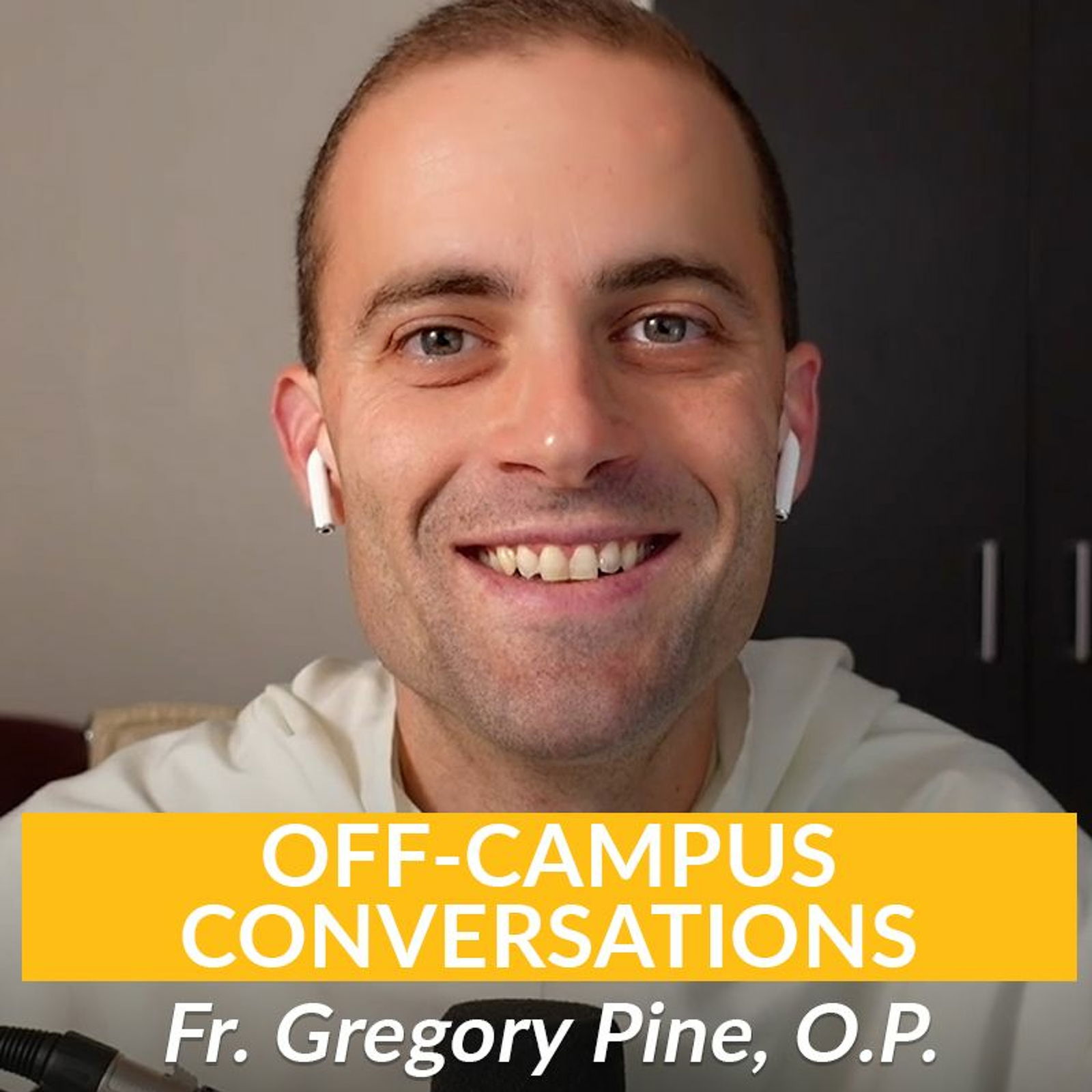
Join Fr. Gregory Pine, O.P. of Aquinas 101, Godsplaining, and Pints with Aquinas for an off-campus conversation with Dr. Jonathan Buttaci about his latest Thomistic Institute, "Why Would a Biologist Believe in the Soul?".
Why Would a Biologist Bel...
Join Fr. Gregory Pine, O.P. of Aquinas 101, Godsplaining, and Pints with Aquinas for an off-campus conversation with Dr. Jonathan Buttaci about his latest Thomistic Institute, "Why Would a Biologist Believe in the Soul?". Why Would a Biologist Believe in the Soul? w/ Dr. Jonathan Buttaci and Fr. Gregory Pine (Off-Campus Conversations) You can listen to the original lecture here: https://on.soundcloud.com/tFDGP For more information please visit thomisticinstitute.org. About the speaker: Dr. Jonathan Buttaci is Assistant Professor of Philosophy at The Catholic University of America. He came to CUA in 2016 after completing his PhD at the University of Pittsburgh. Dr. Buttaci’s research focuses on accounts of mind and the soul in ancient Greek thought, in particular Aristotle’s theory of knowledge, learning, and scientific discovery. He is also interested more generally in the interplay between ancient Greek science, philosophy, and literature.


