
 Spotify
 Apple Podcasts
 Youtube Music
 iHeartRadio
 RSS Feed
 How Does Art Imitate Nature? | Fr. Anselm Ramelow, O.P.
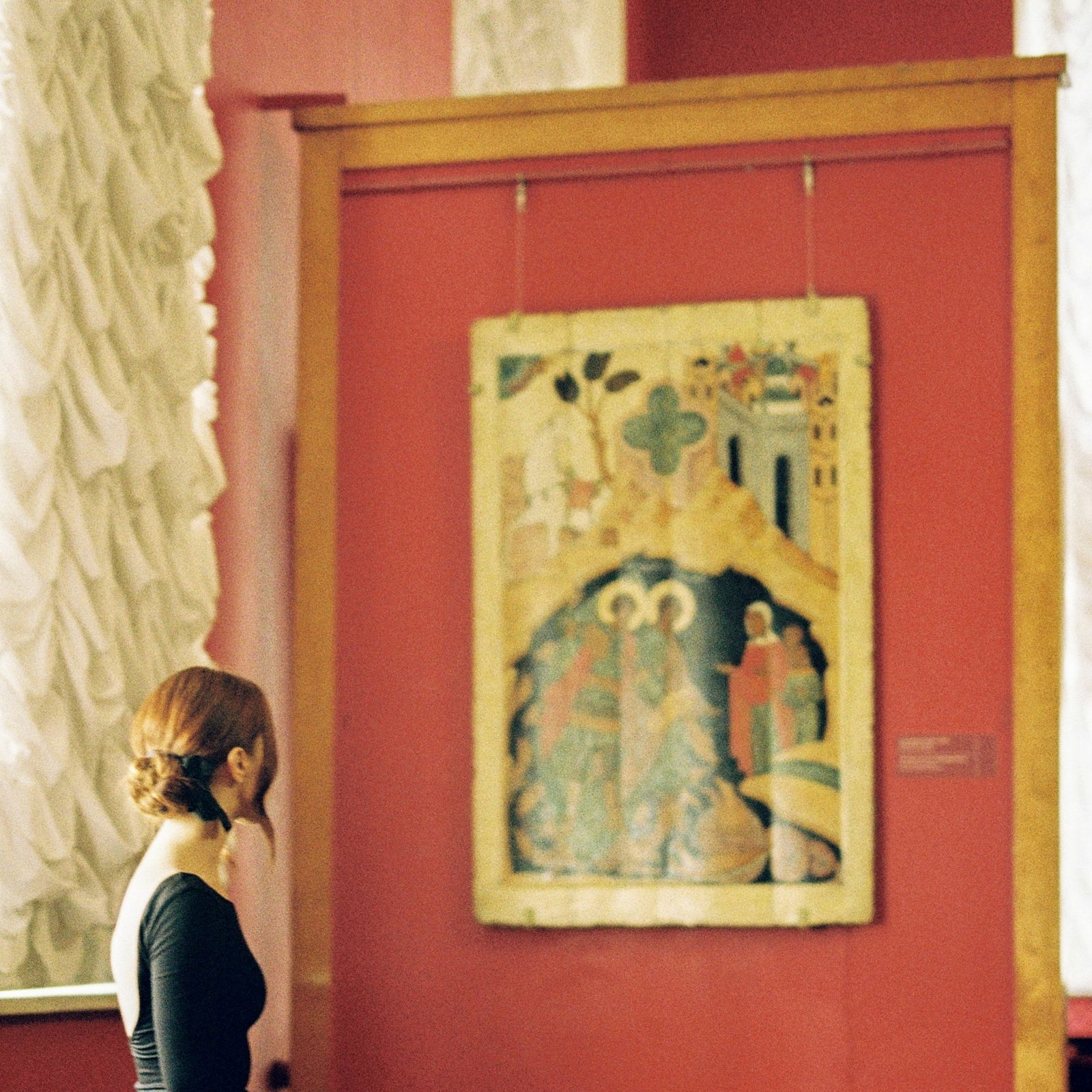
This talk was offered at Baylor University on March 29th, 2022.
The images for the talk can be found here: https://tinyurl.com/3u42uh7y
For information on upcoming events, please visit our website at www.thomisticinstitute.org.
About the speaker...
This talk was offered at Baylor University on March 29th, 2022. The images for the talk can be found here: https://tinyurl.com/3u42uh7y For information on upcoming events, please visit our website at www.thomisticinstitute.org. About the speaker Fr. Anselm Ramelow is a Catholic priest in the Order of Preachers. He is professor of philosophy at the Dominican School of Philosophy and Theology in Berkeley and currently the chair of the philosophy department. He obtained his doctorate under Robert Spaemann in Munich on Leibniz and the Spanish Jesuits (Gott, Freiheit, Weltenwahl, 1997) and did theological work on George Lindbeck and the question of a Thomist philosophy and theology of language (Beyond Modernism? - George Lindbeck and the Linguistic Turn in Theology, 2005). He contributed articles to the Historisches Wörterbuch der Philosophy and essays on topics at the intersection of philosophy and theology, as well as a translation and commentary on part of Aquinas’ De veritate. He continues to work on questions of free will, philosophy of religion (miracles, existence and nature of God) and philosophical aesthetics.


