What Do Raccoons Really Do in Summer?
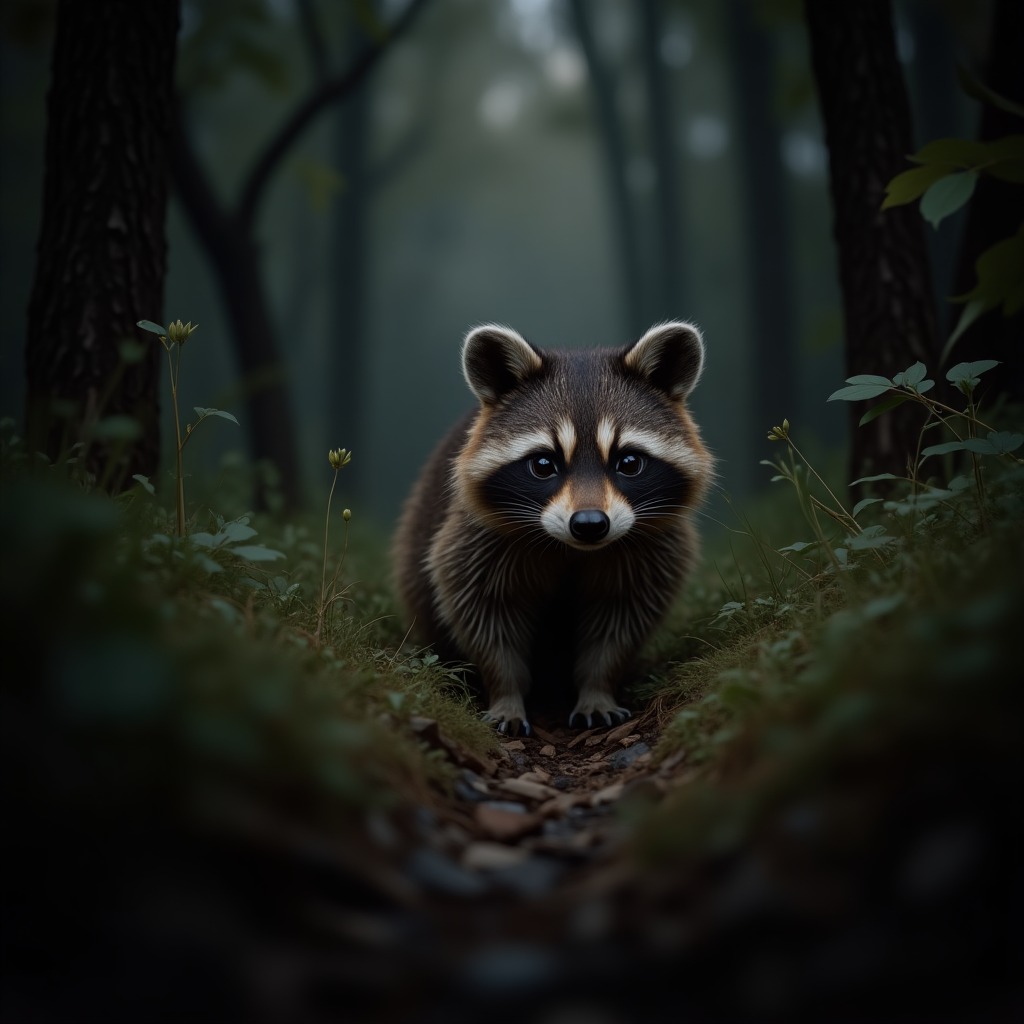
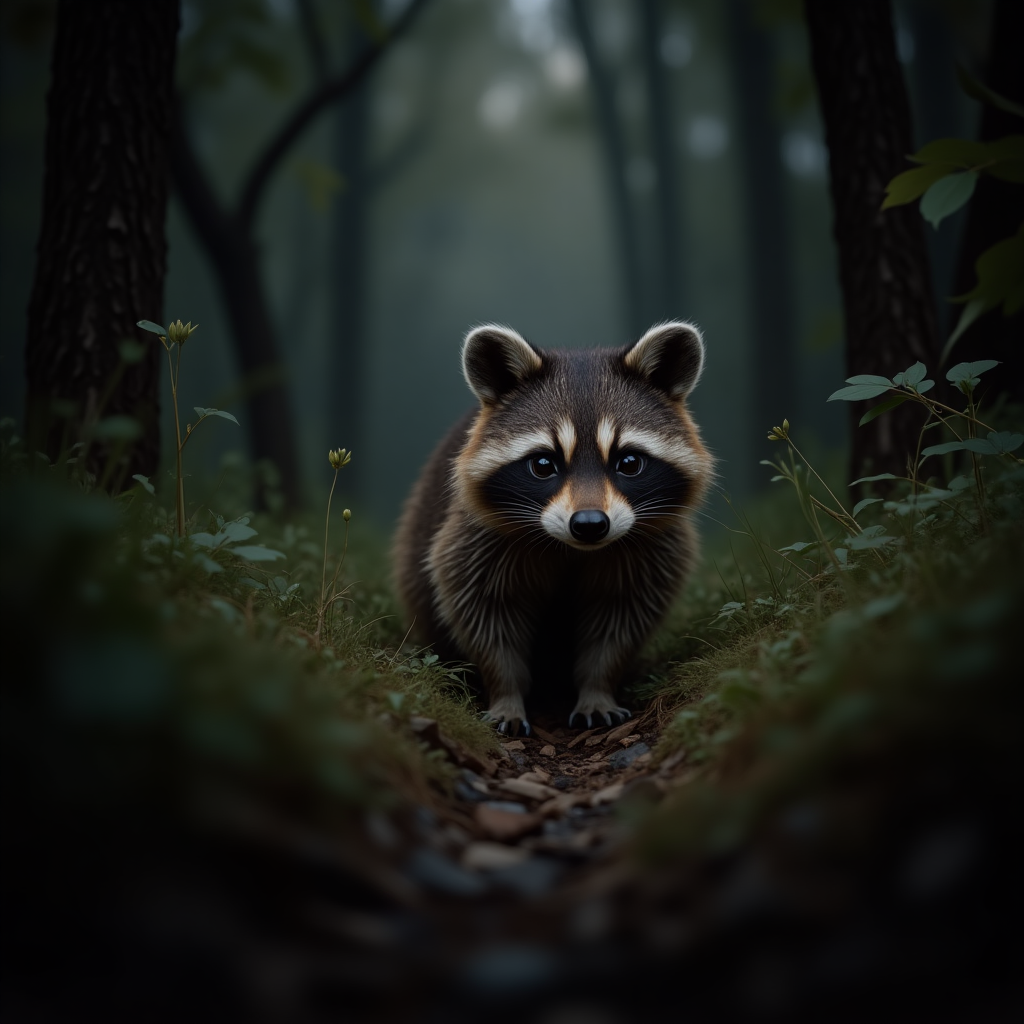
If you’ve walked through Beacon Hill Park on a warm evening, you may have noticed a flash of fur near the pond or a rustling in the bushes. Summer is when raccoons are at their busiest, and their secret lives are more fascinating than you might think.
Nighttime Explorers
Raccoons are nocturnal, meaning most of their activity happens after the sun goes down. Summer nights are long and warm, giving them more time to forage for food, explore their territory, and teach their young valuable survival skills. If you’re outside at dusk, you might spot them moving quietly between trees, trails, and waterways.
A Seasonal Menu
During the summer, raccoons enjoy a diverse diet. In natural areas, they feed on fruits, berries, nuts, insects, frogs, fish, and small crustaceans. In urban parks, their sharp noses often lead them to compost bins, picnic scraps, or anything humans accidentally leave behind. While their adaptable eating habits make them excellent survivors, this also brings them closer to people — and occasionally, into trouble.
Water-Loving Mammals
Unlike many mammals, raccoons are comfortable in and around water. They often wade into shallow creeks or ponds to cool off, hunt for crayfish and minnows, or simply wash their paws and food (a behavior that gives them their “washing bear” nickname in some languages).
Raising the Next Generation
Summer is the season when baby raccoons, called kits, start venturing beyond their dens. Mothers lead their young through the park, showing them how to climb trees, find food, and avoid danger. Kits remain with their mothers through late fall, learning the skills they need to survive on their own.
Why It Matters
Though raccoons are common, they play an important role in the ecosystem. By eating insects, dispersing seeds from fruits and berries, and controlling populations of small animals, they help keep local habitats balanced. Observing raccoons — from a safe distance — can be a wonderful way to teach kids about urban wildlife and the importance of coexisting with the animals that share our parks and neighborhoods.

The Penny & Joe Podcast: Celebrating an Award-Winning Debut Season!
