Using Alpha Brainwaves to Beat Afternoon Slumps
You can beat afternoon slumps, a common 3 p.m. productivity crash for most, by integrating specific sound-based stimuli to shift your brain into an alpha state.
This approach to beat afternoon slumps helps sustain focus and cognitive stamina without additional caffeine, allowing you to maintain a relaxed yet alert mental state for the remainder of your workday.
Key Takeaways
- Understand why the brain naturally shifts into a lower-energy state during the afternoon and how audio cues can counteract it.
- Learn how to use intentional sound environments to reclaim focus during high-stress periods.
- Discover the link between sustained alpha state immersion and improved cognitive endurance.
- Gain actionable tips for incorporating soundscapes into your daily routine to avoid mental fatigue.
Understanding the Afternoon Slump
The dreaded afternoon slump is a physiological reality for many professionals. As the day progresses, your cognitive load builds up, and your brain's natural tendency to shift away from peak beta-wave alertness can lead to sluggishness. By mid-afternoon, most people experience a dip in glucose levels and a rise in mental fatigue, making sustained attention difficult.
Rather than reaching for another cup of coffee, which can lead to jitters and further disrupt your sleep cycle, many high performers are turning to external audio environments to help regulate their mental state.
The Role of Alpha State Focus in Cognitive Stamina
Alpha brainwaves exist in the frequency range between 8 and 12 Hz. This state is often described as relaxed wakefulness. When you are in an alpha state, you are not stressed or hyper-aroused, nor are you drowsy. This is the optimal window for flow-state activities.
When you utilize soundscapes designed to encourage this frequency, you effectively provide your brain with a baseline rhythm to follow, helping to smooth out the jagged, high-stress fluctuations of a hectic workday.
Why Auditory Cues Work
Your brain is highly susceptible to entrainment, a process where neural oscillations synchronize with external stimuli. By listening to consistent, patterned soundscapes, you can encourage your brain to stabilize its activity. For those struggling with mental burnout, this technique offers a 'reset' button that requires no mental effort. It creates a container for your thoughts, making it easier to return to a task with renewed clarity.
Integrating Soundscapes Into Your Workflow
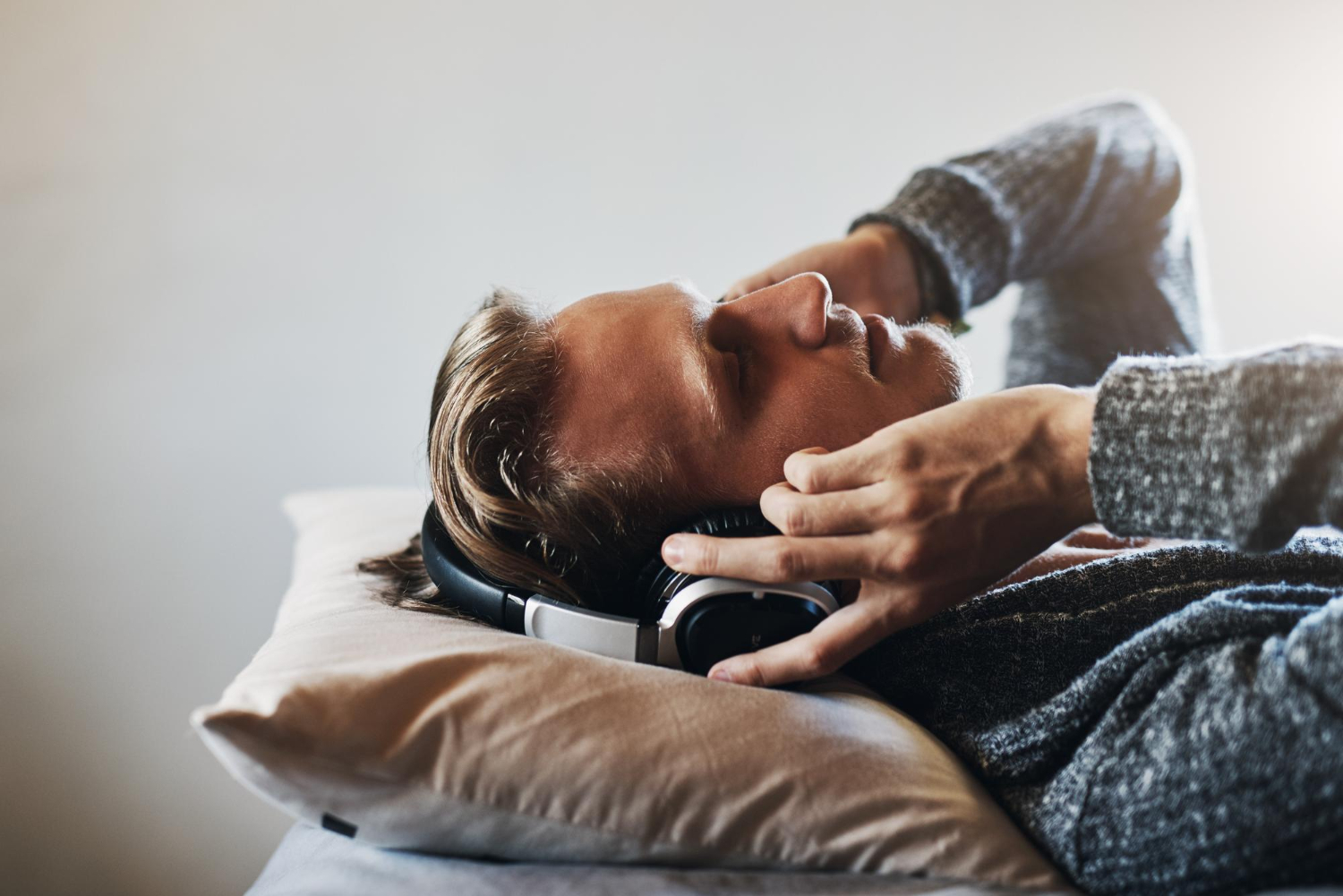
To maximize the benefits of this practice, timing is everything. It is far more effective to start your soundscape before you reach total exhaustion. We recommend a 20-minute 'power integration' session. During this time, minimize external distractions, put on your headphones, and engage with a steady, non-intrusive sound environment. This brief mental recalibration can provide the sustained stamina needed to finish your tasks with precision.
Maintaining Long-Term Mental Clarity
Consistency is the secret to building cognitive endurance. Much like physical exercise, the brain benefits from regular practice in maintaining a calm, focused state. If you often feel mentally exhausted by 3 p.m., make it a habit to schedule this downtime regularly. Over time, your brain will become more accustomed to transitioning into this focused, low-stress state, effectively raising your threshold for mental fatigue.
Conclusion
Reclaiming your afternoon focus does not have to be a struggle against your biology. By using intentional audio environments to nudge your brain into a state of relaxed productivity, you can protect your energy and avoid the late-day burn.
Ready to experience the difference for yourself? Listen to the full episode and incorporate these soundscapes into your next afternoon work session for an immediate shift in focus and clarity.
Frequently Asked Questions
Can I use these soundscapes while working?
Yes, these soundscapes are designed to be non-distracting, making them ideal for tasks that require concentration, such as writing, coding, or data analysis.
How long should I listen to notice a difference?
Most listeners report feeling a shift within 10 to 15 minutes of consistent, uninterrupted listening.
Will this type of music make me feel sleepy?
Alpha waves are associated with a relaxed, alert state, not sleep. While you will feel calmer, you should maintain the mental clarity necessary for completing tasks.

Why Distant Thunder Makes You Feel Safe: Psychology of Rainstorm Sounds