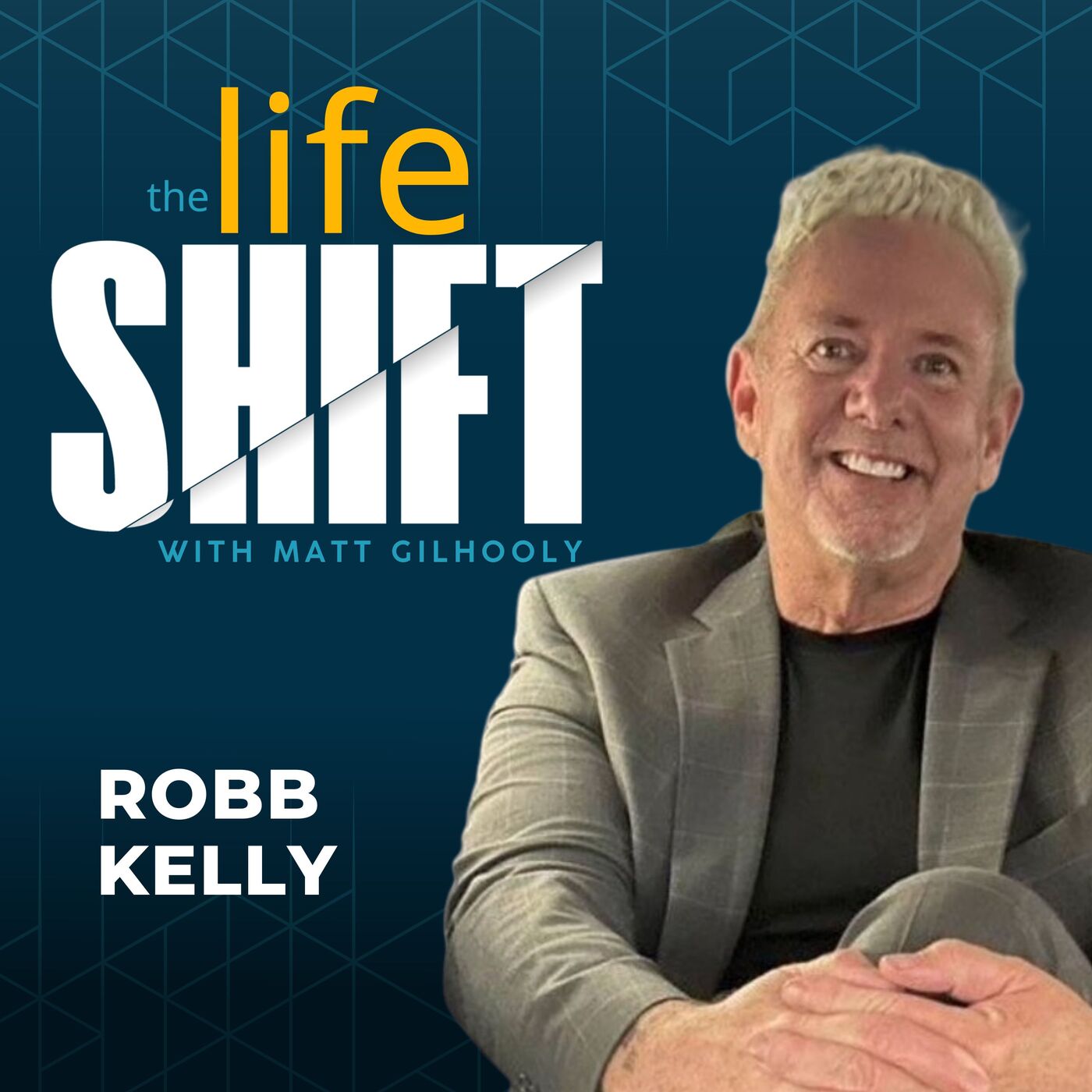
Perfectly Imperfect: Dr. Robb Kelly on Recovery, Redemption, and Finding Hope
When I sat down with Dr. Robb Kelly, I wasn’t prepared for how much his story would stay with me. It’s one thing to talk about resilience or transformation. It’s another to hear it from someone who’s lived through homelessness, addiction, and near death, only to find a way to rebuild his life with purpose and love.
Robb calls it living “perfectly imperfect.” And after hearing his story, I think that’s what healing really is – not erasing the past, but learning how to live fully in spite of it.
The Moment That Changed Everything
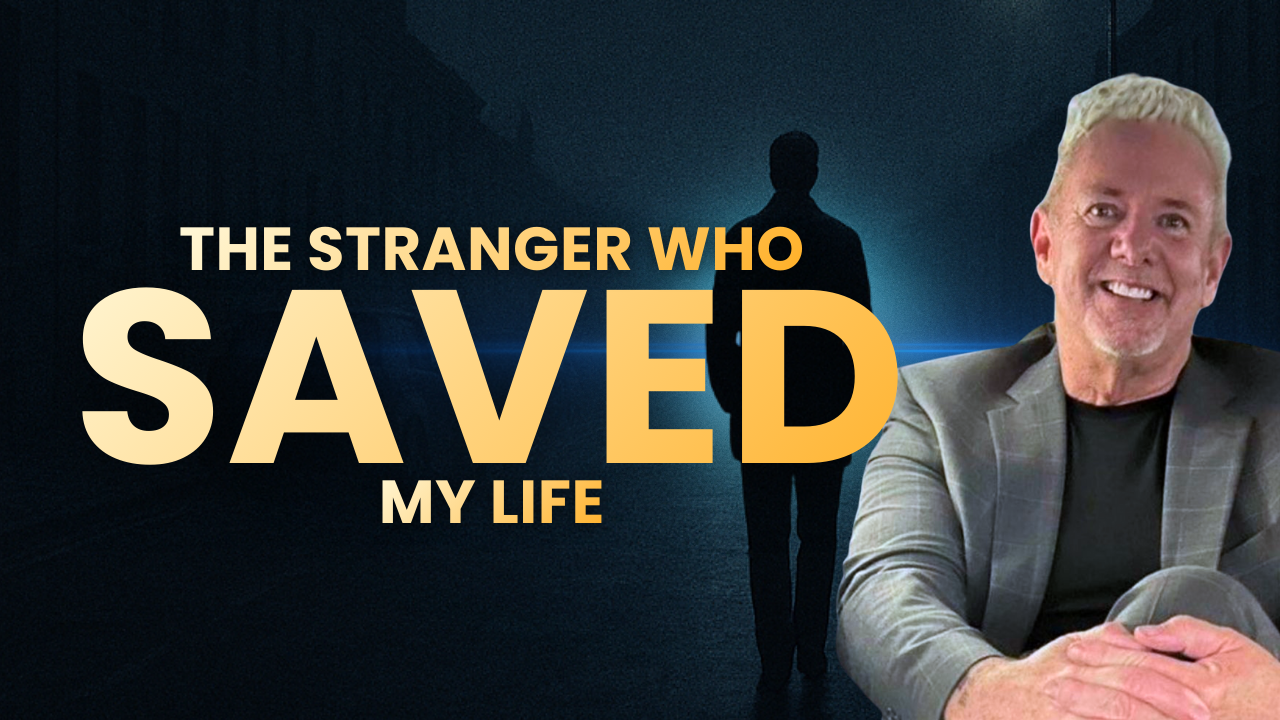
At one point in our conversation, Robb described a night in Manchester that marked the turning point of his life. It was raining hard, and he was living on the streets after losing everything – his family, his home, his hope. He dropped to his knees and said quietly, “If there’s a God up there, I can’t do this on my own anymore.”
Thirty seconds later, a man named Derek appeared. He had missed his bus, taken an unusual shortcut, and found Robb there in the dark. Derek brought him home and invited him to attend recovery meetings. That single act of kindness, from a stranger who almost wasn’t there, changed the entire course of Robb’s life.
That moment reminded me of how small choices – to ask for help, to reach out, to notice someone – can alter everything. Sometimes recovery starts not with a plan, but with a plea whispered into the night.
Healing the Root, Not the Symptom
Dr. Robb Kelly is a recovery expert who believes true healing means treating the cause of addiction, not just its symptoms. He explained how childhood trauma, shame, and the stories we tell ourselves often become the foundation for destructive patterns later in life.
“It’s not the alcohol,” he told me. “It’s what happens inside us long before we ever take that first drink.”
That idea stuck with me. We often talk about addiction as a matter of willpower or choice, but Robb reframes it as an identity issue – a disconnection from self that begins in pain. By uncovering and addressing those early wounds, he helps people rebuild from the inside out.
His work, through the Robb Kelly Recovery Group, focuses on helping people remember who they are beneath the addiction. It’s neuroscience, yes, but also compassion. And compassion, as Robb sees it, is the most powerful form of recovery there is.
The Power of Small Kindness
Throughout our conversation, Robb kept circling back to kindness. He believes simple gestures can change the world in quiet ways. “If you tell someone you like their sneakers,” he said, “you’ve already made their day better. And when they go home, that energy spreads.”
It sounds small, almost too simple, but when I thought about it, he’s right. The people who have helped me most weren’t the ones who had the answers. They were the ones who made me feel seen.
That belief extends to how Robb now lives his life. He gives freely – time, resources, encouragement – because he remembers what it felt like to have nothing. His success isn’t measured by fame or wealth. It’s measured by how many people he can help believe in themselves again.
Becoming Perfectly Imperfect
When Robb talks about being “perfectly imperfect,” he isn’t using it as a slogan. It’s the truth of his life. After years of chaos, he finally realized that healing wasn’t about becoming flawless. It was about accepting his humanness, flaws and all, and learning to love himself anyway.
I asked him if he sees pieces of that earlier version of himself – the one who struggled and fought – in who he is today. He nodded. “It was always there,” he said. “Even in my worst moments, a small part of me still wanted to help someone else.”
That line hit me hard. It’s a reminder that even when we’re lost, there’s still something inside us trying to reach the light. Sometimes, we just need someone else to see it first.
What I Took Away
Talking with Dr. Robb Kelly left me thinking about how we measure our worth. Too often, we wait to love ourselves until we’ve fixed everything. But Robb’s story proves that the fixing begins with love – not the other way around.
If there’s one thing I hope listeners take from this conversation, it’s that asking for help isn’t a weakness. It’s an act of courage. And choosing to show up, again and again, even when it’s messy, is what makes us human.

When Your Body Knows Before You Do