

 Apple Podcasts
 Spotify
 Youtube Music
 #36 | BONUS The Science Within the Working Drawings with Steve Baczek Architect

How do you design a home that lasts centuries?
Renowned architect Steve Baczek (The Build Show, Unbuild It Podcast) joins me on the show to break down the fundamentals of building science. From the "Perfect Wall" to the four critical control layers, Steve explains why "buildings needing to breathe" is a dangerous myth and how collaboration between architects and builders is the key to success.
Thank you to our sponsors Enduro Builders and Climasure
Join the mailing list here!
Episode Highlights:
01:10 - Steve’s journey from Building Science Corp to the Build Show.
06:54 - The 4 Control Layers: Water, Air, Vapor, and Thermal.
21:40 - The "Breathing" Myth: Why airtightness is non-negotiable.
38:47 - Overhangs & Eaves: The 2-to-1 rule for water management.
45:12 - The "Perfect Wall" across different climates.
53:13 - The best wall you can build on a budget.
1:13:55 - Steve’s #1 piece of advice for the next generation.
Key takeaways:
- Buildings don’t need to breathe; they need to dry. Build them airtight to prevent leaks, but vapor-open to allow moisture to escape.
- Always prioritize your envelope in this order: Water, Air, Vapor, and then Thermal. If you fail at water management, the R-value doesn't matter.
- To protect windows, the roof eave should be twice as deep as the vertical distance from the soffit to the window head.
- The most durable strategy is placing all control layers (especially insulation) outside of the structure to keep the frame warm and dry.
- High performance is a series of decisions, not a label. Bring the builder and trades to the table early to align the design with the budget and site reality.
- Architects must get on-site. The best building science education often comes from asking "dumb questions" to tradespeople with 30 years of experience.
- Building science isn't proprietary; it’s a duty. Passing knowledge to the next generation ensures that "if it doesn't last, it doesn't matter" remains the industry standard.
Useful Links
Steven Baczek Architect website
Contact Steve:
The Build Show
ZIP System Sheathing — Integrated weather barrier for framing
Connect with BS here:
Thanks for listening. Happy healthy building!
| Jess Kismet (00:00) Hello and welcome to the Building Sciology Poddie where we talk about better buildings to live and breathe in. My name is Jess Kismet and I am your host. Today's guest is a big voice in the world of building science and architecture in the US and across the world. He has designed over 60 LEED Platinum Homes and dozens of certified passive houses as well as some fantastic work in the zero energy deep retrofit space including the very first EnerPHit house in the US. Through his work on the Build Show, the Unbuild It podcast and his own architecture firm, Steve is a leading voice in our industry, bringing building science to millions. He's known for his honesty, his obsession with durability and his catchphrase, if it doesn't last, it doesn't matter. I'm very pleased to welcome Steve Baczek to the show. Thank you for joining me, Steve. Steven Baczek (00:42) No, thank you for having me. Greatly appreciate the privilege. Jess Kismet (00:44) So good to have you. Awesome. So you're a very practical hands-on architect, and we know through all of your videos you're known for getting deep into the nitty-gritty of detailing on site. I would love to know the history of your career. You've been in the game 37 years. I'm really keen to get into how you got to where you are today, specifically your time at Building Science Corp and what inspired you to create the Build Science series with Matt Risinger over the last few years. Steven Baczek (01:10) Yeah, so, you know, upon graduation from college, graduated in 94, I worked at a large firm in Cambridge, Mass. I was only there a little over a year, did some interesting stuff. did, they did very high industrial type projects. So it was like just crazy stuff, like huge fan buildings and stuff. wasn't like the cool architecture, if you will. It was stuff that was on a massive scale that things had to be right because you were dealing with these big pieces of machinery and stuff. But ⁓ then I got the opportunity, and it was mostly through a link. was kind of, you know, just good fortune that Joe, who started building Science Corporation with Betsy. So I'm sure if I say Joe, you understand who I'm talking about. ⁓ Jess Kismet (01:59) I do, all the listeners may not. yeah, Steve is talking about Dr. Joe Lstiburek Steven Baczek (02:00) For those of you that don't know, Joe started building Science Corporation. Yes, Joe Lstiburek. was a former Canadian that came south of the border, married Betsy Pettit, and then started building Science Corporation. And so Joe was at the college that I went to speaking, and Betsy was in the back of the room with the department head, who was a good friend of mine. The one thing about my college career was I went into the military before college. So I was four years older than most of the kids in my class. And with that, like some of the professors, like they were friends and such, right? I mean, I could go out drinking when I was a freshman. It's like, and I didn't, I already behind that. Yeah. So, you know, was just, it was different. And I concentrated on school. Jess Kismet (02:44) with your professors. Steven Baczek (02:52) which impressed the professors because it was like here's somebody doing hard work details and getting into what it means to study architecture. And so I would say I somewhat became a favorite of a number of the teachers. But one, the department head. And so he's in the back of the room speaking with Betsy and Betsy says, hey, we just started a company called Building Science Corporation. We're looking for an architect. that we can hire to help us out. We have this major government contract, which was Building America at the time, which was basically introducing building science to the building industry in the US. he stopped her short and said, I got just the person for you. And he called me the next day and said, hey, you need to call this woman, Betsy, and tell her that you know. You're the guy I was talking about. So I called Betsy. It was like midweek. She's like, Joe's going to be home. Why don't you come and meet us on Saturday? So drove to their house, met them on Saturday. Like an hour later, they hired me. And I became the first employee for Building Science Corporation. And ⁓ so it was a series of really good events that, you know, I guess they say, you know, being prepared for the opportunities. Jess Kismet (03:56) Wow, that is a... Steven Baczek (04:08) is more important, right? So when it comes, you're ready for it. so at Building Science, I got to watch Building Science Corporation grow. But more importantly, I got to see Joe's tact and Betsy's tact on how to deliver building science to the US, what matters. And I mean, I was there for 10 years. Jess Kismet (04:12) Yeah. Steven Baczek (04:32) As a young architect, there's probably no substitute than being able to walk next to Joe Lstiburek for 10 years and just listen to what he has to say. Right. Everybody that came in to the office were people that were, you know, A plus level of building science people that came into the office. So I got to meet all of Joe's mentors, like the people he worshiped at the time. Jess Kismet (04:56) You Steven Baczek (04:57) you know, and have conversations with them. These are guys that were doing, you know, building science and writing books in the 50s, you know, up in Canada. So and we all know building physics doesn't change, you know, the materials to combat it might, but basic physics doesn't change. And so it was certainly a privilege to work with Joe. And that just again, opened up a number of opportunities when I decided to move on from Building Science Corporation. But even while there, like, you know, I drew a bunch of the drawings that were pretty much all of them that were in the Builder's Field guides and Joe's books and such. So when you're drawing the details, you know, as a young architect with Joe talking about the building science of them, it really was an education that I mean, I don't know of any other architect that has the same path as I do. And it's there. I always try and explain it as there's most architects, they will look at a building, they'll design it, and then they try to apply building science. I look at a building and and immediately figure out how to integrate building science, because that's how I was taught. I look at a wall and I just don't look at it as a wall where the windows are going to bring in light and all of that. I look at that from my architectural background, but then I look at it as how am going to insulate it? How am going to control vapour? Where's the air barrier in this wall? Is there a way I can enhance this wall aesthetically by maybe adding more insulation to the outside? Or what is it that we can do to integrate sound building science practices into this project? Jess Kismet (06:37) Yeah, yep. And you had an incredible start in your career. can't imagine anyone, any architecture student more fortunate than to land up on Building Science Corp as pretty much your first job. That's incredible. Unbelievable. Steven Baczek (06:51) Yeah. Jess Kismet (06:54) So let's get into those control layers that you were just talking about. So water, air, vapour and thermal. These are the four control layers, right? In that order of importance. Is that correct? That is correct. Right, thank you. So in Australia, we focus pretty heavily on the R value in the wall, the insulation, the thermal layer. ⁓ It's sort of, you know, when, when build a, Steven Baczek (07:05) In that order of priority, Yes. Jess Kismet (07:17) when lot of builders call me, we've had a legacy of using foils in our walls and the focus is on the R value of the reflective air gap next to the foil. So it's all, we sort of focus on the insulation value of the wall rather than the other three, the other three things we need to control. So tell us a bit about your thoughts on that please. Steven Baczek (07:33) Well, it's one that's easily understood, right? Well, we do that in America too. Like if you ask somebody, you know, do you build a good house? And they'll say, yeah, we build a really good house, R30 walls, right? They immediately jump to the R value because it is a known commodity, right? It's a number that everybody knows. Clients know, builders know, manufacturers know. And so they use that number and people understand. simply if it's a higher number, then it's potentially better. And it probably couldn't be more wrong to use that as the priority to how we explain buildings. But that's what we do. Because if you tried to talk about water management, the problem is how do I quantify it? How do I put a number to it? or some kind of tag other than water management so that people understand. I mean, that's a much longer conversation. Air tightness, you could put an air tightness number to it, but the number is kind of only one thing. And it's kind of like the insulation, right? You can have a very high R value, but if you're using the wrong insulation in a location that you shouldn't be, then it's probably going to get you in more trouble. then it will be get you out of trouble. Right. So just, because you. Yeah. Well, I'll give you a better example. We worked on a project when we were at building science corporation, the bill, the project was like 150 years old that the office got the call and wanted us to come and investigate it. And the reason for it was that it was rotting and growing mould and all had a number of issues. Jess Kismet (08:51) Could you give us an example of the wrong installation? Steven Baczek (09:14) And when we got there and asked a few questions, like simply like, is there something that changed in the last 10 years? And this is, you know, this is that kind of benefit that you're sitting next to Joe and he's asking these 10 questions. So immediately now I've gained the knowledge of like, what questions should I be asking? And so he was asking him, so what changed? And he said, well, we insulated the building about 10 years ago. ⁓ And because we insulated it, Jess Kismet (09:37) Insulated it. Yeah. Steven Baczek (09:41) they totally changed the amount of energy that moves through the wall. And because you totally changed the amount of energy through the wall, you changed the rate that the walls and floor system could dry and move vapour. And so because you changed those numbers without really understanding the changes that you've made, then it caused the problems and it was the wrong insulation to be using. It's like just because it's an R30, an air permeable bat insulation shouldn't have been used in a location where maybe you should have had something that was maybe less permeable, like a rigid foam or a closed cell spray foam or whatever the case is. you know, understanding the different properties of the insulation and it wasn't only, like I said, working with Joe. Jess Kismet (10:24) Mm-hmm. Steven Baczek (10:31) I mean, in a short time, I would say probably five years, Building Sciences Corporation went from us three to probably something like nine. And we had a bunch of people that were very, very good in their own disciplines, right? Like we had a gentleman who was formerly a pulmonologist, a doctor, and he came there because Joe wanted to work with him. whole bunch of mould issues and how does our personal health and buildings relate. you know, understanding and having conversations with Nathan brought me up to speed in that arena. Nathan's brother, Peter, long time friend. I've probably, I've probably done a couple hundred lectures with Peter. We always seem to team up at a lot of locations. Jess Kismet (11:03) Well. Steven Baczek (11:19) and such and we just we know each other enough where we can just get in front of a bunch of people and have a conversation and it just flows very well. But Peter was a former teacher and you know builder so getting his understanding and how to present information and he's just an all-around smart guy I mean I still talk to him once a week. He's my go-to and I can't answer the question I call him. And then we had, we had other people, know, Kohta in the office, who's one of the smartest people I've ever met. and Armin at the time who was, he did all of the research and ventilation and vapour drive and all of these things, unvented roof assemblies and, know, so we, we had all of these people that were doing kind of very specific things and Because I was the architect and would be drawing the details. It's like, sometimes I'm working with this person, sometimes I'm doing something with that person. And so it kind of allowed me to cross pollinate with all of these experts in the field to, again, not only did I work at Building Science Corporation, but I got to work with all of these people, which is just, you know, it couldn't have been a better situation. ⁓ to gain knowledge as an architect. Jess Kismet (12:34) Yeah, sounds like Joe did a really good job of surrounding himself with all the best people as well as being one of the best himself. Steven Baczek (12:40) Yeah, and probably the very best thing that Joe taught me personally was that information is not something that we own, right? And what I mean by that is Joe is certainly one of the smartest people that I've ever met in and out of the building industry. He's just a really smart guy. And his idea was that As we get older, it's our duty to pass this information on to everybody else and share it and let them take this information and do what they need to do to it. Refine it, modify it, whatever. Just like I've done with stuff I learned from Joe. New materials come online and it's like, wow, this would be great for an air barrier or this would be great to help the building dry out, you know, doing this or that. And so... sharing that information because I get it a lot people saying why do you share all this information and one because I was taught and it's out of respect for Joe and all the people that taught me the things it's they they were all in that in that league I mean Joe's mentor Gus Handegord you know he wrote books and gave classes and stuff because he thought it was important that this information like when when Gus passes That information is gone if it's not passed on. And to take someone's life like Gus's that was basically, you know, 40 years plus dedicated to building science to basically throw that book in the fire and say it doesn't exist anymore is, that's criminal, right? We need to be able to share that information. And I do that. And the other thing that I've learned is that Jess Kismet (14:18) Mm-hmm. Steven Baczek (14:24) As I share information, kind of allows me to clear out my head so that the information that I'm sharing with you might be like the third generation of thinking of how to install Windows. But while you're absorbing that and thinking, wow, this is a great detail, I'm already on the fourth generation and developing it because I was able to clear my mind by passing that information on to you. So now I can take the next step forward. Jess Kismet (14:43) Mm-hmm. Steven Baczek (14:52) with those details and make them better. Jess Kismet (14:55) Yeah, so learning by doing. Yeah, yeah. Let's talk about sharing information. So grateful for all of the work you've done with all of your YouTube channel and specifically the Build 101, Build Science series, which has been, it's such a succinct collection of really informative videos that take you from the fundamentals all the way through to the 401 series, gets right down into the detail. 301, 401 gets right down into the detail of some of the things that you're talking about. excellent resource if you have not, if for the listener, if you haven't had a look at the building science series on Matt Risinger's website and YouTube channel, I'm gonna put the link in the show notes. I highly, highly encourage you. ⁓ to strongly strongly encourage you to go and have a look at it. It's brilliant. So let's have a look. Let's talk about. Go ahead. Steven Baczek (15:39) appreciate that. And it worked for me. Yeah. I mean, what's amazing to me is, you know, how little builders really understand building science. And I'm not talking about like the complex stuff. I meet builders all the time that will say something along the lines of, man, I really appreciate what you do. I can't wait till I start incorporating building science into our project. And I stop them right there and I said, have you ever nailed two pieces of wood together? And they're like, yes. And I was like, well, that's building science, right? Because I've changed the thermal properties of the ones, the two studs by nailing them together. There's a little torturous path of air tightness between them. The vapour drive across those two studs is different than one stud. So there's a whole bunch of things. They're drying. Jess Kismet (16:09) Yeah. Steven Baczek (16:34) rate, the wetness rate, wetting rate, like a whole bunch of things change. And so I tell builders like, yes, we're doing some fun stuff in our buildings. But if you're cutting wood, nailing it together and putting it up in a building, everybody's doing building science. It's you just need to, you know, refine what you're doing and get a better understanding of it. But understand you're already doing it. mean, if you if you're insulating a building, if you're a builder and Jess Kismet (16:39) Mm-hmm. Yep. Yep. Steven Baczek (17:01) you have a subcontractor that's insulating or you're installing windows, you're doing building science. You might not be doing good building science, but installing a window is building science, right? There's either no flashing, which is horrible, kind of, you know, halfway there flashing, which is, yeah, okay, we gave it a good try. And then there's the right way to flash a window, which is understanding building science. Jess Kismet (17:13) Mm-hmm. Steven Baczek (17:27) And so when we set out to do these and I proposed it to Matt, I said, we really need to go back to the very first stepping block and answer the questions. What is building science? Where is building science? you know, answer these just very, very fundamental questions because I know builders that have been building for 30 years that would say that they've never done building science. And it's like, yeah, you have. You've been building for years. Jess Kismet (17:54) every day of your career. Steven Baczek (17:54) And so there's this huge, exactly, you know, they're as good a building science people as anybody. And that's why I go to the job sites too. You you mentioned it earlier is if I'm, if I want to learn about roofing, probably the best thing I can do is go out to the job site and talk to a roofer that's been doing it for 25 years. And because he's had callbacks and if you start talking to him about things, he'll be like, yeah, I remember like 10 years ago, early in my career, we went up on this one roof and it was leaking and this was the problem and blah, blah, blah. But all of that institutional knowledge amongst all of these subcontractors, like nobody's gathering it and these guys are retiring and leaving and like nobody's kind of capturing it. Now, being an architect, I have the distinct privilege of I get to talk to all of them, right? Because that roofer that's been doing it for 25 years, he might have two employees. Yes, he's going to pass on roofing knowledge, but those roofers are never going to get insulation knowledge or flashing knowledge from a builder. I get to talk to everybody and become kind of this collector of knowledge that I disseminate in my details and then I turn around and share it with everybody. And, you know, it's really interesting. I'm sure you realise about social media, like the minute you post something, you know, immediately, like 30 % of the people, that's dumb, it's too expensive, who the hell can afford that? Like you get just all of these comments. But... Jess Kismet (19:27) Hahaha. Steven Baczek (19:31) But what they don't understand in that what I learned is that there's a certain path for us to understand something. I can't talk about how to enhance insulation in a wall system unless I go beyond a 2 by 6 wall and R21 insulation. I have to take it to the next level to see what's better. Is it better to screw on? rigid board, is it better to build a second wall and make it a double wall? Or do I just spray foam and then put a batt in and enhance the insulation level that way? All of this stuff, for those that follow me for a long time, I'm always talking about these are kind of the stepping stones to the next thing. Nothing I pose, I ever say is... This is the solution. This is how you should do it. No, this is how I'm doing it now. Because somewhere down the road, someone's going to come out with a better tape or a better sealant or a better thingamajig. And we're going to use it in the building industry. And it's going to enhance the way we do things. Maybe we get away from flashing tapes and someone develops a gasket that we simply Jess Kismet (20:38) Mm-hmm. Steven Baczek (20:44) adhere to the window, slide it in the opening, and it's like a window in a car, right? There's some beefy gasket around this window that now handles all the water management. So there's all of that that makes, you know, I absolutely love what I do. And I think the passion shines every time I get to talk about it. But it's because every day is like a new discovery. We do a new project and it's like, how are we gonna insulate that nook? How are we gonna drop that ceiling for the architectural effect but still maintain proper control layers and continuity and everything else that I preach? How do we make that all happen? Jess Kismet (21:10) Mm-hmm. 37 years in and still learning. Love it. Steven Baczek (21:32) Every day. What I tell people Jess is that we're all on the learning curve. We're just sitting in different seats. Some are up front, some are a little further back. But we're all on the same ride. Jess Kismet (21:39) Yep. Yep. Love it. Love it. Build Science 101. Let's talk about air tightness. In Australia, we talk about, there's a bit of a focus at the moment in the building code on increasing air tightness. We've had some research done a few times here. It's sort of, each code talks about it in different ways. Now we're having to have like condensation mitigation measures put in. So look, A lot of builders in Australia talk about how it's needing to breathe. So, and you make a clear distinction between air leakage and drying.. Steven Baczek (22:13) we have that same. We have that same garbage line in America. ⁓ you can't do that. Houses need to breathe. Jess Kismet (22:19) Yeah right it just won't go away. So let's talk about why a house should be airtight but the material should be open. Let's discuss this please. Steven Baczek (22:28) So I think it's undeniable now with a lot of the research and numbers and such that people are doing, passive house and kind of collectively all of the above that air tightness is probably as important, if not more important than R value. because R value can kind of get you in trouble maybe if you don't have enough R value warming a surface that can condense. An air leak can take a hundred times more moisture to that cold surface than vapour diffusion. And that's why I tell people like in our houses, we concentrate on sound water management. We concentrate on very good air tightness. mean, I don't, I can't remember the last time we've designed a house and fell short of passive house. I mean, most of them are in like a 0.25 to 0.5 ACH50. So very good houses. And because of that, I don't have to worry about vapour because all I'm really worried now about is vapour diffusion. I don't have any leaks in the building that are going to take moisture to cold surfaces. So I really don't pay any attention. When people say, where's your vapour barrier? I'm like, I don't know. And this wall here, we don't even have one. It's in the middle of the wall. Jess Kismet (23:21) Yeah, wow. Wow. So do you have your air tightness layer on the inside of the frame? You do on the outside? Yeah. Steven Baczek (23:47) I always do it usually on the outside. I usually do it on the outside. Sometimes it's in the middle of the wall. It depends on what the wall is, but I would say generally it's on the outside of the wall. And I always try and keep it as straight as I can because the channel, the problem is when I come down and then have to go out and then back down and back in or anytime I'm kind of displacing that plane, it becomes a challenge. because I have to turn a corner and still maintain continuity where if I could stay in the plane. So let's say I'm using zip sheathing as our air barrier, right? I'm going to put the window on the same plane as that zip sheathing. So it's pretty much almost straight down the wall, right? Sometimes I'll push the window in a little, but you know, there's I've seen people. Jess Kismet (24:19) And what example would that be? So zip, zip, zip, zip. I see what you're Yep. Steven Baczek (24:41) know, remodeling jobs, like they'll put the air barrier on the inside. I don't, I understand what they're doing, certainly, but I don't understand why you're doing it. One of the problems is a lot of the products that we deem as high performance air tightness products come from Europe. Excuse me. And the fact that they come from Europe means that, you know, they're solving for European construction. Now, what most people don't realise, European construction is a masonry or a terracotta block with stucco on the outside. it's different there on how they build to our wood frame structures in America. So, me, to take Jess Kismet (25:26) That's all right, I've got it. Steven Baczek (25:27) their means to air tightness and just kind of transcribe it to our wood frame structures is not the smartest thing to me. But yet a lot of people try and do it and they move the air barrier to the inside of the wall and I tell people you know been doing it as long as I have like this is my opinion I'm not I'm beyond Debating it with you. You want to go do it that way? Go ahead you do it that way We have tried and true methods that you know, they work our clients love it their houses perform Well, we don't have problems in our houses This is how I do it. I'm not I'm not going to debate it Jess Kismet (26:07) So the zip sheathing, there's a lot of different products that you have in the US that we don't have here in Australia. And the zip sheathing is one of them that gets a lot of social media attention. It looks pretty cool when a house is all completely wrapped in that green board. Can you tell us a bit about what it is and why it works so well? Steven Baczek (26:10) Thank So it's simply just an integrated weather-resistant barrier. So I don't know, in Australia, do you guys use, you guys probably do a wood-framed wall, plywood, or some kind of substrate, and then put a membrane on it, right? Jess Kismet (26:38) We, flycats used as bracing. A lot of houses don't have that substrate on the outside of the frame as standard. It's usually just a timber frame and then a membrane. Steven Baczek (26:46) Right. And so basically what is happening is at the factory, that membrane is being laminated to the sheathing. And so it comes out the assembly line already together. And then so we can put it up. Jess Kismet (26:55) Mm-hmm. Okay. So that would be the same as what we have. We have a product here, like a peel and stick membrane. So they would put the ply on the wall and then put the peel and stick membrane on it. And that would basically be the same thing. Steven Baczek (27:04) Yes. Yes, we're just doing it at the factory and it's coming out as an integrated product as opposed to two separate products that get done. Jess Kismet (27:09) Yeah. Yeah, okay. Yep. And you tape your overlaps and everything like that as well. Your joins. Yep. Steven Baczek (27:19) And then you tape the joints, right. The field of the panel is highly successful because it's adhered to in the factory. The failure mode now is what happens at the joints and putting the tape on, rolling the tape, making sure we get a good seal, all of that stuff. Jess Kismet (27:31) Yeah. Mm-hmm. Okay. So did we cover effectively why houses don't have to, like why we should have airtight houses but material should be open? Like I want to sort of discuss this houses need to breathe topic so that the listener can understand the difference. Steven Baczek (27:50) So can I, do I have the liberty of quizzing you? Jess Kismet (27:53) Yeah, of course. Steven Baczek (27:54) Okay, so why do we build a house? Jess Kismet (27:56) to have a roof over our head and to be safe. Steven Baczek (27:57) Fundamentally. Yes, to be safe. But basically to gain control. Because if we don't have a house, that means I'm outside. And I don't have control over the weather. I don't have control over the heat, the cold, the snow, the rain, none of it. Animals, whatever. So I build a building to gain control. Now, with that comes the idea that my goal should be to gain the utmost control. not just mediocre control, but utmost control, right? So if I have a house that says that, say, is very poorly built and, say, 25 % of the volume of air is leaking out of that house, right? I don't have any control now of the temperature. I go buy a unit of energy. I convert it. to heat in a cold climate. I put it in my house and then it just goes right out through the wall. So I might as well open the window and just start throwing 10s and 20s out the window, right? Because that's what I'm doing essentially, right? And it's the same thing if we reverse it and say we're doing a project in Texas. Well, I'm buying a unit of energy, in that case, probably electricity and converting the energy to cooling system. And I'm sending that cooling system down a series of ductwork to provide comfort to me. And I want ultimate comfort. I don't want mediocre comfort, right? If you said, I set my thermostat to 72 and I said, well, would you be okay if it, you know, the room ended up being 68? You'd say hell no. I want, I set it to 72. I want 72 degree air in that room. So, Jess Kismet (29:26) Mm. Steven Baczek (29:41) Why does air tightness fall short of comfort but temperature isn't allowed to? Right? Why wouldn't you say, well, I want an airtight structure, but it's okay if 20 % of the house leaks. Well, no, it isn't. I mean, would anybody be okay putting their baby in a crib and then going over to the window and cracking it a quarter of an inch in the wintertime and saying, you know, just let the air come in because Jess Kismet (29:48) Mm. Steven Baczek (30:08) That's essentially what you're saying when you say, oh, no, you don't want to mess with air tightness. You want the buildings to breathe. the idea of breathing is, you know, we can play the game of semantics. And I would say, yeah, mean, buildings don't really need to breathe. They have the need to be able to dry, right? Because things can get wet. The only the problem that you're going to run into like mould, which is, you know, always we have a lot of fear mongers in the U.S. and fear mongers, meaning people that develop a business based on instilling fear of mould in people. we got to do this test. We got to do that test. We got to do this. you know. But the reality is, is that, you know, mould is a water problem. Jess Kismet (30:52) Mm-hmm. Steven Baczek (31:00) because without water activity, I really can't have mould. You can't foster growth mould without water activity. if I can shut down water management and do a really good job, then now I need to move on to air management and make sure that I don't have leaky areas that are taking higher levels of moisture to cold surfaces that condense. Because the minute that vapour condenses, guess what? Jess Kismet (31:05) Mm-hmm. Steven Baczek (31:29) I now have a water management problem again. So the air management problem simply transfers to a water management problem. And so when people say, well, houses need to breathe, no, they need to... Hey, hey, hey, hey, hey. No, sorry. ⁓ I have a great name here. No, you just saw a dog in the parking lot. Stop it. Stop it. Lay down. Jess Kismet (31:44) That's okay. That scared me. Hey, puppy. Steven Baczek (31:57) No, no. Goose! Lay down. I am so sorry. He's my buddy. He just lays there quietly. No! I point at him. He barks more. Stop it! Goose. Enough. My goodness. Just ignore him. But if that condensation or the airstream hits a cold surface, then... Jess Kismet (32:01) That can go in the bloopers. That's okay. No, that's fine. Steven Baczek (32:19) it condenses and I have a problem. Well, yes, buildings need to breathe. But what we're really talking about is buildings don't need to exchange air. They need to allow high levels of moisture to migrate to the outside if they need to. Right? Basically, buildings need to dry. It's kind of like a Gore-Tex jacket versus a non if you've ever skied 30 years ago versus skiing now. You'd get to the top of the mountain, you'd be freezing cold, you zip your coat up. By the time you get to the bottom of the mountain, you're sweating on the inside because there's nowhere for the moisture to go. Now we have these really cool materials that you go to the top of mountain, you zip it up, you sweat on your ski trip down, the temperature increases. But I can now let that moisture out through that material because I have the ability to dry and I'm not sweating inside. Jess Kismet (33:10) Mm-hmm. Steven Baczek (33:12) That's what we need to do is not buildings don't need to breathe. And this is the whole people don't really understand what building science is because they say things that are somewhat silly when they say buildings need to breathe. No, they don't need to breathe. Buildings just need the ability to dry when they get wet. That's what. And I mean, that's one of the interesting things, Jess is. Jess Kismet (33:30) Mm-hmm. Mm-hmm. Thank you. Steven Baczek (33:38) Having been at Building Science Corporation, and I started there probably around 1996. So it was a while ago. And we're still arguing some of the things that Joe was arguing back in 1996. Like we haven't come around to the houses need to breathe. We don't want to build an airtight house. That's just stupid. You don't want to build an airtight house and ignore ventilation. I would definitely agree with that. So we need to provide the ventilation in our structures. Should we start getting them very airtight? Like I'm suggesting we do, but also I have enough clients now where we've done kind of passive house level of airtightness, which is very strict. mean, we're probably talking. you know, to put it in perspective, know, think of 8,000 square feet of floor area and the amount of air leakage is a business card on that 8,000 square feet surface area, right? It's not a whole lot. And that business card is a thousand little pinholes. It's not a business card hole somewhere in the house. It's thousands of little pinholes that cumulatively Jess Kismet (34:36) Mm-hmm. How many square meters is 8,000 feet? ⁓ Steven Baczek (34:52) measure the business card. And I have clients that say they sleep better. Their allergies are gone. They dream like they've never dreamed before, like they recover. Yeah, well, I mean, I have one one client and granted it's only a sample of one. They have two houses. And we did a house for them up in the mountains. Jess Kismet (35:03) That sounds fun. Steven Baczek (35:14) So it's about 68 - 100 heating degree days. So very cold climate. And their other house is leaky old house. They hate it. They love coming to their new house. And they're avid outdoors people. Like they snow shoe. They cross country ski. They bike. They run. All of those things. So they have a need for recovery at the end of a day of. say cross-country skiing or whatever the case is and they say their recovery rate is faster when they're in the new house. They dream there. They sleep better. They sleep deeper and and even they said they had a friend that came over. They actually had to go in and wake her up because this friend like usually wakes up, you know, like seven in the morning or something. It was like nine o'clock and the woman got up and Jess Kismet (35:49) Wow. Steven Baczek (36:05) And Nancy, who's the wife owner of the house said, my friend said, I've never slept that hard before. It was just so comfortable here. And I know these seem like these kind of crazy stories, but I have other clients that say the same. And now I'm asking clients, I call them like a year later and say, hey, how is the house? And it's like, are you sleeping better? They're like, you know what? I am sleeping. didn't really. You know, put two and two together, but I am sleeping better. And I was like, have you dreamed more? And they're like, yeah, it's a much deeper sleep. I feel more restored in the morning. So there's a whole bunch of things that are happening that when you build these houses and you build them the right way that when you, when you gain control, going back to that initial question of why do we build, when we gain control, then I can do whatever I need to do to the house. I can introduce outside air that's filtered. I can heat it, cool it, humidify it, dehumidify it, whatever the case is, because I have that control now. And in a shoddy house, I don't have that control. So it's like I put heat in, but it just goes out the walls, right? And it's just unbelievable. Jess Kismet (37:19) And these are the experiences that you can't really relate to someone until they've felt it. Like you can't imagine how you're going to sleep in your new house when you're designing it. You can't put yourself in your future shoes, unfortunately, unless you've actually been there and done it. Steven Baczek (37:33) Yep. And we have a lot of clients like when we're reviewing, say, the windows and, you know, they tell me, well, we open our windows all the time. And I was like, yeah, that's because you live in a bad house right now. When you're going to live in a really good house where you have control, chances are you're probably not going to open the windows. They're like, no, Steve, you don't understand. We love opening the windows. And then they get, we build their house and I talked to them a year later and they're like, yeah, you were kind of right. Like when we open the windows, now I can smell the pollen, now I can, you know, this. It's like when the windows are closed, it's the best environment I know inside my house. It's because it's also ventilated, but we've gained control, right? It's kind of this little capsule, if you will, of control. Jess Kismet (38:09) because it's also ventilated. There's fresh filtered air in that house. I guess the couple of things that you'd miss out on would be the movement of the air. A lot of people really like to feel that fresh breeze and the sounds that come from outside. A lot of people will say, I like to hear the birds. And you can still open the windows and get those things if you want to, but then you can close it up and regain control when you want to as well. Steven Baczek (38:39) Exactly, exactly. Yeah, we still put on... Jess Kismet (38:39) Yeah, and I think that's the piece that people are missing. They think it's one or the other. Steven Baczek (38:43) Yeah, and it's not you can you can have the best of both worlds and we we deliver it for sure Jess Kismet (38:47) Mm. Mm. Mm-hmm. Yep. Okay. Let's talk about eaves, or in the US you call them overhangs. So in Australia, probably in America as well, we love a good parapet and a flat roof. So what is your rule of thumb for the eave depth? And why is this so important? Steven Baczek (39:01) Yeah. Yeah, so you know the first thing when I talk to people and understand a lot of our clients that come to us, they come with the notion of, Steve, this is the last house we're going to build. This is the last house we're going to live in. All of this, I want to leave it for my kids. Whatever the case is, they all have this same kind of notion of we want it done right. And so when you're talking about water management, There certainly, yes, can you do a wall that is a straight wall with a parapet, no overhangs? You can. And you can probably, you know, I would venture to say I could do it successfully, but I'm going to change the way I do some things to make sure that it can happen. Maybe we do a thicker wall. I recessed the window in it a little bit more so that I don't have the overhang now. outside of the building, it's kind of a negative space overhang instead of a positive space overhang. And so there's ways to kind of combat that concept. But, you know, the thing that I learned from Joe is also is trying to dumb the most complex comments or concepts down to just simple things when that people understand. So if I'm talking to clients about water management and I say, okay, you're going outside, it's pouring rain, what's the first thing you do? Or what's the last thing you do basically before you walk out the door? And, you know, they grab an umbrella. Well, why do you do that? Well, to keep the water off of me. Okay, so what do you think the best way to keep a window from leaking is? Don't let it see water. Right? Put an overhang, put something on that sheds the water and if the window doesn't see water, it can never leak. And, you know, we've got buildings that have big porches and overhangs that the window would never ever see water. But there are some other ones that can see water. And so Jess Kismet (40:52) Mm-hmm. Steven Baczek (41:06) when you're asking kind of, we have some rules of thumb in the overhang? I like to make the overhang at least twice as big as the distance from the top of the window to the soffit when I can. So that two to one ratio means that the water's not going to hit the top of the window. And we did extensive window testing, flashing testing for about a year and a half when I was there with the... Nathan, we traveled around the country, worked with the leading manufacturers, developing flashings and stuff that this was when all those adhesive tapes were kind of coming on board and such. And we realised that when windows leak, most of the time they leak, it's at the head of the window. And then the water comes down the jams of the window into the cell and creates problems. So. Jess Kismet (41:51) the side. Okay. Steven Baczek (41:54) Targeting the head of the window is kind of your should be your number one priority And so tucking that up underneath that roofing in that two to one ratio has kind of become a somewhat of a rule Jess Kismet (42:08) So if I think about Australian houses, usually have, we talk in meters rather than feet and inches, so 2.7 ceilings, we have a 2.4 window head and we generally have 600mm eaves. So that's a 300mm height difference between the head of the window and the ceiling and then a 600mm eave. That's a fairly standard Australian design. So that's good. We're following your rule of thumb by default. Steven Baczek (42:27) Okay, yeah. Yeah, no, that is good. And water management, I mean, I would assume Australia is somewhat parallel, although you probably have some climates that don't get a whole lot of rain. I mean, we have some climates here too. Like if you go down to the southwest, Arizona, New Mexico, they might get five or six inches of rain a year and they'll get it in two, three inch storms, right? So they kind of... Jess Kismet (42:31) That's good to know. Steven Baczek (42:55) They kind of have two boxing matches that they have to survive every year with water. But then you go to, ⁓ Seattle or other places along the coast, well, you might have 60, 80 inches of rain, or 40 inches of rain, depending on where you are that's more spread out. 50 or 60 rainstorms where you're getting 3 quarters of a. inch of rain. So a lot more. know, and with the way the weather patterns are, it's really weird now because you can have the winter where, you know, we'll have a day here that might be 30 degrees, 25 degrees, and then three days later, it's 55 degrees and it's raining. And you have all of this snow that might have got dumped the week before. Now the rain Jess Kismet (43:39) Yeah. Steven Baczek (43:45) warm enough so that not only is the rain but it's melting the snow. So you have this huge water load around your building and on your building or on your flat roof that you have to deal with now. That you have to, you know, solve for which growing up, you know, we would have snow fall in the end of October and it would stay snow until, you know, end of March beginning of April. That's all changed. Jess Kismet (44:11) That's changed now. Yeah, well, a lot of Australian towns are on the coast. The majority, I don't know what percentage it is, but it's a lot. A lot of our population is on the coast. So those coastal towns do tend to get a reasonable amount of rain, but we certainly have areas that have more than others. Adelaide, for example, is drier than, ⁓ you know, up in the tropics as a general. Like they have up there, they have the wet season and the dry season. They don't have summer, autumn, winter, spring the same way we do down south. Steven Baczek (44:27) Yep. Jess Kismet (44:35) So yeah, for sure. Yeah. Steven Baczek (44:36) Gotcha. Gotcha. And we're pretty close to that. would say probably, you know, 75 % of the US population probably lives within 50 miles of the ocean. Right? It just, and I think that's an attraction that's probably true of any country you go to in the world. It's just living on the coast is a lot more fun and enjoyable and desirable than say living Jess Kismet (44:49) Yeah. Steven Baczek (45:03) 400 miles inland. Jess Kismet (45:05) Yeah, I definitely enjoy living on the coast. I'm down there almost every day on the beach. Yeah. Yeah. Yep. Okay. So let's go back to some of the Joe Lstiburekteachings or the building science corporation, perfect wall that has been made famous by Joe. And we're talking about all those control layers. The, me see if I can get this in the right order. Water, air, vapour. Steven Baczek (45:09) There you go. There you go. There you go. Jess Kismet (45:30) thermal. And on the perfect wall they are on the outside of the structure. All of those layers are on the outside, even the thermal layer. So in Australia we put our insulation in our studs. We've got 90 by 45 studs or a 2 by 4. We don't always wrap our walls, especially if they're like a brick veneer wall in their little sort of volume home space. It's not mandatory in Australia to do that at this point in time. Steven Baczek (45:31) Yes. Jess Kismet (45:51) for some cladding types it is based on like manufacturer warranties and things like that. And that is a control layer of sorts depending on how it's installed. But I am wondering if you have like an entry level budget version of the perfect wall that we can try and implement in Australia to try and address some of those control layers. Steven Baczek (46:09) Yeah, I mean, I think it's there. It's in what you said, right? Putting insulation outboard of that air barrier or, you know, it's, or how can I call it? You know, the way we describe it, Peter and I, when we talk about it, when you look at a wall assembly, what you're really trying to understand from an ability to dry in a vapour perspective is what is the most restrictive of that wall system, right? And if we were doing, say, a two by four wall with plywood, a building paper, and then an exterior siding, the most restrictive layer is the plywood from a permeability perspective. Like moisture is going to slow down as it moves through that. And so if you have an abundance of moisture in a cold climate, it's going to accumulate on the inside face of that. if it doesn't have the ability to dry rather quickly, you might get enough moisture that the cold surface in the wintertime is going to condense it and you have a problem. So you put rigid insulation on the outside and the reason you do that is to warm that condensing surface temperature because the difference between condensation and not is one degree, right? It's dew point. So in some cases that might be, I don't know, 60 degrees if you keep that surface temperature at 61 degrees, all the vapour is going to accumulate, but it's just going to sit there in your insulation and vapour. And when the season turns around, that vapour is going to migrate back to the inside of the house and basically just move from high to low. What you don't want it to do is get to a point where that temperature drops down to the 61 degrees or 60 or 59. And now it's a cold surface, you get that accumulated moisture and it condenses. So Joe's perfect wall is, you know, and you're explaining it from a cold climate perspective where you want to put that insulation on the outside of the wall where it would still work for a heating climate also, but a large amount. Now, we just did a project and I called it a perfect wall and in some of my social media posts, I kind of jokingly said, is this the best built wall in America? And I called it a perfect wall. It had insulation on the inside. But the idea for me about a perfect wall is the most restrictive layer was the OSB of the zip. And we built a wall on the inside. We sheathed it with zip. And then we built a wall on the outside and insulated it on the outside. So we didn't do rigid insulation. We just did a blown in stonewall insulation in both walls. But the reason Jess Kismet (48:45) So I did a double stud. Steven Baczek (48:46) Yeah, basically it's a double stud wall, but the sheathing is not on the outside. It is in the middle of the wall. And that's the key to it being perfect because it always stays warm. And if you if you did a, you know, you dissected that wall, it would be very easy to simply just draw an arrow from that OSB to the inside and say, I can dry to the inside or from the OSB to the outside and say, I can dry to the outside. Jess Kismet (48:53) Yep. Mm-hmm. Steven Baczek (49:15) So regardless of how that wall gets wet, as long as I never get condensation in the wall, who cares about accumulating moisture, right? That never hurts anybody. mean, look at Louisiana. You go outside, it's 98 % relative humidity. It's not hurting anybody. It's just very uncomfortable. But there's just a lot of moisture in the air. So I can have a lot of moisture in my wall. Jess Kismet (49:24) Mm-hmm. Steven Baczek (49:40) as long as it never condenses and then at some point the climate's going to reverse and that's just going to dry out for me. And you just want to make sure you're drying more than you're wetting so you don't get an abundance of accumulation. Jess Kismet (49:54) So, excuse me, you said a minute ago, you made reference to a cold climate, insulation on the outside of the stud being better for a cold climate, not necessarily for a warm climate. I thought the perfect wall worked in all climates. Steven Baczek (50:06) Yeah, well, that's what I did kind of retract that a little that says it probably works in both climates. If you put it in the southern climate, probably the difference is doing like a foil-faced or doing some type of barrier on the outside of the wall so that moisture doesn't migrate in would be the one change, right? In the southern climate, you're worried about the moisture coming in from the outside. Jess Kismet (50:11) Right, okay. Mm-hmm, yep. Yep. Steven Baczek (50:31) In a heating climate, you're worried about the moisture from the inside trying to go outside. Jess Kismet (50:35) Yep, so that vapour control layer, that layer would just need to be different. Steven Baczek (50:40) Yeah, the vapour drive is just simply reversed in this situation, depending on the season. Yeah, exactly. And we have a lot of places like where we live, I don't know how it is where you are, but we have areas certainly down south like Louisiana, Florida, that it's hot and humid in the summer, a large portion of the year. It gets a little cooler, but it never gets really cold. ⁓ Jess Kismet (50:42) Yeah, so you would just that that vapour control layer would just need different properties depending on climate. Yeah, that makes complete sense. Mm-hmm. Steven Baczek (51:07) Here in New England, our problem is that we have very cold winters, but our August is the same as Louisiana and Florida. And so our climate is a much wider spectrum that we have to solve for both conditions. Jess Kismet (51:24) Mm-hmm. Yeah, we have similar issues in Australia. know, Adelaide is a good example. We don't get really high humidity, but we get 40 degree, 45 degree days in summer, which for you is like 110 degrees or something like that. And down to frost in, or, you know, five degrees Celsius, which is maybe 45 degrees or something like that for you. So we have very, very cold winters and very, very hot summers. We have days where they can be very extreme. So we too have to solve both problems, but we don't have the humidity generally. We get a day or two maybe of high humidity and then it goes away. So yeah. Steven Baczek (52:05) Okay, so you're probably more like a New Mexico that, know, when we would go down there, it would be, yeah, 90, you know, 95 degrees Fahrenheit, but almost no humidity. Like you wouldn't sweat because it just evaporates, right? Jess Kismet (52:17) Yeah, it's awful. I much prefer the A lot of South Australians don't like the humidity, but I can handle heat if the air isn't dry. Yeah, it's personal preference. Yeah. Steven Baczek (52:30) Okay. Yep. Yeah, that's how it is in like New Mexico is you it's like you're in an oven baking. It's yeah. Yeah. Jess Kismet (52:37) Exactly. You open the door and it's like, it's terrible. Yep. So is there a budget friendly option of the perfect wall that we can implement? Or is that just kind of what we're doing with a stud wall, insulated stud wall and a membrane that's really, really well taped? Steven Baczek (52:41) Yeah, exactly. It strangles you. Yeah, I mean a 2x4 stud wall with as much insulation as you can afford on the outside of it is probably the best wall you could build and the most forgiving. Jess Kismet (53:07) Okay, external insulation people, if we can just get our heads around externally insulating. It happens so rarely. Steven Baczek (53:13) Yeah, and and I I actually have a little story about that one Jess because as a young architect we were at at the office and Joe's mentor Gus Handegor he's no longer with us but Gus was in the office. He was down there. He was doing some work. But anyways, he was in the kitchen having lunch and I'm like, oh my God, nobody's around. I'm like, I'm gonna go have lunch with Gus. Like this is the perfect like this is a young architect. talking to a building science God, right? Like Gus was at the time, yeah, like Gus was probably, he was teaching Joe. So if that's any, any, you know, understanding of who Gus was. And I remember sitting down and going, all right, Gus, what is the best wall I can build? He says, just build the wall, put as much insulation on the outside as you can afford. Chances are you're going to be fine. Jess Kismet (53:46) You'd have had so much fun back in the day. my god. Yeah. Yep. Steven Baczek (54:09) And then he just went back to eating lunch. Like I was expecting some long description and you know, he just kind of spills that out and then goes back to eating. Like there's no more kid, get away from me. Like there's no more of this conversation. That's it. And that also taught me a really great lesson though, because Joe is often heard saying it's not rocket science, it's building science. And what I see Jess Kismet (54:12) You Yeah. Steven Baczek (54:35) a lot and you know I'll sit in on BS and beers and different people talking and zoom calls and all of these kind of community type educational things and man some builders and architects really want to just complicate the hell out of a wall section or a roof section and it's like guys we have to build this we have to build this for a fair price let's just keep it really really simple Jess Kismet (54:44) Mm-hmm. Steven Baczek (55:05) and you know and and kind of in line with like Gus it's like this isn't rocket science this is building science just keep it really simple we don't need to you know air tightness like everybody's we use this we use that we turn this up and we tape this off and it's like they have all these funky details and I was like man you're you're killing the builder just do this this and this and you're going to be fine and that's going to solve your problems and it works for us Jess Kismet (55:05) Mm-hmm. Mm-hmm. Steven Baczek (55:33) you know, get really good air tightness numbers and we're not. And, and I think part of it is also, um, you know, my means to justify it is I work with a lot of builders, the one where we did this perfect wall, Josh, he's never done any kind of energy efficient house. And, you know, we gave him a few details, we talked through them, we walked through them, and now he just built a house that was 0.18 ACH 50. it's, you know, under 30 % of what passive house is. And he was ecstatic, you know, we were teasing him on the job site when we were there doing the blower door, like, no, Josh's head's gonna swell. And, you know, but the reality is, is none of this stuff is really that hard. And, you know, in, in, in, I'm guessing we're, kind of on the downhill slope to our conversation here. So Jess Kismet (56:05) Mm-hmm. Hahaha Steven Baczek (56:26) I'm going to take it to where I think the next steps are, right? In that understanding building science as it isn't rocket science. Just keep it really simple. Don't do dumb things as Joe would say, and just come up with a few of your rules and then just stick to your guns and just build really good houses with very good conscientious details. And I don't know down there if they, if they try and designate like here in America, man, we have, you know, LEED platinum homes, LEED homes, we have healthy homes, we have passive houses, we have Energy Star, like we have a library of different types of measurements on a house and programs. And we tend to use the terms high performance quite often. I don't know if you guys use it down there. And I Jess Kismet (57:16) Yeah. Steven Baczek (57:18) I couldn't be kind of more sick of using the term high performance. It's like when we build a house, it's a series of decisions that I need to make with my client, right? They have a certain budget. We have a builder that has certain skills. We have a certain block of materials that are available at this particular time. My job as the architect is to knit all of those together. Knit the details with the builder's abilities. Jess Kismet (57:39) Mm-hmm. Ahem. Steven Baczek (57:46) materials at the time and the client's budget and come up with a scheme of things that the builder and can do but basically just satisfies those thoughts. High performance, okay, so yes, it's a really great performing wall but like that perfect wall, the homeowner came to me and said, Steve, I've been living in South Dakota my whole life, wind blows through our houses up here and like I've been up there we visited a job site with the Josh, it's our next build. There were 70 mile an hour winds when we were there. Like I had to lean into the wind to walk across this field. And it's like, it's not uncommon there because it's this, you know, prairie where the wind, it's just flat land and the wind goes through it. And so the homeowner sits there and says, you know, Jess Kismet (58:25) You Steven Baczek (58:38) wind blows through these houses. I want a really good energy efficient house. I don't want to hear the wind. I don't want to feel the wind through the house. I want you to give me the best wall I can do. And we work through the budget and stuff and that's where we came up with the double wall, perfect wall down the middle of the wall. And so when I post it, people are like, well, who can afford this? Who can do this? It doesn't matter. This client came in with a specific set of parameters Jess Kismet (58:54) Mm-hmm. Steven Baczek (59:06) and a budget that could sustain those decisions. Now, if their budget was 30 % less, that wall would look a lot different and we would design a wall to a 30 % less budget. Fortunately, we had the ability to have a really good budget to build these people a really good house and they love it. Like he already has his first energy bill. Jess Kismet (59:11) Mm-hmm. Mm-hmm. Steven Baczek (59:29) You know a few months ago and it was like next to nothing. It was like three times The energy bill he had in his house that he was living in that was about half the size Right. And so we do this high performance. It's it's kind of like our value when we started out It is something that we can suggest. That's a higher level something that we can aspire to it's higher Jess Kismet (59:41) Mm-hmm. Steven Baczek (59:56) performance than what we have. But for me doing this all these years, I want to just say it's just a different set of decisions that we made. And are we going to get better performance? Yes. But you can go and buy a car and I can bring it to a customization shop and say, give me more horsepower out of this engine. And they say, well, we can spend Jess Kismet (1:00:04) Mm-hmm. Steven Baczek (1:00:17) $2,000 and get you this we can spend $5,000 and get this or we can spend $10,000 and turn it into a race car What do you want? Right? It's just certainly different levels of performance. Well, that's what our houses are they're not the the term high performance the problems I have with it is Immediately when you're talking to people that aren't familiar with it the price goes up, right? If you're talking to a builder that's never done it Jess Kismet (1:00:42) Yeah. Steven Baczek (1:00:44) And you say, hey, we're going to develop this high performance house for our client. Well, they're in their minds like, OK, this is going to cost more money. And yes, maybe it will cost 5 or 8%. It's not costing 30 % more. So we need to kind of get rid of that and just say, listen, Johnny, we're going to sit at the table with our client, and we're going to go through everything, right from the footing, right through the roof. Jess Kismet (1:00:51) Yep. Steven Baczek (1:01:09) And we're going to question everything and we're going to come up with a solution that is the recipe that meets the client's budget and their performance metrics. And if that doesn't quite match, then we're going to go to the client and say, what do you want to do? We can lower the performance to meet your budget, or you can bring your budget up to meet the performance spec. What do you want to do? And let them choose. Yeah. Jess Kismet (1:01:19) Mm-hmm. This is conversation. Steven Baczek (1:01:36) It's that simple. Jess Kismet (1:01:37) And that's the collaboration piece that we go on about a lot is, you just have to, the outcome depends so heavily on the early collaboration between the builder, architect and client and all of the consultants, all of the trades. Like you'll have to be talking about what the next decision is going to be. Yeah. Steven Baczek (1:01:55) Yeah, yeah, and it's different for everybody because people always sit there and because of my conversations with the builders, I think I have a very good handle on, okay, if we did that, it's probably gonna raise the cost X amount of dollars. But the reality is, is I could go to 10 different builders here in New England, and I could ask them, we have this house, is it cheaper to tear it down and build new or is it better to renovate? Jess Kismet (1:02:00) Yeah. Yeah. Mm-hmm. Steven Baczek (1:02:23) and build around it. Five out of the ten are going to say, yeah, renovate it. It's certainly a lot less expensive because that's their perspective. The other five are going to sit there and say, no way is it going to be cost effective to renovate. Just tear the thing down. Let me start from scratch. My framers aren't straightening out walls and all this. We're just building new walls. We're not cutting new old into old walls. And Jess Kismet (1:02:44) Mm-hmm. Steven Baczek (1:02:47) To some builders, say, yeah, that's really not a problem. We can just renovate it. So a lot of it, when I'm talking to clients, is we want to get that builder in early because they hold the purse strings, right? Like, I can tell you what I think it's going to cost, but that doesn't matter because what I think it's going to cost isn't going to go into the construction contract. What the builder thinks it costs goes into the construction contract. And that's the one that matters. And that's why they have to be sitting at that table. Jess Kismet (1:03:12) Mm-hmm. Steven Baczek (1:03:16) like you said, for that collaborative effort. that, you know, and we do, we have a bunch of builders that like right from the very first meeting, they're sitting in on the meeting. And it's real easy when a client says, well, I want a really nice wood burning stone fireplace in that great room. And it's like, okay, that great room is two stories. And you want it to be a real wood burner and stone. And that's a big foundation. Jess Kismet (1:03:20) Mm-hmm. Ahem. Steven Baczek (1:03:42) Well, this is, you know, an $80,000 plus fireplace that we're talking. And they're sitting there going, oh my God, $80,000. And the builder says, yeah, actually, Steve, it's probably more like $100,000. And now, all of a sudden, the homeowner realises, okay, if I really want that, I have to make sure that the budget is going to allow for that $100,000 to put that fireplace in. Or we can talk about Jess Kismet (1:04:06) Mm-hmm. Steven Baczek (1:04:08) Maybe it is a wood burner, but we're getting a kit where we can just insert a pre-manufactured fireplace into the wall that's a wood burner. And we can put a thinner stone veneer instead of a real stone around the outside. And that 100K might go down to, say, 50 or 55K or something. now and that's more reasonable or you just say well I didn't know it cost that much let's just take the fireplace out we don't really need it and that's you know again conversation with the homeowner you know every everybody wants everything until they have to write the check for it and then now there's decisions to be had do I really want that fireplace do I even need that fireplace do I need that standalone tub in my bathroom Jess Kismet (1:04:35) Mm-hmm. Steven Baczek (1:04:59) Like I was only putting it in because my realtor said that I should have a bath bathtub in there. We're probably never going to use it. And so I tell clients, you know, on the first meeting, I said, you know, I would use the 75 or 80 % rule. Think about what you're going to do 80 % of the time and put your money there. Right. If you're going to take one bath a year, it's probably not worth the extra eight grand to account. Jess Kismet (1:05:18) Mm-hmm. Steven Baczek (1:05:25) for a bathtub in your master, you know? Don't put the bathtub in and instead of spending eight grand, take an extra two grand and put it into the shower and make the shower that much nicer and maybe a little larger. And you're gonna be much happier, right? And that's my job as kind of as an architect is that I'm just always kind of massaging the idea of design, budget. Jess Kismet (1:05:39) Mm-hmm. Mm-hmm. Steven Baczek (1:05:51) personalities with the husband and wife because a lot of times they don't align so I have to play referee there. Jess Kismet (1:05:58) I feel like architects become marriage counselors. Steven Baczek (1:06:01) ⁓ yeah, I have some real crazy stories of a couple times where meetings I've had to just get up and leave and say there's obviously you guys need some stuff that you need to figure out here and when you're out giving your call. But getting back to that whole performance and stuff, it's, you know, I don't think we need to... Jess Kismet (1:06:06) Yeah. Steven Baczek (1:06:23) put these labels. I just, I don't like it. And there's more people trying to create more labels and stuff. And I'm like, the last thing the industry needs is more labels to disseminate. Let's just figure out what are the best decisions for this project and move on. Jess Kismet (1:06:37) Mm-hmm. Mm-hmm. Mm-hmm. I feel like you've been in a very, in a pretty unique position in your career. ⁓ You know, in terms of getting out onto site, you're always on site. You're always drawing, you know, drawing something that you're looking at or what, you know, you're drawing something that needs to be built. You're very hands-on. And as you say, you've had a lot of conversations with builders and trades over your career that have informed your practice. Was that something that... you were told, taught to do or was that something you just did? Because I don't know if all architects are as hands-on as you have been on site. Steven Baczek (1:07:11) No, they aren't, as a matter of fact. Because when I got out of school and like, when you go to work at like these larger architecture firms, say in Boston, like you get like chained to a desk somewhere in the deep corner and people bring you stuff and say, do this. And when you're done, call me and I'll come get it and we'll review it. You're not allowed to go out to the job site. You're not allowed to do this and do that. And the benefit of being at Jess Kismet (1:07:24) Mmm. Yeah. Ahem. Steven Baczek (1:07:39) Building Science Corporation was a lot of our work was teaching builders things that show the building science of buildings, right? Exterior insulation, how to install windows properly. A lot of my job was to go out and install a window with them. And because I drew the detail, it was like, okay, Steve, why don't you go out and install the window? I'm like, great. Here's the young architect who's Jess Kismet (1:07:49) Mm. Yeah. Steven Baczek (1:08:04) Definitely not going to be favored on the job site trying to tell you You know, and so I walked out there and developed kind of this idea. Listen I'm not here to tell you how to do it I'm here to figure out what the best way to do it is and the minute you kind of tap into their knowledge They realise that you're not an adversary You're a collaborator and a team member and we're just trying to figure this out. That's it and Jess Kismet (1:08:29) Mm, mm. Steven Baczek (1:08:30) And even now, I go out and install the first couple windows because a lot of builders are still not familiar with the euro style windows and tilt turns flangeless windows. And I tell them, I'm not out here to lecture you guys on how to put in windows. I'm going to show you what those details look like in real life. If you want to change something, let's have that conversation. That's why I'm out here. If you think there's a better way to do it. Jess Kismet (1:08:54) Mm-hmm. Steven Baczek (1:08:56) I welcome that because I'll modify my details in the future to solve for this better decision that you're going to teach me. I'm not coming out here saying I have all the answers. I'm coming out here saying I have a way to do it. Let's talk about that way and make sure it still is the best way to do it. Jess Kismet (1:09:17) Yep, yep, I love that. And I really, I hope that the, architects listening take away from that because there is a real tension in my experience between architects and builders, you know, and I think that that early collaboration can solve that, you know, having conversations, going out to site. I think that's really, really important. You're on the same team. Steven Baczek (1:09:36) Yeah, and it is. And I don't know if you know it, but both my one of my daughters and my son both went to architecture school. So they work in the office with me. And, you know, so the whole education thing, like it totally got regurgitated. Like, you know, I'm thinking about how did Joe talk to me is how am I going to talk to Lexi and Stevos and how am I going to teach them this concept of vapour drive or Jess Kismet (1:09:39) Ahem. Mm-hmm. Steven Baczek (1:10:05) thermal resistance or water management at a window sill. Like how are we gonna do this? And it's really interesting because my son, he does probably 90 % of my videoing. And so it's kind of like, it takes me back to the times where I'm walking around with Joe in a building talking about it. Well, my son's sitting behind a camera. Jess Kismet (1:10:19) ⁓ yeah. Steven Baczek (1:10:30) hearing me talk about how to install a window in proper water management. And like it probably doesn't get any better for a young architect than to be on site with me watching me install a window and talk about how to do it. It's he's getting that first class knowledge and it's really interesting this past year in September. Jess Kismet (1:10:46) love that. Ahem! Steven Baczek (1:10:54) we had or October we had Build Show Live our second one and my daughter is presented with me in one of the presentations and she was scared to death to do it and I said Lexi trust me you you you've been with me for five years but you probably know as much as an architect that's been doing it for 10 or 15 years because you're getting a different education the things we talk about in the office isn't talked about in other offices. And she did the presentation. I mean, we probably had 250, 300 people in the room and she killed it. At the end of the presentation, one of my proudest moments was, you you always get that line of people that come up and want to ask you questions about what you presented. Lexi had her own line. Like there were like 20, 25 people in line and I'm just sitting there going, yeah, I got to answer those questions, but I'm looking over going, yeah. Jess Kismet (1:11:40) love it. Steven Baczek (1:11:48) That's my daughter over there with 25 people coming up and asking her questions. And there's no greater privilege than to take something I absolutely love and devoted pretty much my life to a career in understanding this and now getting to share it with two of my children that I know I have to pass it on to them. Jess Kismet (1:11:48) ⁓ I love that. Steven Baczek (1:12:16) It's like I'm not gonna be here forever. So I need to make sure that we get that knowledge and I get it instilled in them and Yeah, it's like from a father's perspective. There's there's no greater privilege than to Sit here and work with our kids like when I'm in the office I travel a lot but when I'm in the office it's some of my happiest times because we just joke and you know just insult each other and But it's a learning experience too along the way. My son will ask a question and my daughter will be like, can't believe you just asked that dumb question. And it's like, it's not dumb. And when they get into it, and then I have to play referee, but we have fun. But anyways, it's like, know, when you start a career and you've been doing it, and you you get up to say, doing it for 30 years, you're starting to look at like, Jess Kismet (1:12:48) I'm Never ends. Steven Baczek (1:13:08) Okay, let's go over the hill and let's kind of ease down the hill. And for me, I've gotten to the hill and I'm just saying, no, look at, there's a higher hill over here that I have to climb now because I have to put my kids in the best possible position that I can put them in. And so it's reinvigorated me that, you know, instead of sitting there going, yeah, I'm not really gonna do that detail. It's like, no, I gotta figure this out so I can share that with them. Jess Kismet (1:13:24) Mm-hmm. Mm-hmm. Steven Baczek (1:13:36) So it's really like kind of given me a booster shot to have them come on board and to do what I'm doing. And I love it even more because I get to share it with Jess Kismet (1:13:48) That's just... congratulations on that. That just makes my heart happy. That's really, really... I liked listening to that. That's awesome. ⁓ Steven Baczek (1:13:55) Yeah, it is. It's great. I couldn't ask for a better situation. Jess Kismet (1:14:01) It's really fantastic when your kids, my kids aren't quite old enough to be the high school age teenagers, but they haven't quite decided on their career paths yet. And I don't know if either of them are gonna go into building science. It's not looking likely, but you never know. But I can't imagine anything that would make me prouder would be to have all of these conversations with them and pass on my knowledge to them over the coming years. That would be, yeah. Steven Baczek (1:14:23) You never know. Lexi wanted to be a veterinarian for the longest time. And then like as a sophomore in high school, she said, you know what? I think I'm gonna go to architecture school, and come back and work with you. And it was just, yeah, it's great having both of them. like some of my funnest times is like, we get to go to conferences and you you talked about education and sharing like. Jess Kismet (1:14:34) Yeah. Steven Baczek (1:14:48) I place a very huge value on that because I understand where I got my knowledge from. So like the three of us were just in Germany going to the... Jess Kismet (1:14:53) Mm-hmm. Steven Baczek (1:15:00) Fountain Alley, the Fenster Bow, which is the largest window and door show in the world. And, you know, we went there for a few days and I got to team up with a couple window guys I know that know windows better than most people. you know, and there were times where Lexi was with my friend Patrick and they were off talking to one of the reps about shading devices. And she's asking very intelligent questions and I'm sitting here going, you go girl, go get it. you go get after it. ⁓ You know, putting them in a position to succeed is very important to me. And bringing them, and I tell them, listen, we're gonna go out to Germany, it's gonna be fun, but this isn't a picnic. You're there for a purpose. Like ask questions, talk to these people and get some answers. And... ⁓ Jess Kismet (1:15:31) Mm-hmm. Mm-hmm. Steven Baczek (1:15:49) And we do. And then we go out to dinner and we have fun and joke and laugh about the dumb questions that we all asked during the day. yeah, and we have fun. yes, that's just a great time to be able to say, yeah, this is my son and daughter. They work with me. And it's like, I probably don't have a line that's probably more prouder than that. Jess Kismet (1:16:01) Love that. Ahem. Good on you. Good on you. That's fantastic. I have still got at least three or four other questions that I want to go into, but we are out of time. You need to get on with your evening. It's getting on for 7 p.m. where you are. So. Steven Baczek (1:16:23) Sure, let's bring that up. Okay. Well, I can always come back in like six months or something and then you can put your questions together. You tell me. Jess Kismet (1:16:35) I would love that. Let's make it a date. We will set up another conversation. I would love to have you back, Steve. But we will wrap up this conversation now. But the last question I want to ask you, which is the same question I ask all of my guests, is out of everything that you have learned in your career, what is the one thing that you would like the listener to take away? The one thing you want them to know? Steven Baczek (1:16:54) The one thing, ⁓ and I guess it's it's part of the reason that I went out there and I forget exactly what the quote is. It's by Frank Lloyd Wright, but to truly understand what you do, you have to go out to where the work is being done. Like, I could sit here and write and read books on how to draw a roof framing plan. But if I don't get out to a job site and actually see the rafters getting installed and how, they interact and create the roof. I'm not doing myself justice. You need to get out there and as an architect and have that conversation with the people doing the work. There's so much of a wealth of knowledge that, you know, a lot of people or a lot of architects will say, yeah, he's just a dumb framer, let him frame the roof and put the building up. Hell no. Jess Kismet (1:17:24) Mm-hmm. Steven Baczek (1:17:43) You go and ask them a question and this guy is like, yeah, 20 years ago we did a wall system like that. But we didn't have this tape or adhesive. So this one's much better because of this and we had to do that. And it's like, all of a sudden I'm sitting there going, my God, let me get my notepad because this guy's just dropping a ton of knowledge that, you know, he's a framer, but they're very humble guys. But when you pry them. Man, there is a wealth of knowledge in those guys. Jess Kismet (1:18:11) Yep, I found the same thing. Finding passionate trades is so exciting. They know their stuff and they wanna tell you about it. It's great. Yeah, yeah, fantastic. All right, Steve, thank you so much. It's been an absolute pleasure and privilege to talk to you today. And yeah, I look forward to having you back. Enjoy your evening. Thank you so much for coming. Steven Baczek (1:18:19) Yeah. ⁓ Thank you. No, it's not. Jess Kismet (1:18:32) Alright, bye. Steven Baczek (1:18:33) Bye now. |

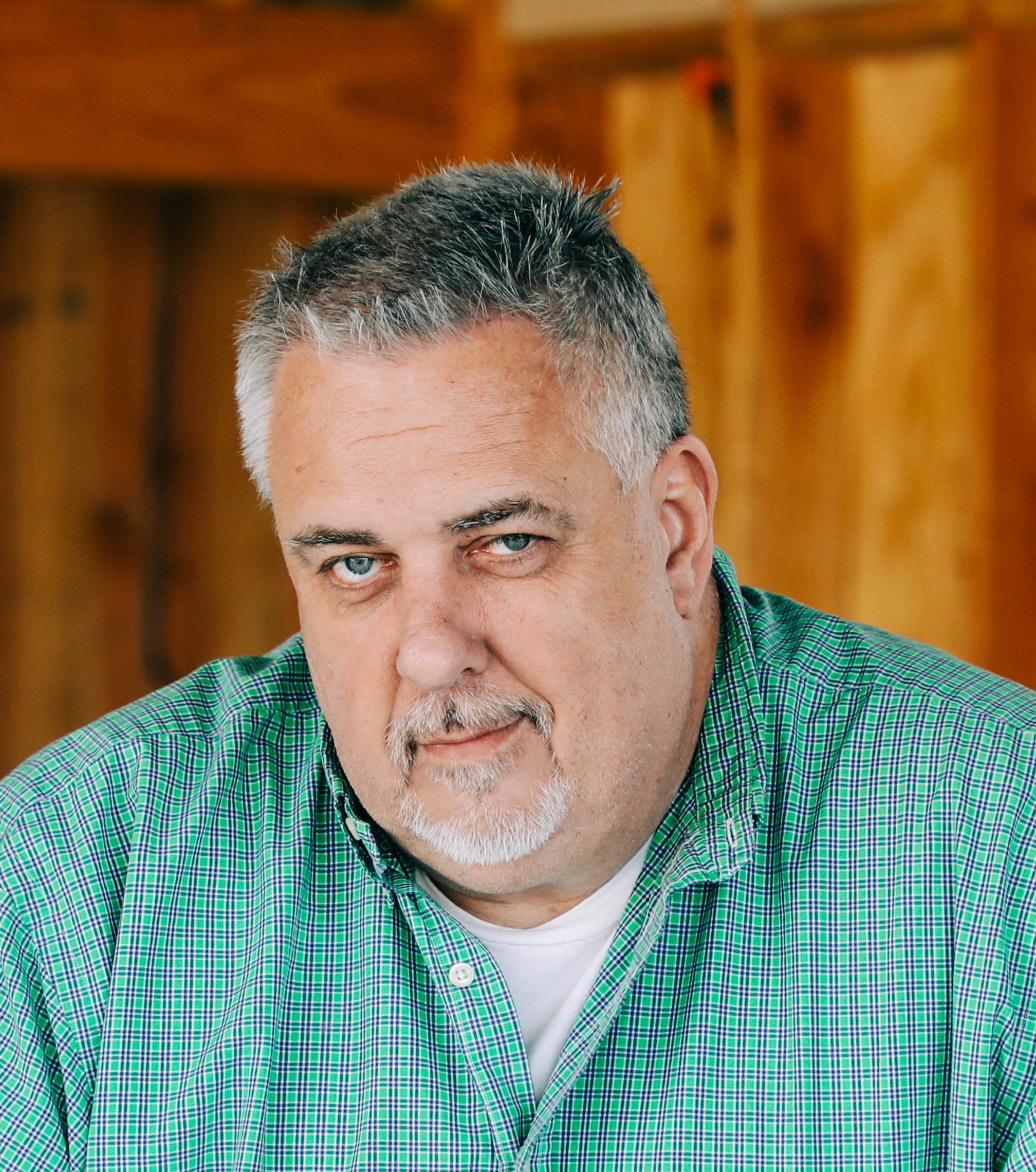
Steven Baczek Architect - A Nationally Recognized Architect has been in the building industry for over 37 years. Throughout my career, I have designed hundreds of projects across the spectrum of energy performance and sustainability, with a distinct notoriety is the residential construction sector. My commitment to my clients equates beautiful aesthetics with trusted durability, health, comfort, environmental responsibility and energy efficiency. My work extends beyond the Northeast where I call home, across the United States to serve clients with passions that align with mine.
Notable projects include numerous Passive Homes (some of which were the first examples in respective areas), Zero Energy Homes, and many Deep Energy Retrofits/Renovations to include the very first certified Passive House Retrofit in the country. I have also designed over 60 LEED Platinum homes. Many of these projects have become industry examples to provide a better understanding of industry perspective, and the ability to see beyond. While these projects highlight some of my work – my philosophy and passion are knitted into every project I do. It’s that Passion that motivates me to continually move our industry forward.