Why Standard Doctors Refuse to Say 'I Don't Know' When Diagnosing Chronic Illness
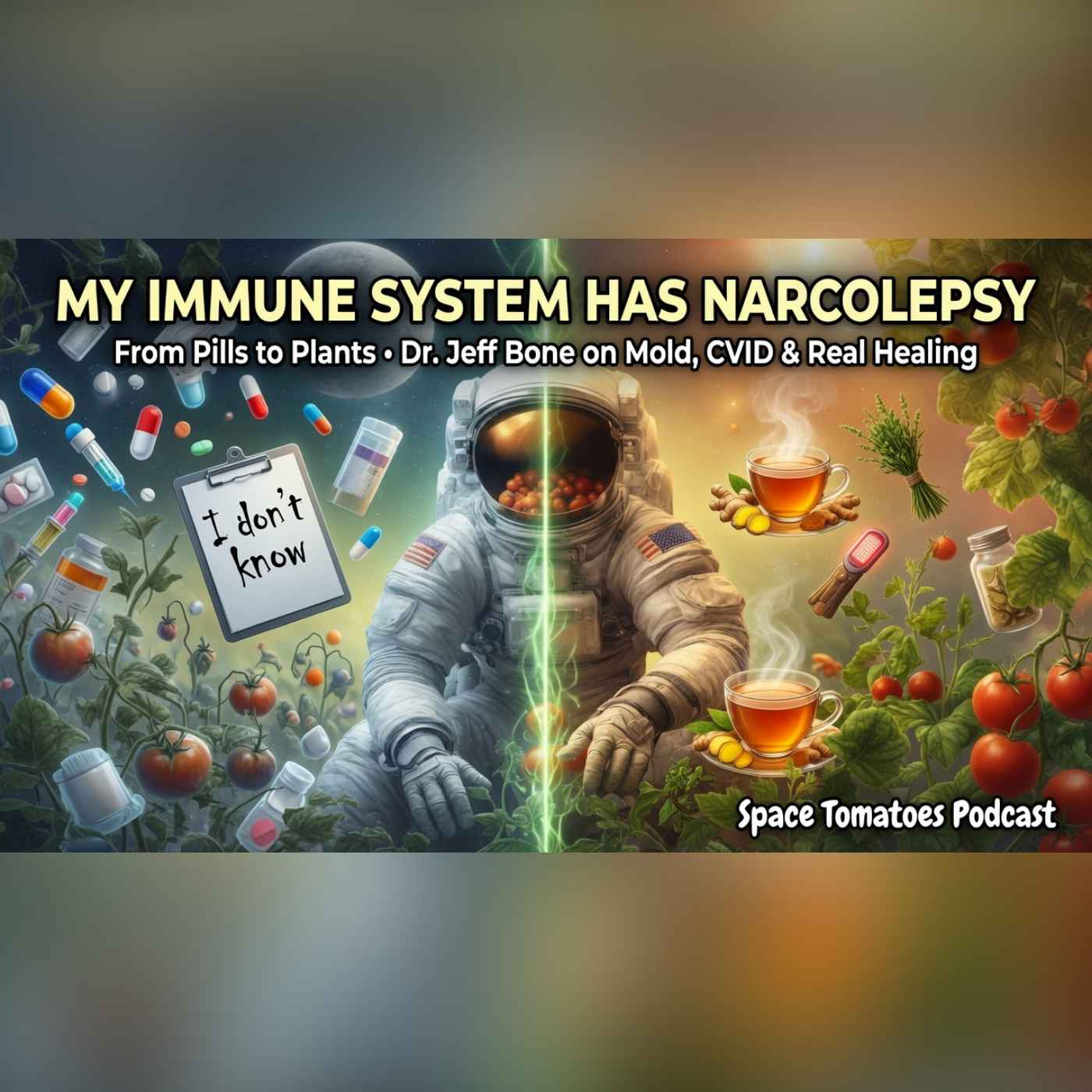
When navigating a mysterious, multi-system illness like mold-induced CIRS or primary immune deficiencies, patients frequently hit a psychological wall with their physicians. Rather than admitting a lack of knowledge regarding complex toxic exposures, traditional medical practitioners often resort to medical gaslighting, labeling inexplicable physical symptoms as mere anxiety or psychosomatic distress.
Key Takeaways
- Conventional medical education trains doctors in decision trees that resolve the most common 90% of issues, leaving them ill-equipped for rare or multi-system illnesses.
- The reluctance to utter 'I don't know' frequently drives physicians to mischaracterize complex, physical symptoms as psychosomatic or purely anxiety-driven.
- Subjective symptoms and invisible suffering, such as neurotoxin-induced tremors or systemic fatigue, are easily dismissed when they lack standard imaging markers.
- Patients navigating chronic illnesses must transition from passive recipients of care to active self-advocates who view themselves as the ultimate experts of their own bodies.
The Anatomy of Medical Certainty
Walk into a modern specialist's office with a complex constellation of symptoms—ranging from neurological tremors and vibrating floors of perception to bladder pain and profound systemic fatigue—and you expect a meticulous investigation. Yet, what many patients experience instead is a rigid adherence to diagnostic algorithms designed for maximum efficiency rather than individualized discovery.
Medical school heavily reinforces pattern recognition. Physicians are taught a refined mechanism: if presentation A occurs, execute treatment B, because that protocol resolves the issue ninety-plus percent of the time. While this system works wonderfully for standard acute care and widespread pathologies, it creates a dangerous blind spot for the remaining five to ten percent of patients who fall entirely outside traditional diagnostic parameters.
When a patient's lab panels and standard imaging return normal results despite debilitating physical pain, the system faces a crisis of authority. Instead of acknowledging the limits of current medical science or admitting ignorance, the institutional ego often steps in. Admitting that a condition is poorly understood requires a level of vulnerability that standard medical training actively discourages.
The 'Swag Technique' and Psychosomatic Dismissal
When faced with a clinical puzzle they cannot solve, practitioners frequently lean into what insiders jokingly call the 'swag technique'—a Scientific Wild-Ass Guess. Because our medical billing and insurance structures demand a neat diagnostic code for every visit, leaving a chart blank or writing 'etiology unknown' is heavily discouraged.
Consequently, when lab work fails to highlight an obvious culprit, physicians routinely default to psychological explanations. If the nerves look fine on an initial conduction study and the primary blood panels show no glaring abnormalities, the suffering is quietly reclassified as a mental health issue. Patients are told their severe physical symptoms are simply manifestations of stress, generalized anxiety, or psychosomatic translation.
This dynamic creates a deeply demoralizing cycle. For someone whose nervous system has been severely altered by neurotoxins, mycotoxins, or immune dysregulation, hearing that 'it's all in your head' invalidates a very real physiological crisis. It turns the medical establishment from a place of healing into an arena of psychological dismissal, forcing patients to continually spin their clinical compass without a reliable guide.
The Cost of Unshareable Pain
As noted by literary figures and explored deeply by those navigating chronic illness, physical pain and neuro-inflammation are fundamentally unshareable. You cannot hand someone the burning sensation in your limbs or the cognitive fog of a damaged brain. You can only offer metaphors and plead for belief.
When a doctor refuses to say 'I don't know' and instead projects incompetence onto the patient's credibility, the therapeutic alliance shatters. Healing requires a collaborative framework where the physician respects the patient's lived experience. After all, while a doctor holds specialized medical training, the individual experiencing the symptoms is always the ultimate expert of their own body.
Conclusion
Overcoming the hurdles of chronic illness requires abandoning the expectation that every doctor will have an immediate, neat solution. Recognizing the systemic flaws in how modern medicine handles the unexplainable can free patients from the demoralizing trap of medical gaslighting and empower them to seek out functional specialists who listen, test comprehensively, and aren't afraid to admit the boundaries of their current knowledge.
To hear more about navigating medical gaslighting, immune system disorders, and the journey of becoming your own doctor, Listen to the full episode of SpaceTomatoes!
Frequently Asked Questions
Why do doctors avoid saying 'I don't know'?
Medical training emphasizes authority and pattern recognition for the top 90-95% of common ailments. Admitting ignorance can feel professionally risky and runs counter to the expectation that a physician must always have an immediate answer.
What is the 'swag technique' in medicine?
The swag technique refers to a 'Scientific Wild-Ass Guess.' It occurs when a practitioner relies on educated guesses or standard treatment algorithms rather than investigating complex, non-standard symptoms.
How does medical gaslighting affect chronically ill patients?
When physicians cannot diagnose a condition through standard tests, they often label subjective symptoms as anxiety or psychosomatic issues. This leads to profound patient demoralization, delayed diagnoses, and mistrust in the medical system.
Why are multi-system symptoms frequently dismissed?
Traditional medical specialties are heavily siloed into distinct organs and systems. When a patient presents with cascading multi-system symptoms like neurological fog, bladder pain, and severe fatigue, they often fail to fit neatly into a single medical specialty's decision tree.
Further Exploration on Space Tomatoes
- Chronic Illness and Black Mold with Dr. Jeff Bone
- Why Perimeter Grocery Shopping Is the Ultimate Weapon Against Processed Food Deception
- How to Use the BEAM Framework to Assess Pet Vitality at Home
- Why Intellectual Property Stifles Innovation
External Sources

You Don't Own That Tractor: Agricultural Agorism with Geoff Wacker S3-EP11