March 22, 2026
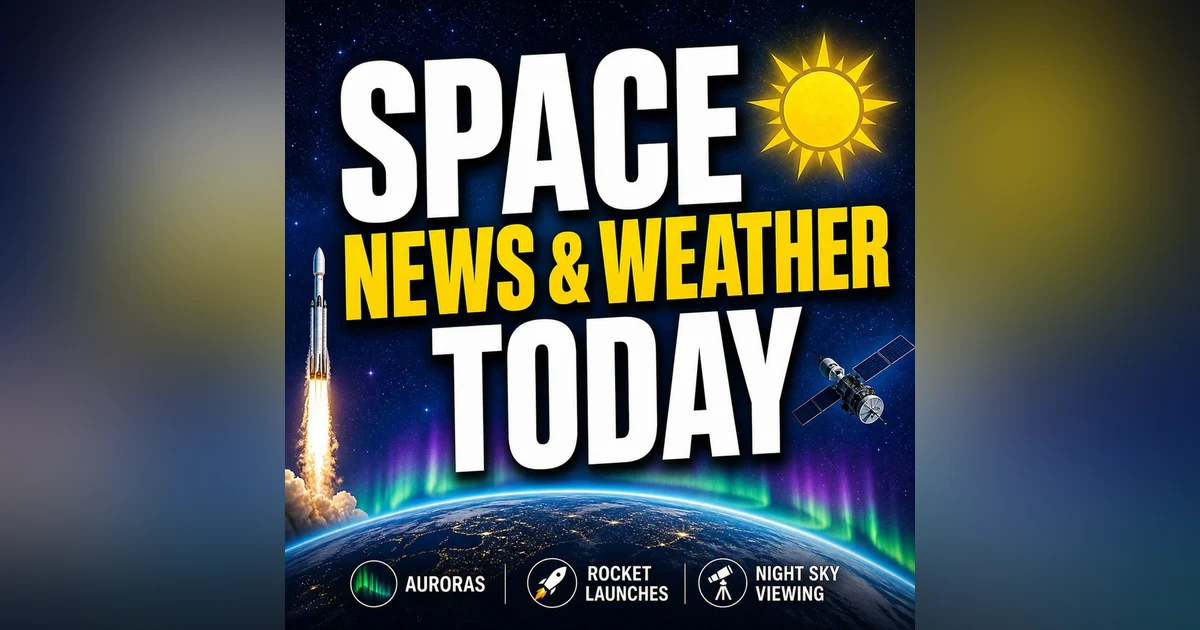
Northern Lights Possible - March 22, 2026

 Apple Podcasts
 Spotify
 Castro
 RSS Feed
 Tonight: SLS enters pad flow ahead of historic Artemis II mission. Plus what to see in the night sky.
Portions of the podcast are made with the assistance of AI which helps us gather informaton from the NASA and other soruces.
WEBVTT
1
00:00:03.160 --> 00:00:13.400
Calarogu Shark Media. Welcome to sleep from space. Something to ponder.
2
00:00:13.919 --> 00:00:16.879
The coldest place in the known universe is the Boomerang
3
00:00:16.960 --> 00:00:24.199
nebula at four fifty graph, just one degree above absolute zero.
4
00:00:24.519 --> 00:00:26.920
The sun has been busy lately, and tonight there is
5
00:00:26.960 --> 00:00:30.160
a heightened chance of seeing the northern lights. If you
6
00:00:30.199 --> 00:00:33.200
are in Canada or the northern United States and have
7
00:00:33.280 --> 00:00:37.439
clear skies, look north after dark, give your eyes a
8
00:00:37.439 --> 00:00:42.880
few minutes to adjust to the darkness. An asteroid called
9
00:00:42.920 --> 00:00:46.880
twenty Tekun twotting twenty six fu is passing by today.
10
00:00:47.479 --> 00:00:50.560
It's about the size of a small building, passing about
11
00:00:50.560 --> 00:00:54.560
one point five lunar distances away. No danger, just a
12
00:00:54.640 --> 00:01:00.200
cosmic neighbor dropping by. The Artemis two launch vehicles and
13
00:01:00.240 --> 00:01:02.880
spacecraft have returned to the launch pad for a launch
14
00:01:03.000 --> 00:01:07.879
as soon as April first. The moon is nearly full
15
00:01:08.000 --> 00:01:11.280
and quite bright Tonight early evening is your best bet
16
00:01:11.280 --> 00:01:17.319
for stargazing before moonlight takes over. Rocket launch alert. Russian
17
00:01:17.359 --> 00:01:21.159
Federal Space Agency ross Cosmos is set to launch a
18
00:01:21.239 --> 00:01:25.319
Soyu's two point one a later today from baikan Or Cosmodrome,
19
00:01:25.519 --> 00:01:29.680
Republic of Kazakhstan, carrying the progress resupply mission to the
20
00:01:29.719 --> 00:01:37.760
International Space Station mission. The evening sky hosts two bright planets.
21
00:01:38.359 --> 00:01:42.680
Venus shines near the horizon as twilight fades, and Mars
22
00:01:42.719 --> 00:01:48.840
glows steadily overhead until late evening. Tonight's report was compiled
23
00:01:48.840 --> 00:01:54.799
by AI from NASA Launch Library and Spaceflight News. See
24
00:01:54.840 --> 00:01:55.560
you tomorrow, night,
1
00:00:03.160 --> 00:00:13.400
2
00:00:13.919 --> 00:00:16.879
3
00:00:16.960 --> 00:00:24.199
4
00:00:24.519 --> 00:00:26.920
5
00:00:26.960 --> 00:00:30.160
6
00:00:30.199 --> 00:00:33.200
7
00:00:33.280 --> 00:00:37.439
8
00:00:37.439 --> 00:00:42.880
9
00:00:42.920 --> 00:00:46.880
10
00:00:47.479 --> 00:00:50.560
11
00:00:50.560 --> 00:00:54.560
12
00:00:54.640 --> 00:01:00.200
13
00:01:00.240 --> 00:01:02.880
14
00:01:03.000 --> 00:01:07.879
15
00:01:08.000 --> 00:01:11.280
16
00:01:11.280 --> 00:01:17.319
17
00:01:17.359 --> 00:01:21.159
18
00:01:21.239 --> 00:01:25.319
19
00:01:25.519 --> 00:01:29.680
20
00:01:29.719 --> 00:01:37.760
21
00:01:38.359 --> 00:01:42.680
22
00:01:42.719 --> 00:01:48.840
23
00:01:48.840 --> 00:01:54.799
24
00:01:54.840 --> 00:01:55.560