March 20, 2026
NASA ready for another shot at launching Artemis II... - March 20, 2026

 Apple Podcasts
 Spotify
 Castro
 RSS Feed
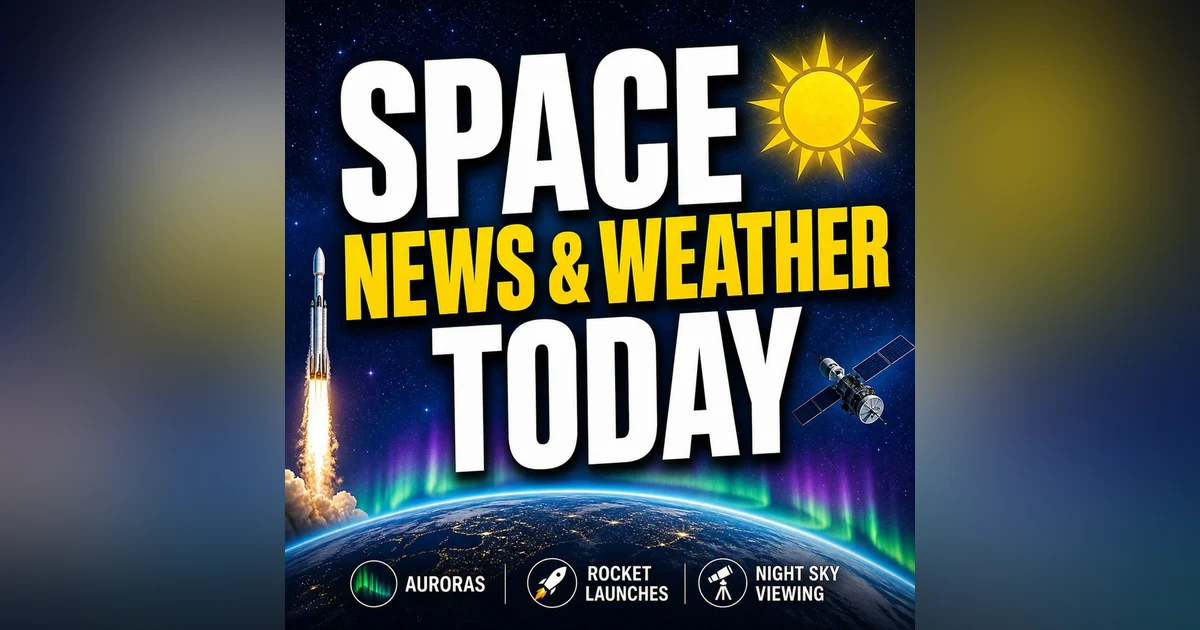
 Tonight: NASA ready for another shot at launching Artemis 2 moon mission. Plus what to see in the night sky.
Portions of the podcast are made with the assistance of AI which helps us gather informaton from the NASA and other soruces.
WEBVTT
1
00:00:03.160 --> 00:00:13.279
Calarugus shark media. Welcome to sleep from space. Look east
2
00:00:13.279 --> 00:00:17.359
for Leo rising. One of the zodiac's most recognizable shapes.
3
00:00:18.120 --> 00:00:21.640
The sickle of stars forms the lion's head, with Regulus
4
00:00:21.640 --> 00:00:27.359
at the bottom marking his heart. NASA's approach to managing
5
00:00:27.440 --> 00:00:30.960
the development of crude lunar landers for Artemis has successfully
6
00:00:30.960 --> 00:00:35.799
controlled costs but not schedule, raising questions about NASA's desire
7
00:00:35.840 --> 00:00:42.159
to accelerate those efforts. The evening sky hosts two bright planets.
8
00:00:42.719 --> 00:00:46.320
Venus shines near the horizon as twilight fades, and Mars
9
00:00:46.359 --> 00:00:51.439
glows steadily overhead until late evening. One of the many
10
00:00:51.479 --> 00:00:55.399
asteroids in our neighborhood twenty twenty six, Fu swings by
11
00:00:55.439 --> 00:00:58.399
in the next couple of days, a comparable to a
12
00:00:58.399 --> 00:01:02.200
city bus. It'll pass about one point five lunar distances away,
13
00:01:02.759 --> 00:01:08.640
no threat, just a cosmic passerby. Rocket Lab has an
14
00:01:08.640 --> 00:01:11.799
electron on the pad at Mahea Peninsula, New Zealand, set
15
00:01:11.840 --> 00:01:16.319
to fly later today. The Sun is putting on a
16
00:01:16.359 --> 00:01:20.719
show for solar observers. Lots of active sunspot regions right now,
17
00:01:20.760 --> 00:01:25.200
which means the chance of solar flares stays elevated. Aurora
18
00:01:25.280 --> 00:01:28.120
watchers in the far North might catch a faint glow
19
00:01:28.319 --> 00:01:33.640
on the horizon tonight. Here's something to think about. If
20
00:01:33.680 --> 00:01:36.319
two pieces of the same type of metal touch in
21
00:01:36.400 --> 00:01:43.239
the vacuum of space, they will permanently bond together through
22
00:01:43.239 --> 00:01:49.239
a process called cold welding. AI helped gather tonight's update
23
00:01:49.280 --> 00:01:53.200
from NASA and Spaceflight News sources. Rest easy knowing the
24
00:01:53.319 --> 00:01:55.400
universe keeps spinning. Goodnight,
1
00:00:03.160 --> 00:00:13.279
2
00:00:13.279 --> 00:00:17.359
3
00:00:18.120 --> 00:00:21.640
4
00:00:21.640 --> 00:00:27.359
5
00:00:27.440 --> 00:00:30.960
6
00:00:30.960 --> 00:00:35.799
7
00:00:35.840 --> 00:00:42.159
8
00:00:42.719 --> 00:00:46.320
9
00:00:46.359 --> 00:00:51.439
10
00:00:51.479 --> 00:00:55.399
11
00:00:55.439 --> 00:00:58.399
12
00:00:58.399 --> 00:01:02.200
13
00:01:02.759 --> 00:01:08.640
14
00:01:08.640 --> 00:01:11.799
15
00:01:11.840 --> 00:01:16.319
16
00:01:16.359 --> 00:01:20.719
17
00:01:20.760 --> 00:01:25.200
18
00:01:25.280 --> 00:01:28.120
19
00:01:28.319 --> 00:01:33.640
20
00:01:33.680 --> 00:01:36.319
21
00:01:36.400 --> 00:01:43.239
22
00:01:43.239 --> 00:01:49.239
23
00:01:49.280 --> 00:01:53.200
24
00:01:53.319 --> 00:01:55.400