The Pledger and Polanco Team
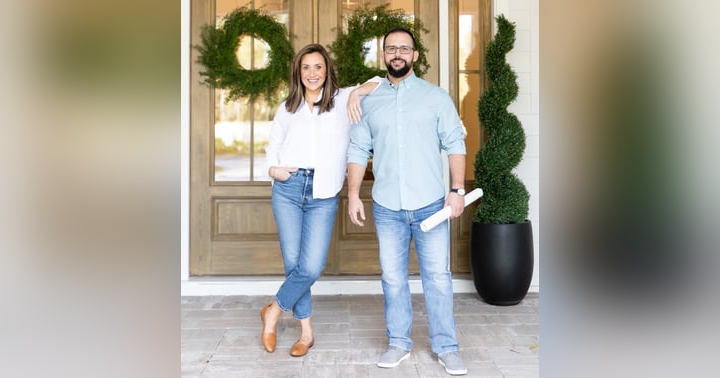
The Pledger & Polanco Team at Slate Real Estate is a Top Producing Team in NE FL. With a combined 12 years in the industry, customer service is their top priority. Erika is the listing specialist and is a certified professional property stager and...


The Pledger & Polanco Team at Slate Real Estate is a Top Producing Team in NE FL. With a combined 12 years in the industry, customer service is their top priority. Erika is the listing specialist and is a certified professional property stager and her designations include seller representative specialist and certified real estate negotiation expert. Yordan is a veteran of the US Navy and a buyer specialist. He holds designations as a military relocation professional and accredited buyer representative. The Pledger & Polanco Team are Real Producers Top 500 in 2021 and closed over $38 million in 2021.
‘
In this episode, Yordan and Erika discuss how important it is for agents to be interacting with other agents, even if it's just for conversation or networking. Jordan mentions that it's important to foster relationships with other agents to have an edge over the competition. Erika agrees and says that it's important for agents to be consistent with their lead gen methods, whether that means making phone calls or sending emails. Finally, Yordan and Erika share a funny story about one of their clients that they found quite humorous.
[00:01 - 13:04] Opening Segment
- Introducing Yordan and Erika to the show
- Slate Real Estate
- Brief Background and career
- How Erika got into the real estate
[13:04 - 33:16] Keeping Agents Successful
- The importance of giving back to the community
- The importance of educating yourself in an ever-changing industry
- Attending classes on the purchase and sale agreement
- New agents should dedicate at least a portion of their day to learning about the business
[33:17 - 53:10] Interacting with Other Agents and Maintaining Relationships with Clients
- Confidence is key when working with buyers and sellers
- Have pre-listing inspections to help identify any potential issues before listing
- The importance of interacting between agents both buyers and sellers
- To gain insights into the industry
- Consistency is key in maintaining relationships with past clients and customers
- Being on the lookout for opportunities to reach out to past clients, and to keep them top of mind with regular communication.
- Events are an important way to connect with past clients and show appreciation
[53:11 - 58:06] Closing Segment
- Who you know versus what you know
- Final words
- See the links below to connect with the Pledger and Polanco team!
Quotes:
"It's surrounding yourself with the right people.”
"You have to treat every customer uniquely."
"You never know what opportunity you're gonna get."
Connect with The Pledger and Polanco Team through Facebook.
SUBSCRIBE & LEAVE A 5-STAR REVIEW as we discuss real estate excellence with the best of the best!
- Join our community at www.tracyhayespodcast.com
- Email Tracy.Hayes@jethl.com to get in touch with me
- Connect with me on Facebook and LinkedIn.
- Check out Jet HomeLoans, LLC, and get top-flight resources and first-class service in buying your house!
Are you ready to take your real estate game to the next level? Look no further than Real Estate Excellence - the ultimate podcast for real estate professionals. From top agents and loan officers, to expert home inspectors and more, we bring you the best of the best in the industry. Tune in and gain valuable insights, tips, and tricks from industry leaders as they share their own trials and triumphs. Whether you're a seasoned pro or just starting out, a homebuyer or seller, or simply interested in the real estate industry, Real Estate Excellence has something for you. Join us and discover how to become a true expert in the field.
The content in these videos and posts are for informational and educational purposes only. The information contained in the posted content represents the views and opinions of the original creators and does not necessarily represent the views or opinions of Townebank Mortgage NMLS: #512138.
welcome back to The Real Estate excellence podcast. It's your host. Tracy Hayes, another best of the best on the show today. This team is a dynamic duo of two successful agents. One says her favorite sports team is the Dallas Cowboys, and the other says the Miami Dolphins. I actually gave it away because I said her. I tried to left that out. So actually, my little joke there just blew up on me. One is a Navy veteran. The other went to Georgia Southern today. They both work for one of the most successful, unique brokerages in Northeast Florida, Slate real estate. Let's welcome Erica Pledger and Jordan Polanco, the Pledger and palenco team, to the show.
Tracy Hayes 1:39
Awesome. Thanks for that. I'm glad you guys. Come on. And obviously, you know, I've seen both of you guys, and you know, Jordan, we've done deals together already with the builder I was associated with, and I'm really interested in getting guys because obviously, I think, I don't know, maybe you can correct me, but I think you guys are fairly successful as individuals. But I'm really curious as we talk, what the power is of getting together with another agent. The one thing on the show we get. A lot of everyone has a different way of how they structure, you know, their team, or in this, you know your unity as the two of you, where you guys plan to go with it, etc. So, but I'm going to kick off the show. We'll go to Jordan, first Navy veteran,
Yordan Polanco 2:19
yes, sir, yeah. Where'd you grow up and what led you into the Navy? So, I grew up in the Florida Keys, small island in key, Largo, went to small school. You know, everybody kind of grew up together, unless you're going into, you know, the restaurant business or fishing or anything like that, right? There's not really a whole lot to do there after you graduate. You know, I saw an opportunity to go into the Navy, so I kind of took that, I joined right after high school, 2010 and did almost 10 years. Well, excellent. And you're just dig a little bit for our veterans that may be on there. I mean, I think I had you were a chief engineer, but actually I didn't write down on my notes, because you do have on your bio, you know, basically, you know what was kind of, you know what level, what your biggest assignment that you had in the Navy. So I was in Little Creek, Virginia for about six years. My biggest position there was chief engineer, which pretty much oversaw lcus landing craft utilities, and I kind of ran a crew there on, you know, deployments, and that's been nice to have at least six years of basically being stationary. I assume you shipped out occasionally, or, yeah, I deployed a few times Virginia was nice, you know, going from the Florida Keys to Virginia, where there's actual seasons, probably wasn't the most fun, but I was a good experience there. Yeah, yeah.
Tracy Hayes 3:28
And Erica, you grew up in North you were born in North Carolina, if I saw correctly,
Erika Pledger 3:28
yes. And then went on to Georgia Southern. Tell us about growing up in North Carolina, and then what led you to Georgia Southern. So I actually didn't grow up in North Carolina. Born there. Both my parents were born and raised there. My dad was actually in the military too. He retired a lieutenant colonel in the Air Force. So I was growing up, I was an Air Force brat. Moved every three, maybe four years, if we were lucky, and then we his last station when I was in high school was in Georgia, in Valdosta, Georgia. And so I ended up going to Georgia Southern, graduating there. And my husband and I moved here after we both graduated. So Georgia Southern was just by. I wanted to get away.
Tracy Hayes 4:09
We were just two wild adventures, because we were up in Georgia for the Fourth of July visit family. We did our little style. I didn't realize while the Ventures is kind of like off the beaten, you don't realize, like, are we going to amusement park? Yeah, is there a sign? Yeah, the GPS does keep going this way. So, I mean, you went to Georgia, Southern What did you study? And, I mean, what was your initial vision of what you wanted to do for
Erika Pledger 4:36
a career? So it's actually really funny, I graduated with a degree in broadcasting, and went back home. By that time, my parents were in Pensacola, went back home to do my internship, and it was right when the oil spill in the Gulf happened, and my first experience in the real world seeing all of that, it was just so I found it so depressing. It was just really hard personally. So I knew that was, you know, kind of even though I had just graduated. It just wasn't for me, and so kind of focused on PR for a little while. We moved my husband and I, who he was, my fiance at the time, we moved to Jacksonville, and I got started, got my first job in nonprofit, working at Best Buddies, which is how I met Colt. Oh, okay.
Tracy Hayes 5:14
Oh, yeah, all right, so you're doing public relations for Best Buddies.
Erika Pledger 5:18
So I was actually a program manager. I was in approximately 20 schools here in Northeast Florida just creating those programs for friendships within the schools disability and general population.
Tracy Hayes 5:29
Okay, you decide you're going to not reenlist in the Navy. What would you what did you visualize yourself doing?
Yordan Polanco 5:37
Honestly, you know, I had no idea at the time. I knew that, you know, me and my wife were away from each other for so long on deployments. When I was on my last deployment, I knew I wanted to come to Florida.
Tracy Hayes 5:47
So I got closer to home, closer to homes, mom and dad still in Key Largo,
Yordan Polanco 5:51
yes, my wife's family as well. So, you know, when I was on my last deployment, I took the, you know, the first billet was available for Florida, you know, not really knowing what I was going to do, right? Came here. So that brought you to Jacksonville. That brought me to Jacksonville for my last tour. I was here. I was in the Navy here for about three years at NAS Jax. And then during that time, you know, I was getting closer to my 10 year mark. You know, halfway through my career, my wife started talking and saying, you know, hey, you know, are we going to finish this out or, you know, we want to start a family at the time, and I didn't really want to be my last two to play. Last two deployments prior were very long, 11 months and nine months, yeah, so I didn't really want to have, you know, start a family and be gone, right? So that's when I started kind of looking into other career paths.
Tracy Hayes 6:33
So I mean, through your marriage, how many of those you know why you're still in the Navy? How many of those first years were you away?
Yordan Polanco 6:41
So me and my wife have been together since freshman year of high school. Okay. Oh, wow. Married Lee three years at the three years. As soon as we got to Jackson, we pretty much got it.
Tracy Hayes 6:51
Okay, okay, but so you're still pretty much your most of your Navy career.
Yordan Polanco 6:55
You were, I mean, almost a full 10 years. Oh, wow. And you know, she would come visit me every couple of months, and I would go back, we would go back and forth, but we knew we didn't want to have a family and continue that, right?
Tracy Hayes 7:06
You know, right? Interesting. How you did the long distance relationship thing for a very long time? Very challenging. Yeah, so your wife and you're having a discussion. Mean, what's your initial obviously, you're in the Navy. Taught you some skills. What are you thinking about doing when you discharge from the Navy?
Yordan Polanco 7:23
You know, when we first moved to Jacksonville, when my wife was house hunting, I was on deployment, and I was kind of doing my own research on real estate and things like that. It was kind of something that was fresh in my mind that I enjoyed, you know, and I liked the experience when we built when we moved here. So I was like, let me reach out to my realtor who was Cole slate at the time and see if he can kind of help me. Austin starts that way, yeah, if he can help me, you know, get my license and kind of guide me on what to do, not really expecting to do anything out of it or be on a team or actually end up working with him, but just kind of, you know, getting my feet wet and seeing if there's a career that I liked. And then once I got, you know, he helped me out, I got my license, and it kind of just went
Tracy Hayes 8:00
from there. So we kind of know how he landed at cole slate. You started off at another brokerage, and then came to coal. What was in any new agent that might be looking on right now, someone I always put out there, someone who might be looking into getting into real estate, or might be in the real estate class right now. And, you know, obviously the brokers are all calling them, right? They're trying to recruit him. What made you led you to your first brokerage, and then on, obviously,
Erika Pledger 8:26
I was actually with I started with Cole as well. I wasn't at a brokerage before him, I met him through Best Buddies, who he's been a lifelong volunteer for. I was working with the organization, and very similar to Jordan, he helped my husband and I build our first home, and I fell in love with that new construction process. Got really interested in real estate, and Cole at that point was just getting to the point where, you know, he had a lot on his plate, more business than he could handle on his own. And so he actually brought me on to basically help transaction management. At first I was working on getting my license, and it kind of just evolved from there.
Tracy Hayes 9:01
So you're the transaction coordinator. Type work exactly. Work for him. It led you there. So, I mean, it lets you both, you know, comment what? Obviously, both of you interacted with Cole on a sales side as well. You're on the other side. When I met, you know, I know him, and I have talked a little bit about his brokerage, what makes it unique, and how, and I complimented him how his comp plan actually incentivize the agents to do a lot of the things that he did. And I think when you said he had a lot on his plate, yeah, because he on route 210, at this time is blowing up, you know, and he's right in the middle of it, and grew up right there, right? So he in the right place at the right time, for sure, for there, but obviously he does. It's not just that with him. Both of you were impressed. So Erica, tell me just a few things. It's just like, you know, this is the kind of guy I just want to, I want to work closely
Erika Pledger 9:52
with or follow. If you've ever met him, you know, he's a super dynamic person, very engaging. He just has a way of connecting with everyone. Ones in some way he made our, you know, new construction process just such a fun time for us. And you know, it was also that professional side of him as well. He, you know, we were confident in what he advised us on. And you know, it was just an overall fantastic experience. So it really just opened my eyes. He looked like he was having so much fun doing what he was doing. And it really just opened my eyes, you know, in that possibility of starting a new career.
Tracy Hayes 10:26
Can you fine tune for us one or two things that you remember he did with you that you've you implemented right away in your business,
Erika Pledger 10:38
in that process? Yeah, so one of the things that's always stuck with me, he started doing the welcome home signs in the front yard on closing day, and I believe my husband and I were his very first sign. And so, you know, he was so excited to put that in our front yard right before we headed to closing. And it was just that, you know, personal touch, you know, just being truly a part of that entire process.
Tracy Hayes 11:03
You go to closing, you show up at your new house, there's a home sign, and obviously, I imagine, yeah, from year to year, you
Erika Pledger 11:09
were smart, yes, absolutely, yeah. Tell us a little bit wonder.
Tracy Hayes 11:13
Let's we'll go. You can lead into that question. But the your interaction with Cole, what happened in your sales process that obviously wowed you and like this may be someone I want to follow or get to know more from.
Yordan Polanco 11:26
Honestly, it was, you know, more the personality and kind of our priorities were similar, you know, family and, you know, I'm not the most, you know, you're super professional. You know, it's more organic kind of relationships and and personality. He's a laid
Tracy Hayes 11:40
back dude. Laid back. He's like, me, I take the Cole Slayer, but this is Cole slave, but I don't wear flip flops, but
Yordan Polanco 11:48
he has khakis and flip flops. I always wear khakis and like, sparries, yeah? So I'm like, you know, it's a cool dude, yeah? But when, you know, when I started, I was a single agent, I wasn't really, I didn't go straight into the team, right? But, you know, not really knowing much, I would kind of go in the office and hang out and hang out and kind of listen in to the team at the time. And I, you know, I enjoyed how they did things, you know, it was really personable and kind of, you know, friendly, kind of
Tracy Hayes 12:11
laid back. So, did you have the welcome sign in your yard? I did. You did it?
Yordan Polanco 12:15
Okay? I think Erica was the first though.
Tracy Hayes 12:18
So, so both of you kind of organically sounds like, and that's the way I think Cole runs his team. He's, you know, I don't know the inner workings, but it's just, you know, listening to you guys, he is a local guy, and obviously, probably drives around. He's got his big truck and everything. He creates his business organically. Obviously, you know, the how he's, you know, the comp plan driving you guys be involved in the community, be involved in your local boards, or real estate boards, or whatever. Those things are, all the things that he did, and that's kind of like his, his ideology, his culture. That's, I guess, is the word. And you guys seem just, it sounds like you kind of just blended right in with it. Yeah. I mean, is that kind of you guys have the vision that he had? Did you guys see yourselves, Jordan, we'll start with you. I mean, your vision of, you know, when you started, because you didn't know a lot, but you start to visualize, hey, where do I want to be? How do I want to do my business? I mean, did you like see yourself aligning a lot?
Yordan Polanco 13:12
Yeah, it was all very similar our visions. So community involvement, you know, giving back to the first responders, the military. Me, being military myself. Teachers, you know, are a big thing for us as well. My wife is a teacher, so kind of giving back to the community, you know, was the most important thing. And that's kind of how we run our team
Tracy Hayes 13:29
now, simply the community part. I mean, you know, I always be like, we do, you sell homes. I do loans for homes. Everybody wants a home. Anyone's your client, you know, you know. Whereas now, obviously, if you want to target a certain price range or something, maybe you got to go hang out with those type of people. But I think Cole has had that attitude in growing up on, you know, on 210 going to Bartram, high and so forth, that everyone around him was a customer, so he didn't have to go very far. He just needed to get out there and let everybody knows what he's doing. Yeah, same question I posed to him, whatever it was,
Erika Pledger 14:04
yeah, I mean, it's, you know, for us, and something that we definitely align with the brokerage is that it just all comes back to service, customer service to the community. You know, it's just really important to us. And, you know, it's something that we're allowed to focus on where we're at, you know, at this brokerage, which is super important to us.
Tracy Hayes 14:22
Cole is, I guess he had been put in on a camera when he started with exit. You come he's with exit. When does the 210 off? And when did that actually go in next to the Publix?
Erika Pledger 14:32
So that was in 2000 and I believe it was the summer of 2018
Tracy Hayes 14:37
Okay, all right. That's when I obviously started to notice him, because I was just getting more sense in the retail being out in front of everybody versus the call center the previous 12 years, even though I've lived down the street for many years. But that's when, obviously, I start goes. Every time I went to Publix, the truck was in the parking lot, and, you know, he's there. So he's he recruited there. And then, obviously, you know, right? So as I think, you know, at least in his vision, went to open his own slate real estate, okay? And you guys, was there a debate whether or not you were rolling with him or, I mean, did you guys go through any No?
Yordan Polanco 15:13
I mean, it was pretty much, you know, 100% right. We had been talking about it for a little while, and obviously it was, you know, the three of us at the time, we were kind of game planning and talking about all the ideas for what slate real estate would be, and we were on board 100%
Tracy Hayes 15:28
Yeah, in that location he's got, that's the greatest building, double whammy. So the it was just the three of you. Was there anyone else?
Erika Pledger 15:39
Cole and I worked together for, I think, almost two years at that point, again, we got to a point where we needed, you know, additional support. So we hired on our first full time transaction coordinator. Since then, it kind of evolved into me being the and this was on the coal slate team, me being the designated listing specialist, and then Jordan as the buyer specialist, and then it, you know, again, we needed help with marketing and everything. So since then, we've brought on a full time marketing coordinator as well. So he's always made sure that, you know the dynamic of the team we've had the support that we've needed in those positions, all right?
Tracy Hayes 16:16
So you bring up support, I also tag that with value. Obviously, Cole gives you know, every leader has got to give their people value, otherwise, if their the values weren't, they're going to go somewhere else, right? So, you know, again, speaking out to those new agents, maybe agents who are at a brokerage feel like they've hit a lid or so forth, talk a little bit of how important it is. And I you guys kind of being on a little bit of an inner circle with Cole, because you came over initially and started state real estate. So there's a little bit of a loyalty trust thing going on. I'm sure he talks to you guys, you know, you have those meetings and go through ideas of what we should do and so forth. How important was it? I mean, you can, if you want, to expand on, you know, some of the value that gave you guys, that have kept you guys intact in all this several years now, where a lot of I see a lot of agency, after a year or two, they're okay. We've burnt that out. Go to another pond, right? So they think So what sort of value you being a new agent? Was it 2000 I had eight? Is it 1818? Yeah, as a new agent coming on that you felt you needed, or maybe even didn't even know you needed, but that he was giving
Yordan Polanco 17:23
it to you. You know, the first thing is, obviously, you know, he was there to help through everything, you know, every step of the way. You know, he was helping us, every question we had. You know, he was there to help. But I think the biggest thing for me is being a new agent. So the first two years, I was actually in the military as well, so I was kind of doing it both. But transitioning out, you know, being in the military, you have a structure and, you know, you have a routine that you follow, yes, and then once you're a new agent, you unless you have a mentor, or you have somebody to, you know, an accountability partner, right?
Tracy Hayes 17:52
Or join one of those teams where they do very much structure, you come in at nine o'clock, you're dialing or what?
Yordan Polanco 17:57
Exactly, yeah. So, you know, being a new agent, not really knowing what to do, you know, being able to join that team, and having a structured, having a plan for literally everything we did, there was a template or a plan or something, you know, already built in, right? So that was kind of an easier transition.
Tracy Hayes 18:11
That's a great, you know, yeah, coming from the military setting, everything structured, what you're doing, what time you're doing it. That's sort of the extremely structured environment to just, hey, I'm a real estate agent. Okay, what do I do next? Right?
Yordan Polanco 18:23
Yeah, when I was a single agent, the first three, four months, I would go into the office and, like I said, I would just kind of listen in. I didn't know what I was doing right now, whoa.
Tracy Hayes 18:30
I keep doing that. I asked the question I'm missing so closely. What he said, the value. So you obviously, you met him on a personal basis, but you know, just express you know, if you're talking to a new agent, if they're out there interviewing other which they, you know, everyone recommends they go and talk to other brokers, they need to be interviewing the broker, not the broker. You know, the brokers interviewing make sure they're a fit for their team. They don't want to bring in poison. But you need to be as a agent versus going to a brokerage. You need to interview that absolutely. And you know what, Erica, what are some of those things that are so important, especially, you know, like someone, Jordan was just mentioned coming in new that you're going to need, you don't even know you need, yeah.
Erika Pledger 19:08
I mean, definitely, you know, Jordan kind of touched on it. Those systems that are in place that a brokerage is able to provide is really vital to the success of an agent, you know. And something that we're fortunate enough to have is really systems for everything, templates for everything. It streamlines a lot of the busy work so that we can really focus on relationship building and being in front of the customer, you know, and definitely those support roles, our transaction coordinator. He's incredible. He's in front of the computer nine to five, Monday through Friday, touching files, keeping everyone in the loop. And it's just, you know, another set of eyes on everything that's going on. And then our marketing coordinator, same thing, you know, she's in the office all week, just making sure that our listings are being presented everywhere that they need to be. You know, working with agents on personalizing their brands, everything like that. So. It's really important to have those support roles. You know, in in being a successful agent, you
Tracy Hayes 20:04
mentioned something there, it's so important. And I in as much of the different podcasts that I listen to, the books I read, the podcasts are more industry driven, whether it's I listen to real estate agent podcast, I listen loan officer podcast, same concept, but Cole set up more of a plug and play, because all those, whether, you know, getting the like you said, getting the listings out, making sure they're getting out on the social media, or, you know, all those, the things that you have to fill out for the MLS, right? Those things you don't pay someone $500 an hour to do that, right? You know, you're you as an agent, or me as a loan officer. Our job is to make that phone ring, get that next customer and be working with that customer. And yeah, there may be me. You may think it's idle time, but you have to have a greater vision. There are people that like doing that administrative work, and you may like doing it, but the reality is, it's not a good use of your time, right? Yeah, that's 100% true. How important are you coming in new she was. You had already been with Cole for a few years before Gordon came on. The processes were probably even better when you came on than when she came on.
Yordan Polanco 21:13
Yeah, they were a little bit more fine tuned already. Know, they had started probably two years prior to me joining so it was an easier process to kind of get in there. And obviously we fine tune throughout the years.
Erika Pledger 21:23
Yeah, all of them are just constantly evolving updated. It's something that we're consistently working on.
Tracy Hayes 21:30
So a new agent out there understand what you're getting. I think I tell everybody, don't tell me the brokerage has great education, because they all, you know, what is great education or great training? I guess is the term they use. I don't even know what that is. As a new agent, you're like, Oh, you they said they had great training. You have to really whether you're interviewing that brokerage or talking to a couple agents that actually are in that brokerage, what is great training? You know, as a new agent, your demands in 2018 were different than your demands in 2018 you know, having a few years already under your belt, so to speak. So you know how important it is to understand what you're getting. And I think would like any employer, you hope that you're aligning. Go back to the vision, right? You know, you guys actually had a personal transaction. Both of you had done deals with Cole. You saw how he worked. That is, that's actually kind of amazing. It's kind of unique, yeah, to stay on top of your game, because we just ideally, kind of led into education a little bit. How important? And I'll start with you, how important is. Like you said, the first months you were in there and you were listening, you were showing up to the office and learning what everybody else hearing their cross talk, the cooler talk, whatever the stories. Because would you, both of you, I'm sure you agree every transaction is different, right? Absent, yeah, you may buy the same model home from the same builder, but trust me, you have two different buyers. But how important was educating yourself, not only like you said you were showing up, but to go above and beyond even what the brokerage did, whether it was at nefar or going to, you know, obviously, maybe a lender sponsoring a training or something. How important was that in ramping up your career to really get you going
Yordan Polanco 23:19
extremely I mean, you know, not just going and learning, but the relationships that you're building there, the people you're meeting, people you're aligning with, that's the most important thing, people who you
Tracy Hayes 23:28
surround yourself with, exactly. So you started interacting and seeing other successful agents out there. You're with Cole, but now you're also pulling some other ideas from other people, education, Erica, how important? You know, this coal press, it was something you had to go out above and beyond there. Obviously, you know, holes, just Tim, he's not Keller Williams, but you guys did come from exit. So obviously, exited from a national basis. Amazing. Yeah, had thing. I'm sure you guys stole some stuff over there, you know, some ideas and how they but when you merge from exit to slate Realty in your own boutique Realty, what are some of the things that you guys have put in play to bring on, I would say, you know, the new people in 2018 What are you doing to bring on new people today?
Erika Pledger 24:13
Yeah, we were super. I mean, we were very fortunate to have the, you know, the training opportunities that we did at exit, and it really just kind of influenced us moving forward in terms of making sure that, you know, training and all of that is available for agents that we have at Slate rail. It's something we kind of have this unspoken rule that Nicole always says, If you can't try, if you can't teach a class on the purchase and sale agreement, then you need to be attending the class on the purchase and sale agreement? Yes. So, you know, things like that are really important to us. Obviously, those forms are always being updated, staying on top of those red line versions and everything, just so that you're, you know, able to be a complete expert on the forms that you've got to present to customers who said,
Tracy Hayes 24:59
I just you. Were talking about education, get both of your opinions. And I know you can hear each other, but I'd like each of your individual opinions as someone walking in the door, whether they were a stay at home mom, or they were in corporate America or they were in the Navy, who was walking in the door really doesn't even know that purchase and sale agreement. So obviously, you know, it's one class they want to attend, maybe attended a couple of times with different instructors to get it from different angles, because we do have different ne Fars got their stuff, and there's different contracts in the area. How much time or percentage of their day should they be doing some sort of educational piece, whether it's online or at ne far or an internal training that maybe you guys have. How much of their day for someone you know, in those first 90 120 days should they be spending on getting their learn the business and actually physically sitting down, whether they're watching a video or sitting in a class?
Yordan Polanco 25:55
I mean, honestly, you can't do too much. You know, studying and learning doesn't matter if you do 100 transactions or you do two transactions. I mean, we go to the every single purchase, sale agreement class there is even till this day. You know, even if there's no red lines or changes, we're still there, because there's always a little bit you're gonna learn, yeah, every time you go. So if you're a new agent, I mean, as much as possible,
Tracy Hayes 26:18
someone, I had someone on months ago, in early episodes, I said they should be able to take that contract and turn it the other way and read it from upside down, if they're explaining it to someone across the table. So same question, how important? What percentage of that day Erica, do you feel a new agent should be? You'll really dedicate themselves to an educational piece, especially in those first 90 120 Yeah.
Erika Pledger 26:42
Especially as a new agent. You know, if you don't have an appointment, absolutely take advantage of a training opportunity from, you know, the local association, your broker, anywhere you can find it really, it's so important to be comfortable with all of that, all of those forms that we have to work with every day, like
Yordan Polanco 26:57
you mentioned. I mean, take the same class from different people, yeah, because I might teach it differently than Erica
Tracy Hayes 27:02
highlight a certain section that they actually feel the instruction. We've all dealt have experienced some agents that I don't know if you want to just say they show up, or they just feel like, oh, you know, it's just, you know, it's, I mean, they actually promote for sale by owner, the way they some of these agents act they, you know, I had a recent situation. I think my wife was telling me, if it was one of her stories where, literally, the the selling agent was upset because they got all these offers, right? It wasn't just one or two offers, it was 20, which, you know, we've been experiencing, and it's like, were they not prepared? I mean, where's their broker? At the broker, sure, already been preparing them for that. But it's because they're not spending the time. They're kind of that they're literally part time agent. Obviously, we know a lot of people like you start part time, but I imagine every moment that you could you were trying to get to that point to make that leap over and go full time. You were educating yourself and trying to reach a certain level. But what do you guys do personally, though, from a personal development, I don't know, as Cole preaches it, I know, like, obviously, larger brokerages do? Are you guys podcast listeners? You like reading books, industry journals. What is, what is it that you guys do to, you know, keep yourself sharp. Yeah.
Erika Pledger 28:08
I mean, a lot of that is super, you know, we stay on top of Inman. All of that is really important to, you know, kind of looking at industry trends, what's happening, hyper local. And you know, across the country, we are always looking at these studies that are coming out. We stay on top of our stats. You know, we know a lot of them. You know, we memorize them every month, everything. Every time something comes out, it's been updated. It's kind of ingrained in us to memorize.
Tracy Hayes 28:33
Coming from an engineer to sales. There had to be a transition there. Yep. What are some of the things that you did to kind of change your I don't know if it's changed your mindset or, you know, some of the things you did personally to make yourself better.
Yordan Polanco 28:46
So it definitely was, you know, a challenge, just because it's two completely different things, rambling from, you know, more hands on, to more, you know, I guess you can say admin type jobs more, not
Tracy Hayes 28:58
the engineers story, but yeah, you're you have a job. You go, this is what you got to do. You maybe you got a manual. You're doing it. Versus now you're actually interacting with people and learning how you know to I mean, all the walks of life we now have in Jacksonville, from all over the world, really people coming in and their different personalities, how they do business. So I think
Yordan Polanco 29:20
that's probably what the easiest part was, of the transition was, you know, being in the military were just one big, you know, melting of people, and then being a chief engineer and kind of having my own crew and being in charge, you know, of all different types of people, was kind of learning to work with different personalities and things like that, yeah. And that's why, you know, I kind of knew being a buyer's agent was the perfect rule for me. So that was kind of the easiest transition, because I can, you know, kind of learn a buyer and learn a customer, and kind of figure out what they need and what their priorities are, and kind of treat
Tracy Hayes 29:50
them well from the actual sales process. And they may just come natural for you, I don't know. But just, I was just saying, you're coming from the Navy, like said that structured environment engineering, okay, you're managing. People. You understood them, but now you actually have to take someone from here to where they want. You're showing them homes. Obviously, yeah, we some homes sell themselves, but you actually there is a process that, and I'm sure Cole goes as practices and talks, there is a process that you want to develop to take that person and make it as smooth, listening to them what they want, and then how do you actually, like, say, Hey, you said you wanted this and this and, you know, and actually make the sale. You know what I mean? Because I think a lot of people think just real estate is much, showing much homes. I mean, both you agree that's probably 80% would drop out, because I think it's just actually showing a bunch of homes. Now, there's a lot more to it than that.
Yordan Polanco 30:40
Yeah, yeah. So, I mean, you know, I think obviously studying the market and knowing what you're talking about is most important, you know, but people, when they go into a house, I mean, they're, they know which one they want, right? So I'm not trying to sell them on it. I'm gonna teach them, educate, you know, on the differences of each one, and then they're gonna kind of make their decision
Tracy Hayes 31:01
the value to them. And basically, what I've told you, I've told you, okay, all right, we're going to transition. Because I want, this is a part I kind of let off as I'm really interested. Obviously, the two of you, why have you guys? Have formed the pleasure Polanco team, I'm sure people listening out there in, you know, talk a little bit about your ideology. Both of you coming. You said you've November 2020, when you went to went from exit and went with coal to slate real estate. That's when you formed your your duo here. Now, do you guys have plans of having greater agents? Are you guys just like working together and leaning on each other, or is there is a vision to have?
Yordan Polanco 31:35
I think maybe in the future, you know, we'll start to expand. But originally, you know, we started the Pledger and Polanco team, because we had been working together for so long, we had such a great system, and we kind of complement each other perfectly in our roles, that we just kind of decided like, hey, why don't we just continue doing this over here?
Erika Pledger 31:52
Yeah, the transition was seamless for us because we already knew our roles. Norton works specifically with buyers. I work with sellers, and that, in and of itself, just allows us to perfect our craft in that a lot of the trainings and a lot of the designations that I have are geared towards sellers and staging and he, on the other hand, goes to more buyer accreditation.
Tracy Hayes 32:12
So I think I read in there you are a certified stager. Yes, yeah, we'll tip on that here in a little bit. My I guess from my side of the table, so to speak, looking at, okay, he's a buyer's agent. You're you like listings. Okay, there's agents out there that like that. What is it that makes your team, or what's the powers you both had coming together? Yeah, okay, you compliment each other. You grew up under coal, basically, all right? So you guys have a similar ideology. From that standpoint. It's like working in the same company for a long period of time together from that standpoint. But what is, from an agent standpoint, as if you were talking to an agent out there who has thought about partnering up with somebody, because it's common to buy our listing, you know, leaning on what are? What is the benefits of doing that? What did you guys see the benefits of doing that?
Erika Pledger 33:03
I mean, just, you know, with Jordan specifically, we have the same values. We see things, you know, big picture. We're definitely on the same page. We work tirelessly with our customers, and we have, you know, very similar goals in terms of production and everything, but family is absolutely number one to us, and we're able to support each other through that. We both have little kids. So sometimes there's, you know, emergency situations that come up and you have to deal with. We're really good with, you know, just going on the fly and figuring it out. If there's ever a situation like that, really, he's my right hand. And you know, if I'm not able to do something, I have full confidence in him that he's going to do it exactly how I would confidence.
Yordan Polanco 33:47
Yeah, even though, you know, I work with buyers and she does sellers. You know, we meet at least once a week. I mean, just to kind of go over everything. And we each know every single transaction we have. You know all the details of it, whether it's buyer seller. So in case I do have to jump in, or she, you know, has to jump in on a console or something like that. You know, she knows everything about Yeah.
Tracy Hayes 34:07
So the because, if you just had a friend in the brokerage and say, Hey, I'm going out of town, where you cover myself, they don't necessarily know everything. Everyone on your list, where you guys are meeting and talking about each other, maybe strategizing. Have you had the situation where, because I imagine that the dream is that someone calls you say, Hey, I'm thinking about listing my house. You go over and they're like, Okay, hey, you got someone looking to buy, and then he's handling the buy side. Right their new home that they're buying, you're handling the sell. I mean, does that happen? Those situation come up often?
Erika Pledger 34:42
Yeah, absolutely. Like Jordan said, we meet at least once a week, so I know the active buyers that he's working with. So when I go into a listing consultation and I'm looking at the specs, I'm walking through, looking at the finishes, you know, a lot of times his specific customers will pop into my mind, and I immediately text him and say. Hey, I've got a listing that fits so and so's needs, you know, definitely want to come preview it
Yordan Polanco 35:04
for a lot of times, I actually go to the listing console as well, just in case I do have to jump in. And, you know, you
Tracy Hayes 35:10
also have an eye on the house, and I have an eye on the house, yeah, correct eye on the house. That that actually, I mean, that's common sense, and it's brilliant, the fact that you do lean up. So from a compensation side, you know? So I you know, because obviously he's the buyer, so someone's calling you to list their home. So, I mean, and you don't have to get into exact details, is there are you are sharing those things or as a group? Because I don't know, maybe one, one month, you have a bunch of people that are moving out of state, so they're not using Jordan to buy. They're just, you've got five listings, and he's only got one buyer side. I mean, how does is that something to kind of educate an agent who may be looking at your Yeah, consistently
Erika Pledger 35:52
over the years, we are very even keeled. You know, at the end of the year, when we recap month over month, those end numbers are really even keeled when it comes to buyer side and seller sides. So that being said, it's really easy for us, specifically, you know, to just call it even at the end of the day. There are months that I have more closings, there are months that he does, but those overall numbers at the end of the year are very consistent for us and
Yordan Polanco 36:19
other teams might, you know, do it differently and have different splits. But at the end of the day, we feel, you know, we're 100% we're partners 100% of the time. So we do 5050, I mean, and that kind of incentivizes to kind of help each other even more.
Tracy Hayes 36:31
There seems to be, I can sense between the two of you, obviously, just the way you're talking. I think you used, was it confidence? What was, I think you used a word there, you're confident in him, yeah, obviously he's very confident in you, and because you guys obviously are aligning together in your your ideologies, your visions of what you're doing. And, yeah, we have to have a life and to have that, really, that, you know, I assume your husband calls him your work husband, you have to have that combination someone's got your back, you know, hey, when you taking your vacations? Okay, I'll take mine here and that sort of thing, and how important it is to go there. What are some miss? And this could be anywhere in your real estate career, before you were a team, and it would be interesting if it was something as a team that you did this, what are a mistake that you made that you would maybe tell a new agent or a fairly new agent say, Hey, I did that. Don't do that. What are some things that you've done?
Erika Pledger 37:24
So, you know, specifically, with me being a listing specialist, when I was a new agent, it was really hard for me to, you know, I could walk through a house and know exactly what they needed to do, but it took me a while to become confident in giving that advice to a seller who has lived in that home. They love that home, in terms of for listing. So, you know, it was a learning curve. Yeah, absolutely. But you know, now I'm completely confident in being able to strategize with sellers and helping them, you know, realize on you know, that these are the things that you're going to have to get done before listing.
Tracy Hayes 37:56
And confidence, because that's what it was, was confidence. You didn't have confidence to tell them what to do. I think we all deal with that in our lives in one way, shape or form. What would be a way for that new agent to maybe shorten that confidence curve that you were a little slower with how? What are some things that they could possibly do to understand to get
Erika Pledger 38:17
that confidence to do that? So, you know, I realized, it didn't take me very long to realize if I didn't deal with it up front before we were prepping the listing, it was going to come back in the end anyways, through, you know, feedback and yeah, absolutely. So you're going to deal with it one way or another. It's better to just get it over with on the front end before the entire process starts.
Tracy Hayes 38:37
So if you might be bringing a buyer to her listing. You've already scoped the listing out, you know, like, hey, this needs to be fixed, or whatever. I mean, knowing what she's because I'm sure she's already shared what she's already told the seller. I'm a big thing. I think everyone should be doing pre listing inspections.
Yordan Polanco 38:53
Personally, I think they'll be making a comeback, because it just gives
Tracy Hayes 38:56
someone an excuse. Because I think right now that people like are making offers like, we got the inspection period, we'll go do inspection even, I don't know, the lamps broken with this time. We don't want to buy it because the lamps broken. And technically they can do that. But at the pre listing inspection, it just narrows that that down a little bit. So your same question that you what is a mistake, or maybe even something you should have done earlier in your career that you would share with a new agent that would, you know, I guess, shorten their learning curve from your learning curve.
Yordan Polanco 39:24
So, I mean, similar to what Erica said, you know, just having that confidence to educate your buyer or your seller on the process on the home, you know, sometimes you don't want to tell them what they don't want to hear, you know, but again, it always comes back. You know, they're going to find out eventually. You know, there's an issue with the home, or anything like that, pay now or pay later.
Tracy Hayes 39:42
Exactly what I we're on that term of confidence. And just to reiterate, I think we're saying because I have the three, three the most common themes that in, you know, and this is a 79th episode, education is education. I mean, how important is for, you know, an agent ramping up. And even for you guys today, as the market change, to educate is a wide open Word, but to stay informed. Yeah, exactly you know, constantly be learning, constantly be going, like you said, go to the contract class, and learning those things will give you that much more confidence. I get a lot of confidence out of I always say confidence energy. When I'm listening to a podcast or read a good book, and I hear something, an idea, or maybe somebody just resonates with me, and that just gives me just a boost, you know, and then I'm when I'm in front of somebody, or, you know, a lot of times I'll listen to another podcast coming in to work, especially preparing, you know, how our conversation may go, because they might tell me something on that podcast and while we're having a great conversation, it's top of mind. It's there. And it just it adds my confidence in presenting the show. And I think getting in front of all your buyers and sellers is you. There is a little bit of show piece. Yeah, definitely, yeah. You mentioned earlier surrounding yourself you were going to the you're showing up at different events and so forth. How important is it to interact with some of those? Maybe, whether it's a top broker, top producer, maybe even the trainer at ne far, because there's some really good ones around the state, the Florida realtors and so forth. How important and what little edge is that given your, you know, career, so to speak, a little boost.
Yordan Polanco 41:17
I mean, it's, you know, it's everything surrounding yourself with the right people, you know, that's kind of where I started with exit, you know, I started going to their events before I had my license, you know, I would go to, you know, little socials and things like that, and talking to the brokers, you know, talking to the top agents there, and just getting little tidbits and hint, you know, tips of you know, how to do things. And that's kind of what has guided me my whole career, just kind of going through those things and getting tips and just talking to the right people.
Tracy Hayes 41:44
I had Sarah Rocco on a couple months ago, and she said she first started, she went to an event. She was only two months into the business. She went to an event, put it all on a credit card, put herself out there. She as a single mom, and she actually asked the speaker if she could get a minute with him. That minute lasted in the whatever amount of time, and then she was they invited her to New York. Totally changed her career. How receptive are these top producers or speakers, these people you went and here you're a new agent. Don't you have your license yet? You're interacting with them. How welcoming were they to just kind of tell you stuff.
Yordan Polanco 42:27
I mean, fortunately for me, the people that I was meeting, you know, at exit, Sonny Ray Nancy, you know, all those top people were extremely welcoming. Knew right off the bat that this was the place I was going to go to. You know, I didn't try to interview with anybody else. I knew those, you know, those were my people that I was going to start with, and they were always available. So that's, I mean, that's monumental.
Tracy Hayes 42:48
So stuff that they were telling you resonated with you, in line your ideology, that did you actually you were that gave you the confidence, like, I'm going to the right place, exactly, Erica. What are some of the things that you in your career? Well, how just how important is it for agents, whether they're in their first month or 11th year, to show up interact even with the other agents? There is as in any sales and loan officers have it worse than anything. You guys are much better than we are from the standpoint of interacting with each other, collaborating with each other, because obviously you do need to buyers and seller agents. You guys do have to actually put a deal together, right? And some are easier than others. But how important is it to go out and meet these other people in your industry and not only just get to know them and put them in your dial, but actually listen to how they're doing this.
Erika Pledger 43:41
Yeah, no, absolutely. And that goes for, you know, other top producing agents that I'm able to work with. I love, you know, anytime I have a transaction with another top producing agent, it's so fun to see the way that they're doing the things the same systems. What's different about it, what works for them versus how we do it. Just always having an open receptive mind in terms of what you can change, tweak to make it better. And then, you know, outside of other top producing agents, always having those preferred partners that I know I can literally call at the drop of the dime, and they will, you know, get that work order in for me immediately that my seller can close on time, or whatever it is that needs to happen. Just fostering those relationships are super important to Jordan and I.
Tracy Hayes 44:24
How important has it been? You know, pretty much since you guys became the slate, went over the slate real estate in the last year, that when you go and make an offer, especially on an existing home, new construction, there's just a builder on the other side, but an existing home to actually have a relationship, or maybe that, you know, obviously people form relationships through social media. We haven't talked anything about social media, but you know, maybe you met him at a social or met, you know, met him there briefly, had said hi, chit chatted for a little bit, or whatever, but they've actually seen you, and now you're making an offer on a house they're listing. I. How important is like that person knows you, I mean, even a little bit,
Yordan Polanco 45:04
especially in this past two years where you're getting, you know, 20 offers on one home. You might be very close with another person, but then you just know, you know that listing agent or that buyer's agent, and you can go to your customer and say, hey, you know, I trust this person. I've worked with them before, or have a relationship with this person. You know, they're very trustworthy, professional, and that could, you know, just give you the edge sometimes,
Tracy Hayes 45:25
if they say they're a good buyer, they're a good buyer, you know the transaction is going to go as smooth as it reasonably can. One word, and we haven't talked about it, but I'm sure it's in your guys' games, because you are successful. What is again, going back, we're talking to, really, any agent out there, anyone that's looking obviously looks up to you guys. And what you're doing, a common term that we've had is consistency. Erica, what would you say? And you may have changed this, what you did in 2014 and what you're doing now, obviously, working with Jordan, it may have done, what are you doing now? Or have maybe something you've always done, Nicole, maybe, you know, brought to your attention that you do consistently, that you could say is like a foundation of your business,
Erika Pledger 46:09
you know, in terms of lead gen and everything, it's definitely those phone calls, actually picking up the phone and having that conversation. I feel like a lot of times, you know, it's easy to get on autopilot, where everything is text email, you know, but it's different when you get on the phone and you're on the other end, talking to the customer, hearing their tone of voice, picking up something that you absolutely wouldn't be able to pick up via text or email, something that you need to focus on, is going to come through. So definitely picking up the phone. So in that call,
Tracy Hayes 46:42
busting through that fear of the phone, yeah, understanding that every you've done a bunch of transactions, so like, yeah, a lot of times, you know, we just, like, think that they've done this, you know, whatever amount of times that we've done, and it's nowhere near they're doing that you have to treat every customer uniquely and bust through the, I guess the attractiveness to autopilot, put on text, email, absolutely go walk and go do something else. All right, so consistency, phone,
Yordan Polanco 47:12
I think being consistent too, you know, going back to that community involvement, being consistent in our, you know, appreciation parties and we do, you know, first responder breakfasts. We make sure we do that. You know, every single year teacher appreciations being consistent. There people that's just a one time wonder, not a one time wonder. People look forward to that, right? You know, right? I just had somebody contact me this morning. So me and Erica started doing a teacher our version of Teacher Appreciation is we go to their wish list on Amazon and we help them with their school supplies. So I had somebody reach out to me say, Hey, are you guys doing this again this year? You know, we really love some help people look forward to those things. You got to be consistent in
Tracy Hayes 47:49
your community. So give us a little bit detail. So you reach out to a teacher, maybe your kids teacher, or just a random How do you
Yordan Polanco 47:56
so I farm my community, and Erica does hers. So we kind of put it in our Facebook group, like, hey, any teachers in the community we'd love to help. Okay, so maybe a past client is attached tons of teachers as past clients. So we, you know, we try to help as much as we can there.
Tracy Hayes 48:11
So you contact them, they're giving you, this is our needs list, and then you're putting out there to promote, to try to raise funds for that bodies by their school support. Yeah, okay. One thing I can't stand is that that list again at the beginning of the year and you got
Erika Pledger 48:27
to run, you know, they need so much more than that. You know, they're coming out of pocket for so anytime we can help a teacher.
Tracy Hayes 48:36
I mean, it's not expensive stuff. I mean, I'm sure the teacher, I mean, they tell you, hey, yeah, the first you know, between here and Christmas, this is my plan, and this is what I need. I need these art materials, or whatever it is, pencils, whatever. And I mean, my goodness gracious, I know plenty of lenders that have boxes of pens. We can order pencils too. I mean, I often tell the loan officers, hey, take a handful of pens when you go out to lunch and just leave it with the waitress, because otherwise they're sitting there in their closet and no one's really, you know, really using them. But that is the consistency, though, I think goes back to that you could do, oh, hey, you know what I'll think of the teachers this year. But when you don't do it next year, you know, I think when you start doing Hey, this, you know that teacher you're calling every year, you're just, you're continuing the term you use, relationship, yes, relationship, I want to finish with that format, the formal questions. Anyway, how important is it you guys have been doing this now, your four years going on five, right? And what eight, eight years. So how important is it? Not only are you know daily or weekly, that you're trying to obviously enter new introduce yourselves to new people, new prospecting, new leads, but continuing to nurture the old ones that you you did that great job like Cole did with you guys, and that you continue. To reach out and touch them. What are some things that you guys do for your past clients, slash circles of influence?
Yordan Polanco 50:08
So I think, you know, first, obviously, you were in the real estate business. You know, we help people buy homes. But most importantly, we're in the relationship business. You know, keeping those relationships and building those is everything you know, no matter where the market goes, those relationships are going to stay. So I think, you know some of the things we do, I think was your question, yeah,
Tracy Hayes 50:27
what are some of the things you guys do to reach out to the past or touch the past clients, keep them, keep yourselves top of mind.
Yordan Polanco 50:32
So monthly, you know, on their home anniversaries, we give them swag bags. You know, till this day, even if they closed five years ago, we'll send them like a bag full of our goodies and things like that. I mean, then obviously they're, you know, we have the big appreciation party once a year and things like that.
Tracy Hayes 50:49
How do you drive? Because others the appreciation events, in this case, Park. How do you try? You try. I mean, I obviously, I think I would assume the goal is, yeah, you could put out there that you're having it, but you really want people at least to stop by. What are you guys doing to kind of, really, it's like, incentivize some of those past, you know, clients to just at least show up.
Erika Pledger 51:09
It's definitely grown over the years by just making it a really fun, family focused event where, which I know Cole likes to do, anyone can come out. There's something for everyone. You know, food, music always works, so just trying to have a good time,
Tracy Hayes 51:24
I guess what I'm leaning to to help, maybe a listener who might be an agent, who might be looking to do this, maybe there's a broker listening. Yeah, I like to, but I'm not having success with the show, because I find being kind of the event coordinator for my alumni group as a president sometimes, or even organizing an event for the real estate agents, you have to, like, pound them right up to the day,
Yordan Polanco 51:44
like, hey, the event again, going back to the consistency, right?
Tracy Hayes 51:48
Exactly. Going back to say, do you guys, you plan it out, or you like to do it like, two months in advance, and then consistently weekly, you're sending them an email.
Yordan Polanco 51:56
Or some events, we'll put out almost a year in advance, and then just keep sending reminders of that event. And again. I mean, after a few years, you know, it might not be as big the first couple years, but after, you know, the consistency, people kind of expect it,
Erika Pledger 52:11
right? So they kind of look forward. But, yeah,
Tracy Hayes 52:13
do you guys do it as slate, real estate, or you do it, you're just doing it as just,
Yordan Polanco 52:18
we have one big obviously, we've, you know, been at our own team since 2020. Slate real estate has their own big party, but we're starting to incorporate, kind of our own smaller, you know, appreciation events and events.
Tracy Hayes 52:28
So you make sure you can again, touch those past, building those relationships. So, so you're reaching out on anniversaries. You're having the events, anything else that we're Yeah, I mean, circles of influence. What do you guys do?
Erika Pledger 52:42
Any big life event for any of our past customers? Obviously, we do personal touches anytime they refer us business, but anytime someone has a baby or gets married, stock, Facebook, yeah, we love seeing those happy announcements. You know, it's really important.
Tracy Hayes 52:59
So to kind of sum it up, I mean, showing up at events, meeting top people, keeping yourself educated top of mind. Spend a lot of time on education. You'll start to thin it out and hopefully get tips where you're doing more lead generation and because you're always doing lead generation in there. But the game, the confidence that you talked about comes from the education and then the consistency in the things that you do. And some people may think those things are silly, but the reality is, just like social media, the consistency of you doing whatever it is, you're staying top of mind, yeah, you're putting that event out months in advance. So there's, you know, whether it's two months or 12 months, we're touching them and reminding them, and they're gonna be they think of a real estate agent. Oh yeah, they're having that event. I gotta call you, yeah? All right, I'm gonna wrap it up two minute warning. Questions are right here in an hour. Erica, is it more important who you know or what you know?
Erika Pledger 53:52
Oh, that's a good one. I mean, I would probably say who you know, I guess you know. I mean, influence is everything, and like you said, sphere is everything you know.
Tracy Hayes 54:02
Would you say you know? You're at Best Buddies weren't really thinking of real estate, yeah? And by by him, by knowing him, that was the who you know. That made you feel confident I could follow this guy, right? Absolutely who you know or what you know.
Yordan Polanco 54:18
It's definitely who you know. Yeah, yeah. I mean, you know, fortunately for me, my whole career, it's kind of been who you know, you know, going to those events with exit meeting the right people you know, Cole being my agent, and kind of falling into that, not really knowing. It kind of just all falls into place. And you never know what opportunity you're going
Tracy Hayes 54:36
to get. You know, maybe you made me think of it. And so what is the community thing that you do? Because I know that's part of his goals. Plan, Erica. What are you on a board? Or anything?
Erika Pledger 54:45
Yeah, I'm still, I'm still involved with Best Buddies. You know, always donating. You know, they have a lot of online fundraisers that they do throughout the year. Friendship walk is one of their big public events that they do at the beach every year. Staying involved with that, it's really close to my heart.
Yordan Polanco 54:59
And then for me. You know, no specific boards, but me being prior military, you know, helping out all the military uso, things like that. My wife was a teacher. Now she stays home with our son, but, you know, helping them out, I kind of saw what she went through and all the things that the teachers needs, so she's trying to help.
Tracy Hayes 55:19
And I did not know that part, but yeah, I mean, because of your real estate success, she's been able to stay home. Yeah.
Yordan Polanco 55:27
So, you know, again, our son was born in May of 2020, kind of, right in the middle of covid. Okay, so we're kind of, again, back against the wall, like, does she go back to work? You know, is it more of a hassle then, then it's worth we didn't really know where the market was going to go at the time, sure, so we kind of took that risk of saying, okay, you know, it's more important our son's health, and you staying home
Tracy Hayes 55:50
with him. So we'll have to see the infant years, right?
Yordan Polanco 55:52
Exactly, yeah, so we'll kind of see how, you know, this first year goes. But then, fortunately, you know, the market's been pretty good, and she's been able to stay with
Tracy Hayes 55:59
him all right? So I was having breakfast with Cole a couple weeks ago, and he actually said this phrase. I already had this question on. I was already using this question, but brings up, we have a little gem here in Northeast Florida. We have a unique, you know, as Key Largo does, or, you know, but people are starting to figure out, you know, we're kind of the last thing is, South Florida is kind of like getting, you know, a little crazy Northeast Florida. We got a nice big river. We got the river. We got dinner coastal. We go offshore, you know, if you're a boater, and obviously it's plenty of beach parks and, you know, we're not too far from just a lot of different things. What is your favorite thing to do in
Erika Pledger 56:35
Northeast Florida? Definitely the beach. We love the beach. Yeah. Is your favorite beach you like to go to? We usually like to
Erika Pledger 56:41
go a little further south, where it's not as crowded. We love the water.
Yordan Polanco 56:45
Oh, my son loves the beach, yeah, anything with water, you know, he's in, you know, jet skis, you know, the just being on the water, being in the sand, spent, you know, family time.
Tracy Hayes 56:55
Now, I told you guys before the show, is there anything? Because I've kind of gone through we were at an hour now, is there anything that you guys want to share with any anyone who you know listening, whether it's your family and friends or your prospective agent out there, maybe in future years, are you would you guys be welcome if someone heard the show and wanted to call you and just ask questions about how your team, the dynamics, the deeper dynamics of your team?
Yordan Polanco 57:18
Yeah, we're always, you know, willing to talk and kind of, you know, teach people our strategies and just, you know, any questions they have about the market. It's forever changing, especially now, yeah, so we're always, you know, welcome to talk about that. And do
Tracy Hayes 57:32
we have a funny story about each other you guys want to tell?
Tracy Hayes 57:39
Appreciate you guys coming on. I hope our audience got to know a little bit about the pleasure planko team here, and whether you're a buyer, seller or, like I said, an agent who, like you said, you may be in the future. You may start to, you know, bring in some new agents or semi experienced agent and put them under your tutelage and as part of the slate real estate team. But I appreciate you guys. Come back. Thank you.

Pledger & Polaco Team
The Pledger & Polanco Team at Slate Real Estate is a Top Producing Team in NE FL. With a combined 12 years in the industry, customer service is their top priority. Erika is the listing specialist, and is a certified professional property stager and her designations include seller representative specialist and certified real estate negotiation expert. Yordan is a veteran of the US Navy and the buyer specialist. He holds designations as a military relocation professional and accredited buyer representative. The Pledger & Polanco Team are Real Producers Top 500 in 2021 and closed over $38 million in 2021.