Neil Stonechild: Deadly Saskatoon Starlight Tours


 Apple Podcasts

 Spotify

 Goodpods

 Amazon Music

 Castro

 RSS Feed
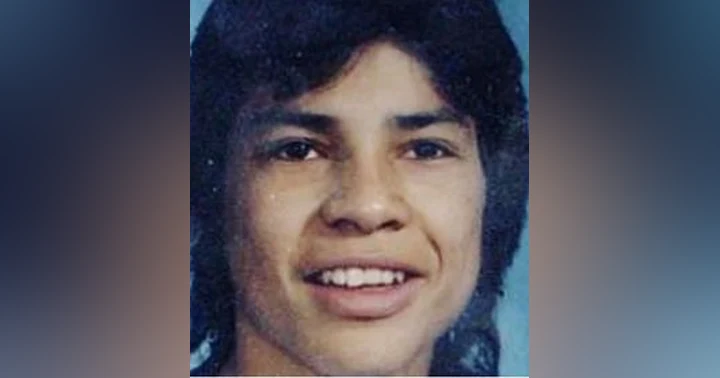
In 1990 Neil Stonechild, a 17-year-old Saulteaux First Nations teen, was last seen on a freezing November night in Saskatoon, handcuffed and bleeding in the back of a police cruiser. At least, according to the disturbing testimony of his best friend.
Five days later, Neil’s frozen body was found in a remote snow-covered industrial field near Saskatoon. The official cause of death was ruled hypothermia. But the haunting details—and Jason Roy’s chilling account—suggest something far more sinister. One of Neil’s shoes was missing. His wrists bore strange marks.
This episode examines the deeply unsettling circumstances of Neil Stonechild’s death and the long-standing pattern of abuse tied to a chilling practice known as the Starlight Tours—where Indigenous people in Saskatchewan and other neighboring provinces were reportedly detained by police, driven out of town, and abandoned in lethal conditions. We’ll follow the trail of conflicting statements, cover-ups, and a long-delayed public inquiry that still failed to deliver real accountability.
Neil's story isn’t just a cold case—it’s a window into a systemic legacy of racism, institutional neglect, and community resistance. His name remains one of the most haunting tied to what’s now widely known as the Saskatoon Freezing Deaths.
Visit our website! Find us on Facebook, Instagram, TikTok, Patreon, & more! If you have any true crime, paranormal, or witchy stories you'd like to share with us & possibly have them read (out loud) on an episode, email us at pnwhauntsandhomicides@gmail.com or use this link. There are so many ways that you can support the show: BuyMeACoffee, Spreaker, or by leaving a rating & review on Apple Podcasts.
0:02 He had no means of transport. He didn't have a car or a bike, and public transit would have been fairly limited at that time of night, especially in an industrial area that was not particularly populous. So how and why did he end up there? Despite what might seem a charming nickname, nothing can prepare you for the horror that is a starlight tour. Hi, Cassie, Hi, Caitlin, Hi, Creepy people, hellou Lou. This is PNW Haunts and Homicides where we chat about true crime, the paranormal and all things creepy in the Pacific Northwest or the.
0:58 P and W. If you're nasty, If you're nasty and we know you are, and we also do a nasty Tarot reading at the end of every episode for a little deeper insight into our topic. Is the tarot reading nasty? Specifically? I feel like the true crame ones are they can get They can get pretty nasty if they're not like hopeful or feel like they're about the person the sad thing that we're talking. I completely lost what I was saying. Did you see what just happened? I one in the middle of a sentence, forgot what I was talking. About and I tried to make where its happen, and I was just like, I don't, this is not making sense. I knew where you were going.
1:44 You like a general sense of it. Yeah, no, Taro read. Sometimes they're nasty, sometimes they're not. Okay. I want to rewatch that and just see that idea fly out of my brain, Like I want to see the moment in my eyes where I completely lost it. You're like, I don't what was I saying? But anyway, that's you. That's my impression of you. Just now, that was my impress I was just doing an impression of you. Wow. So I'm doing an impression of you doing an impression of me. It's impression exception. Pretty meta. Wow. Well, this isn't really a paranormal spooky episode. I don't think unless you're surprising me today. No, and you know what, I.
2:36 Hope that you are well stopped from the holiday. I am not opening. I have nothing, nor do I want to drink because I drank for two days straight and I am not feeling the best. Oh No, I've actually been on very good behavior and this is my reward. I'm so proud of you. Thank you been on my worst behavior. Literally, and I am so proud of you. Hey, we said we. Were taking a vacation, a break, a mini break, so yeah, break hard. I breaked hard, so hard I broke my body.
3:16 Well, cheers, humid are okay, I'm just going to start now, I'm really gonna You can't stop me. We're listening Neil stone Child. It's hard to know what to say about this young man. How does one even approach the task of adequately encapsulating all the multitudes that a single person contains. For decades, many of his loved ones have tried. His older siblings Erica and Marcel, his mother Stella big Nell, and younger brother Jason have frequently spoken fondly of the seventeen year old that they knew to be friendly, outgoing and caring. It's a bit dawn trying to put all of the complicated facets of someone into words that do justice to their unique complex humanity. Who was this person?
4:13 What was it like to know them? Neil was an accomplished bantamweight wrestler and was even the inspiration for a beautiful mural, a series of murals actually created by one of his best friends, Jeffrey Crow at Kilburn Hall. In the early nineties. That sounds really cool to you have pictures. Yes, Oh wow, they're really unique. They are. They're very colorful. They really seem like, just looking at them at a glance, like they really feel like like they're about something.
4:54 Yeah, do you know what I mean? I know, like all art is supposed to be about something, right, but they just feel like they have like there's more. Yeah. I don't know how to like really put that into words. That's what I was like having. I was trying to say something to describe like what like what these are? I don't know, and I can't do it. It's hard to like put your finger on what exactly is like the right word for them. They're beautiful, they're interesting. I'd like to sit there and look at them more. I know. At the time of Neil stone Child's disappearance, two things were true. He'd been attending AA meetings without fail for some time, and he'd also been drinking on that fateful night.
5:47 His personal experience trying to navigate a healthy relationship with substance use and his Soto First Nation's heritage made him vulnerable, certainly to the. Pitfall of prejudice. It's easy to see how those prejudices likely contributed to both his untimely death and the widely criticized handling of the inquiry that followed. Neil was about fourteen or fifteen when he began to test boundaries. Not that I claim to be an expert, but for both younger children and teenagers, pushing limits is such a normal part of development and growing.
6:33 Up, right, and then like the beginning of high school age, that's like especially I feel like. Yeah, and I mean, at this point kind of where our story takes place, he's seventeen, and so he's really like beginning to kind of come into his own as an adult. And part of what ultimately has to happen is you really do like have to you know, find your place as your own individual person in the world. It is it's rough times at certain ages. Evaluating potential consequences isn't something that we do adeptly. It's often only with the benefit of hindsight that young people.
7:22 See where they have aired. Though his offenses eventually rose to a level classified as criminal, they were never characterized as violent. His juvenile record consisted of breaking into entering charges, which on the surface, actually I feel like sounds much scarier and far more serious than it sounds like they were in his case, and they had resulted in his placement or sentencing to a group home for juvenile offenders. In particular, it's important that there's access to resources that support their continued development, and that when necessary, rehabilitative services are readily available. Neil seemed to be trying to take positive steps in his life, and nothing he'd done was something that he couldn't come back from, especially in light of seemingly having honestly a really great support system. He had a lot of friends and family that were very close to him. They cared very deeply about, you know, making sure that he was safe and his needs were met, and that he knew that he was loved.
8:43 It's very important for a young adult. It is absolutely anybody, honestly, like literally everybody. Yes, Yeah, just for general peopling. That's that's a really basic requirement. Cassie's Wisdom of the day. There you go, Yes, the more you know. On November twenty fourth, nineteen ninety, Neil stone Child disappeared. He was with his best friend, Jason Roy. According to a statement provided by said friend five days after the disappearance, the pair had consumed the better part of a forty ounce or four our friends to the Great North. That's a one point four leader bottle of vodka. Oh ada vodka. Yeah, that's a bit.
9:36 That's a bit. That's a bit. It's not a judgment. It's more of an assessment of a task that I could not personally probably undertake right. Jason Roy's report stated that the pair had parted ways at around eleven thirty PM. According to Jason Roy, he had blacked out that night and had no recollection after the point of their separating. Okay, I mean, I know that happens, But did you drink that much? Yeah? If if you know, you have a night of you know, kind of partying, heavy drinking, whatever you want to call it.
10:18 It wouldn't be until roughly a decade later that Jason Roy would change his statement. In his revised account, Jason would state that when he last saw his friend alive, he'd been bleeding profusely, a wound to his face gushing blood as he was stuffed into a police cruiser handcuffed. He stated that his friend Neil's parting words were, Jay, help me. They're going to kill me. Oh that's not good. No. Neil made that chilling statement on the very same night of his parents that November evening, the temperatures were below negative twenty eight degrees celsius or negative eighteen degrees fahrenheit.
11:10 I have no frame of reference for that, but it's cold. I've never experienced anything remotely near that type of frigid weather like, yeah, and I can only imagine that, like especially like when you think about the wind chill, I mean, that's not only is that it's just so extremely cold, but it's it's very, very dangerous. Yes, it's truly unfathomable to me personally. That's a kind of cold that I just it does not compute. Findings of a much later inquiry found that on November twenty fourth, nineteen ninety, Constables Bradley Sanger and Larry Hartwig responded to complaints of a disturbance at a local seven eleven as well as the snowburied Down's residential community, reportedly involving Neil stone Child. This was shortly before midnight at eleven fifty one. It was a handful of days later, on November twenty ninth, nineteen ninety, that two local men, Richard Harms and Bruce Myers made a shocking discovery. The pair, who were constructing a fence on the property adjoining the Hitachi plant on fifty eighth Street, found a body lying face down in the snow. Renee.
12:43 I really wish I had looked up a phonetic pronunciation guide something for your name. I didn't. You're a relatively minor character in the grand scheme of things for me. Sure, you're a nice fella. Rene Lagameder, at the time serving as a constable, now a sergeant, was dispatched to the scene and carried out a preliminary investigation. When the body was turned over, there were a number of heartbreaking discoveries. Number one, the decedent's jacket sleeves were pulled down over his hands, clearly in an attempt to keep his extremities warm.
13:30 However, possible. Number two, and this is the fact that everyone specifically mentions, and it's that one of his shoes was missing, which I would argue is almost certainly never ideal, But the official report goes a step further documenting a detail that I found even more sad, the wool sock on his right foot, which was the one that was missing. His running shoe was so worn in the heel that only that not only was his skin exposed, but it had clearly become discolored by treading over dirt and gravel. An autopsy was subsequently performed at Saint Paul's Hospital in Saskatoon, which is thank god, It's like one of the most fun words to say. It's kind of the only bright spot in this I'm not gonna lie. The pathologist concluded that the cause of death was hypothermia, which makes me feel like maybe I could be a pathologist. You've probably already guessed. This poor soul was later I identified as
15:02 Neil's stone Child. It would be made clear in hindsight that it wasn't the first, nor would it be the last, time that an Indigenous man, woman, or child would be left out in the cold by law enforcement in an intentional and incredibly cruel act. Though Neil's body had been recovered from an undeveloped field in an extremely isolated industrial area, the Saskatoon Police Services investigation into Neil stone Child's death determined that there was no evidence of foul play. Officially, his death has never been ruled a homicide.
15:46 Okay, I mean I I'm sure you're going to tell us more evidence, right, because the things you've told me so far don't I can't remember anything sounding like he couldn't have just wandered away. But m. Yeah, this is usually not why we're here. So yeah, yeah, no, that's fair, that's a fair assessment. Here's the thing, And I've heard a lot of accounts from people that live in or around the area where he was discovered and where he lived. I actually listened to another podcast that they went and visited the field where he was found. Neil had no reason to be in that area where he was found. It was at least twelve kilometers away by car from where he was previously or last seen. You're not walking that that's very far.
16:51 It's almost eight miles at minimum. He had no means of transport. He didn't have a car or a bike, and public transit would have been fairly limited at that time of night, especially in an industrial area that was not particularly populous. So how and why did he end up there? Despite what might seem a charming nickname, nothing can prepare you for the horror that is A starlight tour in the Saskatchewan, Manitoba and Alberta provinces of Western Canada.
17:32 Law enforcement became known for the practice of picking up or otherwise detaining Indigenous people, in some cases for fabricated crimes, only to later abandon them in isolated and often extremely treacherous conditions. Why because racism. I just I don't understand it. I don't want to understand it. I feel like that's the thing, is that it truly is one of I just I can't really wrap my head around it, around it. I know that rural law enforcement in a lot of jurisdictions has there have been documented cases of like kind of a similar practice, but in the case where somebody's literally going to die of exposure.
18:27 I can't. I can't. I can't understand that. It's not okay anyway, It's not okay. Is that literally the purpose of Is that why they're doing that? To drop them off so they don't make it home. I don't know. I don't know. It seems like anybody who lives in you know, these somewhat smaller communities, and you know the time of year that it is, you're a Canadian resident, you understand and how serious it is to be out in those temperatures I don't see how you could expect there to be any other outcome. This is before cell phones, this is before uber like. What could you possibly have thought would happen?
19:22 Certainly nothing good. That's the only end result I could see. Yeah. Most sources state the practice was first documented dating back to nineteen seventy six, though the history of racism against the indigenous population has certainly been documented for hundreds of years prior to this, and in many places, literally on multiple continents. Some have even stated that the horrific phenomenon of starlight tours has continued, though the most well documented cases have taken place decades prior. And I don't think it stopped because people stopped wanting to give starlight tours.
20:11 I think it stopped because enough of these were documented and enough of the information made it into the public consciousness that it had to stop. Why they call it that, that's terrible? It is In any case, fatalities related to the starlight tours have been documented with alarming frequency, and are thus often collectively referred to as the Saskatoon freezing deaths within that province. Of course, it goes without saying that this type of behavior runs contrary to what many might envisage as the mission of law enforcement to protect and serve. Seriously, one Reddit comment provides an insightful summary of the practice in all hostile views of Indigenous people, Colonial police institutions, and institutionalized indifference make the Starlight tourist shocking but not surprising.
21:17 They're part of a wider pattern of how colonial and state institutions treat Indigenous people. There's a well established pattern of abuses against indigenous populations in not just the United States and Canada, but the world over. Neil's friend, Jason Roy and his family were ultimately placed in an RCMP witness protection program as a result of the shocking turnabout in his testimony. Wow, that's intense. It would take thirteen years for an inquiry to be launched into the death of Neil's stone child.
21:58 Thirteen years? Yes? Did it only happen because he came forward? And with the new information? Is that why? Or was there another reason? That was a big part of it? Okay, my god, it took that out there. I believe that, Like I said, this was not an isolated situation. And there are other documented cases and I'm going to touch on another one of them and I think I think that also played a part. During the course of that investigation, the two officers, Constables Brad Sanger and Larry Hartwood, were charged with unlawful confinement, despite maintaining they had no contact with Neil stone Child on the night in question and that they were not responsible for his death. They literally, for over a decade were up and down that they had not interacted with this young man that evening. Okay, which is so easily proven false.
23:04 The final report produced from the inquiry would profer significant evidence that appeared to strongly contradict their assertion on both points. Okay, this is what I've been waiting for, some evidence. Let's go. I'm barely even going to touch the tip of the iceberg because there's there's so much and a lot. It's frustrating because unfortunately, what really happened here is they were like hypothermia bummer, and the initial investigation. Was so shitty. That I I don't think I need to tell you how this is going to play out.
23:46 I will, but I just I want to know what you know. I know that there's more to this story, and I want to know what you know, Caitlin. So let's go tell me what you know. I know, I don't know why I did this to us, because it's important to it is, talk about it and not let people get away with. Bullshit literally murder. Yeah. Both men were fired by the Saskatoon Police Department in two thousand and four, though they were ultimately never criminally charged. The city's deputy police chief, however, was charged with disreputable conduct under the Police Act, uh, which I didn't see a lot of details around what kind of a sentence that carries. I can't imagine that that's anything, but that just feels like something they did to appease the public.
24:43 I was gonna say, that doesn't sound like anything like a slap on the wrist type of thing. Yes, it really sounds like a big bag and nothing. Yeah, it's a big bag of Nope is what that is for? Something so fucking serious? Like, Yes, it's kind of It reminds me in a way of because I feel like it all goes back to it's not just racism, but it's also like toxic masculinity, because I feel like it reminds me of probably more in like the twenty tens twenty teams where we started to see like formal charges being filed against fraternity members for hazing pranks.
25:32 Yeah, that went horrifically wrong. And I feel like it's like the environment can, in some critical systemic ways, be very similar, unfortunately. And this seems like it's not exactly the same, obviously, but it does seem like a similar sort of hazing type of situation, right it is. It's like and I hesitate to even like compare it to that or liken it to that, because that seems in a way like it almost takes away from the seriousness. But I feel like that also got really serious and in death too, it did. And I feel like there are these very extreme situations that have come out of what people thought was just like, who won't it be funny?
26:23 Right, that's what it shows. Why would that ever be funny? Like, I don't think you understand comedy at all, dude, dude, bros. So remember Jason Roy, the best friend Neil was hanging out and drinking with in the evening prior to his disappearance late into the night. He stated that when he had been questioned by police late that night, he had given them a false name, Tracy Horse. Record show that Constable Brad Sanger entered the following queries into the CPIC or Canadian Police Information Center at eleven fifty six pm.
27:11 Tracy Horse and Tracy Lee Horse. So to put this into context, they show up and they're responding to a disturbance at eleven fifty one that reportedly involves Jason Roy and Neil Stonechild. Eleven fifty one. Five minutes later, he is looking up the alias that was provided by Jason Roy in the police database. Okay, so this is mere minutes after he and Constable Larry Hartwig reportedly responded to those disturbances at the seven to eleven and the Snowberry Downs Complex, both of which again were said to have involved Neil. The two of them were together. So tell me again, you never interacted with Neil stone Child. Oh okay, they were together. You're literally looking up the fake name that his best friend gave you. I see, Oh is there another Tracy Horse?
28:22 I don't know, is there no? Now, that alone seems like pretty compelling evidence that the officers were lying when they denied coming into contact with Neil's stone Child that evening. I mean that right there. I was like, it took me a while. I had to read and reread the excerpt about this, and I was like, who the fuck is Tracy Horse? Seriously, Tracy Horse isn't real, That's why. Yeah, why would they be searching for his companions fo alias if they never interacted with them? I just yeah, clearly were they Were they going to try to say, well, no, we interacted with Tracy Horse.
29:04 That's not the same. Yeah, how do you know how Tracy Horse? Yeah, never heard of her. Who's ever gonna know? How would they know? How would they know? But they fucking know because all of that shit's locked. But the additional CPIC search query for Neil stone Child that feels like very nearly, if not entirely, conclusive evidence that the two officers did in fact encounter Neil on the night. Of his disappearance and subsequent death. Why would you be looking up this person if you're not in any way interacting with them. I'm sorry, I have to call bullshit, Like they're not just ra or perhaps horseshit?
29:51 So what was it? Tracy Horse Horse? But they don't just like randomly no, like they're not los No, yeah, no, no, that seems like a bad idea. Yes, no, In fact, they can get into trouble for just like randomly utilizing police resources that way, so which obviously that would be a I'm sure that would just be a conversation with the superior if it's. Like the first time that happens. But yeah, I mean. They're not just supposed to be utilizing like those databases as. Like, and it just happens to be a global search. Yeah, yeah, like disappeared.
30:37 Yeah, Nope, that's I'm sorry, that's that's sess mm hmmm. No, they fucking interacted with him, and that that log. I'm sorry for legal reasons, I have to say, like I wasn't there and I don't know what happened, but they've come on, come on the receipts. Yes, Yet for decades, both officers have maintained their innocence. In the first interview, Hartwig gave more than ten years after the inquiry, my skin, I can feel it getting red and hot, he stated, I'm not known for the things I've done. I'm known for the one evil thing I didn't do. What evil thing I'd like you to name it? Yees, seriously, please please tell us tell me more about how you didn't interact with this kid. The inquiry initiated by the provincial government concluded that stone Child had in fact been picked up by the officers in question on the night of his disappearance, but that this fact had not been recorded in their log books or their memory banks. Additionally, it was concluded that marx found on Neil's body, both on his nose as well as his risks, could reasonably have been caused by handcuffs.
32:03 Oh. I was kind of waiting for that one, Like I felt like I knew there's going to be something with handcuffs involved. Yep, yeah, because he was he was cuffed. Like, how do you think you would get away with it? It's going to be so clear if you handcuff someone like, there's going to be marks, Like that's that's uncomfortable pain. Well, it depends on how you It depends on how you cuff them, right, because if you're doing it like by protocol, I don't necessarily know that you would be leaving marks, right. Okay, Well, I'm thinking I guess I'm thinking of someone like trying to struggle to get out of them. I guess as well. Yeah, I'm thinking, and that's fair. You know, I'm not well acquainted with the protocols for handcuffing someone.
32:46 I guess, you know, we can ask my hand right, And I'm bruise easy too, So I'm just like thinking of me too. I know, I would just be like all kinds of like shades of purple and. Blue metal around me. Is I'm going to get a brun So I don't know, Yeah, I just yeah, it's just sicky. Well, And I think ultimately what it comes down to is like if if there were marks on his body that showed there was some sort of a struggle or some sort of restraint, Yeah, that's one thing, because that could be a lot of other things. But if they're saying it's consistent with handcuff specific who has handcuffed the police and. He probably didn't handcuff himself like that seems very unlikely.
33:29 Yeah, I would say so, I would say, so. No foul play my b hole. As in your butthole, your bunghole. I'm in a great man. Yes, it is bs. No, no no, no, no, no, no no. No, it's not bullshit. It's horseshit. It's tracy horseshit. It's tracy horseshit. Ghs, oh, look at you. You're working overtime. Baby. The report even confirmed that relations between law enforcement officers and the local First nation's population were problematic. You don't say ultimately, However, the report stated that the death investigation conducted at the time was not adequate to conclude what the specific circumstances were surrounding his death.
34:26 Yeah. I mean, that's one way to get away with murder. Just you know, shitty investigation on the front end. The conclusion of the inquiry has been heavily criticized. I think there are plenty of valid reasons to be skeptical, but I found one that feels like sort of a Florida man thing. Oh boy, I can't wait for that. I don't know, I'm not sure it's quite the smoking gun that it felt like when I stumbled on it, But I couldn't resist Florida Hello again. So this might not even be one of the best examples, but it's one that stuck out for me. So take for example, doctor Emma lu who contributed their expertise as a witness.
35:17 While she was born in Saskatoon and attended university in Saskatchewan. At the time, she was working as a forensic pathologist in Miami, Dade County. That sounds familiar, like I've heard that in a few Florida stories. Uh huh, yeah, because it's from Florida. She stated that she did not have much experience with frozen bodies. No shit, Sherlock, not in Florida, Miami Dade County. I don't know if you're aware, they don't see a lot of snow. I mean, maybe it freezers. I've seen that on shows. Yeah, most of the time, murderers aren't going out of their way to preserve the body or evidence.
36:04 For you, it's like real sickos. That's why I've seen it in TV shows. I hope it's not real. I hope no one's ever ever done that before. You know what, if it was on TV, it's because somebody did do it before. I will tell you that. I'm just going to say. So, we've brought in a forensic pathologist as a witness that doesn't have experience with frozen bodies when that's the very specific set of circumstances the inquiry is hoping to evaluate. Yeah, that's interesting choice. It is a choice. I'm not well acquainted enough with her qualifications or expertise to do much here. Besides, I don't know, just give her section of testimony a side. I but it sort of just seems like, why is she here?
36:59 Yeah? I mean there are a lot of ways the people die. There are a lot of manners, places, situations where the bodies are discovered. But how exactly is her testimony helpful here? I really, I really want someone to explain to me why make it makes sense? I don't know. Maybe all pathologists are just equally qualified and nothing to see here. I just I don't I personally, I can't see it. Not a pathologist. I just I'm really upset. I'm really upset because I'm like, these are very, very different and I but we have to move on.
37:41 I mean, I could see why you're upset. Uh huh. Yeah, it's honestly, it's half the reason that I had to put my hair up today, because otherwise there was a really good chance that I might rip out a. Hunk of it. But don'pe you doing that. Additionally, another recent case was fresh in the minds of many from shortly before the Stone Child inquiry, which I think makes it really difficult to parse out the complicated power dynamics and emotions involved in reviewing the evidence in cases like this, Officers Dan Hatchin and Ken Munson had been incarcerated. When Darryl Knight survived and came forward regarding his traumatic experience as a victim of the starlight tour practice, this is sometimes Honestly, I think the worst part about his case is that you see it being touted as kind of an example of how officers are being held to account. But for reference when they were sentenced, I mean it was months. They received months of jail time for trying to abandon a person in subzero temperatures in an isolated area.
39:13 Seems like attempted murder. Yes, yeah, I think that should be attempted murder. Even many years after the stone Child Inquiry concluded, troubling details regarding law enforcement and the Starlight Tours continued to surface. Even many years after the Stone Child Inquiry concluded, troubling details regarding law enforcement and the Starlight Tours continued to surface. And this is the part that doesn't necessarily relate specifically to Neil's case, but this made me so fucking goddamn bitchin mother fucking angry. I in the four year period of twenty twelve to sixteen, the Starlight Tours section of the Saskatoon Police Services Wikipedia page was deleted multiple times.
40:12 According to an internal investigation, it was determined that twice said edits originated from a computer within the Police Service. The call is coming from inside the house. Wow. A spokesperson for the force denied that the removal of content was officially approved by the force, by the service, by any official body. According to a report released in March of twenty sixteen by The Star Phoenix, a quote police spokeswoman acknowledged that the section on starlight Tours had been deleted using a computer within the department, but said investigators were unable to pinpoint who did it. The police spokeswoman stated that the force is working to and I'm going to quote because I'm sure should not saying this move forward with all of the positive work that has been done and continues to be done that came out of the Stone Child inquiry. And all I have to say is that bad Apple is lucky that the IT protocols of the Force only keep logs of specific computer data for up to thirty days unless it's deemed necessary for some specific reason.
41:29 Wow. Okay, so they knew, they knew, they could narrow down the IP that this person is using, but they can't narrow it down to device or anything more specific than police station. Right. I mean, I bet they know who did it. I actually I looked at an interview that was done with I think it was a college graduate student who was commenting on it, and it sounded I believe him. I believe him, and I think this wasn't somebody that was necessarily affiliated with the department. It was somebody who was like, this is what the IT protocol is. There's unfortunately, there's no like the cats out of the back. We know that it came from within the department, but the window of time for us to determine who specifically or like narrow it down further, it's it's.
42:30 Gone, right and there's no way to get it. But I just I feel like the people who are in the department, Oh okay, I see what you're saying. Yeah, I see what you're saying. Yeah. Like, I just feel like they have to know who did it. I don't know. I feel like it happened twice, so either there's one person and they're probably not somebody that is operating underneath the radar. It's probably a known commodity. You know, they are probably aware that this person is maybe problematic, or there's two people that are you know, who knows, I don't know. Neither of those things is good.
43:11 They are not going to give it up, though. So bad actors, particularly those in positions of power, move in our world knowing that many will partake in their misdeeds, some directly, some will remain indifferent, and far fewer will oppose them or take any real action. But indifference can be very dangerous, and in a way, doing nothing can be violenced too. Take the example of a disabled Indigenous Manitoba man who was essentially ignored to death. I hate that at the hospital he remained in the waiting room for thirty five hours. And this is the most racist thing.
44:03 I mean, there are so many racist things, but it's the most racist thing that I've read all day today, and I've read it so many times. The hospital staff assumed that he was drunk and passed out. Assumed it's like the cruelest stereotype because we brought the fire water right. It's like we introduced. This to their happy, beautiful way of life, and then we shamed them for. It because we're ashamed of ourselves, Caitlin, as we should be.
44:45 The hospital staff assumed that he was drunk and passed out, only to later discover he'd actually gone into rigor mortis. Oh my god, I mean, is it standard to just leave a drunk, passed out person in a er waiting room? Is that what you said? It was? Yep, it was the hospital without just checking on them. I mean, anything can happen if you're drunken pasted out too, like yep, like choke on your own, bombit or some shit like check on exactly, check on the person. Like, regardless, this is still a fucking person. I feel like, I feel like I'm I.
45:26 Feel like I'm taking crazy peals. Well, and they were clearly trying to get help if they ended up in an er waiting room, so like, yep, fucking help them. Yeah, that's what you're there for. I feel like it takes a special type of cruelty and indifference and evil to specifically drive someone out to the middle of nowhere in conditions that you know could be fatal. But this is just truly like the definition of neglect. There were so many, so many cases, and Cassie, they didn't they didn't just do this to boys. They didn't just do this to adult men.
46:11 I read about a pregnant woman. Wow, that's extra fucked. It's so horrific because they came up with like a special like it has its own like subcategory, the Saskatoon freezing deaths. So this happened enough times with enough frequency to enough people that there are survivors of it. But there are also enough documented fatalities that it like like it has. A name that's just so horrific. It probably goes without saying at this point, but I cried a lot through the course of putting this case together.
46:53 I remember one night I was writing this up and the cover page of the report that the inquiry produced, it's a crime scene photo of Neil. The cover page, Okay, you. Can see the Hitachi like the manufacturing plant, their industrial space. You can see that in the background. Wow. And I had to close the office door because I just I. Was like, this isn't going to be I'm not going to cry in a way that like it was full ugly cry and that's okay, And I feel like I needed to do that because the idea that someone would be so cruel it's never okay to hurt another human, right, But I feel like so many of us can understand kind of in some way, we can understand where maybe you are pushed to the edge and you.
48:00 Do something you know, horrific. I don't know. I'm trying. I'm struggling to put into words because I feel like, if you kill someone with a gun, like you killed them and I hope that they're suffering. Is I hope that doesn't last long? Yeah, But for somebody to die of hypothermia. I mean, it's like torture, it is. I mean, and he was a kid. I mean to just say, like, I don't even care enough to actually kill you. I'm just gonna leave you. I don't something about that. I feel like it's like I don't even care enough to kill you. Yeah, I'm not even gonna do it myself.
48:46 I don't know. Maybe that makes no sense. I just know it makes total sense to me because it's like you're leaving them knowing that they're going to be suffering. I think that's what I'm trying to get it. And I feel like maybe I'm going about saying it the wrong way because part of me is like I think some of us can understand what it would be like if, like in a moment of like passion where you like fire a gun at someone. I don't ever want to be in that position, and I hope that no one else. Obviously somebody is going to be in that position someday, but like, but to just be so callous, it's just so ugly. It's so ugly, and for it to be someone who is supposed to be serving this community is just yeah, to be honest, I think because so much related to this story, it doesn't seem to offer the outcome that we would hope for. I really struggle to figure out a way to conclude this, and I for patrons, I'm I'm definitely going to be continuing a conversation related to murals, particularly some in rehabilitation or correctional facilities. Oh, I like that randomly, it just sort of popped up.
50:06 It's random. It's random because it's like from all over the world too. And I might go and look for some more to add in, but I guess the rest of us have to fall back on finding some sort of bright side with the tarot reading. I guess I guess I'm saying, let's hope it's a good one this week, not a nasty one. Yeah, that's all I got for you. I mean this, Yeah, I think maybe that's the worst part. Though his family knows what happened, but like it doesn't feel finished, it doesn't feel like and they never got justice for this and they never will.
50:47 Yeah, that's exactly what was just going through my head, Like there wasn't any real justice at all, even if you know what happened. I think that was the hardest part is that so often, you know, I do talk about cases where it's like, you know, eventually it feels like there's something that feels like a silver lining, and I just. It's so sorely lacking here. I can't I can't promise that like every week, I can't promise that they're all going to end well. But like this one just seemed like it just got worse and worse and worse no matter what I no matter what ankle or what right where I tried to go.
51:30 It just I mean, I do see one bright spot is like obviously you're talking about it. People know, yeah, and they know that people know, so hopefully it doesn't keep happening like now. Yeah, But I mean I know a lot. Obviously, I know the world we live in, y'all. I know that a lot of terrible things are happening. But it's important that you know, at least people know, Like it's not being completely buried and hidden, and there's a light on it, so watch the fuck out. That's kind of where I land on this too. It's like, well, it doesn't It's not always going to have a nice neat ending. And I guess I just have to live with that us too.
52:16 Thanks. I want to feel bad for. Us, and then I think, you know what, think about what their family is going through. Yeah, people have to live with a lot worse. That being said, we should all be taking care of our mental health because we don't want we don't want to become monsters. I mean, I know we call you guys creepy people, but don't be like that creepy, you know, I mean creepy, but not like a monster. Don't be a monster unless it's a cool monster. I don't know, like a sparkly vampire or something. Oh oh my god, well OK, yeah, pull out your deck.
52:58 Let's see what we get. Is there hope for future? Tarot? Oh? Taro? Wise, Tarot sending vibes thinking about like I hate to say, like I don't want these people's deaths to like what is that like like in vain? In vain? Yeah, but like it sucks that anybody even had to go through this all. Like I don't want I know, I want to live in a world where that, like things like that just don't have to happen. If that makes sense. They don't have to happen, is the problem. Yeah, I feel like that's what I feel like. I'm glad we're on the same page.
53:39 There. Actually very easy for that type of thing not to happen. Say more, take them home, yeah, yeah, no, for real, don't pick them up at all. And honestly, honestly, I feel like I'm glad they got fired, and they should be, because if they looked up Neil, they probably should have realized that he should not have just been loose. I'm sure he had a curfew. I didn't see anything specifically about it, but typically when you are living or supposed to be living in like a facility for juveniles, that's right, they should have taken him back there at minimum seriously, because like you could drop him off somewhere and he could like if he's.
54:30 A criminal, you know what I'm saying, Like, you're just going to drop him off in the streets and he could run across any old person and right. If he's if he's really such a juvenile offender, take him back to the group home where they are trying to, you know, assert some rules and. Have some super I imagine there's. Yeah, and I don't know that where he had been placed was necessarily a great situation. But I'm just saying like what they did was horrific in so many ways obviously. Just like completely wrong from like logical what. You everything about that didn't make sense and was terrible?
55:13 Yeah, those are the vibes I send. Okay, great, Okay, tell me like left, right, middle, like where you feel left? Leftish, leftish okay, leftish, like a little bit left of center, or like. More left, more left, more left? Okay? Oh okay, this is the two of sword, my gosh, okay, two of swords. We know this one. Well, bitch is blindfolded. That makes sense, not looking, not looking at things, ignoring things.
55:56 Yeah, that's really true. Maybe just deleted it from your Wikipedia page. Wow, Okay, I think that's like a mole on the RPNW deck that has all the I think it is. Yea, it's got a mole coming out of. A hole, a mole. I'll read from the P and W book first. Oh, okay, fancy we get the poem. Keywords are indecision, difficult choices, confusion, and stalemate. Didn't you say something about confusion, like right before you pulled this card? I sink like you literally used that word. I'm pretty sure acting with incomplete information and blindness.
56:40 Could it be more on the mole's nose? I just don't think it could be. Actually, the mole stopped digging as she sensed a change in the soil ahead. To one side, the earth was dryer and potentially more stable, but to the other side, the dampness might mean more abundant selection of worms and slugs. Maybe the roots in that direction would keep the tunnel stable, or maybe she would go deeper where the soil was more densely packed. She wrinkled her nose and rested, paralyzed with indecision, her mind sniffing down the infinite branching paths that the future tunnel before her could take, But she couldn't deliberate forever.
57:29 The mole made a choice and resumed digging, taking the first blind steps in her journey onward. H Yeah, it just makes me think of like choices and you make your choices, and you know, I feel like, you know the consequences of the choices that you make to drop someone off in the freezing cold, which is like, that's what we've been talking about. Keywords are combined resources, courage, faith, friendship, conflict, and balance. In some tarot decks, this art depicts a blindfolded woman holding two swords crossed over her chest. Two's generally signify balance or conflict, as well as pairing. I think of the two of swords as the blind faith card because it can represent courage and making decisions based on your own truth and in some cases, spiritual guidance. The upright, too, can symbolize balancing the right and left hemispheres of your brain, combining intuition with intellect, which I would argue both were missing in this case. Yeah, that was kind of the point I wanted to make. We're like, we're lacking both empathy and intelligence.
58:40 It was very there was a big imbalance and a lot of things. Drawing this card may mean you must make a decision and need to call on both. This two can also advise you to take off your blindfold and look at a situation. Honestly, do we even need to We already got it. I know exactly, you already made that point. Sometimes it do be like that. In a reading about money, the Upright to recommends trusting your own wisdom and inner guidance in a financial matter. Pay attention to your intuition as well as your logic. If the reading is about your job, you may be confused or conflicted about a work related issue.
59:21 Who deleted? We don't know who. Exactly? Oh Cassie too? Oh yeah too? And yeah, so twice it was deleted yes, and then wasn't there two officers? It was yes? Also that yes, two friends. But it was twice that it was documented as specifically having come from within the police department. It was deleted more times than that. Oh, I see. I think it's to tifically document two cases from within the department. Interesting. Yeah, two is a significant number I feel like in this it is.
1:00:04 In a reading about love, this card suggests listening to both your head and your heart. It can mean you and your partner hold conflicting perspectives, or that you're trying to resolve differences and find harmony. I feel like the reverse interpretation is so similar and it has parallels too. It I feel like specifically talks about i'll read. I feel like this is the most applicable. But if the reading is about your job, the reverse two represents confusion, indecision, lack of information, or conflicts regarding your work. It can also warn that colleagues aren't reliable or trustworthy. Oh, you need to look hard at something you don't want to see.
1:00:58 Take a look at the mirror. Yeah, that's the perfect one. Just the blind The blind fold alone literally is just. Well, there's so much about this case, because as it turns out, with something like this where it's it's part of like a greater like series of occurrences, there's just there's so much and there's probably nowhere near as much information as there should be, just given that it's like this is about you know, it's about power dynamics, it's about racism, it's about you know, Indigenous people and how they relate with their community and law enforcement. But one of the cases, and it's often kind of referred to as sort of the first documented case of the Starlight Tours.
1:01:53 It dates back to nineteen seventy six, which is the bi centennial here in the USA Boom America. What do you mean we just had a nice explosion day. Yeah, we had explosion day. Yeah, I know. It's it's interesting. I didn't really think about this case in connection with like, you know, a lack of you know, national pride or anything. But it's good timing, I guess. Yeah. Yeah. But that initial case and just the timing of it that it lines up with like literally the independence of the United States as a newly born nation as it were, I was like, wow, interesting, that is interesting.
1:02:45 I don't know, maybe maybe I'm looking too hard for some sort of synchronicity there. But the part that really got me is those officers weren't fired. I mean back in seventy six. Maybe none of us are surprised, you know, yeah, but they were basically like docked two weeks pay, And like that. Was that slap on the wrist thing. Yes, slap on the wrist is the exact words that were used over and over and over and over and over and over and over and over in connection with this case, but specifically that incident relating, you know, back to nineteen seventy six, and it's just like, have we learned nothing?
1:03:28 Will we ever learn something? I'm going to need them to start issuing some heavy duty spanking, you know what I mean? Yeah, yeah, like I think we might need a paddle, Yeah. Like some sort of biked device. No that's yeah. No, no actual torture, but like metaphorically. Right, like I'm I'm over the whole slap on the wrist era. Yeah. Oh my gosh, this one was a lot. Thank you for shining a light down the mole hole though. Oh they can't stay hidden down there. I know, it's not fair. Honestly, it just made me think of like everything that's going on with like immigrants being like randomly deported to different countries and left there, and like that's not even like where they live, that's not their home, So you're basically doing the same thing. It's just dropping someone off elsewhere where they can't get back.
1:04:24 Honestly, that makes you, I know, because I feel like it's subconsciously maybe I don't. I don't think I could go there in my head, but I feel like part of me was like kind of in a way like subconsciously like drawing that parallel and just feeling like so upset. Because it's like it's still happening, just in a different way, in a really really horrific way. Because this is like the difference is that, like in these cases it was like a Okay, it's like that stereotypical like, oh well, these are bad apples and they're you know, they're doing this when it's not like state sanctioned, and what's happening here is being sanctioned by the state, it, you know, if not in all cases, by the people.
1:05:16 And I don't want to live here anymore. I don't want to live in this reality. Yeah, I mean all we can do is just keep pointing fingers at it. Yeah. Oh, No, matter what we do, this always just gets heavier. This one was like really intense. I feel like we did two back to back, like Ghosty and then Fun Movie one, so we kind of were due for a more. Yeah. I mean, I said, it was very good to talk about and get it out, and it's important. Should we do it? Well, let's do it. Have a creepy ass day.
1:05:56 We'll see you next Tuesday or someone will. Yeah, one of our besties be out. A mole hole, similar to a butthole, but for moles. What what what was it? No, I was trying to think of what I said earlier about your bee hole about Yeah, what was I even saying? Substicious? No, suspicious? What is it? Suspicious circumstances? What what's the saying, Caitlin help me, Oh.
1:06:37 Because they were saying, no foul play, no foul play, my mole hole