





Recent Episodes
March 9, 2026
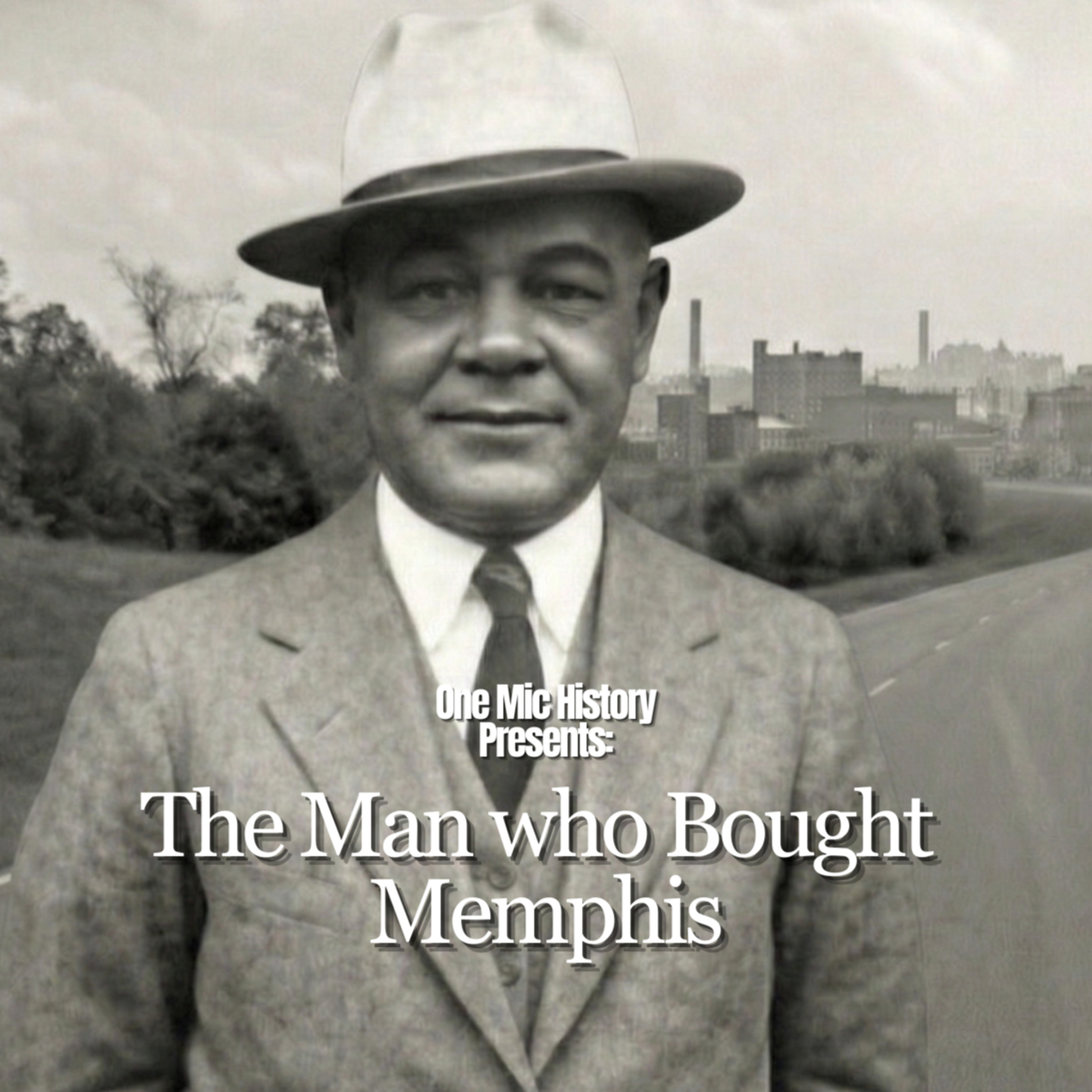
The Black Man Who Bought Memphis
In 1866, a white mob shot Robert Church Sr. in the head and left him for dead in the streets of Memphis. Twelve years later, when the Yellow Fever epidemic caused the white folks to panic and flee, Church used his cash to buy...
Feb. 9, 2026
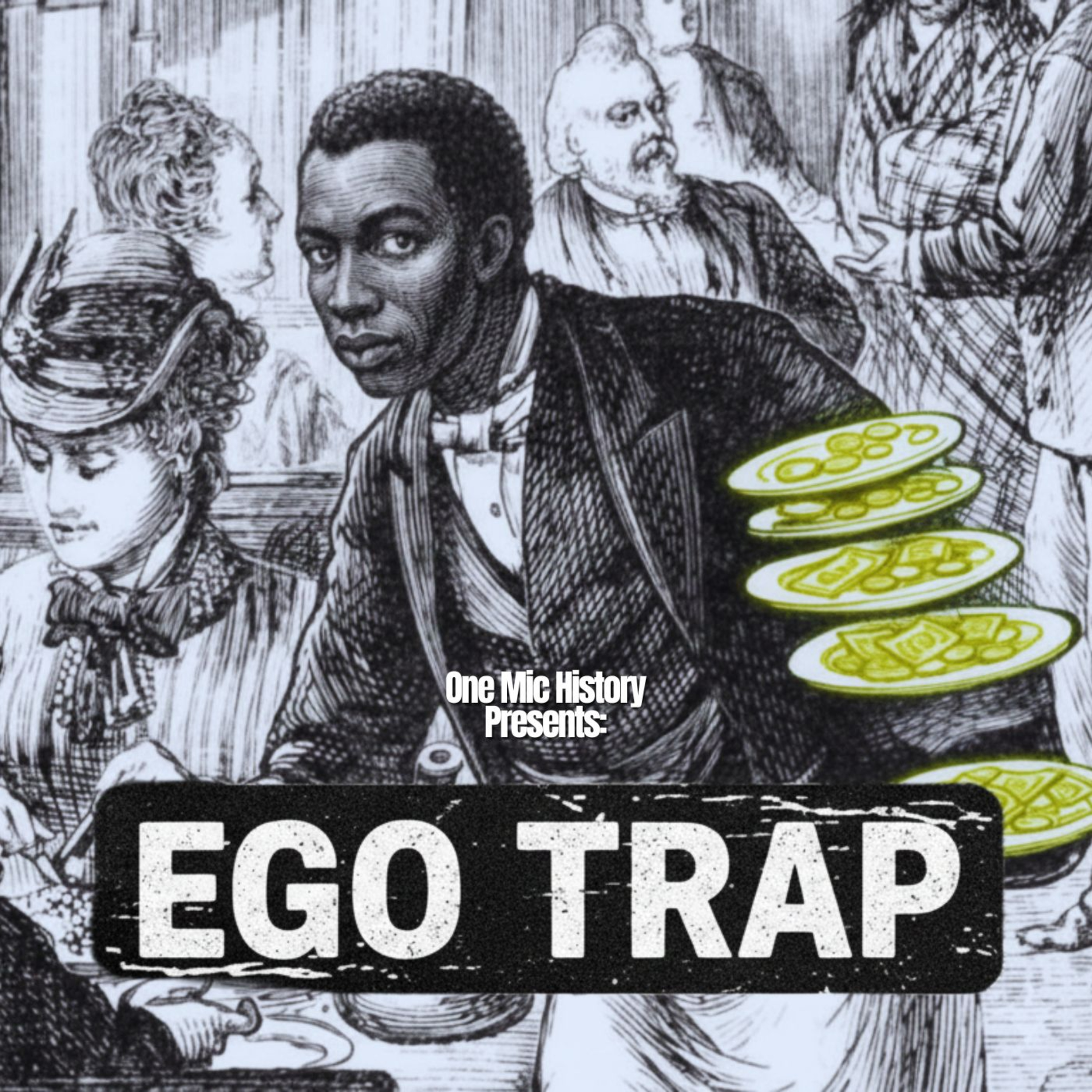
How They Got Rich on a $0 Salary
The Pullman Porters were the backbone of the railroad, but the system forced them to survive on tips. Here is how they took a $0 wage and built the Black Middle Class."Audio Onemichistory.comFollow me on Instagram: @onemic_hi...
Jan. 19, 2026
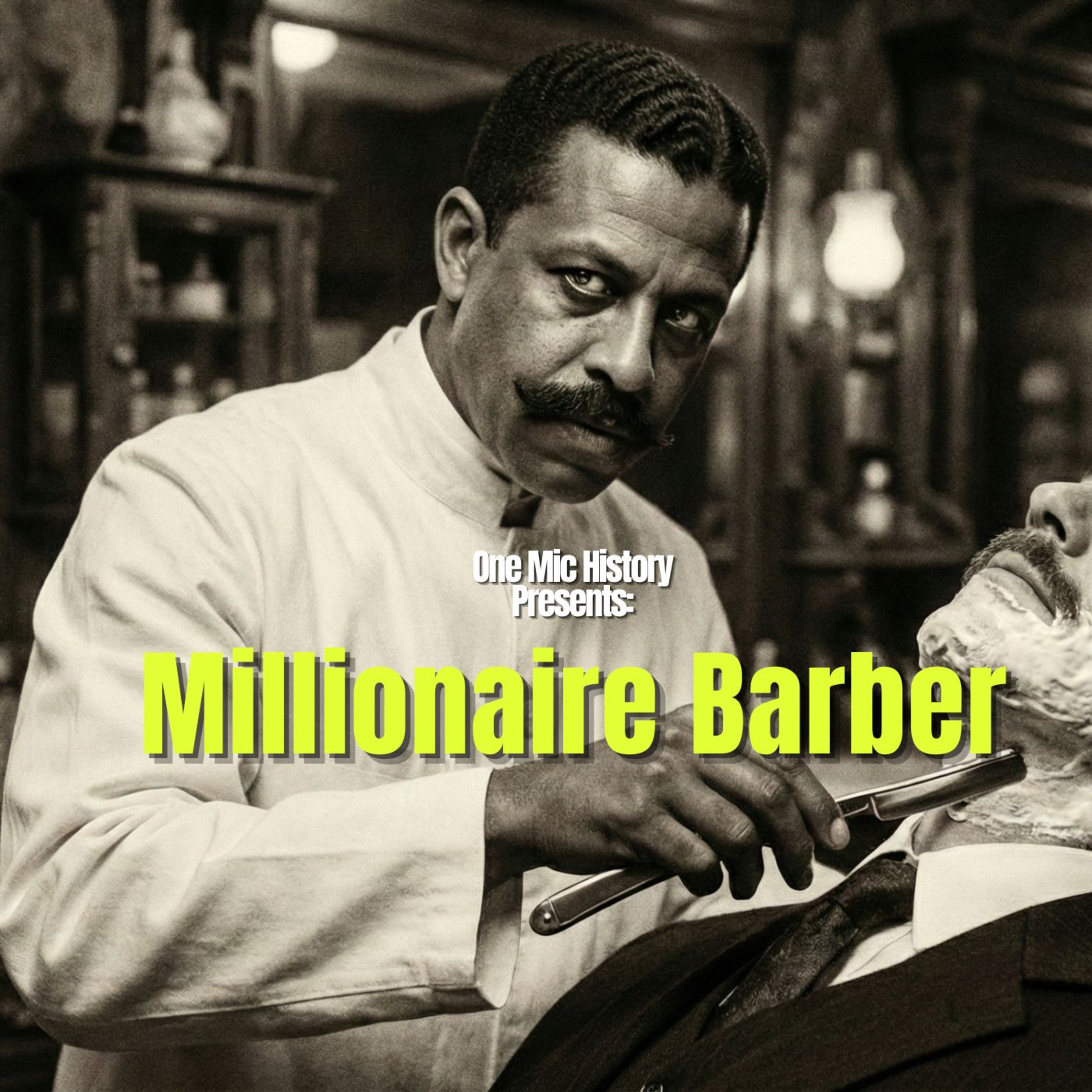
How a Barber Stole the Blueprint from Millionaires
In 1898, the American financial system had a specific label for Black people: "Uninsurable." They said we died too young. They said we were too poor. They wrote us out of the equation.But John Merrick, a barber in Durham, NC,...
Jan. 5, 2026
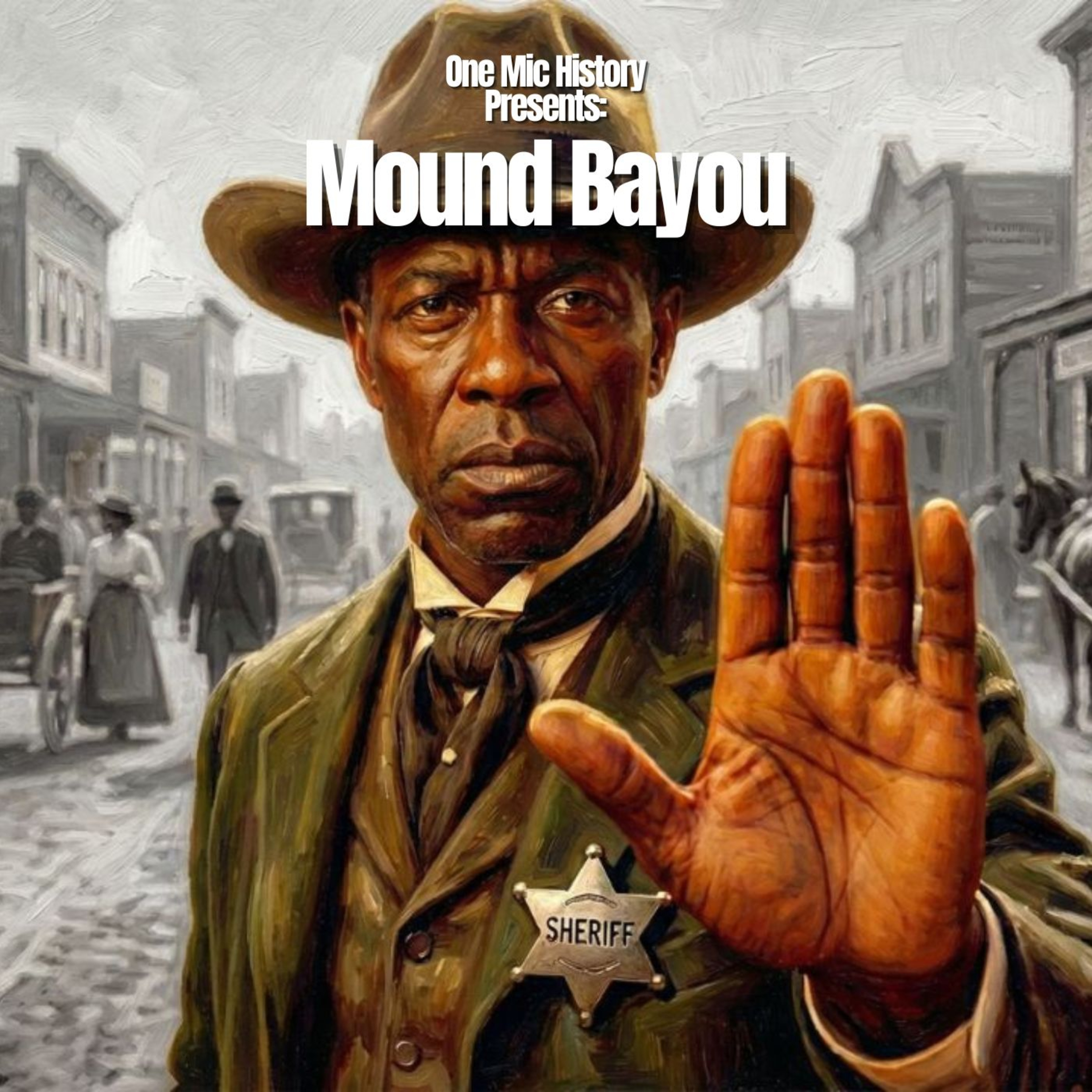
The Town Where White People Were Illegal
In 1904 Mississippi, a white man stepped off a train and made a dangerous mistake: he thought the law was on his side. He didn't realize he had just walked into Mound Bayou, the only town in the South where Jim Crow had no ju...
Dec. 8, 2025
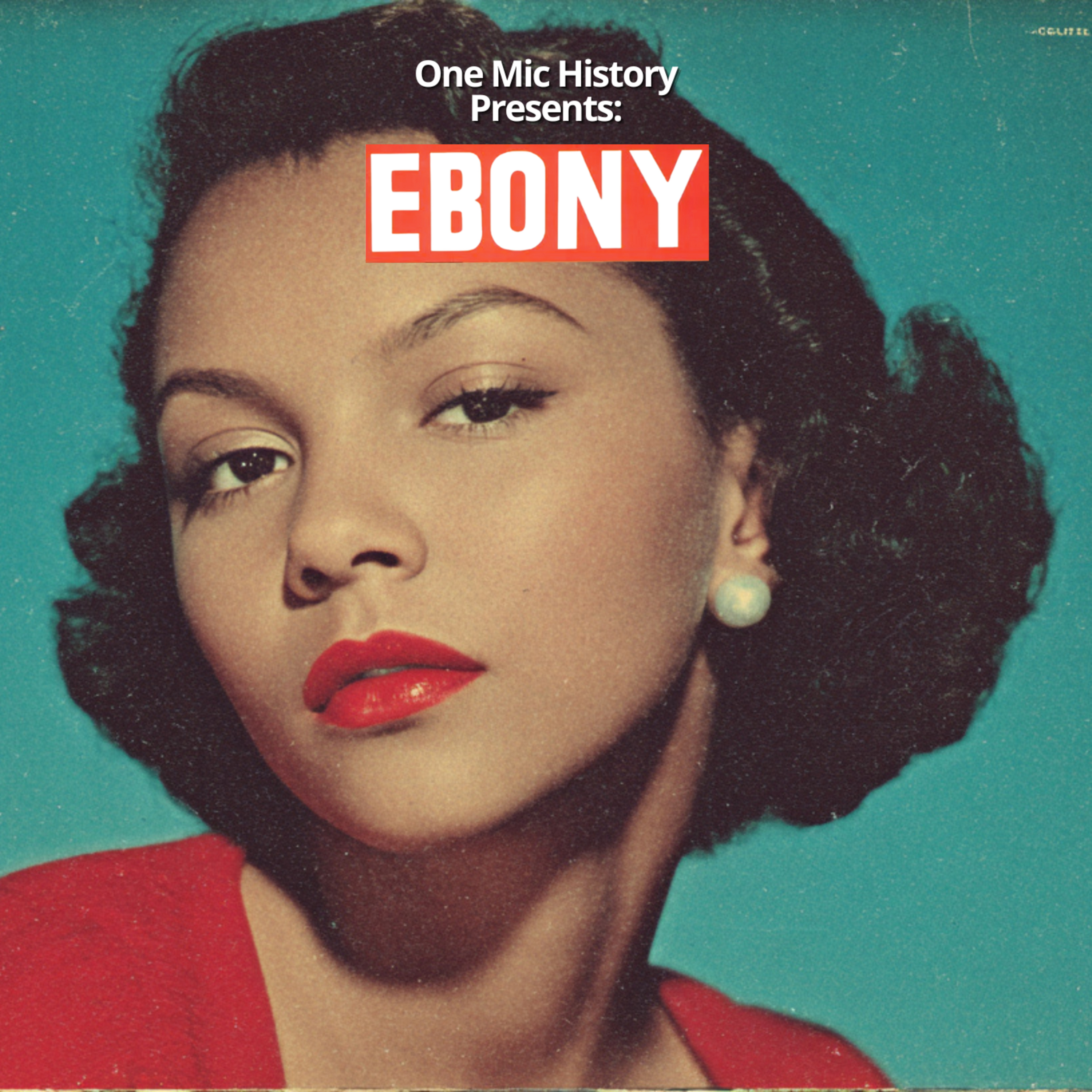
How Ebony Exposed the White Beauty Lie
Two magazines changed the mirror. Ebony and Jet put everyday Black life on the cover, turned a touring fashion show into a cosmetics empire, and forced Madison Avenue to see—then spend. This episode shows how pictures became ...
Nov. 10, 2025
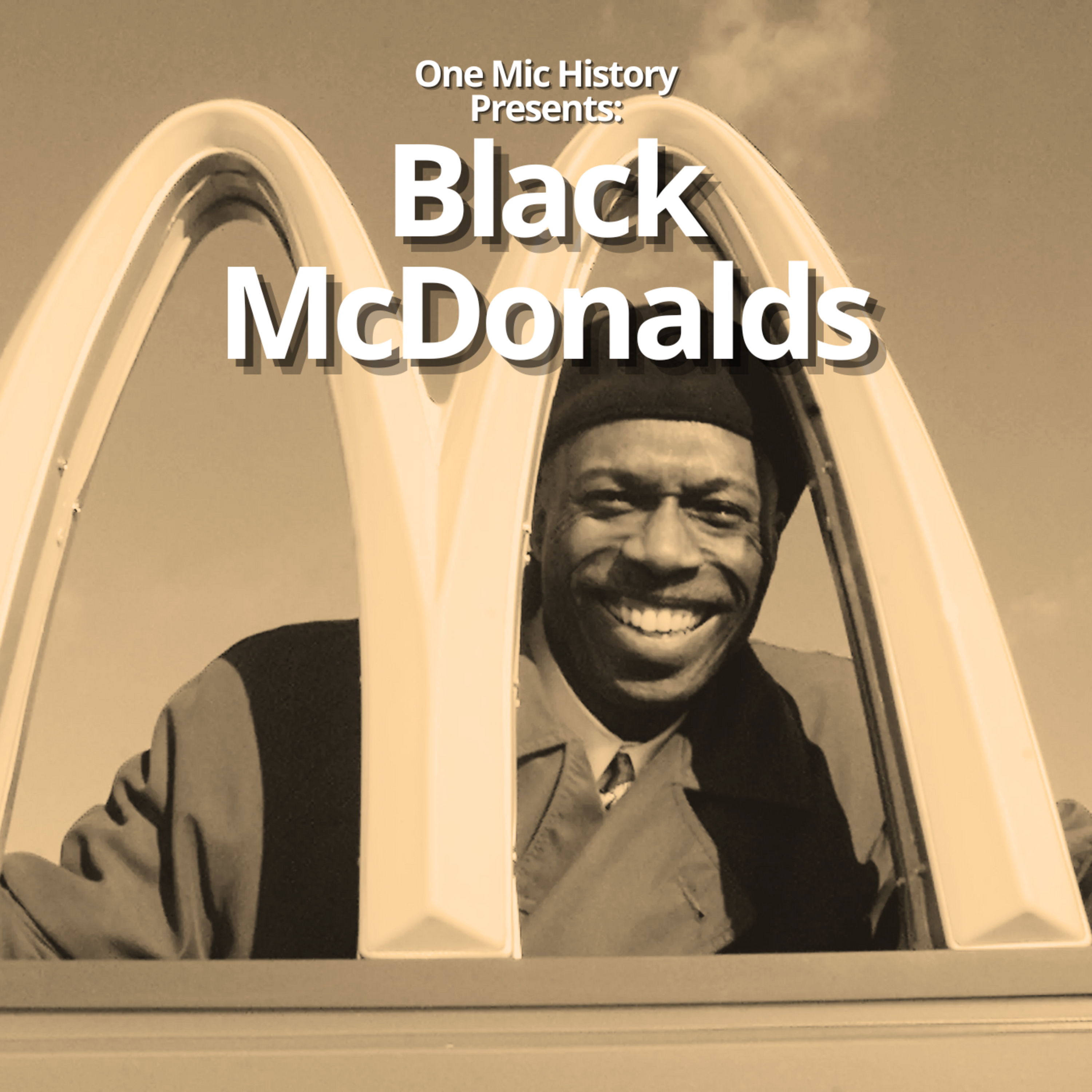
The Deal McDonald's Made With Black America
In 1968, Chicago after Dr. King’s murder. Windows are boarded. Stores sit dark. McDonald’s needs a plan. Operation Breadbasket has one: put Black owners in Black neighborhoods. In December, Herman Petty opens the first Black ...
Listen On





Support On

