Schnucks’ Tim Horton on Center Store Strategy, Health Trends, and Store Execution | FMI 2026
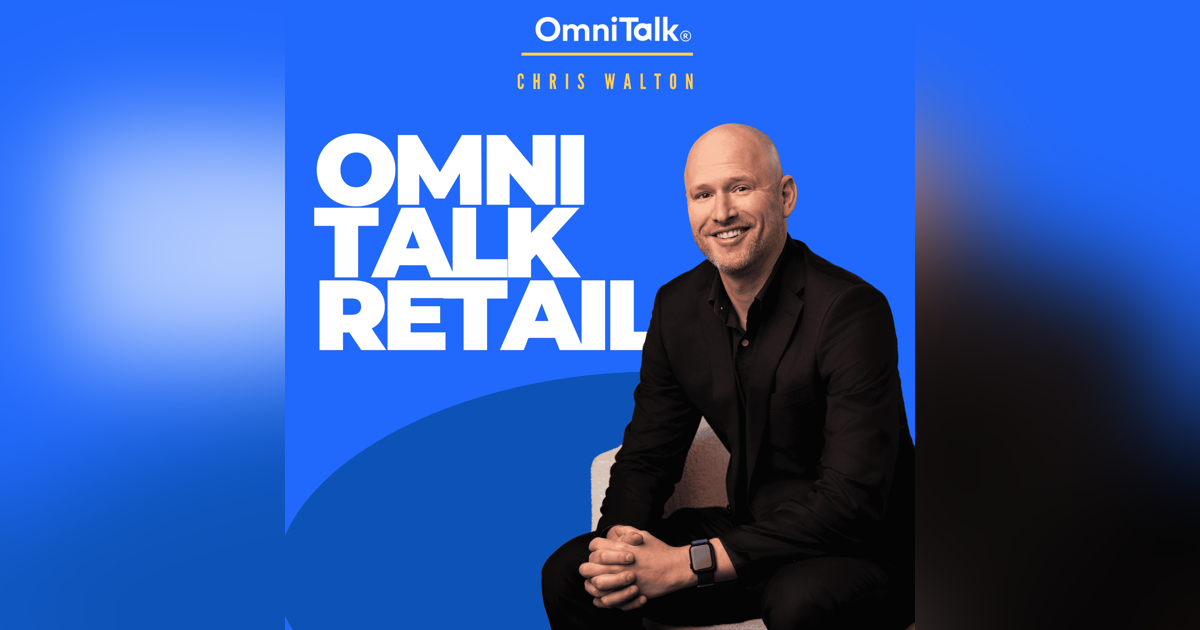


In this Omni Talk Retail interview, recorded live from FMI 2026 at the Simbe booth, Chris Walton and Anne Mezzenga sit down with Tim Horton, Vice President of Center Store at Schnucks, to discuss how center store strategy is evolving as consumer health trends, technology, and store execution continue to collide.
Tim shares his personal journey growing up in the grocery business and why center store remains a critical frontier for physical retail. The conversation explores how trends like GLP 1 adoption, higher protein demand, and changing definitions of health and wellness are reshaping assortment decisions, space allocation, and the in store experience.
The discussion also dives into Schnucks approach to store technology, including electronic shelf labels and robotic scanning, and how these tools are being used to improve execution, compliance, and customer facing service without removing labor from stores. Tim outlines how data, digital engagement, and shelf level personalization will play a growing role as Schnucks looks ahead to 2026.
Key Topics Covered
- How center store is changing amid GLP 1 and health focused consumer trends
- Balancing space changes with customer trust and shopping habits
- Schnucks approach to technology, including electronic shelf labels and robotics
- Using data and automation to improve merchandising execution
- Elevating health and wellness categories in center store
- The role of digital and personalization in supporting in store discovery
- Priorities for Schnucks center store strategy heading into 2026
Stay tuned to Omni Talk Retail for continued coverage from FMI 2026, and be sure to visit the Simbe booth, #118, in the FMI Tech section.
#FMI2026 #Schnucks #CenterStore #GroceryRetail #RetailTechnology #HealthAndWellness #StoreExecution #RetailLeadership #OmniTalk
This podcast uses the following third-party services for analysis:
Podcorn - https://podcorn.com/privacy
00:00 - Untitled
00:00 - Introduction to Omnitalk Retail
00:33 - Tim Horton's Journey in the Grocery Industry
01:42 - Understanding Consumer Trends in Grocery
04:18 - Leveraging Technology in Retail
05:38 - The Role of Technology in Retail Operations
07:17 - Looking Ahead: Goals for 2026
Hello, everyone.
Speaker AThis is Omnitalk Retail.
Speaker AI'm Chris Walton.
Speaker BAnd I'm Anne Mazinga.
Speaker AAnd we are coming to you live from the simbi booth at FMI Midwinter in San Diego.
Speaker ABooth number 118 in the FMI Tech section.
Speaker AAnd joining us today is Tim Horton, the VP of Center Store at Schnook's Market.
Speaker ATim, welcome to omnitalk.
Speaker CThank you, Chris.
Speaker CGlad to be here.
Speaker BWell, Tim, I just learned that you and Chris both cut your teeth together as merchants at Target.
Speaker BBut I'd love to hear maybe a little bit more of your background and then what you oversee in your role at Chinook Market.
Speaker CAbsolutely.
Speaker CSo I grew up in the food business and actually grew up in the grocery industry through high school and college.
Speaker CAnd so that's where really, really fell in love with retail.
Speaker CWhen I left Target, it was a very intentional decision to get back to the space that it all started for me.
Speaker CAnd I have a real passion for the grocery space.
Speaker CI believe that it is the final, you know, it is a frontier that's going to continue to need the physical space and just have a real passion for that business.
Speaker ASo, Tim, when you say you, you know, when you grew up in the business, what does that exactly mean?
Speaker CSo I actually worked for a small 12 store fleet of stores in central Indiana, in Indianapolis.
Speaker CIt was called Drew Amalia Food Markets.
Speaker CThey were high, high end, upscale grocery, carpeted center store, full service carryout.
Speaker CAnd it was really all about customer service.
Speaker CAnd it's really where I fell in love with just the passion of working with people and serving customers.
Speaker AAwesome.
Speaker AAwesome.
Speaker AAll right, so what brings you to fmi?
Speaker AI'm guessing you've been here before, right?
Speaker AHow many times is this for you?
Speaker CIt is not my first rotary.
Speaker CThis is my 12th consecutive year.
Speaker CAnd love this conference because we get a lot out of the time here and it's great to be able to engage with many of our strategic supplier partners and get some stuff done.
Speaker BWell, Tim, I'm curious.
Speaker BExplain for me a little bit.
Speaker BOne of the things that we talked about but coming into this conference was how much Center Store has really changed or is being impacted by other trends that are becoming more common in the US GLP1s other higher protein products like entering the market and becoming a priority produce and fresh.
Speaker BHow does that change your job and kind of what you're looking at in terms of offerings for the Chinook customer for center store?
Speaker CSure, great question.
Speaker CI mean, I certainly think that the consumer is changing based on trends in the, in the in the macro space.
Speaker AYeah.
Speaker CYou know, you mentioned GLP1 medication and I think health and wellness starts to have a different definition for many consumers because of A, the popularity, but B, just the change in their entire dynamic of each in the home.
Speaker CSo what we're figuring out is how do we reposition ourselves knowing that we carry many of these items, how do we deliver the experience in a meaningful way for that customer?
Speaker BAnd what kind of things are you doing to kind of bring that front and center for them?
Speaker BI mean, is it collaborating with marketing teams?
Speaker BIs it thinking about store layout and footprint?
Speaker BI mean, what are some of the initiatives that you kind of kicked off to respond to that?
Speaker CWell, it's certainly both of those things, but I think it's many factors and it's really about how do we, how do we bring solutions that align with where the customer is, but do it in a way that is reliable to our brand and the experience that they, they depend on when they come into our stores.
Speaker CSo some of that could mean space allocation in the stores.
Speaker CSo you think about a section like performance, nutrition.
Speaker CIt is a race to figure out how we get as much space as quickly as we can.
Speaker BHow many protein bars do you put on the shelves?
Speaker CExactly.
Speaker CExactly.
Speaker AYeah.
Speaker ATim, how do you.
Speaker AI mean, I remember from my days in grocery too, like grocery is really unique in the sense of your customers have a really big bond to their shopping experience in the store and they get really upset when their space changes, like when they go in and things are in a different spot.
Speaker ASo with all the trends happening around better for you products, GLP1s.
Speaker AHow do you manage the trade offs between space changes and keeping your customer happy and informed of where everything is?
Speaker CIt's a great question, Chris, and I think it's a balancing act.
Speaker CAt the end of the day, as a retailer, it is our job to make sure that we understand our customers, customers wants and needs.
Speaker CAnd sometimes change is hard, but what I found is through our major remodel process or through a new build where we relay the store in a completely different way, our customers respond in a positive way.
Speaker CAnd so it's really kind of figuring out how much can we change at one time without disrupting everything.
Speaker ARight.
Speaker CBut sometimes moving their cheese is the right decision.
Speaker AYeah.
Speaker ASometimes you just gotta do it.
Speaker ARight.
Speaker CThat's exactly right.
Speaker AYeah.
Speaker BWell, Tim, let's talk a little bit about technology.
Speaker BI think when our listeners will hear Chinook Markets, they will think about how much coverage we've given you and your team on just the innovation when it comes to technology in the stores, I'd love to get your perspective on how the tech that you've deployed in stores, from robotics to shelf labels to other operational investments, how is that impacting your team right now and the teams in the stores most significantly?
Speaker CYeah, great question.
Speaker CYou know what I would say is we have leveraged technology in a super meaningful way to drive efficiency and it's not designed to, to take things away.
Speaker CWhether it's a store teammate or whether it's a support center teammate.
Speaker CIt's really about driving better decision making.
Speaker CSo I'll give you an example.
Speaker CWhen we deployed electronic shelf labels, we did not remove any labor from the stores.
Speaker CWe redeployed that to more customer facing activities.
Speaker CAnd so that savings, while driving efficiency wasn't really about taking anything away from the store or the customer.
Speaker CIt was really about putting that activity into a place where it's going to provide more value for our customers.
Speaker BThat's great.
Speaker BIt's good to hear.
Speaker BAnd clearly one of the reasons, I think, why Chinook's so beloved by its customers is that you still have that experience in the store, the help and support that you need if somebody moves the cheese and you need to find out where it went.
Speaker CRight, exactly.
Speaker ATim, how would you sum up for us all the technology you've deployed in the store?
Speaker AAre there like three or four areas that it's really helping you become a better merchant and what the reasons are for that?
Speaker CYeah, I think so.
Speaker CI'll use the scanning robots as an example.
Speaker CSo the technology that we have isn't just used to collect data at Shelf Edge, but it actually feeds into other activities in our operation.
Speaker CSo an example is when we publish our weekly merchandising plans.
Speaker CWe now have tally scans that will tell us our compliance to that.
Speaker CAnd that's used in a couple different ways.
Speaker CNumber one is we have financial commitments to making sure that we execute the.
Speaker APlan, number one, right to the brands.
Speaker CBut number two, it's making sure that we're delivering a consistent, reliable store experience in every single one of our stores every single day.
Speaker AGot it.
Speaker ASo if I put that in layman's terms, like so what you were doing before is you were probably sending out corporate communication to the stores based on what you think is going on and they potentially needed to take action or they don't, but you're not necessarily sure.
Speaker ABut now the robot scanning give you a sense of where things need to have action taken and then you're coordinating that and sending that out with much more efficiency and Efficacy, is that right?
Speaker CCorrect.
Speaker CWe're utilizing our field support organization to really make sure that they're focusing on coaching, training, development opportunities for the store if they're not hitting the expectations on the plan.
Speaker CBut that insight really helps us make sure that we are doing what we commit to doing and again, that we're delivering a great customer experience.
Speaker AAnd as a merchant, you probably love that.
Speaker ARight.
Speaker ABecause you are assured that your planograms are set the way you and your team have designed them, which has always been the rub when you get down to store execution.
Speaker CYes, hope is not a strategy, but knowing really helps us get better.
Speaker AYeah, knowing's half the battle, I think, right, Tim?
Speaker AIsn't that the phrase?
Speaker AAll right, so as you look forward to 2026, I'm curious, what do you hope to accomplish this year particularly?
Speaker CWell, I think a few things.
Speaker CI mean, number one is I'm going to continue to build a high performing team that is really cutting edge in terms of their think.
Speaker CYou know, schnooks gets a lot of credit for staying ahead of trends, being able to be quick and agile and so we're going to continue our momentum on that.
Speaker CNumber two is we're really going to focus on elevating some health and wellness categories to make those easier to find in our stores.
Speaker CWe have the offerings but oftentimes if you have a dietary restriction that you are shopping for, it can be very difficult to navigate.
Speaker CSo we're going to identify five to 10 categories, really make it pop at shelf edge and then if that is successful, we'll scale.
Speaker CNumber two is, you know, you talked about the GLP1 trend.
Speaker CIt's really figuring out how we reposition our set sizes, category adjacency and flow to better meet the customer where they're already getting very quickly with the adoption rate of GLP1.
Speaker AAnd how does digital factor into what you just said too, Tim?
Speaker CI think digital is a huge component because you know, we've got great customer data and so we can start to understand behaviorally who do we need to be targeting to make sure that they're aware that some of these things are either available or that we're promoting in our stores.
Speaker ASo personalizing as best you can in store at shelf but then also back home on digital online via the app.
Speaker CAbsolutely.
Speaker AGot it.
Speaker BAll right, well thank you so much Tim for giving us your time.
Speaker BI know that it's a jam packed day full of meetings today.
Speaker BI want to give a big thank you to the Simbi team for hosting us here at fmi.
Speaker BWe have several interviews to bring you with retailers and brands throughout the day, so stay tuned.
Speaker AAnd until next time, be careful out there.


